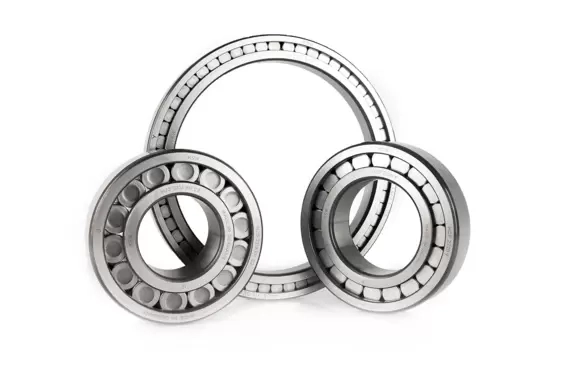
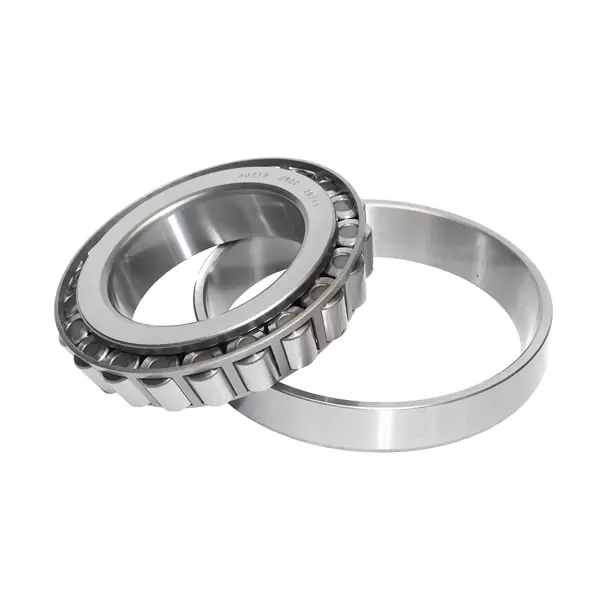
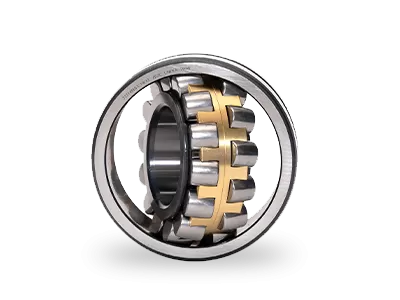
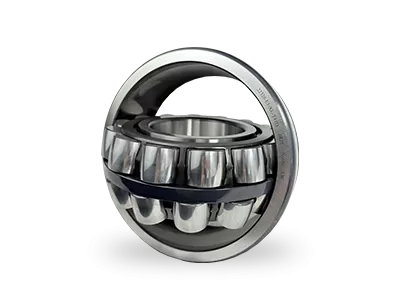
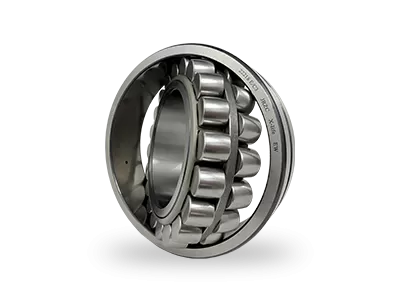
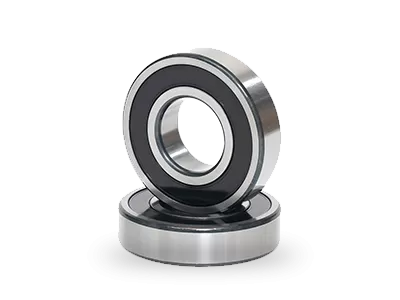
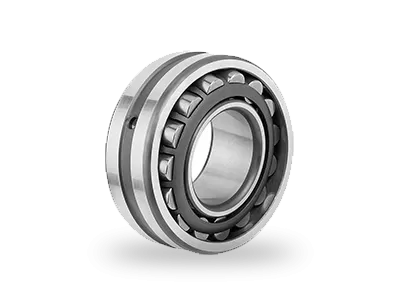
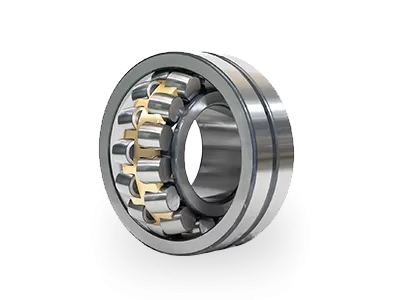
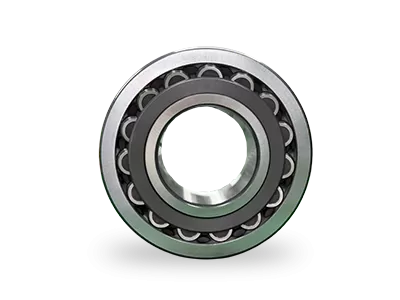
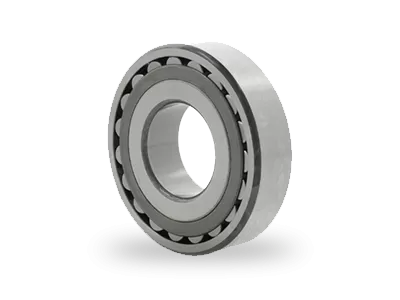
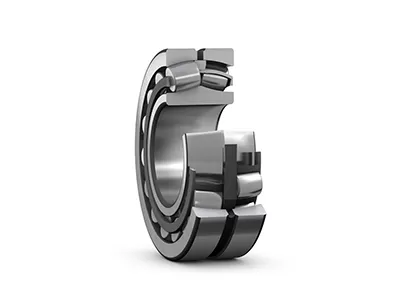
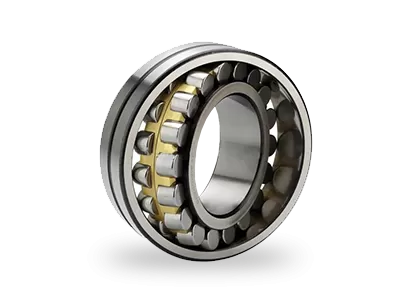
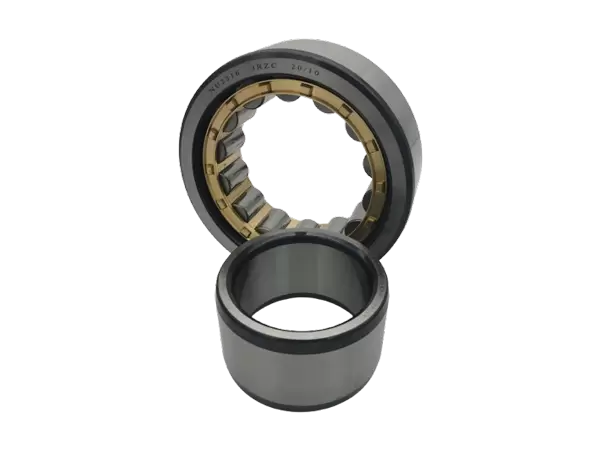
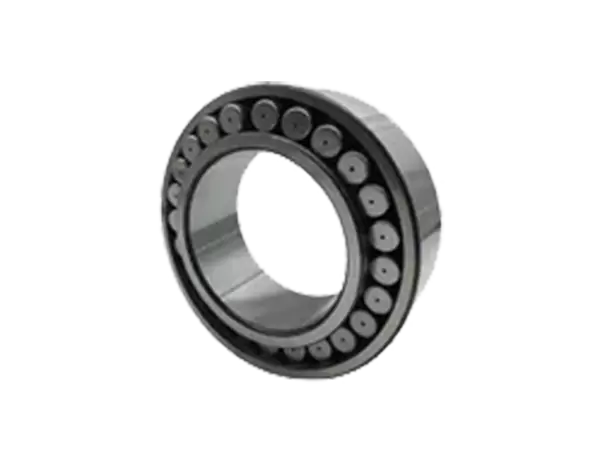
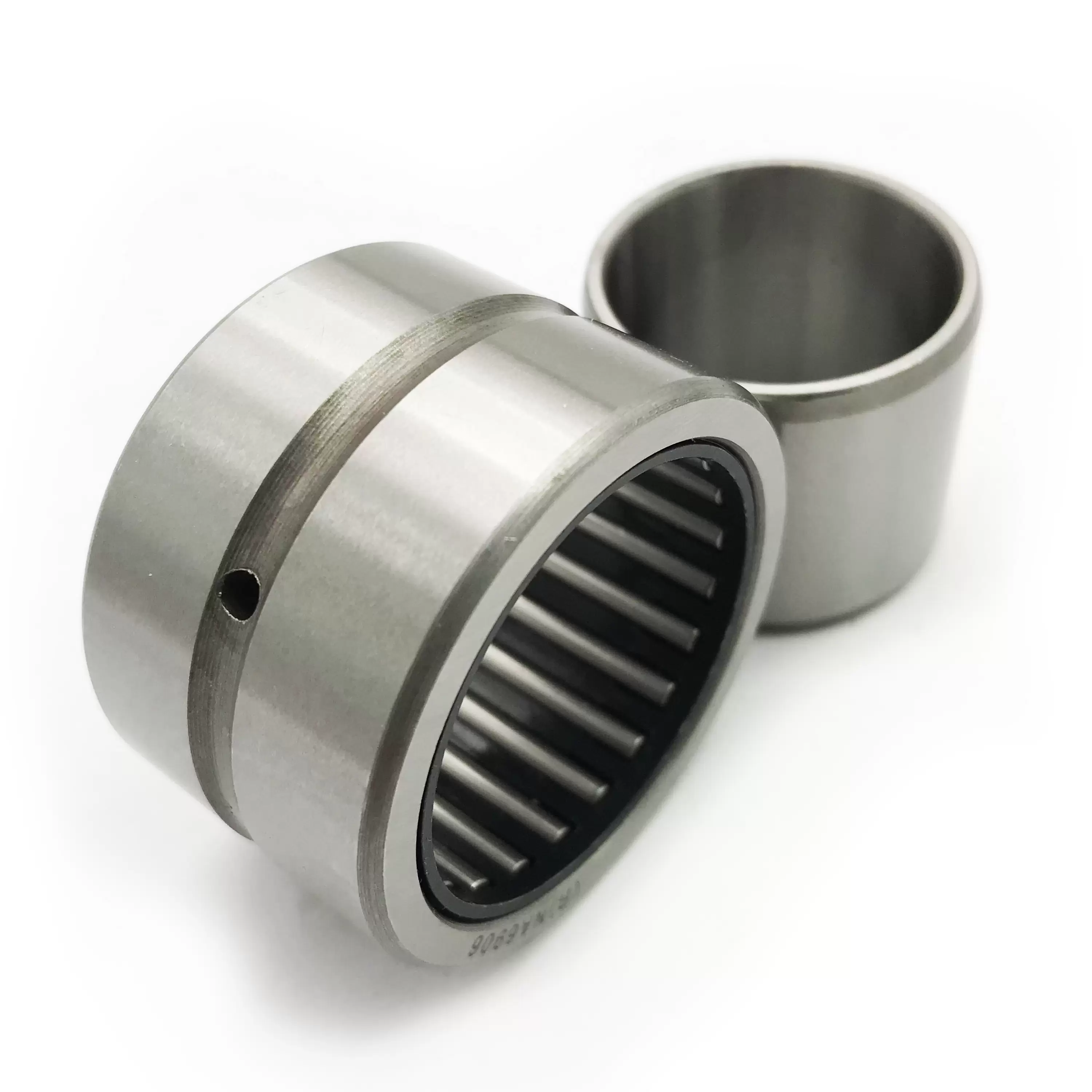
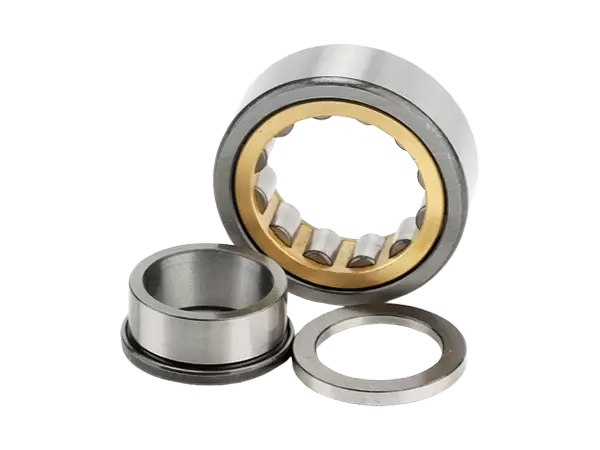
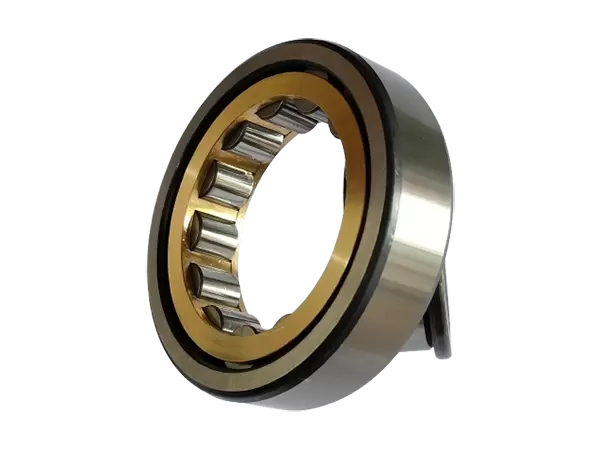
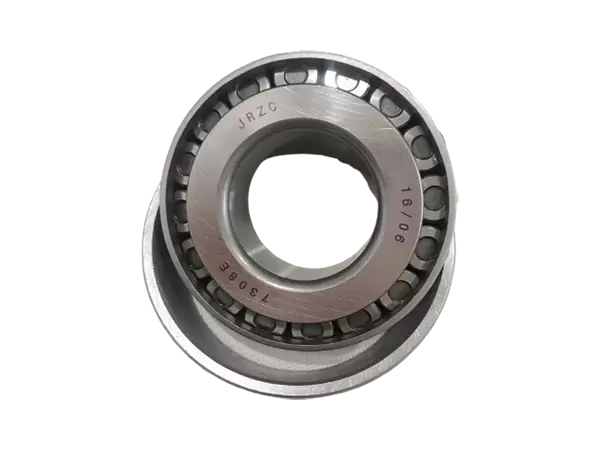
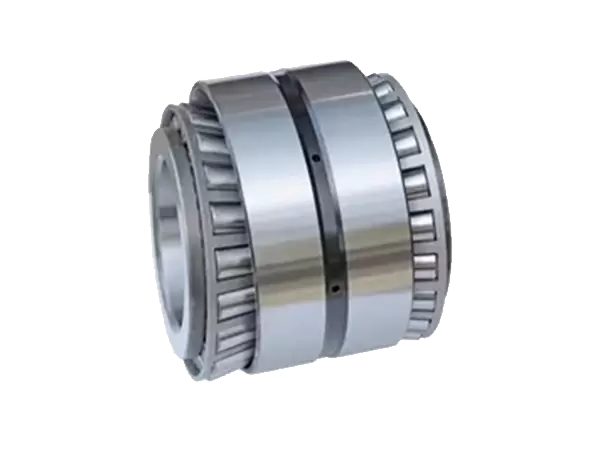
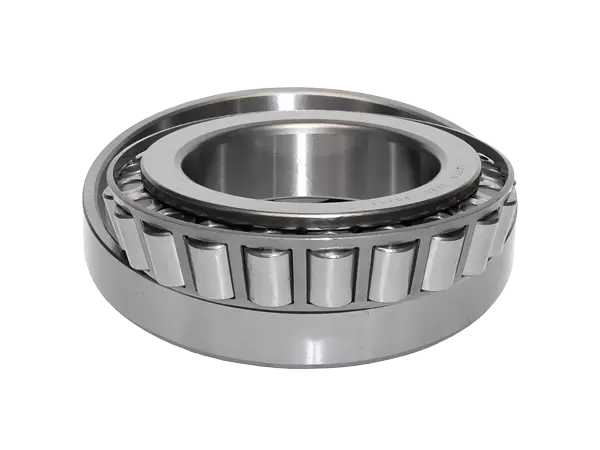
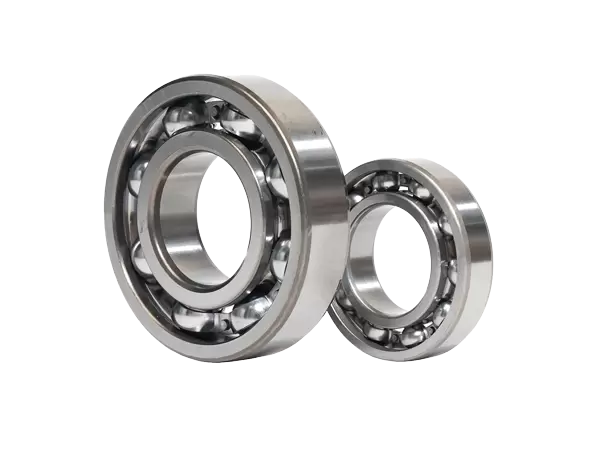
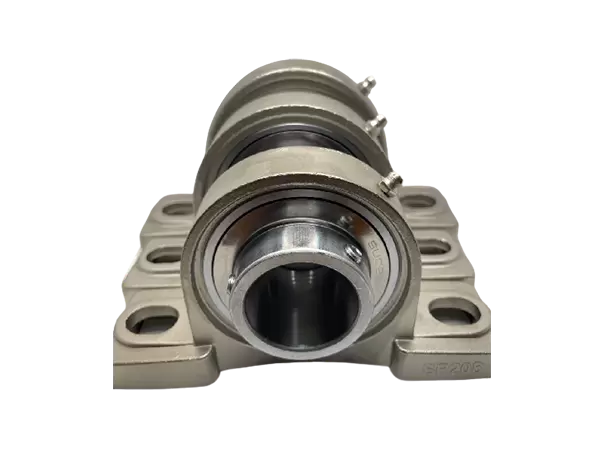
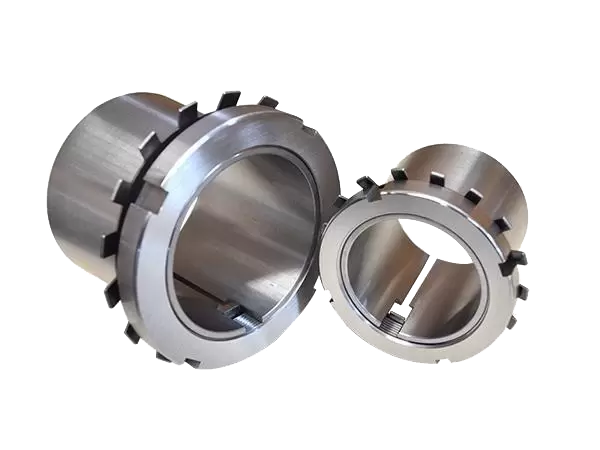
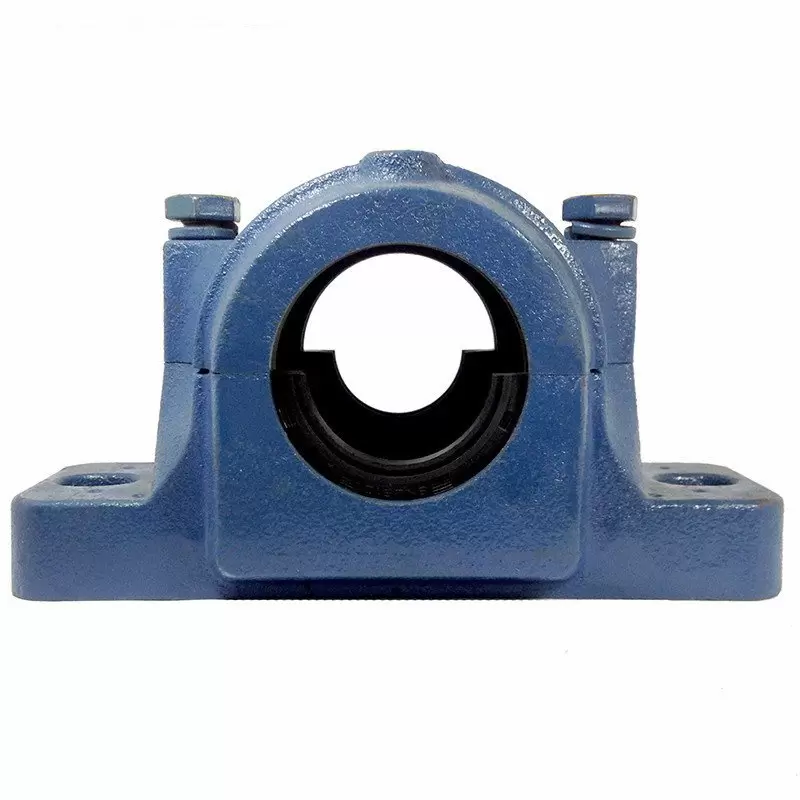
Single row tapered roller bearings play a critical role in mechanical assemblies where combined loading conditions are present. Their geometry allows efficient management of both radial and axial forces, ensuring stable shaft alignment under demanding operating conditions. In mining and construction equipment, these bearings are widely used due to their ability to maintain structural integrity under fluctuating loads and continuous stress environments.
Design Principles of Single Row Tapered Roller Bearings
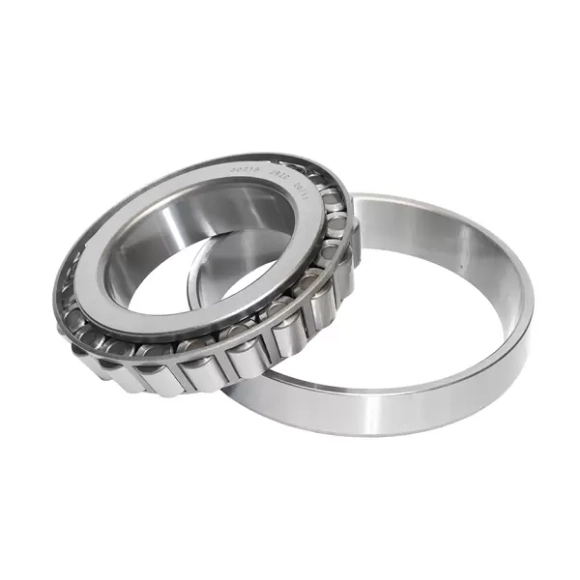
The core design of single row tapered roller bearings is based on tapered raceways and rollers arranged so that contact lines converge at a common point on the bearing axis. This configuration enables controlled load distribution and minimizes localized stress concentrations during operation.
The bearing structure ensures that axial forces generated during radial loading are effectively balanced, improving stability and reducing deformation risk. This makes the bearing suitable for equipment where consistent rotational accuracy is required over extended operating cycles.
Load Distribution and Structural Behavior
In engineering applications, load management is a defining factor for performance. The internal geometry of tapered rollers allows loads to be shared evenly across the contact surface, which reduces wear and extends service life.
The interaction between rolling elements and raceways is optimized to maintain smooth torque transmission. This is particularly important in mining and construction environments, where shock loads and vibration are common and unavoidable.
Engineering Characteristics and Speed Capability
Modern bearing design emphasizes efficiency under dynamic conditions. High speed roller bearings within the tapered roller category are engineered to maintain lubrication stability and thermal balance even when rotational speed increases.
This balance between speed and load capacity ensures that equipment can operate continuously without excessive friction buildup. Proper lubrication channels and surface finishing techniques also contribute to reduced energy loss during operation.
Performance in Mining and Construction Equipment
Mining and construction machinery require components capable of handling extreme pressure, heavy vibration, and irregular load cycles. In this context, heavy duty roller bearings provide the structural reinforcement necessary for long-term reliability.
These bearings are commonly integrated into drivetrain assemblies, axle supports, and transmission components where durability is essential. Their ability to resist deformation under high stress conditions directly contributes to reduced maintenance intervals and improved operational uptime.
Material Engineering and Manufacturing Precision at JRZC
Material selection and heat treatment processes significantly influence bearing performance. JRZC applies controlled hardening techniques and precision finishing to ensure dimensional accuracy and surface durability across all bearing components.
The production process is managed through strict tolerances to maintain consistency in rolling element geometry and raceway alignment. This ensures smooth operation even under continuous mechanical stress.
Manufacturing Capability and Production Consistency
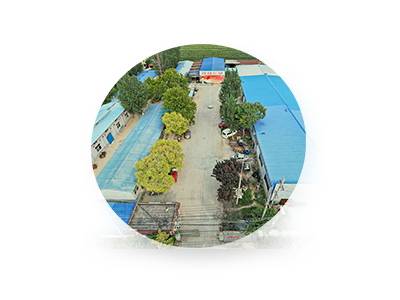
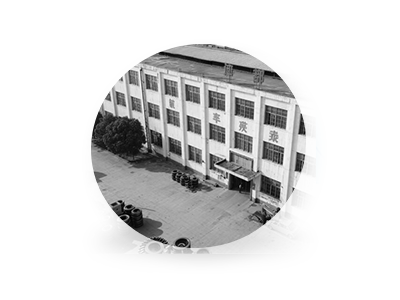
A well-structured roller bearing factory environment is essential for achieving stable quality output. JRZC integrates automated inspection procedures and precision machining systems to ensure each bearing meets strict performance standards before delivery.
Custom Engineering and Application Flexibility
Different industrial environments require tailored mechanical solutions. Custom roller bearings allow engineers to adjust load ratings, dimensional configurations, and material properties according to specific application requirements.
This adaptability is especially valuable in mining and construction systems where operating conditions vary significantly between equipment types and working environments.
Selection Considerations for Industrial Applications
Choosing the correct bearing involves evaluating load direction, speed requirements, lubrication conditions, and environmental exposure. Proper selection ensures longer service life and reduces unexpected mechanical failure.
Key performance factors include:
Load distribution efficiency under combined forces
Thermal stability during continuous operation
Resistance to contamination and abrasive particles
Compatibility with lubrication systems
Technical Performance Overview
| Parameter | Functional Impact | Engineering Benefit |
|---|
| Load Capacity | Supports combined radial and axial forces | Improved stability under stress |
| Contact Geometry | Tapered alignment of rollers | Reduced friction and wear |
| Lubrication Control | Optimized flow paths | Enhanced thermal balance |
| Structural Rigidity | Reinforced internal design | Better alignment retention |
FAQ
Q1: Where are single row tapered roller bearings most commonly used?
They are widely applied in mining machinery, construction equipment, gearboxes, and heavy load transmission systems.
Q2: Why are tapered roller bearings suitable for combined loads?
Their angled raceway design allows them to handle both radial and axial forces simultaneously with high stability.
Q3: What makes them different from other roller bearings?
Their separable structure and tapered geometry provide better load distribution and easier installation compared to parallel roller designs.
Q4: Can they operate under high speed conditions?
Yes, when properly lubricated and engineered, they can maintain performance under moderate to high-speed rotation.