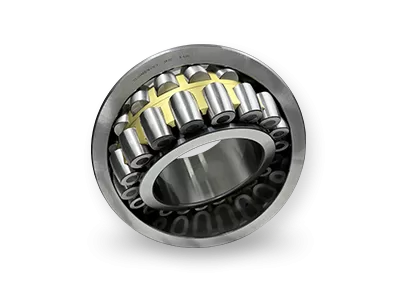
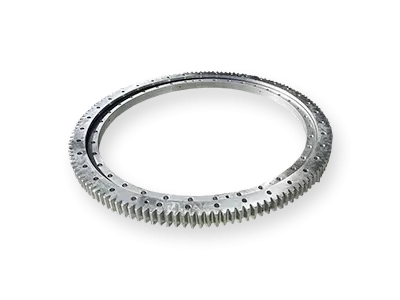
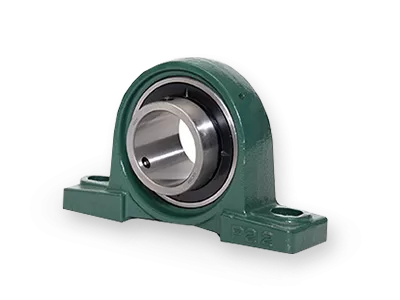
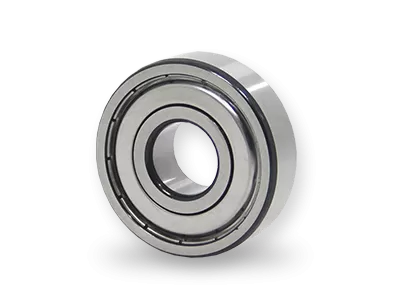
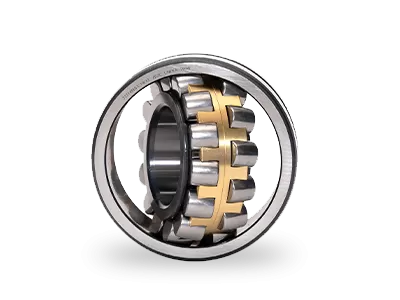
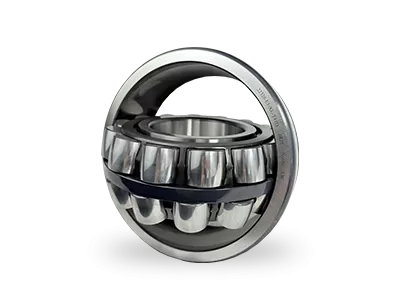
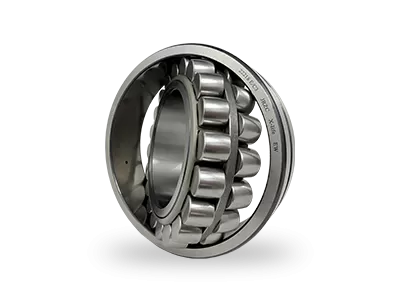
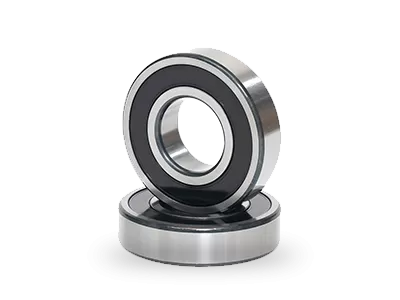
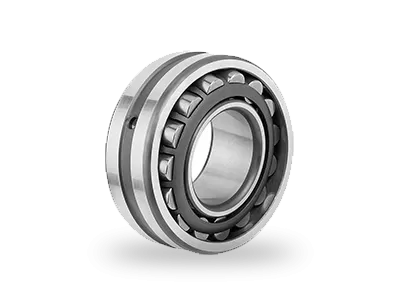
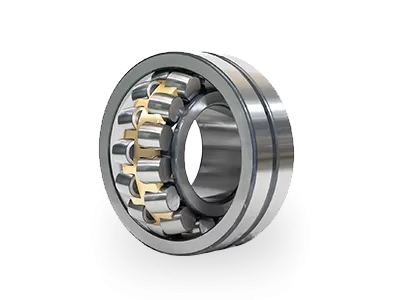
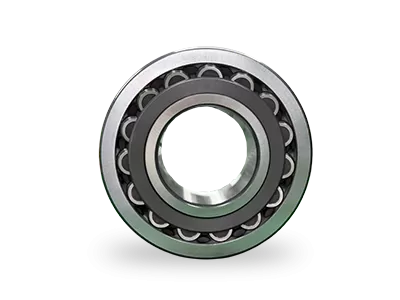
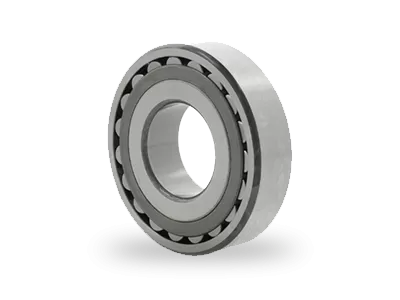
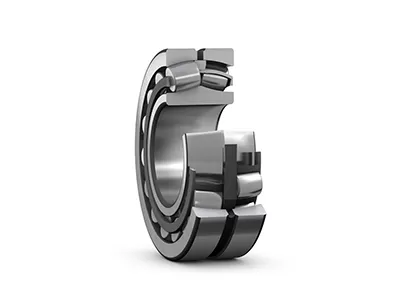
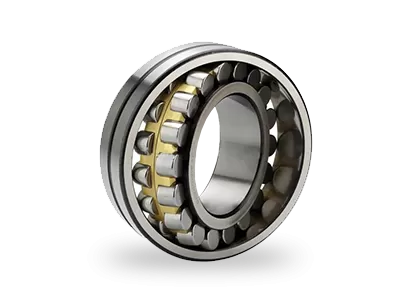
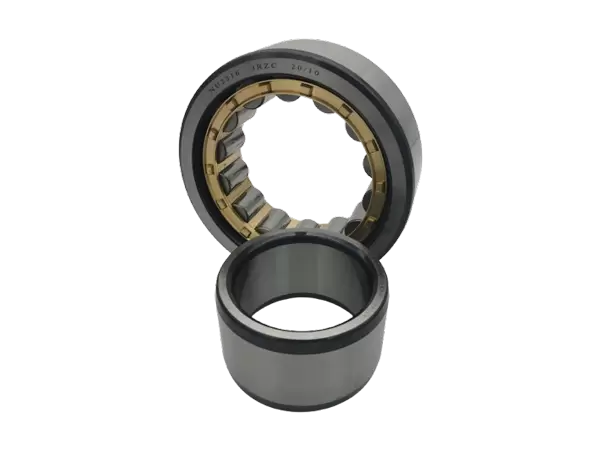
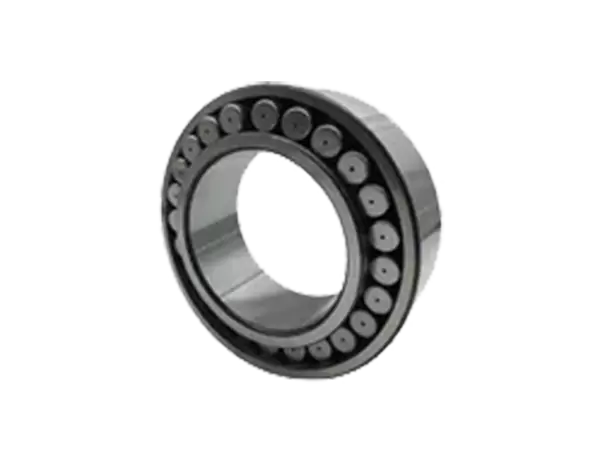
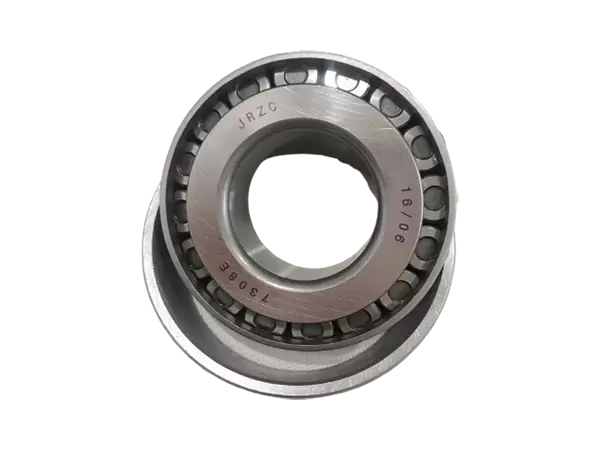
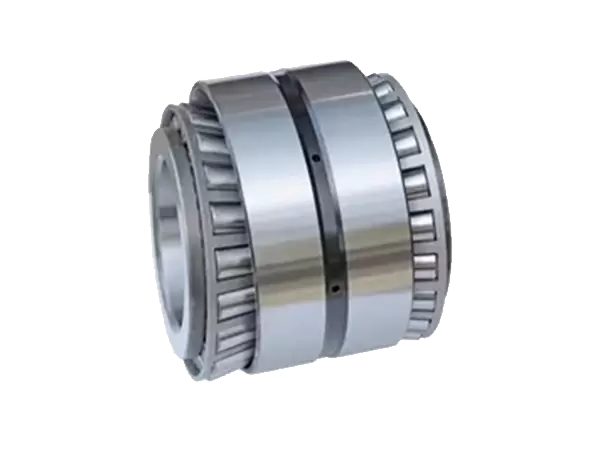
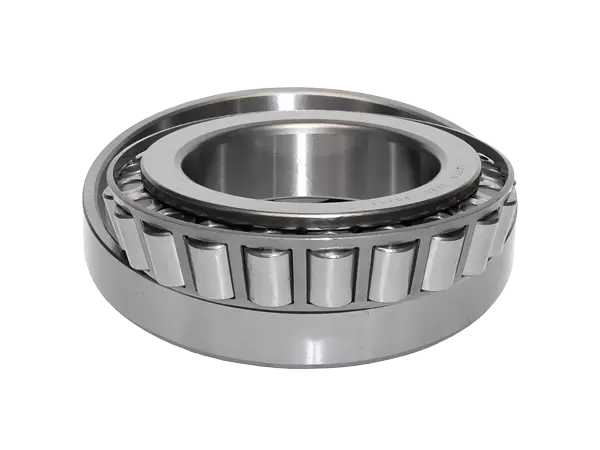
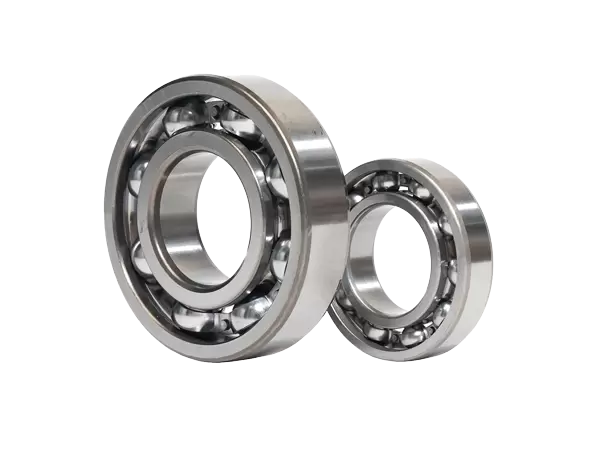
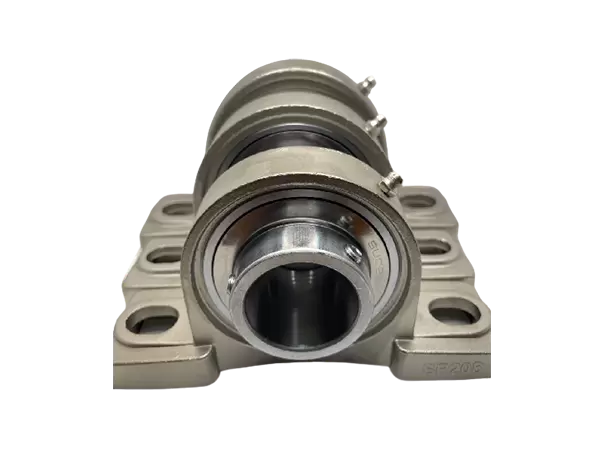
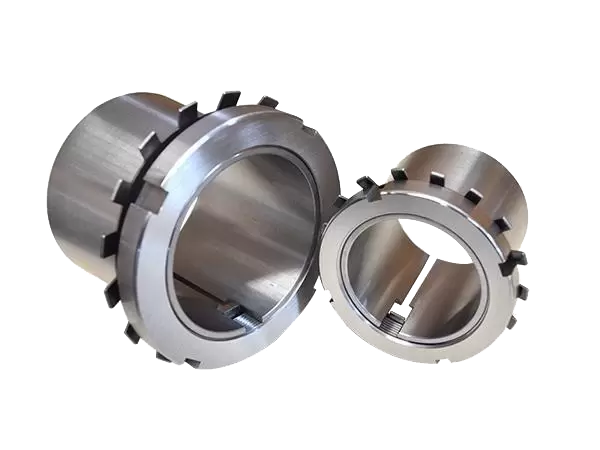
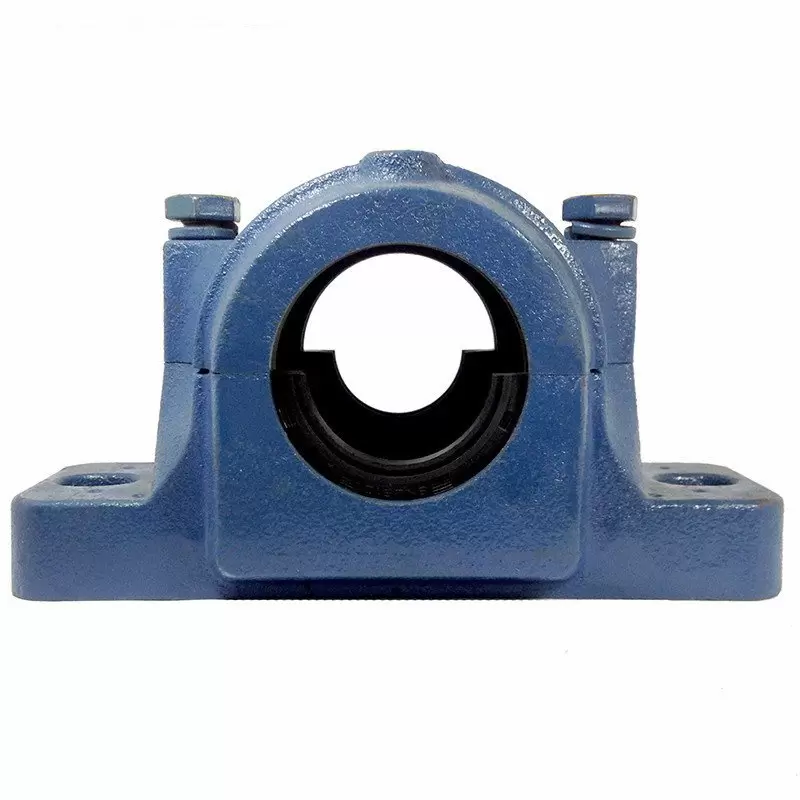
In modern mechanical transmission and rotating equipment design, the demand for components that can sustain high radial loads while maintaining stable high-speed performance continues to grow. Among these critical components, single row cylindrical roller bearings play a central role in ensuring operational reliability across heavy-duty industrial environments. Their structural efficiency, load distribution characteristics, and adaptability make them a preferred choice in applications where both strength and rotational precision are required.
As global industries move toward higher efficiency and reduced downtime, bearing design has evolved to meet stricter performance expectations. JRZC, as a professional cylindrical roller bearing manufacturer, focuses on engineering solutions that support long service life, reduced friction loss, and stable performance under demanding conditions.
Structural Advantages of Single Row Cylindrical Roller Bearings
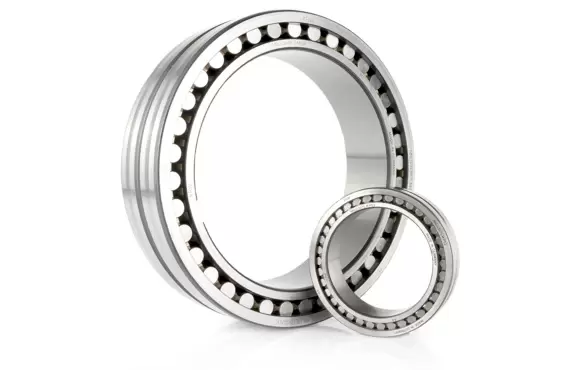
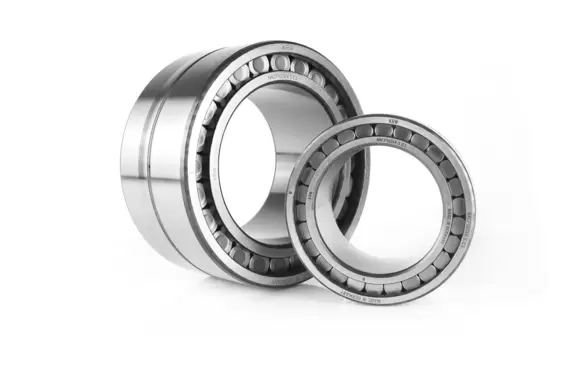
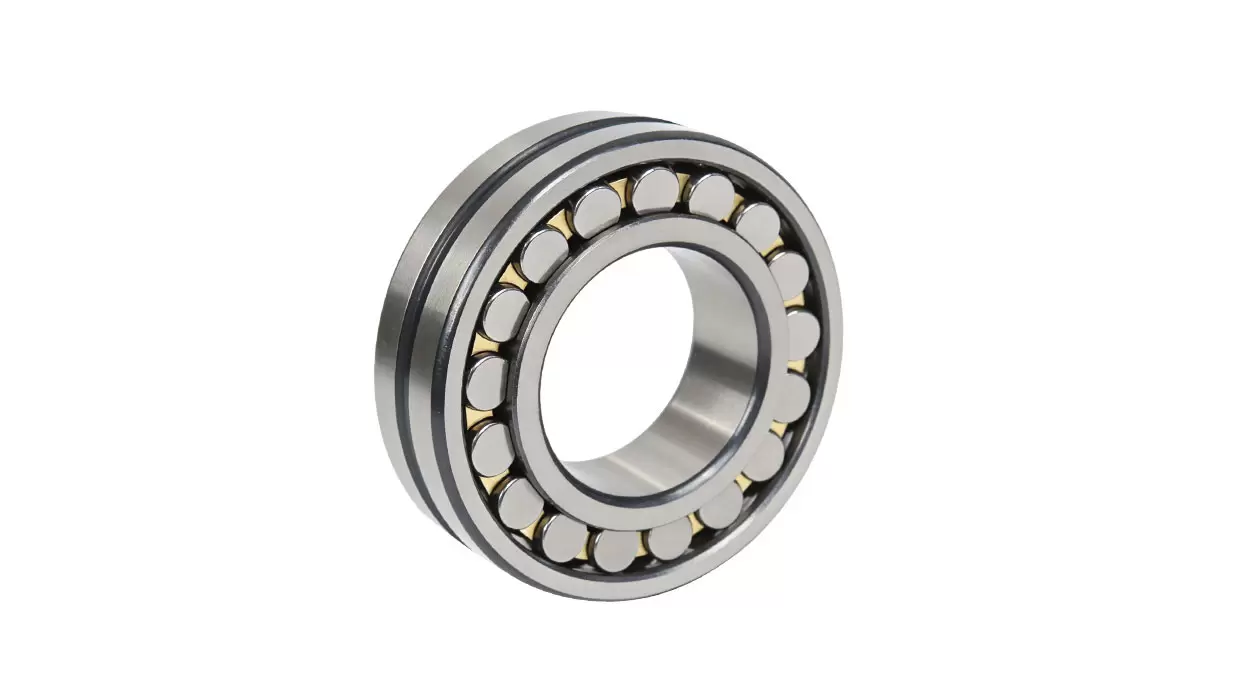
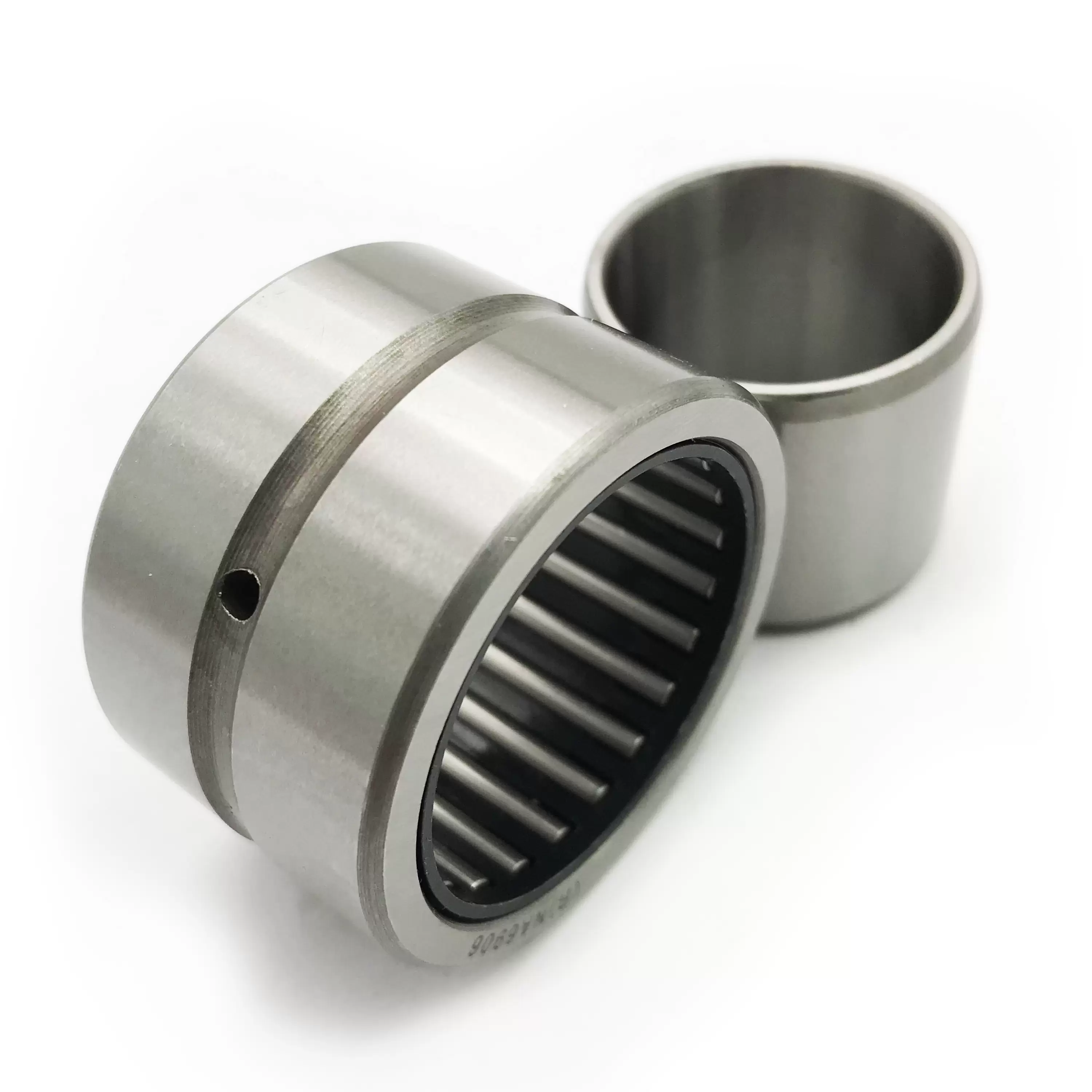
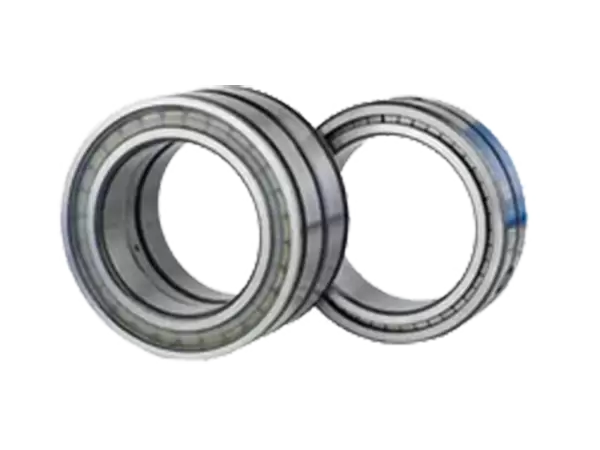
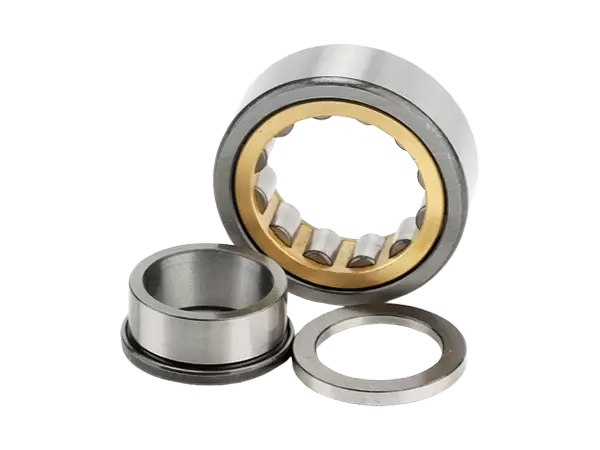
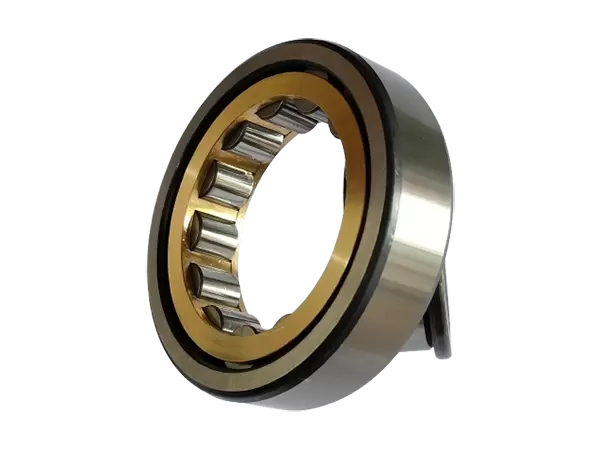
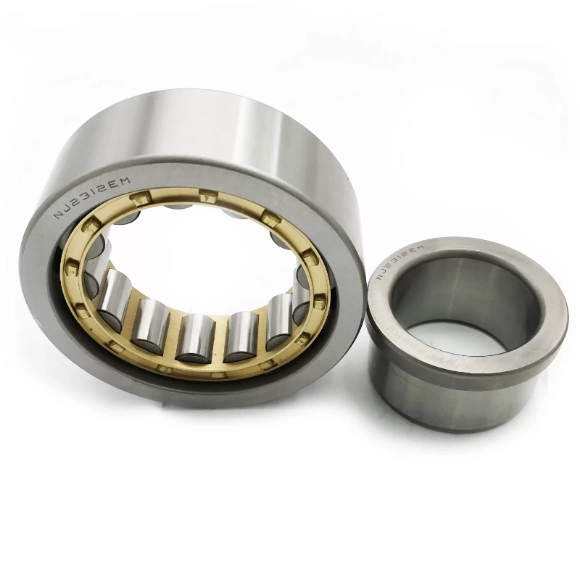
The defining feature of single row cylindrical roller bearings is the linear contact between rollers and raceways. Unlike point-contact designs found in ball bearings, this line contact distributes load more evenly across a larger surface area. This structural advantage enables significantly higher radial load capacity.
Another important characteristic is their separable design. The inner ring, outer ring, and roller-cage assembly can be mounted and dismounted independently, simplifying installation and maintenance procedures. This feature is particularly valuable in large-scale industrial systems where downtime must be minimized.
Different flange configurations on inner and outer rings also provide design flexibility. Engineers can select variants based on axial displacement requirements, load direction constraints, and housing limitations. This adaptability makes these bearings suitable for a wide range of mechanical architectures.
When evaluating rolling element bearings for industrial use, performance stability under high speed and heavy load is essential. High speed cylindrical roller bearings are specifically engineered to reduce frictional resistance while maintaining structural rigidity.
Compared with full complement designs, caged versions introduce controlled roller spacing, which reduces heat generation and improves rotational smoothness. This allows machinery to operate at higher speeds without compromising reliability.
In addition, optimized cage design helps maintain consistent lubricant distribution. This directly contributes to reduced wear and extended service intervals, which is critical in continuous operation environments.
Load Handling Capability and Engineering Value
The ability of single row cylindrical roller bearings to carry radial loads significantly exceeds that of traditional ball bearings. This makes them a core component in heavy machinery, industrial gear systems, and energy transmission units.
Their load distribution behavior can be summarized as follows:
| Bearing Type | Load Contact | Radial Load Capacity | Speed Capability |
|---|
| Ball Bearings | Point contact | Medium | High |
| Cylindrical Roller Bearings (Caged) | Line contact | High | High |
| Full Complement Cylindrical Bearings | Line contact | Very high | Lower |
This balance between load capacity and speed capability is what makes them widely adopted in industries requiring both endurance and rotational efficiency.
Design Variations and Engineering Flexibility
One of the key strengths of custom roller bearings is the ability to tailor internal geometry to match application requirements. Variations may include differences in roller length, cage material, clearance class, and lubrication channels.
Tapered bore versions are often used in applications requiring precise shaft alignment adjustments, while cylindrical bore types are preferred for standard shaft assemblies. These options allow engineers to integrate bearings into both simple and complex mechanical systems without redesigning surrounding components.
JRZC supports engineering customization to meet specific operational conditions, ensuring compatibility with diverse industrial equipment requirements.
Material Selection and Durability Considerations
Material selection plays a critical role in the performance of heavy duty roller bearings. High-grade bearing steel is typically used to ensure resistance against fatigue, deformation, and surface wear under continuous stress.
Heat treatment processes enhance hardness while maintaining core toughness, allowing the bearing to absorb shock loads without cracking. Surface finishing also contributes to reduced friction, improving energy efficiency during operation.
Cage materials such as steel, brass, or engineered polymers are selected based on speed, temperature, and lubrication conditions. Each material provides a different balance between strength, weight, and thermal stability.
Lubrication and Operational Stability
Proper lubrication is essential for maximizing the performance of single row cylindrical roller bearings. Lubricant film formation reduces direct metal-to-metal contact, minimizing friction and preventing premature wear.
Depending on operating conditions, grease or oil lubrication may be used. Grease lubrication is often preferred for sealed or low-maintenance environments, while oil lubrication is suitable for high-speed and high-temperature applications.
Maintaining correct lubrication intervals is essential for extending service life and ensuring consistent rotational accuracy under varying load conditions.
Comparison of Key Design Features
| Feature | Standard Design | High-Performance Design |
|---|
| Cage Type | Steel cage | Brass or polymer cage |
| Speed Capability | Moderate | High speed cylindrical roller bearings optimized |
| Heat Generation | Standard | Reduced |
| Maintenance Interval | Medium | Extended |
These design improvements allow engineers to select bearings based on performance priorities such as speed, durability, or maintenance efficiency.
Application Considerations in Industrial Engineering
In industrial transmission systems, single row cylindrical roller bearings are often selected for gearboxes, electric motors, compressors, and heavy rotating shafts. Their ability to maintain alignment under radial stress makes them highly reliable in continuous-duty operations.
For engineers seeking long-term stability, selecting the correct clearance class and cage design is crucial. Even minor deviations in internal geometry can significantly influence vibration levels and operational efficiency.
JRZC ensures that each bearing is manufactured with strict dimensional control to meet global industrial standards.
OEM Supply Capability and Manufacturing Expertise
As a specialized cylindrical roller bearing manufacturer, JRZC provides OEM solutions tailored to global industrial requirements. This includes flexible production capabilities, technical customization, and quality-controlled manufacturing processes.
OEM services cover a wide range of specifications, enabling clients to develop application-specific solutions without compromising performance standards. This is particularly important for industries requiring high precision and consistent batch quality.
Through advanced machining and inspection processes, JRZC ensures that every bearing meets stringent tolerances for radial clearance, roundness, and surface integrity.
Long-Term Reliability and Maintenance Efficiency
The long service life of heavy duty roller bearings is directly linked to their structural efficiency and material strength. When properly installed and maintained, they offer extended operational stability even under fluctuating load conditions.
Reduced friction and optimized roller alignment contribute to lower energy consumption, making them a cost-effective solution for large-scale industrial operations. This balance between performance and durability is a key reason they are widely adopted across global markets.
Conclusion
Single row cylindrical roller bearings represent a critical engineering solution for industries requiring both high radial load capacity and reliable high-speed performance. Their structural design, combined with customizable configurations, makes them suitable for a wide range of mechanical systems.
With strong OEM capabilities and precision manufacturing expertise, JRZC continues to support global demand for high-performance rolling bearings. Through continuous optimization of materials, geometry, and lubrication compatibility, these bearings deliver consistent value in demanding industrial environments.
FAQ
Q1: What makes single row cylindrical roller bearings different from ball bearings?
They use line contact instead of point contact, allowing higher radial load capacity and improved durability under heavy loads.
Q2: Are cylindrical roller bearings suitable for high-speed applications?
Yes, especially caged designs, which reduce friction and heat generation, making them suitable for high-speed cylindrical roller bearings applications.
Q3: Can these bearings handle axial loads?
They have limited axial load capacity and are primarily designed for radial load conditions.
Q4: What industries commonly use these bearings?
They are widely used in gearboxes, motors, compressors, and heavy-duty rotating machinery.
Q5: Does JRZC provide custom bearing solutions?
Yes, JRZC offers custom roller bearings and OEM services tailored to specific industrial requirements.