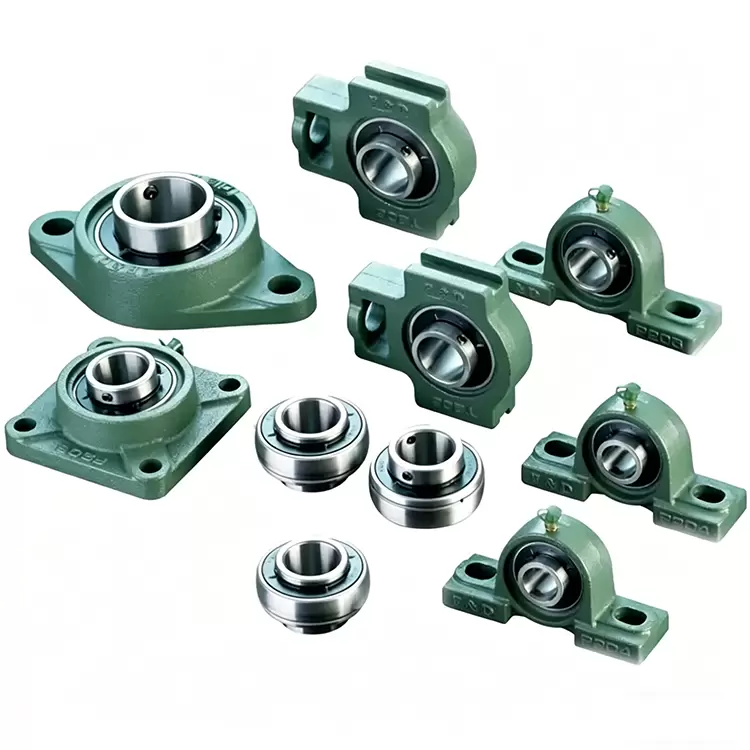
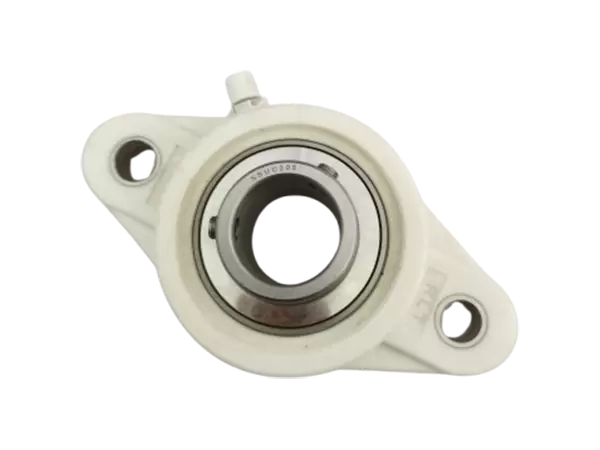
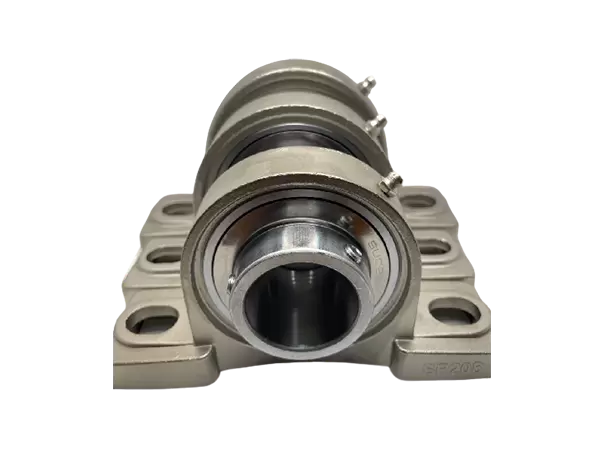
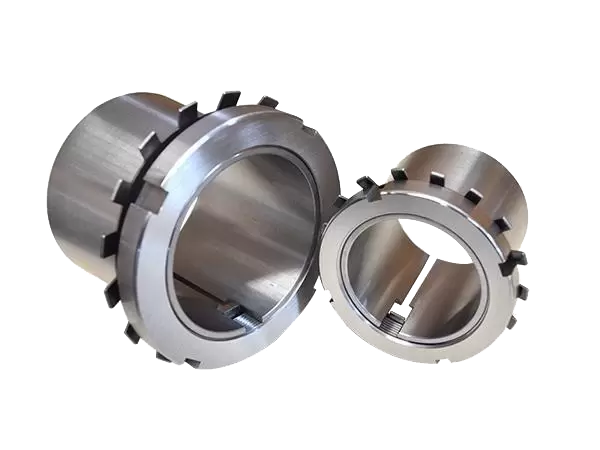
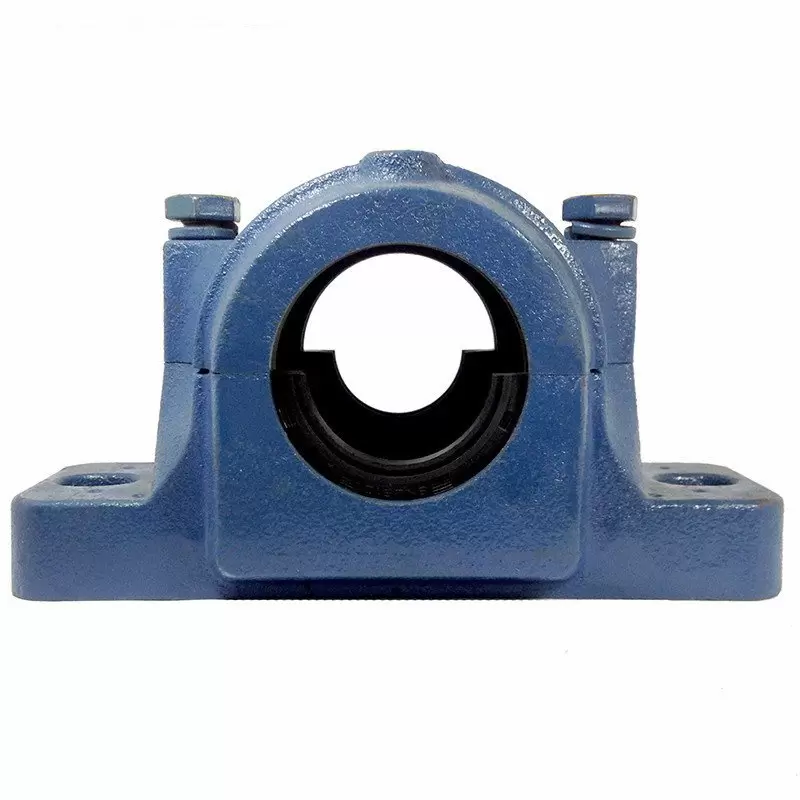
Shaft alignment is an important factor in bearing performance, especially in equipment exposed to vibration, uneven loads, or changing operating conditions. Even when a shaft and housing are carefully manufactured, small angular or positional deviations can occur during assembly and operation. An insert ball bearing is designed to accommodate a certain degree of misalignment while maintaining stable rotation and reducing unnecessary stress on connected components.
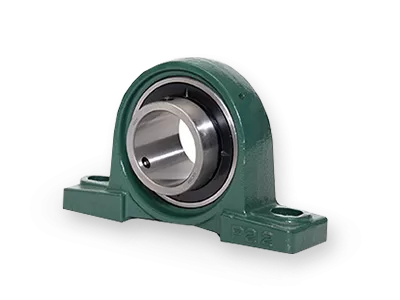
For agricultural machinery, conveyors, construction equipment, and other industrial applications, this alignment capability can simplify installation and help maintain reliable operation. JRZC insert ball bearings combine a bearing insert with a robust housing arrangement, allowing the bearing to support rotating shafts while accommodating limited alignment variation.
Why Shaft Misalignment Matters in Industrial Equipment
Shaft misalignment occurs when the shaft centerline does not remain perfectly aligned with the bearing housing. The deviation may result from installation tolerances, shaft deflection, housing deformation, vibration, thermal changes, or uneven loading. Although small deviations may appear insignificant, they can change how forces are distributed across the bearing during operation.
If a conventional bearing arrangement cannot accommodate these changes, localized loading may develop between the rolling elements and raceways. This can increase friction, vibration, noise, and operating temperature. Over time, uneven contact may accelerate wear and reduce expected service life. For this reason, bearing selection should consider alignment conditions as well as load and speed requirements.
How an Insert Ball Bearing Accommodates Misalignment
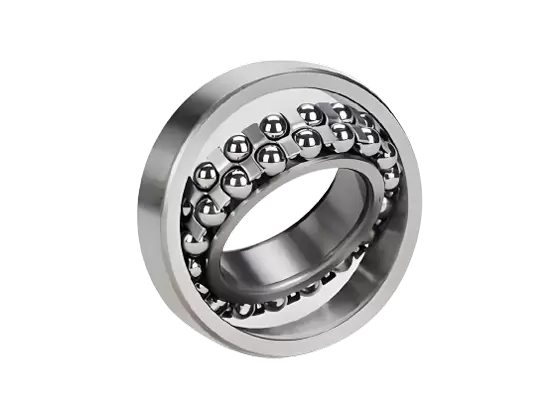
The main advantage of insert ball bearing in this type of application is its ability to work with a housing that allows the bearing insert to accommodate limited angular misalignment. The outer surface of the bearing insert is generally designed to work with the corresponding housing, allowing the bearing to adjust its position within a controlled range.
This design is particularly useful when perfect shaft and housing alignment is difficult to maintain. Rather than transferring every small installation deviation directly into the rolling contact area, the bearing arrangement can accommodate part of the movement. This helps maintain smoother rotation and more consistent load distribution.
However, alignment capability should not be misunderstood as permission for severe installation errors. Self-aligning performance has practical limits, and the bearing should still be installed with appropriate shaft, housing, and mounting accuracy.
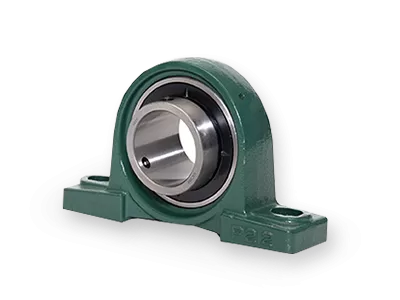
The housing is more than a structure that holds the bearing in place. Its geometry, rigidity, mounting method, and connection to the machine frame all influence how effectively the bearing can accommodate shaft movement.
A properly designed housing supports the insert bearing while allowing the intended alignment movement to occur. If the housing is distorted, incorrectly mounted, or subjected to excessive external force, the bearing may not perform as designed. Housing accuracy therefore becomes an important part of an insert ball bearing assembly for industrial machinery.
JRZC focuses on bearing and housing combinations intended for practical industrial use, where installation conditions may not always be perfectly controlled. A robust housing can also help protect the bearing from external mechanical damage and environmental contamination.
Installation Conditions Still Matter
Self-aligning capability can reduce sensitivity to minor alignment errors, but it does not eliminate the need for correct installation. Before mounting an insert bearing, the shaft should be checked for appropriate diameter, surface condition, straightness, and cleanliness. The housing mounting surface should also be stable and properly secured.
The locking arrangement must provide sufficient grip without creating unnecessary deformation. Depending on the bearing construction, different shaft-locking methods may be available. Correct tightening and mounting procedures help prevent shaft creep, excessive vibration, and uneven operating conditions.
A useful installation principle is simple: use the bearing's alignment capability to accommodate normal operating variation, not to compensate for poor workmanship.
Misalignment, Load Distribution, and Bearing Life
Alignment affects how load travels through the rolling elements. When the shaft remains properly supported, the load can be distributed more consistently across the bearing's internal contacts. When excessive angular deviation occurs, the contact pattern can become uneven and create higher localized stress.
This is especially relevant for machinery exposed to changing radial loads. Conveyors, agricultural machinery, and construction equipment can experience vibration, shock, structural movement, and fluctuating operating forces. An insert ball bearing for conveyor equipment or similar machinery therefore needs to tolerate more than ideal laboratory conditions.
The table below summarizes several common factors that influence alignment performance:
| Operating Factor | Possible Effect on Bearing Alignment |
|---|
| Shaft deflection | Changes the effective shaft centerline |
| Housing deformation | Alters bearing support conditions |
| Installation error | Creates initial angular deviation |
| Vibration | Produces repeated positional changes |
| Variable loading | Changes internal force distribution |
| Thermal expansion | Can alter shaft and housing positions |
| Contamination | May increase friction and wear |
Considering these factors during bearing selection can help prevent problems that would otherwise be incorrectly attributed to bearing quality alone.
Sealing Helps Protect the Alignment Mechanism
Misalignment is not the only challenge faced by bearings in demanding environments. Dust, moisture, soil particles, and other contaminants can enter the bearing and interfere with lubrication and rolling contact. Once contamination reaches the internal surfaces, friction and wear can increase significantly.
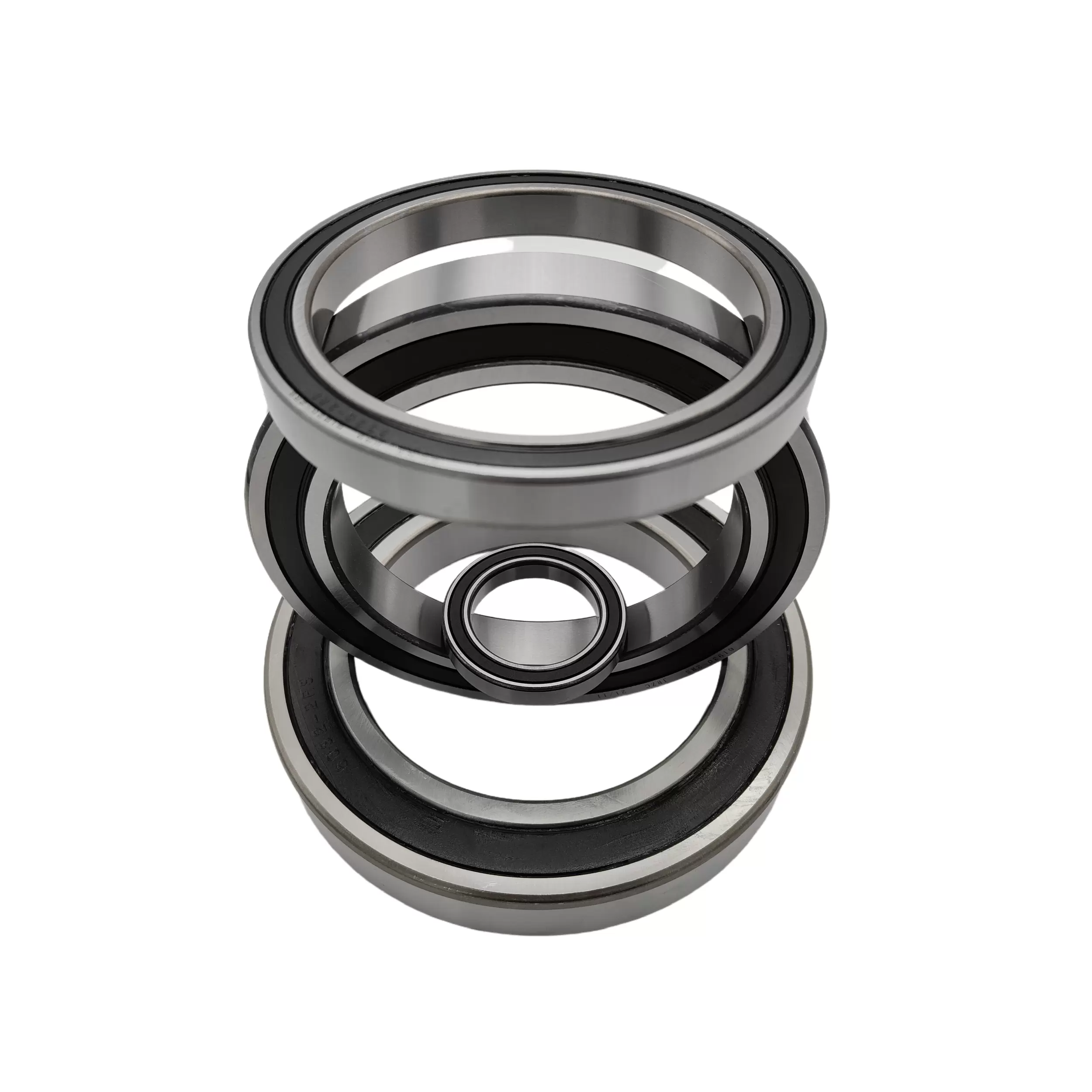
For this reason, sealed insert ball bearings are valuable in equipment operating in dusty or harsh environments. Reliable seals help retain lubricant while limiting the entry of external contaminants. This is particularly useful for agricultural machinery and construction equipment, where exposure to dirt and moisture can be difficult to avoid.
Sealing does not make a bearing completely immune to contamination. Correct installation, appropriate lubrication, and suitable operating conditions remain essential for maintaining long-term performance.
Why Insert Bearings Suit Agricultural and Conveyor Equipment
Agricultural machinery often combines vibration, changing loads, outdoor exposure, and contamination. Conveyor equipment may operate continuously while carrying variable loads and experiencing structural movement. In both situations, bearing arrangements need to provide dependable shaft support without requiring extremely complex installation procedures.
An insert ball bearing for agricultural machinery can provide a practical combination of mounting convenience, alignment capability, sealing, and maintenance efficiency. Conveyor applications can also benefit from the ability to position bearings along long shafts where small alignment differences may occur between mounting points.
Construction equipment presents another demanding environment. Shock loads, vibration, dust, and irregular operating surfaces can place additional demands on rotating components. A robust bearing and housing arrangement can help maintain stable shaft support under these conditions.
Choosing the Right Bearing for Misalignment Conditions
Selecting an insert bearing should begin with the actual operating environment rather than the bearing name alone. Shaft diameter, radial load, rotational speed, expected temperature, contamination level, mounting arrangement, and available maintenance access should all be evaluated.
Misalignment should also be defined realistically. Occasional small angular deviations are different from continuous shaft bending or severe housing deformation. If the shaft is consistently operating outside the bearing's allowable alignment range, a different bearing arrangement or machine design may be necessary.
For practical selection, consider the following:
Identify the expected shaft misalignment during installation and operation.
Determine the required radial and axial load support.
Check shaft diameter and mounting requirements.
Evaluate dust, moisture, and contamination exposure.
Select suitable sealing protection.
Consider vibration, shock, and load fluctuations.
Confirm lubrication and maintenance requirements.
Check the housing structure and mounting surface.
This process helps match the bearing to the actual working conditions instead of selecting purely from dimensional requirements.
Maintenance Practices That Support Alignment Stability
Even a self-aligning bearing requires routine inspection. Changes in vibration, operating noise, temperature, or shaft movement can indicate that the bearing or surrounding components require attention. Regular inspection is particularly important where machinery operates continuously or under heavy environmental exposure.
Lubrication should follow the manufacturer's recommendations, and relubrication should not be performed simply by adding excessive grease. The surrounding housing, seals, shaft locking arrangement, and mounting bolts should also be inspected when maintenance is performed.
Good maintenance protects the alignment capability of the complete bearing arrangement. If the housing becomes loose or the shaft develops excessive deflection, the bearing may experience conditions beyond its intended operating range.
JRZC Insert Ball Bearings for Practical Machinery Applications
JRZC develops insert ball bearing solutions for applications where straightforward mounting, alignment capability, sealing, and dependable operation are important. The combination of the bearing insert and housing provides a practical approach to shaft support in machinery where small alignment variations can occur during operation.
For equipment exposed to dust, vibration, variable loads, or outdoor conditions, the value of an insert bearing goes beyond basic rotational support. Its self-aligning capability, sealing protection, robust housing, and low-maintenance design can contribute to more stable equipment operation when the bearing is correctly selected and installed.
The most effective approach is to treat alignment as part of the overall bearing application. Shaft geometry, housing structure, mounting accuracy, environmental conditions, lubrication, and expected loads should all be considered together. This makes it easier to achieve dependable performance without overcomplicating the bearing arrangement.
FAQ
What is an insert ball bearing?
An insert ball bearing is a mounted bearing component designed to support a rotating shaft within a housing. It typically combines a ball bearing insert with a housing arrangement suitable for industrial machinery.
Can an insert ball bearing compensate for shaft misalignment?
Yes, many insert bearing designs provide a degree of self-aligning capability that allows them to accommodate limited angular misalignment between the shaft and housing. The allowable range depends on the specific bearing and housing design.
Why is misalignment a problem for bearings?
Excessive misalignment can create uneven load distribution, localized stress, increased friction, vibration, and accelerated wear. Controlling alignment helps maintain more stable rolling contact.
Are insert ball bearings suitable for conveyors?
Yes. Insert ball bearings are commonly used in conveyor applications because they provide practical shaft mounting, housing support, sealing protection, and alignment capability for rotating equipment.
Are sealed insert bearings suitable for dusty environments?
Sealed designs can help protect the internal rolling contacts from dust and other contaminants while retaining lubricant. They are particularly useful in agricultural, construction, and other outdoor or dusty applications.
Does self-aligning capability replace accurate installation?
No. Self-aligning capability is intended to accommodate limited operating and installation variation. Correct shaft dimensions, secure housing installation, proper locking, and appropriate alignment remain important for reliable bearing performance.