How Needle Bearings and Ball Bearings Differ
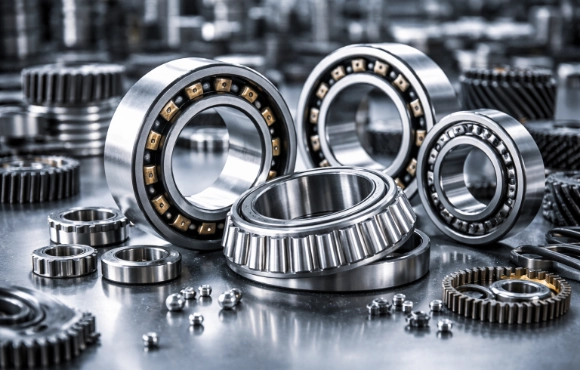
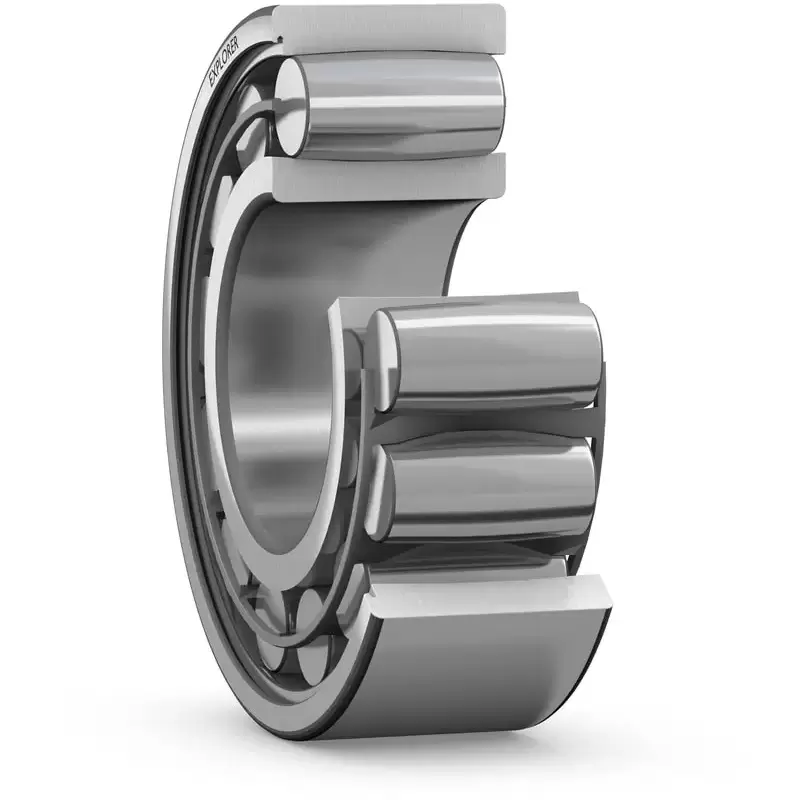
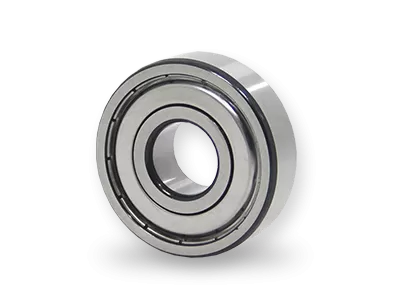
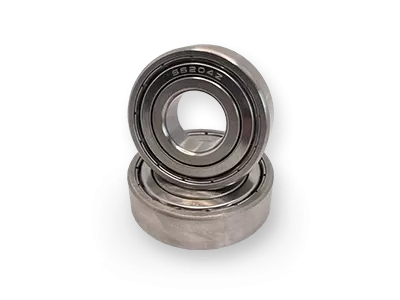
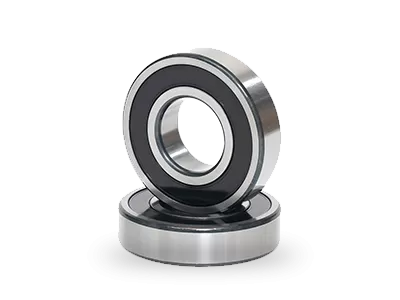
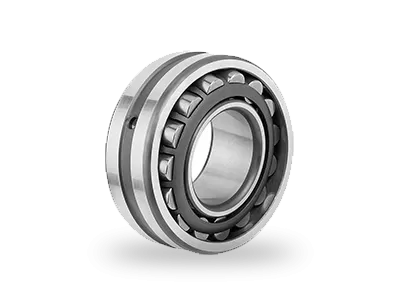
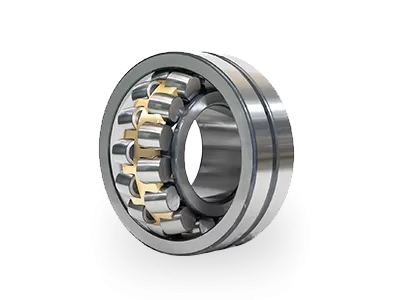
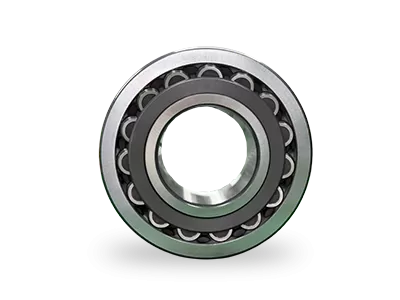
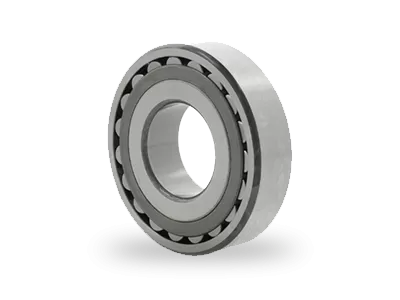
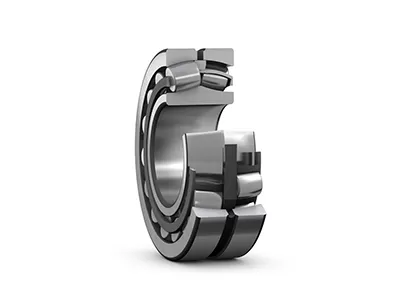
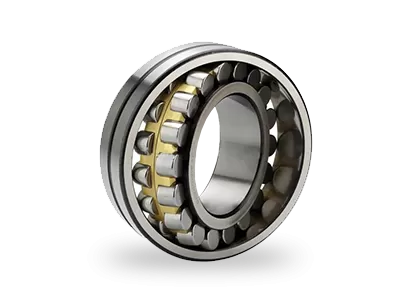
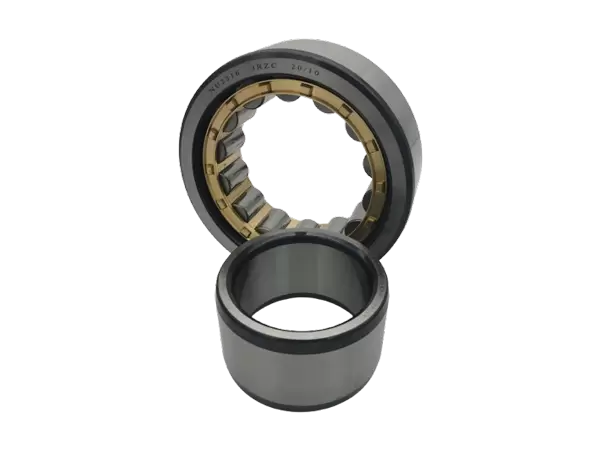
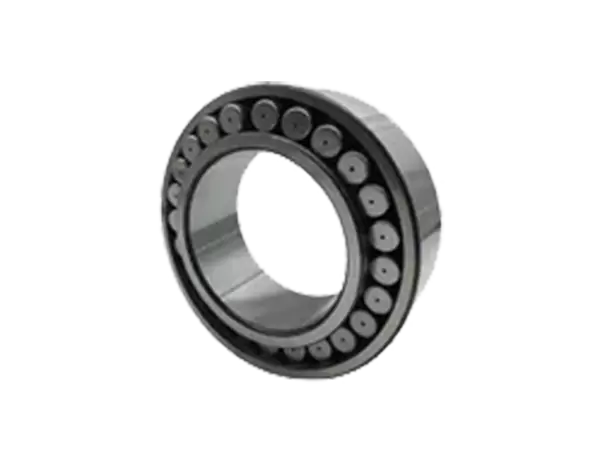
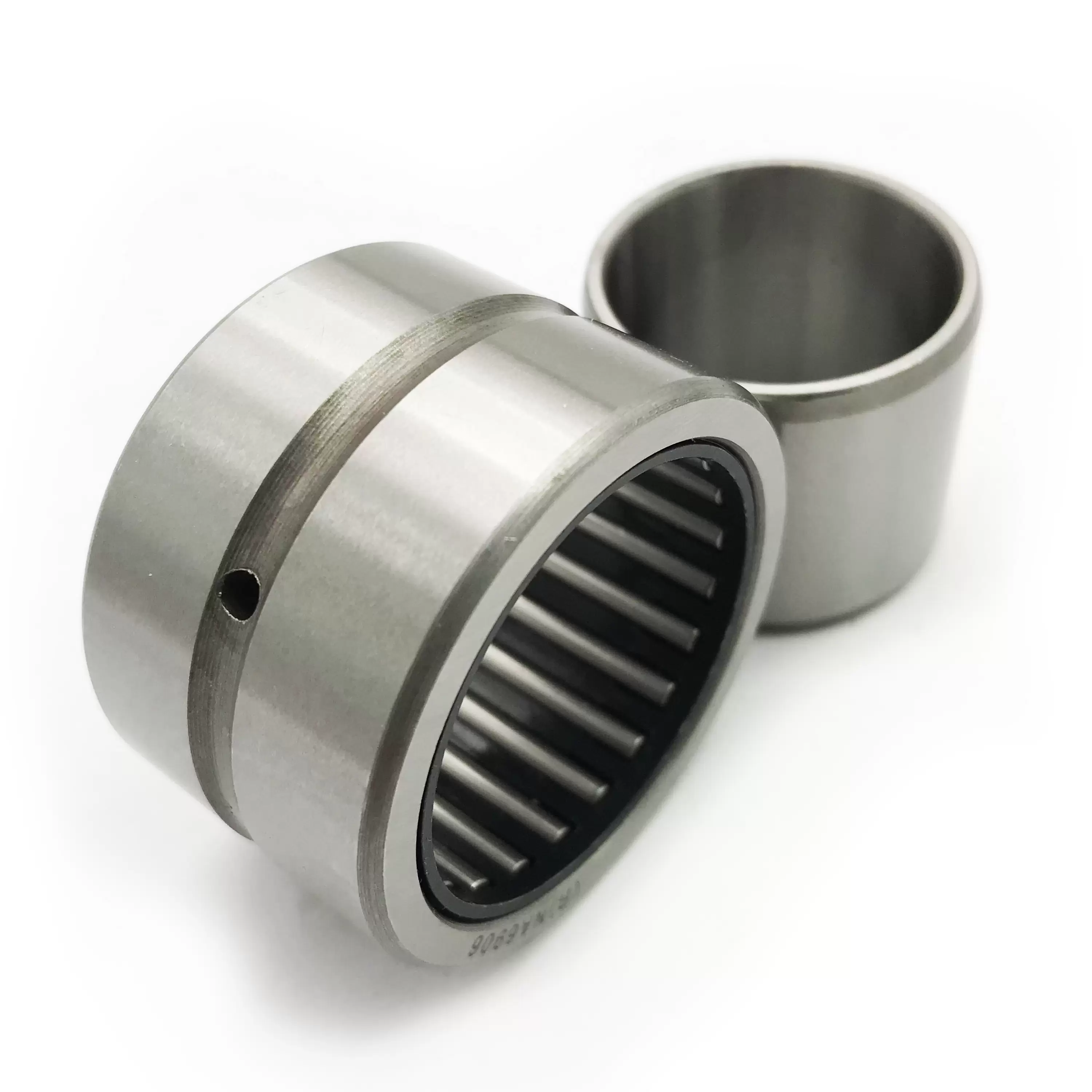
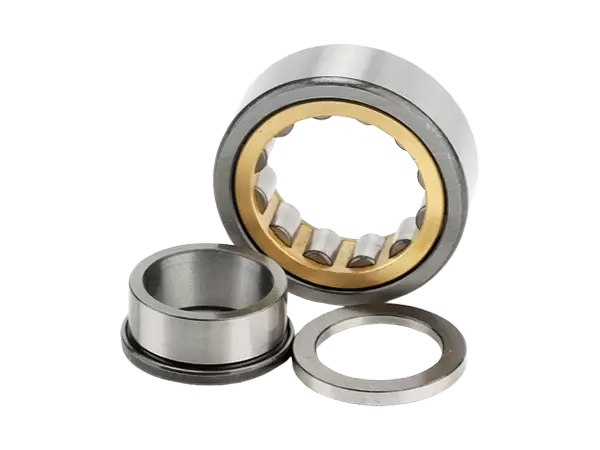
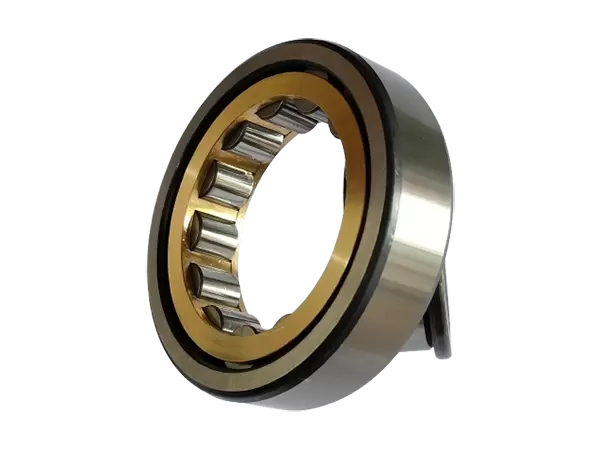
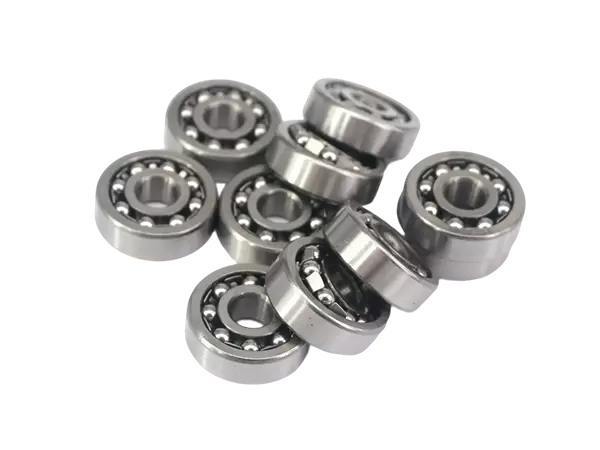
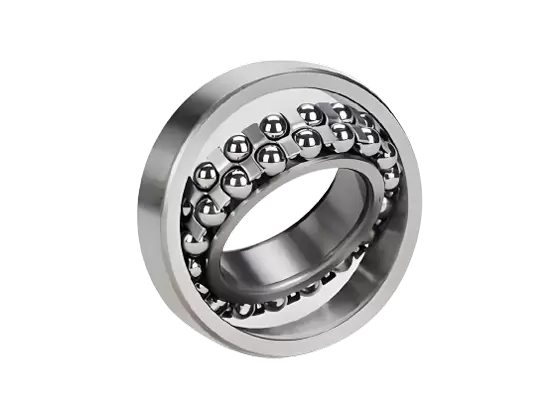
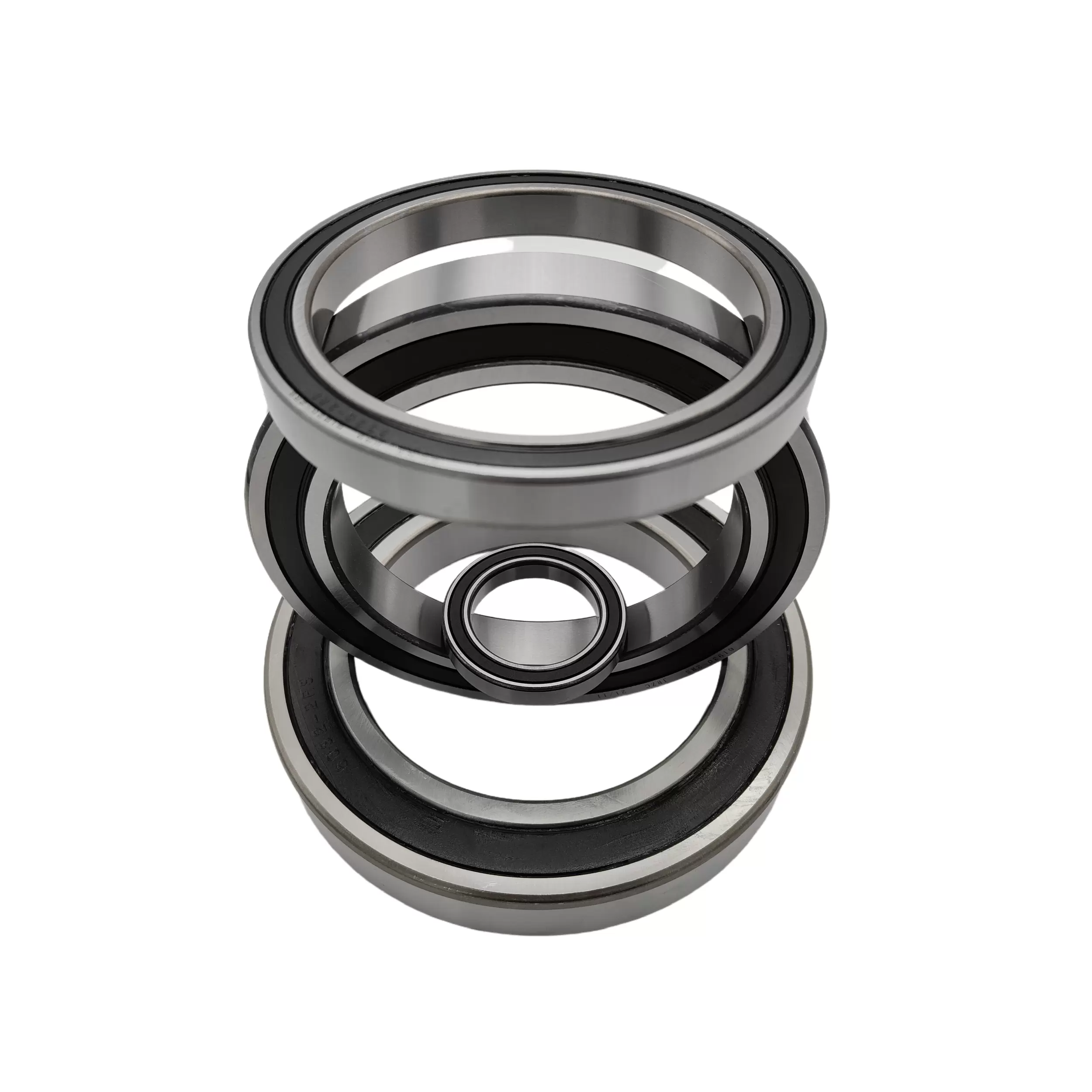
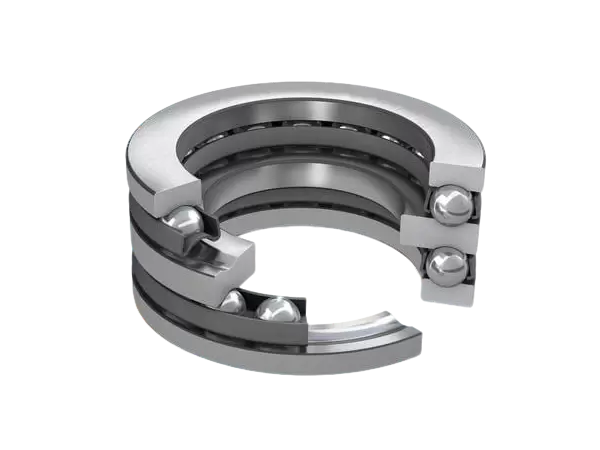
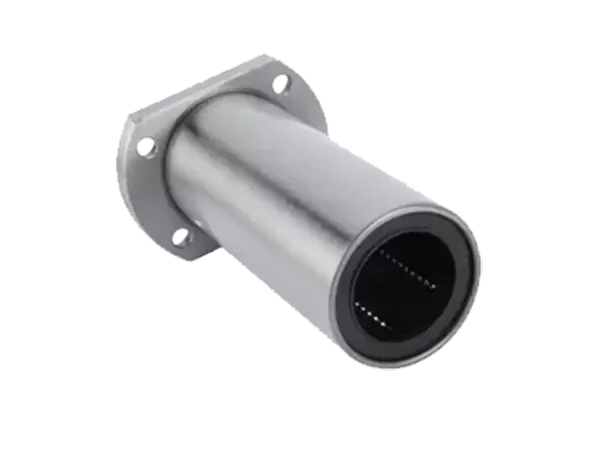
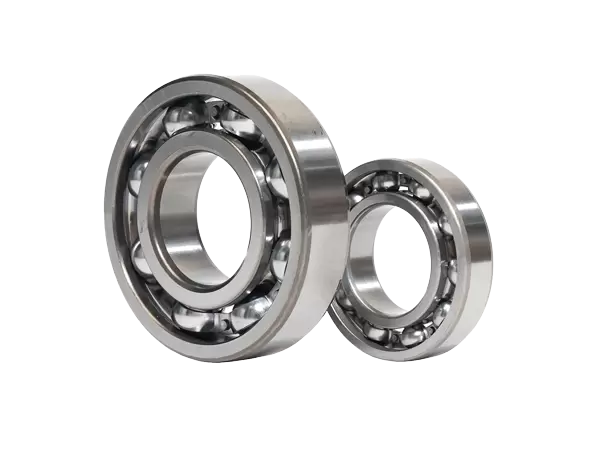
The fundamental difference between needle bearings and ball bearings lies in their rolling elements. Ball bearings utilize spherical rolling elements that allow for smooth rotation and can accommodate both radial and axial loads. Needle bearings, on the other hand, use long, slender cylindrical rollers that offer a larger contact area relative to their size.
This design enables them to carry heavy radial loads while maintaining a compact profile, making them ideal for applications where space is limited.
Ball bearings are typically preferred for applications that require lower friction and high-speed performance.
Their spherical rolling elements can distribute load effectively across multiple points of contact, which is excellent for rotational precision.
Needle bearings excel in scenarios where space is at a premium but heavy radial loads are present.
The large contact surface of the rollers provides increased rigidity and load-carrying capacity, which is critical in equipment exposed to shocks, vibrations, or heavy continuous loads.

When selecting a bearing, understanding load dynamics is crucial. Ball bearings handle both radial and axial loads reasonably well but have limitations under extremely high radial forces. In contrast, needle bearings specialize in managing heavy radial loads due to their elongated rollers.
The increased surface contact reduces stress on individual rolling elements, minimizing wear and extending service life.
In industrial environments such as mining or construction, the difference can be significant. For instance, a ball bearing might underperform in a heavy-duty crusher subjected to continuous radial stress, while a needle roller bearing can handle the same workload with minimal deformation.
This performance advantage is why needle bearings often feature in automotive transmissions, construction machinery, and other applications where space efficiency and load capacity are both essential.
Space Efficiency and Design Flexibility
One of the most compelling reasons to choose needle bearings is their compact design. The slim cylindrical rollers allow for minimal cross-sectional height without compromising load capacity.
This makes them particularly attractive for applications where machinery designers need to save space without sacrificing performance.
Ball bearings generally require more radial space to accommodate their spherical elements. While they provide excellent rotational accuracy, they may not be feasible for tight assemblies such as compact gearboxes or transmission systems.
Needle bearings can be integrated into these limited spaces seamlessly, and some designs can even function without an inner ring, providing additional flexibility for customized applications.
This is why companies often work with a needle roller bearing factory or a trusted needle roller bearing manufacturer to design bearings that fit unique machinery layouts.
Such collaborations ensure the right balance between load-carrying capacity, space efficiency, and rotational precision.
The versatility of needle bearings has allowed them to find applications across a wide range of industries. In the mining sector, they can withstand heavy radial forces from conveyor systems and crushers.
In agriculture, equipment such as tractors and harvesters benefit from their compact yet durable design.
Construction machinery, including cranes and loaders, relies on needle bearings to maintain stability and performance under vibration and shock loads.
Needle bearings also appear in transportation systems, industrial automation equipment, and even specialized machinery like food processing units or power tools.
Their ability to combine load capacity, compactness, and reliability makes them indispensable in environments where traditional ball bearings might not suffice.
Manufacturing Quality and OEM/ODM Advantages
When investing in bearings, the quality of manufacturing is paramount. Leading manufacturers, like JRZC, leverage custom roller bearings OEM capabilities to tailor products for specific applications.
Through industrial roller bearings ODM, companies can develop unique designs that meet stringent operational demands while adhering to international standards.
Advanced manufacturing techniques, precision CNC equipment, and strict quality control ensure that needle roller bearings deliver consistent performance across their service life.
ISO-certified facilities provide additional assurance, particularly for applications in sectors like automotive, aerospace, and industrial automation, where reliability and durability are non-negotiable.
Comparing Durability and Service Life
Durability is another critical consideration when choosing between needle and ball bearings. Needle bearings are often more resistant to heavy radial loads, impact, and vibration.
The elongated rollers distribute stress more evenly, reducing localized wear and extending operational life.
Ball bearings, while excellent for high-speed and low-friction applications, may experience accelerated wear under heavy radial loads or in shock-prone environments.
They can also be more sensitive to misalignment, which can further reduce service life in industrial settings. In contrast, the robust geometry of needle bearings accommodates slight misalignment and maintains performance even under challenging conditions.
Cost Considerations and Lifecycle Value
While initial cost is often a factor in bearing selection, it is essential to consider the full lifecycle value. Needle bearings may carry a higher upfront cost, especially when customized through OEM or ODM services.
However, their superior load capacity, durability, and space-saving design can result in lower maintenance costs, reduced downtime, and longer replacement cycles.
Ball bearings may appear more economical for low-load, high-speed applications, but they may require more frequent replacement or maintenance in heavy-duty industrial settings.
When machinery uptime and performance are critical, the higher initial investment in needle bearings often pays off over time.
Choosing the Right Bearing for Your Application
Selecting the right bearing requires a balance of several factors:
By carefully evaluating these factors, engineers and equipment designers can make informed decisions that improve performance and reduce total operational costs.
Working with Trusted Manufacturers
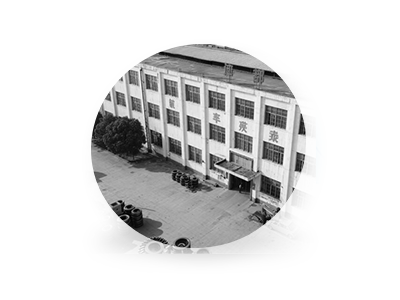
Collaboration with experienced manufacturers ensures optimal bearing selection. JRZC, as a leading needle roller bearing manufacturer and dedicated needle roller bearing factory,
can provide valuable insights into load handling, material selection, and design customization.
Leveraging custom roller bearings OEM services from JRZC allows engineers to address unique operational requirements, while industrial roller bearings ODM solutions offer off-the-shelf designs adapted for specific industries.
Global companies that invest in high-quality needle bearings from JRZC benefit from equipment that runs longer, with fewer interruptions and higher reliability.
This approach is particularly valuable for sectors like mining, construction, transportation, and industrial automation, where downtime can be costly and operational demands are extreme.
Conclusion
Needle bearings and ball bearings both play vital roles in industrial machinery, yet they are not interchangeable.
Understanding their differences in load capacity, space efficiency, durability, and design flexibility is crucial for making informed choices.
Needle roller bearings provide superior performance under heavy radial loads and in space-constrained applications, while ball bearings excel in high-speed, low-friction scenarios.
By working with a reputable needle roller bearing manufacturer and leveraging OEM and ODM capabilities, businesses can ensure their
equipment achieves peak performance, reliability, and service life.
Whether designing compact transmissions, heavy-duty gearboxes, or industrial automation systems, needle bearings offer the combination of strength,
precision, and adaptability that modern machinery demands.