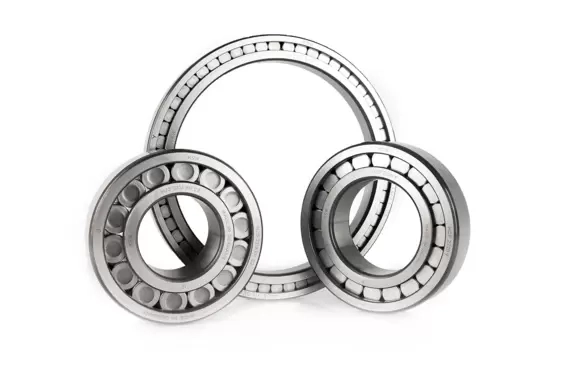
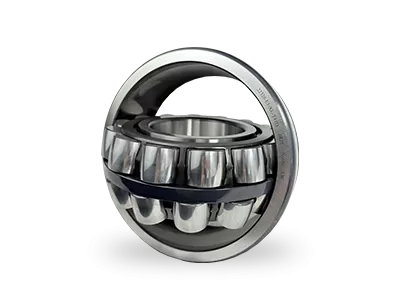
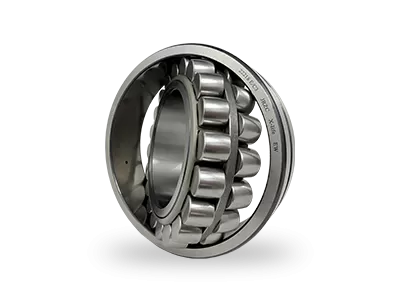
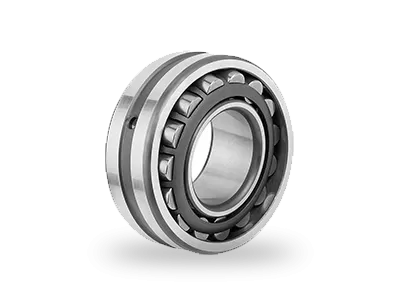
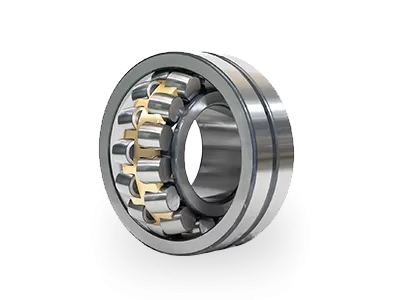
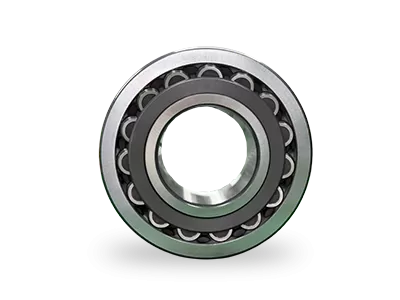
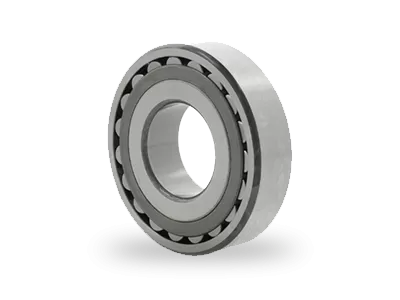
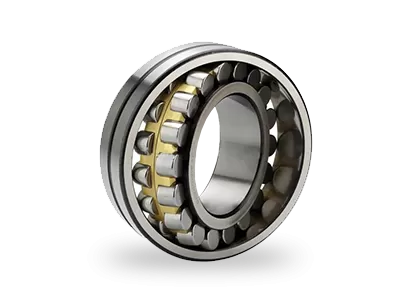
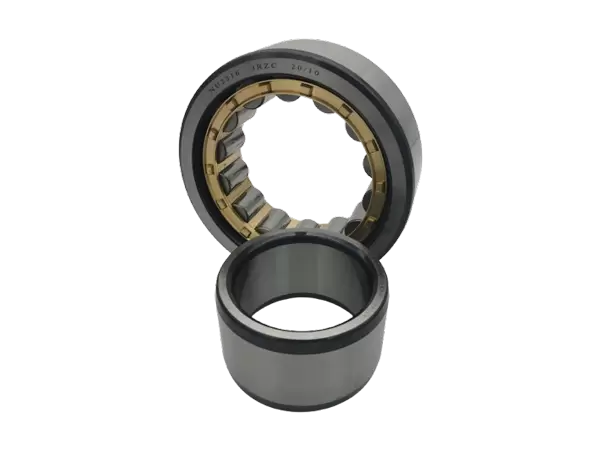
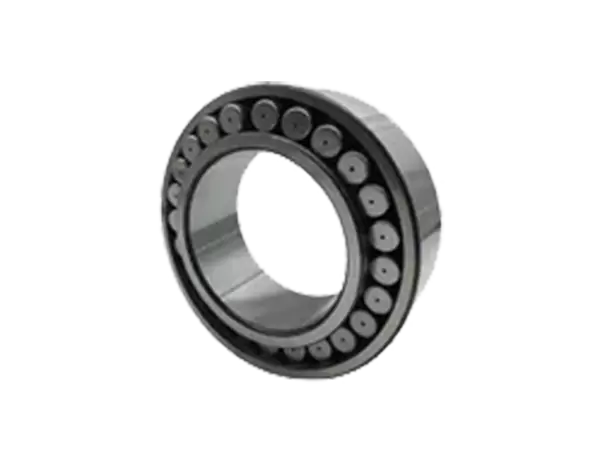
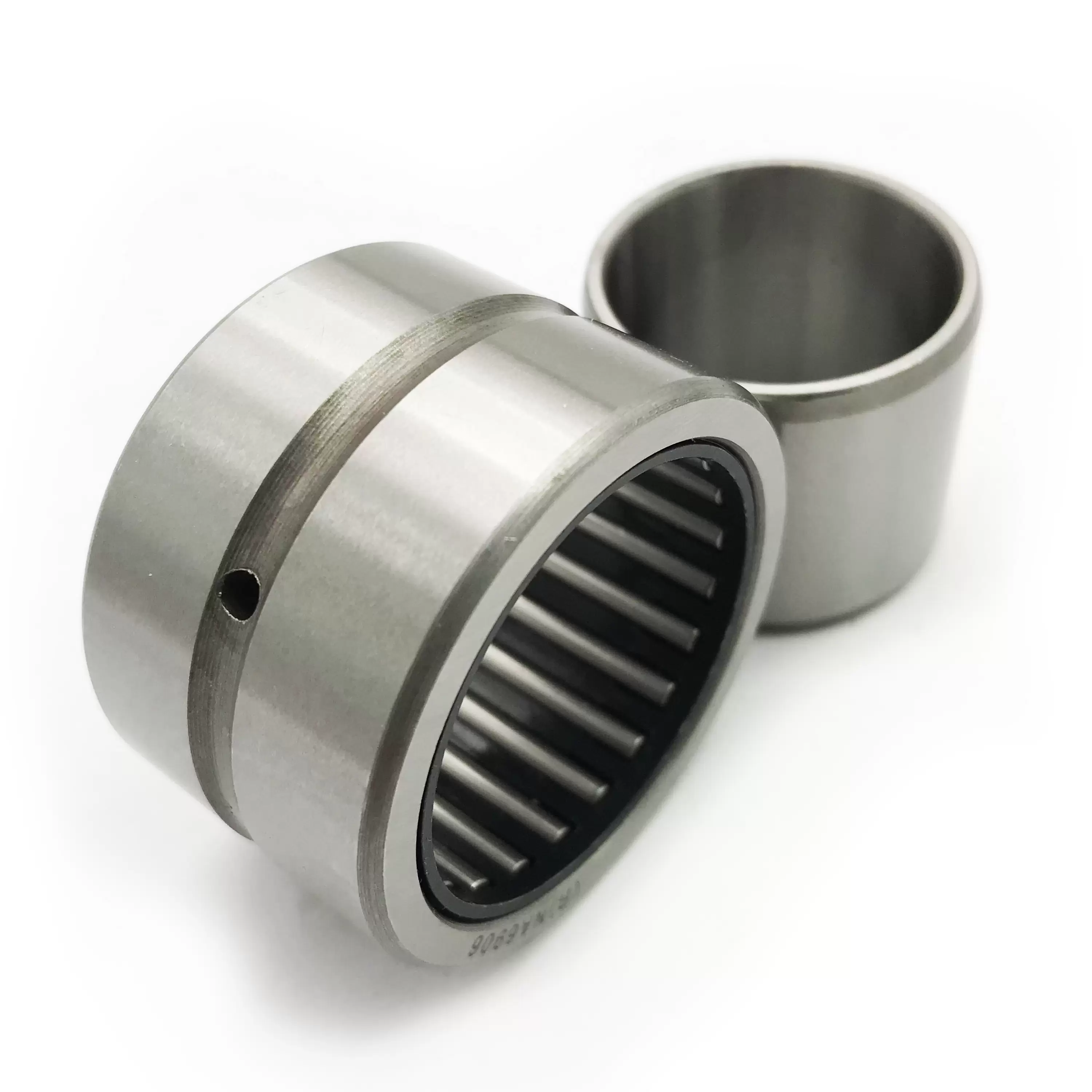
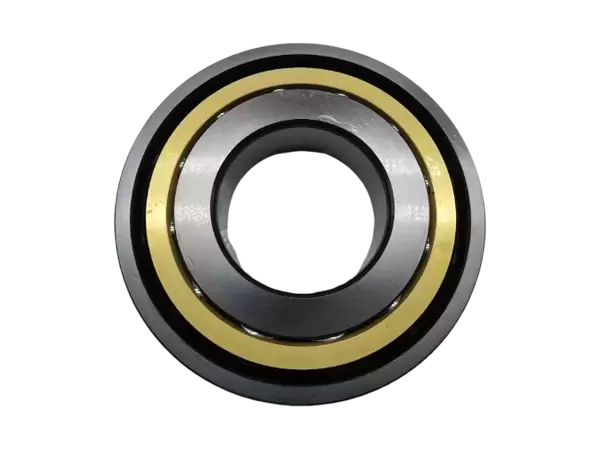
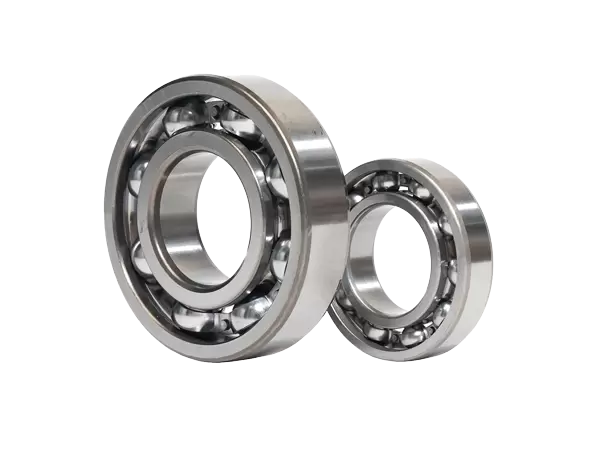
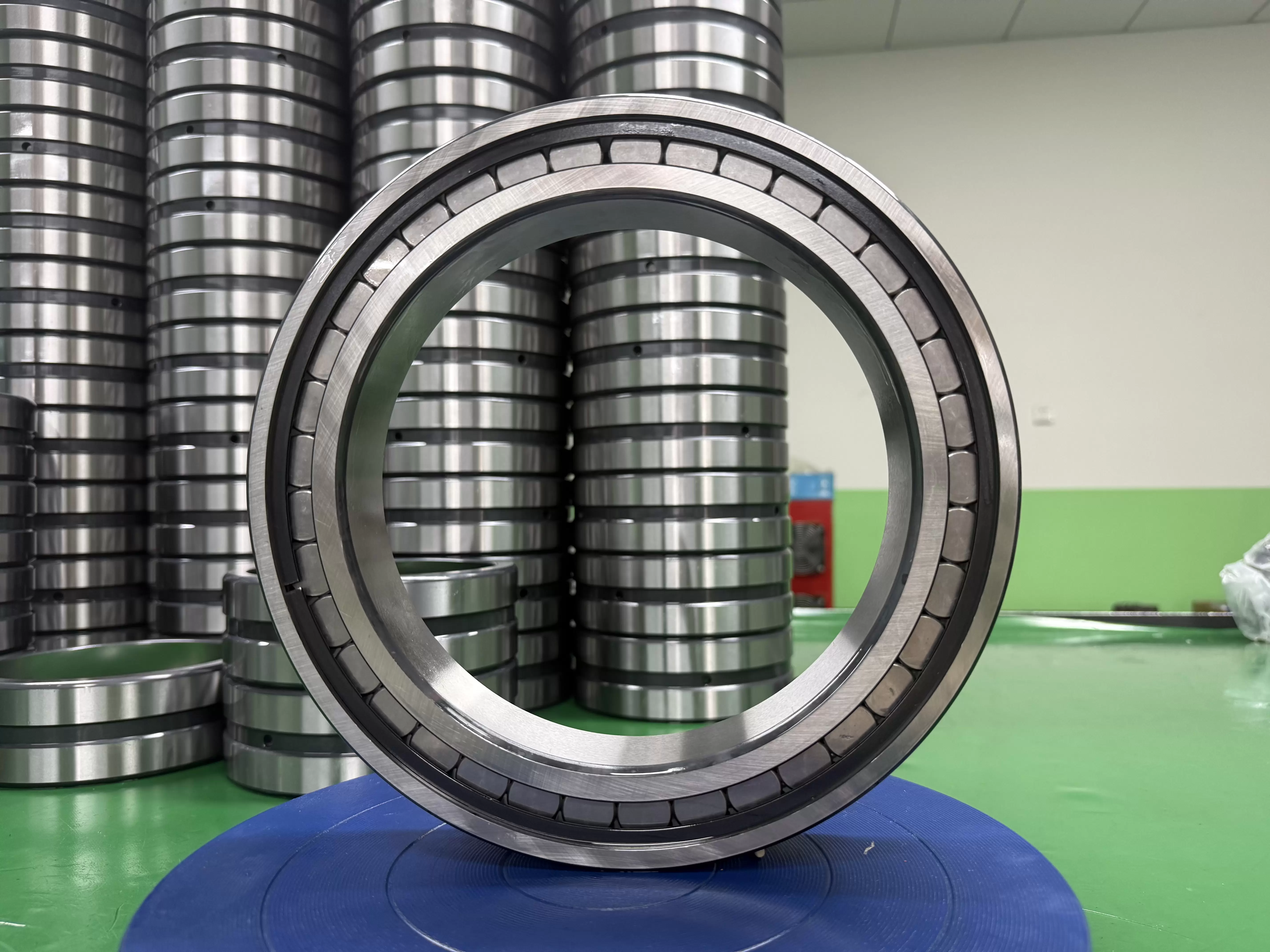
Heavy-duty industrial systems demand rolling elements that can withstand extreme radial forces without structural compromise. Among the most robust solutions available today, the double row cylindrical roller bearing structure combined with a full complement cylindrical roller bearing configuration has become a preferred choice for engineers working in high-load, low-speed applications. These bearings are specifically designed to maximize contact between rollers and raceways, ensuring load distribution is optimized across the entire bearing assembly.
Their architecture eliminates the need for a cage, allowing a greater number of rollers to be inserted within the same space envelope. This results in significantly higher radial load capacity compared to conventional designs, making them suitable for compact machinery where strength and durability are critical design constraints. In this blog post, JRZC, as high performance custom size bearings factory, will share the the features of double row full complement cylindrical roller bearings for heavy load machinery.
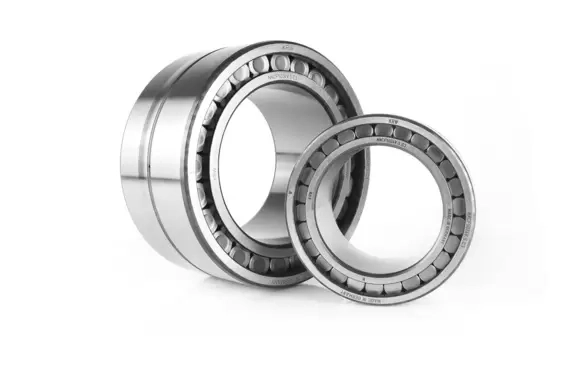
Structural Characteristics of Double Row Cylindrical Roller Bearing Systems
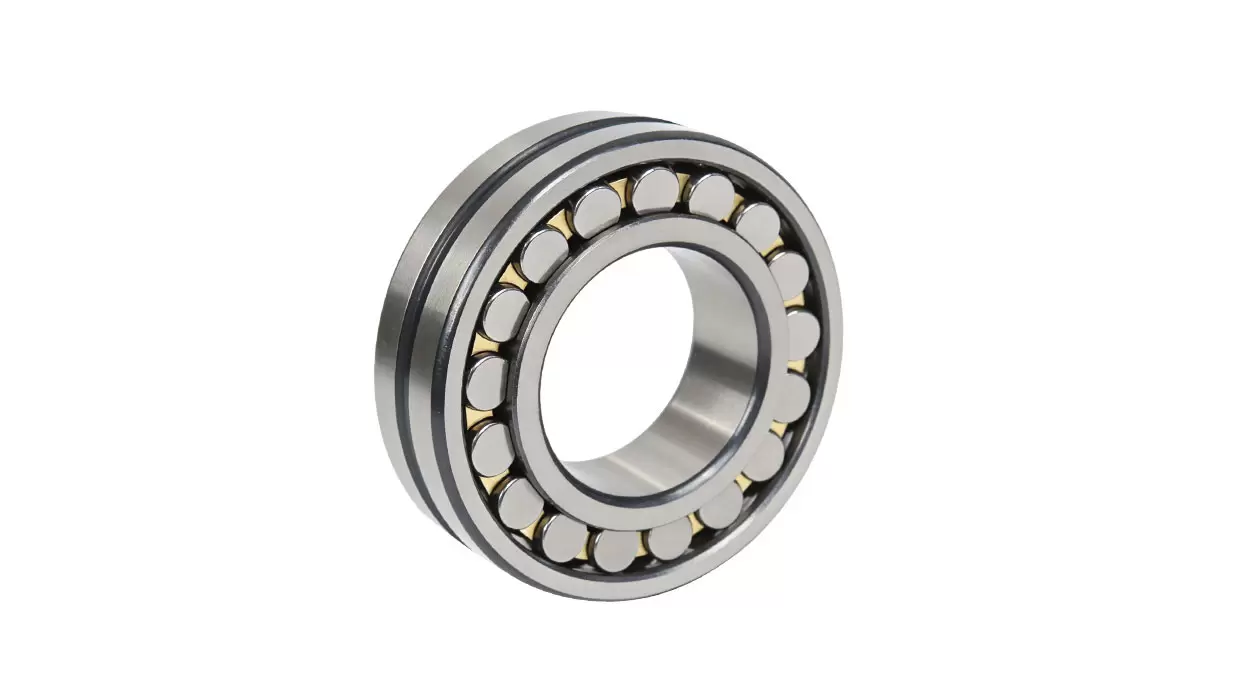
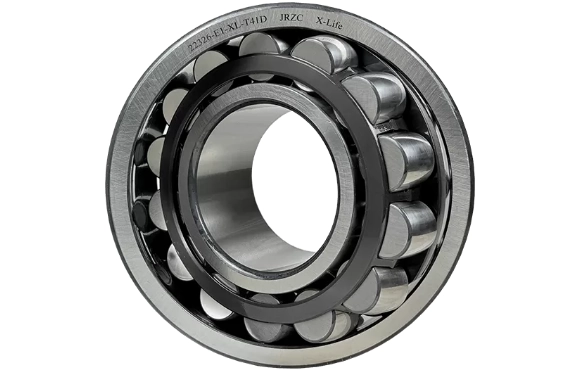
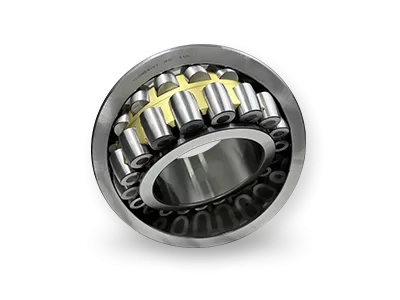
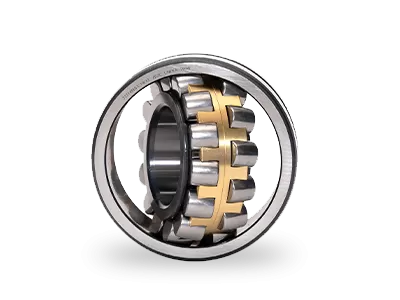
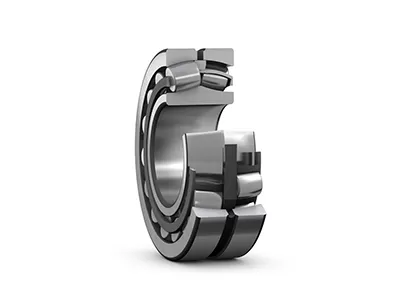
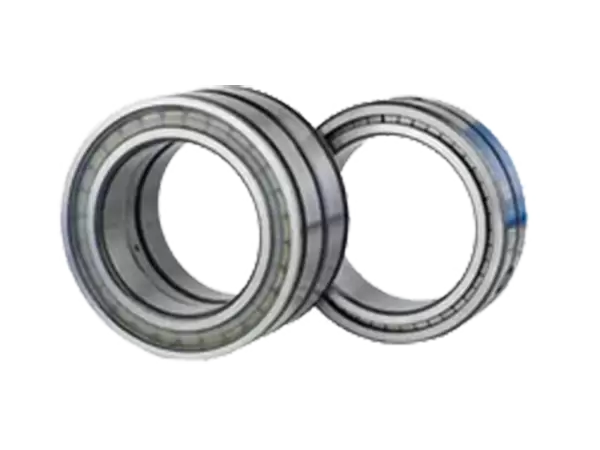
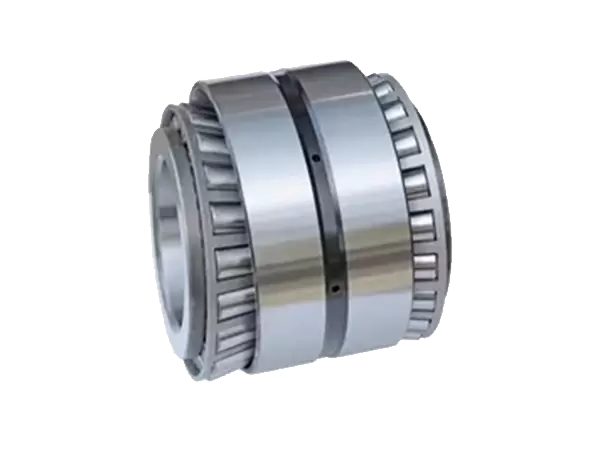
A double row cylindrical roller bearing is characterized by two parallel rows of rolling elements arranged to share radial loads efficiently. This dual-row configuration increases stiffness and load distribution capabilities while maintaining a relatively compact radial footprint.
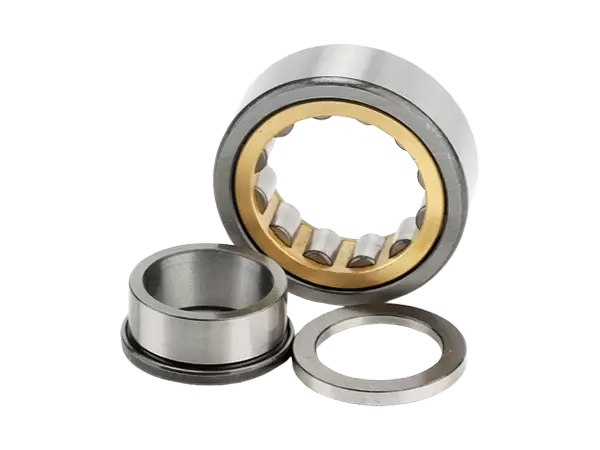
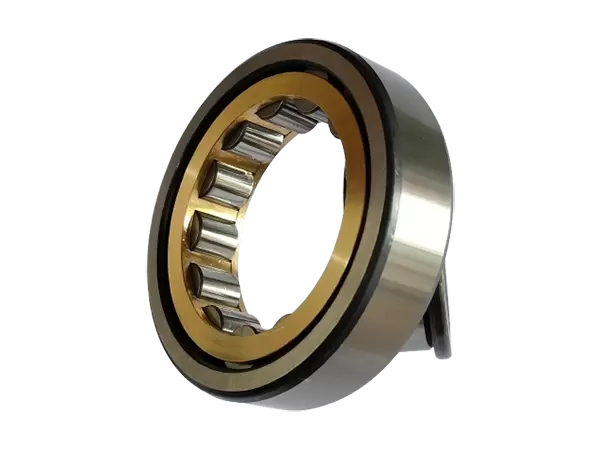
When combined with a full complement cylindrical roller bearing design, the internal geometry is further optimized to maximize roller count. The absence of a cage allows rollers to occupy nearly the entire available space between inner and outer rings. This design approach enhances load-bearing performance but introduces increased friction, which limits rotational speed capability.
The engineering trade-off is clear: higher load capacity is achieved at the expense of speed performance. This makes the configuration particularly suitable for equipment operating under heavy radial stress but at controlled or low rotational speeds.
Load Distribution Mechanism in Full Complement Cylindrical Roller Bearing Design
The core advantage of a full complement cylindrical roller bearing lies in its ability to distribute load across a maximum number of contact points. Each roller shares a portion of the applied radial force, reducing localized stress concentrations on raceway surfaces.
In a double row cylindrical roller bearing system, this distribution is further enhanced by splitting the load across two roller paths. The result is a highly stable bearing arrangement capable of sustaining significant radial pressure without deformation.
However, due to the absence of a cage, roller-to-roller contact becomes inevitable. This increases internal friction and heat generation, which must be managed through proper lubrication strategies and operational constraints.
Material Selection and Surface Engineering Considerations
Material selection plays a critical role in ensuring the reliability of double row full complement cylindrical roller bearings. High-carbon chromium steel is commonly used for both rollers and raceways due to its excellent hardness and fatigue resistance.
Advanced surface finishing techniques are applied to minimize frictional losses and improve wear resistance. Precision grinding ensures that roller geometry remains consistent, which is essential for maintaining uniform load distribution in full complement cylindrical roller bearing assemblies.
In high-load machinery environments, surface integrity directly influences service life. Even minor deviations in surface roughness can accelerate fatigue failure due to increased stress concentration.
Lubrication is one of the most critical factors affecting the operational stability of a double row cylindrical roller bearing system. Because full complement designs generate higher friction due to roller contact, lubrication must perform multiple functions simultaneously: reducing wear, dissipating heat, and preventing surface adhesion.
Grease lubrication is commonly used in low-speed heavy-load applications, while oil lubrication systems are preferred in environments where thermal management is critical. The viscosity of the lubricant must be carefully selected to maintain a stable film between rolling elements and raceways.
In full complement cylindrical roller bearing configurations, inadequate lubrication can rapidly lead to surface fatigue, making lubrication management a key operational priority.
Speed Limitations and Operational Constraints
While double row full complement cylindrical roller bearings offer exceptional load capacity, they are inherently limited in terms of rotational speed. The absence of a cage increases internal friction, which restricts high-speed performance.
This limitation must be considered during system design. Engineers typically apply these bearings in machinery where rotational speed is secondary to load-bearing capability. Attempting to operate beyond recommended speed thresholds can result in excessive heat buildup and premature failure.
The balance between load capacity and speed capability is a defining characteristic of full complement cylindrical roller bearing technology.
Misalignment Sensitivity and Installation Precision
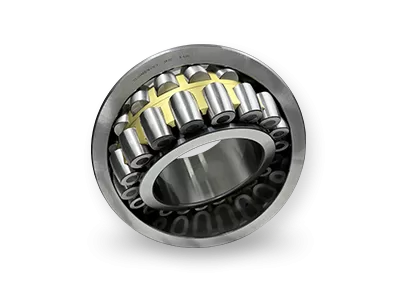
One of the structural limitations of double row cylindrical roller bearing systems is their low tolerance for angular misalignment. Unlike spherical roller bearings, cylindrical roller designs rely on precise alignment between shaft and housing.
Even minor misalignment can cause uneven load distribution across rollers, leading to localized stress and reduced service life. Therefore, installation accuracy is critical when working with full complement cylindrical roller bearing assemblies.
Proper mounting procedures, shaft machining accuracy, and housing alignment checks are essential to ensure optimal performance.
Thermal Behavior in Full Complement Bearing Structures
Heat generation is an unavoidable factor in high-load bearing systems. In double row full complement cylindrical roller bearings, friction between rollers contributes to elevated operating temperatures.
Thermal expansion must be considered in design calculations, as temperature variations can alter internal clearance and affect load distribution. If not properly managed, thermal stress can accelerate material fatigue.
Heat dissipation strategies, including optimized lubrication flow and housing design, play a significant role in maintaining operational stability.
Applications in Heavy Load Machinery Systems
The structural characteristics of double row cylindrical roller bearing assemblies make them suitable for a wide range of heavy-duty industrial systems. These bearings are commonly integrated into equipment where radial load dominates operational conditions.
Their compact design allows engineers to achieve high load capacity without increasing overall machine dimensions. This is particularly valuable in space-constrained mechanical assemblies.
The full complement cylindrical roller bearing structure is especially effective in applications where continuous heavy loading occurs at controlled speeds.
Maintenance Considerations and Service Life Optimization
Maintenance strategies for double row full complement cylindrical roller bearings focus primarily on lubrication control, alignment verification, and contamination prevention.
Because these bearings operate under high stress conditions, regular monitoring is essential to detect early signs of wear or surface fatigue. Contaminants such as dust or metal particles can significantly reduce bearing life if they enter the rolling contact zone.
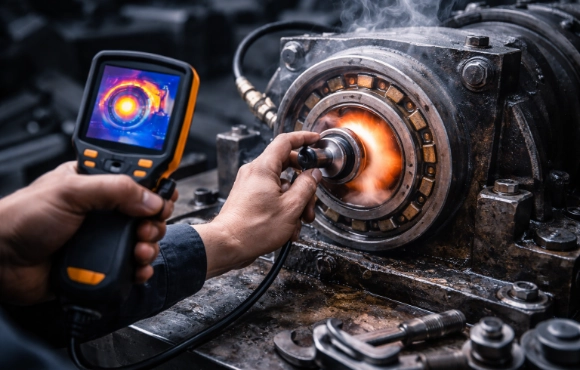
Predictive maintenance approaches are increasingly used to monitor temperature and vibration patterns, allowing early intervention before failure occurs.
Design Trade-offs and Engineering Selection Criteria
Selecting a double row cylindrical roller bearing with a full complement configuration involves balancing multiple engineering factors. While load capacity is maximized, limitations in speed, alignment tolerance, and thermal behavior must be accepted.
Engineers must evaluate operating conditions carefully, including load magnitude, rotational speed, lubrication availability, and environmental factors. The decision to use a full complement cylindrical roller bearing is typically driven by extreme load requirements rather than general-purpose performance.
Conclusion
The double row full complement cylindrical roller bearing represents a highly specialized engineering solution designed for maximum radial load capacity in demanding mechanical systems. Its cage-free design enables superior load distribution but introduces operational constraints that must be carefully managed.
When properly applied, this bearing type delivers exceptional structural rigidity and durability in heavy load machinery environments. Its performance depends heavily on correct installation, lubrication control, and alignment precision.
As industrial equipment continues to evolve toward higher efficiency and compact design, the role of double row cylindrical roller bearing systems remains critical in supporting high-stress, low-speed mechanical applications where reliability is non-negotiable.