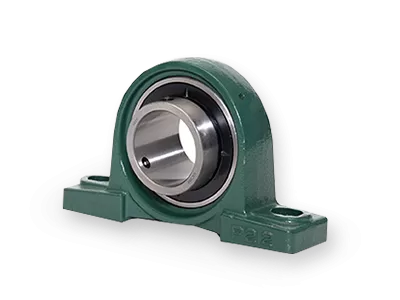
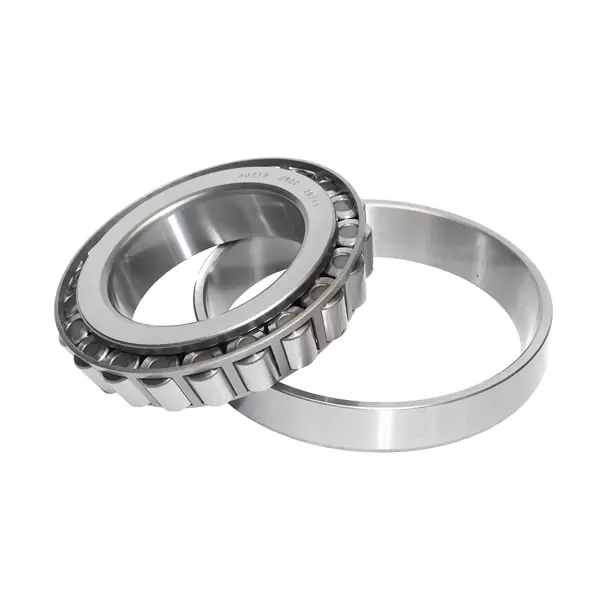
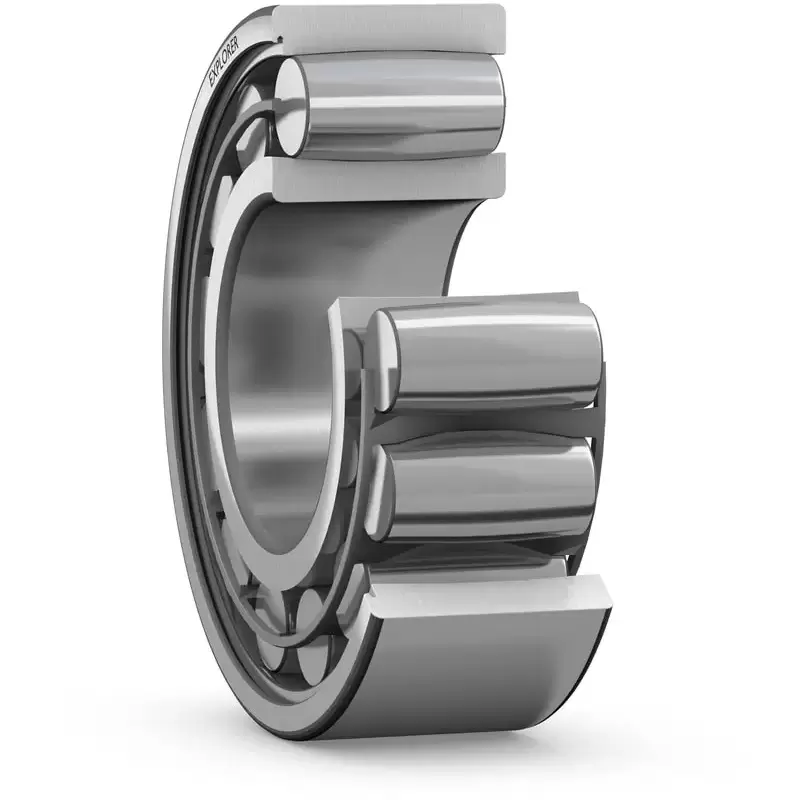
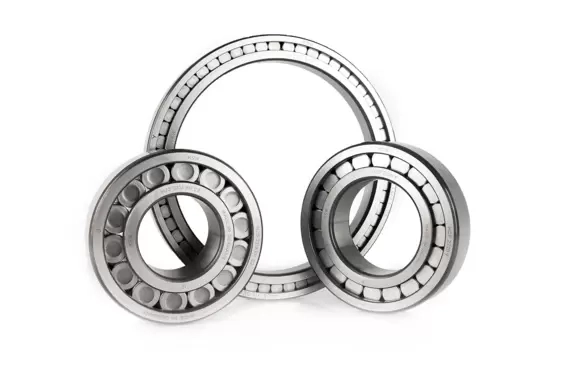
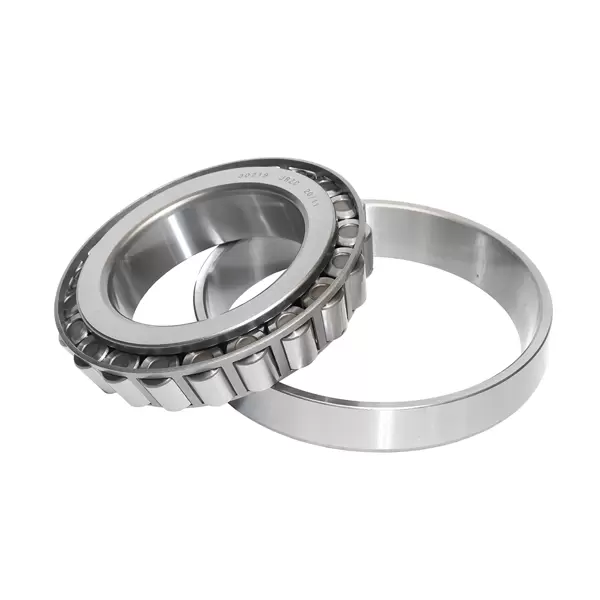
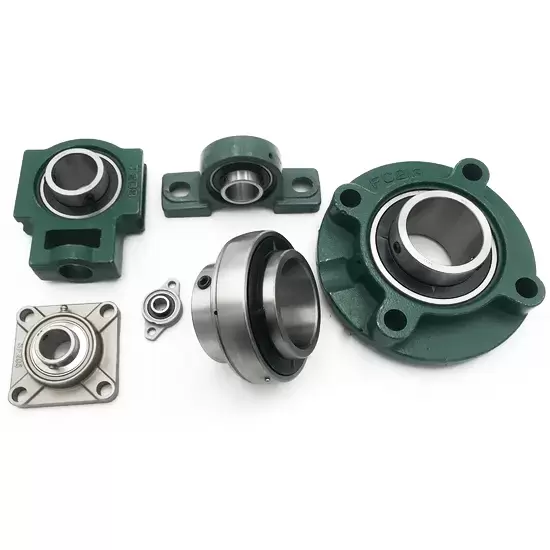
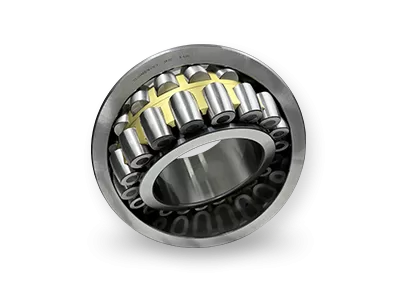
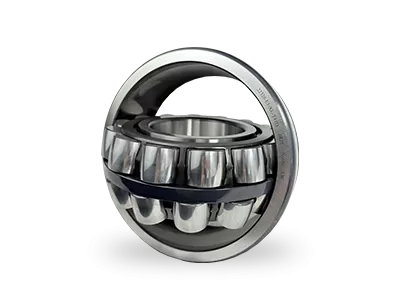
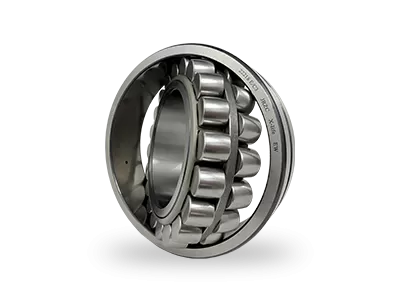
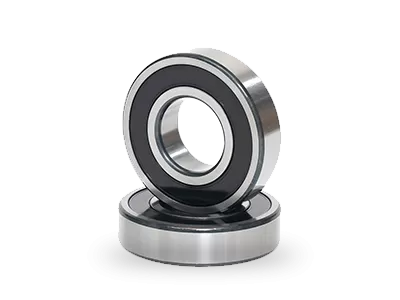
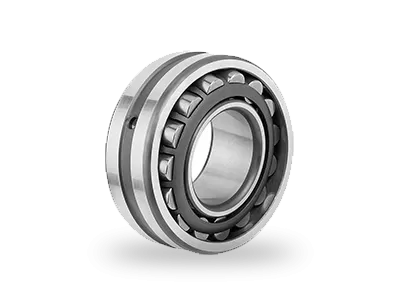
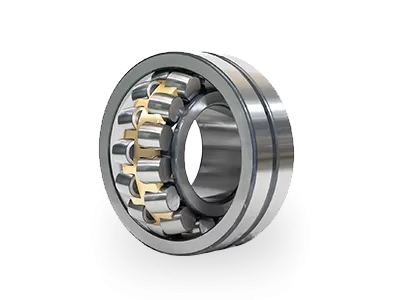
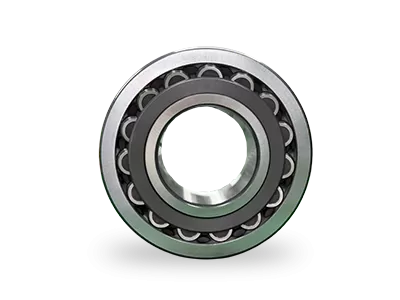
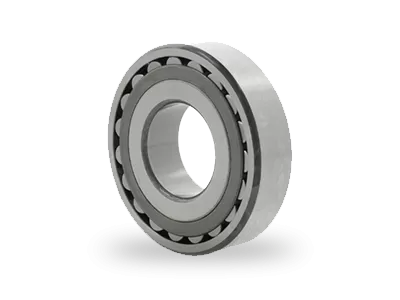
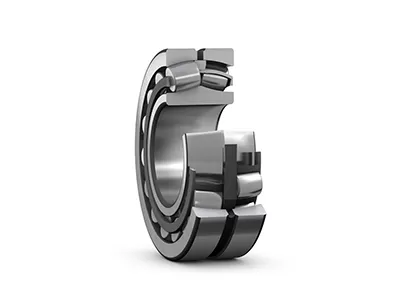
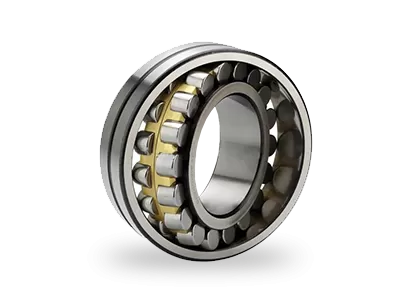
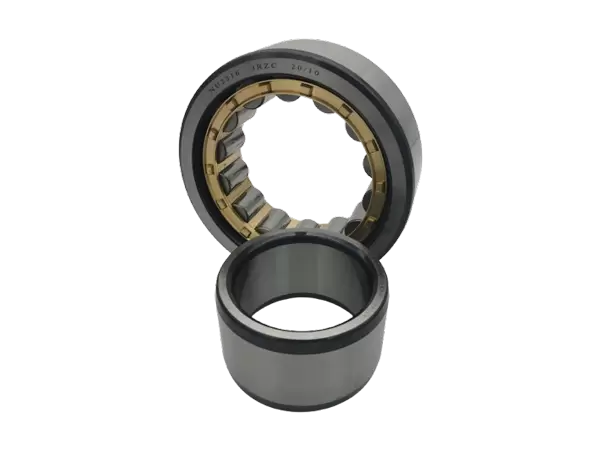
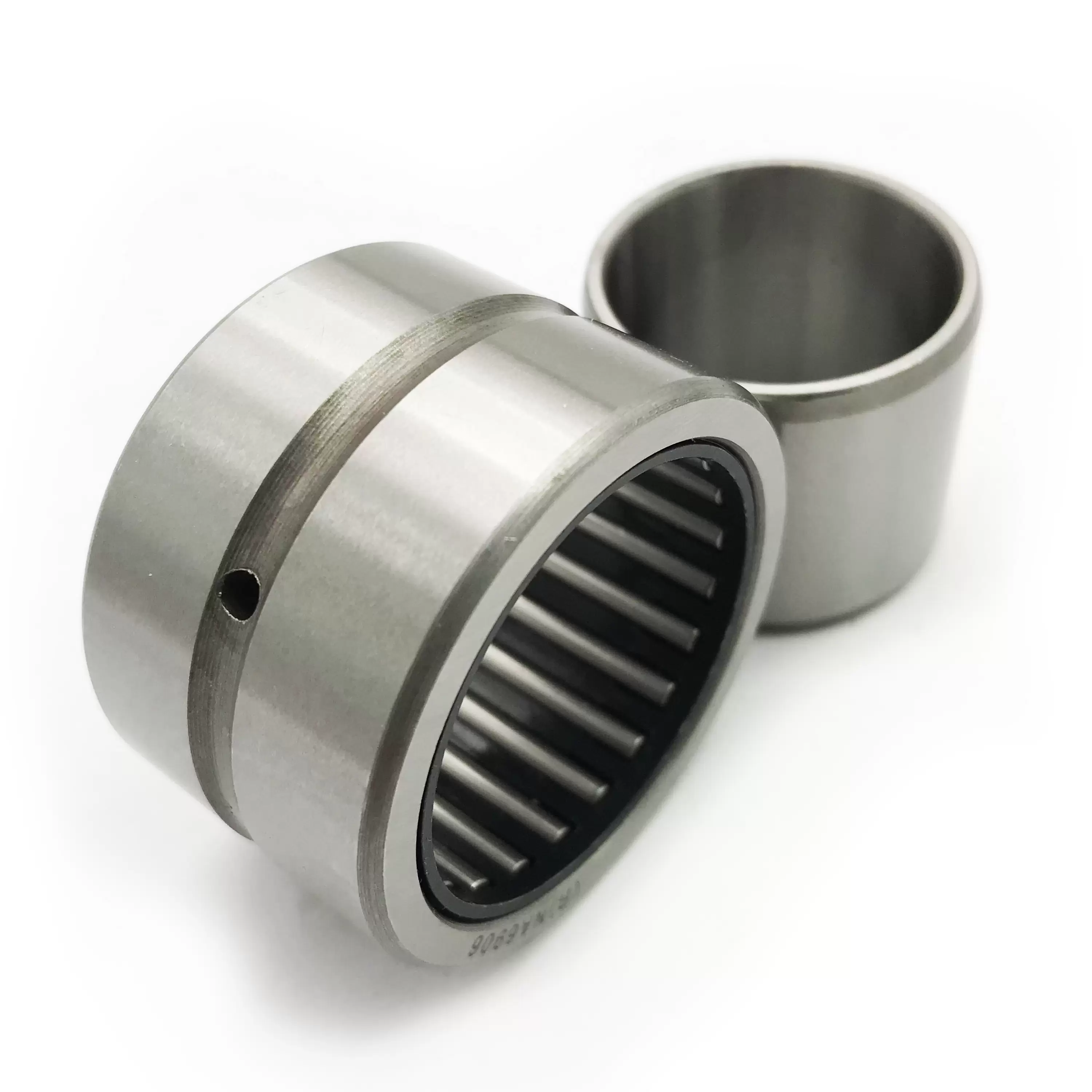
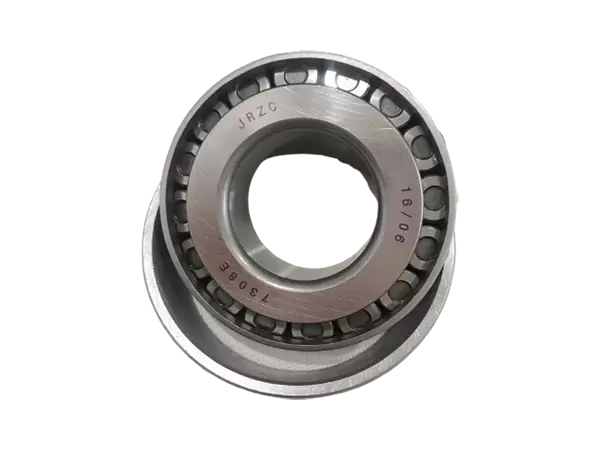
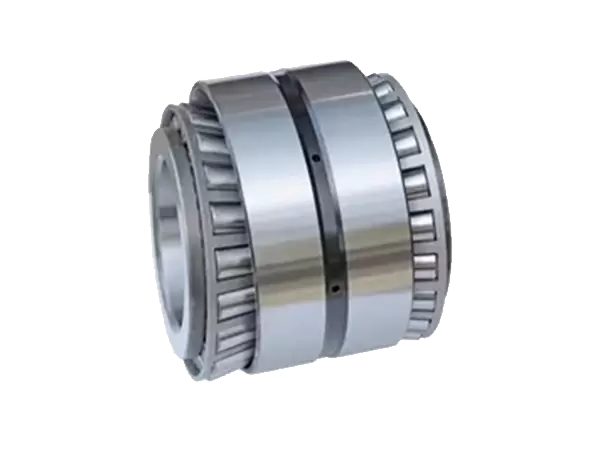
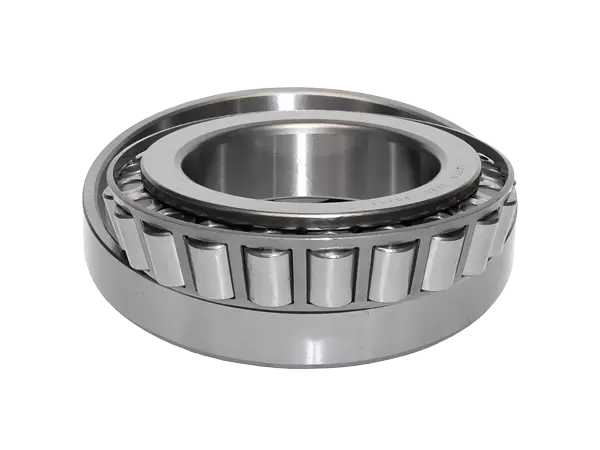
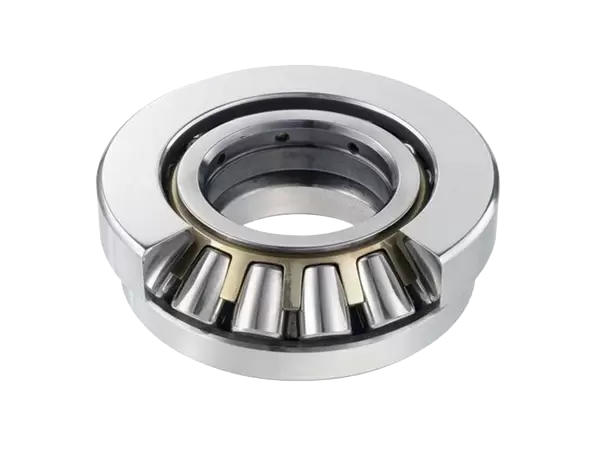
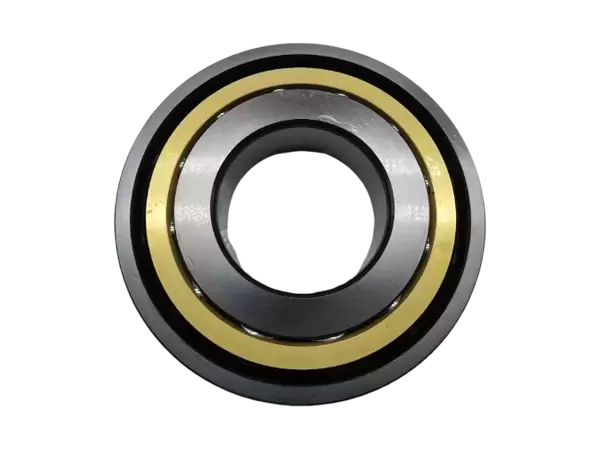
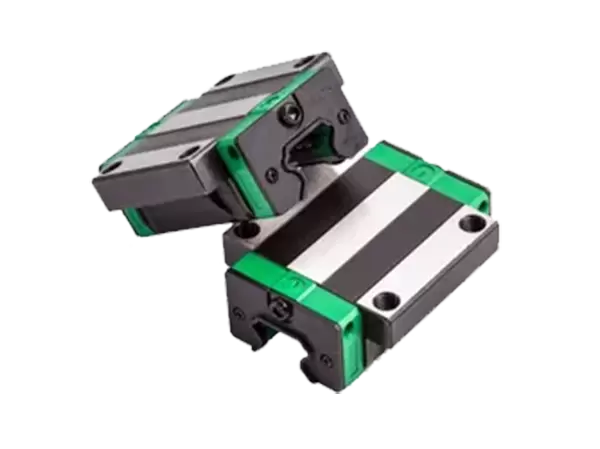
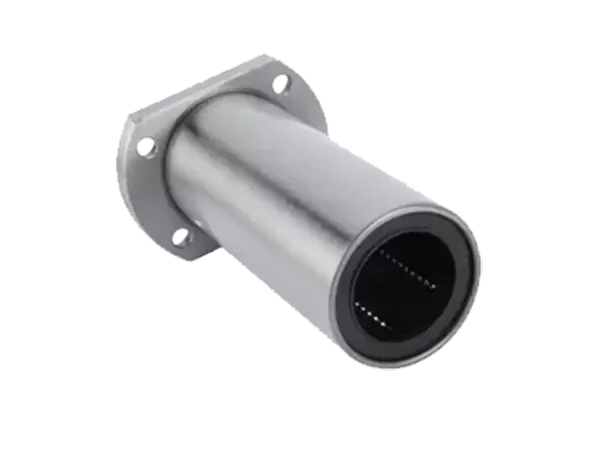
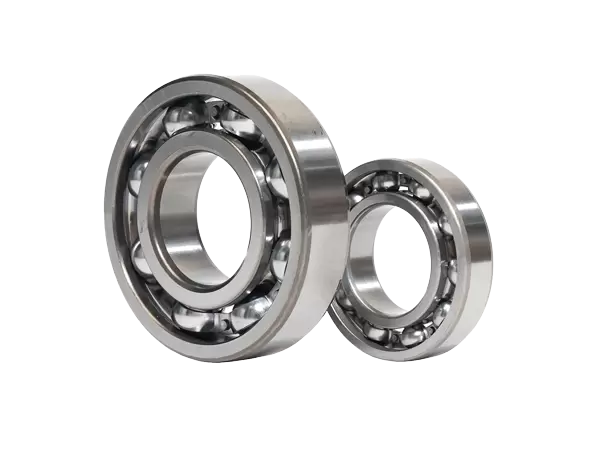
When engineers talk about machine reliability, one component quietly determines whether your system runs smoothly or fails unexpectedly—the precision bearing. Despite its small size, it plays a decisive role in performance, efficiency, and maintenance cost.
Yet many users underestimate one critical factor: bearing life.
In this blog post, JRZC, as high performance heavy load bearings manufacturer, will share the key factors affecting precision bearing life to assist in extending their service life.
What Bearing Life Really Means in Precision Bearing Applications
At its core, bearing life refers to the total number of revolutions a bearing completes before the first signs of fatigue damage occur. This damage usually appears as surface pitting, a common failure mode in rolling bearings.
Inside a precision bearing, rolling elements repeatedly contact the raceway under cyclic stress. Over time, microscopic cracks form beneath the surface. As these cracks grow, small fragments of material break away, creating tiny pits. Once this begins:
Rotational accuracy decreases
Noise and vibration increase
Equipment reliability declines
This is why bearing life is not about when a bearing completely stops working—it’s about when performance degradation begins.
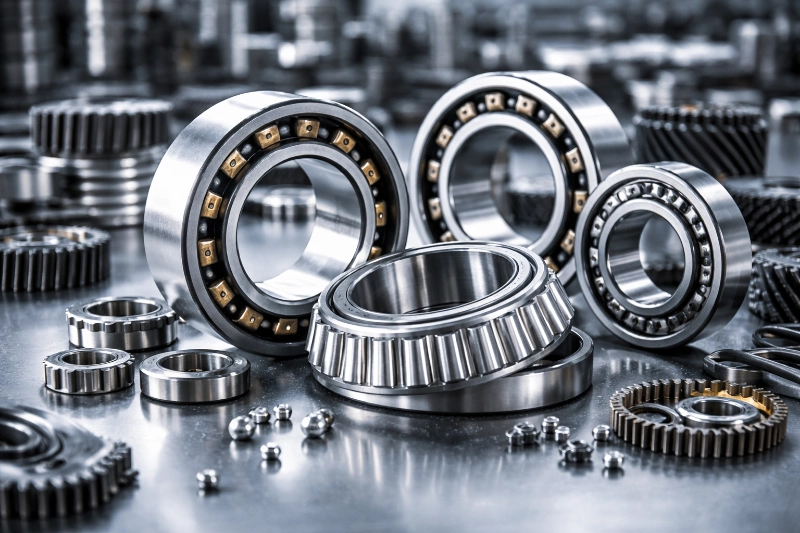
Why L10 Life Is the Industry Standard
In real engineering scenarios, not all bearings fail at the same time. To address this variability, the industry uses the concept of rated life (L10).
L10 life is defined as:
The number of revolutions or operating hours that 90% of a group of identical bearings will achieve before the first sign of fatigue occurs.
This standard is essential for precision bearing selection because it:
Accounts for manufacturing variability
Provides a consistent design benchmark
Enables accurate lifecycle planning
For high-reliability industries like aerospace or medical devices, engineers often go beyond L10 and apply additional safety factors.
How to Calculate Bearing Life Accurately
Core Formula for Precision Bearing Life
The theoretical life of a precision bearing depends on two key parameters:
For ball bearings:
L10 = (Cr / Pr)^3
For roller bearings:
L10 = (Cr / Pr)^(10/3)
To convert bearing life into operating hours:
Lh = [(Cr / Pr)^3 × 10^6] / (60 × n)
Where:
Practical Example You Can Use
Let’s say you’re using a precision bearing in a motor:
Speed: 1500 RPM
Cr = 50 kN
Pr = 10 kN
The calculated life is approximately:
This quick estimation helps engineers predict maintenance intervals and avoid unexpected downtime.
Why Theoretical Life Isn’t Enough in Real Applications
In practice, calculated life rarely matches actual performance. That’s why correction factors are introduced:
a₁ (Reliability factor) – For higher reliability requirements
a₂ (Material factor) – Reflects steel quality and heat treatment
a₃ (Operating conditions factor) – Includes lubrication, contamination, temperature
The adjusted life becomes:
L₁₀ (adjusted) = a₁ × a₂ × a₃ × L₁₀
For precision bearing applications, this adjustment is critical. Without it, designs may appear reliable on paper but fail prematurely in real environments.
The Four Factors That Truly Control Precision Bearing Life
1. Lubrication Makes or Breaks Performance
Lubrication is the single most influential factor in extending bearing life.
A proper lubricant film:
Prevents metal-to-metal contact
Reduces friction and wear
Protects against corrosion
Practical tips:
Use high-viscosity oil for heavy loads
Choose low-viscosity lubricants for high-speed precision bearing systems
Fill grease to 30%–50% of internal space
Too much grease causes overheating. Too little leads to direct contact and rapid wear.
2. Contamination Is the Silent Killer
Dust, metal particles, and debris can drastically shorten precision bearing life.
Even microscopic contaminants can:
Create surface indentations
Cause stress concentration
Accelerate fatigue failure
This is why bearings in mining or construction often fail much earlier than calculated L10 life.
Best practices:
3. Material Quality Defines Performance Limits
Not all bearings are created equal.
High-performance precision bearing materials feature:
Optimized carbon content for strength and toughness
Controlled retained austenite for stress relief
Fine, uniform carbide distribution
Low impurity levels
In demanding industries like aerospace, ultra-clean steel significantly improves fatigue resistance and extends service life.
4. Installation and Operating Conditions Matter More Than You Think
Even the best precision bearing can fail quickly if installed incorrectly.
Common mistakes include:
Direct hammering during installation
Incorrect interference fit
Improper internal clearance
Operational factors also play a major role:
High temperatures reduce hardness and lubrication effectiveness
High speeds increase contact stress
Shock loads cause plastic deformation
Rule of thumb:
A poorly installed high-end bearing will fail faster than a properly installed standard one.
Practical Strategies to Extend Precision Bearing Life
If you want to maximize your return on investment, focus on these actionable steps:
Implement a routine lubrication schedule
Monitor vibration and temperature in real time
Select precision bearing types based on actual working conditions
Use specialized bearings for extreme environments
Avoid overload and sudden impact conditions
These small improvements can multiply bearing life several times over.
Final Thoughts
Precision bearing life is not determined by a single factor—it’s the result of design, material, lubrication, environment, and usage working together.
While theoretical calculations provide a starting point, real-world performance depends on how well you manage these variables.
The next time you evaluate a precision bearing, remember:
its lifespan isn’t just engineered—it’s maintained, protected, and optimized.
Understanding these hidden factors is what separates reactive maintenance from truly reliable engineering systems.