Sealed spherical roller bearings have evolved from a niche solution into a strategic component for industries facing dust, moisture, misalignment, and continuous shock loads. In this blog post, JRZC, as professional high quality bearing manufacturers, will share the role of sealed spherical roller bearings for harsh industrial environments. Through design logic, material science, and real-world operational thinking, we explore why this bearing type has become central to modern heavy machinery strategies.
How Sealed Spherical Roller Bearings Redefine Bearing System Thinking
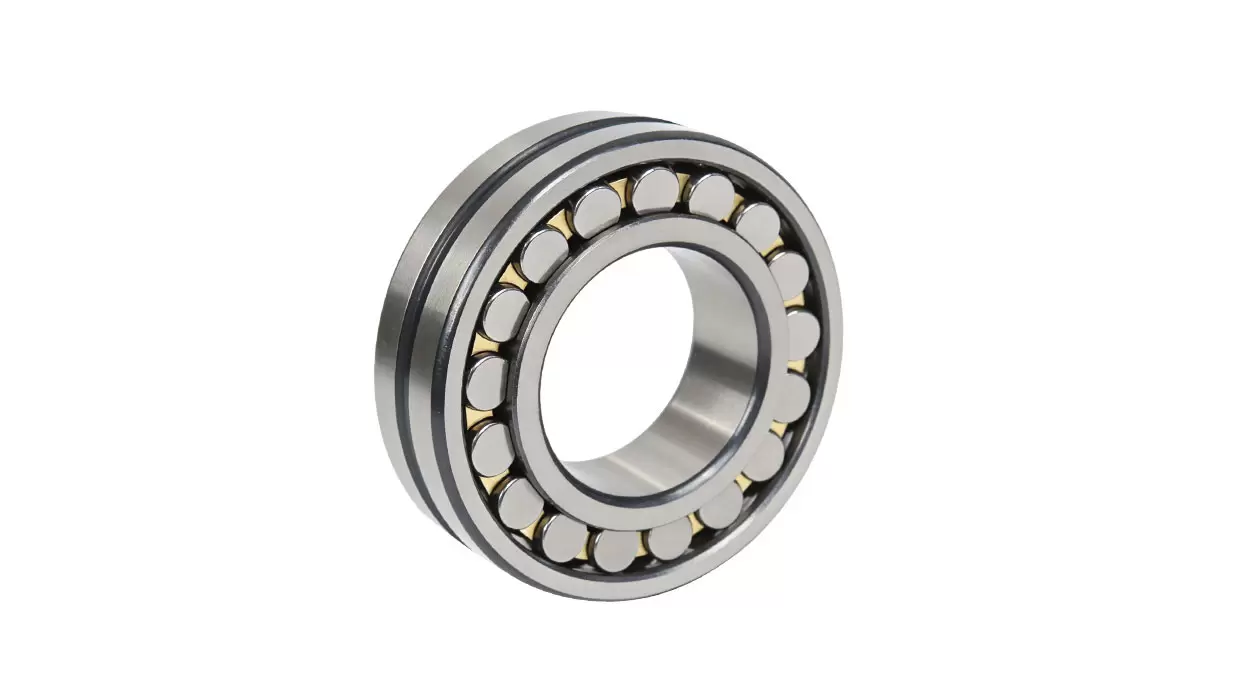
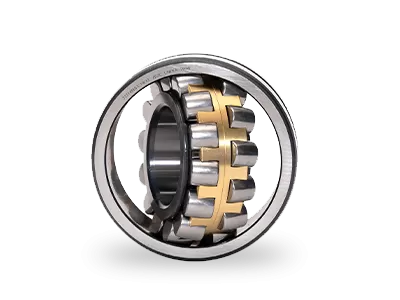
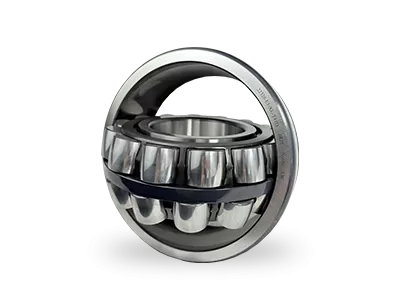
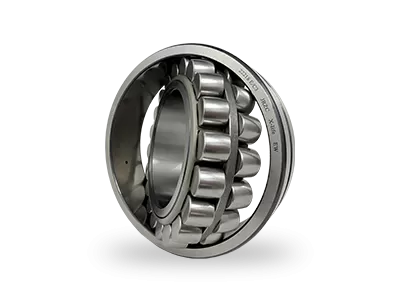
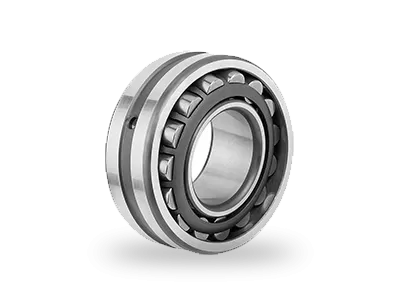
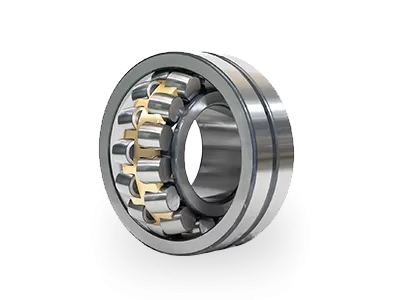
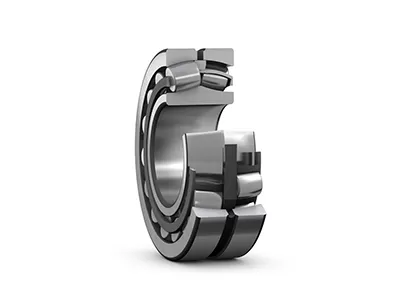
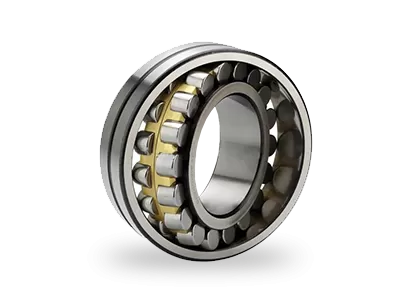
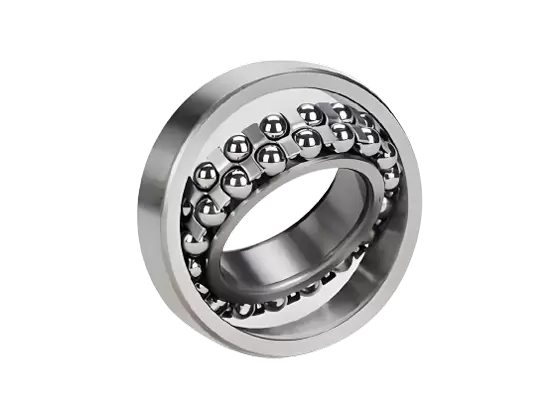
For many engineers, the starting point is often what is spherical roller bearing and how it differs from other rolling bearings. Traditionally, spherical roller bearings are known for their self-aligning capability and ability to accommodate heavy radial loads and moderate axial loads. However, when sealing technology is integrated, the bearing no longer functions as an isolated mechanical element—it becomes a closed system.
Sealed spherical roller bearings shift the design focus from lubrication frequency and contamination control toward system stability and predictability. By incorporating high-efficiency seals, the bearing actively manages its internal environment, reducing dependency on external lubrication systems and minimizing the influence of surrounding contaminants. This changes how designers approach housings, shaft tolerances, and maintenance intervals.
Sealing Technology as a Structural Component, Not an Add-On
In conventional thinking, seals are often treated as auxiliary components. In sealed spherical roller bearings, sealing becomes a structural design element that directly influences service life. Modern sealing systems are engineered to balance friction, elasticity, and long-term wear resistance, especially under oscillating or vibrating conditions.
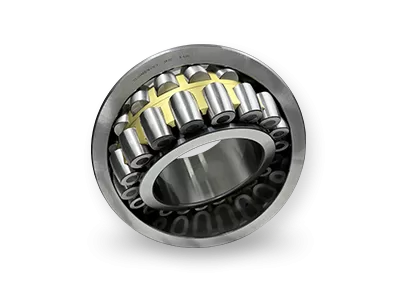
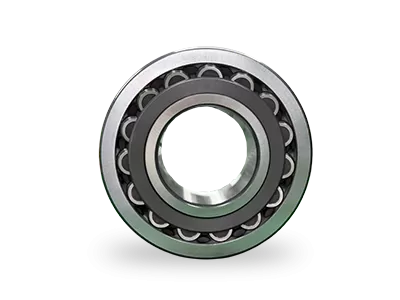
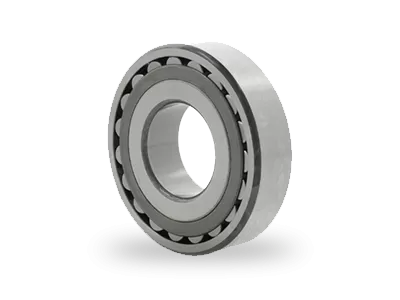
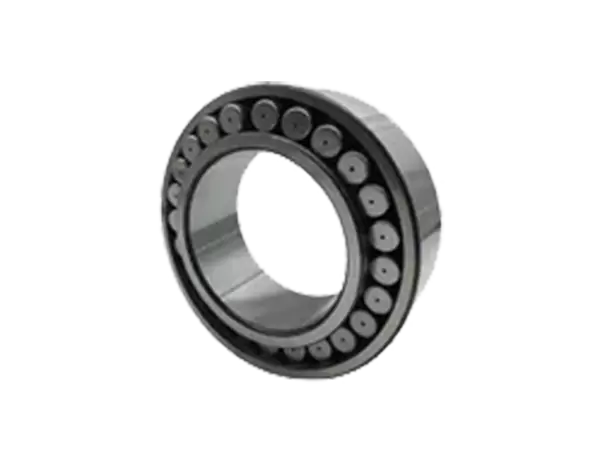
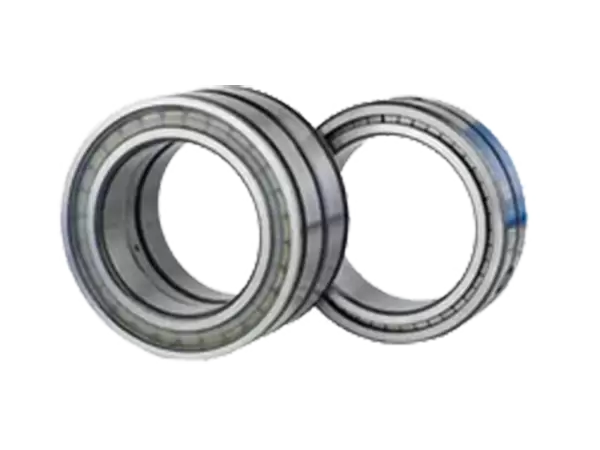
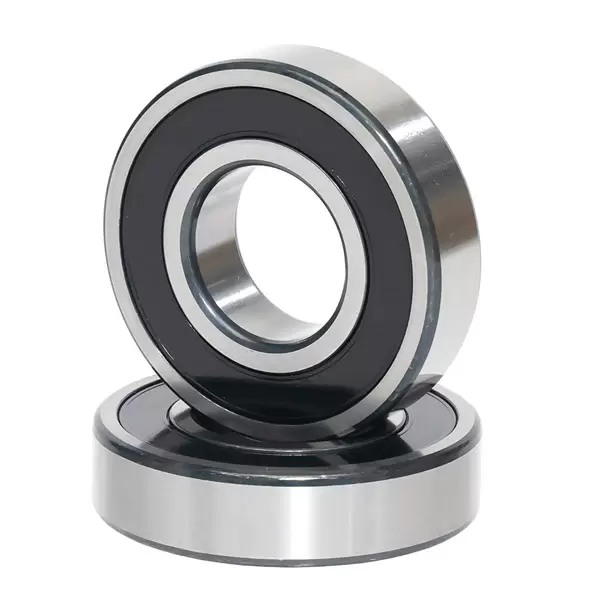
The BS2 Series Spherical Roller Bearings exemplify this integration. Their sealing design provides strong resistance against dust ingress and water penetration while maintaining stable internal lubrication. This is particularly important in mining and crushing equipment, where fine particles and moisture coexist with continuous vibration. The seal’s performance directly supports the bearing’s load-carrying capability and long-term dimensional stability.
Material Integrity and Heat Treatment in Sealed Bearing Environments
Sealed spherical roller bearings operate in a closed lubrication environment, which places higher demands on internal material consistency. Any instability in hardness or microstructure can accelerate wear once contaminants are trapped inside.
High-purity vacuum-degassed bearing steel is critical in this context. In the BS2 series, both rings and rollers undergo Aichelin salt bath heat treatment, ensuring uniform hardness and controlled residual stress. This treatment method improves resistance to surface fatigue and reduces the risk of micro-cracking under heavy loads. For sealed designs, such metallurgical stability is not optional—it is foundational to long service life.
Self-Alignment Performance Under Real Operating Distortion
One often underestimated aspect of sealed spherical roller bearings is how self-alignment interacts with sealing performance. In real machinery, shaft deflection, housing deformation, and thermal expansion occur simultaneously. Poor alignment control can compromise seal contact pressure, leading to premature seal wear.
The spherical roller geometry inherently compensates for angular misalignment, protecting both rolling elements and seals. This is especially valuable in vibrating equipment, where continuous micro-movements challenge conventional bearing arrangements. By maintaining stable internal geometry, sealed spherical roller bearings preserve seal integrity even under dynamic misalignment conditions.
Installation Strategy for Sealed Spherical Roller Bearings
Although sealed designs simplify maintenance later, the initial spherical roller bearing installation process becomes even more critical. Unlike open bearings, sealed bearings do not allow post-installation cleaning or internal inspection.
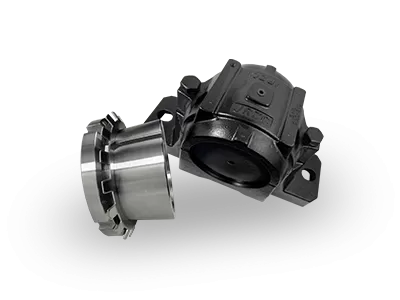
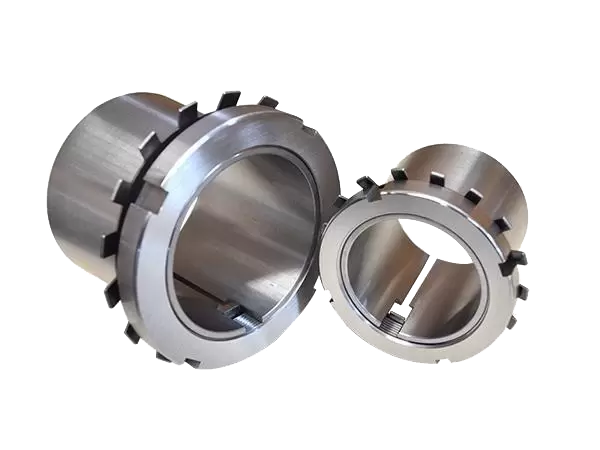
Best practice emphasizes precise shaft preparation, controlled mounting forces, and strict avoidance of seal damage during handling. Heating methods, mounting sleeves, and alignment checks must be carefully coordinated. When installed correctly, sealed spherical roller bearings can operate for extended periods without relubrication, fundamentally altering maintenance planning.
Lifecycle Economics Beyond Initial Bearing Cost
The application of spherical roller bearing technology is no longer evaluated solely on load ratings. In sealed designs, total cost of ownership becomes the dominant metric. Reduced grease consumption, fewer maintenance shutdowns, and lower contamination-related failures translate into measurable operational savings.
In environments where access is difficult or downtime is extremely costly, sealed spherical roller bearings offer a predictable lifecycle profile. This predictability allows operators to synchronize bearing replacement with major overhauls rather than reacting to unexpected failures.
Manufacturing Discipline Behind Sealed Bearing Reliability
Choosing a qualified spherical roller bearing manufacturer is especially important for sealed products. Seal geometry, material compatibility, and internal clearance control require tight manufacturing discipline. Even minor deviations can lead to uneven seal wear or lubricant starvation.
JRZC applies strict quality standards across material sourcing, heat treatment, and assembly. For the BS2 Series, every production step is aligned with the bearing’s intended heavy-duty environment, ensuring consistent performance across batches. This manufacturing consistency is critical for industries operating fleets of identical machines.
Supplier Collaboration and Engineering Support
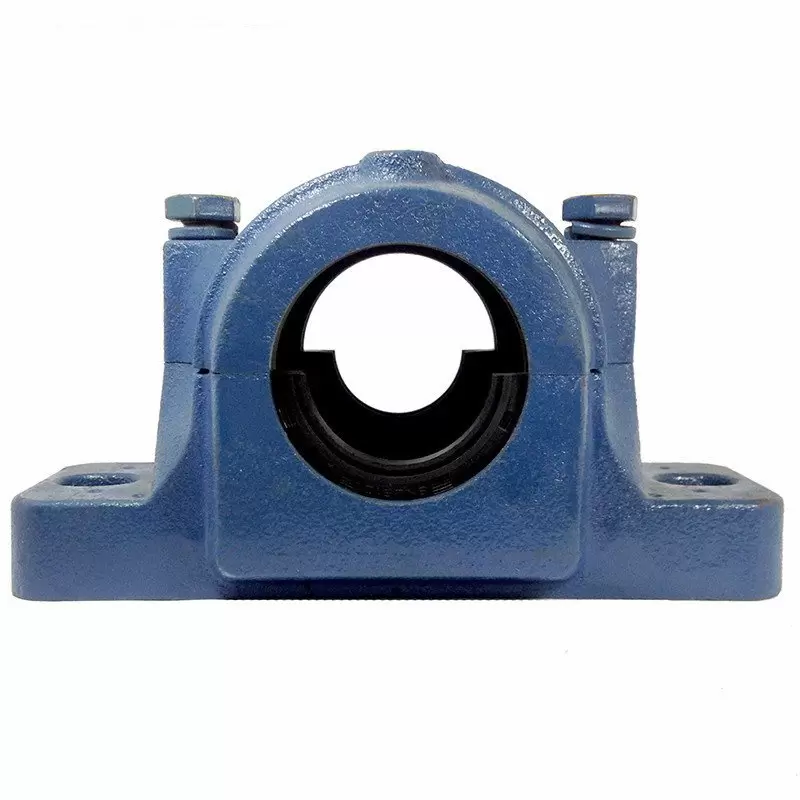
Beyond manufacturing, the role of a spherical roller bearing supplier has expanded. Engineers increasingly rely on suppliers for selection guidance, housing compatibility, and lifecycle planning. Sealed spherical roller bearings, in particular, benefit from early-stage collaboration to ensure correct sizing and sealing configuration.
JRZC supports this approach by providing application-oriented recommendations, especially for mining, crushing, and vibrating machinery. This partnership-oriented model reduces misapplication risks and helps users fully realize the benefits of sealed bearing technology.
Why Sealed Spherical Roller Bearings Represent Strategic Shift
Sealed spherical roller bearings are not simply an incremental upgrade. They represent a strategic shift in how heavy machinery reliability is achieved. By integrating sealing, metallurgy, and self-alignment into a unified system, these bearings reduce uncertainty in hostile environments.
The BS2 Series Spherical Roller Bearings demonstrate how high-efficiency sealing, stable heat treatment, and robust design can coexist in a single solution. For industries where contamination and misalignment are unavoidable, sealed spherical roller bearings offer a controlled, predictable, and durable foundation for long-term operation.
In an era where maintenance efficiency and lifecycle optimization are as critical as load capacity, sealed spherical roller bearings have moved from optional to essential.