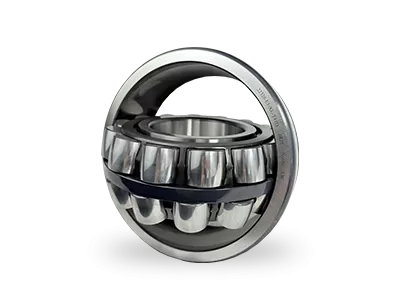
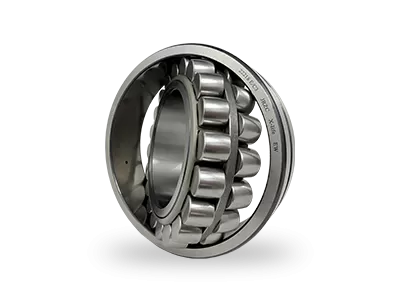
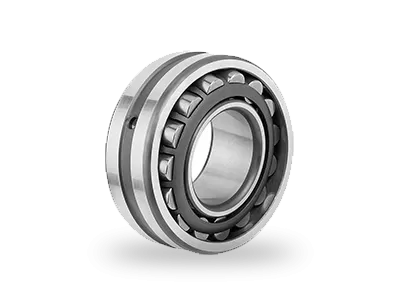
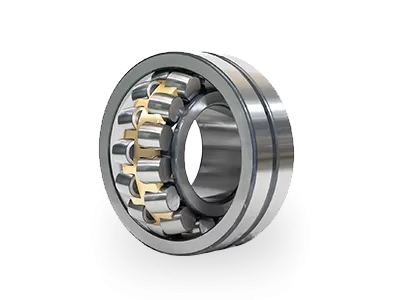
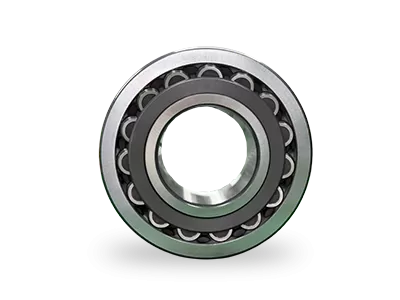
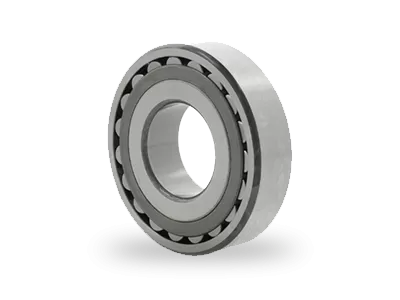
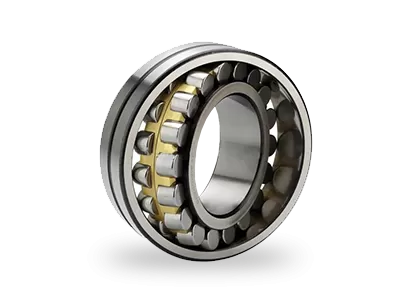
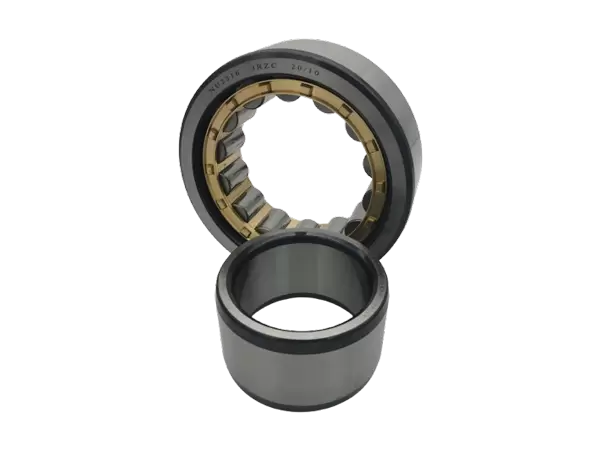
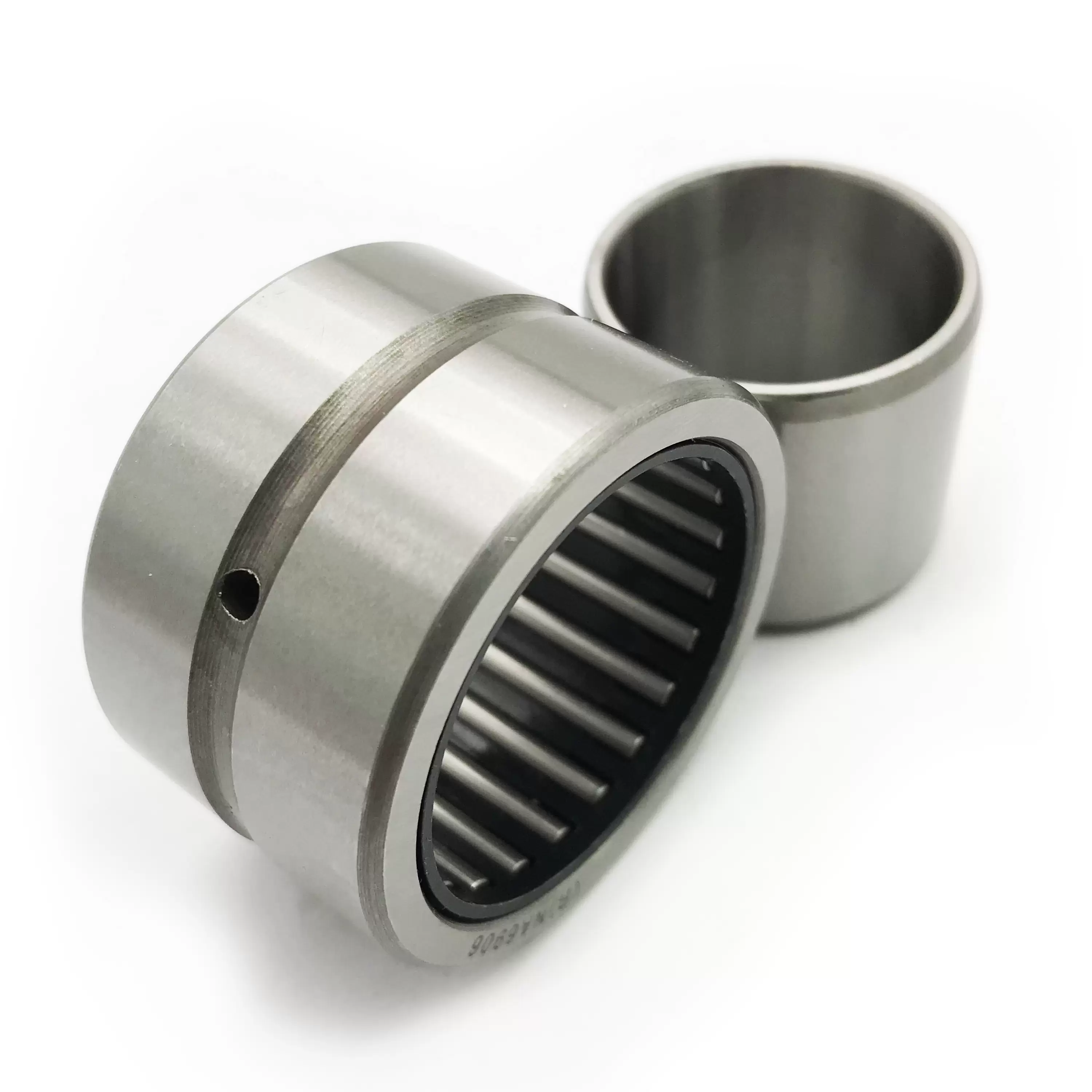
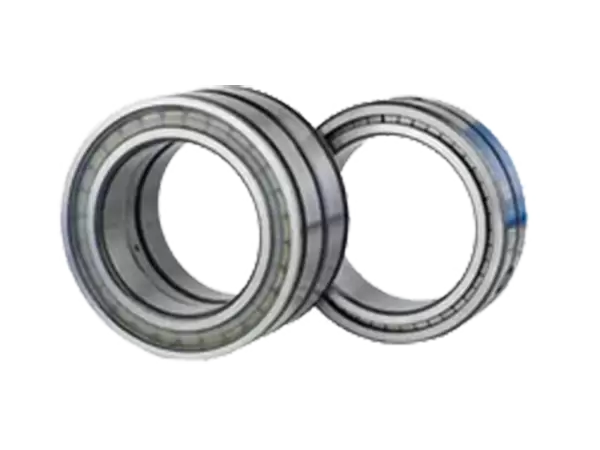
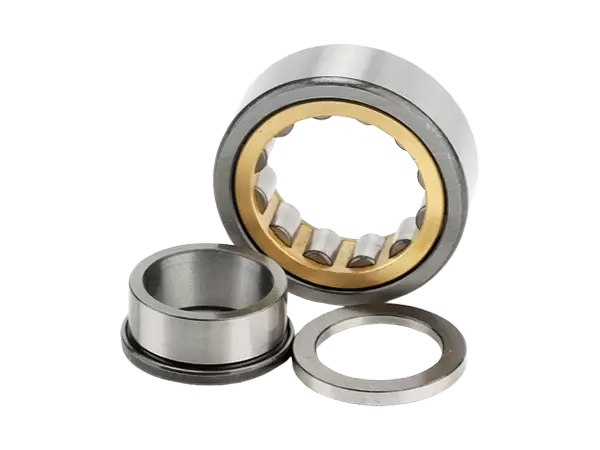
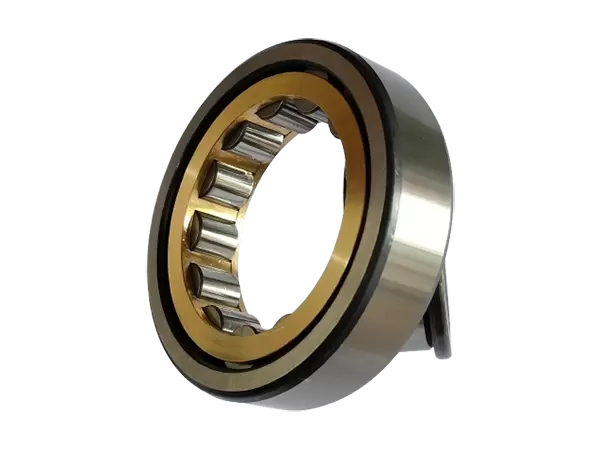
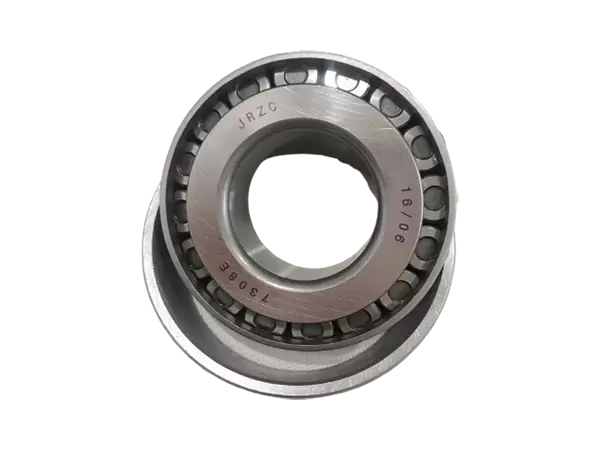
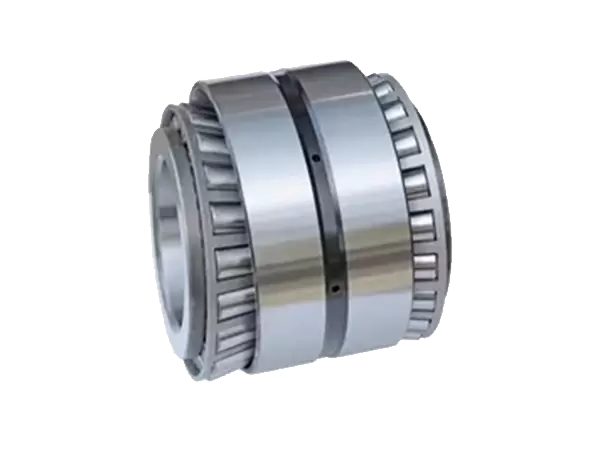
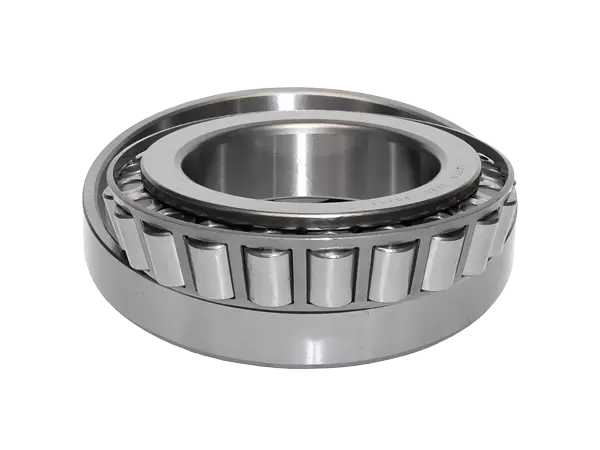
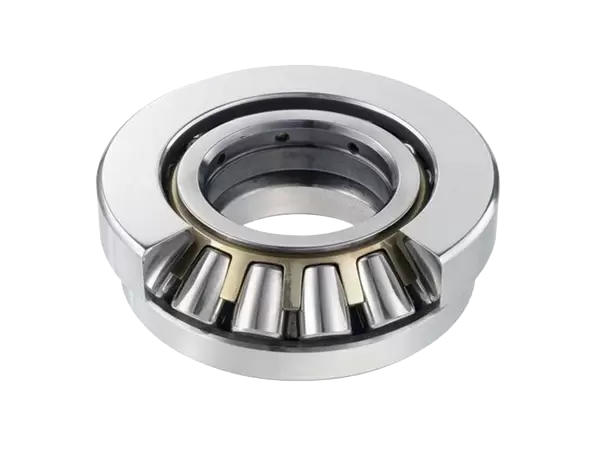
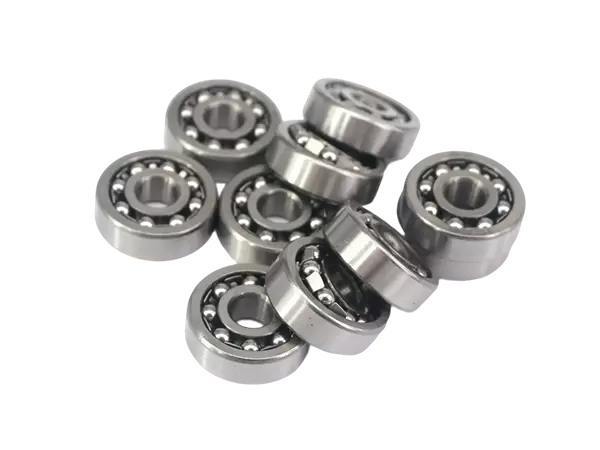
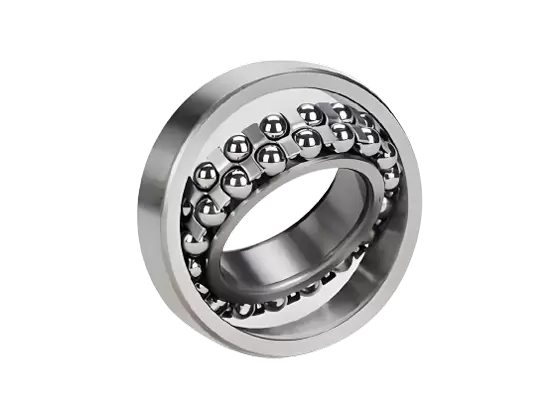
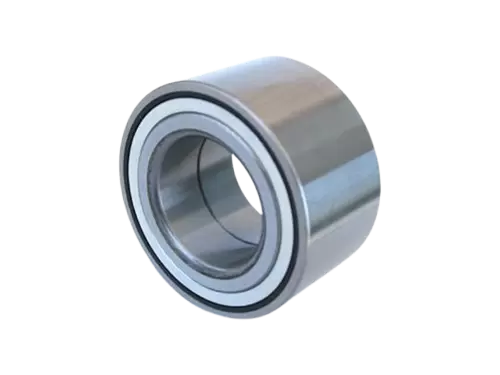
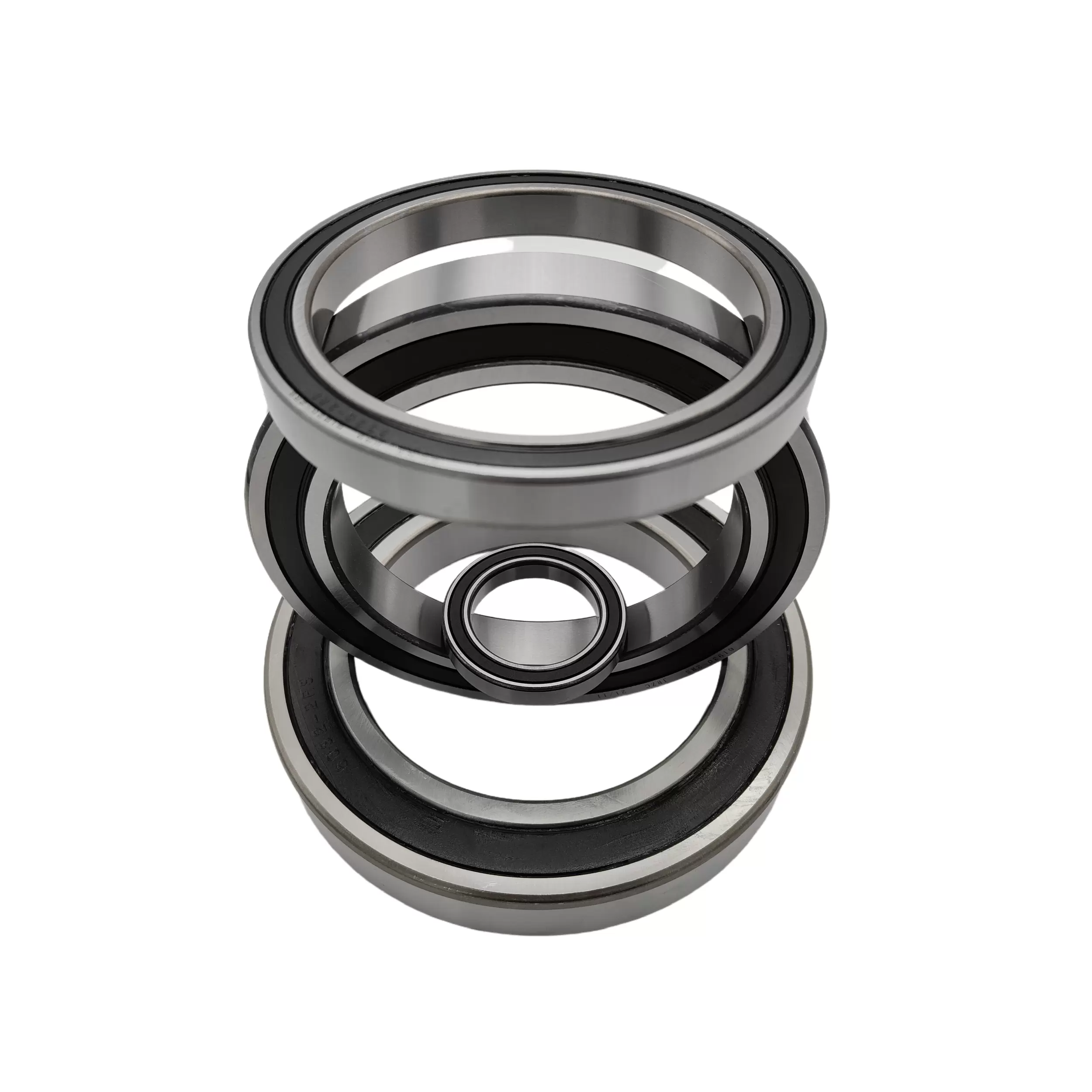
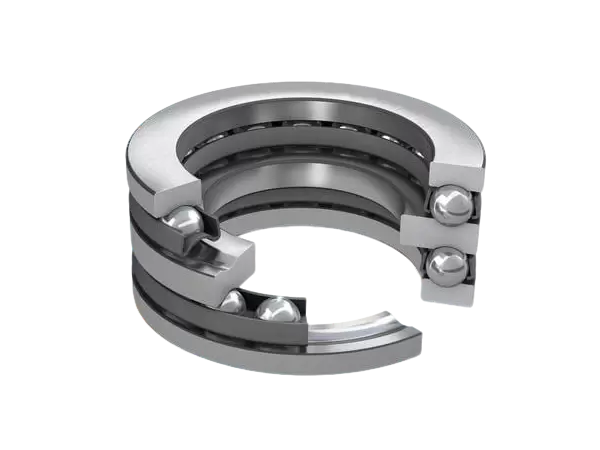
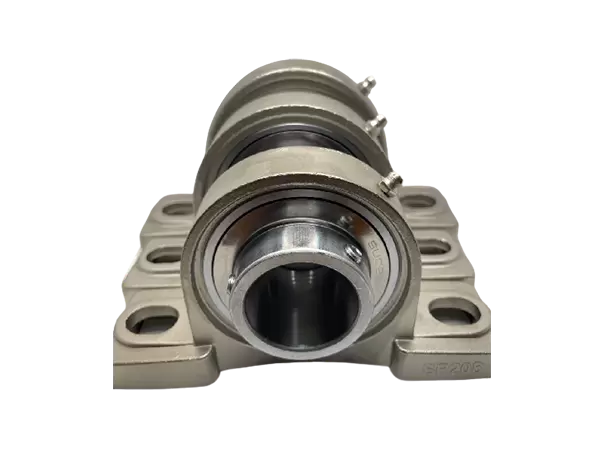
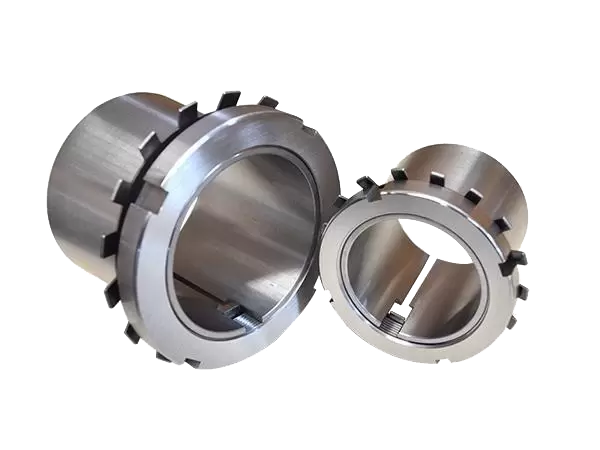
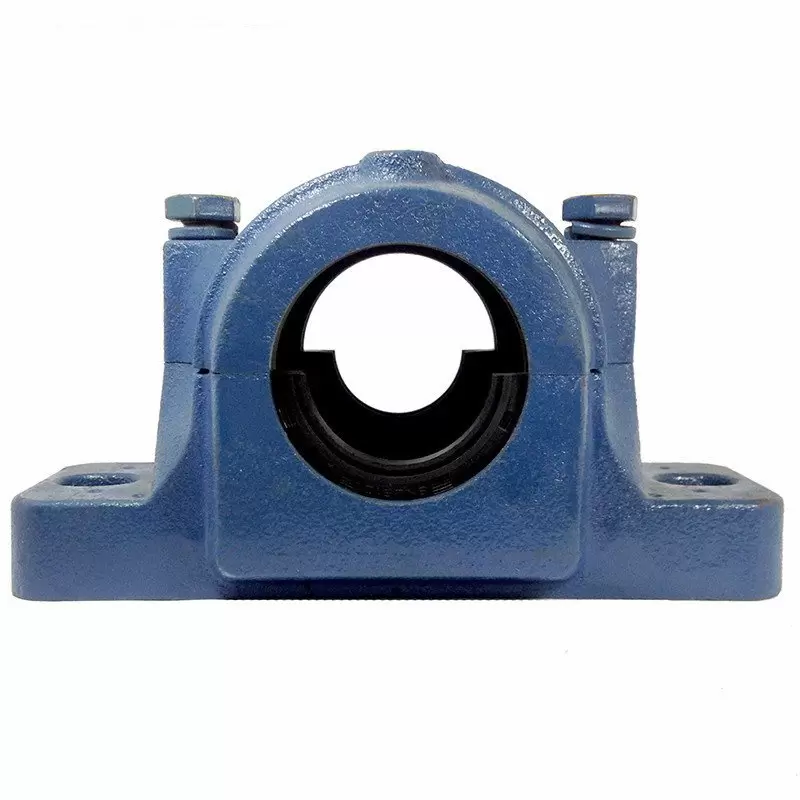
Spherical roller bearings play a pivotal role in modern industrial machinery, particularly where equipment must endure substantial radial and axial forces. Among these, understanding spherical roller bearing axial load capabilities is essential for engineers, maintenance teams, and designers seeking reliability under extreme operating conditions. These bearings are designed not only to handle heavy radial loads but also significant axial loads, all while maintaining stability and longevity in demanding environments.
In this blog post, JRZC, as high quality custom radial load bearings manufacturer, will share the benefits of spherical roller bearing axial load performance in heavy-duty applications.
Spherical Roller Bearings and Axial Load Capacity
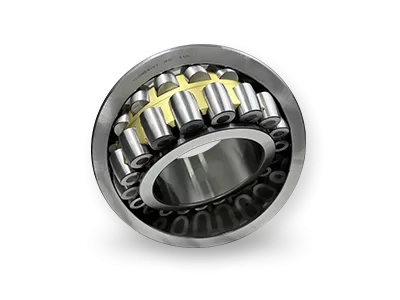
Spherical roller bearings are engineered to support both radial and axial loads simultaneously. The axial load, which acts along the axis of the shaft, is critical in applications such as gearboxes, conveyors, and vibrating machinery. Bearings with insufficient axial load capacity can suffer from premature wear, increased friction, and heat generation, ultimately shortening service life.
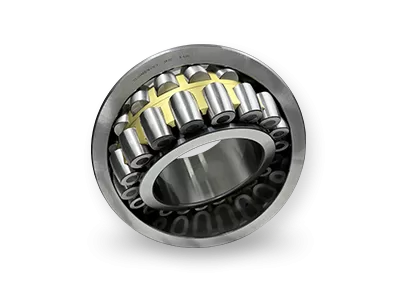
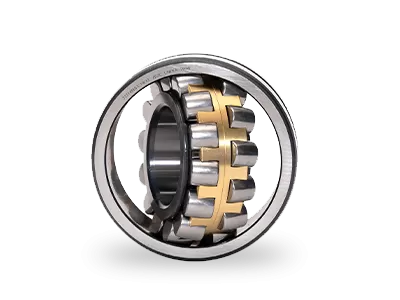
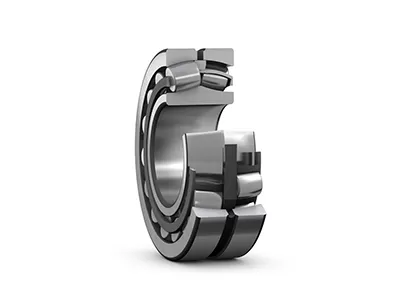
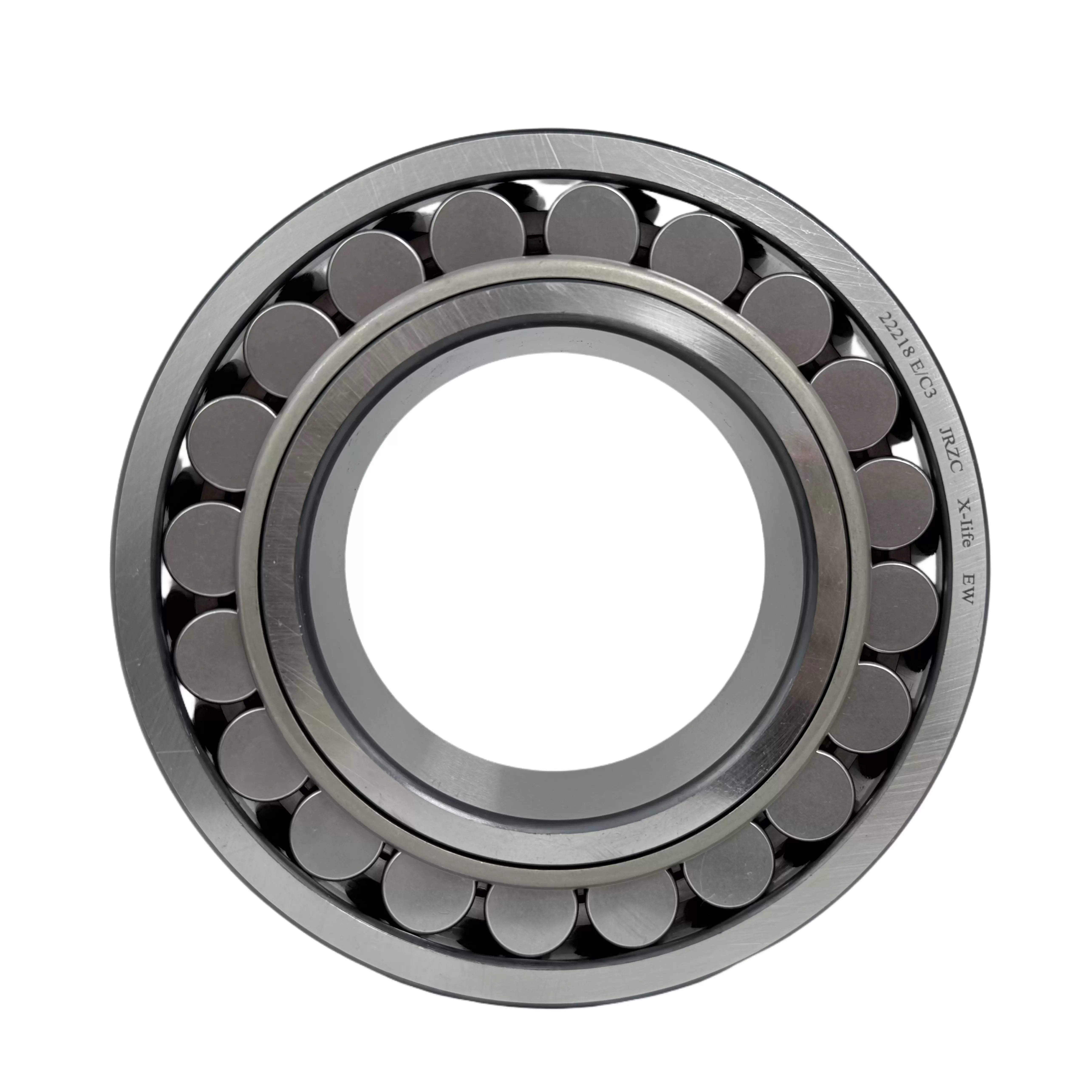
Modern E-series spherical roller bearings are specifically optimized to handle high axial forces without compromising radial load performance. Their internal geometry, including barrel-shaped rollers and an optimized raceway, allows for smooth axial force distribution, reducing stress concentrations that typically cause fatigue in standard bearings.
Key considerations for axial load performance include:
Maximum allowable axial load relative to radial load
Operating speed and lubrication conditions
Misalignment compensation through self-aligning design
Vibrational and shock load absorption
By understanding these factors, engineers can ensure that their bearings operate efficiently even under fluctuating or extreme axial forces.
Factors Influencing Spherical Roller Bearing Axial Load Limits
Several parameters directly affect how a spherical roller bearing handles axial loads:
1. Bearing Design and Internal Structure
The geometry of rollers and raceways determines axial load capacity. Spherical rollers with a larger contact angle provide better support for axial forces. Additionally, E-series bearings feature reinforced ribs and optimized roller profiles to reduce friction while enhancing load distribution.
2. Shaft Alignment and Self-Aligning Capability
Shaft misalignment can induce additional axial stress. One of the key advantages of spherical roller bearings is their self-aligning capability, which compensates for angular misalignment, maintaining uniform load distribution and minimizing heat generation.
3. Lubrication and Heat Management
Proper lubrication is essential for axial load handling. Bearings under high axial stress generate additional friction and heat. Grease or oil lubrication ensures a low-friction interface, extending bearing life. Bearings with relubrication capability allow maintenance teams to replenish lubricant without disassembly, maintaining optimal axial load performance over time.
Application Scenarios Requiring High Axial Load Support
High axial load applications are widespread in industries such as mining, steel production, and heavy machinery. Examples include:
Vibrating screens and crushers: Bearings endure both radial weight of the rotating drum and axial thrust from material flow.
Gearboxes in industrial plants: High-speed shafts produce significant axial loads in addition to torque.
Pumps and fans: Axial thrust from fluid movement must be reliably managed to prevent premature bearing failure.
In these scenarios, selecting a bearing optimized for spherical roller bearing axial load ensures stability, reduces downtime, and supports continuous operation.
Enhancing Bearing Life Through Axial Load Management
Proper management of axial load is crucial for prolonging bearing life. Strategies include:
Load distribution optimization: Ensuring that axial forces are evenly spread across rollers to prevent localized fatigue.
Monitoring operating conditions: Using sensors to detect excessive axial load, temperature spikes, or vibration anomalies.
Lubrication maintenance: Employing greases or oils with suitable viscosity and additive packages to handle axial stress.
Regular inspections: Checking for wear patterns, misalignment, or lubricant degradation, which can all affect axial load performance.
By implementing these practices, industries can maximize the reliability of bearings under heavy axial loads.
Selecting Spherical Roller Bearings for Axial Load Demands
When choosing bearings for axial load-heavy applications, several factors should guide the selection:
Rated Axial Load Capacity: Ensure that the bearing can sustain the maximum anticipated axial force.
Compatibility with Radial Load: Bearings must handle combined loads without compromising either capacity.
Operating Speed Limitations: Higher speeds can reduce axial load capacity due to centrifugal effects.
Environmental Conditions: Dust, vibration, and temperature extremes influence axial load performance.
Maintenance Access: Bearings allowing easy relubrication or modular replacement are preferable for long-term reliability.
Using manufacturer data and simulation models can help engineers make precise selections for optimal axial load performance.
Impact of Axial Load on Bearing Performance Metrics
Understanding the relationship between axial load and key performance metrics helps optimize industrial systems:
Friction and Heat Generation: Excessive axial load increases friction, leading to heat accumulation and potential lubricant breakdown.
Vibration and Noise: Bearings under unbalanced axial loads may produce higher vibration levels, affecting machinery stability.
Service Life and Fatigue: Sustained high axial load accelerates roller and raceway wear, reducing overall bearing lifespan.
Monitoring these metrics and adjusting operating conditions accordingly is essential for sustaining high-performance operation.
Innovations in Spherical Roller Bearings for Axial Load Optimization
Recent advancements in bearing design enhance axial load handling:
E-series roller design: Offers higher dynamic load capacity and improved roller-to-raceway contact.
Self-aligning and modular systems: Facilitate installation and compensate for shaft misalignment.
Advanced materials and coatings: Reduce friction and resist wear under extreme axial stress.
These innovations make modern spherical roller bearings suitable for increasingly demanding industrial environments where high axial loads are unavoidable.
Maintenance Best Practices for Axial Load Bearings
Maintaining bearings under high axial load requires attention to detail:
Lubrication Frequency: Bearings handling heavy axial load often need more frequent lubrication to prevent overheating.
Alignment Checks: Misaligned shafts increase axial stress, so regular alignment inspections are crucial.
Load Monitoring: Using sensors to detect axial load fluctuations can preempt failure.
Contamination Control: Dust or debris in bearing housings can compromise axial load capacity.
Proper maintenance ensures that bearings continue to perform at peak axial load capacity, minimizing unplanned downtime and operational risks.
Conclusion
In industrial machinery, understanding spherical roller bearing axial load is critical for achieving stability, efficiency, and longevity. By selecting bearings with optimized internal structures, self-aligning features, and high dynamic load ratings, industries can handle demanding radial and axial loads simultaneously. Coupled with proper lubrication, monitoring, and maintenance, these bearings provide reliable performance in heavy-duty applications.
Focusing on axial load considerations not only improves bearing life but also reduces operational costs, ensures safety, and supports uninterrupted industrial productivity. Whether for vibrating equipment, gearboxes, or pumps, correctly engineered spherical roller bearings remain a cornerstone of modern industrial reliability