Introduction
When selecting bearings for industrial machinery, understanding the effects of axial and radial loads is essential for ensuring optimal performance, longevity, and cost-effectiveness. Bearings are critical components in various mechanical systems, from automotive engines to aerospace equipment. The ability of a bearing to handle axial and radial loads effectively impacts not only the reliability of the system but also its efficiency and lifespan. In this blog post, JRZC, as one of the high performance industrial bearing manufacturers, will share the features of axial and radial loads in bearing design to optimize product performance.

Impact of Axial Load on Bearing Function
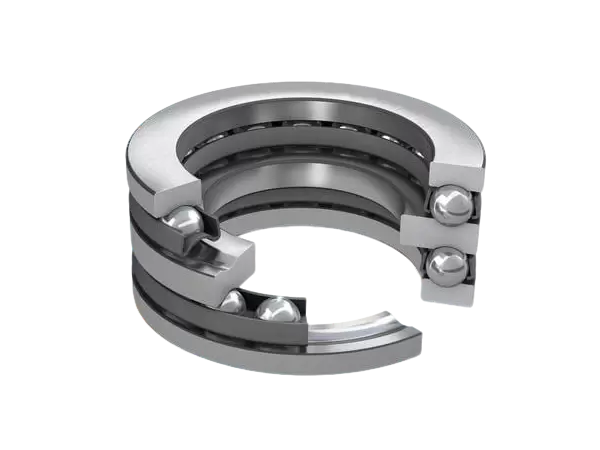
Axial load refers to the force applied along the axis of a bearing, typically in a direction parallel to the shaft. Bearings exposed to axial loads are often used in applications such as turbines, pumps, and axial fans, where forces act along the axis. The correct management of axial load is crucial for ensuring that the bearing can handle these forces without failure.
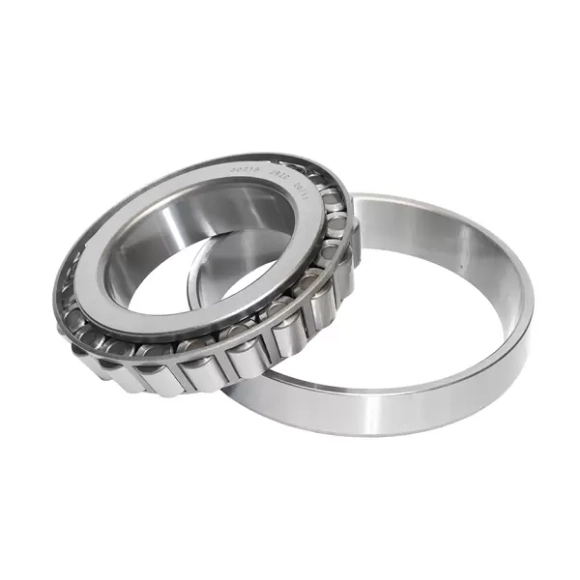
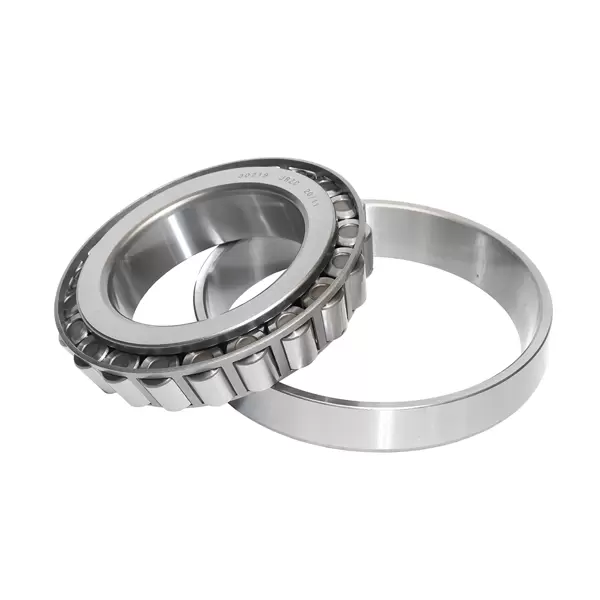
For bearing manufacturers, understanding axial load requirements involves selecting the right bearing design. Bearings designed for high axial load typically feature a larger contact angle, which increases the ability to handle thrust forces. This geometry, however, may reduce the radial load capacity, making it essential to balance both forces. For example, high-speed applications such as turbines may require a bearing with a steeper contact angle to handle axial forces efficiently.
Custom-made bearings offer a solution for industries that require bearings designed to manage specific axial load conditions. Custom bearing manufacturers can work with clients to develop bearings that meet the precise requirements of thrust-heavy applications.
Radial Load and Bearing Durability
Radial load refers to forces that act perpendicular to the axis of the bearing. Bearings exposed to radial loads are often used in applications like motors, conveyors, and automotive components, where forces are exerted from the side. Radial load management is a key factor in bearing design as it directly impacts the bearing’s ability to withstand wear and extend service life.
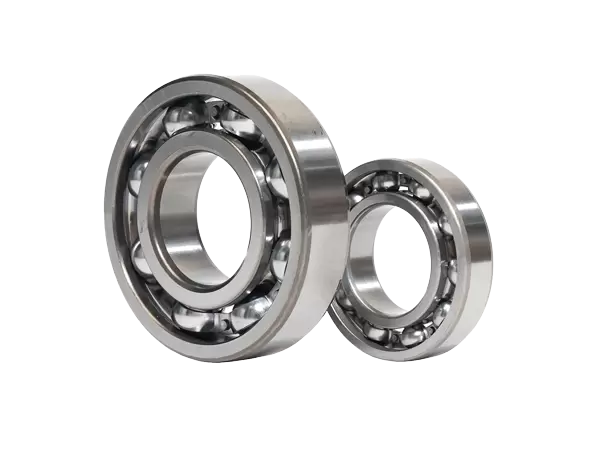
Bearings subjected to radial loads must be designed to distribute the force evenly across the rolling elements. This requires optimized bearing geometry, high-strength materials, and effective lubrication. If radial loads are not properly managed, it can lead to increased wear and eventually bearing failure. Bearings with deep grooves or specialized configurations are better suited for radial loads as they help distribute the force more evenly, minimizing the risk of failure.
Additionally, material selection plays a crucial role in radial load resistance. Bearings made from high-carbon chrome steel are commonly used for radial load applications due to their high strength and fatigue resistance. Alternatively, ceramic bearings can provide superior wear resistance in extreme environments, such as high-speed or high-temperature applications.
Managing Combined Axial and Radial Loads
In many industrial applications, bearings are subjected to both axial and radial loads simultaneously. The interaction between these two forces complicates bearing design and requires careful consideration to ensure that both loads are effectively managed.
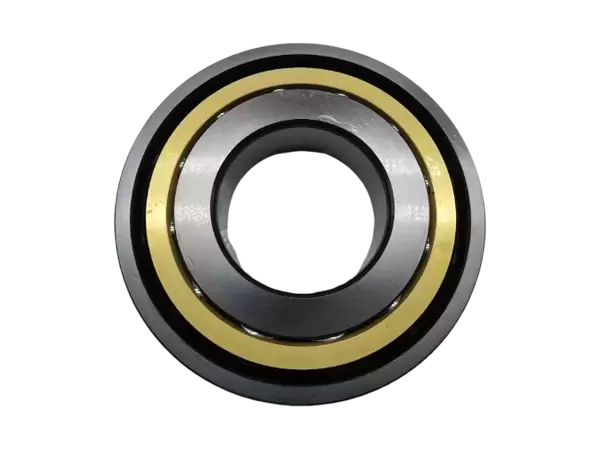
For bearings exposed to combined axial and radial loads, angular contact bearings can be designed with a higher contact angle to handle axial forces, while deep groove bearings are optimized for radial loads. The hybrid design, combining both elements, ensures that bearings can perform efficiently under complex loading conditions. Custom-made bearings offer the best solution for applications that require precision load management, as they can be tailored to meet specific performance requirements.
Bearing Design for Combined Axial and Radial Loads
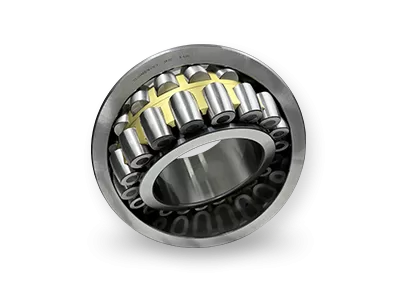
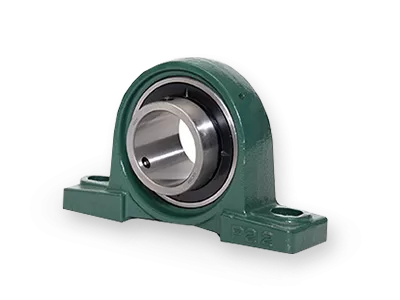
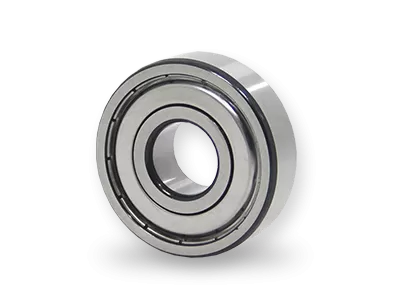
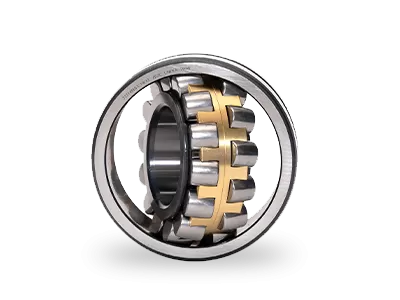
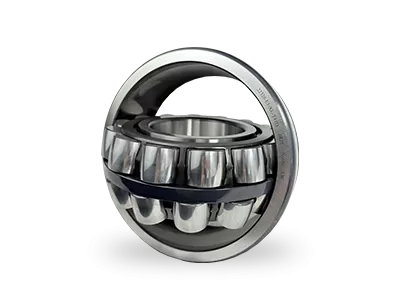
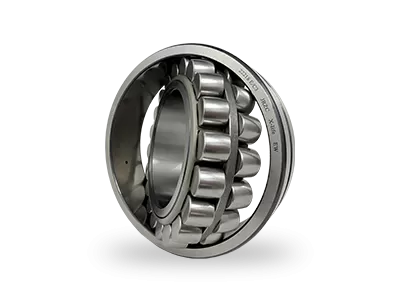
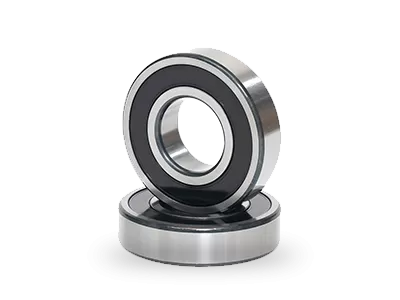
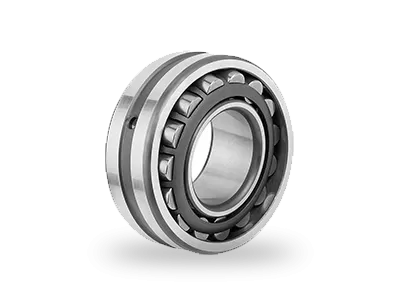
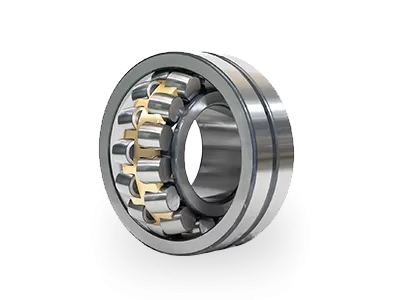
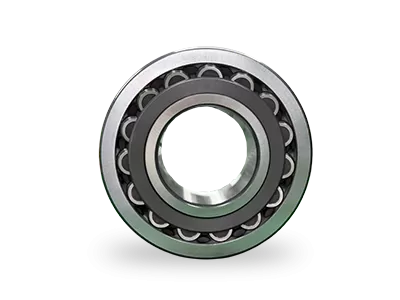
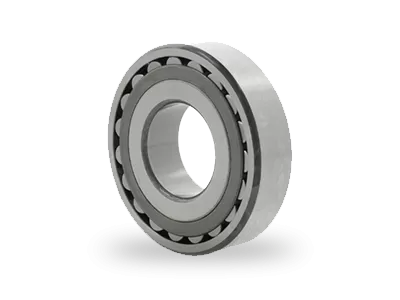
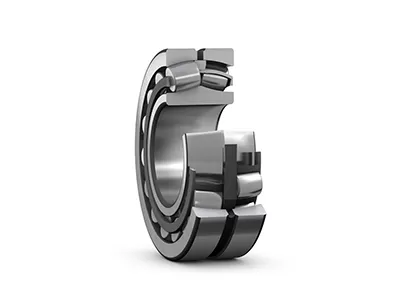
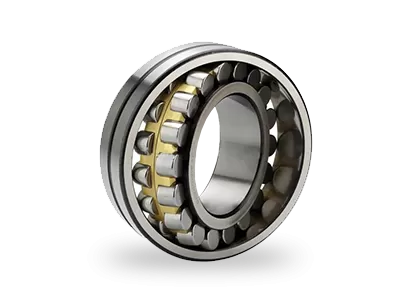
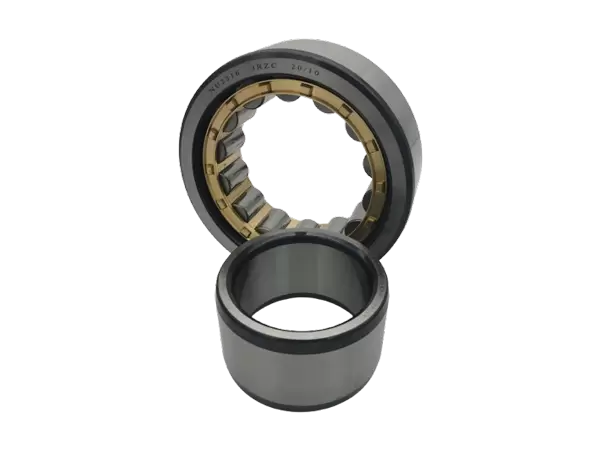
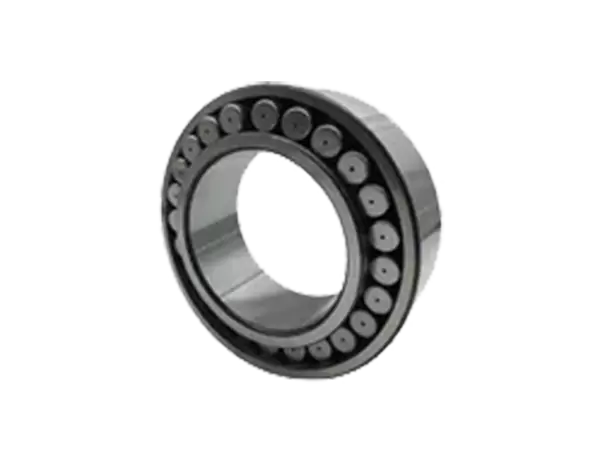
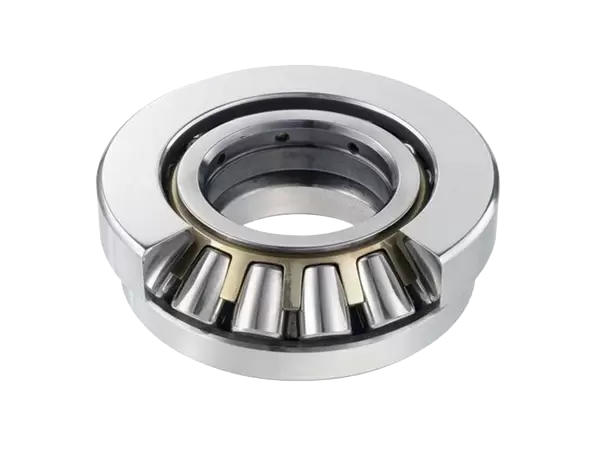
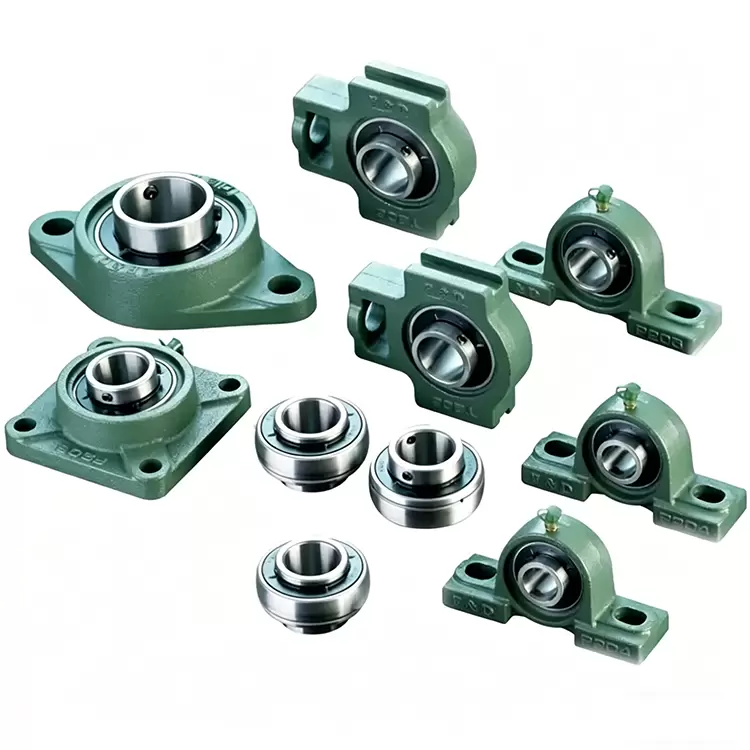
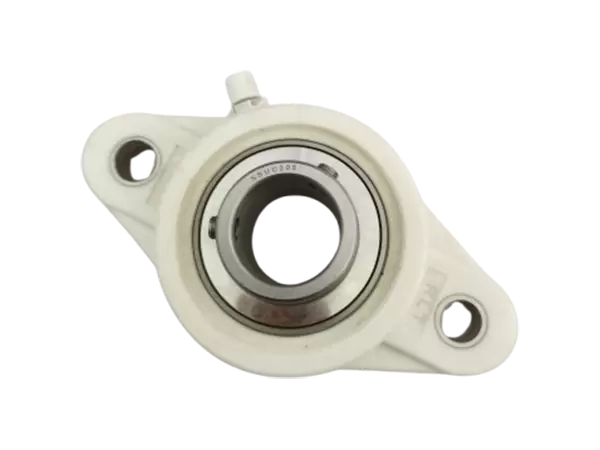
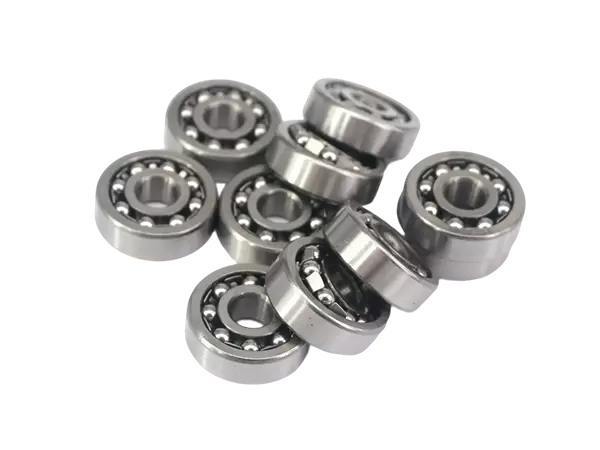
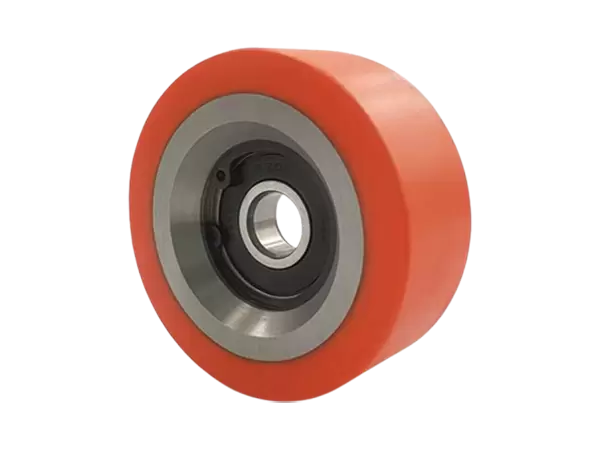
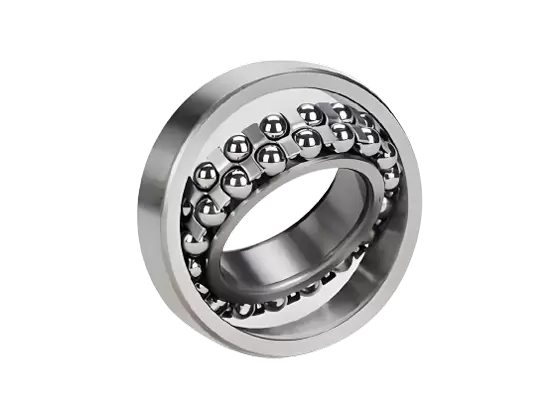
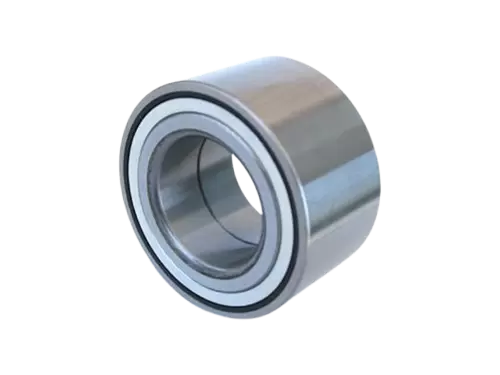
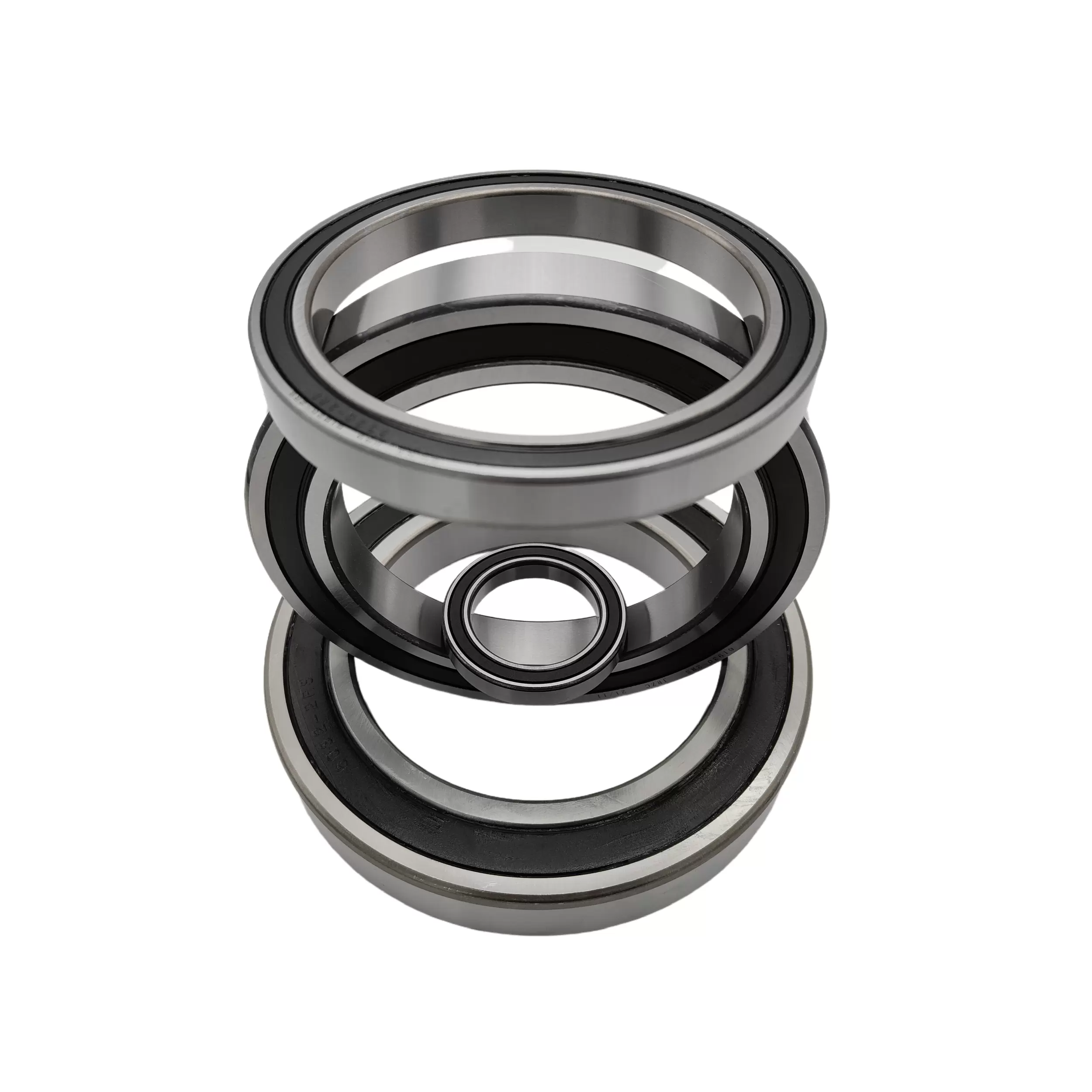
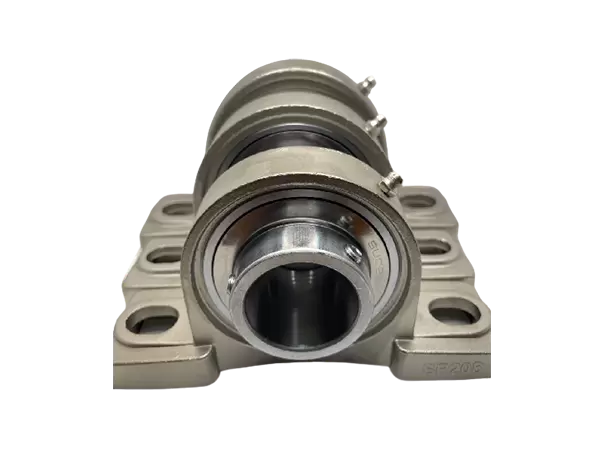
Feature | Spherical Roller Bearing | Roller Bearing | Insert Ball Bearing | Ball Bearings |
Load Capacity | High axial and radial load capacity | High radial load capacity | Moderate radial load capacity | Moderate load capacity |
Misalignment Tolerance | High (self-aligning) | Low | High (self-aligning) | Low |
Axial Load Handling | High (can handle significant axial loads) | Moderate | Low to moderate | Low |
Radial Load Handling | High (ideal for heavy-duty applications) | High radial load capacity | Moderate radial load capacity | Moderate radial load capacity |
Speed | Moderate to high | Moderate | Moderate | High |
Durability | Long-lasting and durable | Durable for heavy-duty use | Durable for light to moderate loads | Durable but wear-prone under heavy loads |
Applications | Crushers, mills, heavy machinery | Conveyors, general machinery | Agricultural and light industrial machinery | Motors, fans, general machinery |
Friction | Moderate | Moderate | Low | Low |
Cost | Higher | Moderate | Moderate to high | Low to moderate |
Material Considerations for Load Optimization
The materials used in bearing construction significantly influence their ability to withstand axial and radial loads. High-performance materials such as bearing steel, stainless steel, and ceramics offer excellent resistance to wear and fatigue, making them ideal for demanding industrial applications.
Hybrid ceramic-steel bearings combine the strength of steel with the low friction and wear resistance of ceramics, providing an advanced solution for applications subjected to both axial and radial loads.
Lubrication is equally critical. Proper lubrication minimizes friction and heat buildup, allowing bearings to operate efficiently under heavy loads. Custom bearing manufacturers often integrate advanced lubrication solutions to further enhance service life and reliability.
Custom Bearing Solutions for Complex Load Management
Industrial applications with unique load requirements often demand custom-made bearing solutions. Standard bearings may not provide sufficient performance in environments involving extreme loads, space limitations, or complex operating conditions.
Experienced bearing manufacturers can design bearings tailored to specific axial and radial load profiles, enabling improved durability, efficiency, and system reliability. With over two decades of expertise, custom bearing manufacturers deliver precision-engineered solutions aligned with exact application needs.
Future of Bearing Design and Load Management
Advancements in materials science, simulation technologies, and manufacturing processes are driving the evolution of bearing design. Bearings are increasingly engineered to manage higher loads while maintaining compact designs and improved efficiency.
Industry research forecasts rapid growth in advanced bearing materials, including ceramics and composites, particularly in automotive and aerospace sectors. These materials offer superior performance under high axial and radial loads, supporting longer service life and reduced maintenance.
To remain competitive, bearing manufacturers must continue investing in innovation, leveraging new materials and precision engineering to meet the demands of modern industrial applications.
Conclusion
Axial and radial loads play a critical role in determining bearing performance, reliability, and lifespan. Proper load management through optimized design, material selection, and lubrication is essential for industrial machinery efficiency. Custom-made bearings provide tailored solutions for complex load conditions, ensuring superior performance in demanding environments. By partnering with experienced bearing manufacturers, businesses can secure high-quality bearing solutions that meet the evolving challenges of modern industry.