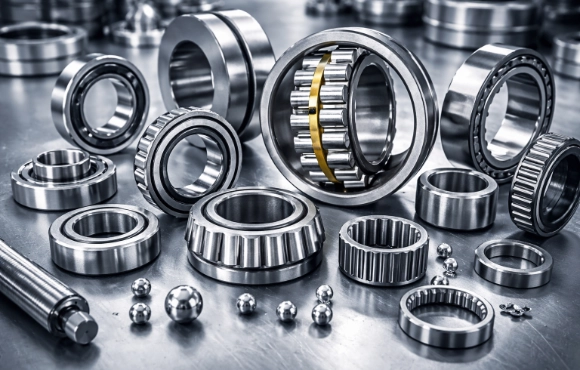
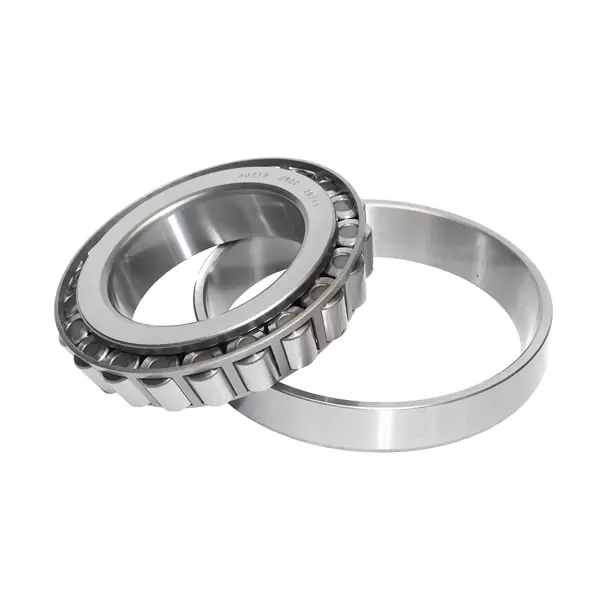
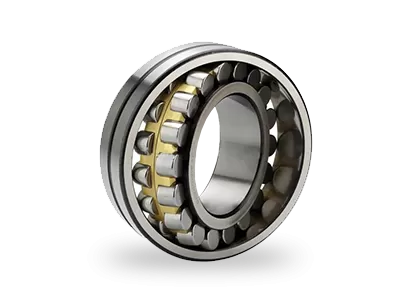
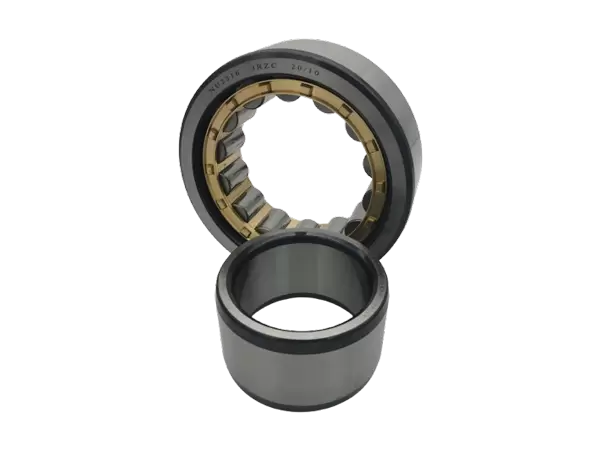
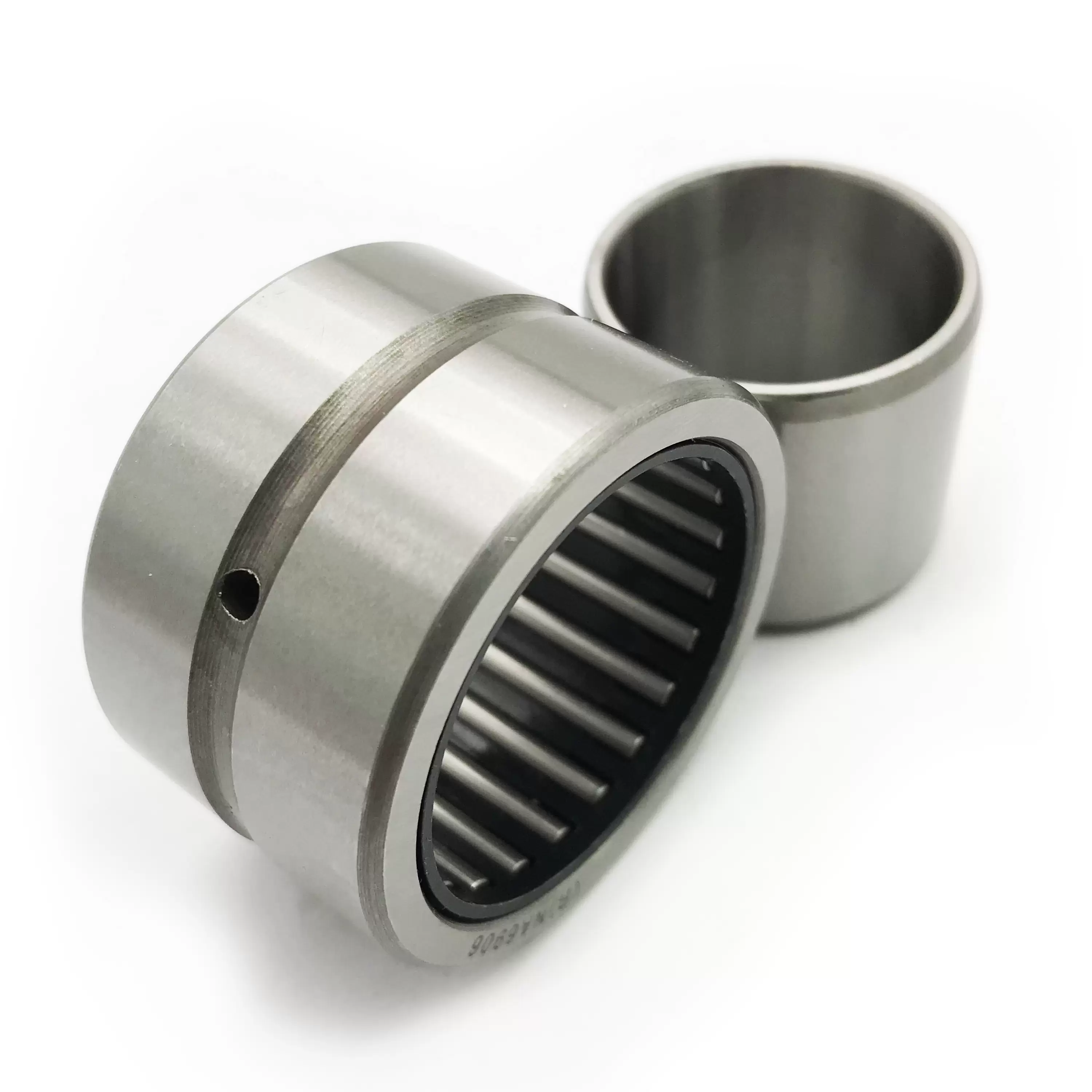
In high-load industrial environments, bearing failure is rarely caused by a single factor. Instead, it is the result of combined stresses—radial loads, axial forces, misalignment, heat, shock, and contamination. Selecting bearings that can withstand these interacting conditions requires more than nominal load ratings. Structural design, cage material, and internal geometry all play decisive roles. This is where spherical roller bearings with solid brass cage demonstrate their distinct engineering value.
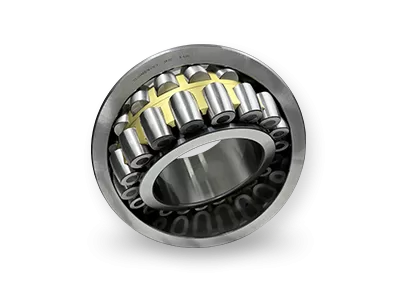
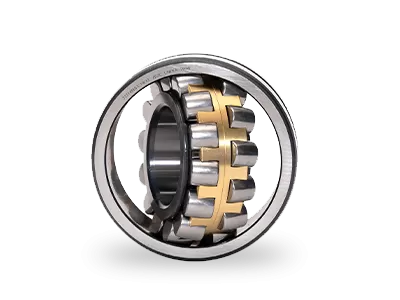
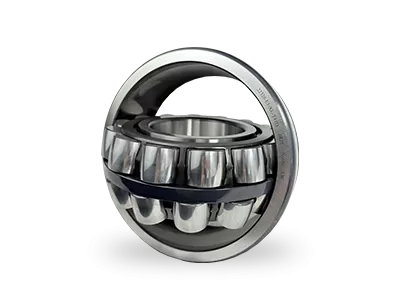
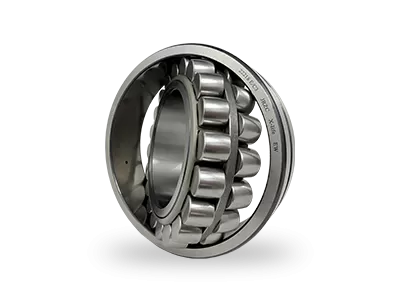
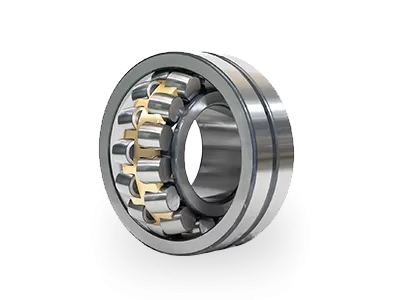
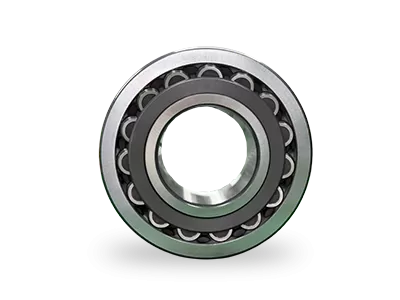
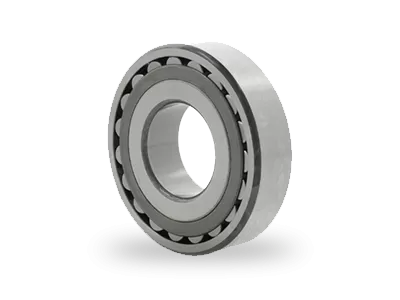
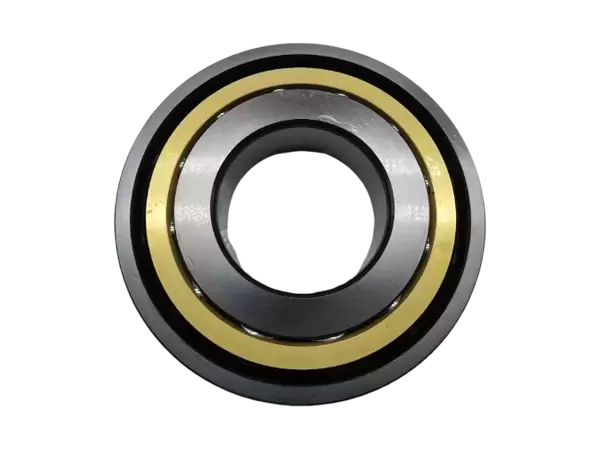
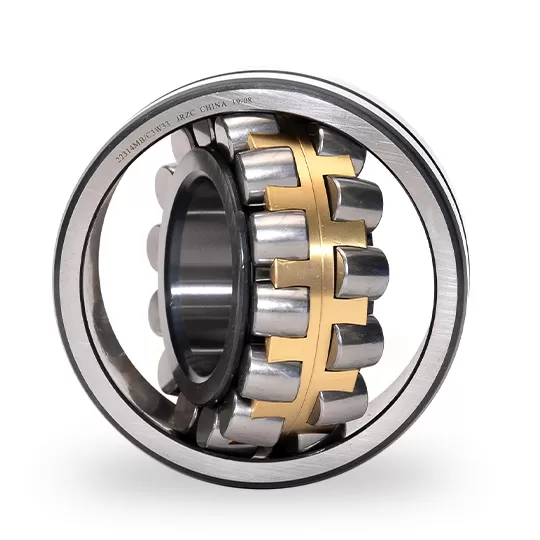
Designed to operate under extreme mechanical and thermal stress, MB Series spherical roller bearings integrate symmetrical barrel-shaped rollers with a machined brass cage. This configuration enables stable operation in applications where reliability, service life, and operational continuity are non-negotiable. In this blog post, JRZC, as high performance custom bearing manufacturer, will share the features of spherical roller bearings with solid brass cages for heavy industry, etc.
Structural Logic Behind Spherical Roller Bearing Performance
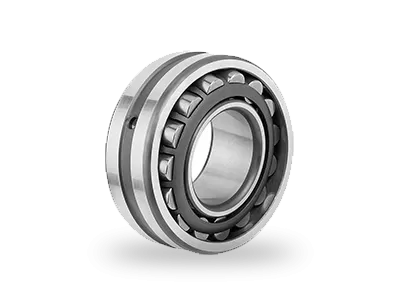
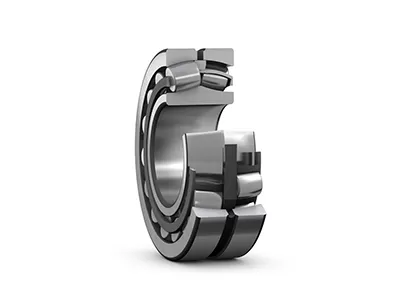
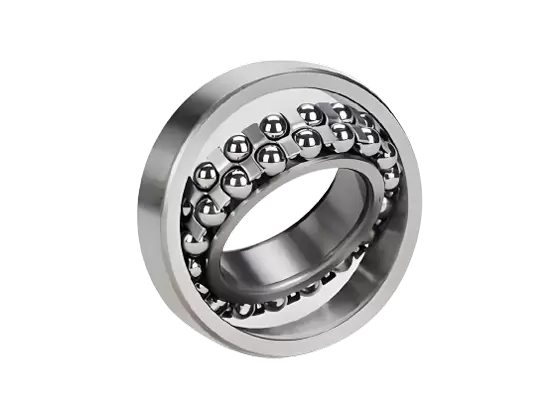
Spherical roller bearings differ fundamentally from cylindrical or tapered designs due to their self-aligning capability. The raceway of the outer ring is spherical, allowing the inner ring, rollers, and cage to accommodate shaft deflection or mounting inaccuracies without generating harmful edge stresses.
This design is particularly valuable in heavy machinery, where elastic deformation of shafts and housings is unavoidable. By maintaining uniform load distribution across rollers even under misalignment, spherical roller bearings reduce localized stress concentrations that typically lead to premature fatigue.
When combined with a robust cage structure, this self-aligning mechanism becomes more stable under dynamic loads.
Why Solid Brass Cages Matter in Extreme Conditions
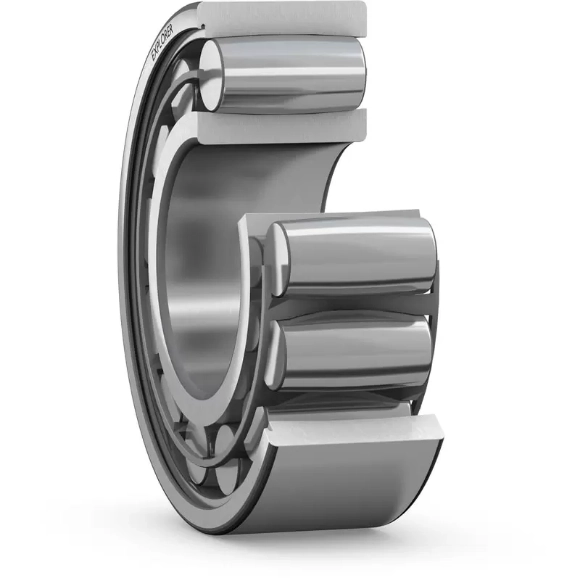
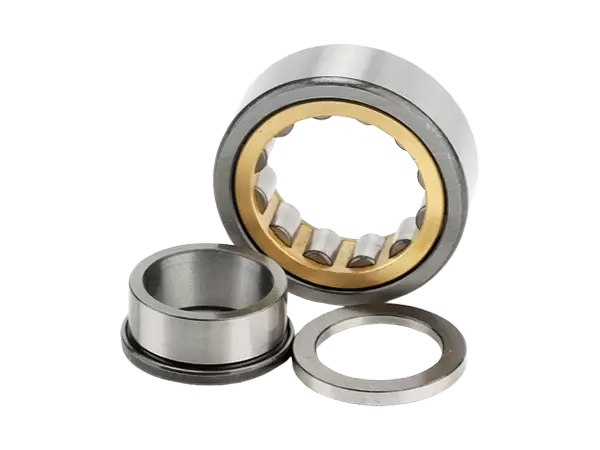
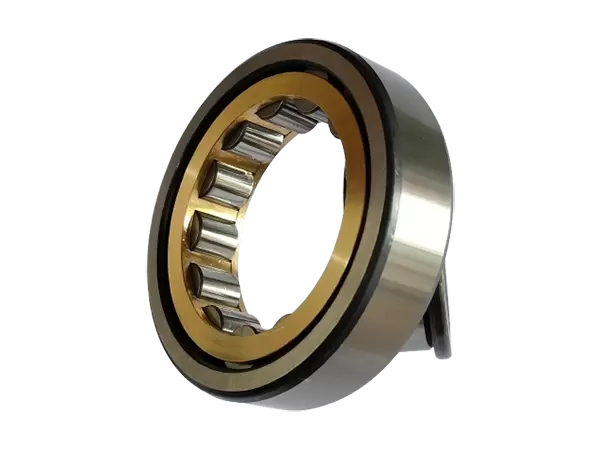
The cage is often underestimated in bearing selection, yet it directly influences operational stability, lubrication behavior, and resistance to mechanical shock. Solid brass cages are machined from high-strength alloys rather than stamped, offering superior rigidity and dimensional accuracy.
In spherical roller bearings using brass cages, the cage maintains precise roller spacing even under sudden load fluctuations. This prevents roller skewing, reduces frictional heat, and minimizes surface wear. Brass also exhibits excellent thermal conductivity, helping dissipate heat generated during high-speed or heavily loaded operation.
Unlike polymer cages, brass maintains mechanical integrity at elevated temperatures and resists chemical degradation in aggressive lubricating environments.
Symmetrical Barrel Rollers and Load Distribution Efficiency
The symmetrical barrel roller design used in MB Series bearings is engineered to maximize contact area between rollers and raceways. Compared to asymmetrical or tapered rollers, this geometry ensures more even pressure distribution under both radial and axial loads.
This is especially critical in applications involving heavy shock loads, such as crushers, vibrating screens, or rolling mills. When impact forces are transmitted through the bearing, symmetrical rollers reduce peak stress values, directly extending fatigue life.
The combination of barrel rollers and a solid brass cage allows these bearings to maintain stable internal kinematics even when operating near maximum load limits.
Handling Combined Radial and Axial Loads with Confidence
Industrial machinery rarely subjects bearings to pure radial loads. Axial forces often arise from inclined gears, belt drives, or material processing forces. Spherical roller bearings are specifically designed to accommodate these combined loads in both directions.
Spherical roller bearing assemblies with brass cages provide enhanced axial load capacity due to improved roller guidance and reduced cage deformation. This is particularly beneficial in applications where load direction changes or fluctuates, such as conveyor systems and metallurgical equipment.
By maintaining consistent roller alignment, these bearings minimize sliding friction and prevent uneven wear patterns that compromise long-term performance.
Thermal Stability and High-Temperature Reliability
Temperature control is a critical challenge in heavy-duty bearing applications. Excessive heat accelerates lubricant breakdown, reduces material hardness, and increases the risk of seizure.
Solid brass cages contribute significantly to thermal stability. Brass retains strength at higher temperatures than many alternative materials and dissipates heat more effectively. This makes spherical roller bearings with machined brass cages suitable for continuous operation in elevated-temperature environments, such as steel mills, cement plants, and mining conveyors.
Thermal stability also ensures predictable bearing clearance behavior, maintaining operational accuracy over extended service periods.
Resistance to Shock, Vibration, and Harsh Environments
Shock loads and vibration are unavoidable in industries such as mining, construction, and bulk material handling. Bearings in these environments must absorb energy without losing internal stability.
The mass and rigidity of a brass cage provide superior resistance to deformation during impact events. Unlike lighter cages that may crack or distort, solid brass cages maintain structural integrity, ensuring rollers remain correctly positioned even under severe vibration.
This stability directly translates into reduced maintenance intervals and lower risk of unexpected downtime.
Lubrication Behavior and Wear Control Advantages
Effective lubrication is essential for bearing longevity, yet maintaining a stable lubricant film under heavy load is challenging. Solid brass cages support improved lubrication behavior by promoting consistent oil or grease distribution between rollers and raceways.
The smooth machined surfaces of brass cages reduce lubricant turbulence and help retain lubricant within the bearing interior. This minimizes metal-to-metal contact, reduces frictional losses, and slows wear progression.
In contaminated environments, improved lubrication stability also enhances resistance to abrasive particles entering critical contact zones.
Industrial Applications That Demand Brass-Cage Spherical Bearings
Spherical roller bearings with solid brass cage are widely applied in industries where operational demands exceed standard bearing capabilities. Typical applications include mining crushers, ore conveyors, ball mills, and vibrating equipment, where high loads and misalignment are constant factors.
In metallurgy, these bearings support rolling mills, continuous casting machines, and reheating furnaces, where temperature extremes and heavy axial loads coexist. Construction machinery such as excavators, cranes, and concrete mixers also rely on brass-cage spherical roller bearings for their durability and shock resistance.
Across these sectors, consistent performance under harsh conditions is a decisive advantage.
Service Life Optimization Through Design Synergy
Bearing service life is not determined by a single parameter but by the interaction of internal geometry, materials, lubrication, and operating conditions. The synergy between symmetrical barrel rollers and a solid brass cage enhances all these factors simultaneously.
Uniform load distribution reduces fatigue stress, brass cage rigidity stabilizes roller motion, and thermal conductivity controls operating temperature. Together, these elements create a bearing system optimized for long-term reliability rather than short-term performance metrics.
This integrated design approach is particularly valuable for equipment where bearing replacement is costly, time-consuming, or operationally disruptive.
Selecting the Right Bearing for High-Demand Equipment
Choosing spherical roller bearings for demanding applications requires careful evaluation of load profiles, misalignment potential, operating temperature, and environmental conditions. Brass-cage variants are especially suitable where operating margins are tight and failure tolerance is low.
While initial cost may be higher than standard designs, the total cost of ownership is often significantly lower due to reduced downtime, extended service intervals, and improved operational efficiency.
For engineers and maintenance professionals, understanding how cage material influences real-world performance is essential to making informed bearing selections.
Conclusion
Spherical roller bearings with solid brass cage represent a deliberate engineering solution for industries operating under extreme mechanical stress. By combining self-aligning geometry, symmetrical barrel rollers, and a high-strength machined brass cage, these bearings deliver exceptional load capacity, thermal stability, and resistance to shock and vibration.
In applications where reliability defines productivity, such bearings are not simply components—they are structural safeguards that support continuous, efficient operation in the harshest industrial environments.