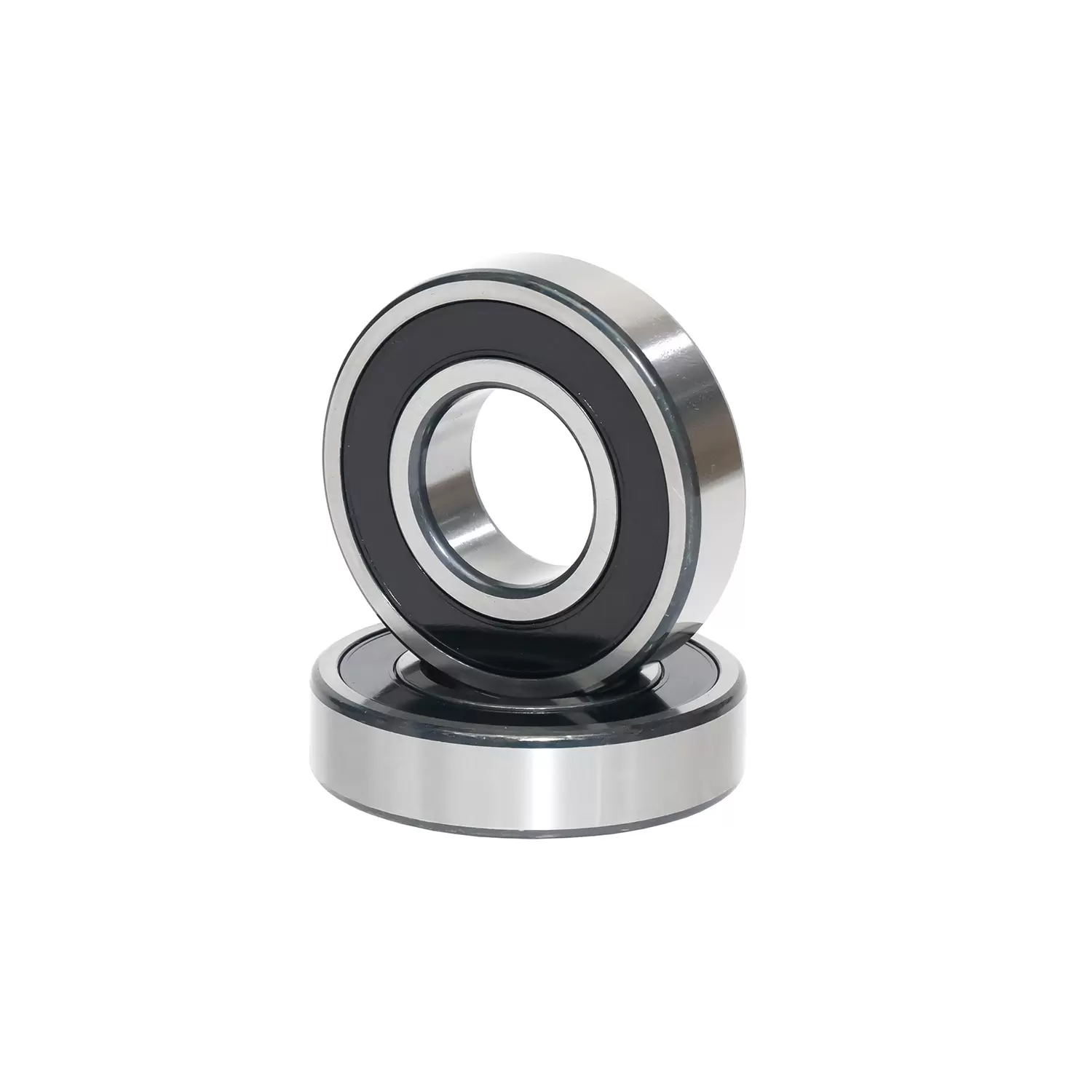
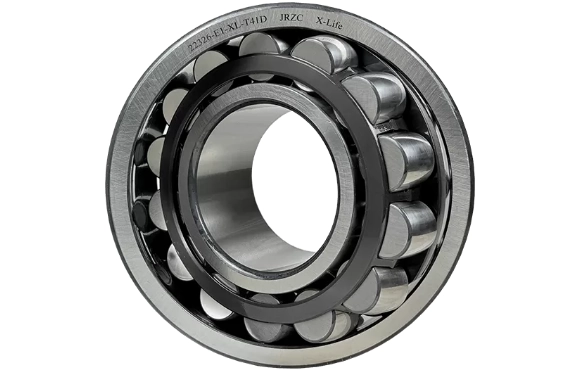
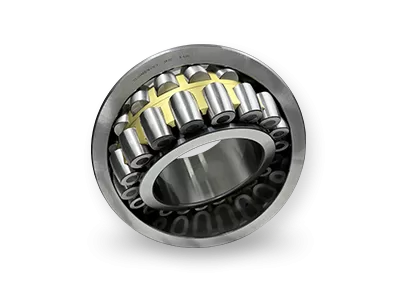
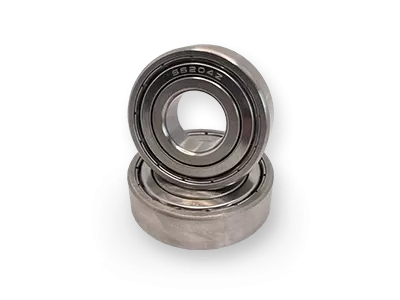
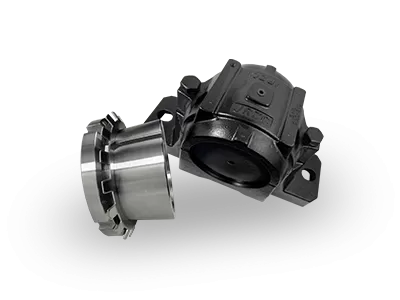
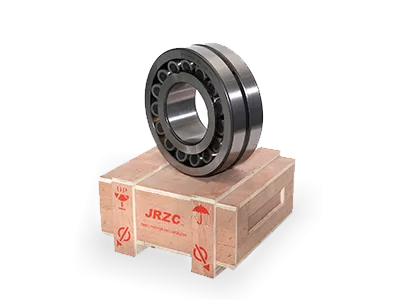
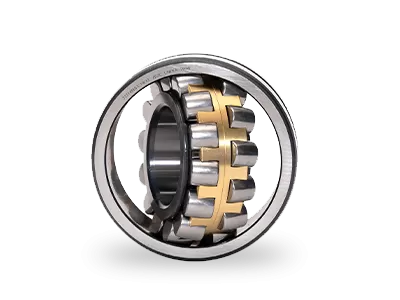
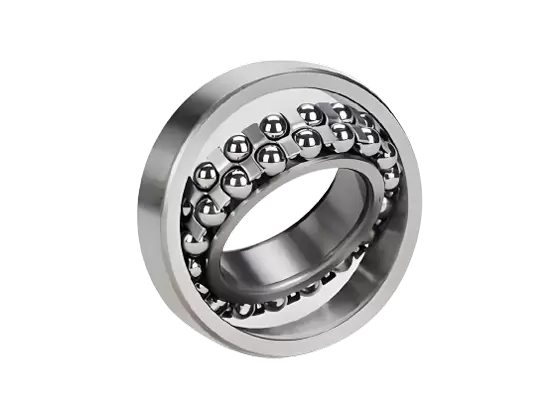
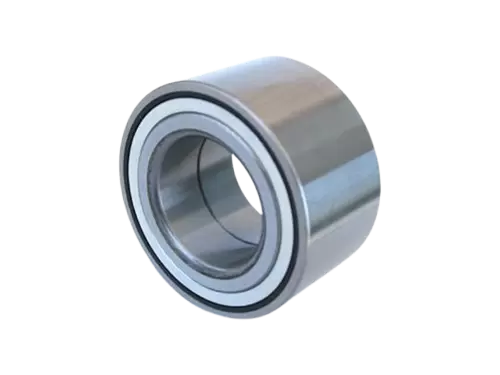
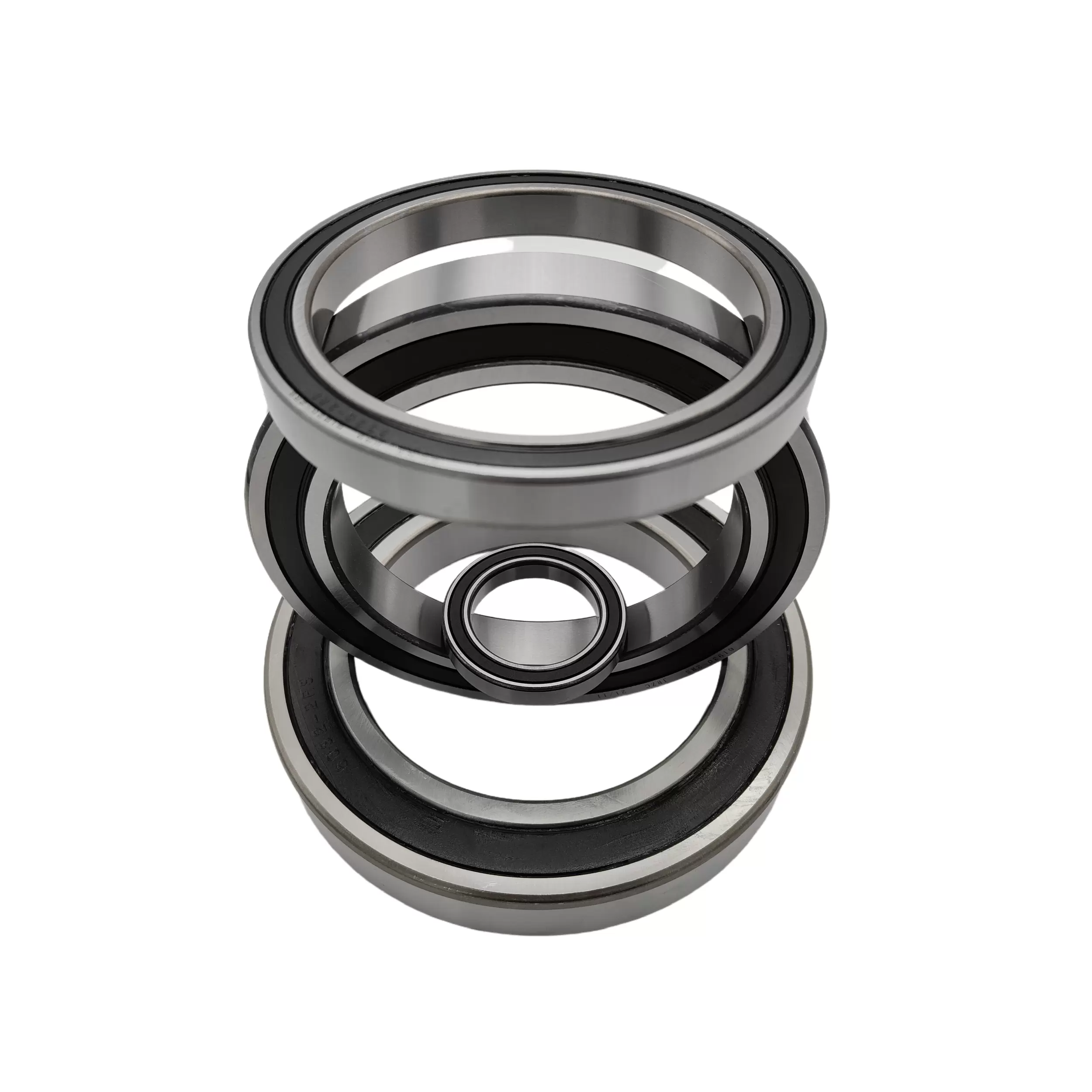
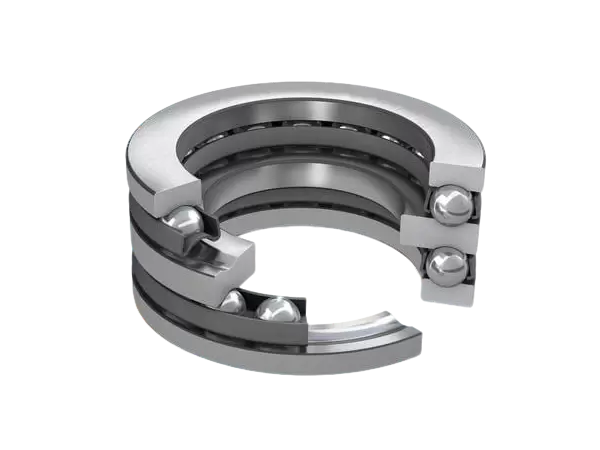
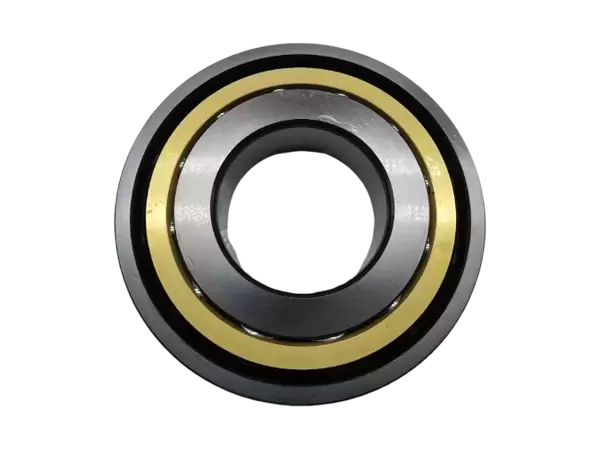
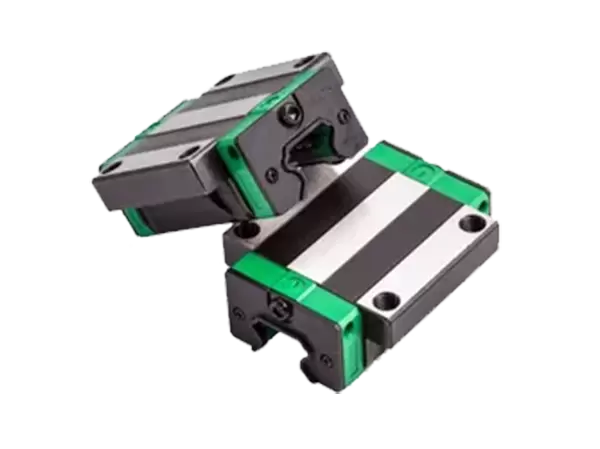
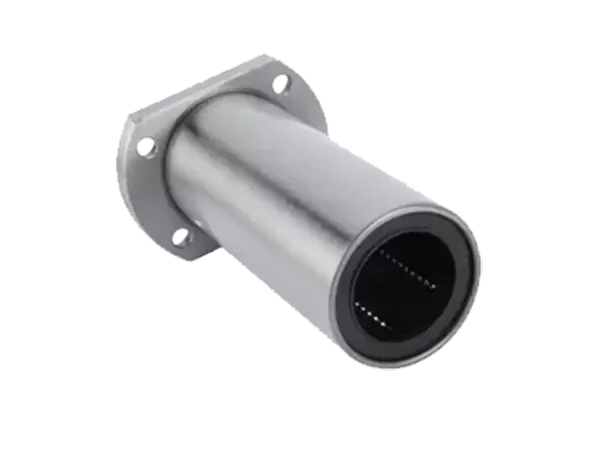
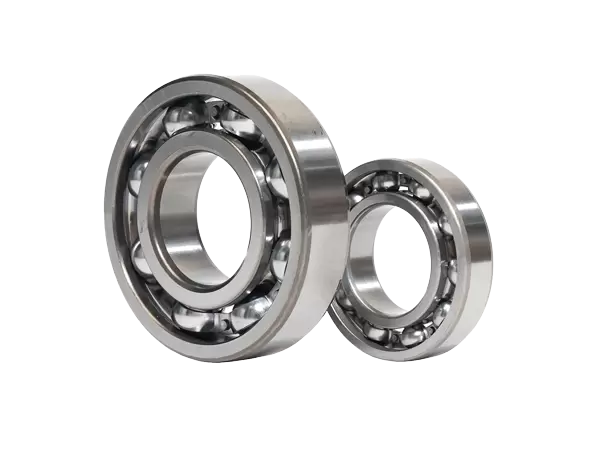
Bearings are essential components in machinery, enabling smooth rotation, reducing friction, and supporting loads in industrial, automotive, and precision equipment. Among the various types of bearings, roller bearings and cylindrical bearings are widely used, but understanding their differences is crucial for engineers, maintenance professionals, and buyers. In this blog post, JRZC, as high performance custom bearings exporter, will share the key differences between roller bearings and cylindrical bearings, including design principles, operating characteristics, application areas, and performance considerations, etc.
Roller Bearings: Design and Functionality
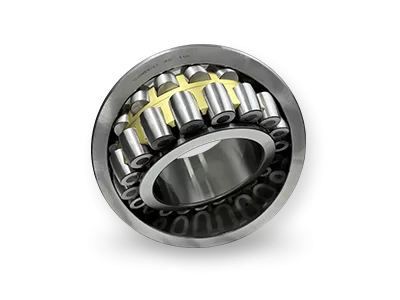
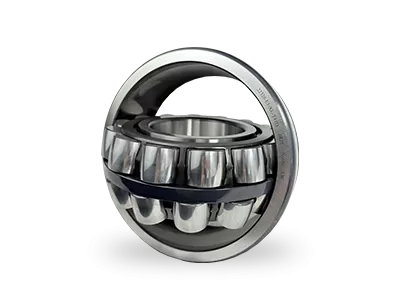
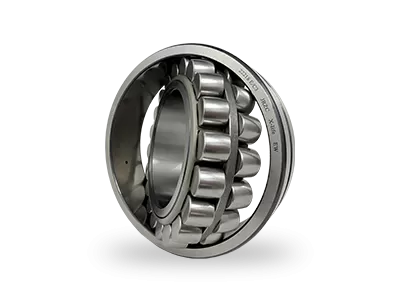
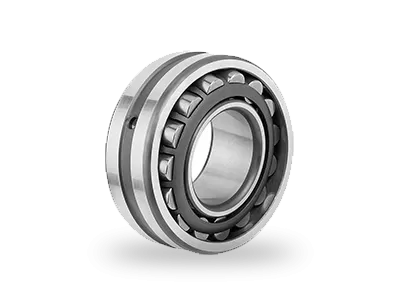
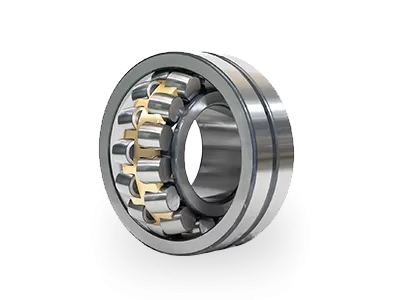
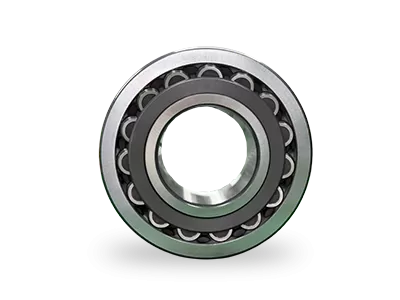
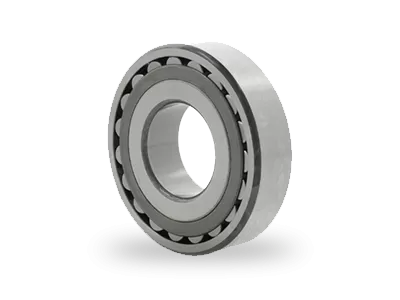
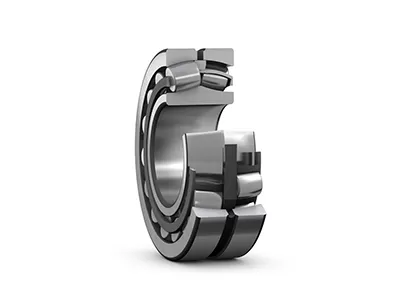
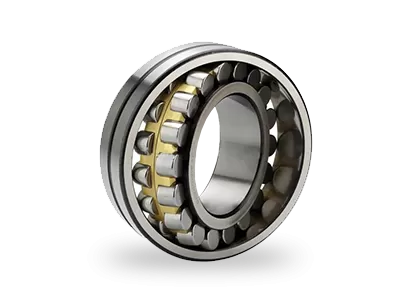
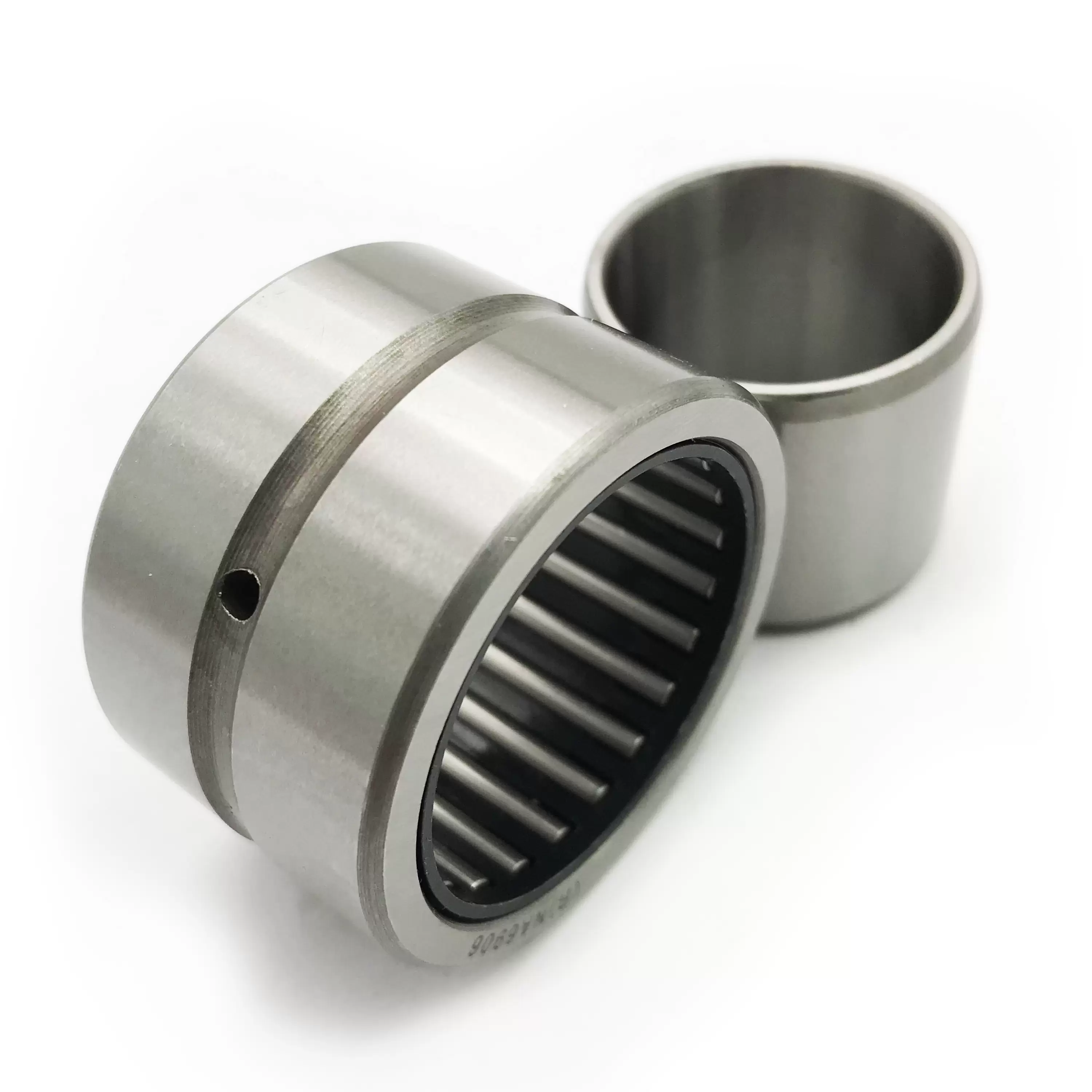
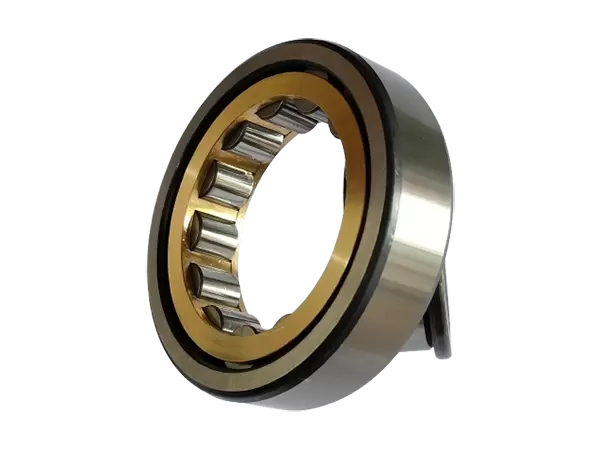
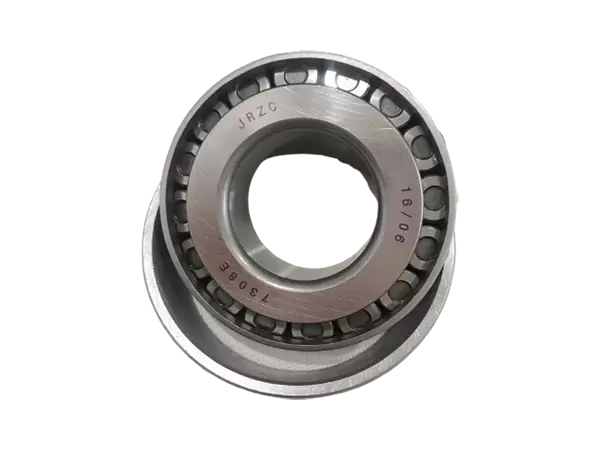
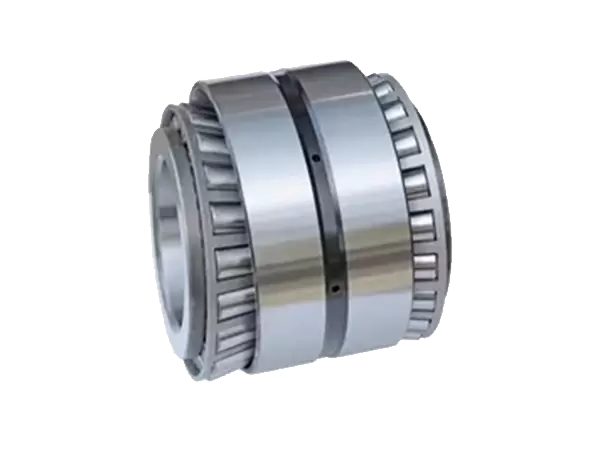
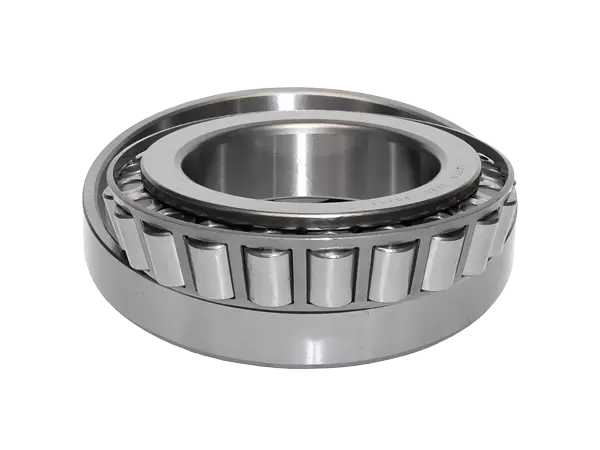
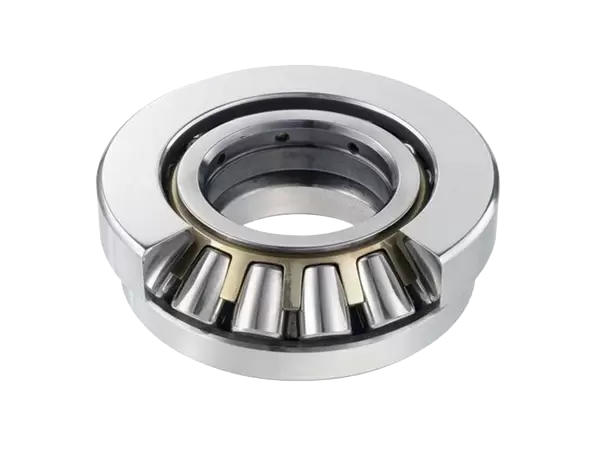
Roller bearings are a type of rolling element bearing that uses cylindrical, tapered, or spherical rolling elements to reduce friction between moving parts. Unlike ball bearings, which use spherical balls, roller bearings provide a larger contact area, allowing them to carry heavier loads. Key features include:
Line Contact: The rolling elements in roller bearings make line contact with raceways, distributing load more evenly.
Load Capacity: High radial load capacity makes them ideal for heavy machinery.
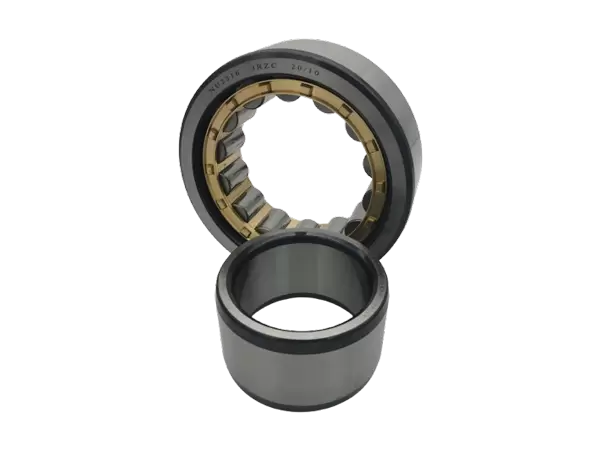
Variants: Common variants include cylindrical roller bearings, tapered roller bearings, and spherical roller bearings.
Roller bearings excel in applications where high radial loads dominate and where misalignment or shaft deflection is minimal. Their robust construction ensures durability under heavy operational stress.
Cylindrical Bearings: Structure and Advantages
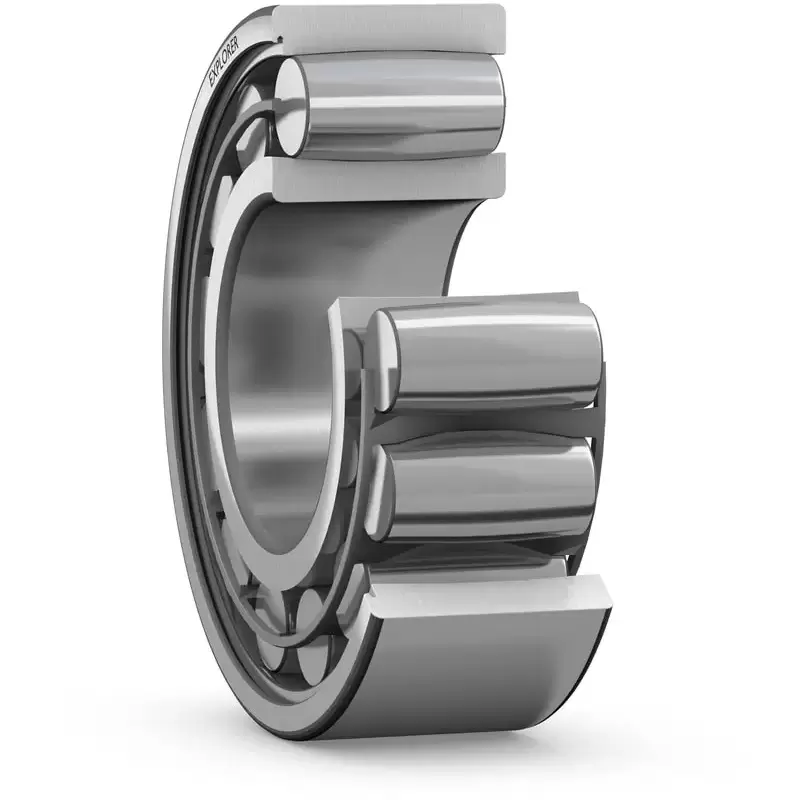
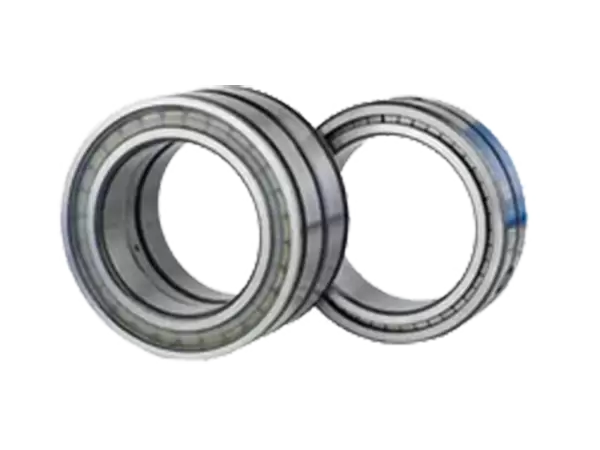
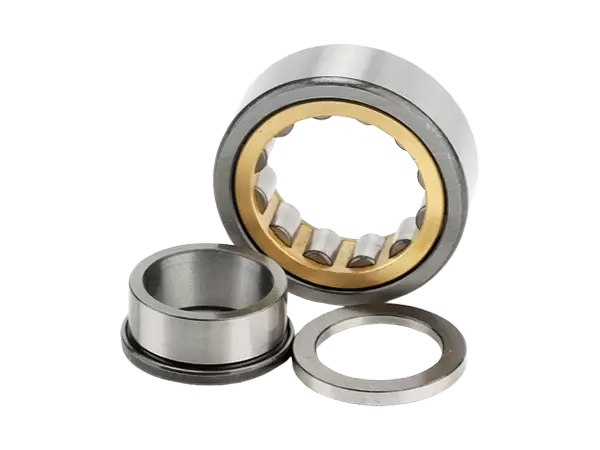
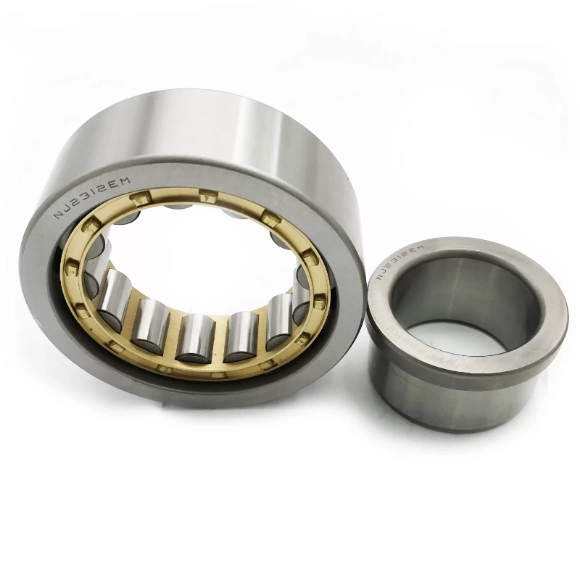
Cylindrical bearings are a subset of roller bearings, characterized by rolling elements that are straight cylinders. These bearings are designed to handle high radial loads while allowing axial displacement in some configurations. Their primary characteristics include:
Minimal Friction: Cylindrical rolling elements reduce friction and improve rotational efficiency.
Axial Flexibility: Certain types, such as single-row cylindrical bearings, accommodate axial movement along the shaft.
High-Speed Capability: Their geometry allows higher rotational speeds compared to some heavy-duty roller bearings.
Cylindrical bearings are particularly useful in precision applications where maintaining shaft alignment and minimizing rotational friction are critical.
Key Differences in Load Handling
One of the main differences between roller bearings and cylindrical bearings is how they handle loads:
Roller Bearings: With line contact between rolling elements and raceways, roller bearings can carry very high radial loads and moderate axial loads depending on design. Tapered roller bearings are specifically designed for combined loads.
Cylindrical Bearings: Primarily support radial loads. They are generally less suitable for axial loads unless specifically designed with flanges or paired arrangements.
Understanding load distribution is critical for selecting the appropriate bearing type for machinery applications.
Geometrical Design Considerations
Design geometry strongly influences performance:
Roller Bearings: Rolling elements may be cylindrical, tapered, or spherical. Cage designs, raceway curvature, and bearing width contribute to load capacity and stability.
Cylindrical Bearings: Straight cylindrical rollers create minimal contact friction and allow higher speeds, but they require precise shaft alignment to prevent uneven wear.
The choice between these designs depends on operational speed, load type, and tolerance for misalignment.
Friction and Efficiency Comparisons
Friction directly impacts energy efficiency, heat generation, and operational lifespan:
Roller Bearings: Slightly higher friction than cylindrical bearings due to heavier and longer rolling elements in contact with raceways. However, they provide excellent stability under heavy loads.
Cylindrical Bearings: Lower friction coefficients make them suitable for high-speed applications. Reduced heat generation helps maintain lubricant integrity and prolongs service life.
Choosing the right bearing involves balancing friction, load capacity, and operational speed.
Maintenance and Lubrication Practices
Proper maintenance and lubrication are crucial for both types:
Roller Bearings: Heavy-duty lubrication is needed due to larger contact areas and higher load stress. Regular inspection prevents wear and misalignment.
Cylindrical Bearings: Lubrication intervals may be longer in precision machinery due to lower friction, but monitoring is essential in high-speed or high-temperature environments.
Selecting compatible lubricants for the bearing material and operating conditions ensures longevity and reliability.
Applications Across Industries
Both roller bearings and cylindrical bearings find usage in diverse industries:
Roller Bearings Applications: Steel mills, mining equipment, construction machinery, and heavy-duty industrial drives. These applications demand bearings that can withstand high radial loads and occasional shock loads.
Cylindrical Bearings Applications: Electric motors, gearboxes, turbines, high-speed spindles, and precision instruments. Their low friction and high-speed capabilities make them ideal for rotationally sensitive applications.
Recognizing operational requirements ensures the correct bearing type is chosen for performance and cost-effectiveness.
Temperature and Environmental Considerations
Environmental conditions influence bearing performance:
Roller Bearings: Heavy-duty applications may generate significant heat; thus, high-temperature lubricants or heat-resistant materials are essential.
Cylindrical Bearings: Suitable for higher rotational speeds and moderate temperatures; however, misalignment or debris can cause premature wear.
Environmental factors such as vibration, contamination, and humidity must be considered in bearing selection and maintenance.
Life Span and Durability Analysis
Durability depends on design, materials, and operating conditions:
Roller Bearings: Robust construction with large contact areas generally leads to long service life under heavy loads. Proper lubrication ensures minimal wear and prevents premature failure.
Cylindrical Bearings: Precision design and low friction provide longevity in high-speed applications, but they are sensitive to misalignment or uneven loading.
Predictive maintenance strategies, including vibration analysis and thermal monitoring, can extend bearing life for both types.
Choosing Between Roller Bearings and Cylindrical Bearings
Selecting the right bearing requires evaluating multiple factors:
Load Requirements: Heavy radial and moderate axial loads favor roller bearings; purely radial or high-speed loads may suit cylindrical bearings.
Rotational Speed: High-speed applications generally benefit from cylindrical bearings due to lower friction.
Environmental Conditions: Shock loads, contamination, and temperature extremes may favor robust roller bearings.
Maintenance Capability: Availability of lubrication and monitoring systems can influence bearing choice.
Application Precision: Precision machinery often requires cylindrical bearings for minimal rotational resistance and accuracy.
A careful analysis of these factors ensures optimal performance and reduces operational downtime.
Common Misconceptions About Bearing Types
Many engineers and maintenance personnel misunderstand the distinctions:
All roller bearings are suitable for high-speed applications: Not necessarily. Some roller bearings, like heavy-duty cylindrical or spherical types, are limited by speed due to friction and heat.
Cylindrical bearings cannot handle any axial load: Certain designs with flanges or paired arrangements can support limited axial forces.
Maintenance is identical for all bearing types: Lubrication schedules and inspection protocols differ based on load, speed, and operating environment.
Clarifying these misconceptions can prevent costly bearing failures and improve system reliability.
Conclusion
The difference between roller bearings and cylindrical bearings lies in design geometry, load handling, friction characteristics, and application suitability. Roller bearings excel in heavy-load, moderate-speed environments, offering durability and high radial capacity. Cylindrical bearings are optimized for high-speed, precision applications with low friction and moderate radial load requirements.
Selecting the appropriate bearing type requires a comprehensive analysis of load, speed, environmental conditions, and maintenance capacity. Engineers and industrial professionals who understand these distinctions can ensure longer bearing life, reduced downtime, and improved machinery efficiency across applications.