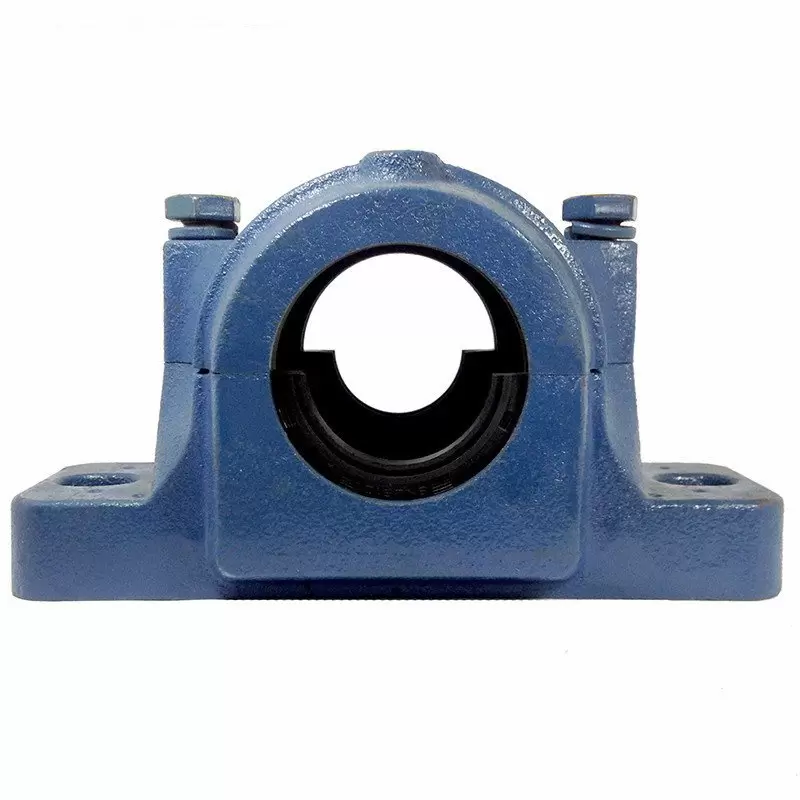
Engineering Role of Double Row Cylindrical Roller Bearings in Mining Systems
In mining equipment, rotational assemblies are continuously exposed to extreme radial forces, shock loading, abrasive contamination, and long operational cycles. In this environment, double row cylindrical roller bearings with cage structures are widely adopted due to their ability to carry very high radial loads while maintaining stable rotational accuracy.
Unlike sliding contact systems, these bearings rely on line contact between rollers and raceways, which significantly increases load distribution efficiency. This structural advantage makes them particularly suitable for heavy-duty mining machinery where load spikes are frequent and operational reliability is critical.
In this blog post, JRZC, as high performance roller bearing manufacturing factory, will share the advantages of double row cylindrical roller bearing with cage for mining equipment.
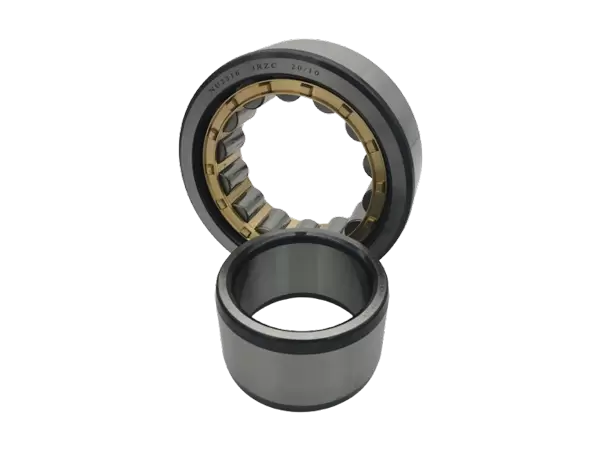
Structural Characteristics of Double Row Cylindrical Roller Bearings with Cage Design
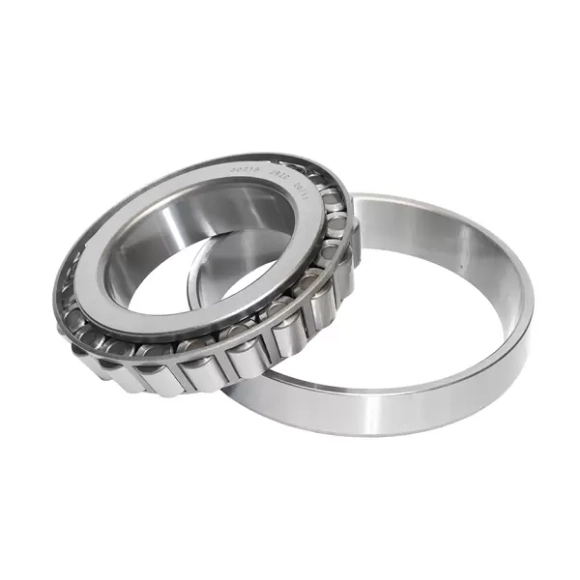
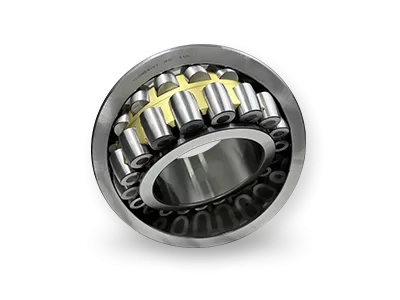
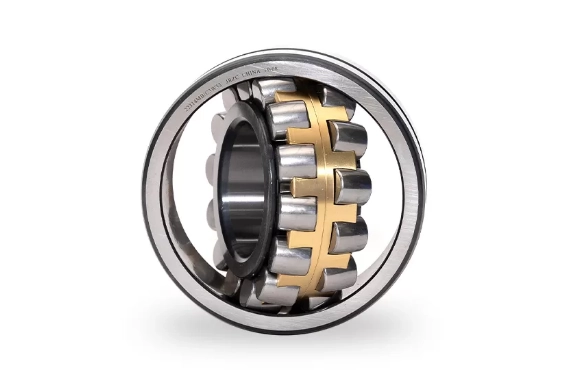
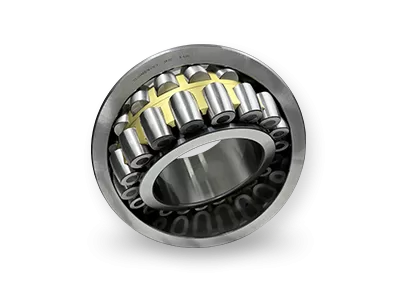
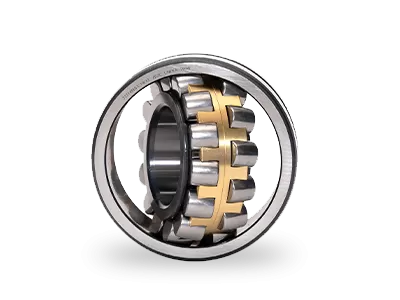
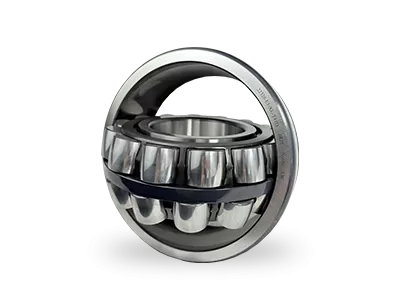
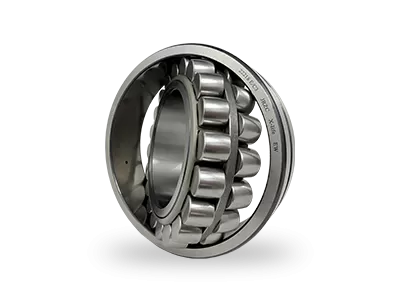
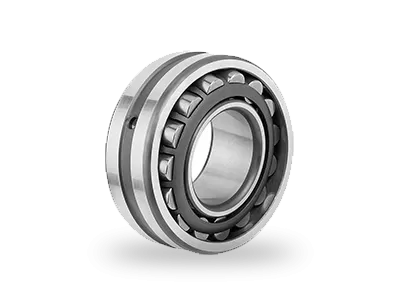
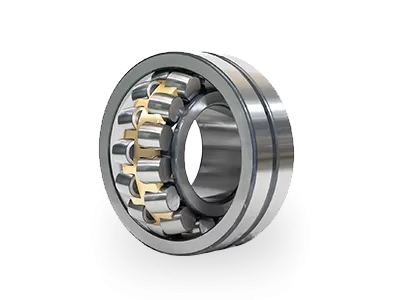
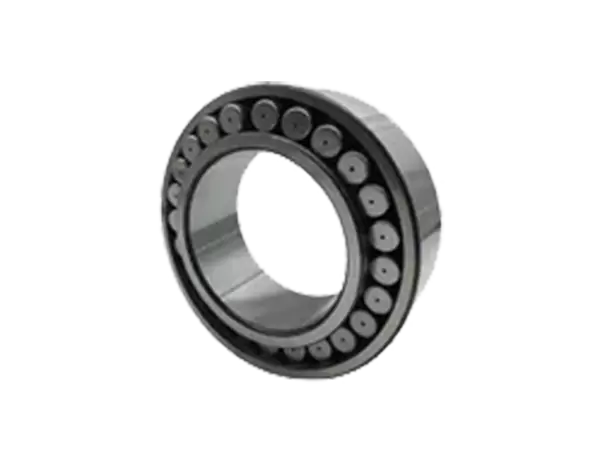
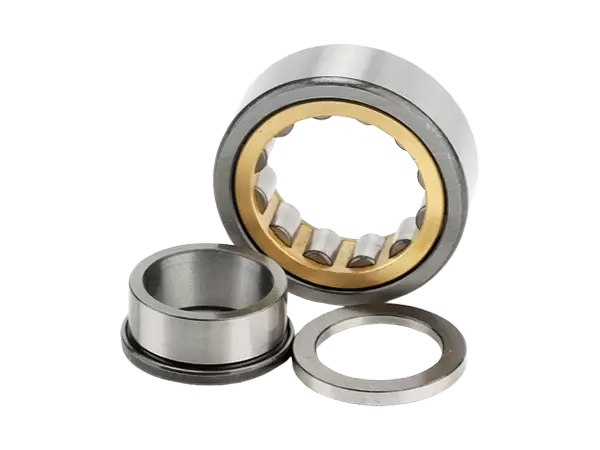
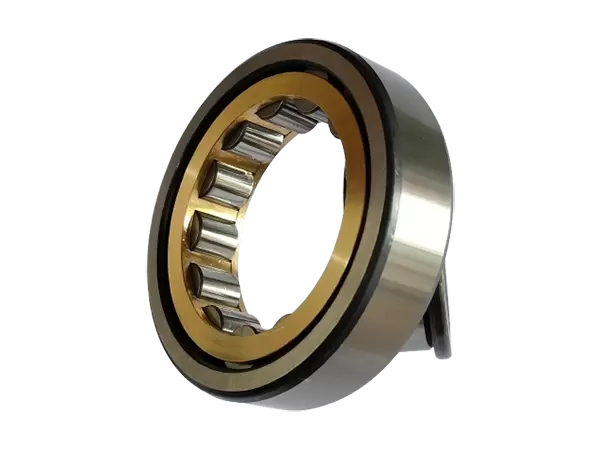
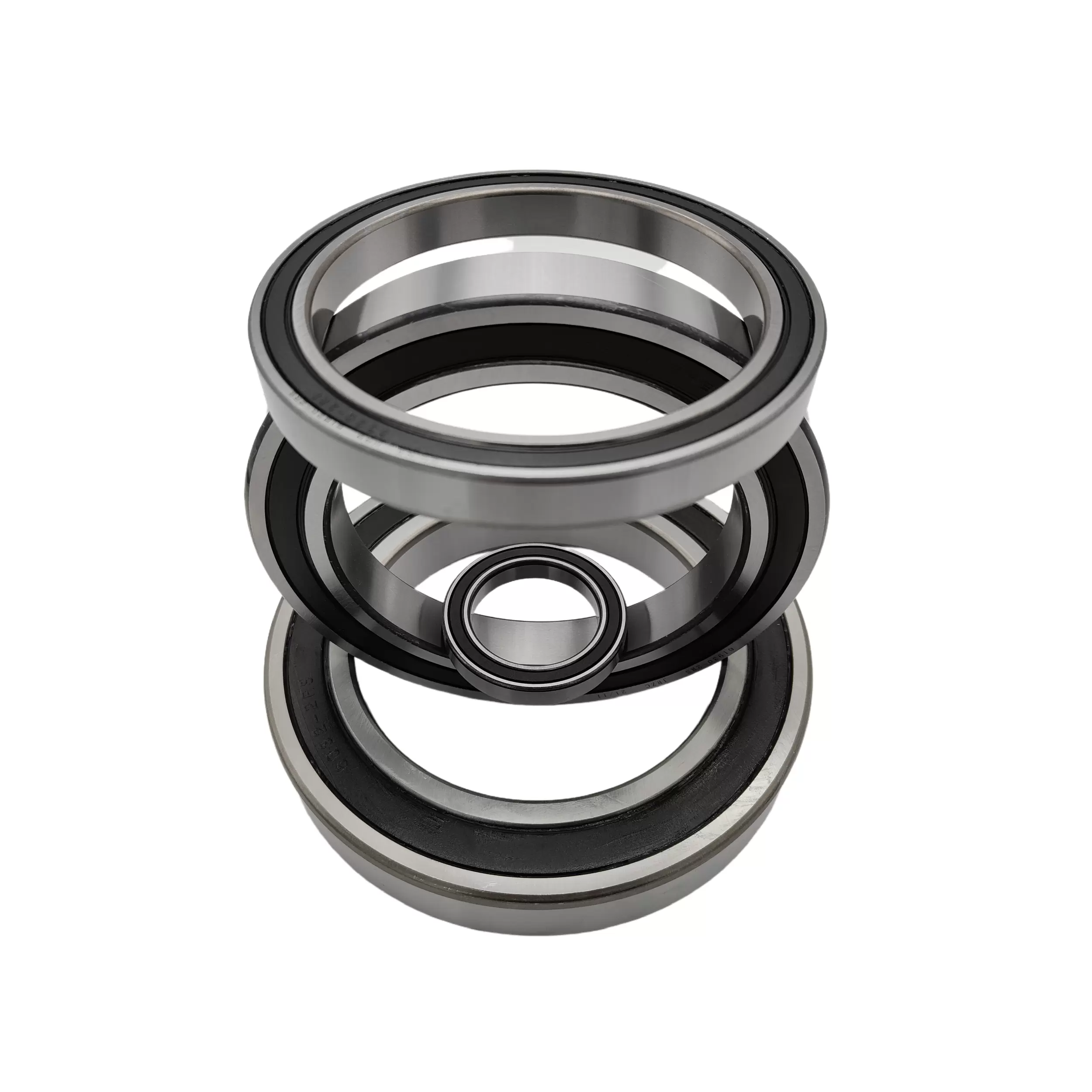
The structural configuration of double row cylindrical roller bearings with cage is designed to maximize radial load capacity while ensuring controlled roller motion under high stress conditions.
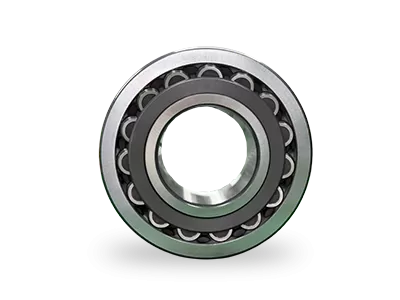
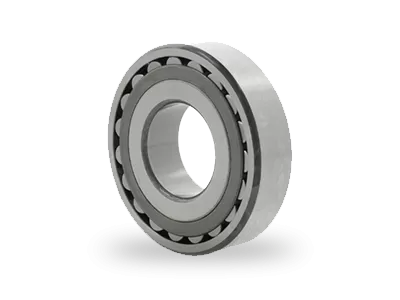
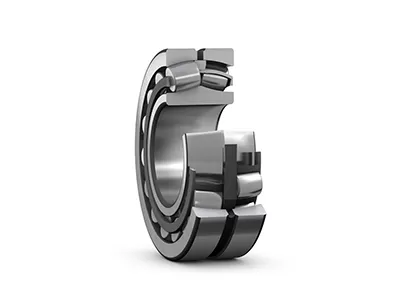
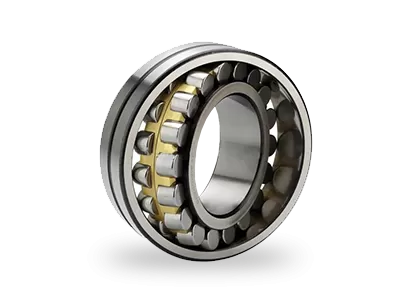
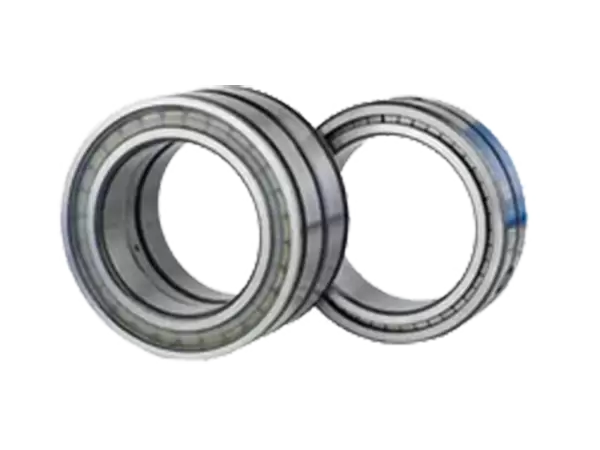
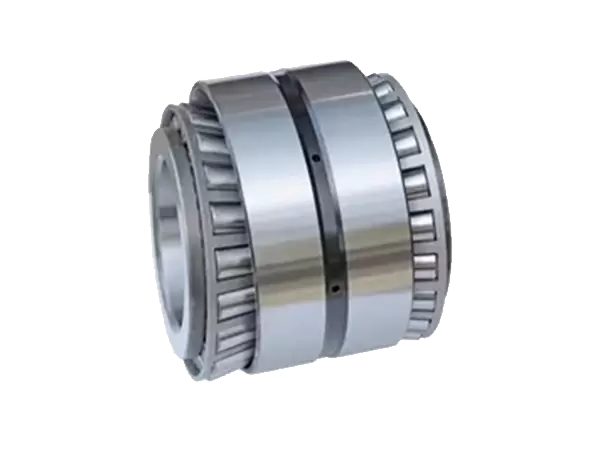
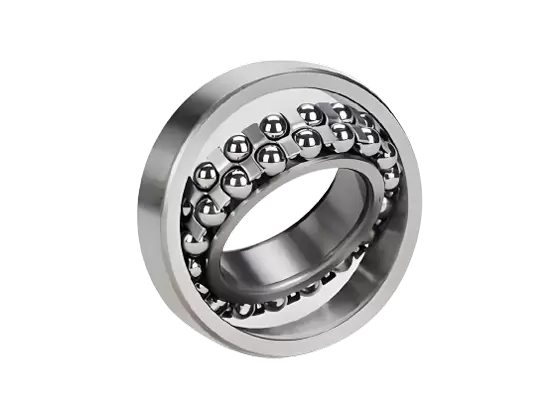
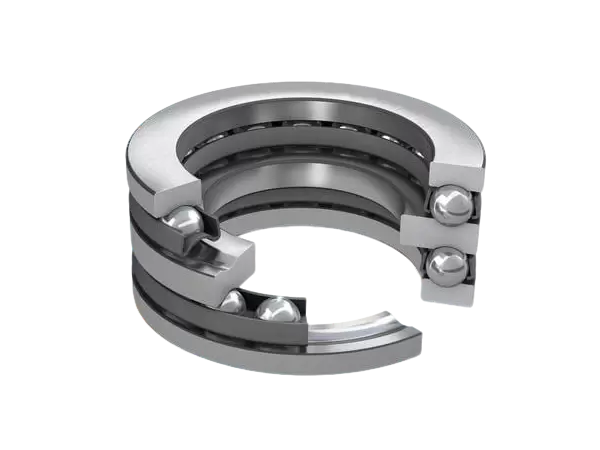
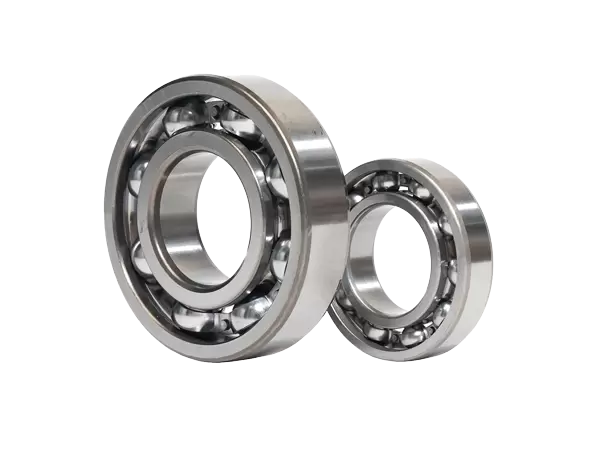
A defining feature is the arrangement of two rows of cylindrical rollers positioned in parallel, allowing the bearing to distribute loads across a larger contact surface. This dual-row architecture significantly increases rigidity compared to single-row designs.
Depending on the engineering requirement, variations exist in flange configurations on either the inner ring or outer ring. These design differences influence axial displacement control and internal load distribution, enabling engineers to match bearing geometry with specific mining equipment requirements.
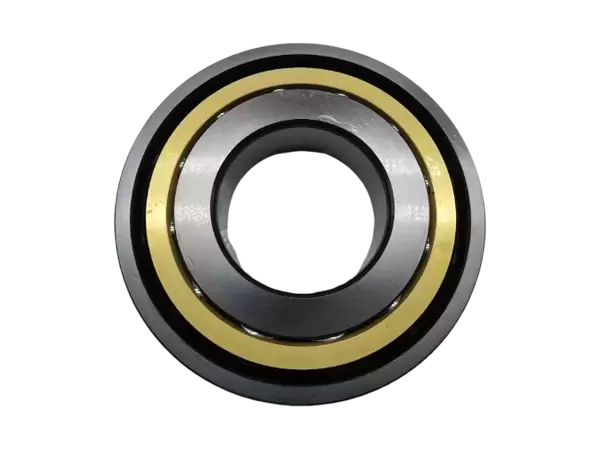
The cage itself is typically manufactured from high-strength steel, brass, or engineered polymer materials. Its function is not only to separate rollers but also to maintain consistent spacing under vibration-heavy mining conditions, preventing roller skewing and reducing heat generation.
Load Behavior and Stress Distribution in Mining Equipment Applications
Mining machinery imposes highly irregular and often severe loading conditions. Double row cylindrical roller bearings with cage structures are specifically engineered to handle such environments through optimized stress distribution.
The linear contact between rollers and raceways ensures that radial loads are spread over a larger area, minimizing localized stress concentration. This reduces the risk of surface fatigue and extends operational lifespan.
Under heavy radial loads typical in mining crushers and grinding mills, the dual-row configuration improves load-sharing efficiency. Each roller row contributes to total load absorption, preventing overloading of individual elements.
However, it is important to note that these bearings are not designed to compensate for angular misalignment. In mining equipment design, precise shaft alignment is therefore essential to maintain optimal performance and avoid uneven wear patterns.
Design Variants and Configuration Options for Industrial Flexibility
Double row cylindrical roller bearings with cage systems are available in multiple design variants to accommodate different mining machinery requirements.
One key variation involves the positioning of flanges on the inner or outer rings. This affects axial guidance capability and internal clearance behavior. Engineers select specific configurations based on whether axial displacement control or radial load dominance is required.
Another important design factor is bore type. Bearings may feature cylindrical bores for standard mounting conditions or tapered bores for applications requiring interference fit adjustment. This flexibility ensures compatibility with diverse mining equipment shaft systems.
In addition, internal clearance levels can be adjusted to suit thermal expansion conditions commonly encountered in high-load mining environments. This prevents excessive preload or looseness during prolonged operation cycles.
Cage Functionality and Its Influence on Bearing Stability
The cage in double row cylindrical roller bearings with cage plays a critical role in ensuring stable performance under mining conditions.
Its primary function is to maintain equal spacing between rollers, preventing direct contact that could lead to frictional heat buildup. In high-vibration environments such as vibrating screens or ore processing machines, this separation is essential for operational stability.
Additionally, the cage guides roller movement during rotation, reducing the risk of skewing or uneven load distribution. This is particularly important in mining applications where sudden load variations are common.
Lubricant flow is also influenced by cage geometry. Properly designed cages facilitate consistent grease or oil distribution across rolling elements, reducing wear and improving heat dissipation efficiency.
In mining environments, equipment often operates under continuous heavy loads combined with abrasive dust exposure and variable speed conditions. Double row cylindrical roller bearings with cage are engineered to maintain performance under these demanding conditions.
One of the most important performance attributes is high radial load capacity. The dual-row configuration allows these bearings to support substantial forces without deformation.
Another key characteristic is rigidity. High stiffness ensures minimal shaft deflection, which is crucial for maintaining alignment in gearboxes and rotating mining machinery components.
These bearings also demonstrate stable performance at medium to high rotational speeds, making them suitable for transmission systems and conveyor drive assemblies.
However, due to their geometric structure, they are not designed for compensating angular misalignment. Proper housing alignment and shaft precision machining are therefore essential prerequisites in mining equipment integration.
Lubrication Requirements in Mining Applications
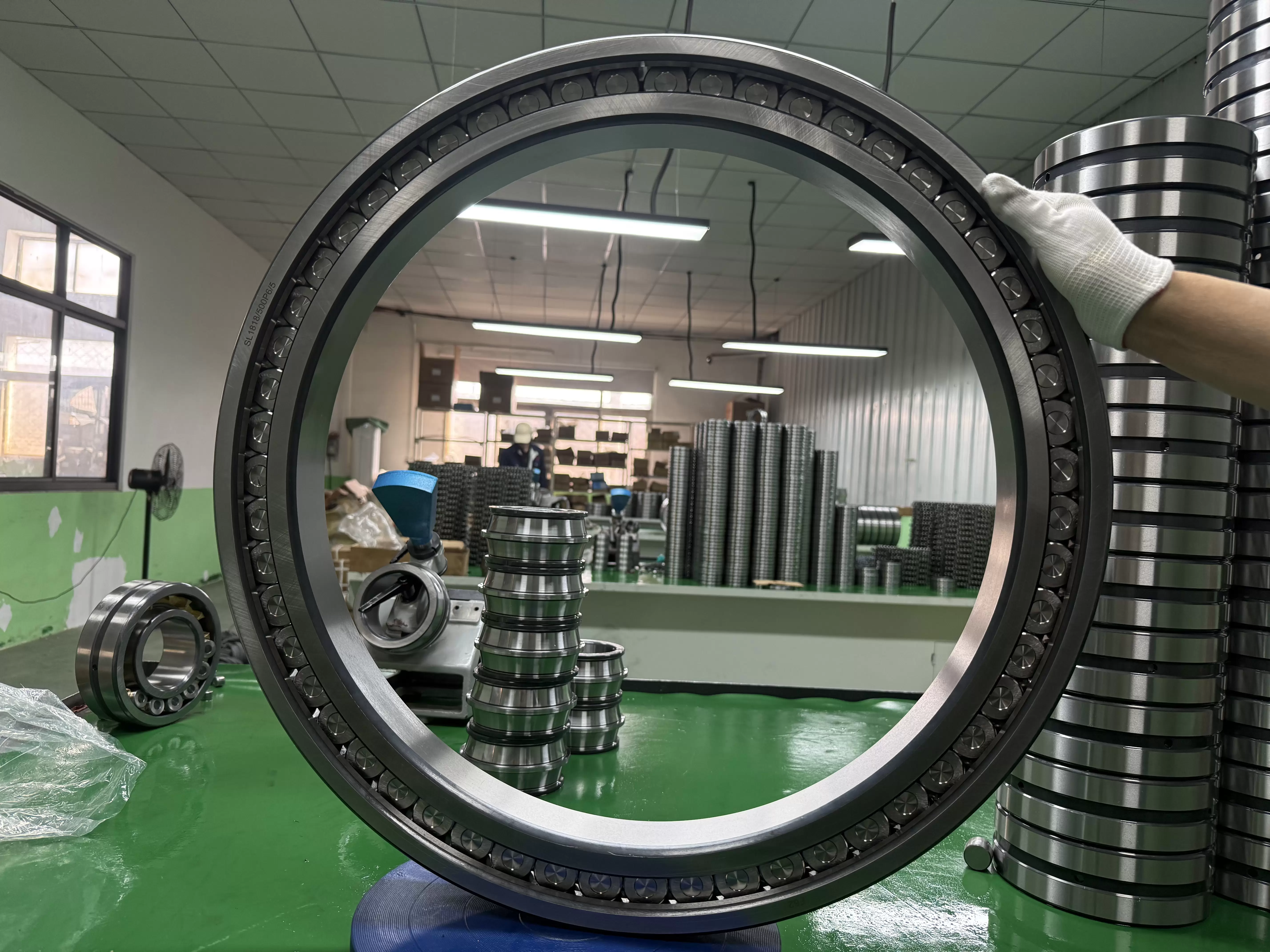
Effective lubrication is essential for maintaining the performance of double row cylindrical roller bearings with cage in mining environments.
Due to heavy contamination risks and high load conditions, lubrication must provide both anti-wear protection and thermal stability. Grease lubrication is commonly used for sealed or semi-sealed systems, while oil lubrication is preferred in high-speed or high-temperature applications.
Lubricant viscosity selection depends on operating speed, load intensity, and ambient temperature. In mining equipment, where dust and particulate contamination are prevalent, lubrication also acts as a protective barrier against abrasive ingress.
Regular lubrication monitoring is necessary to prevent degradation, as lubricant breakdown directly affects roller surface integrity and cage stability.
Installation and Maintenance Considerations for Mining Equipment
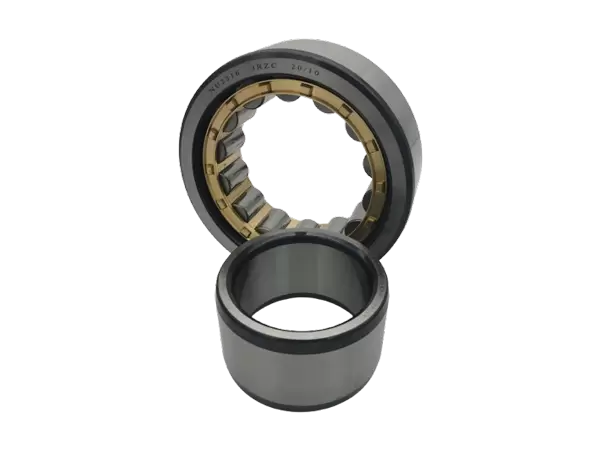
Double row cylindrical roller bearings with cage are separable, which significantly simplifies installation and maintenance procedures in mining machinery.
The separable design allows inner and outer ring components to be mounted independently. This is particularly advantageous in large mining equipment where assembly space is limited or where heavy components are difficult to handle.
During installation, careful attention must be paid to alignment accuracy and clearance settings. Incorrect mounting can lead to uneven load distribution and premature failure.
Maintenance practices typically include periodic inspection of raceway surfaces, cage integrity, and lubrication condition. In mining operations where downtime is costly, predictive maintenance strategies are often used to extend service intervals.
Material Engineering and Durability in Harsh Environments
Material selection is a critical factor in the performance of double row cylindrical roller bearings with cage used in mining equipment.
Bearing rings and rollers are commonly manufactured from high-purity, vacuum-degassed bearing steel. This ensures uniform hardness and improved fatigue resistance under repeated loading cycles.
Heat treatment processes are applied to enhance surface hardness while maintaining core toughness. This balance is essential in mining environments where both shock loads and continuous stress are present.
Cage materials are selected based on operating conditions. Steel cages offer high strength for heavy-load applications, while brass cages provide improved wear resistance under high-temperature conditions. Polymer cages may be used in specialized low-friction requirements.
Operational Limitations and Engineering Considerations
While double row cylindrical roller bearings with cage offer excellent radial load capacity and rigidity, they have inherent limitations that must be considered in mining equipment design.
The most important limitation is their inability to accommodate angular misalignment. Even slight deviations in shaft alignment can lead to uneven load distribution and reduced service life.
Additionally, axial load capacity is limited depending on flange configuration. Designers must ensure that axial forces are either minimized or supported by complementary bearing systems.
Thermal expansion effects must also be considered in long-duration mining operations, as temperature variations can influence internal clearance and load distribution.
Integration into Mining Equipment Systems
In mining equipment systems, double row cylindrical roller bearings with cage are commonly integrated into gearboxes, crusher shafts, conveyor drive systems, and heavy rotating assemblies.
Their primary role is to ensure stable radial load support while maintaining rotational accuracy under continuous stress conditions. The combination of rigidity, load capacity, and separable structure makes them highly suitable for modular equipment designs.
Proper system integration requires coordination between bearing selection, housing design, lubrication strategy, and alignment precision. Each factor contributes to overall performance stability and operational lifespan.
Conclusion
Double row cylindrical roller bearings with cage for mining equipments represent a critical engineering solution for high-load, high-stress industrial environments. Their dual-row structure, cage-guided roller control, and high radial load capacity make them indispensable in modern mining machinery.
Through careful design selection, proper installation, and controlled lubrication management, these bearings deliver consistent performance, structural stability, and long service life in demanding mining applications.