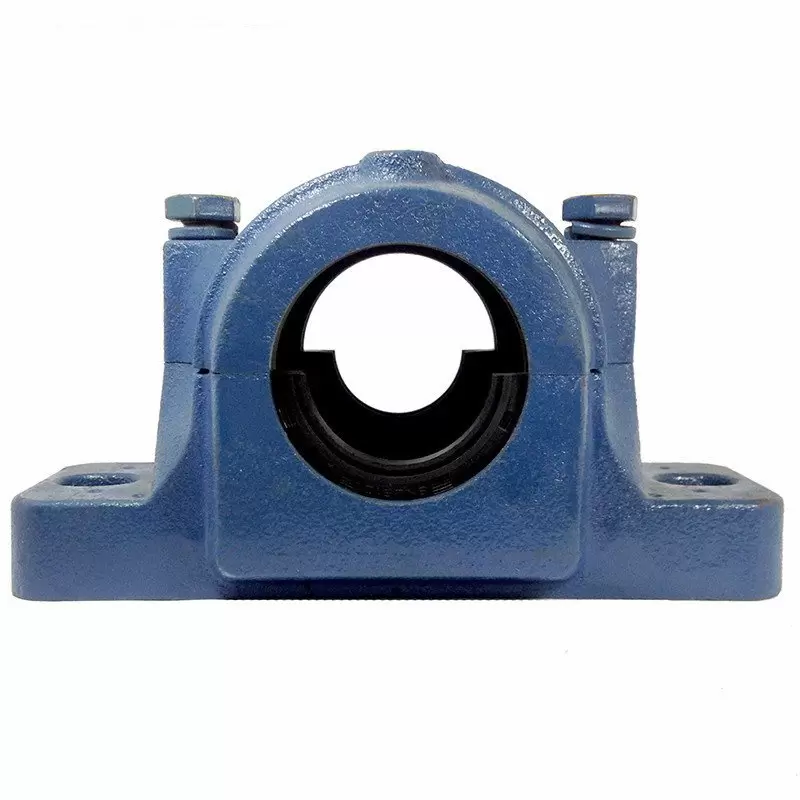
Role of Rolling Bearings in Heavy Industrial Systems
Industrial equipment used in cement and steel production operates under continuous mechanical stress where every rotating component must sustain long hours of uninterrupted load. In such environments, bearing systems are not just mechanical supports but core elements that determine operational stability. When performance expectations are high, engineers tend to rely on solutions that can balance durability, load distribution, and tolerance to harsh conditions.
Among the available options, spherical roller designs are widely recognized because they can handle complex operating conditions without frequent failure. Their structural behavior allows machinery to maintain alignment and stability even when external forces fluctuate. This characteristic makes them especially relevant in industries where downtime directly translates into production loss.
What is spherical roller bearing in industrial engineering context
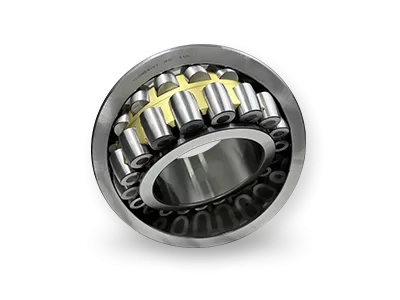
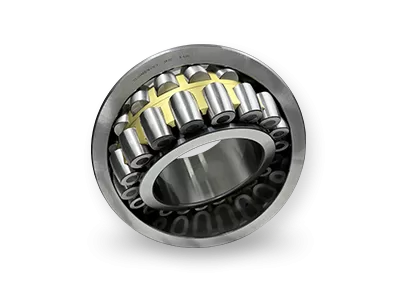
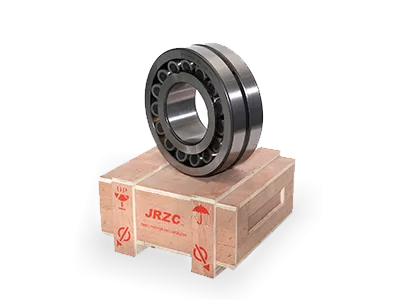
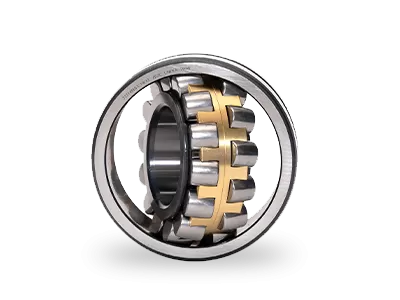
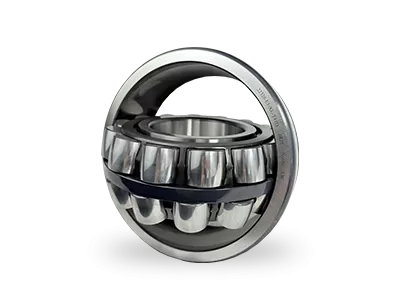
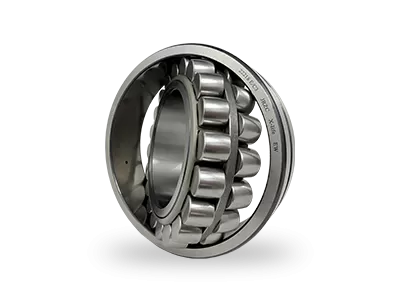
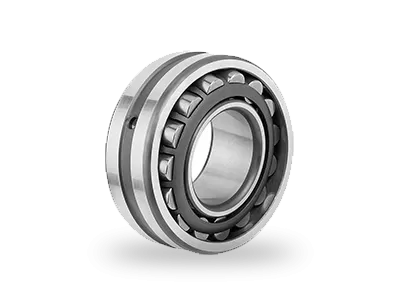
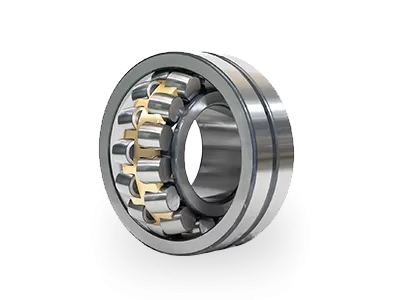
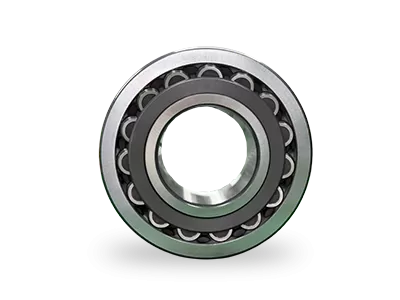
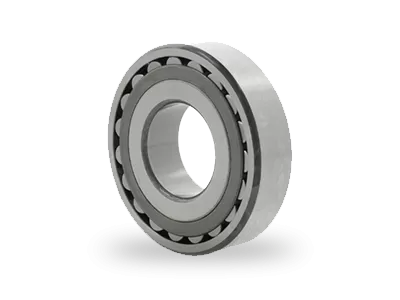
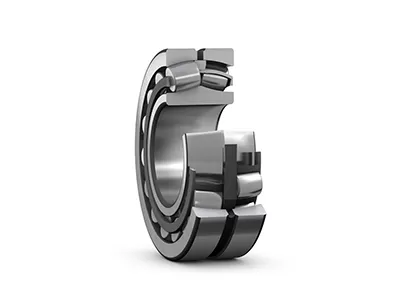
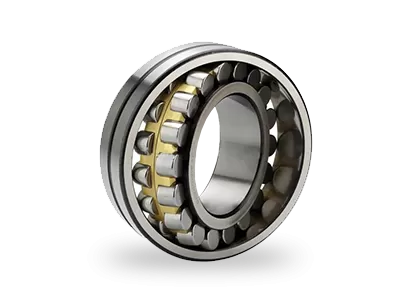
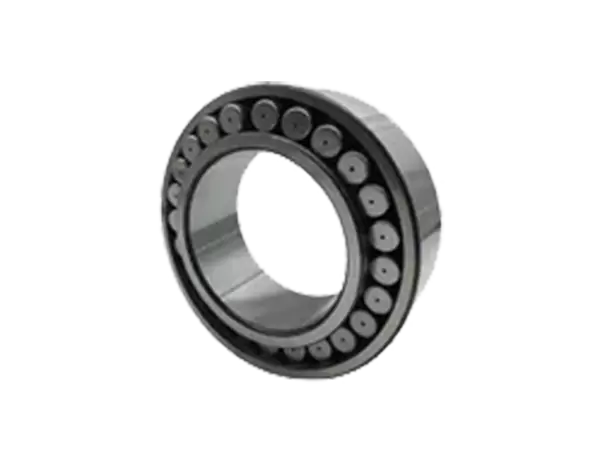
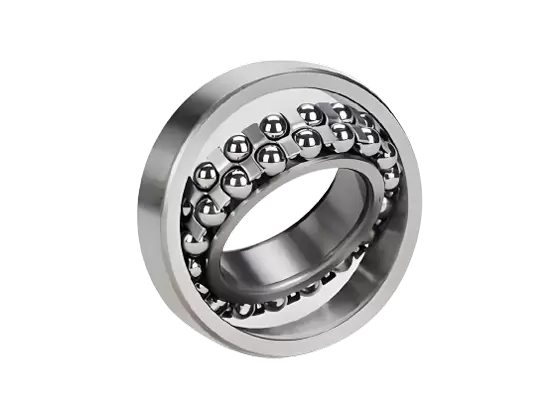
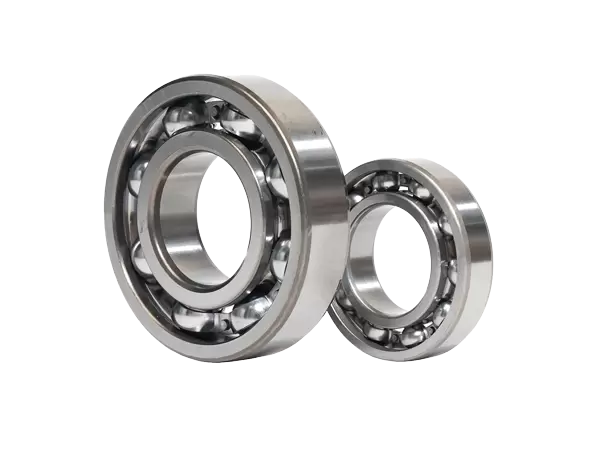
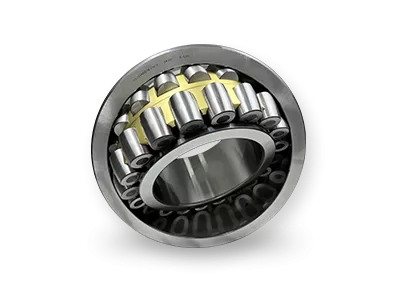
Understanding what is spherical roller bearing requires looking beyond its basic mechanical definition. It is a self-aligning rolling element bearing designed with two rows of rollers that operate within a shared spherical outer raceway. This configuration enables the bearing to compensate for angular misalignment while maintaining consistent load distribution across contact surfaces.
Unlike simpler bearing types, this structure is not limited to perfectly aligned shafts. It can continue functioning effectively even when deformation, vibration, or installation inaccuracies occur. This flexibility is one of the reasons it is widely used in heavy-duty machinery where perfect alignment is difficult to maintain over time.
In practical engineering terms, this design reduces stress concentration points and helps maintain smoother rotational motion under uneven working conditions. It also supports both radial and axial forces simultaneously, which is essential in large-scale industrial systems.
The internal architecture of spherical roller systems is built around load sharing and adaptability. Two rows of rollers distribute forces evenly, reducing localized stress that typically leads to premature fatigue in conventional bearings. The spherical raceway allows angular movement, which is critical in large mechanical assemblies where structural deflection is unavoidable.
Another important aspect is the contact geometry between rollers and raceways. Instead of point contact, the system relies on line contact, which significantly increases load-bearing capacity. This design approach helps extend operational life while maintaining consistent mechanical efficiency.
Lubrication flow also plays a role in maintaining stability. The internal space allows grease or oil to distribute evenly, preventing overheating and reducing friction even during long operating cycles.
Spherical roller bearing advantages in demanding environments
The most significant spherical roller bearing advantages come from its ability to perform under combined stress conditions. Heavy industrial systems rarely operate under uniform loads, and this bearing type is specifically engineered to handle irregular force distribution without performance degradation.
One of the key strengths is its resilience to misalignment. In many machines, shafts shift slightly due to thermal expansion or structural load changes. Instead of resisting this movement, the bearing adapts to it, reducing wear and maintaining efficiency.
Another important advantage is its ability to manage shock loads. Sudden force changes are common in crushing, grinding, and rolling operations. The robust roller structure absorbs these impacts without damaging internal surfaces, which helps maintain long-term reliability.
| Performance Factor | Spherical Roller Bearing Behavior | Industrial Impact |
|---|
| Misalignment tolerance | High adaptability | Reduced maintenance frequency |
| Load capacity | Multi-directional support | Stable heavy-load operation |
| Shock resistance | Strong impact absorption | Lower failure risk |
| Heat handling | Stable under thermal variation | Improved uptime |
| Lubrication efficiency | Even distribution | Longer service intervals |
This comparison highlights why these bearings are often selected for continuous production systems where operational stability is more important than short-term cost considerations.
Application of spherical roller bearing in heavy industry systems
The application of spherical roller bearing technology is particularly widespread in sectors where machinery operates under constant mechanical stress. Cement production lines, for example, rely heavily on rotating kilns, crushers, and grinding equipment that must function continuously under heavy load and dust exposure.
In steel manufacturing environments, the same bearing type is used in rolling mills, conveyor systems, and casting machinery. These systems require stable performance even when temperature fluctuations and mechanical vibration occur simultaneously. The ability to maintain alignment under such conditions ensures smoother production flow and reduces unexpected shutdowns.
Rather than being limited to a single function, these bearings serve as foundational components across multiple stages of production. Their versatility allows engineers to standardize maintenance strategies and reduce system complexity.
Cement plant operating conditions and mechanical challenges
Cement production environments present a combination of abrasive dust, heavy mechanical load, and continuous operation cycles. These conditions create significant stress on rotating components, especially in grinding and material transport systems.
Bearings used in such environments must not only support heavy radial forces but also resist contamination and temperature variation. Spherical roller systems perform well in this context because their internal geometry minimizes direct exposure of rolling surfaces to external particles.
Over time, this design reduces wear patterns caused by uneven lubrication or particulate intrusion, which are common issues in cement plant machinery.
Steel plant operational demands and bearing response
Steel manufacturing processes introduce a different set of mechanical challenges. High temperatures, fluctuating loads, and continuous material deformation create unpredictable stress conditions for rotating systems. Bearings must maintain structural integrity while supporting both dynamic and static loads.
Spherical roller systems respond effectively by maintaining internal stability even when external conditions change rapidly. Their ability to self-adjust under misalignment helps prevent edge loading, which is a common cause of failure in rigid bearing types.
This adaptability makes them suitable for rolling mills and other high-force equipment where precision and durability must coexist.
Maintenance considerations for long-term reliability
Proper maintenance plays a critical role in maximizing bearing lifespan. Even the most advanced design can experience reduced performance if lubrication schedules and installation practices are not followed correctly. In heavy industrial environments, preventive maintenance is often more effective than corrective repair.
Lubrication quality and distribution are especially important. Consistent lubrication reduces friction and prevents heat buildup, both of which directly influence bearing longevity. Regular monitoring of vibration levels can also help identify early signs of wear before failure occurs.
Maintenance strategies that combine inspection, lubrication control, and alignment verification tend to deliver the most stable long-term performance.
Material selection and operational efficiency
Material quality significantly influences how well a bearing performs under stress. High-grade steel with controlled heat treatment improves fatigue resistance and reduces deformation under load. Surface finishing also affects friction behavior and heat generation.
In industrial procurement, selecting reliable suppliers is often as important as selecting the correct bearing type. Consistency in manufacturing quality ensures that performance remains predictable across different operating cycles.
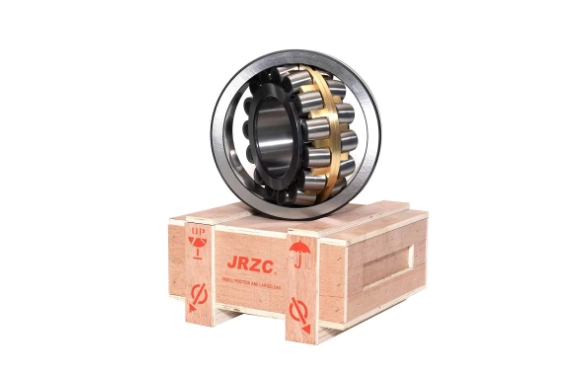
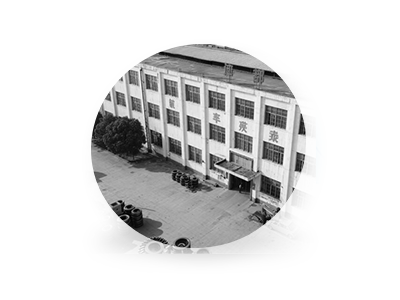
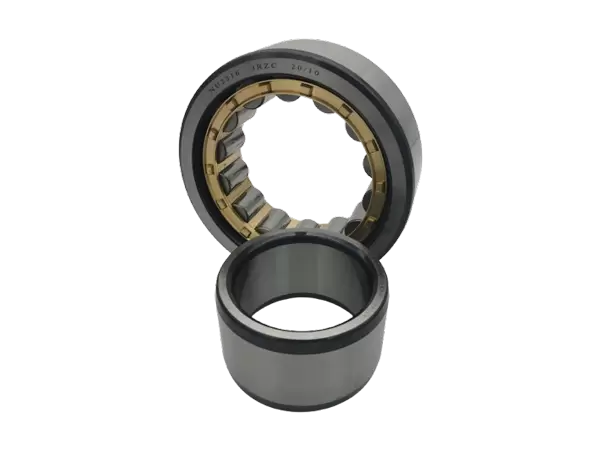
Companies such as JRZC focus on producing bearings designed for stable performance in demanding environments, where long service life and operational reliability are essential requirements.
Selection considerations for industrial applications
Choosing the correct bearing for cement or steel applications requires a structured evaluation approach. Engineers typically consider load type, speed range, temperature exposure, and contamination level before final selection.
Below is a simplified reference framework used in industrial planning:
| Selection Factor | Key Consideration | Impact on Performance |
|---|
| Load condition | Constant or variable | Determines structural requirement |
| Temperature range | Ambient to high heat | Affects material selection |
| Contamination level | Dust or debris exposure | Influences sealing design |
| Alignment accuracy | Shaft stability | Determines self-adjustment need |
This structured approach helps ensure that bearing selection aligns with actual operational conditions rather than theoretical specifications.
Conclusion
Spherical roller systems remain a core solution in heavy industrial environments due to their ability to manage misalignment, absorb shock loads, and maintain stability under continuous operation. Their structural design aligns well with the demanding requirements of cement and steel production, where reliability directly influences productivity.
By combining mechanical resilience with operational flexibility, these bearings continue to support large-scale industrial systems where performance consistency is essential.
FAQ
Why are spherical roller bearings widely used in heavy industry?
They can handle high loads, misalignment, and vibration simultaneously, making them suitable for continuous industrial operations.
How do they perform under misalignment conditions?
Their spherical raceway allows angular adjustment, reducing stress and preventing premature wear.
Are they suitable for high-temperature environments?
Yes, with proper material selection and lubrication, they perform reliably under elevated temperatures.
What industries commonly use them?
Cement production, steel manufacturing, mining, and heavy material processing industries.
How does maintenance affect service life?
Regular lubrication and condition monitoring significantly extend operational lifespan and reduce failure risk.