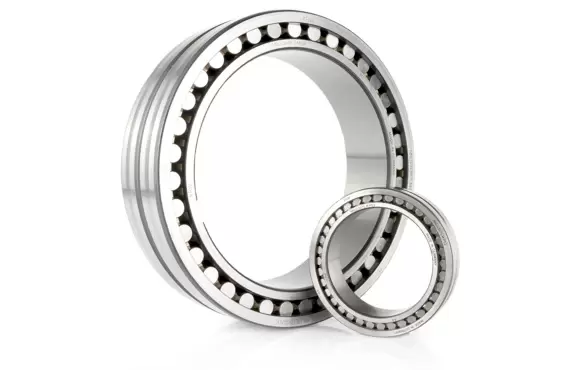
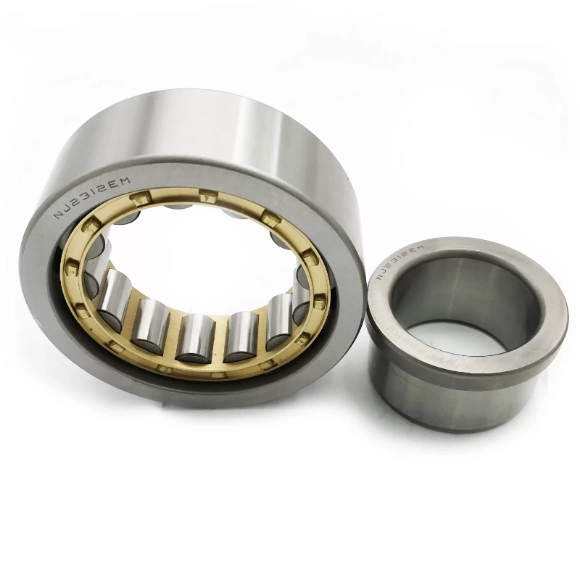
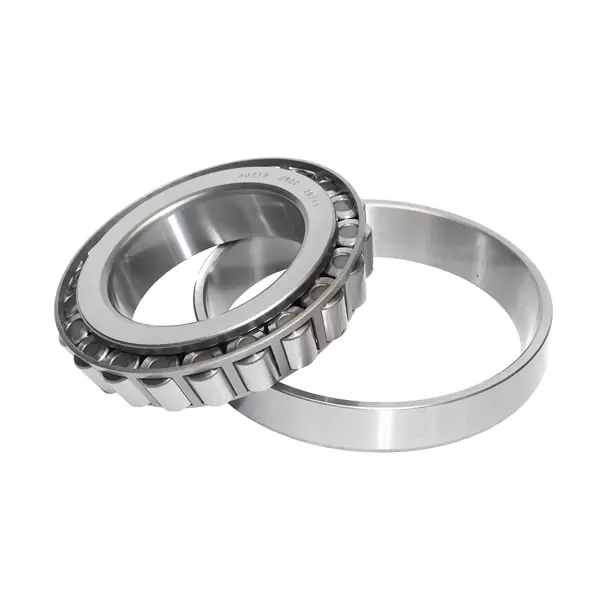
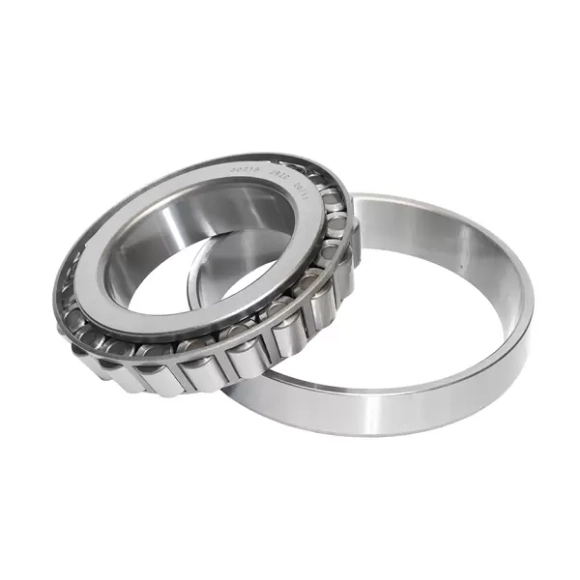
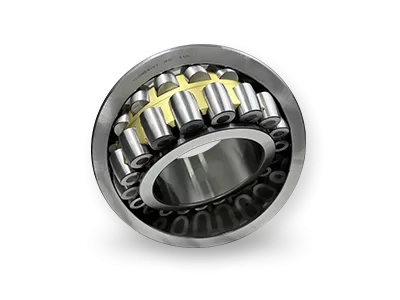
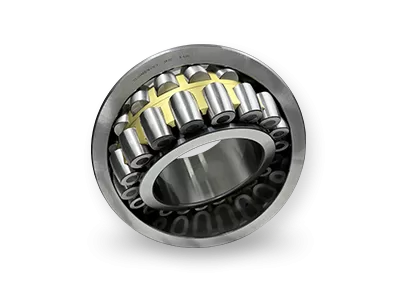
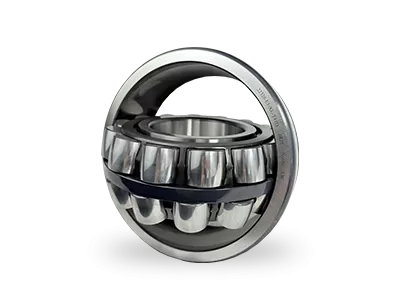
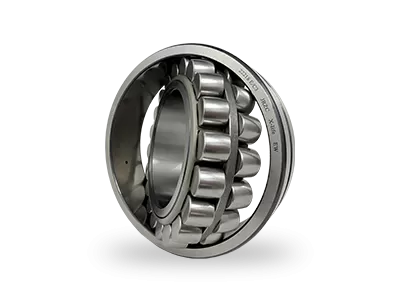
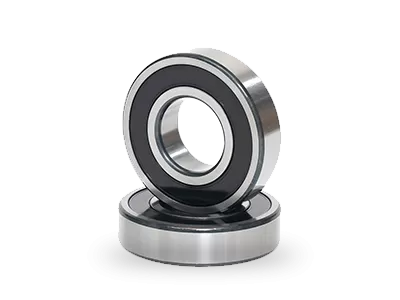
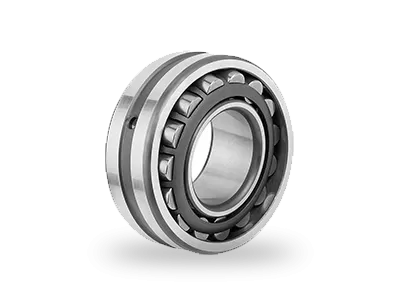
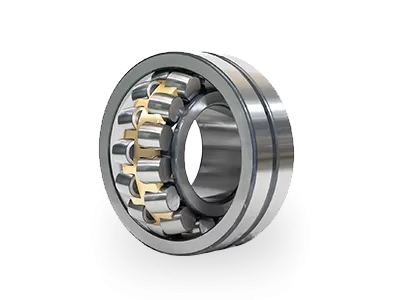
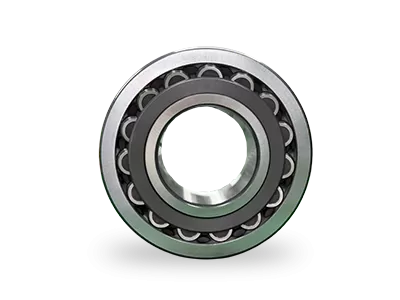
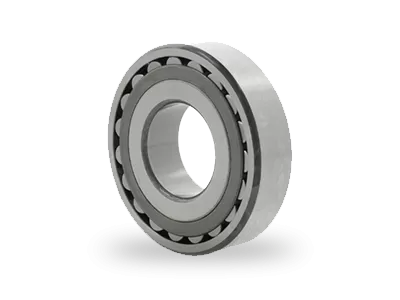
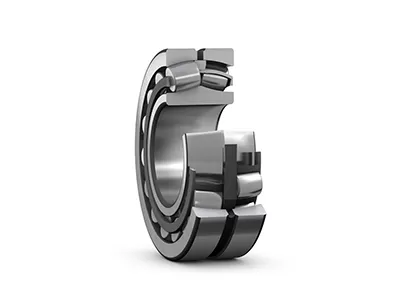
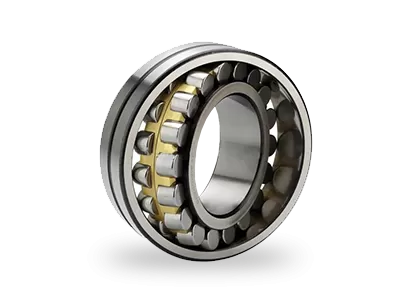
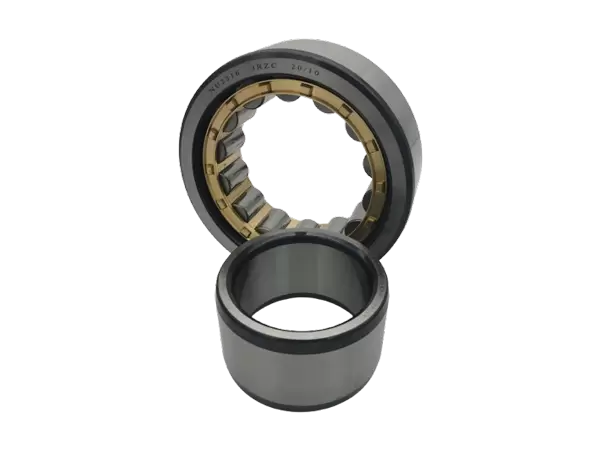
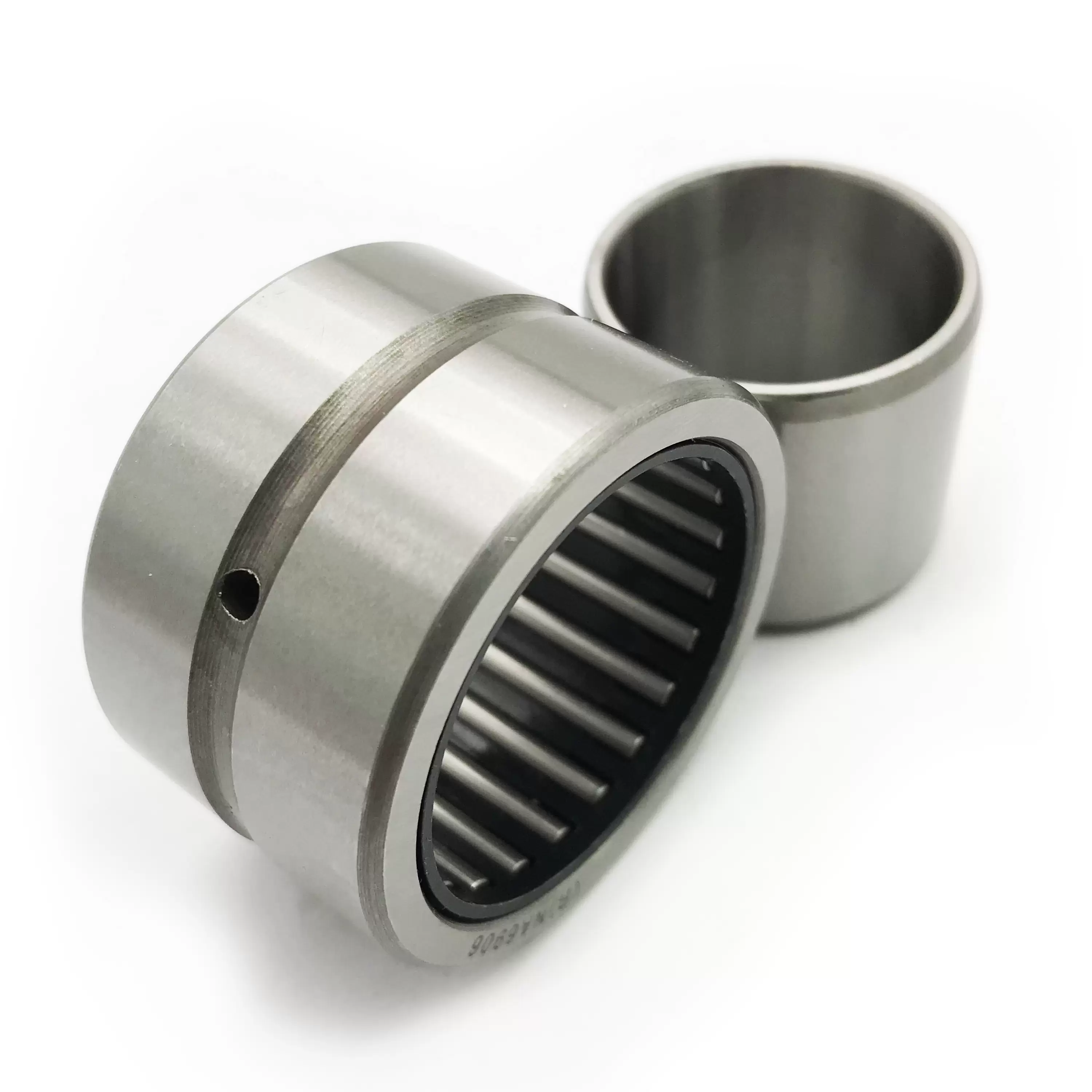
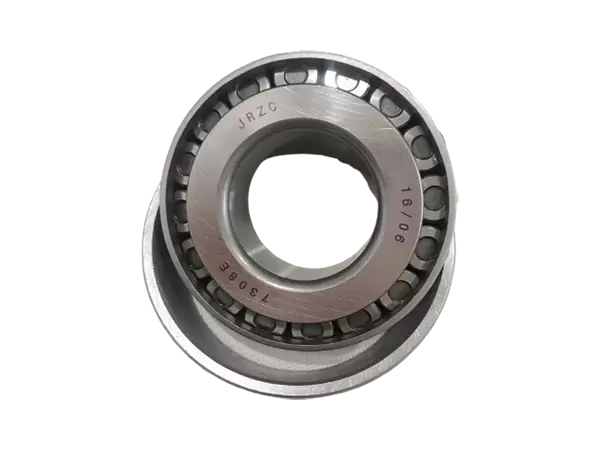
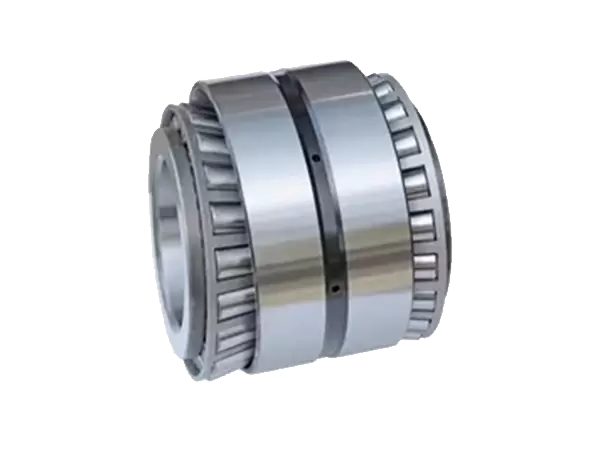
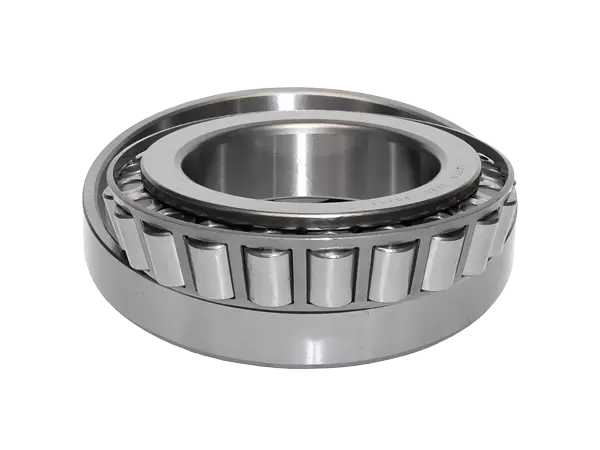
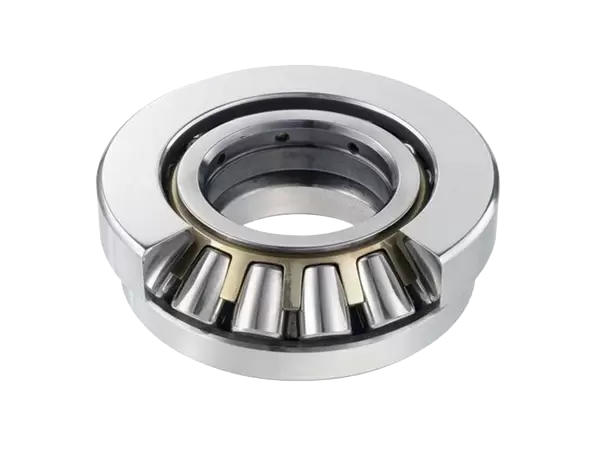
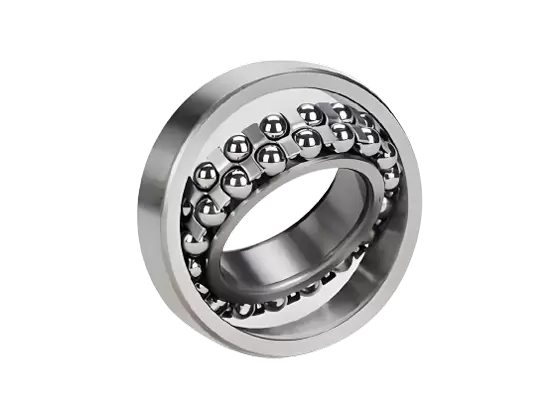
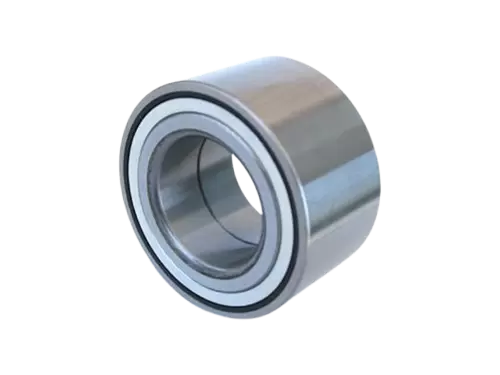
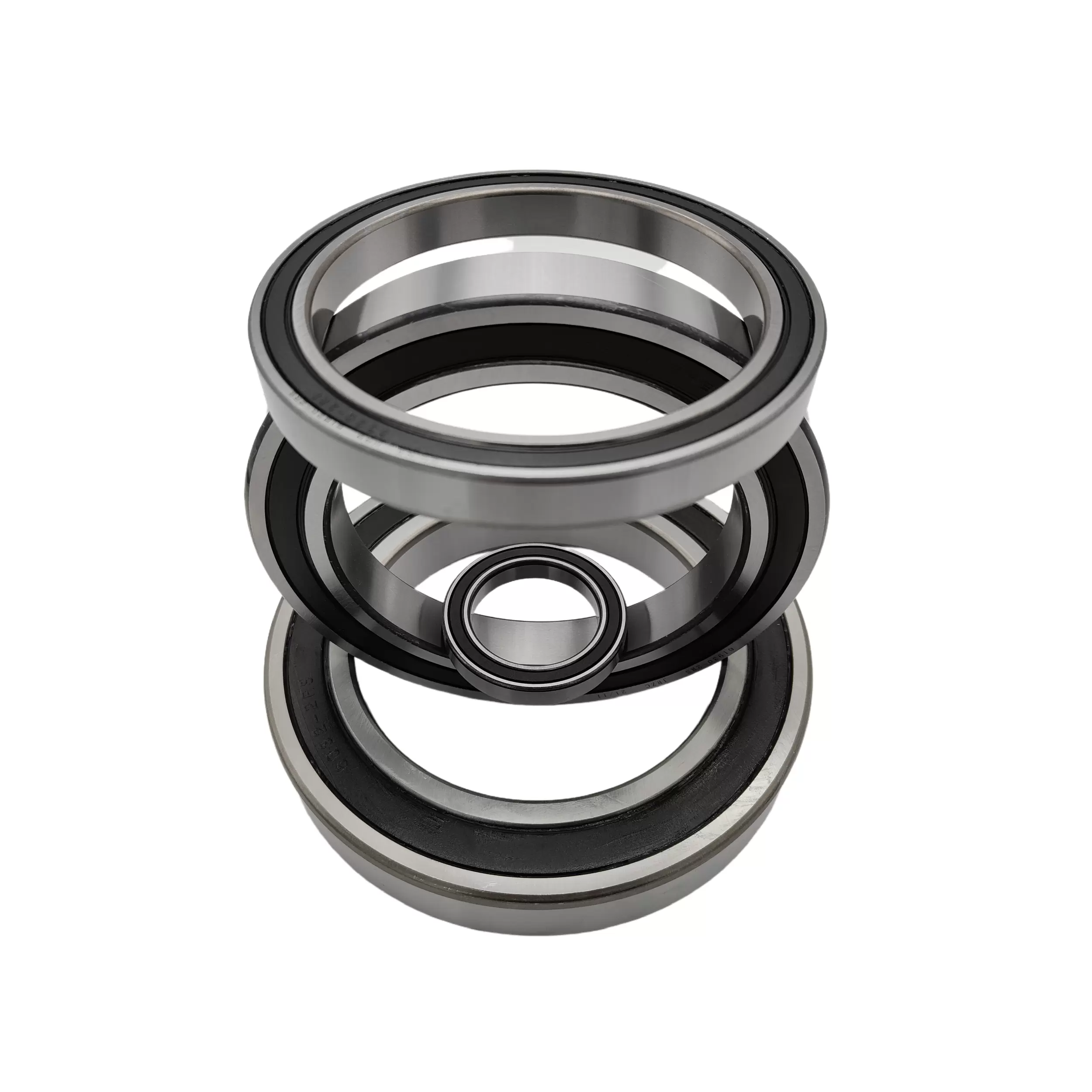
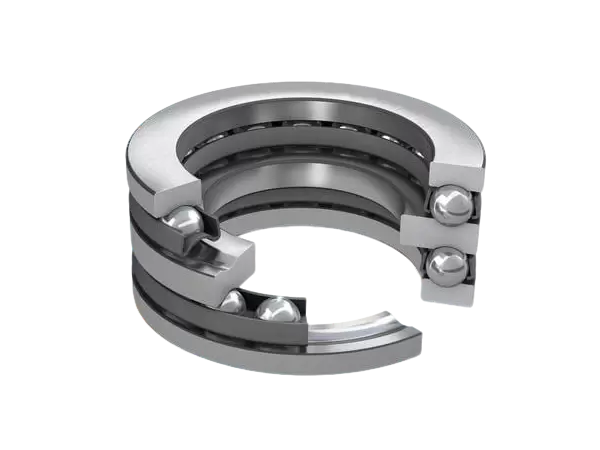
Bearing cages are essential components in modern mechanical systems, providing stability, reducing friction, and ensuring the efficient operation of rolling element bearings. Despite their small size, these components significantly influence bearing performance, lifespan, and reliability. In this blog post, as high quality custom bearing factory, JRZC will share various types of bearing cages, explore their design principles, and applications across industrial machinery.
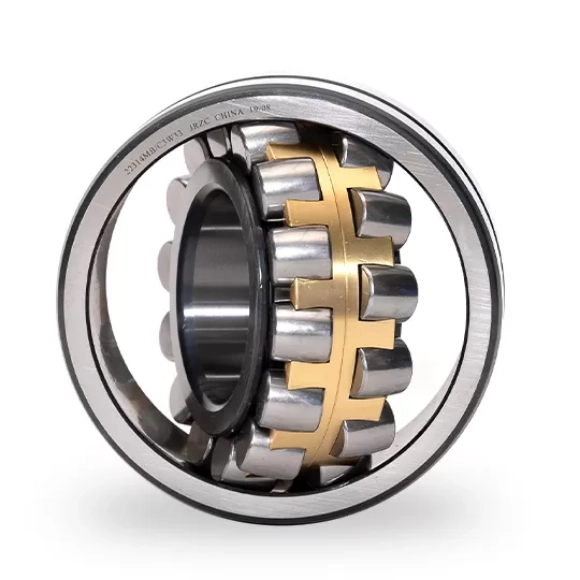
Role of Bearing Cages in Rolling Element Bearings
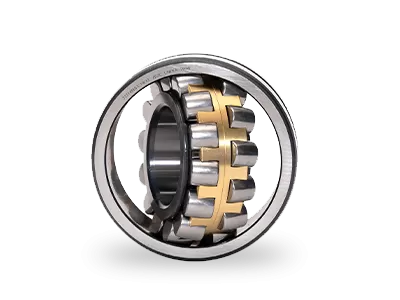
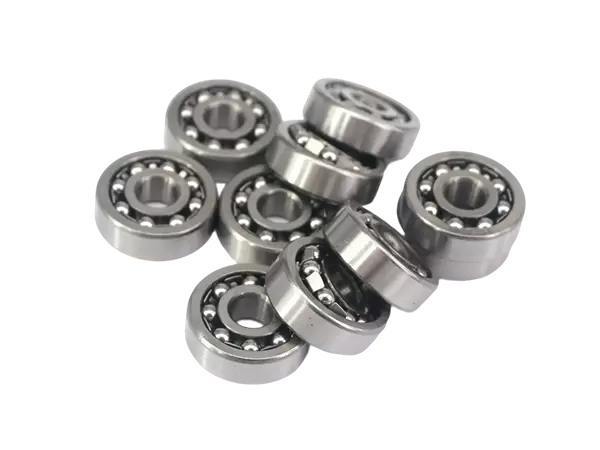
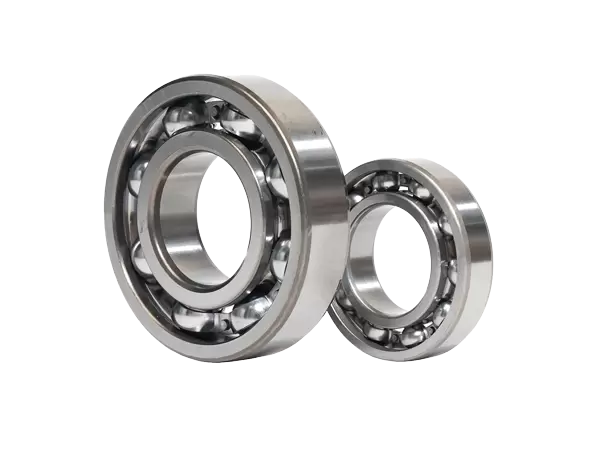
A bearing cage, often referred to as a retainer or separator, is the component responsible for maintaining even spacing between rolling elements such as balls, rollers, or needles. By holding rolling elements in precise positions, bearing cages:
Prevent metal-to-metal contact and reduce friction
Maintain uniform load distribution across the bearing
Enhance rotational stability at high speeds
Reduce vibration and operational noise
Without an appropriate bearing cage, rolling elements can collide, causing accelerated wear, overheating, and potential mechanical failure. Therefore, selecting the right type and material of a bearing cage is crucial for achieving optimum bearing performance.
Key Materials for Bearing Cages
The material composition of a bearing cage influences its strength, thermal resistance, wear characteristics, and compatibility with lubrication systems. Common materials include:
Stamped Steel: Provides excellent strength and resistance to impact. Ideal for heavy-duty applications with moderate speeds.
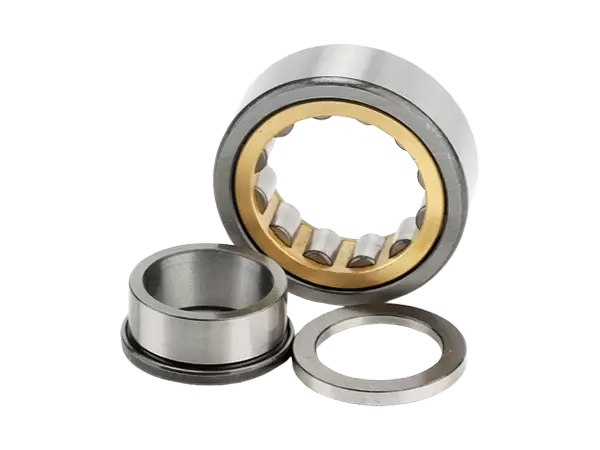
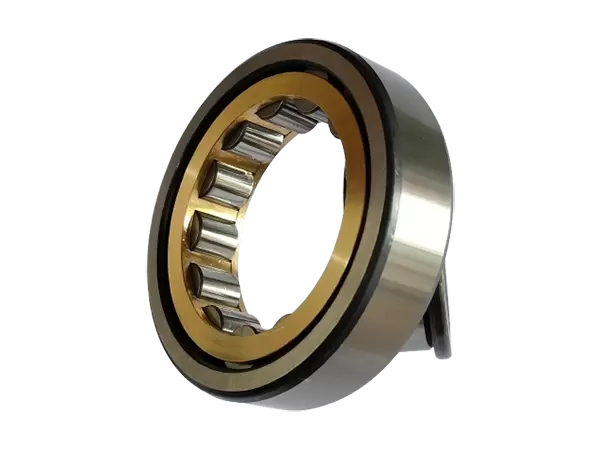
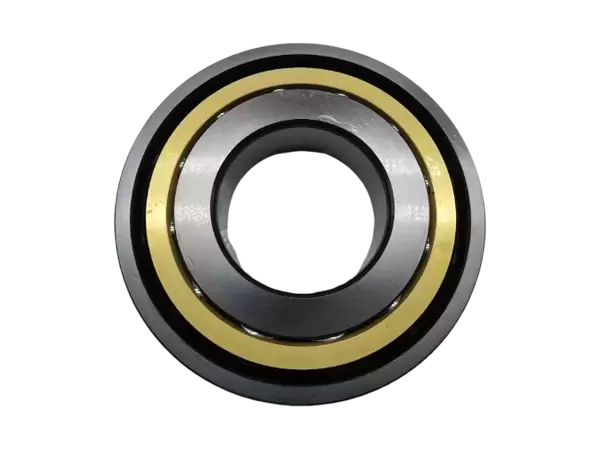
Brass: Offers wear resistance and moderate corrosion resistance. Often used in high-speed applications where reduced friction is essential.
Polyamide (Nylon): Lightweight, quiet, and low-friction. Suitable for electric motors, household appliances, and precision instruments operating at moderate temperatures.
Phenolic Resin: Known for thermal stability and light weight, phenolic cages excel in high-speed operations and energy-efficient machinery.
Sintered Metals: Typically applied in high-temperature and chemically aggressive environments, offering superior wear resistance.
Material selection must consider operating speed, load, temperature, and lubrication type to ensure cage integrity and prolonged bearing life.
Common Bearing Cage Types and Designs
Bearing cages are engineered in various configurations to meet specific operational demands. Understanding the differences helps in selecting the ideal cage for a given application.
Window-Type Cages: Feature openings that reduce weight and allow lubrication circulation. Frequently used in medium- to high-speed applications.
Solid Cages: Provide one-piece, robust construction suitable for heavy-load or shock-intensive machinery.
Split or Two-Piece Cages: Designed for large-diameter bearings to simplify installation and maintenance.
Polyamide Cages: Flexible and lightweight, reducing friction and centrifugal forces, commonly employed in precision and high-speed machinery.
Each design offers unique advantages in terms of load handling, speed capability, and lubrication management, directly impacting bearing reliability and operational efficiency.
Functional Design Considerations for Bearing Cages
Effective bearing cage design requires attention to multiple engineering factors:
Load Distribution: Cages must evenly space rolling elements to prevent uneven stress and wear on the bearing.
Friction Minimization: Reducing contact between rolling elements and the cage lowers operational resistance and improves energy efficiency.
Heat Management: Design geometry should support adequate lubrication flow and thermal dissipation, particularly in high-speed or high-temperature conditions.
Vibration Reduction: Well-designed cages prevent rolling element collisions and reduce mechanical noise.
Design parameters also involve geometric considerations such as cage thickness, pocket shapes, and the number of contact points, all of which influence performance under radial and axial loads.
Lubrication and Bearing Cage Interaction
Cage performance is heavily dependent on proper lubrication. Bearings require suitable lubrication to reduce friction, prevent wear, and dissipate heat. Bearing cages influence lubricant distribution by:
Guiding oil or grease to contact surfaces of rolling elements and raceways
Preventing lubricant starvation in high-speed bearings
Reducing shear stress on polymer or resin-based cages
Selecting a lubricant compatible with the cage material is essential. Certain polymers and resins can degrade under incompatible oils or extreme temperatures, leading to cage distortion, roller misalignment, or accelerated failure.
Bearing cages must perform reliably across a range of operational extremes. Material and design choices directly affect performance in challenging conditions:
High Speeds: Lightweight polyamide and phenolic cages reduce centrifugal forces and minimize heat generation.
Heavy Loads: Solid brass or steel cages distribute axial and radial loads evenly, resisting deformation under stress.
Elevated Temperatures: Phenolic and brass cages maintain dimensional stability and resist thermal expansion.
Corrosive or Contaminated Environments: Stainless steel or coated cages resist corrosion, chemical attack, and debris intrusion.
Selecting a cage suited to these conditions prevents premature wear, reduces maintenance frequency, and extends overall bearing life.
Common Causes of Bearing Cage Failure
Although bearing cages are designed for durability, failures can occur due to improper selection, operating conditions, or maintenance lapses. Key failure mechanisms include:
Mechanical Wear: Abrasion between the cage and rolling elements due to inadequate lubrication.
Cage Fracture: Resulting from excessive load, impact, or misalignment of the bearing assembly.
Thermal Deformation: High temperatures can soften polymer or resin cages, causing roller misalignment and accelerated wear.
Corrosion: Metal cages without protective coatings may deteriorate when exposed to moisture, chemicals, or contaminants.
Identifying early indicators such as unusual noise, vibration, or heat generation is essential for preventive maintenance and minimizing bearing downtime.
Advanced Manufacturing Techniques for Bearing Cages
Modern bearing cage production leverages innovative techniques to improve durability, performance, and application versatility:
Composite Cages: Blend polymers with metal reinforcement for optimized strength, reduced weight, and wear resistance.
3D-Printed Cages: Enable complex geometries that enhance lubrication flow, reduce friction, and optimize space efficiency in custom machinery.
Coated Steel Cages: Combine the strength of metal with corrosion-resistant coatings for industrial applications.
Hybrid Designs: Integrate advanced polymers or ceramics to withstand high temperatures, aggressive loads, or high-speed rotation.
These manufacturing advancements allow bearing cages to meet the growing demands of energy efficiency, low-noise operation, and extended service life in modern machinery.
Selecting the Ideal Bearing Cage for Your Needs
Choosing the correct bearing cage requires evaluating operational and environmental factors:
Operating Speed: High-speed machinery benefits from lightweight, low-friction designs.
Load Characteristics: Heavy axial or radial loads require robust metal cages.
Temperature Range: High or fluctuating temperatures necessitate thermally stable materials.
Environmental Conditions: Corrosive or contaminated environments demand protective coatings or corrosion-resistant metals.
Lubrication Practices: Maintenance frequency and lubricant type must align with cage material specifications.
A systematic approach to selection ensures optimal bearing performance while minimizing operational costs and maintenance requirements.
Maintenance Strategies to Extend Bearing Cage Life
Proper care can significantly increase the lifespan of bearing cages. Recommended maintenance strategies include:
Monitoring lubricant quality and compatibility with cage materials
Maintaining operating temperatures within recommended limits
Inspecting bearings periodically for wear, deformation, or corrosion
Using vibration analysis and acoustic monitoring to detect early warning signs
Avoiding overloading bearings beyond design limits
Consistent maintenance reduces the risk of unexpected failures, enhances efficiency, and prolongs machinery service life.
Conclusion
Bearing cages are fundamental to the reliable operation of rolling element bearings. The selection of cage type, material, and design directly impacts performance, wear resistance, and energy efficiency. By considering operating conditions, load characteristics, lubrication requirements, and environmental factors, engineers can choose the most appropriate bearing cage to ensure longevity and optimal system performance.
From heavy industrial machinery to precision instruments, bearing cages support the smooth operation of countless mechanical systems. Proper selection, design understanding, and maintenance practices are essential for achieving high performance, extended service life, and minimized operational downtime.