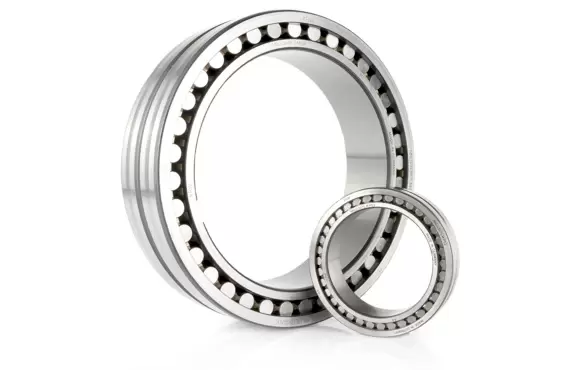
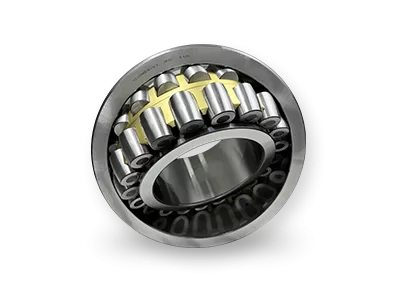
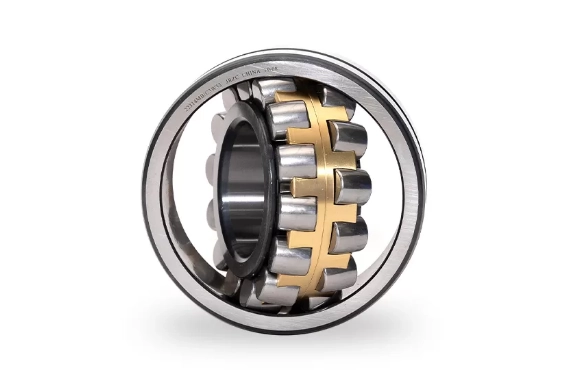
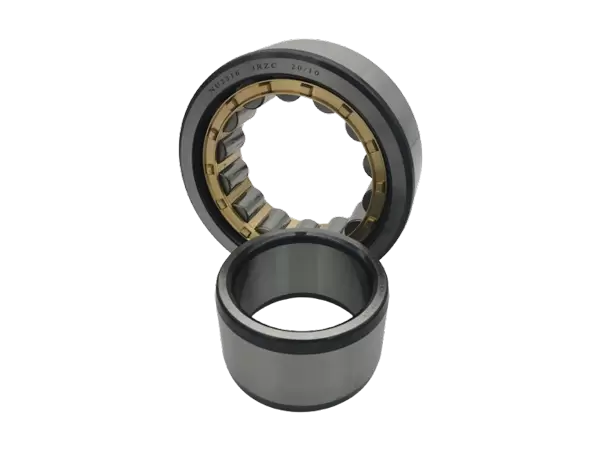
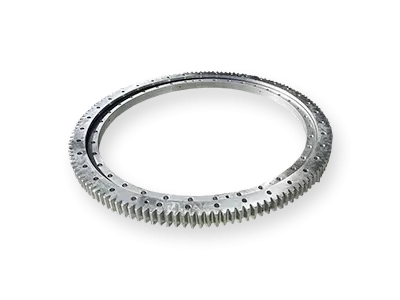
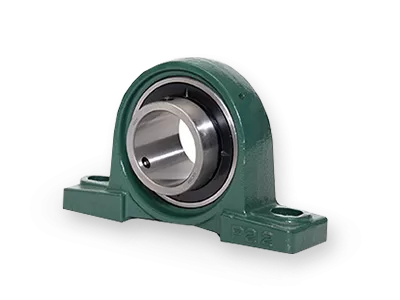
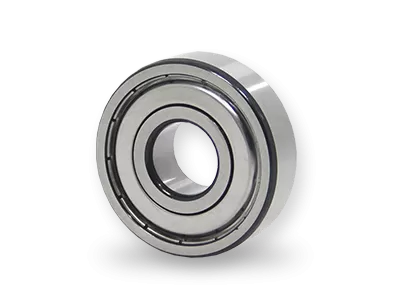
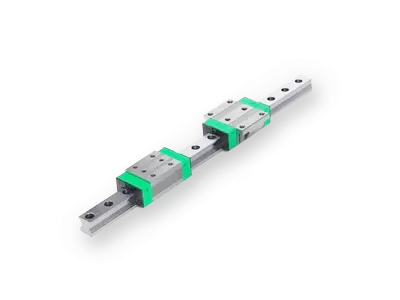
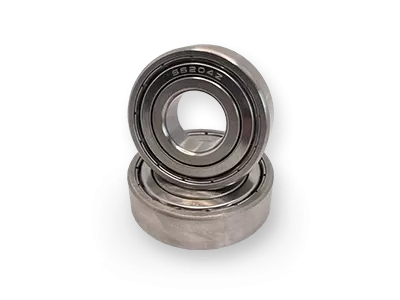
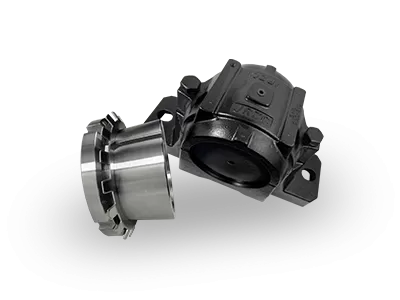
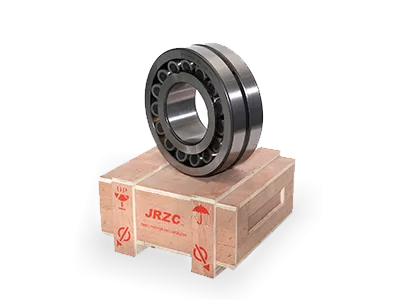
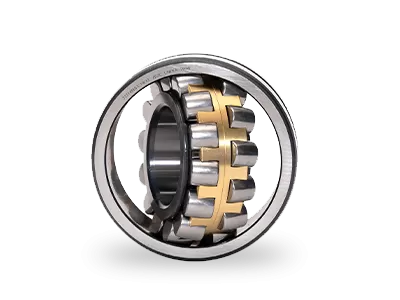
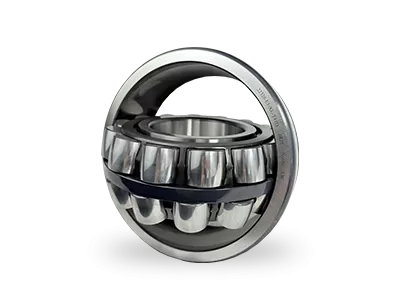
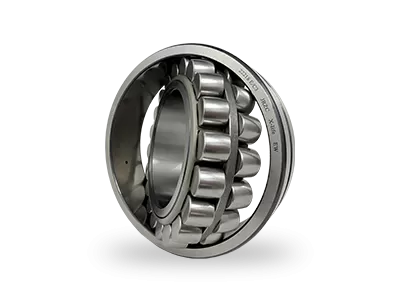
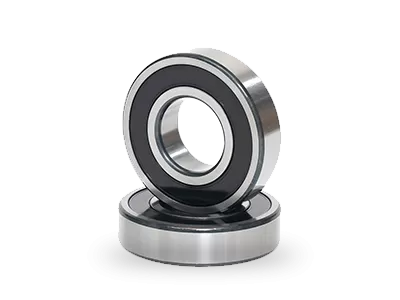
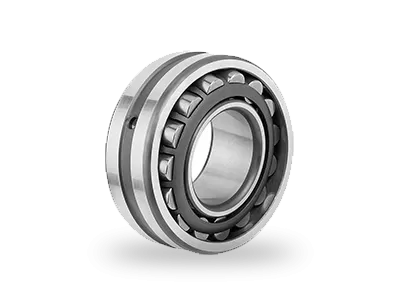
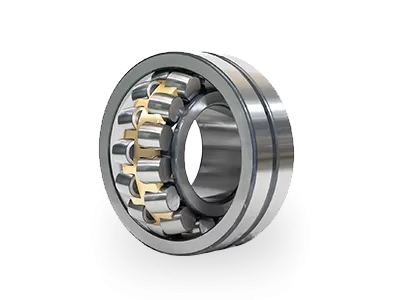
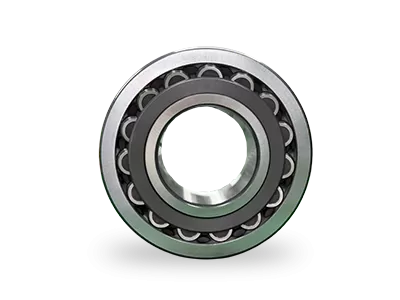
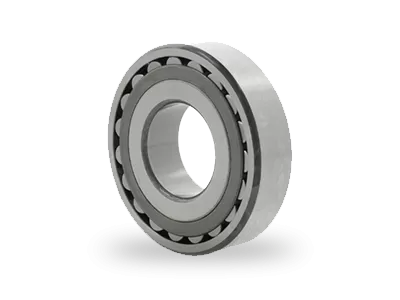
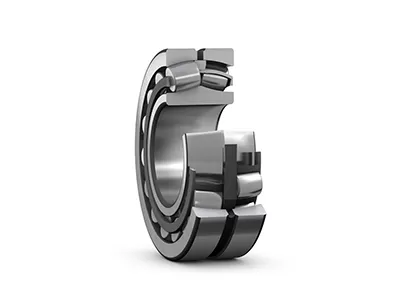
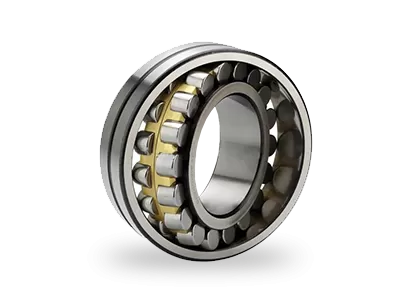
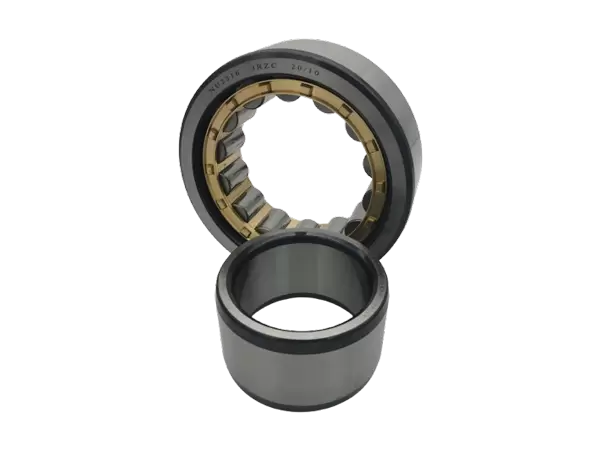
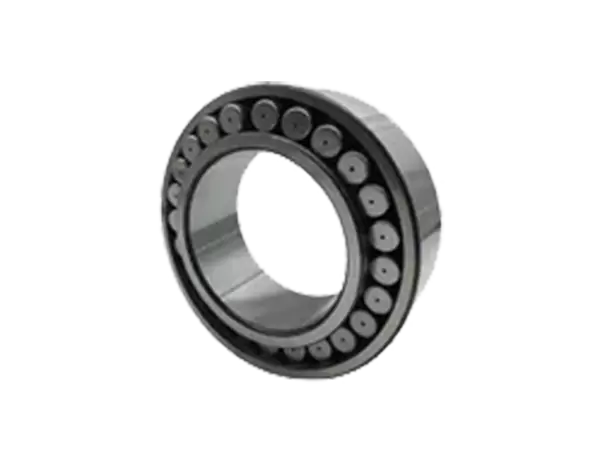
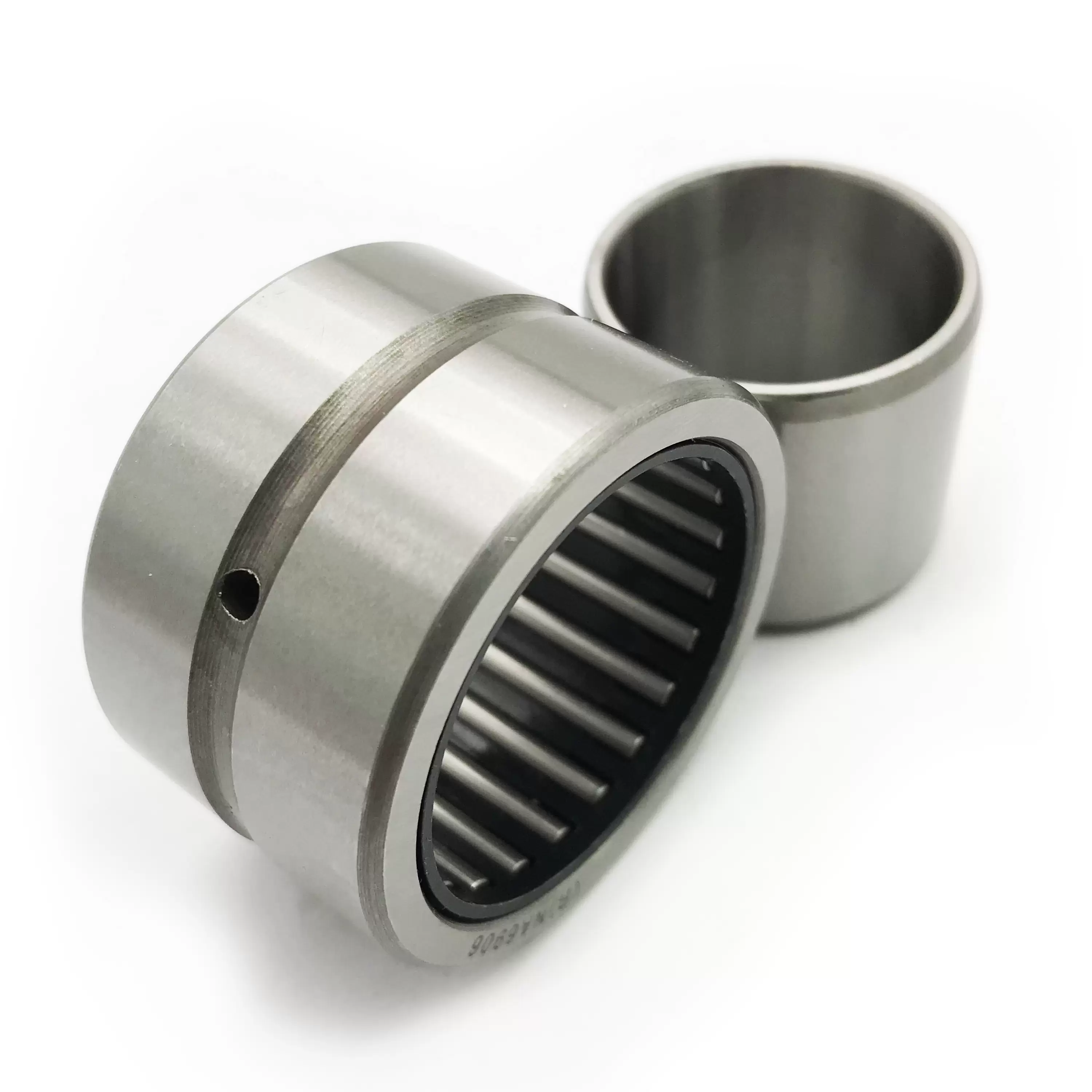
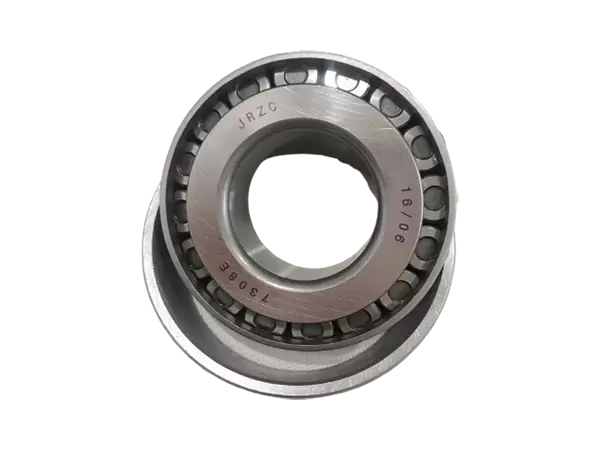
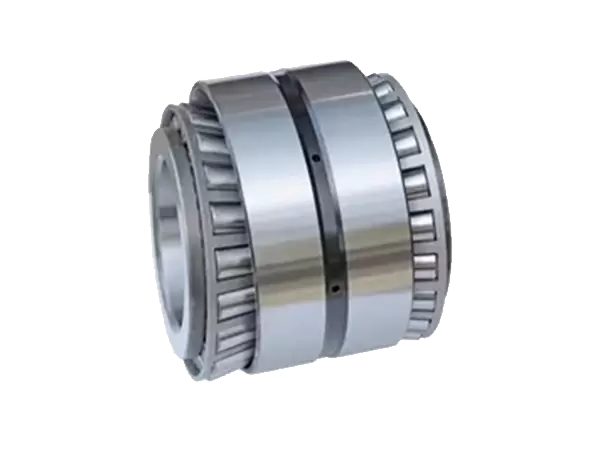
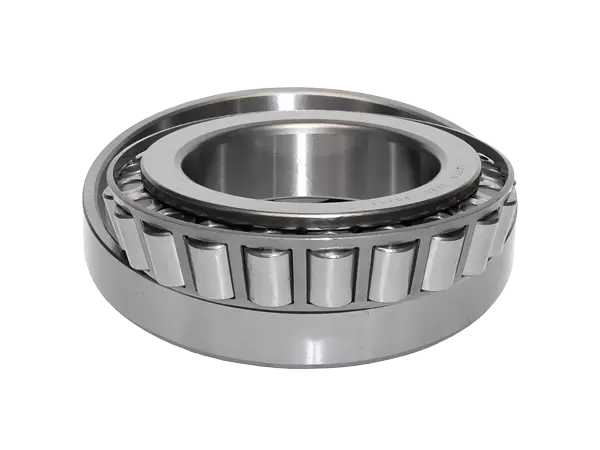
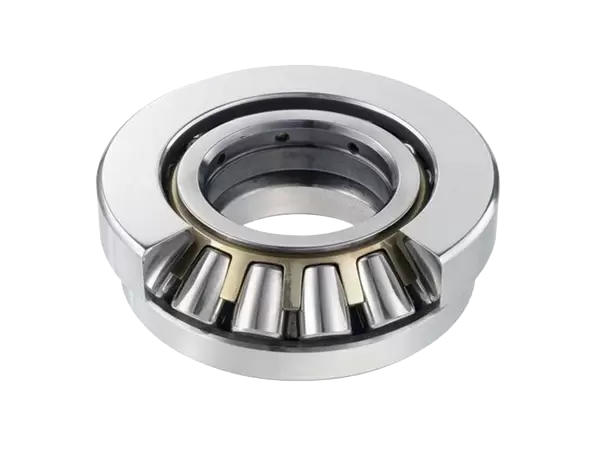
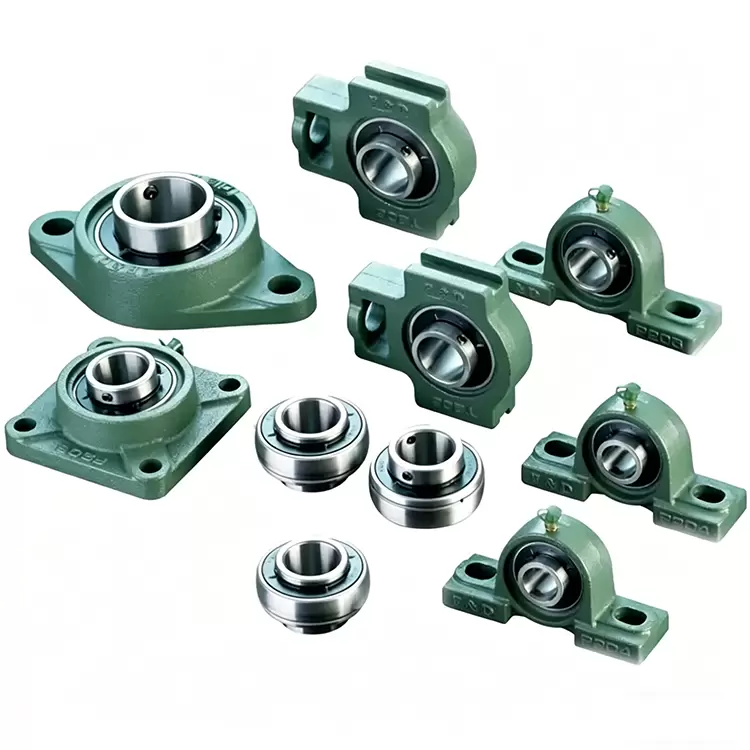
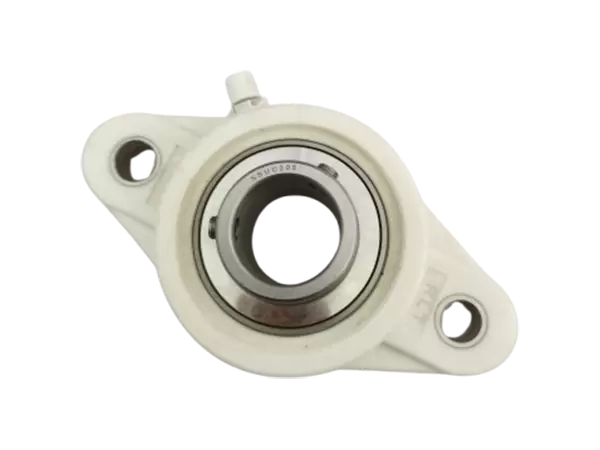
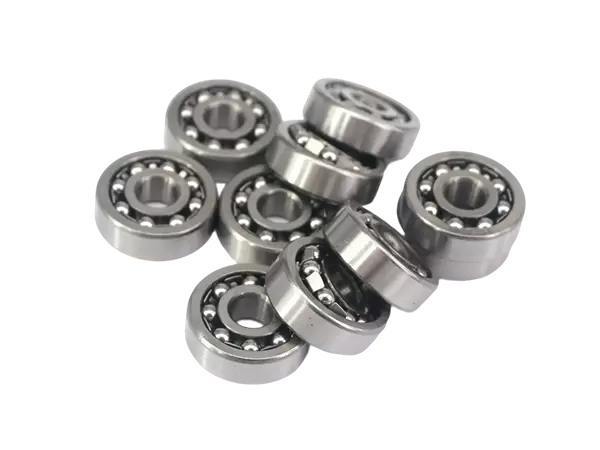
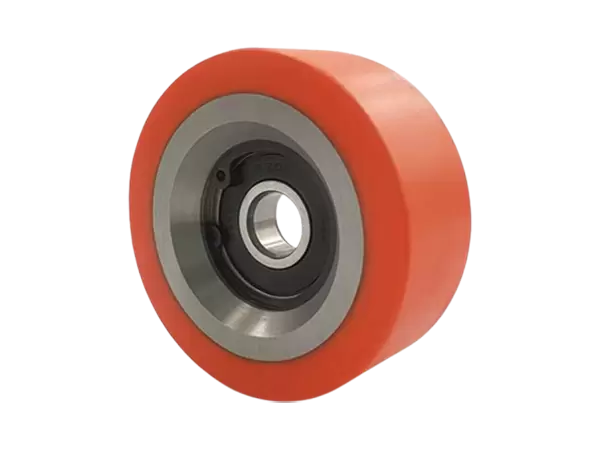
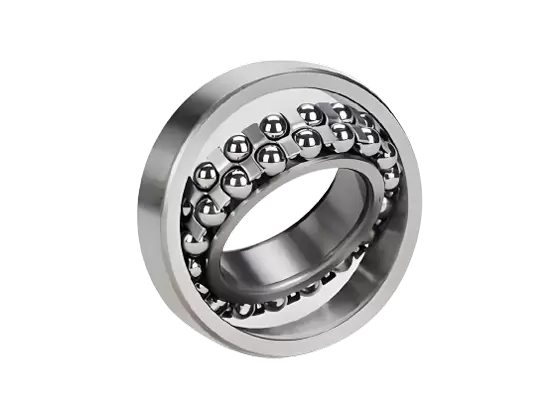
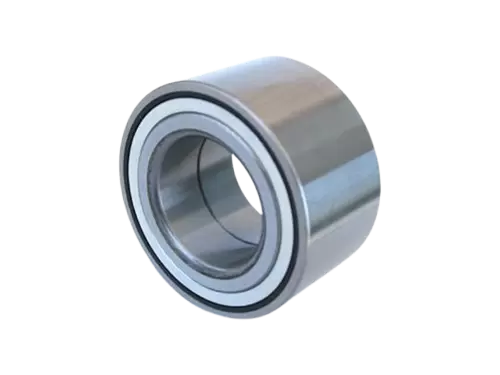
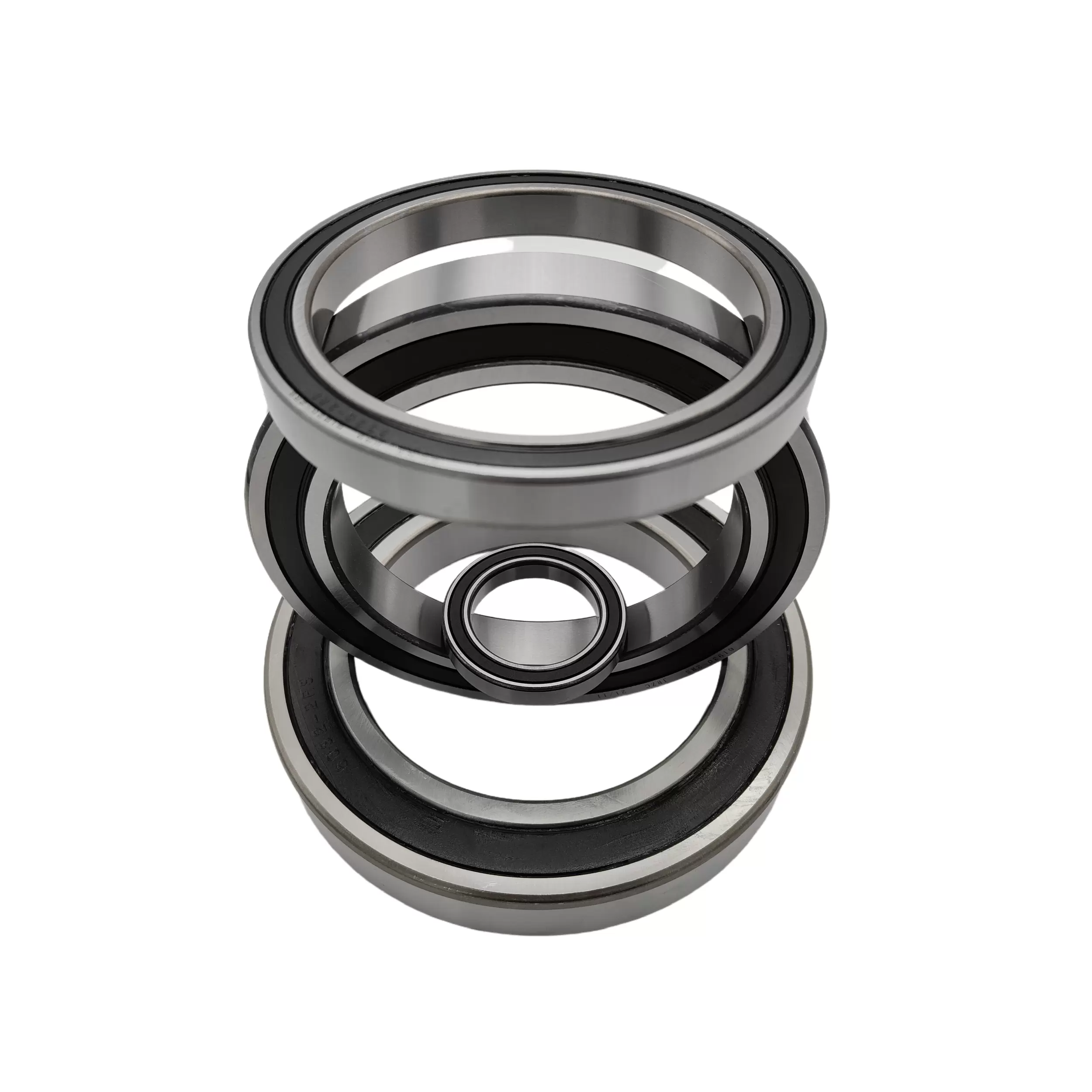
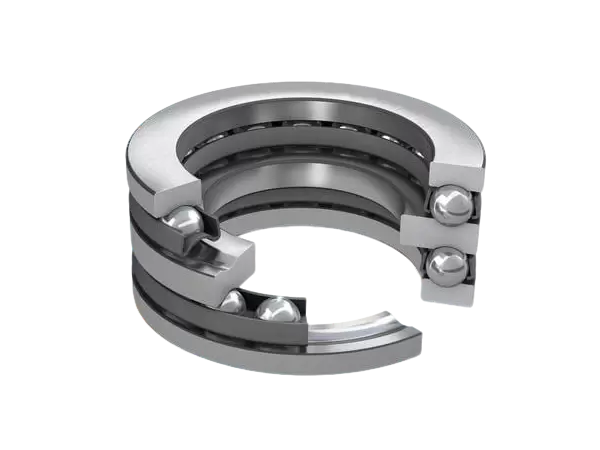
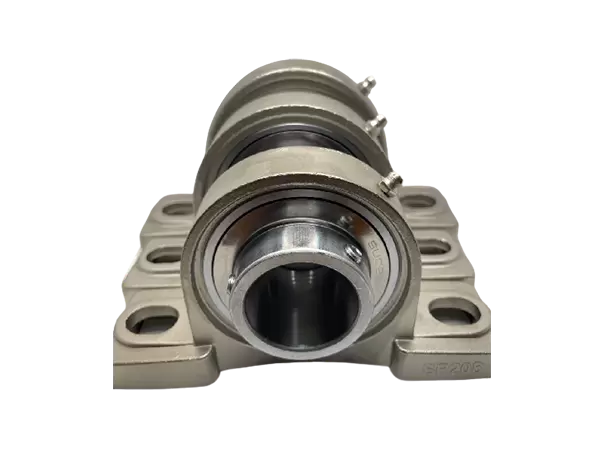
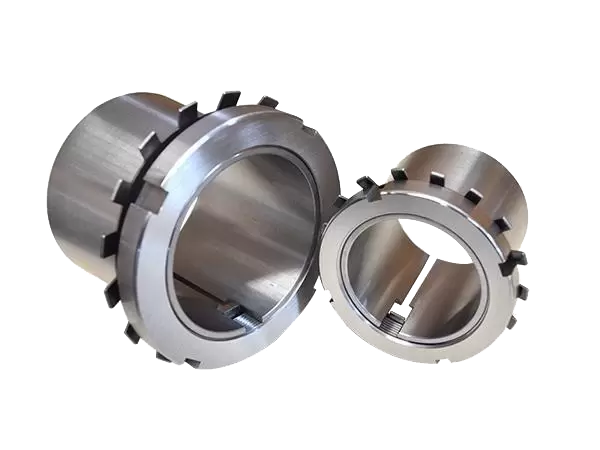
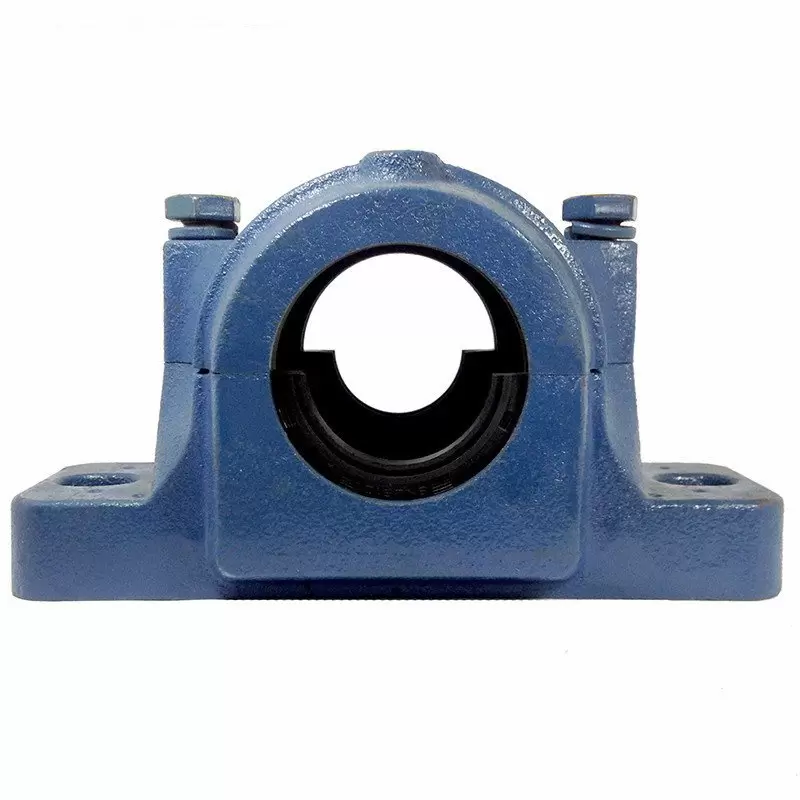
Bearings are one of the most crucial components in modern machinery, ensuring smooth operation, reducing friction, and extending the lifespan of equipment. As mechanical systems have evolved, the demand for high-quality bearings has surged, and the industry has responded with a wide range of products designed to meet diverse operational needs. In this blog post, JRZC, as high quality custom bearing china manufacturer, will share the mechanical bearing structures and complete guide to bearing components.
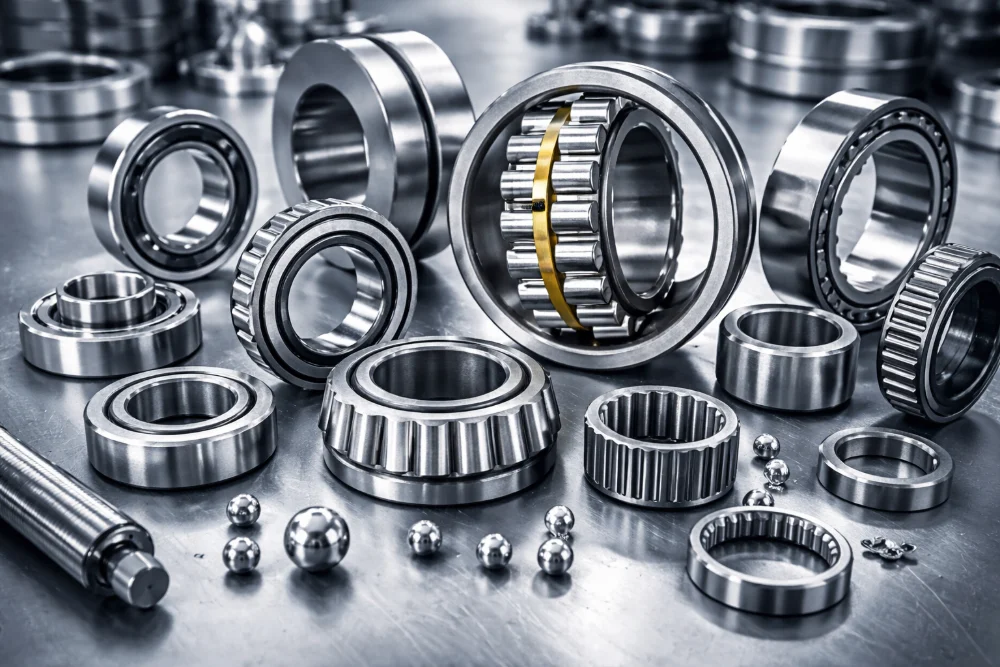
Core components of mechanical bearings
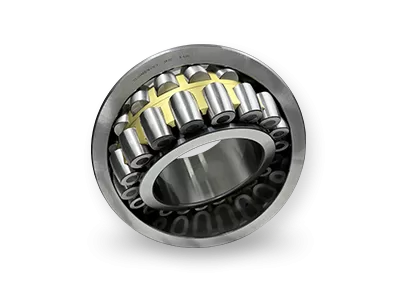
A bearing’s performance relies heavily on its internal construction, which typically consists of five fundamental components:
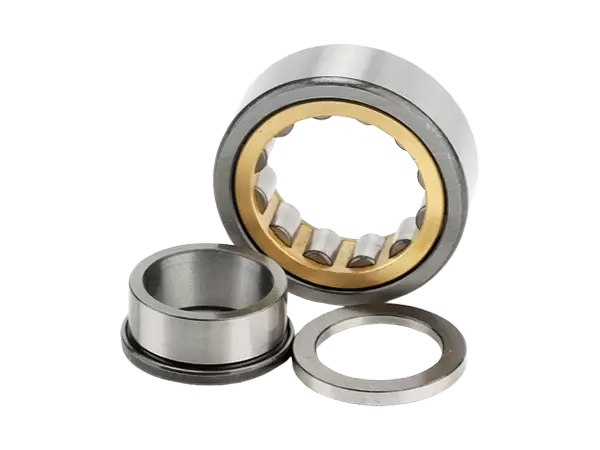
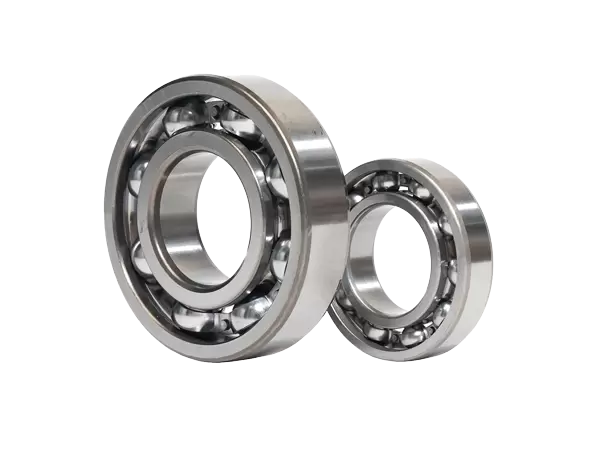
Inner ring: The inner ring usually fits tightly onto the shaft and rotates along with it. Its precision directly affects the smooth operation and alignment of the bearing. Variations include standard inner rings, extended inner rings, stepped inner rings, and cone-shaped rings in tapered roller bearings.
Outer ring: Typically stationary, the outer ring fits into a bearing housing or mechanical assembly to provide support. In some cases, the outer ring rotates while the inner ring is fixed, or both rings rotate depending on the application requirements.
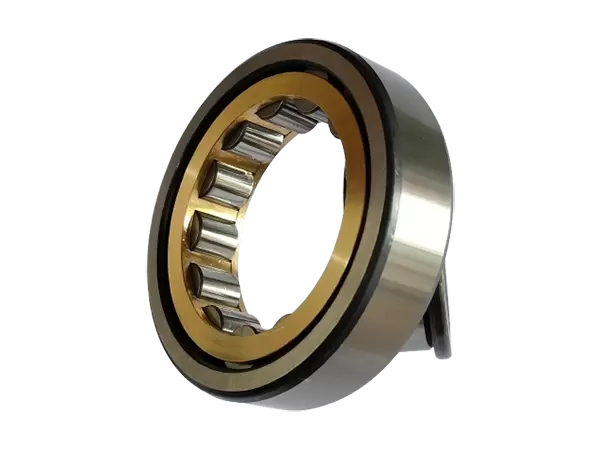
Rolling elements: These can be balls, cylindrical rollers, tapered rollers, or needles. The size, shape, and number of rolling elements determine the load capacity and efficiency of the bearing. They are evenly spaced between the inner and outer rings to reduce friction and facilitate smooth motion.
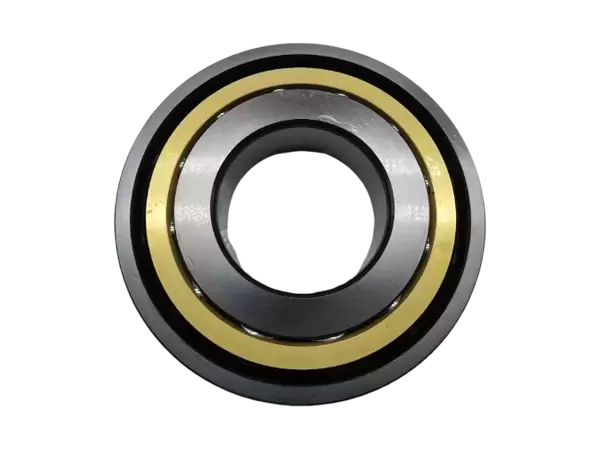
Cage (retainer): The cage keeps the rolling elements evenly spaced, guides them along their tracks, and improves internal load distribution and lubrication. Materials and design vary depending on operating conditions, including brass, steel, aluminum alloys, and advanced engineering plastics.
Lubrication system: Lubricants such as grease or oil minimize friction and wear between moving parts. In addition, lubrication protects the metal surfaces from corrosion, helps seal contaminants, and improves operational efficiency. Lubricants are often formulated with additives to enhance performance under high temperature, high load, or extreme conditions.
Detailed exploration of bearing rings
Bearing rings, the core structural elements, are meticulously engineered to maintain precision and reliability under diverse working conditions.
Types of inner and outer rings
Standard inner and outer rings: Commonly used in deep groove ball bearings and cylindrical roller bearings, providing a smooth raceway for rolling elements.
Cone and cup assemblies: In tapered roller bearings, the inner “cone” and outer “cup” handle combined radial and axial loads efficiently.
Double-race rings: Feature dual raceways to accommodate double-row roller configurations, enhancing load capacity.
Specialized designs: Flanged outer rings, spherical outer rings, and stepped inner rings cater to specific mounting requirements, alignment adjustments, or mechanical sealing needs.
Manufacturing and quality control
High-performance bearings require rigorous manufacturing steps, including:
Forging: Raw materials are heated and shaped. Overheating, internal cracks, or improper cooling can compromise ring strength, so precise thermal control is essential.
Heat treatment: Enhances hardness and durability. Continuous monitoring ensures consistent mechanical properties.
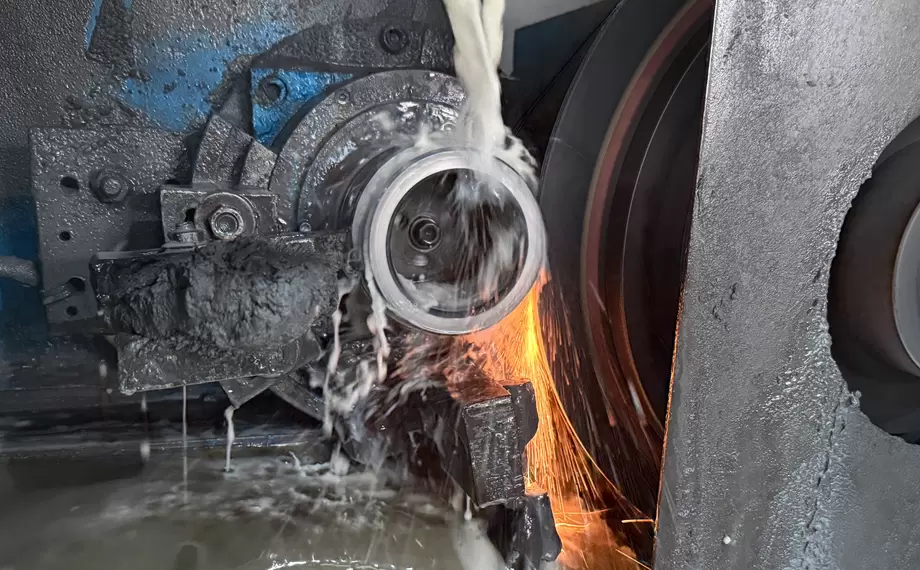
Grinding and finishing: Final raceways must be free from burns, cracks, or dimensional errors. Any defects can reduce the bearing’s operational life.
Marking and inspection: Proper material identification and dimensional checks prevent mismatches and ensure product traceability.
Correct installation of bearing rings is critical. Precision bearings must be mounted in the correct orientation; improper installation can cause unbalanced rotation and premature wear.
Rolling elements transform sliding friction into rolling friction, dramatically improving efficiency and reducing wear.
Categories of rolling elements
Balls: Ideal for applications with moderate loads and high rotational speed.
Cylindrical rollers: Offer high radial load capacity, suitable for heavy machinery.
Tapered rollers: Handle combined radial and axial loads, commonly used in automotive wheel hubs.
Needle rollers: Long, thin rollers that provide high load capacity in compact spaces.
The selection of rolling elements is influenced by load type, speed, and the mechanical bearing’s intended service environment. JRZC’s custom bearing solutions are designed to optimize these factors for each application.
Bearing cages: guiding rolling elements effectively
The cage, also known as the retainer, serves multiple functions: spacing rolling elements evenly, guiding motion, and improving lubrication distribution.
Materials and methods
Metal cages: Brass, bronze, and steel variants offer excellent mechanical strength and wear resistance.
Plastic cages: Typically made from nylon or composite polymers, reducing weight and friction in high-speed applications.
Manufacturing techniques: Include stamping, injection molding, and precision machining, each chosen to match the bearing’s operational needs.
Cage selection is particularly critical in equipment bearings that operate under high-speed or high-temperature conditions, ensuring longevity and consistent performance.
Lubrication strategies for long-lasting bearings
Lubrication is fundamental to bearing function. Lubricants reduce friction, prevent wear, and protect against corrosion.
Grease and oil systems
Grease: A semi-solid lubricant that stays in place, providing consistent lubrication. Classified into soap-based and non-soap-based varieties depending on the thickener used.
Oil: Provides better heat dissipation in high-speed applications but may require a more complex delivery system.
Key performance indicators
Dropping point: Temperature at which grease becomes fluid.
Penetration: Indicates consistency and flow properties.
Anti-wear and corrosion resistance: Ensures reliability under extreme conditions.
For custom bearing applications, lubrication is often tailored to meet the operating speed, load, and environmental exposure of the equipment.
Bearing classifications and applications
Bearings are categorized based on load direction, rolling element type, alignment capability, and size.
By load direction
Radial (deep groove) bearings: Designed primarily for radial loads.
Thrust bearings: Optimized for axial loads.
Combined load bearings: Capable of handling both radial and axial forces.
By rolling element
Ball bearings: Suitable for light to medium loads.
Roller bearings: Include cylindrical, tapered, and needle rollers, supporting higher load capacities.
By alignment capability
Self-aligning bearings: Can accommodate angular misalignment, ideal for flexible shaft arrangements.
Rigid bearings: Provide stable support where alignment is precise.
By size
Micro bearings: Outer diameter under 26 mm.
Small and medium bearings: 28–190 mm, for industrial equipment and automotive use.
Large and extra-large bearings: Over 200 mm, for heavy machinery or wind turbines.
JRZC produces a wide range of equipment bearings, from micro ball bearings to large-scale roller bearings, meeting diverse industrial requirements.
Manufacturing processes for high-precision bearings
Every component undergoes specialized manufacturing steps:
Rings: From raw bars or forged blanks to heat treatment, grinding, polishing, and final inspection.
Rolling elements: Material shaping, heat treatment, precise grinding, and quality grouping.
Cages: Stamping, molding, or machining followed by inspection and corrosion protection.
Lubrication: Grease or oil filling, with additives tailored to application needs.
Assembly: Cleaning, matching components, installation of rolling elements and cages, and final inspection.
Attention to detail at each stage ensures that JRZC bearings achieve superior load capacity, low friction, and long operational life.
Advantages and limitations of rolling bearings
Compared with sliding bearings, rolling bearings offer:
Lower friction coefficient, leading to higher transmission efficiency.
Standardization and interchangeability, enabling mass production and easy maintenance.
High mechanical strength due to hardened bearing steel.
High operational precision, critical for precision machinery.
Ability to handle combined radial and axial loads.
Reduced heat generation and lubrication requirements.
Versatility in installation orientation.
However, rolling bearings have limitations:
Load capacity is smaller than equivalent-sized sliding bearings.
Higher noise and vibration, especially over time.
Sensitivity to contamination and early failure if foreign particles enter.
Despite these limitations, the advantages of rolling bearings have allowed them to dominate many machinery and equipment bearing applications.
Applications of custom bearings in modern industry
Custom bearings are engineered for specialized applications where standard models cannot meet performance requirements. Examples include:
High-speed electric motors requiring low-friction miniature ball bearings.
Heavy-duty industrial machines relying on cylindrical or spherical roller bearings.
Automotive applications utilizing tapered roller or wheel hub bearings for combined load support.
Precision robotics where micro and miniature bearings ensure smooth, reliable motion.
JRZC’s expertise in OEM and ODM manufacturing enables tailored solutions to meet diverse performance, size, and environmental requirements.
Key considerations in bearing selection
When choosing a mechanical or equipment bearing, several factors must be considered:
Load type and magnitude: Radial, axial, or combined.
Operating speed: High-speed applications may require specialized rolling elements and lubrication.
Environmental conditions: Temperature, moisture, and exposure to contaminants.
Installation constraints: Space, alignment, and housing compatibility.
Maintenance and service life: Availability of lubrication and ease of replacement.
A carefully selected bearing maximizes efficiency, minimizes downtime, and enhances overall equipment reliability.
Conclusion
Understanding bearing structures, components, and manufacturing processes is essential for anyone involved in mechanical engineering or equipment maintenance. From inner and outer rings to rolling elements, cages, and lubrication, every aspect contributes to bearing performance and longevity. JRZC specializes in delivering high-quality, custom bearing solutions that meet exacting international standards, whether for miniature applications, heavy-duty machinery, or specialized industrial equipment.
By leveraging advanced manufacturing techniques and precision engineering, bearings continue to play a vital role in modern machinery, supporting the ever-growing demand for efficiency, reliability, and innovation.