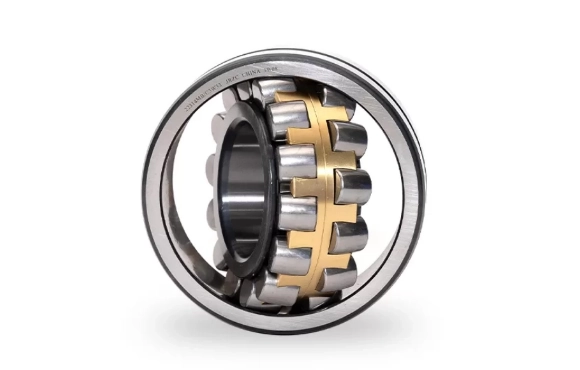
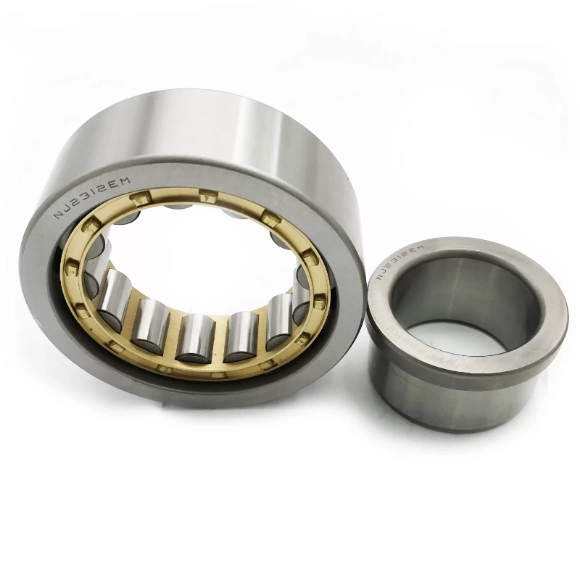
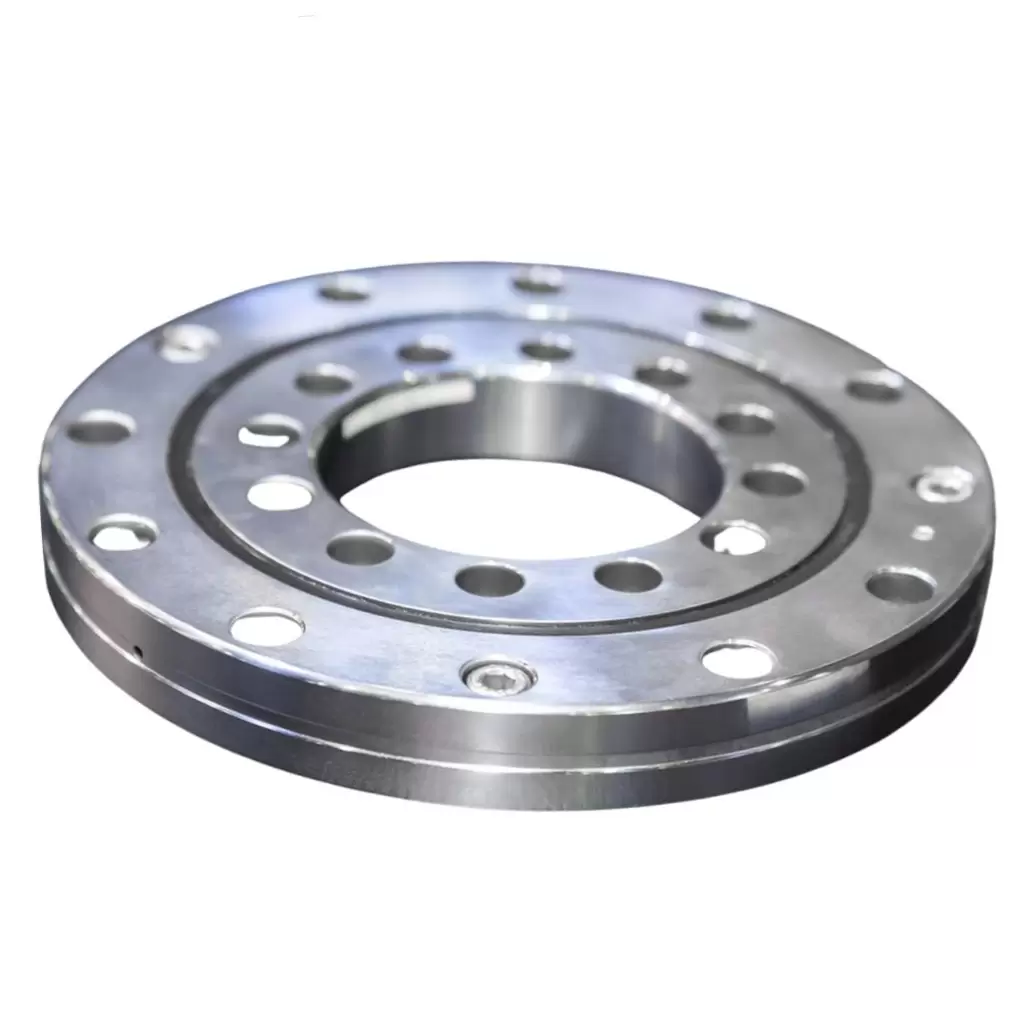
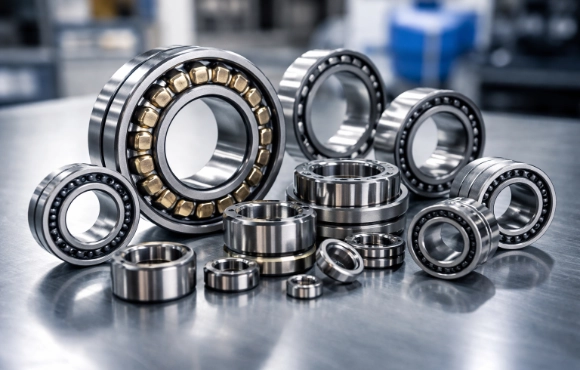
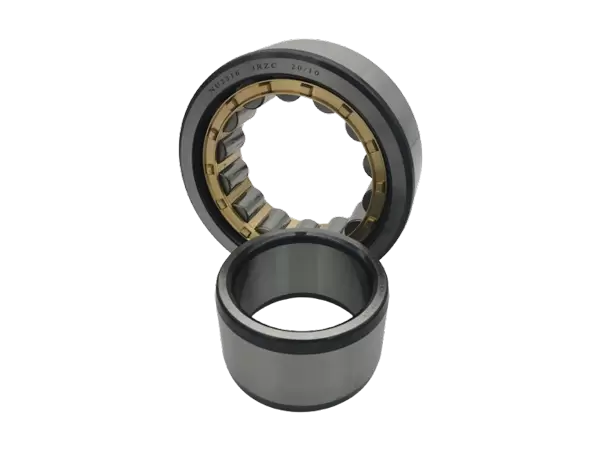
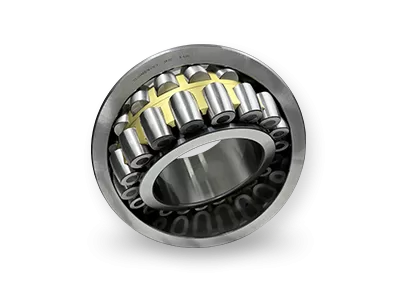
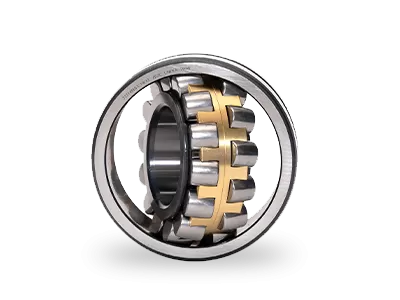
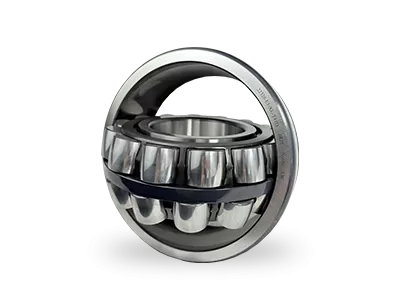
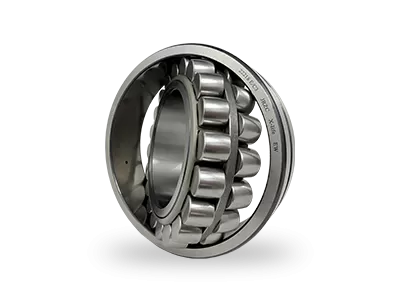
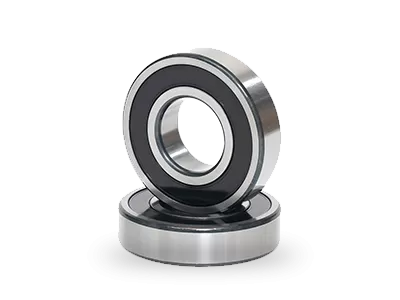
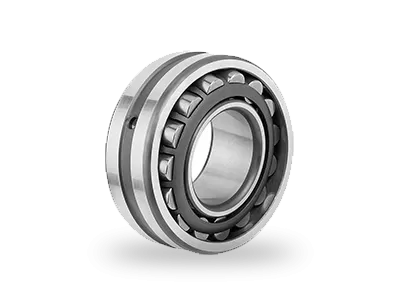
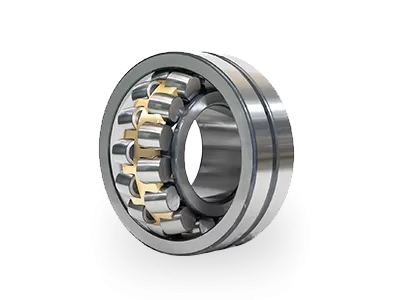
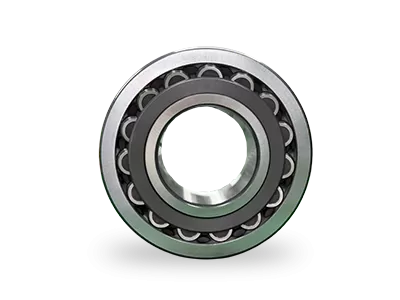
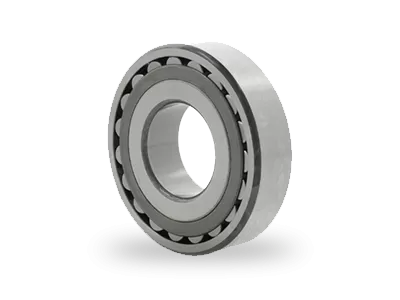
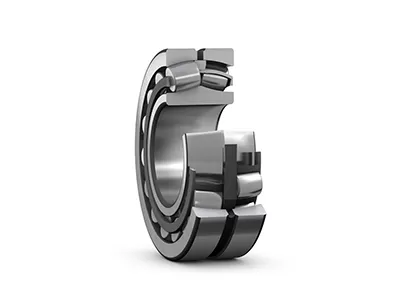
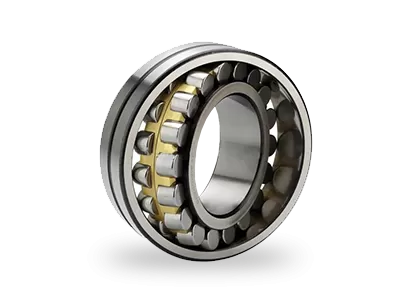
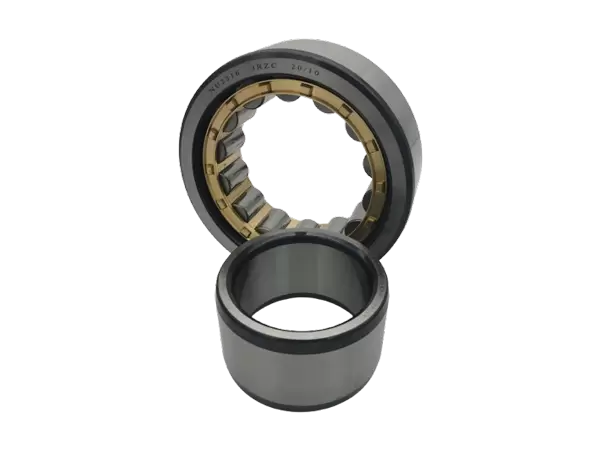
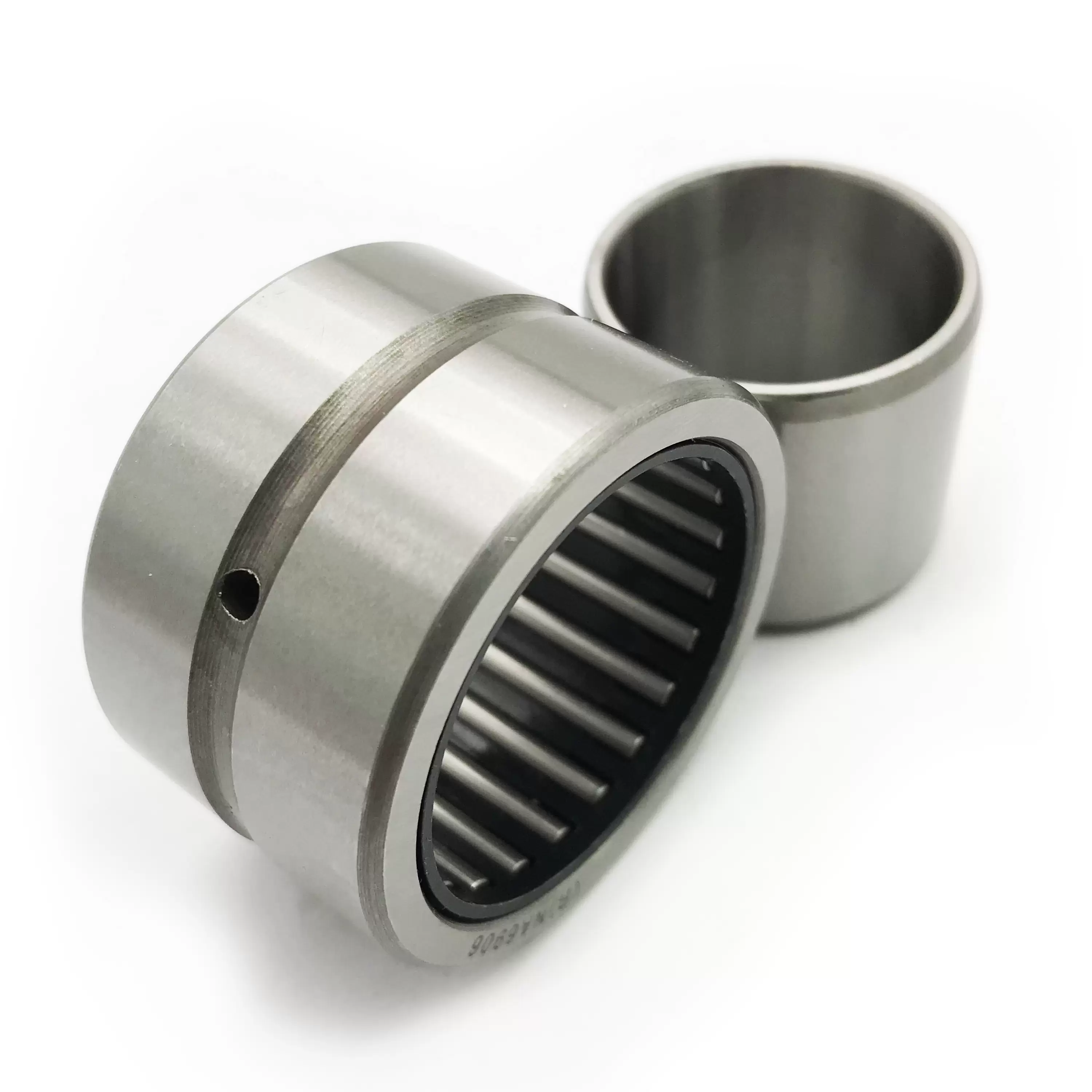
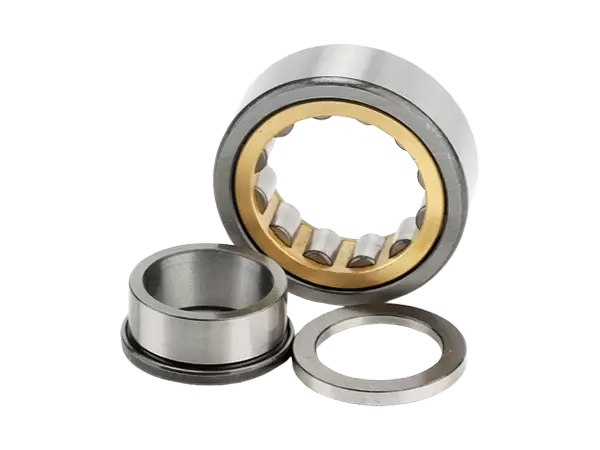
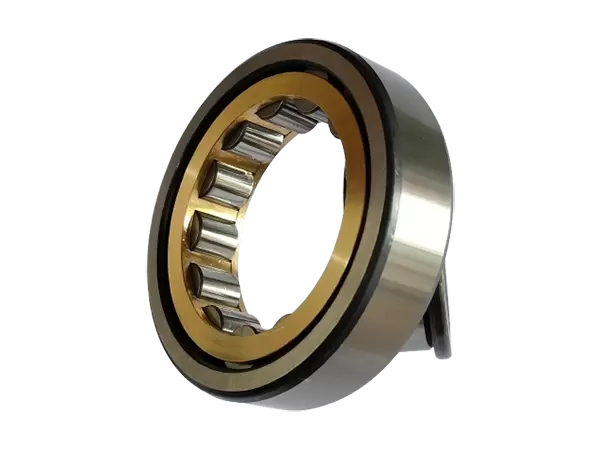
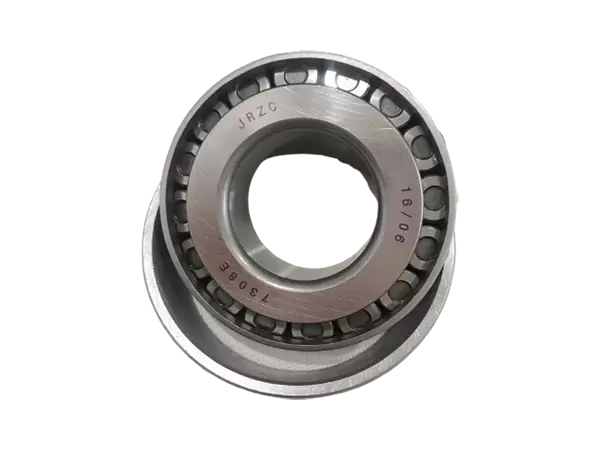
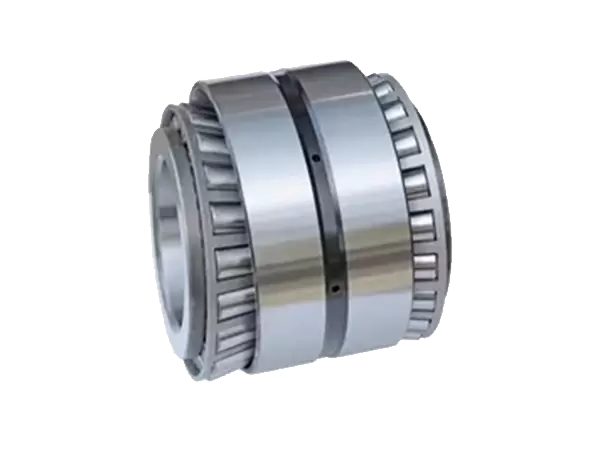
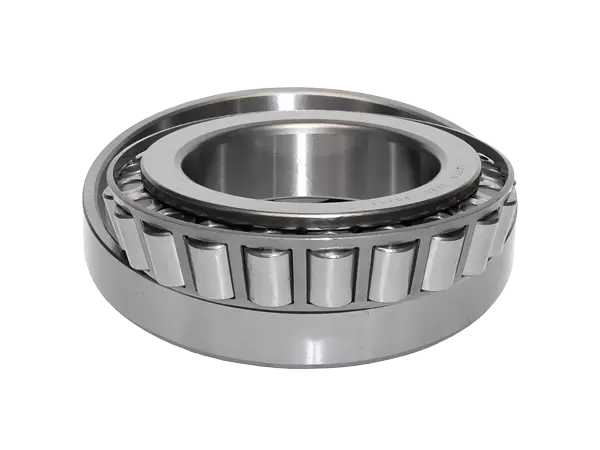
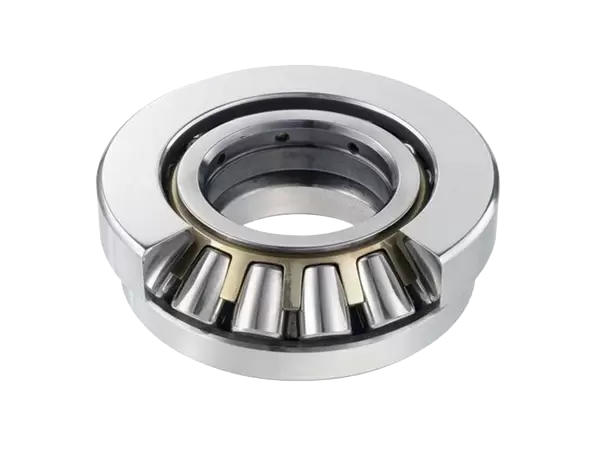
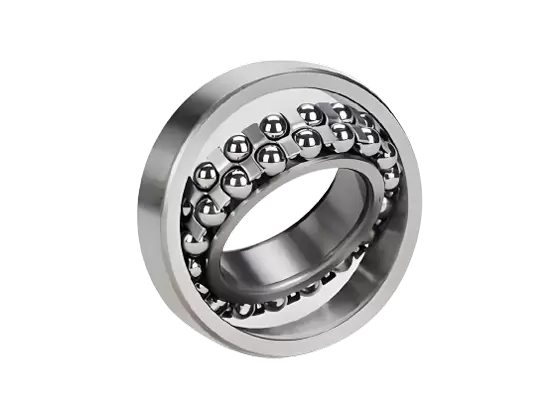
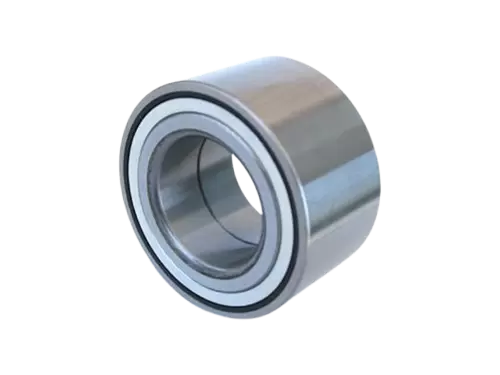
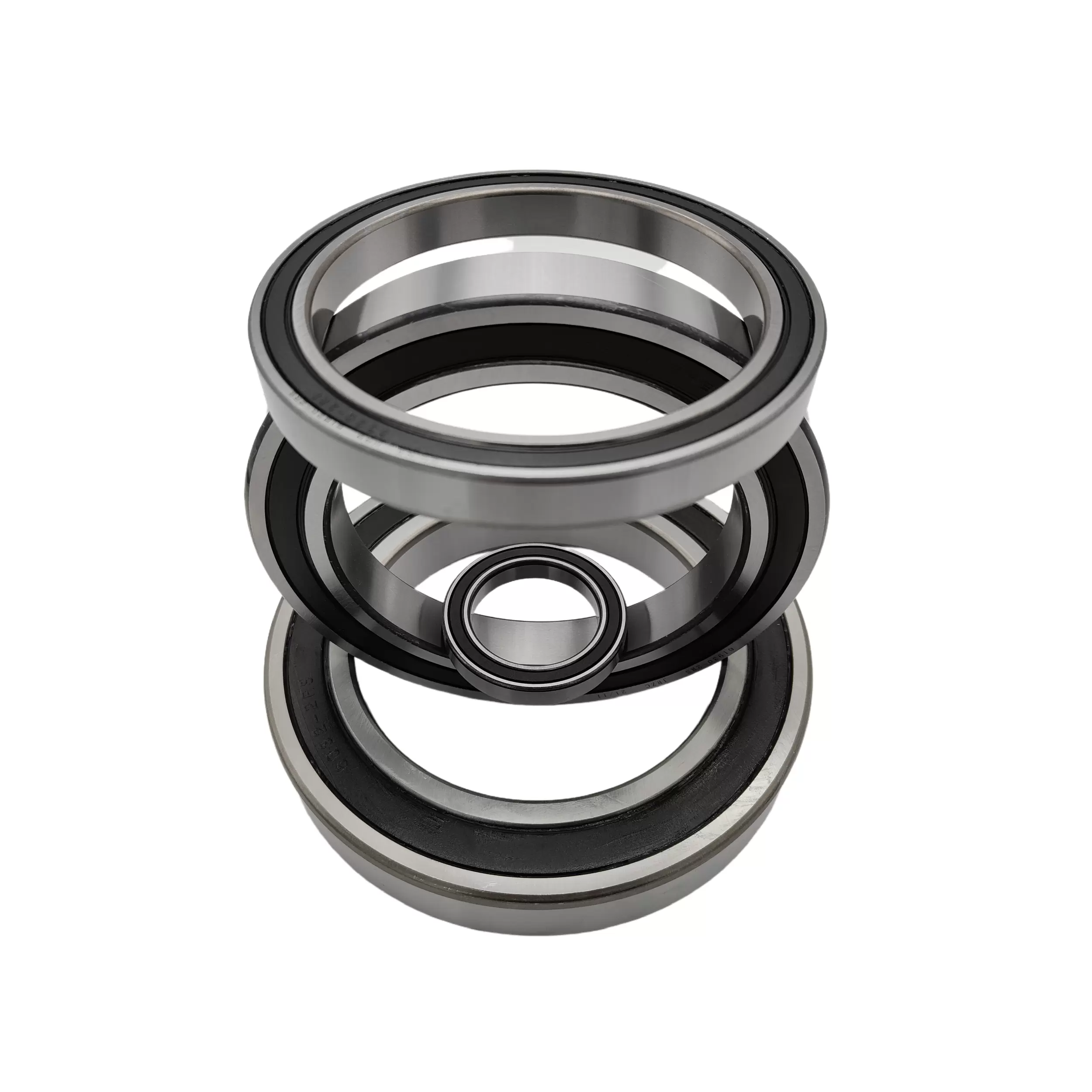
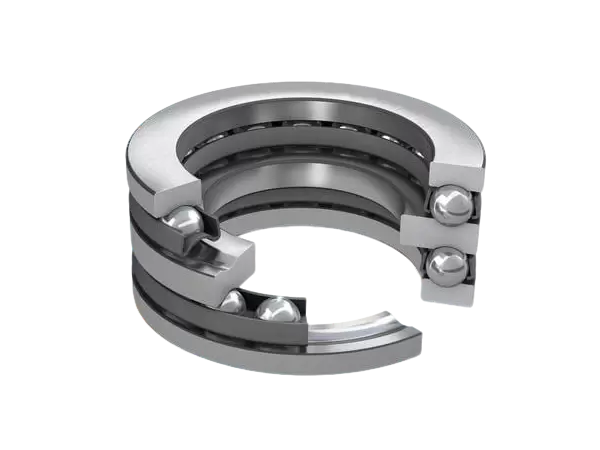
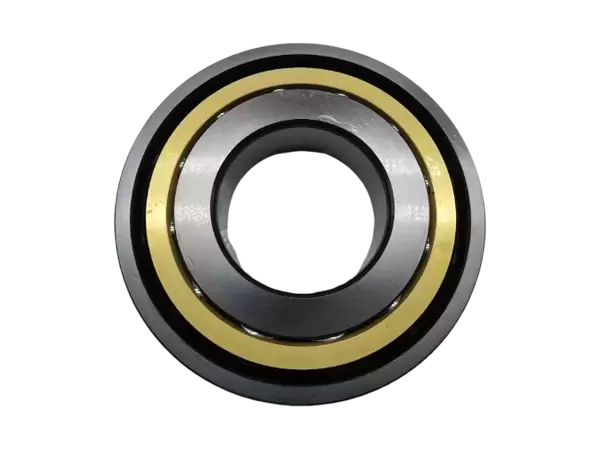
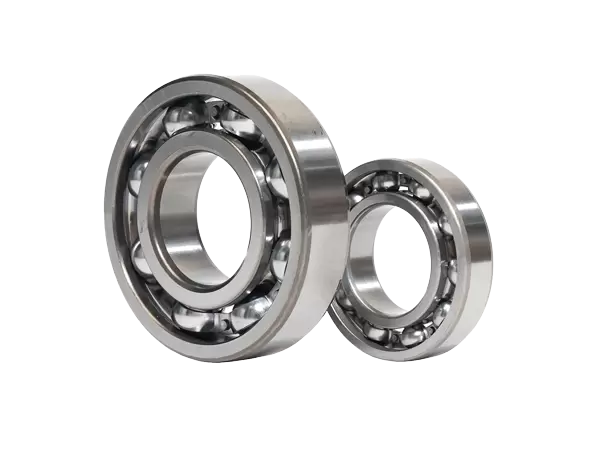
The manufacturing of bearings is a precise and complex process, primarily divided into two main stages: component processing and final assembly. First, the four main parts
of a bearing—the inner ring, outer ring, rolling elements (steel balls or rollers), and cage—need to be produced separately through different processes. Then, these inspected
and qualified components are assembled into the finished bearing product.
Below are the processing steps for each main component and the final bearing assembly process:
| Components | Main Processing Flow | Key Notes |
| Inner Ring & Outer Ring | Bar stock/Tube → Forging → Turning → Heat Treatment → Grinding → Superfinishing → Final Inspection → Rust- proofing & Storage | Forging creates a dense material structure, enhancing bearing life; heat treatment improves wear resistance and hardness; grinding and superfinishing are critical steps to ensure the final precision and surface quality of the bearing. |
| Steel Balls | Bar stock/Wire rod → Cold Heading → Flashing → Heat Treatment → Hard Grinding → Fine Grinding → Lapping → Final Inspection & Grouping → Rust-proofing, Packaging & Storage | Cold heading forms the ball blank; multiple stages of grinding and lapping enable the steel balls to achieve extremely high precision and surface finish. They are finally grouped by precise size to ensure accurate matching with the inner and outer rings. |
| Rollers | Bar stock/Wire rod → Turning/Cold Heading → Soft Grinding → Heat Treatment → Rough/Fine Grinding of O.D. & End Faces → Final Inspection & Grouping → Rust-proofing, Packaging & Storage | The manufacturing of rollers also emphasizes precision. The grinding quality of their end faces and outer diameter is crucial to bearing performance. |
| Cages | Pressed Cage: Sheet metal → Shearing → Press forming & Sizing → Surface Treatment → Final Inspection → Rust-proofing, Packaging & Storage | Pressed cages offer high efficiency and are suitable for mass production. Solid cages are typically used for large or high-speed bearings, machined to achieve higher strength and precision. |
| Solid Cage: Tube/Bar stock/Forging → Turning → Drilling/Punching → Final Inspection → Rust-proofing, Packaging & Storage |
|
🔩 Finished Bearing Assembly Process
Once all components (inner ring, outer ring, rolling elements, and cage) have been machined and have passed inspection, they are sent to the assembly workshop for matching and assembly. A typical assembly process is as follows:
Component Degaussing and Cleaning: Removes any magnetism and surface contaminants acquired during machining and handling.
Dimension Grouping and Selection of Inner/Outer Ring Raceways: Based on precision measurement results, the inner rings, outer rings, and rolling elements
with similar dimensions are grouped together. This is a critical step to ensure the finished bearing has the correct internal clearance and precision after assembly.
Matching and Assembly: Assembles the components that have been paired into groups.
Clearance Inspection: Measures and verifies that the bearing's internal clearance meets the design requirements.
Riveting the Cage: Rivets the cage securely, making the cage and rolling elements an inseparable unit (for non-separable bearing types).
Final Inspection: Conducts comprehensive checks on the assembled finished bearings, including rotational flexibility, vibration, noise, and appearance.
Degaussing and Cleaning: Performs a final cleaning and degaussing treatment on the finished bearings.
Rust Prevention and Packaging: Applies rust-preventive oil, packages the bearings, and finally places them into storage.