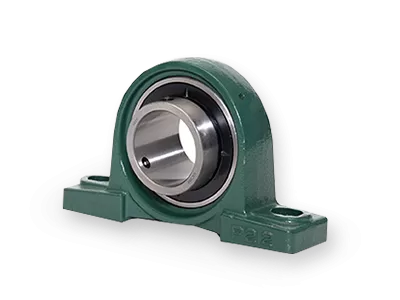
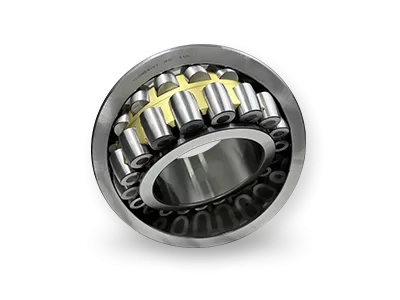
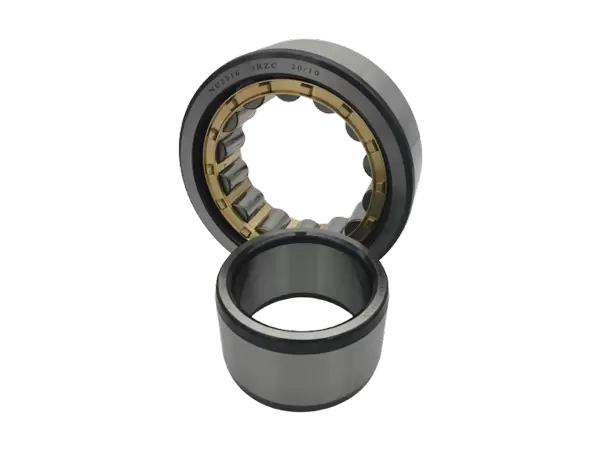
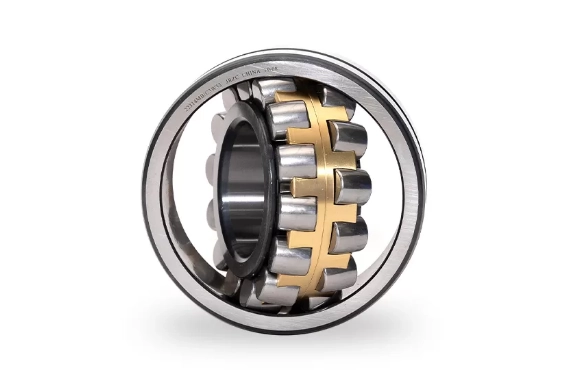
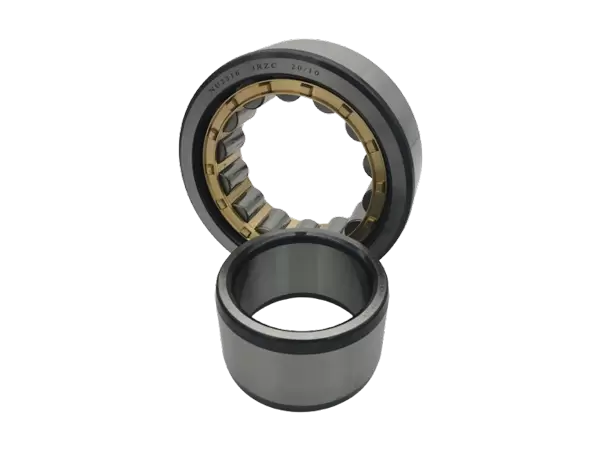
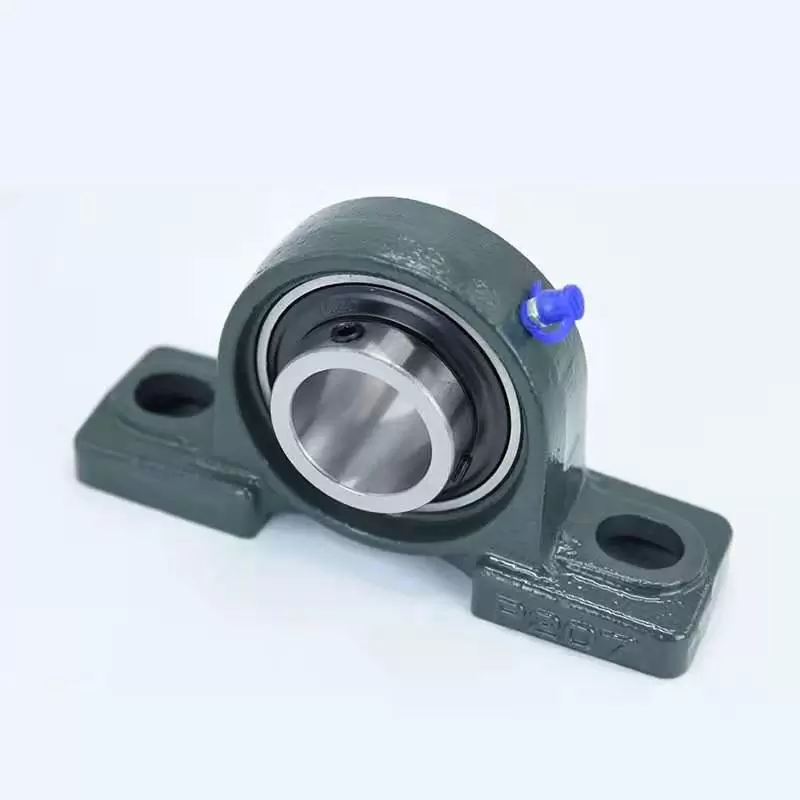
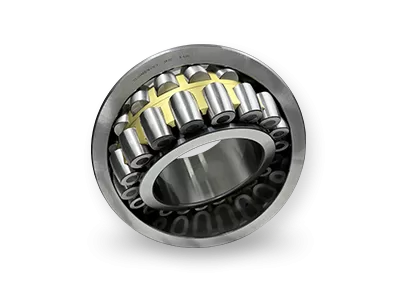
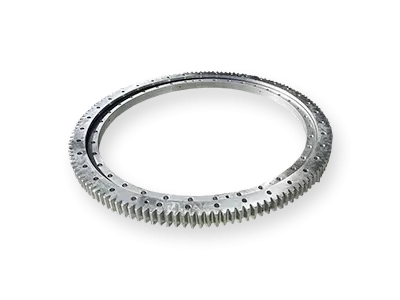
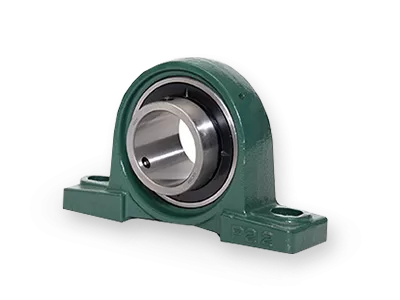
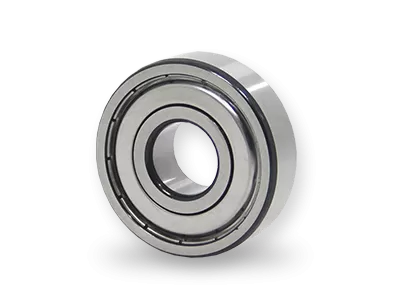
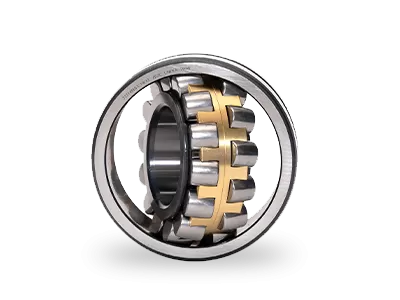
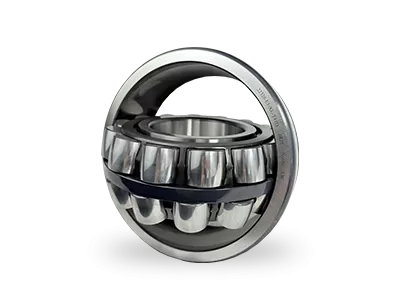
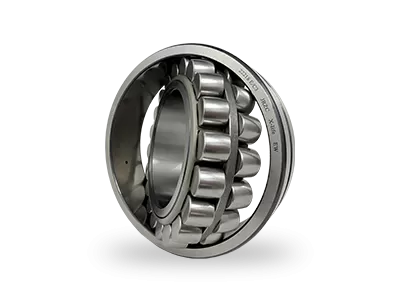
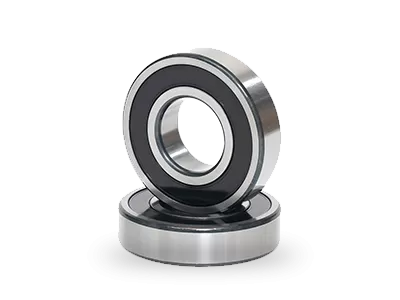
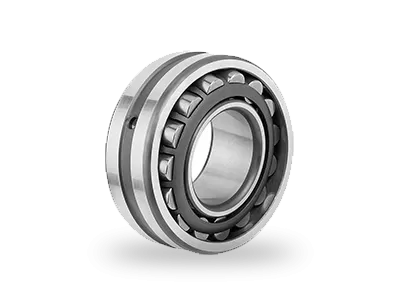
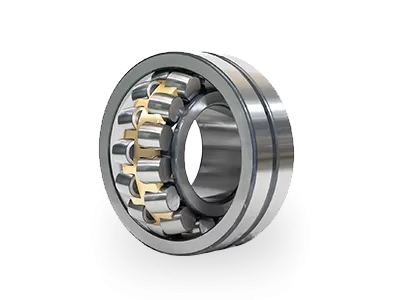
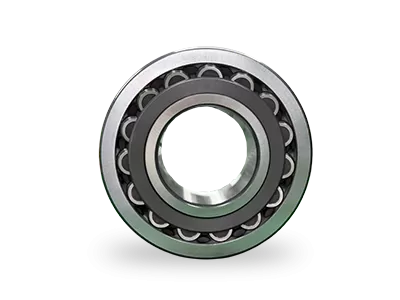
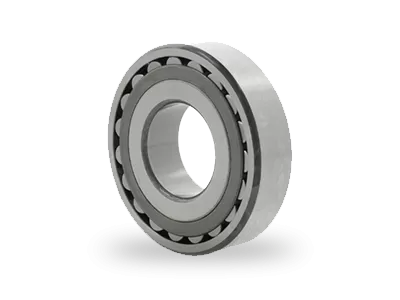
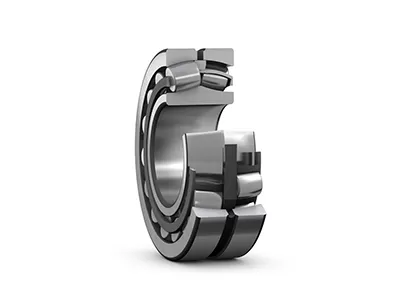
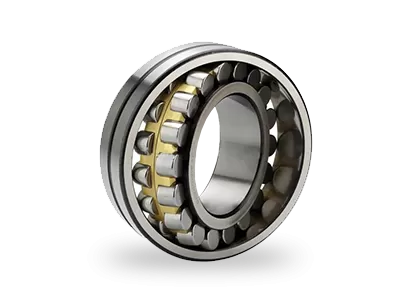
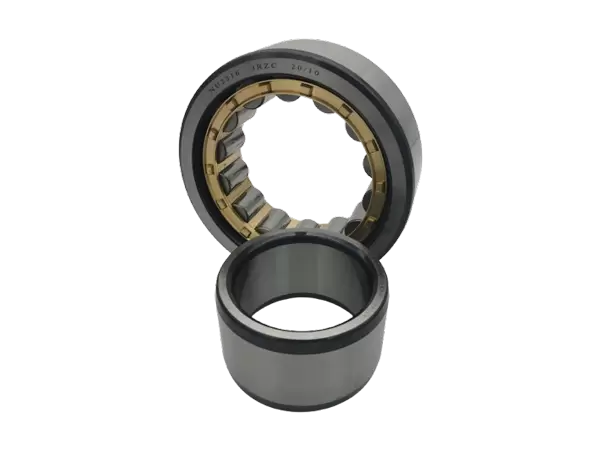
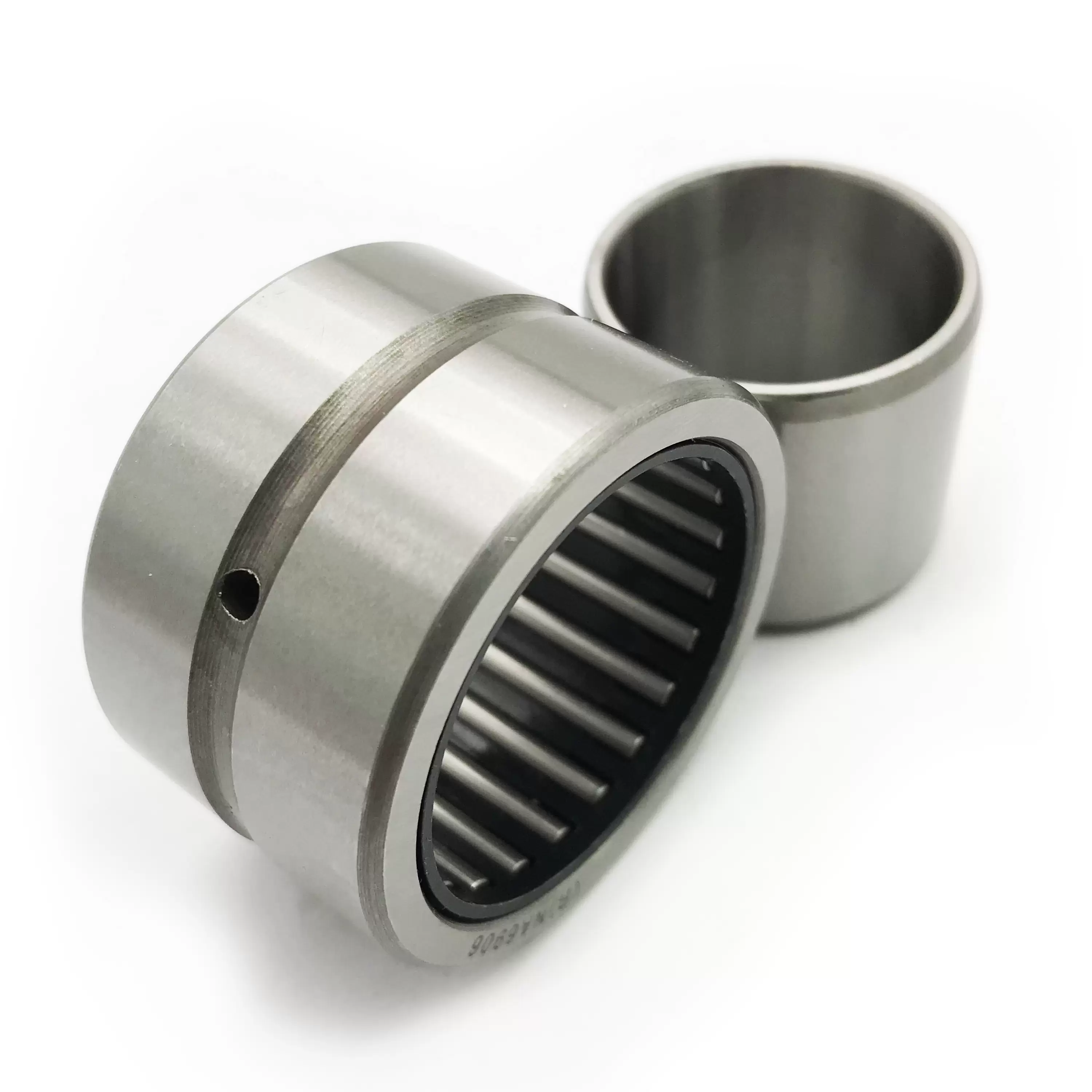
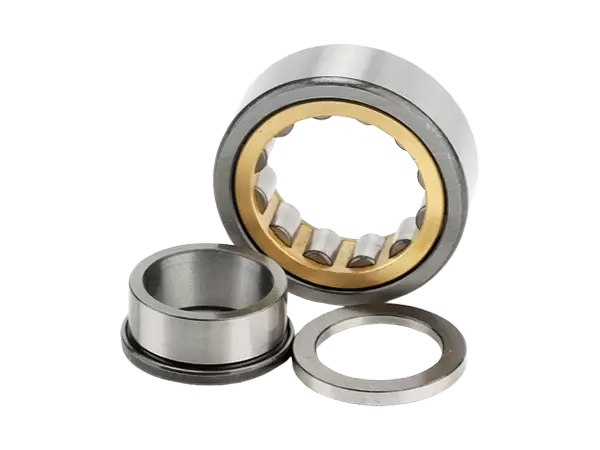
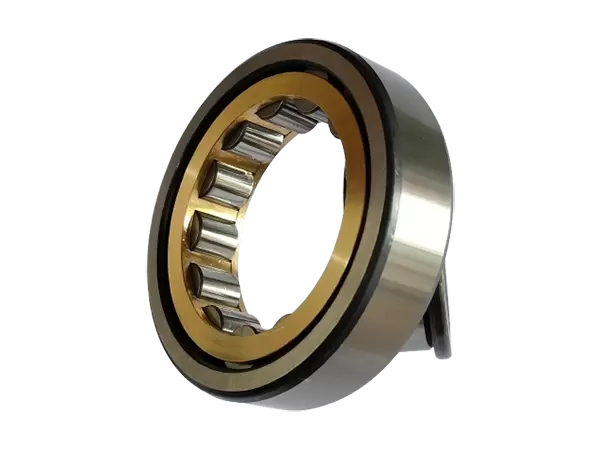
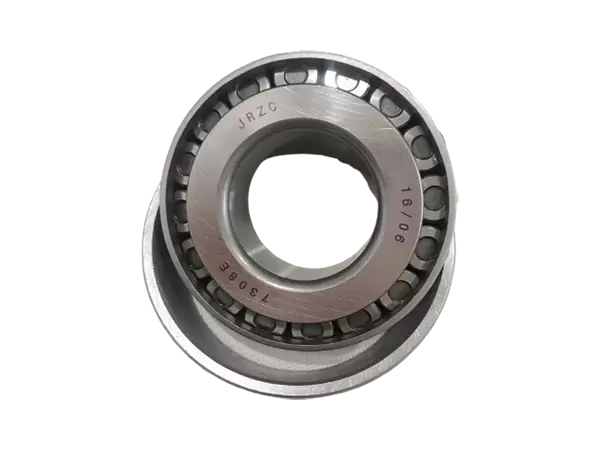
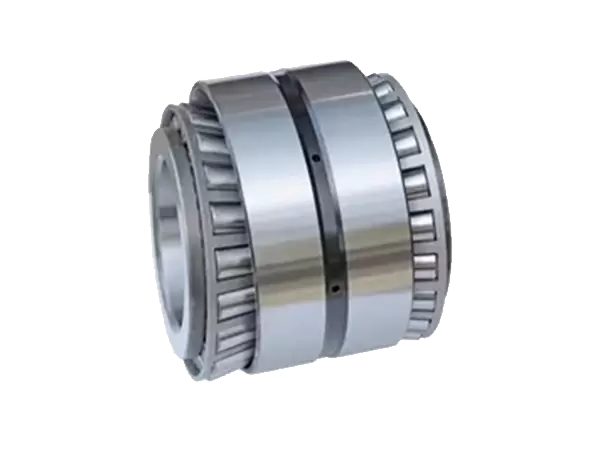
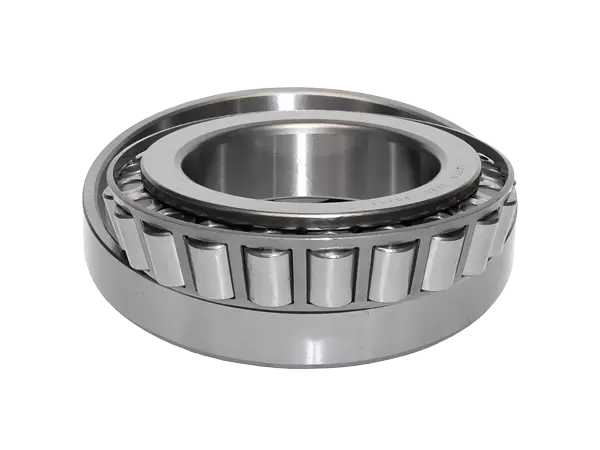
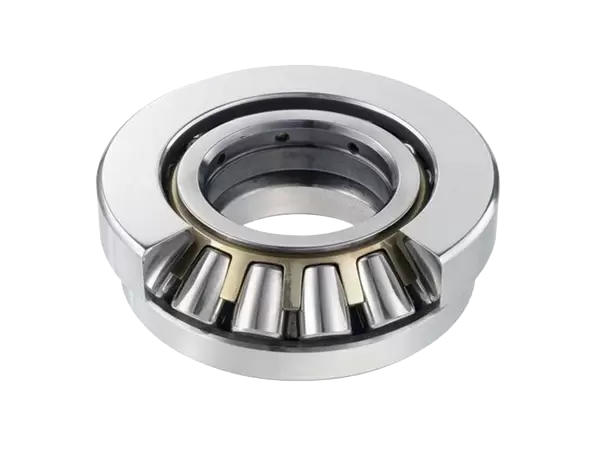
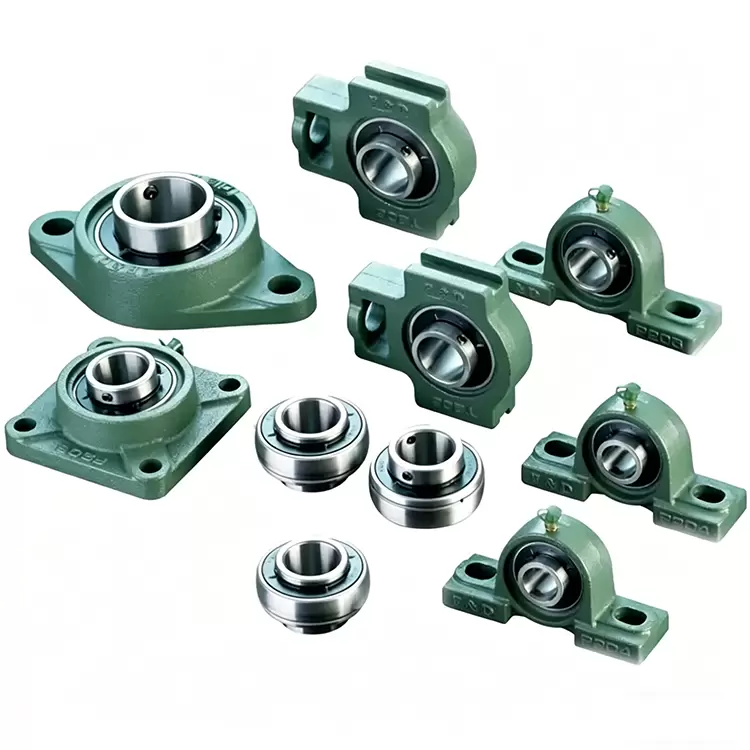
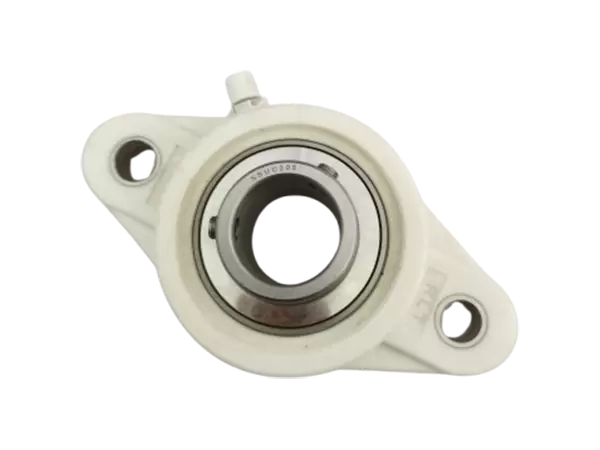
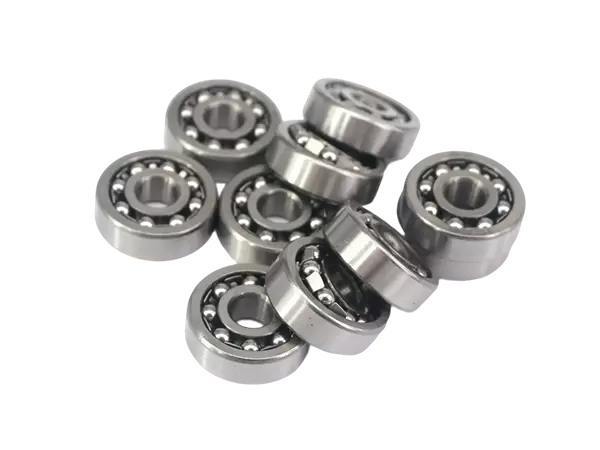
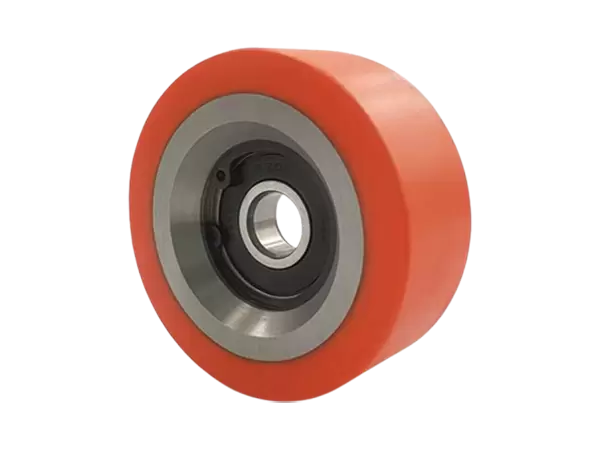
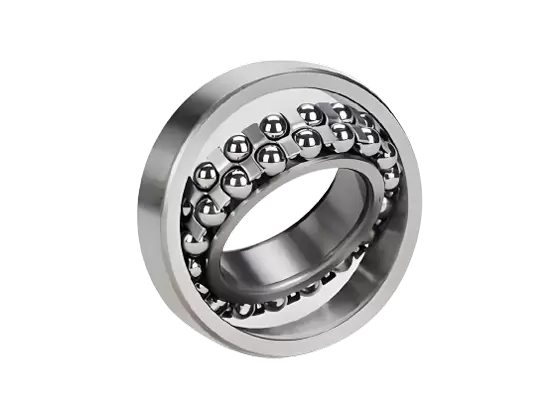
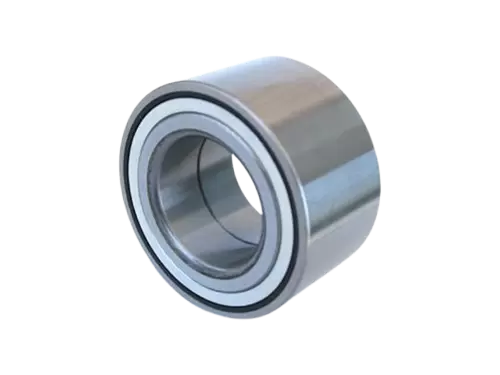
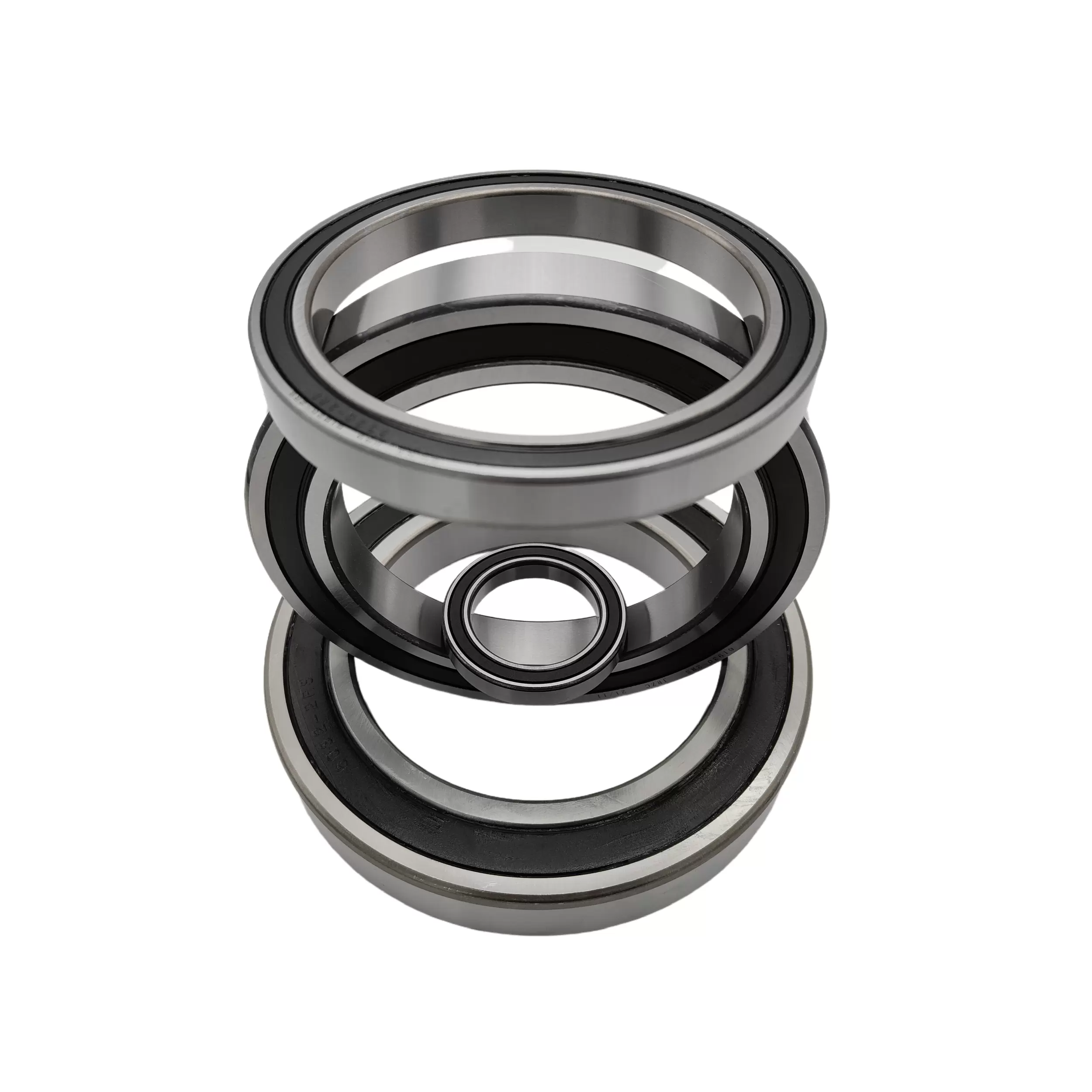
In industrial machinery, heavy load bearings play a critical role in ensuring smooth operation, efficiency, and safety. Yet even the most robust bearings can face issues like overheating and abnormal noise. Ignoring these symptoms can lead to catastrophic failures, costly downtime, and maintenance headaches. In this blog post, JRZC, as high precision bearings manufacturing factory, will share how to respond to overheating and noise in heavy load bearings to extend service life and maintain equipment reliability.
Understanding Overheating and Noise in Heavy Load Bearings
Overheating and unusual noise are often the earliest warning signs of bearing problems. For heavy load bearings, these issues are particularly critical because the applied forces are significantly higher than in standard applications, accelerating wear and potential failure.
Common causes include:
Excessive load beyond the bearing’s rated capacity
Improper lubrication or lubricant degradation
Misalignment or installation errors
Contamination by dust, debris, or moisture
Material fatigue or surface damage
Recognizing the early signs allows maintenance teams to take proactive action, preventing minor issues from escalating into full bearing failure.
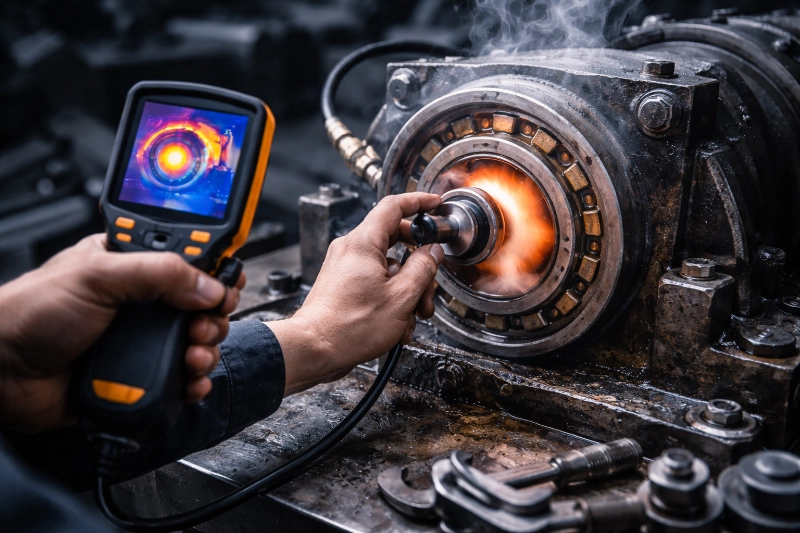
Types of Bearing Issues That Cause Heat and Noise
1. Wear-Related Problems
Normal Wear: Long-term operation gradually reduces material thickness but typically does not affect function.
Abnormal Wear: Caused by poor lubrication, foreign particle ingress, or installation errors. Abnormal wear can result in friction, heat generation, and surface scratches that contribute to noise.
Fretting or Micro-Movement Wear: Even slight vibrations or loose fits can cause small-scale oxidation wear, leading to pitting and audible rattling in heavy load bearings.
2. Fatigue Failures
Surface Fatigue: Repeated stress leads to small cracks or pitting on the bearing raceway or rolling elements. Early-stage pitting produces subtle noise, which becomes more pronounced as material flakes off.
Subsurface Fatigue: Cracks originating below the surface eventually emerge, causing noticeable vibration, heat buildup, and irregular noise patterns.
3. Corrosion
Moisture-Induced Corrosion: Water or humidity ingress causes rust, increasing friction and local temperature.
Frictional Corrosion: Microscopic relative movements between bearing parts can trigger chemical reactions, producing noise and heat.
Electrical Corrosion: Currents passing through bearings can create tiny pits, sometimes accompanied by a faint buzzing sound.
4. Plastic Deformation and Overload
Overload Indentations: Excessive static or dynamic forces deform the bearing surface, increasing contact stress, generating heat, and producing a metallic ringing or scraping sound.
Installation Damage: Improper installation methods, such as hammering or misalignment, can cause permanent surface indentation and local heating during operation.
Diagnosing Overheating and Noise in Heavy Load Bearings
Vibration Analysis
Vibration monitoring is the most common and effective diagnostic tool for detecting early bearing issues. Key methods include:
Time-Domain Analysis: Measures peak, RMS, and crest factor to assess abnormal behavior.
Frequency-Domain Analysis (FFT): Identifies characteristic frequencies associated with specific bearing defects.
Envelope Detection: Enhances the detection of impulse-like signals caused by localized defects.
Wavelet Analysis: Useful for non-stationary vibration signals, common in heavy load applications.
Temperature Monitoring
Temperature is a direct indicator of abnormal friction or load conditions:
Normal Operation: 20–40°C above ambient
Warning Level: 10–15°C above normal
Danger Level: Above 90°C for standard bearings, 120°C for high-temperature variants
Continuous temperature logging helps identify trends that precede failure.
Acoustic Monitoring
Noise analysis can detect subtle early-stage issues:
Normal Noise: Continuous, even “swooshing” or “whirring” sound
Fault Noise: Periodic impacts, metallic scraping, or squealing
Advanced Techniques: Acoustic emission sensors can detect tiny micro-cracks and early spalling before vibration signatures are clear.
Lubricant Analysis
Lubrication plays a decisive role in heat reduction and noise control:
Ferrous Particle Analysis: Detects wear debris shape, size, and composition
Spectral Analysis: Measures metal content in oil, indicating abnormal wear
Physical & Chemical Checks: Viscosity, acid number, and water content reveal lubricant degradation that may cause overheating
When abnormal heat or noise is detected in heavy load bearings:
Document Symptoms: Record temperature, vibration, and noise characteristics.
Check Lubrication: Replenish or replace degraded lubricant.
Inspect Load Conditions: Ensure that the applied forces are within rated capacity.
Reduce Load if Possible: Operate at reduced speed or torque while monitoring.
Plan Shutdown: Prepare for inspection and repair before significant damage occurs.
Inspection and Repair Process
Disassembly and Inspection
Preparation: Use proper tools, clean the area, and record original bearing position.
Removal: Apply mechanical pullers or controlled heating (≤110°C) for press-fit bearings.
Cleaning and Inspection: Use appropriate solvents to remove oil and debris, measure critical dimensions (inner diameter, outer diameter, radial clearance), and check for pitting, corrosion, or deformation.
Fault Analysis
| Symptom | Possible Cause | Verification Method |
|---|
| Even wear | Normal lifespan | Review operating hours and load history |
| One-sided wear | Misalignment | Check shaft straightness and bearing alignment |
| Pitting | Fatigue or overload | Examine load history and lubrication records |
| Discoloration | Overheating | Inspect temperature logs and cooling system |
| Rust | Moisture ingress | Check seals and operating environment |
Repair or Replacement Decisions
Repairable Cases:
Replacement Cases:
Cracks, spalling covering >10% of surface
Severe plastic deformation or oversize wear
Fatigue-induced fractures
Proper Installation and Testing
Correct installation ensures longevity of heavy load bearings:
Preparation: Clean all mating surfaces, verify tolerances, and select appropriate tools
Installation Methods:
Mechanical pressing for small bearings
Heat-fitting for large interference fits (≤120°C)
Cooling method for shafts with tight interference
Post-Installation Checks: Measure radial and axial clearance, verify smooth rotation, and inspect seals
Test Run: Gradually load bearings while monitoring temperature, vibration, and noise to establish baseline performance
Preventive Maintenance Strategies
Lubrication Management
Use low-viscosity oil for high-speed operation and heavy load grease for low-speed, high-load conditions
Ensure 30–50% internal fill, follow scheduled replenishment, and replace degraded lubricant promptly
Condition Monitoring
Daily inspections: temperature, noise, leakage
Weekly/monthly: vibration and temperature measurements
Quarterly/semiannual: detailed vibration analysis
Trend tracking to predict remaining service life
Installation Standardization
Environmental Control
Prevent dust, debris, water, and electrical current from reaching bearings
Maintain working temperatures within rated limits
Special Considerations for Heavy Load Bearings
High-Speed Applications: Focus on balance, lubrication type, and preload control to prevent overheating
High-Load Applications: Ensure adequate lubricant film thickness and cooling measures
High-Temperature Conditions: Use high-temperature bearings and lubricants
Corrosive Environments: Opt for stainless steel or coated bearings and shorten inspection intervals
Conclusion
Managing overheating and noise in heavy load bearings requires a comprehensive approach combining monitoring, maintenance, and installation best practices. The key principles for reliability include:
Preventive Focus: Select the right bearing, install correctly, and maintain properly
Early Detection: Use vibration, temperature, and noise monitoring systems
Accurate Diagnosis: Apply multiple diagnostic techniques for confirmation
Appropriate Response: Repair or replace based on fault severity and working conditions
Continuous Improvement: Learn from past failures to optimize future maintenance strategies
By following these experience-based strategies, maintenance teams can minimize unplanned downtime, extend bearing life, and ensure the safe operation of heavy load machinery.