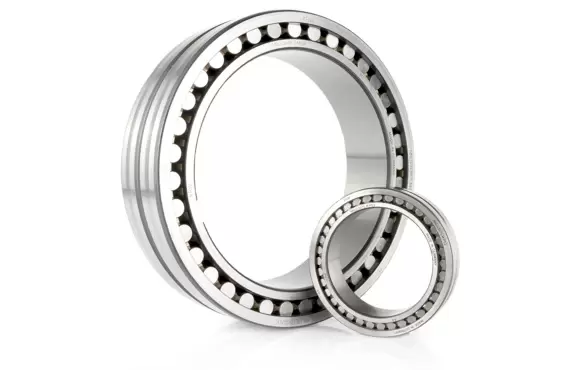
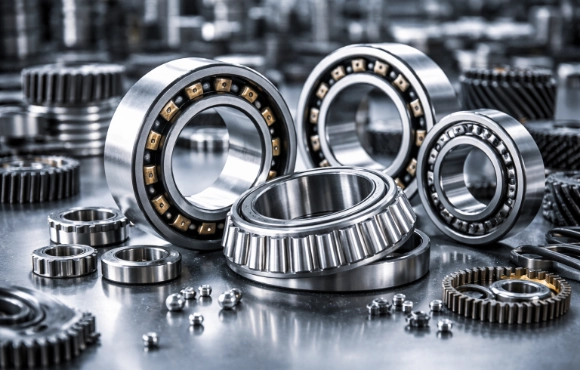
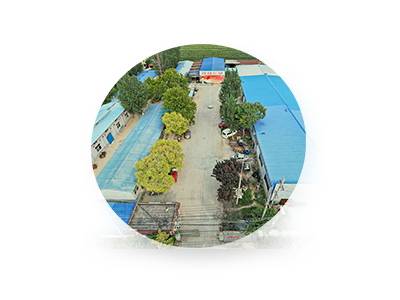
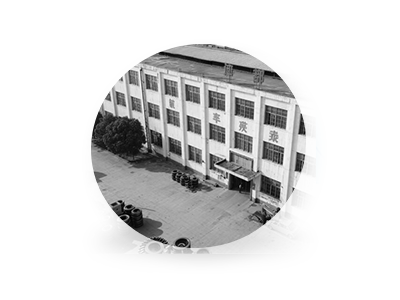
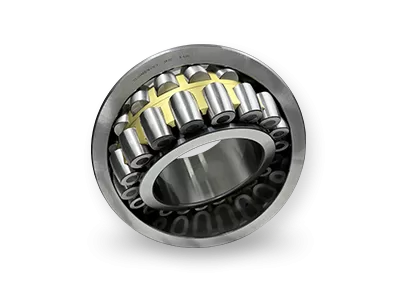
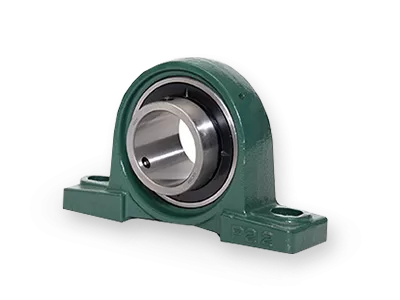
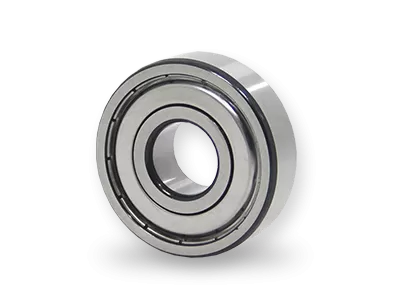
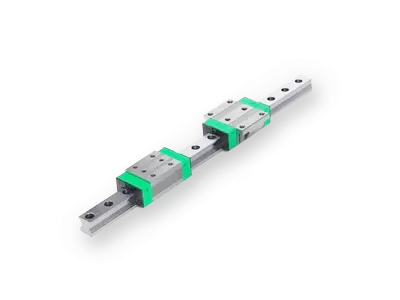
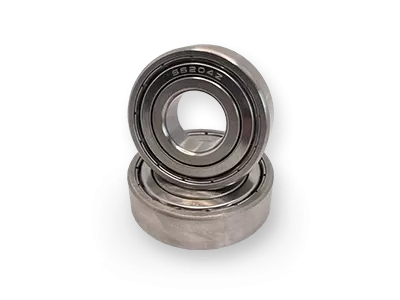
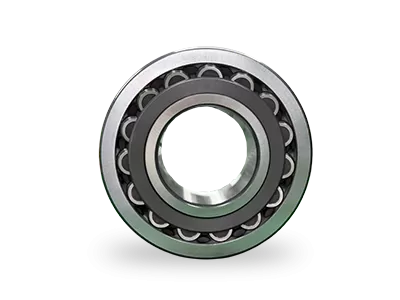
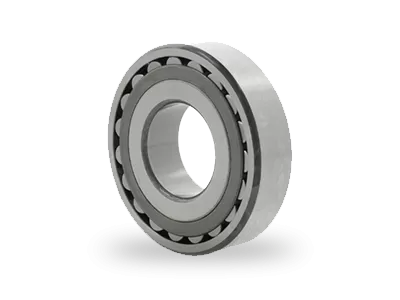
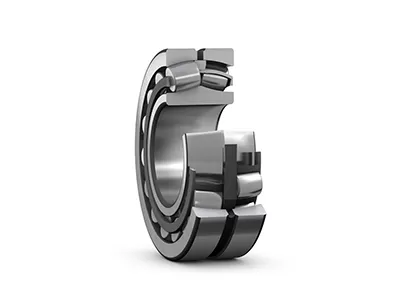
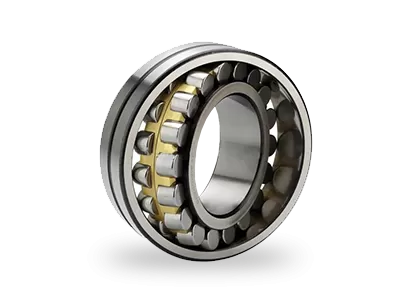
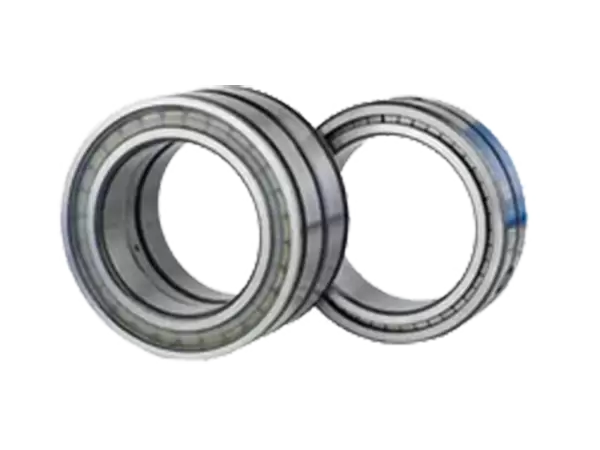
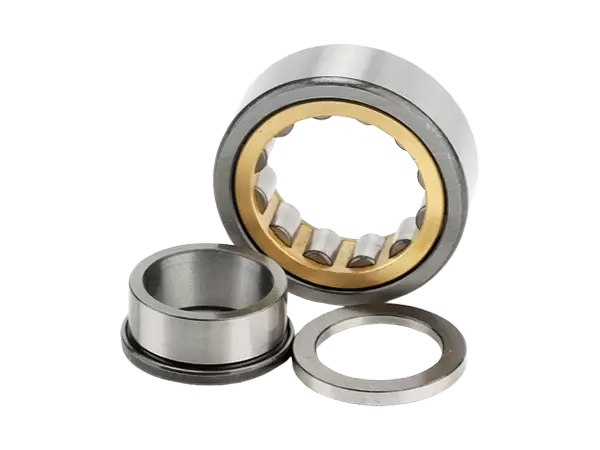
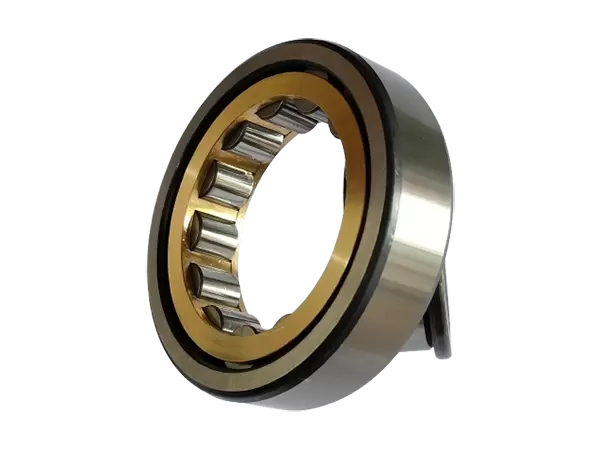
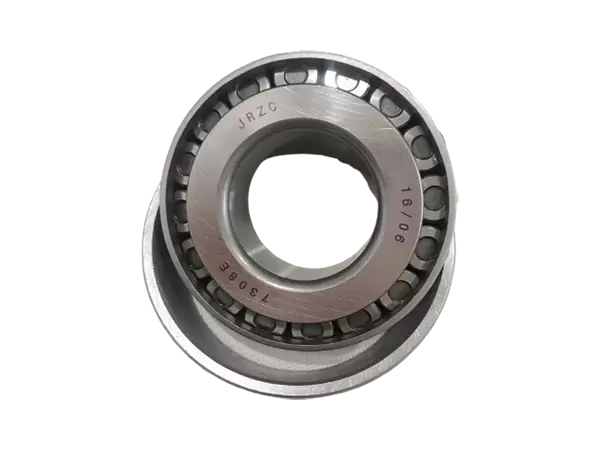
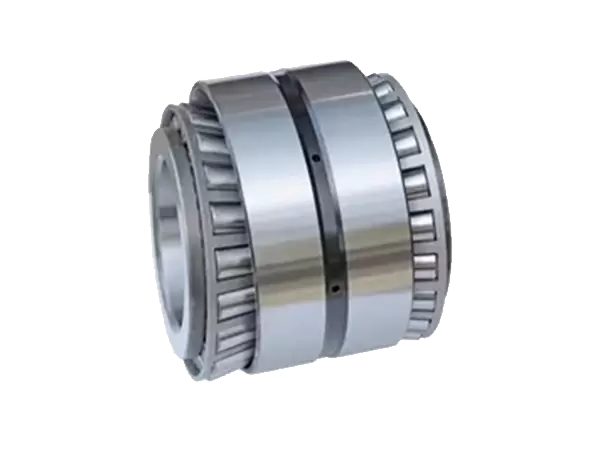
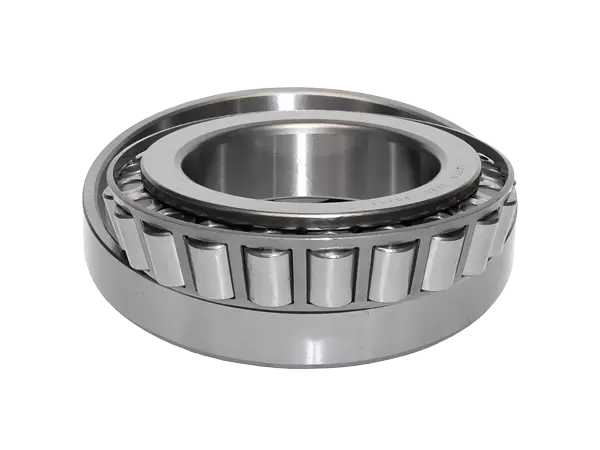
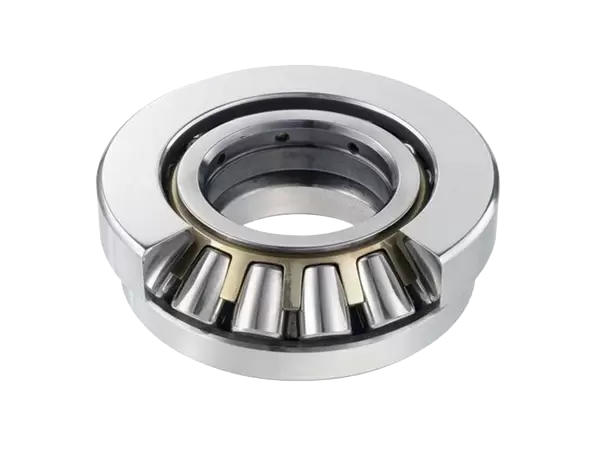
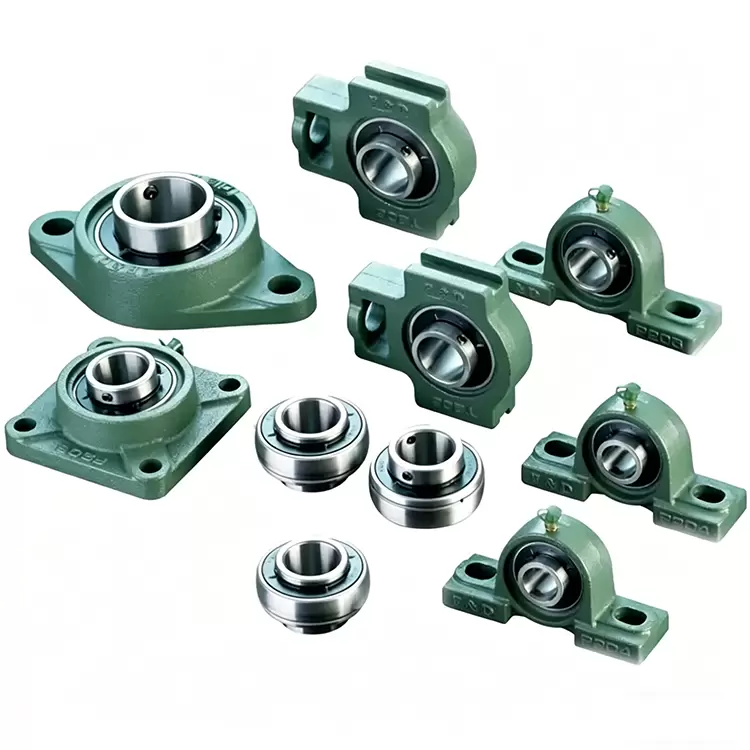
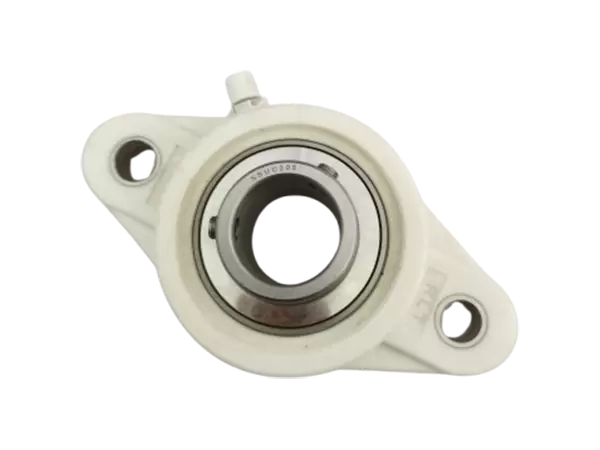
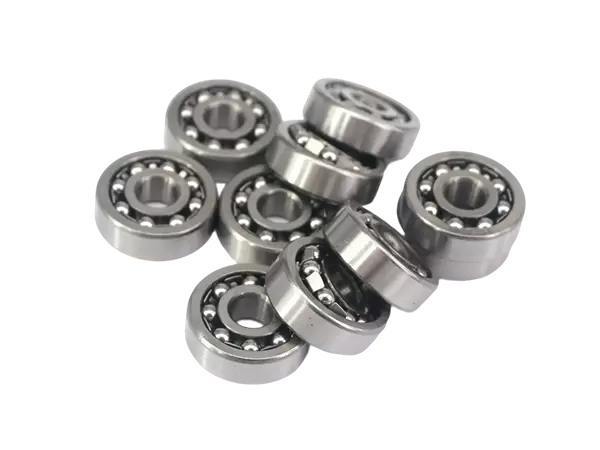
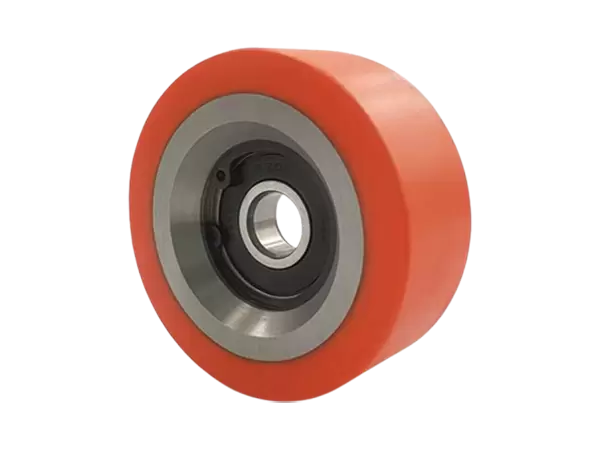
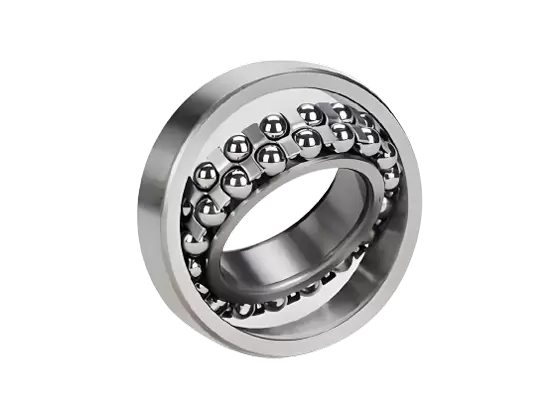
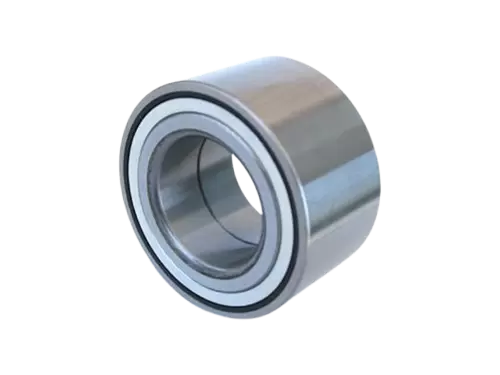
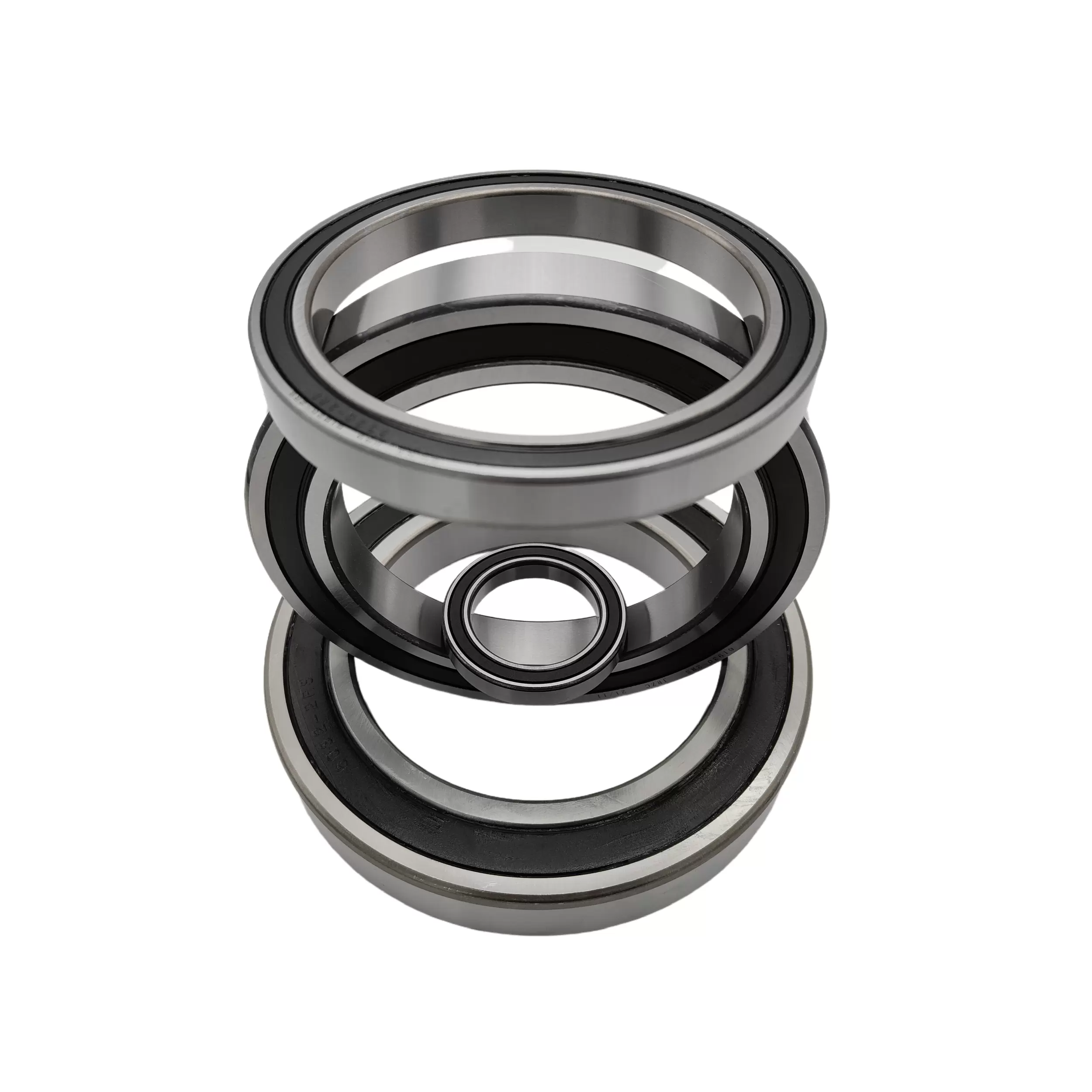
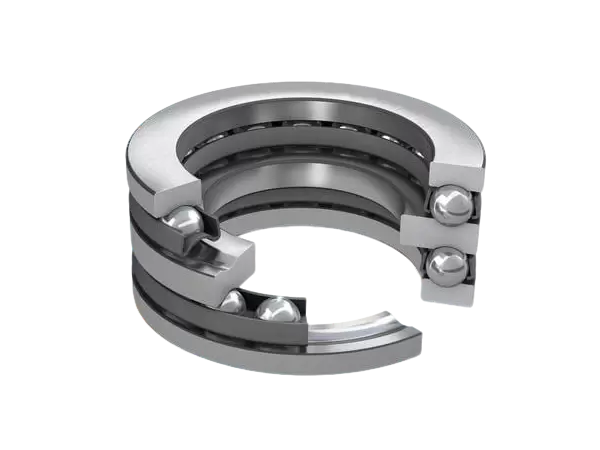
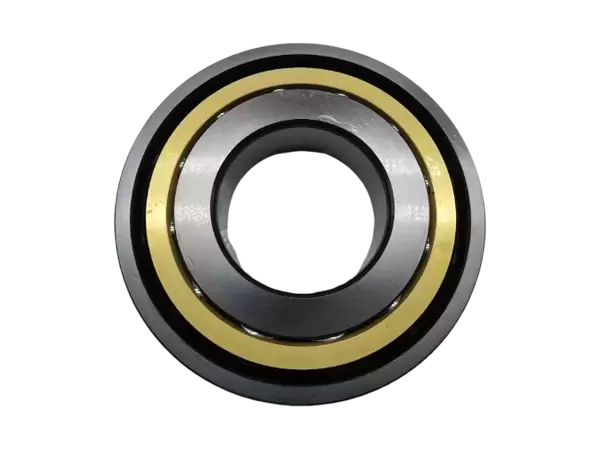
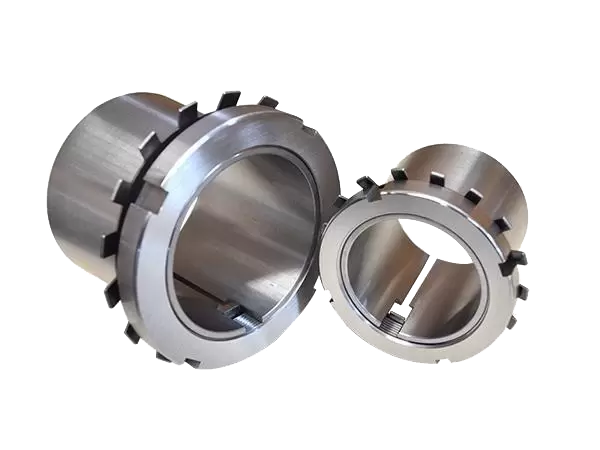
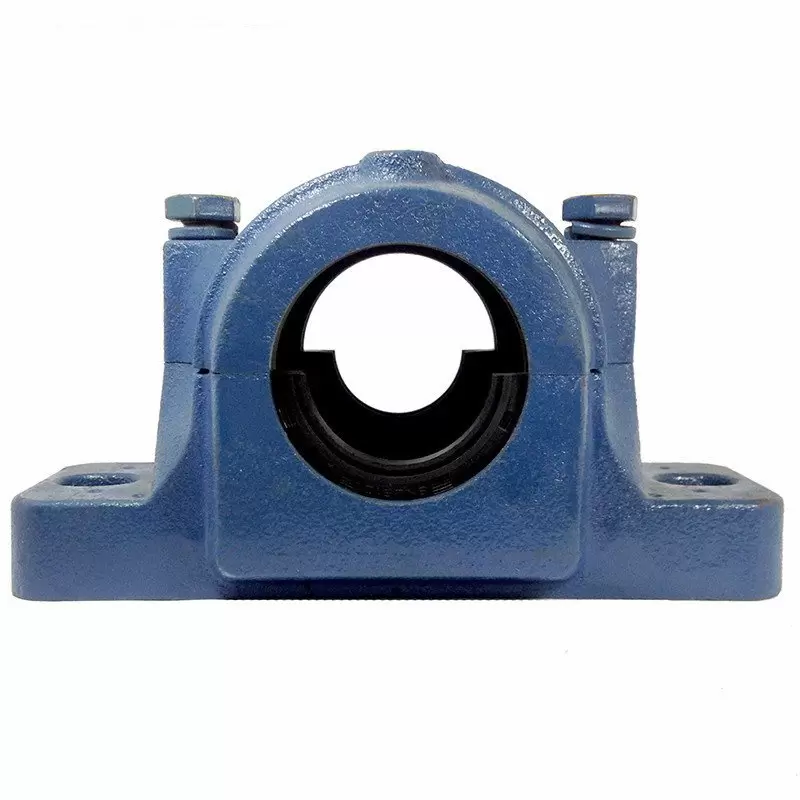
In the global industrial landscape, bearings are fundamental components that ensure smooth operation, reduce friction, and enhance machinery performance. For engineers, procurement specialists, and maintenance professionals, understanding bearing models is essential. A bearing's model number is more than a simple identifier—it encodes vital information about type, dimensions, structure, tolerances, internal clearance, and sealing. In this blog post, JRZC, as high quality bearing OEM china factory, will share the decoding industrial bearing models guide, helping you select the right bearing for your industrial needs.
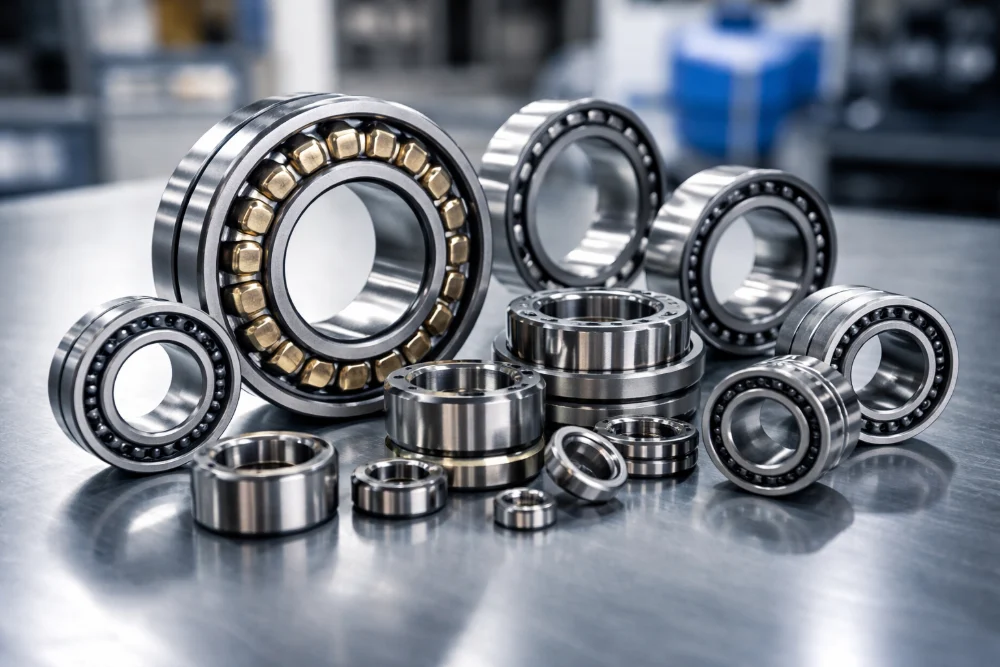
How Bearing Numbers Are Structured
Bearing model numbers usually consist of three segments: prefix code, core code, and suffix code, arranged sequentially:
Prefix Code – Core Code – Suffix Code
Each segment has a distinct purpose, providing complete information about the bearing’s configuration, features, and suitability for specific applications. Mastering this structure allows professionals to decode 90% of bearings in the market, whether they are deep groove ball bearings, tapered roller bearings, or specialty bearings.
Understanding the Core Code
The core code forms the heart of a bearing model number. It defines the bearing type, dimension series, and bore diameter. The core code itself is subdivided as:
Bearing Type – Dimension Series – Bore Diameter
Bearing Type
The type code identifies the fundamental bearing design and capacity. Standard types include:
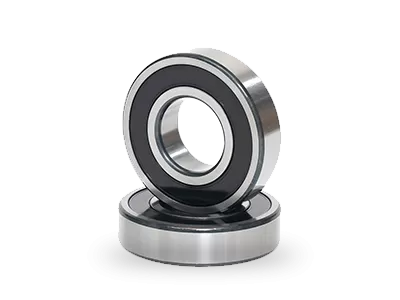
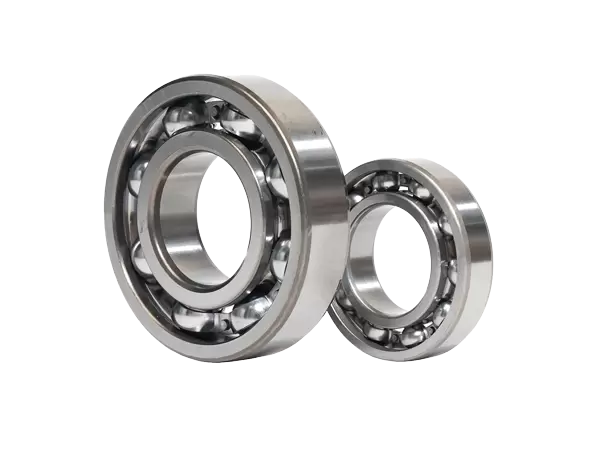
6 – Deep groove ball bearings: Versatile, supporting both radial and light axial loads
1 – Self-aligning ball bearings: Automatically compensates misalignment
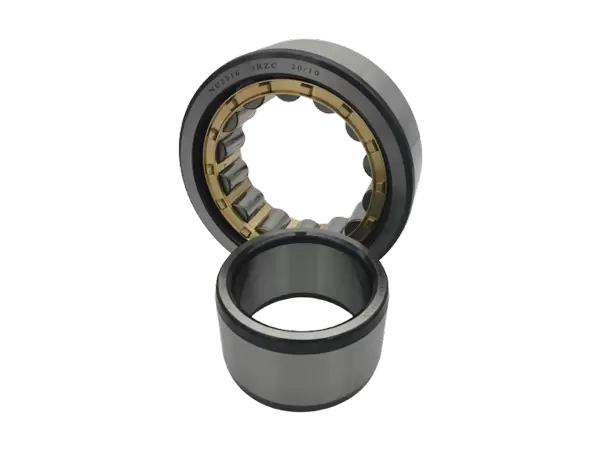
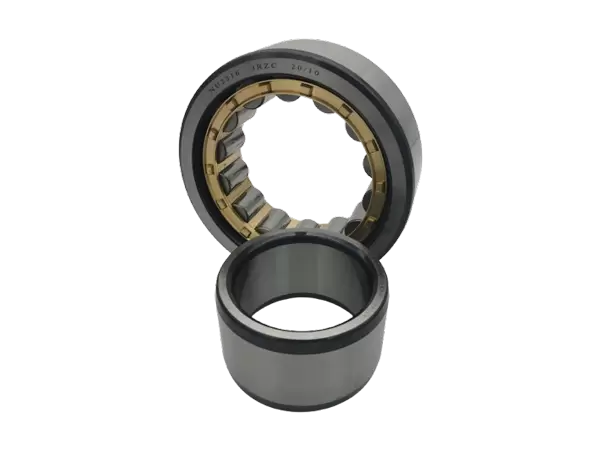
2 – Cylindrical roller bearings: High radial load capacity; often separable
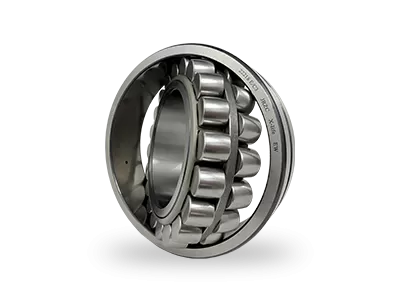
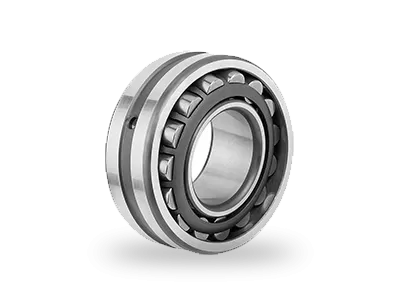
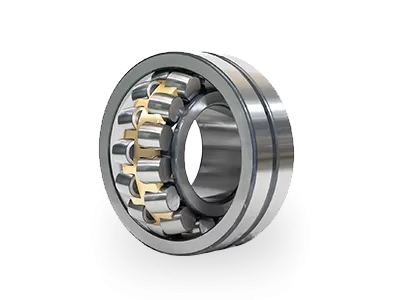
3 – Self-aligning roller bearings: Heavy-duty, auto-aligning, for high load applications
5 – Thrust ball bearings: Primarily for axial loads
7 – Angular contact ball bearings: Simultaneous radial and axial load support
8 – Thrust cylindrical roller bearings: Handles single-direction axial heavy load
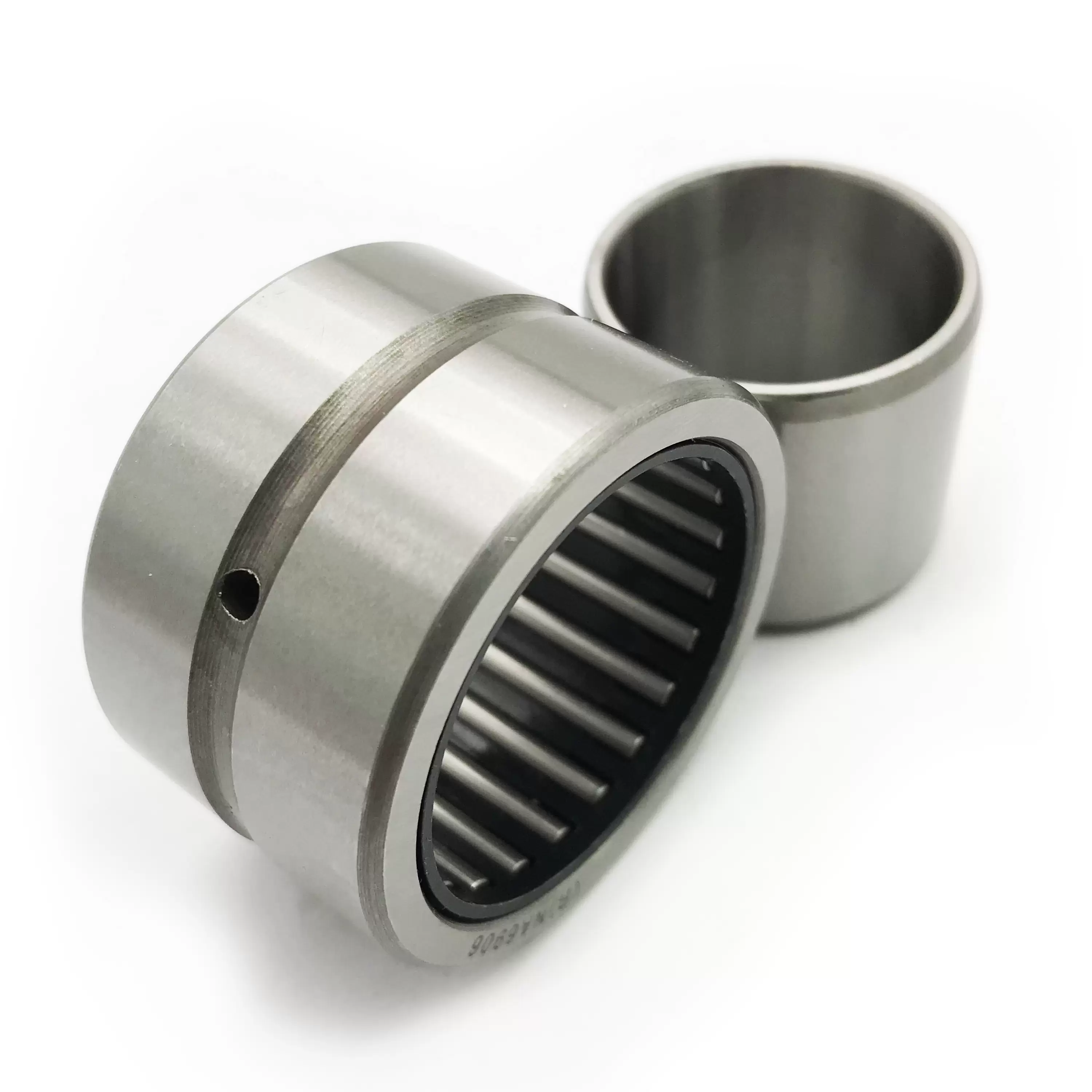
N / NU / NA – Variants of cylindrical and needle bearings with design modifications
QJ – Four-point contact ball bearings: Supports bi-directional axial loads; commonly used in cross-roller assemblies
Understanding bearing types helps in selecting the correct design for applications such as heavy machinery, robotics, or high-speed motors.
Dimension Series
The dimension series indicates the bearing width/height and diameter categories. It is usually a two-digit code:
| Series Code | Meaning | Remarks |
|---|
| 17, 37 | Extra light / ultra-light | e.g., 619XX |
| 02, 03, 04 | Light / medium / heavy | e.g., 620X, 630X |
| 20, 22, 23 | Wide series | Suitable for high radial loads |
| 32, 33 | Wide series, medium | For heavy-duty applications |
Special code “9” represents thrust bearing height series, for models like 511XX or 512XX.
Bore Diameter Code
The bore diameter code specifies the nominal inner diameter:
00 – 10 mm (e.g., 6200 = 10 mm bore)
01 – 12 mm
02 – 15 mm
03 – 17 mm
04–96 – Multiply by 5 to get mm (e.g., 6204 = 20 mm, 6310 = 50 mm)
≥100 – Direct mm notation (e.g., NN 3024 /120 = 120 mm bore)
Correct interpretation ensures compatibility with shafts and housings, essential in precision engineering.
Prefix Codes Explained
The prefix code, located to the left of the core code, identifies bearing subcomponents:
L – Separable inner or outer rings for separable bearings (e.g., LNU 207)
R – Bearings without separable rings (commonly roller bearings)
K – Roller and cage assembly (e.g., K 81107)
WS / GS – Specific components of thrust cylindrical roller bearings (WS = shaft ring, GS = housing ring)
Prefix codes are critical in applications requiring partial assembly replacement or custom bearing integration.
Decoding the Suffix Code
The suffix code provides detailed specifications on bearing internal design, sealing, cage type, tolerances, and internal clearance. This segment is crucial for advanced engineering applications and OEM customization.
Internal Design
A/B/C/D/E – Contact angle or internal structural changes
AC – Angular contact with 25° angle
E – Reinforced design
/DB, /DF, /DT – Pairing configurations: back-to-back, face-to-face, or tandem
Seals and Shields
-Z – Single metal shield
-2Z – Double metal shields
-RS / -RZ – Single contact rubber seal
-2RS / -2RZ – Double contact rubber seals
-LS / -2LS – Non-contact rubber seals
Sealing type determines suitability in dusty, wet, or high-speed environments.
Cage Types
Cage materials influence operational speed, friction, and durability:
Tolerance and Precision
Precision class impacts rotational accuracy and vibration levels, essential for high-speed machinery and aerospace applications.
Internal Clearance
/C1 – Smaller than standard clearance
/C2 – Slightly smaller than standard
/C3 – Greater than standard (commonly used)
/C4 – Greater than C3
/C5 – Maximum internal clearance
Internal clearance affects thermal expansion compensation, load distribution, and operational stability.
Comprehensive Bearing Model Examples
Example 1: 6310-2RS C3
6: Deep groove ball bearing
3: Medium series
10: Bore 50 mm (10 × 5)
-2RS: Double contact rubber seals
C3: Internal clearance larger than standard
Interpretation: A medium-series deep groove ball bearing, 50 mm bore, double rubber seals, suitable for moderately high-speed operations with extra clearance for thermal expansion.
Example 2: NU 1024 ML/P5
Interpretation: A 120 mm bore cylindrical roller bearing, high-precision, brass cage, guided inner ring—ideal for industrial machinery requiring accurate radial load handling.
Example 3: 7220 BECBJ
7: Angular contact ball bearing
2: Dimension series (light series)
20: Bore 100 mm
B: 40° contact angle
E: Reinforced design
C / BJ: Specific cage structure for high load and durability
Interpretation: Heavy-duty angular contact ball bearing, optimized for combined radial and axial load, high reliability, and long service life.
Application-Specific Considerations
High-Speed Machinery: Bearings with low friction, phenolic or brass cages, and precision tolerance classes (P5/P4) are preferred.
Heavy-Duty Loads: Roller bearings with reinforced designs and full complement rollers increase load-bearing capacity.
Harsh Environments: Sealed bearings (-2RS, -2RZ) prevent contamination from dust or moisture.
Temperature Variations: Bearings with specific internal clearance (C3 or C4) accommodate thermal expansion.
Custom OEM Solutions: JRZC provides tailored bearings, combining core, prefix, and suffix variations for unique industrial applications.
Global Standards and Brand-Specific Notes
While ISO standards guide general bearing coding, differences exist among manufacturers. JRZC follows international standards closely, ensuring global compatibility and precise performance for industrial applications. Understanding these standards is essential for sourcing bearings in diverse sectors, including automotive, aerospace, energy, and robotics.
JRZC Bearing Expertise
JRZC offers over 22 years of expertise in manufacturing high-quality bearings. With ISO-certified production, advanced CNC machinery, and strict quality control, JRZC delivers:
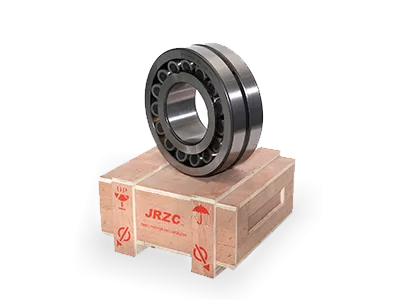
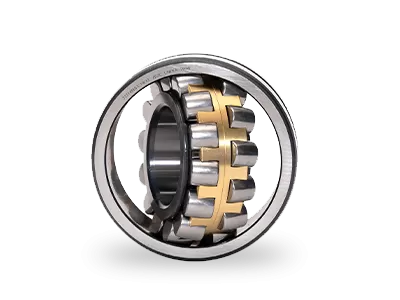
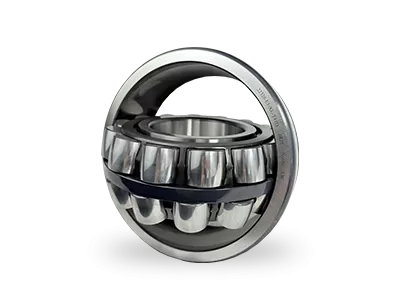
Spherical and self-aligning bearings
Miniature and deep groove ball bearings
Cylindrical and tapered roller bearings
Needle bearings and wheel hub bearings
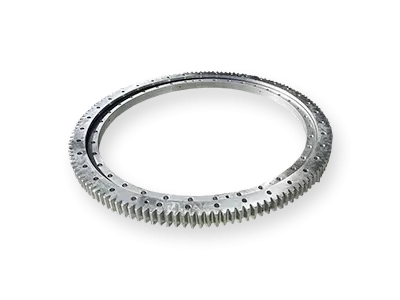
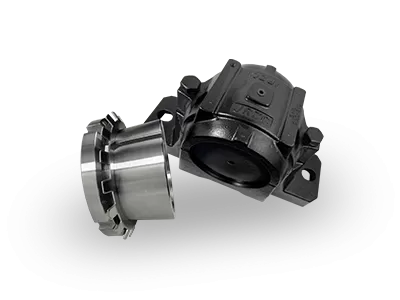
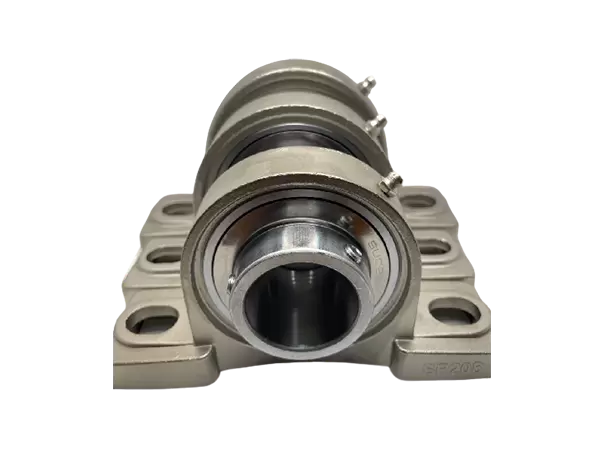
Slewing bearings, bearing housings, and adapter sleeves
JRZC specializes in OEM and ODM services, providing precision, high-reliability, and long-life bearing solutions for industries worldwide.
Best Practices for Selecting Bearings
Decode Before Purchase: Analyze prefix, core, and suffix codes to ensure compatibility.
Consider Operating Conditions: Match internal clearance, precision, and cage type to load, speed, and temperature.
Choose Correct Seals: Environmental exposure dictates rubber seals, metal shields, or open designs.
Verify Global Standards: Ensure ISO code interpretation matches application requirements.
Plan for Maintenance: Select separable bearings (L, R) when easy disassembly is required.
Conclusion
Decoding bearing models is a critical skill for engineers, maintenance specialists, and procurement professionals. By mastering prefix, core, and suffix codes, you can accurately identify bearing type, size, precision, and sealing configuration. JRZC’s comprehensive manufacturing capabilities ensure reliable, long-lasting, and precision-engineered bearings for diverse industrial applications.
With this knowledge, you can confidently specify, source, and maintain bearings, ensuring optimized machinery performance and operational efficiency.