Overview of Precision Needle Roller Bearing Engineering
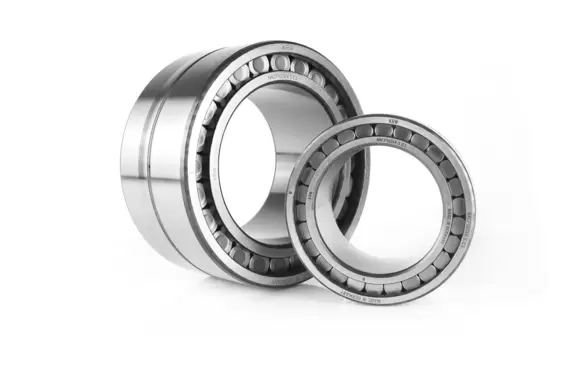
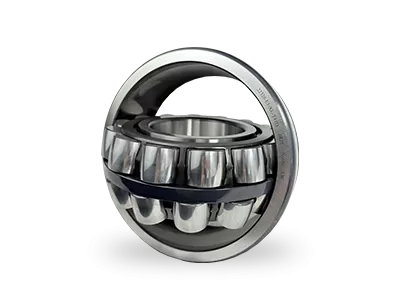
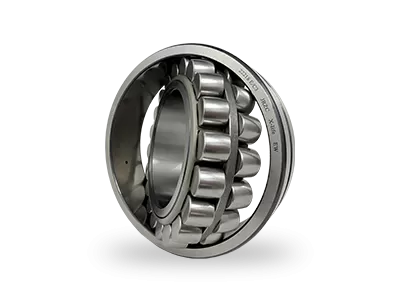
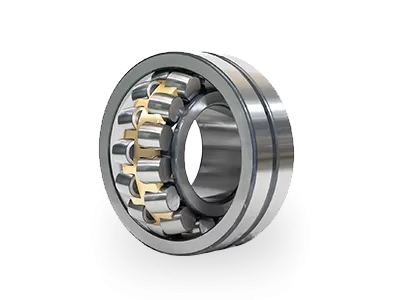
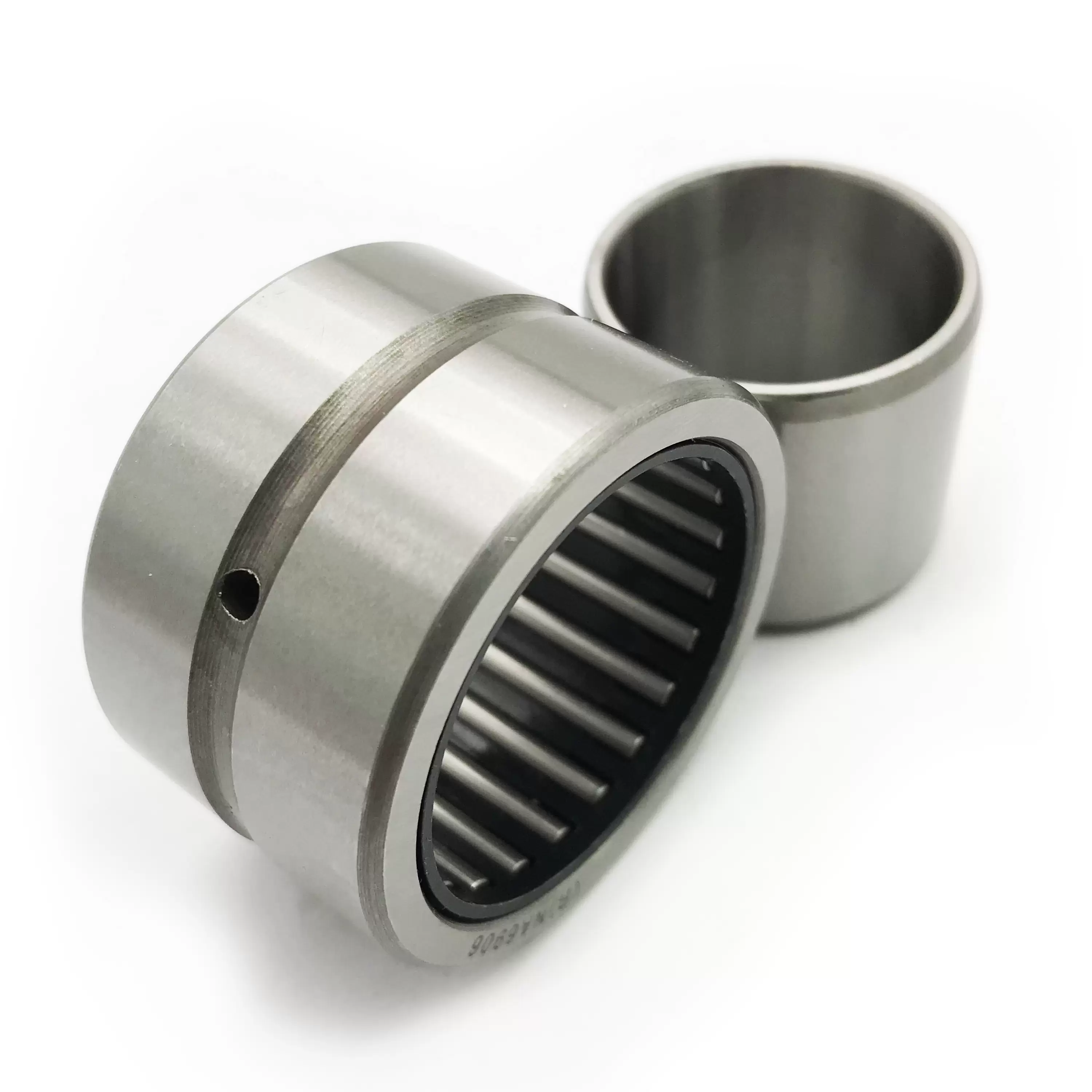
Needle roller bearing technology plays a critical role in modern mechanical systems where compact structure and high load capacity must coexist. Unlike conventional rolling elements, the slender cylindrical rollers inside these bearings provide a significantly larger contact area relative to their size. This structural advantage allows stable radial load support while maintaining a very low cross-sectional profile.
In engineering environments where space constraints are strict, needle roller bearing solutions offer a practical balance between durability and dimensional efficiency. Their ability to maintain rigidity under continuous stress makes them suitable for high-performance rotating assemblies across multiple industrial fields. JRZC focuses on delivering consistent quality in this segment through controlled manufacturing processes and material selection.
Structural Design and Load Distribution Principles
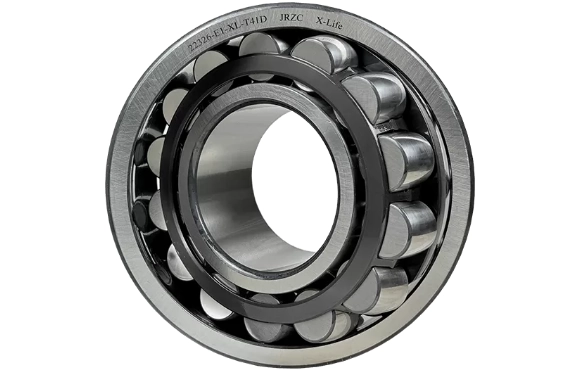
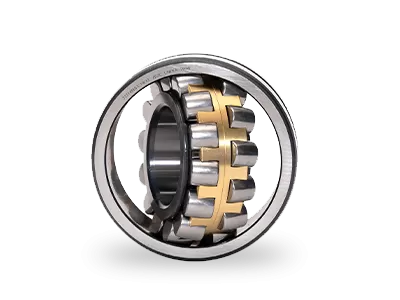
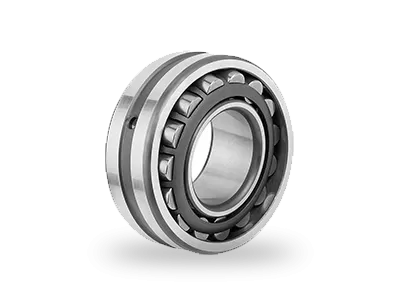
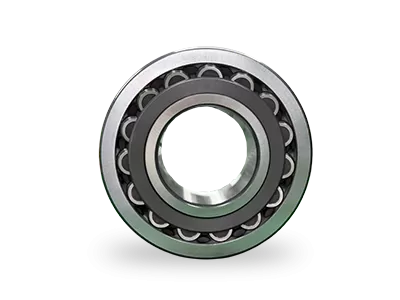
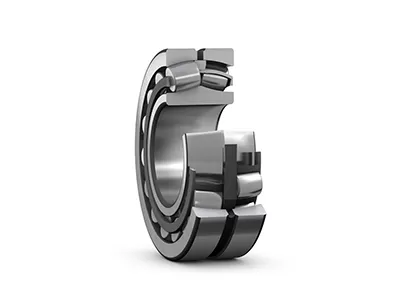
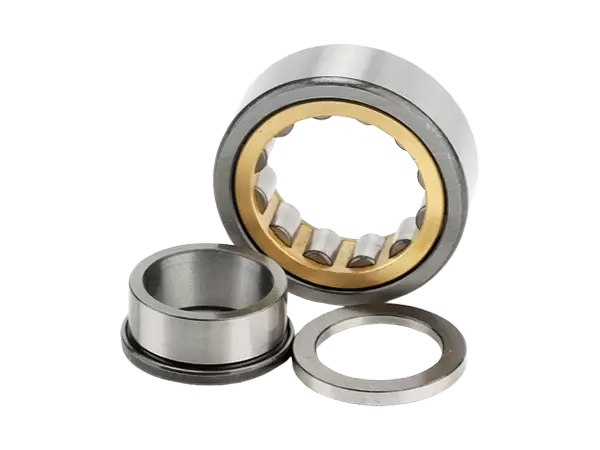
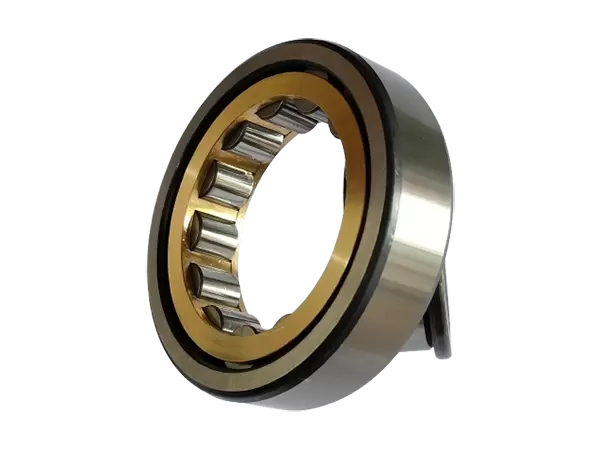
The internal configuration of a needle roller bearing is based on evenly distributed cylindrical rollers arranged to optimize load transmission. This design minimizes stress concentration and ensures smooth rotational movement even under heavy operating conditions. The raceway geometry is carefully engineered to maintain stability during high-speed operation.
A key advantage lies in the increased contact length between rollers and raceways. This feature reduces surface pressure and enhances fatigue resistance over long service cycles. As a result, industrial roller bearings of this type are widely selected for systems requiring continuous motion reliability and reduced maintenance frequency.
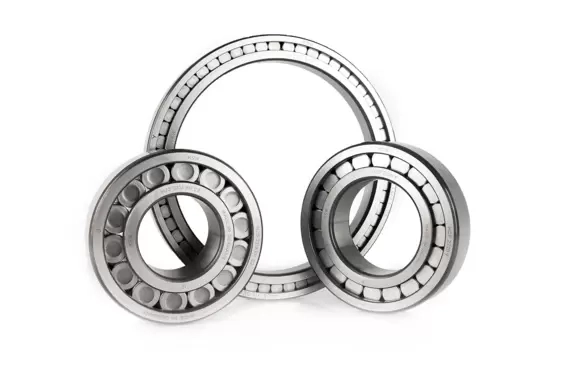
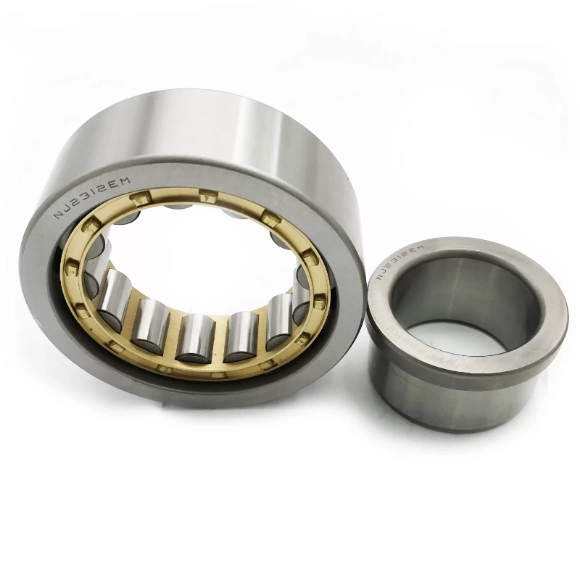
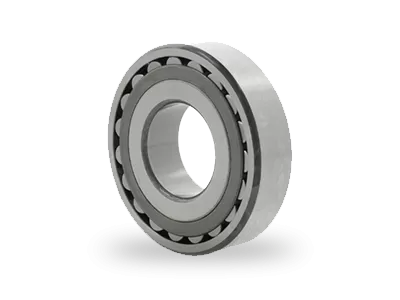
The absence or presence of an inner ring further influences performance characteristics. Designs without inner rings allow for compact integration, while those with inner rings improve alignment precision in demanding assemblies.
Material Engineering and Manufacturing Precision
Material selection is a defining factor in the performance of rolling components. High-carbon chromium steel and case-hardened alloys are commonly used to achieve optimal hardness and wear resistance. Heat treatment processes are carefully controlled to enhance surface durability without compromising core toughness.
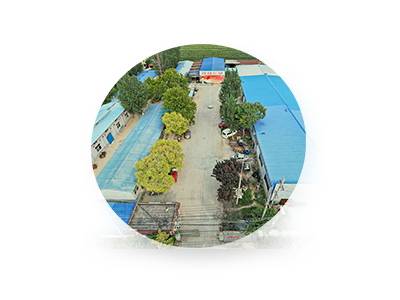
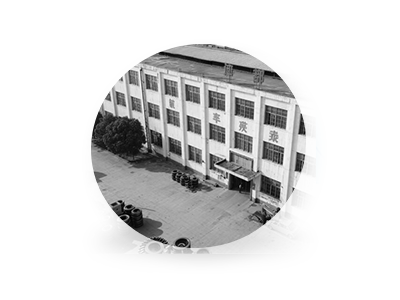
Within a modern roller bearing factory, precision grinding and dimensional inspection ensure that each component meets strict tolerance requirements. JRZC emphasizes consistency across production batches, ensuring stable performance in both standard and high-load applications.
The role of a roller bearing manufacturer extends beyond production alone. It includes process optimization, material traceability, and long-term performance validation. These factors collectively determine reliability in demanding operational environments.
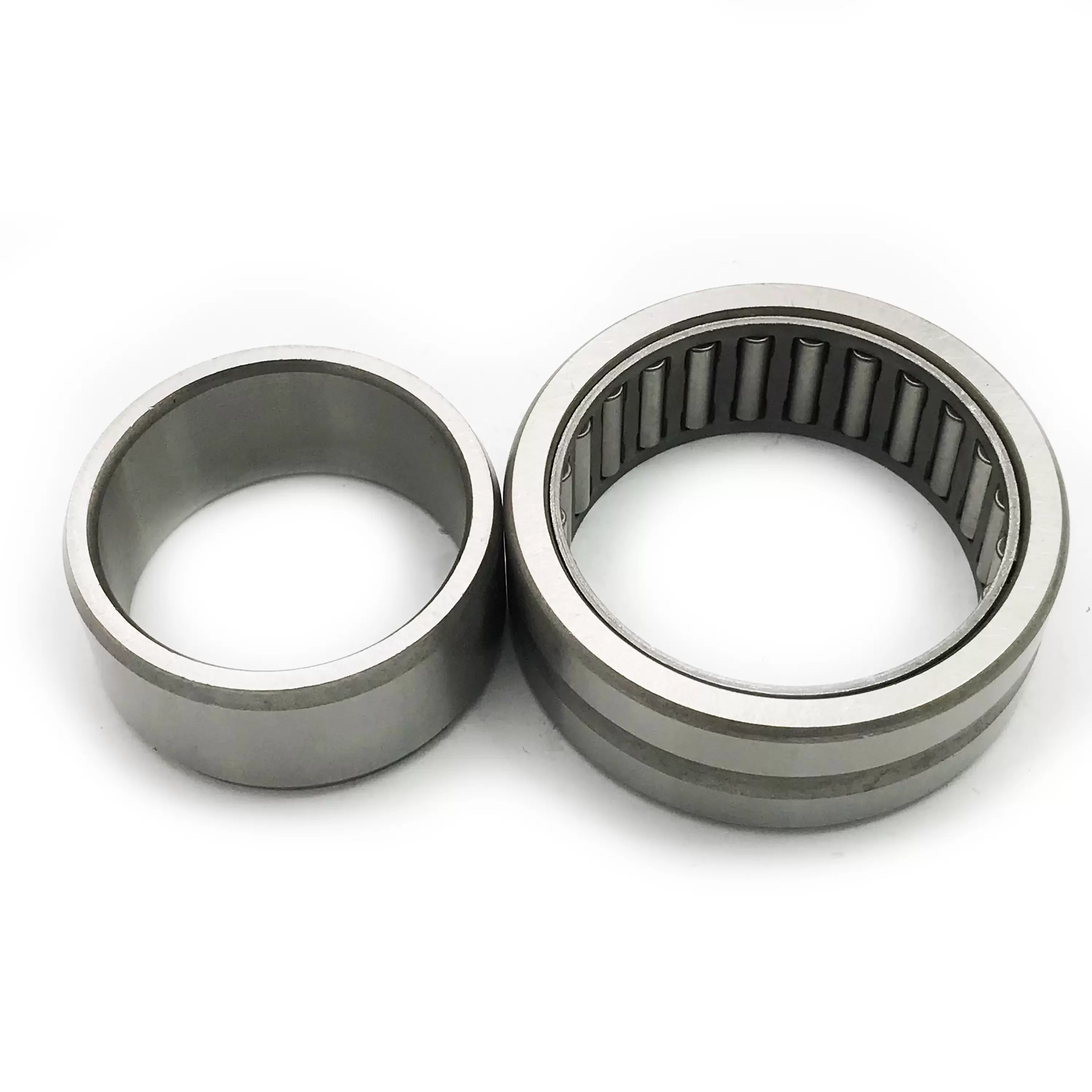
One of the defining strengths of needle roller bearing systems is their exceptional load-carrying capability relative to size. The elongated roller shape distributes radial force efficiently, allowing the bearing to withstand substantial mechanical stress without deformation.
In applications requiring sustained torque transmission, heavy duty roller bearings provide stable performance under fluctuating load conditions. This stability is essential for systems that operate under continuous cycles or variable speed conditions.
The compact geometry also reduces inertia, contributing to smoother rotational response and improved energy efficiency. This combination of strength and responsiveness makes needle roller designs highly effective in precision-driven mechanical assemblies.
Engineering Applications in Compact Motion Systems
In mechanical engineering design, space optimization is often as critical as load performance. Needle roller bearings are frequently selected where axial space is limited but radial strength requirements remain high. Their slim profile allows engineers to design more compact assemblies without sacrificing durability.
Typical use environments include mechanical transmission systems, rotating shafts, and high-frequency motion assemblies. In these environments, consistent load distribution and low friction characteristics are essential for long-term operational stability.
Across these scenarios, heavy duty needle roller bearings are preferred when additional reinforcement is required for elevated stress conditions. Their structural integrity supports stable operation even under extended mechanical cycling.
Custom Engineering Solutions for Specialized Requirements
Not all mechanical systems operate under uniform conditions. Variations in speed, load direction, lubrication strategy, and installation space often require tailored bearing solutions. This is where custom roller bearings become essential in engineering design.
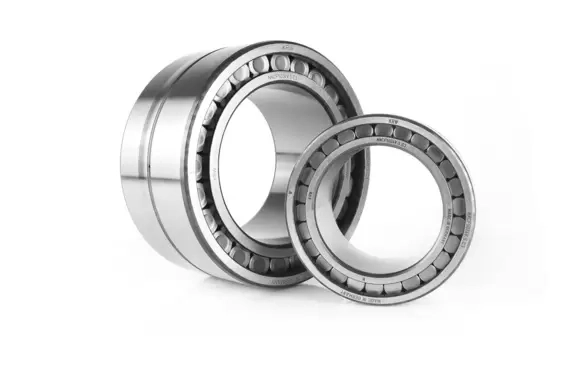
Customization may involve adjustments in cage design, roller dimensions, surface treatment, or internal clearance. These modifications ensure that the bearing aligns precisely with operational requirements, improving both efficiency and lifespan.
JRZC supports engineering customization through controlled design adaptation and production flexibility. This approach ensures that performance requirements are met without compromising structural reliability or manufacturing consistency.
In large-scale mechanical systems, bearing selection directly influences overall operational stability. Proper integration of rolling components reduces vibration, improves alignment accuracy, and enhances load distribution across connected parts.
Within this context, industrial roller bearings are widely applied in equipment requiring continuous motion reliability and resistance to mechanical fatigue. Their ability to maintain performance under varying operational conditions makes them a fundamental component in modern mechanical architecture.
System-level design also considers lubrication efficiency and heat dissipation. Proper integration ensures that mechanical stress is evenly distributed, extending equipment lifespan and reducing maintenance requirements.
Mechanical systems exposed to high torque or repetitive loading cycles require components engineered for endurance. Needle roller bearings designed for such conditions prioritize structural reinforcement and material resilience.
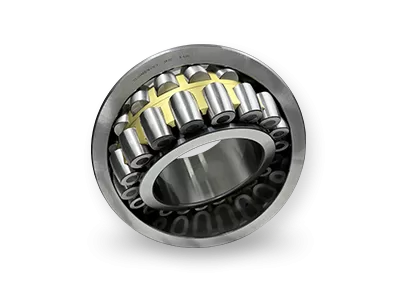
The category of heavy duty roller bearings is characterized by enhanced surface hardness, optimized roller geometry, and improved load distribution capability. These features reduce wear progression and maintain consistent rotational accuracy over extended operational periods.
This level of performance is especially important in systems where downtime must be minimized and reliability is a core operational requirement.
Technical Comparison of Bearing Design Characteristics
| Bearing Type | Load Capacity | Space Efficiency | Maintenance Demand | Structural Rigidity |
|---|
| Needle Roller Bearing | High radial load | Excellent | Low to moderate | High |
| Ball Bearing | Moderate | Moderate | Low | Moderate |
| Cylindrical Roller Bearing | High | Moderate | Moderate | High |
| Tapered Roller Bearing | Very high combined load | Lower | Moderate | Very high |
This comparison highlights the unique position of needle roller designs in achieving high load capacity within compact structural limits. Their efficiency makes them suitable for precision-focused engineering environments.
Manufacturing Systems and Global Supply Considerations
A reliable supply chain is essential for maintaining consistent bearing performance across industries. A well-established roller bearing factory must maintain strict quality control systems, including dimensional inspection, hardness testing, and fatigue validation.
From a production standpoint, a roller bearing manufacturer must also ensure scalability and traceability. This includes standardized production workflows and material batch control, which help maintain uniform performance across global shipments.
JRZC integrates these principles to support long-term industrial partnerships and stable supply capabilities in international markets.
Engineering Adaptation Across Mechanical Industries
Mechanical systems across different industries require adaptable bearing solutions that can respond to varying operational demands. Needle roller designs are particularly valued for their ability to function under both continuous and intermittent load cycles.
In complex assemblies, material selection, lubrication strategy, and structural alignment all contribute to final performance outcomes. The integration of industrial roller bearings into such systems ensures consistent motion control and reduced mechanical wear over time.
This adaptability makes needle roller technology a foundational element in modern mechanical engineering design strategies.
Precision Design and Customization Capabilities
Engineering requirements often demand highly specific dimensional and performance characteristics. Through controlled design adjustments, bearing systems can be optimized for speed, load distribution, and installation constraints.
The development of custom roller bearings allows engineers to align mechanical performance with system-level objectives. These adjustments improve operational efficiency and ensure compatibility with specialized machinery architectures.
Such flexibility is essential in advanced mechanical systems where standard configurations may not fully satisfy performance expectations.
FAQ
What makes needle roller bearings different from other roller bearings?
Needle roller bearings use long, thin cylindrical rollers that provide a high contact surface, allowing strong radial load support in compact spaces.
Where are these bearings typically used?
They are commonly used in systems requiring compact design and high load capacity, especially in rotating mechanical assemblies and precision equipment.
What is the role of a roller bearing manufacturer?
A roller bearing manufacturer is responsible for production, material control, quality inspection, and ensuring consistent performance across different applications.
Can needle roller bearings be customized?
Yes, custom roller bearings can be designed with modifications in size, material, cage structure, and clearance to meet specific engineering requirements.
How do heavy duty versions improve performance?
Heavy duty needle roller bearings are designed with enhanced materials and optimized geometry to withstand higher stress and longer operational cycles.
Why is manufacturing quality important in bearing production?
Precision manufacturing ensures dimensional accuracy, load stability, and long-term durability, which directly affects system reliability and efficiency.