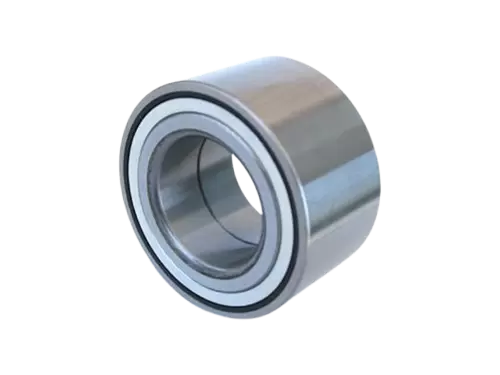
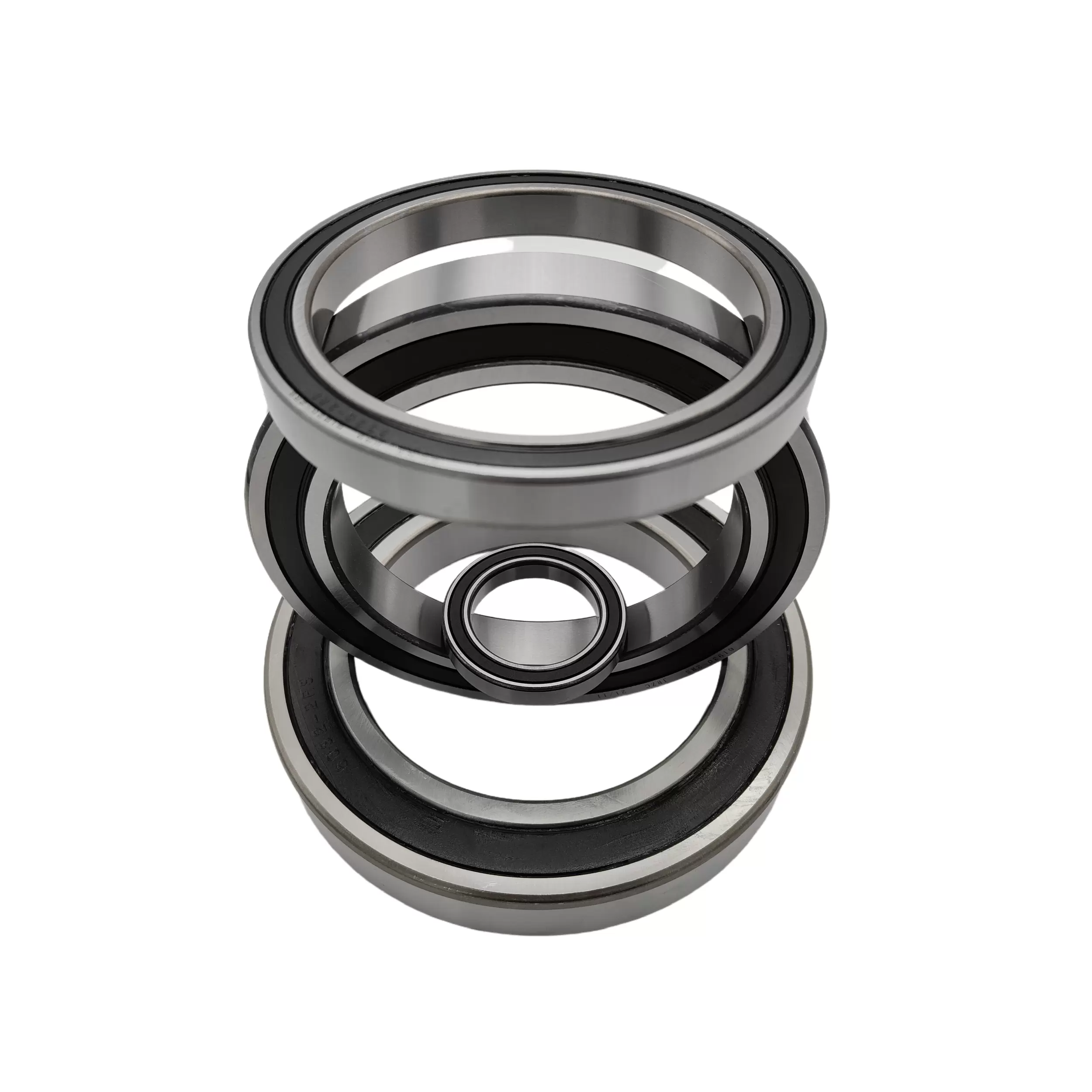
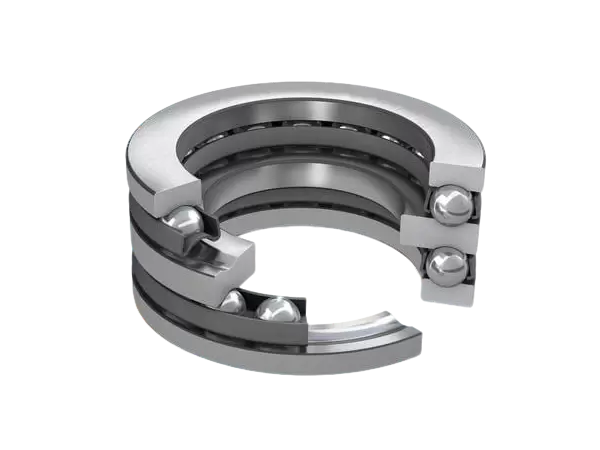
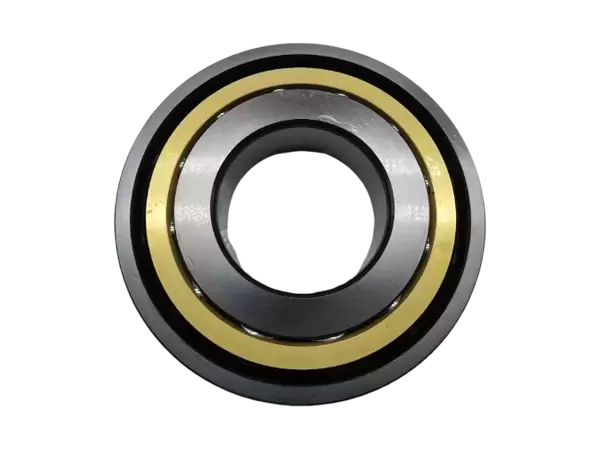
Construction machinery places unusually demanding requirements on bearing performance. Excavators, cranes, concrete equipment, compactors, loaders, and other heavy-duty machines are exposed to impact loads, continuous vibration, shaft deflection, contamination, and changing load conditions during daily operation. In these environments, bearing selection cannot focus only on nominal load capacity. The internal design, material quality, alignment capability, lubrication arrangement, sealing, and installation conditions all influence how consistently a bearing performs.
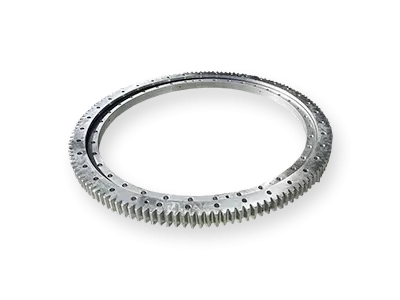
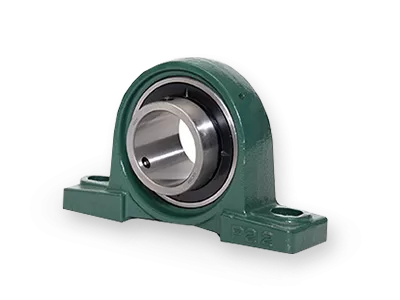
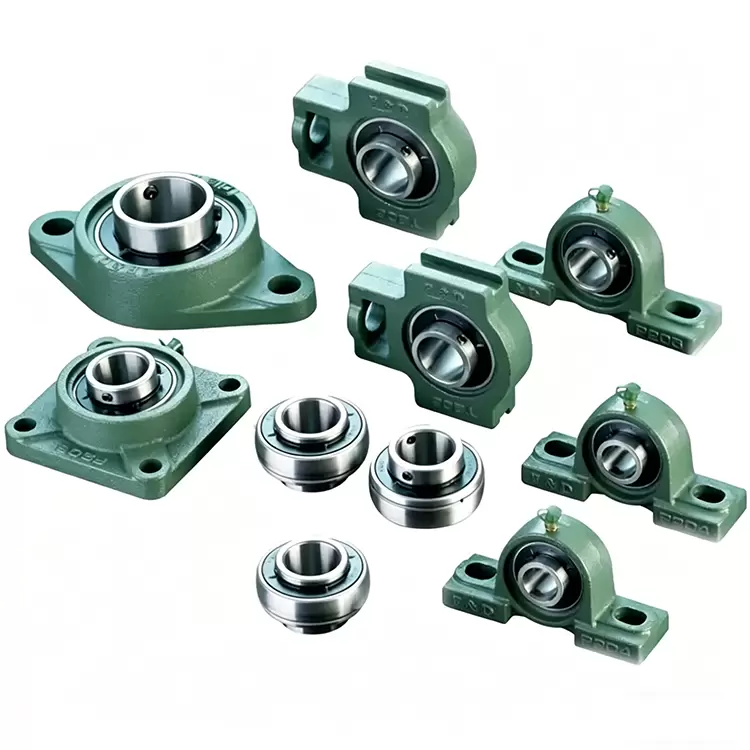
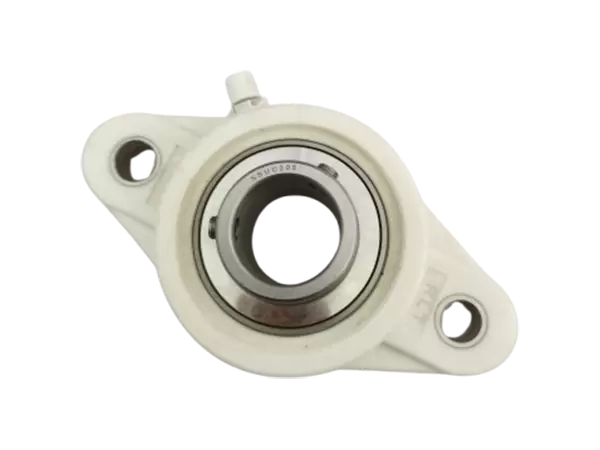
For equipment manufacturers and maintenance teams, custom construction machinery bearings provide a practical way to match bearing characteristics with actual operating requirements. Instead of treating every application as a standard replacement, the bearing can be considered according to radial and axial loads, operating speed, housing arrangement, environmental exposure, available installation space, and expected maintenance conditions. JRZC provides spherical roller bearings, cylindrical roller bearings, tapered roller bearings, insert bearings, slewing bearings, and other bearing solutions for demanding construction applications.
Why Construction Equipment Creates Severe Bearing Loads
The working conditions of construction equipment are rarely uniform. A machine may operate under moderate loads for one period and then experience sudden impact when digging, lifting, compacting, or handling uneven material. These repeated load changes generate stresses that can accelerate raceway fatigue, roller wear, cage deformation, and lubrication deterioration if the bearing is not properly matched to the application.
Vibration creates another challenge. Continuous vibration can affect internal contact conditions, loosen poorly secured components, and increase the risk of premature wear. Heavy-duty construction bearings therefore need sufficient rigidity and load-carrying capability while maintaining stable roller or ball guidance. For equipment operating outdoors, dust, mud, moisture, and slurry also make contamination control an important part of bearing selection.
Choosing Bearing Structures for Shock and Vibration
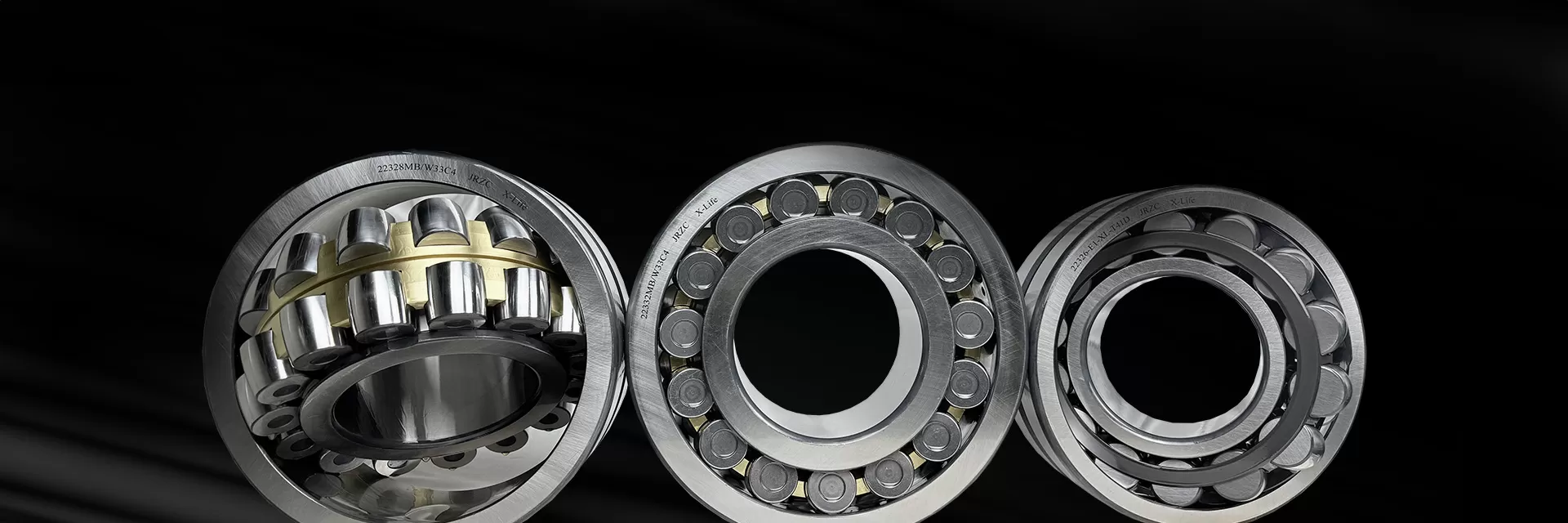
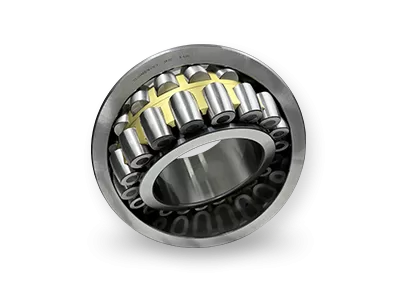
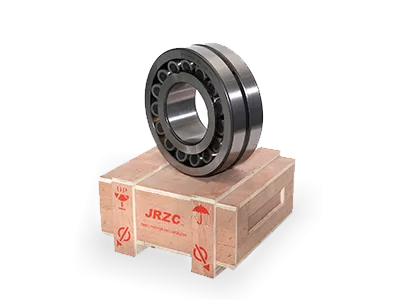
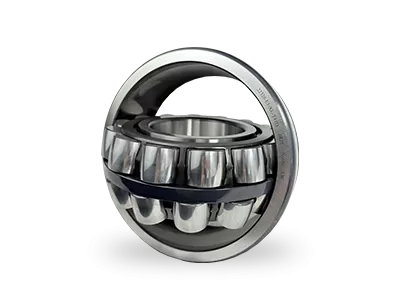
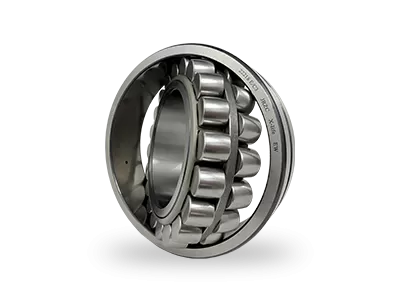
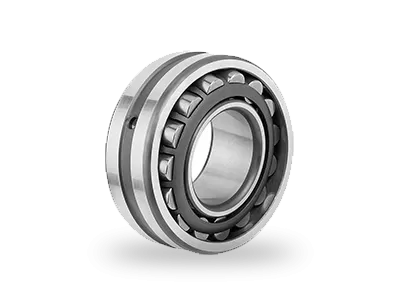
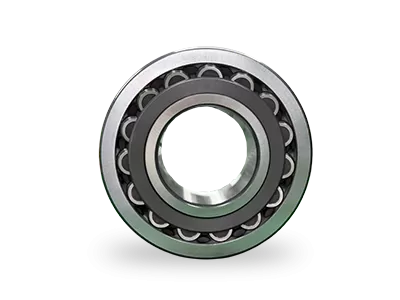
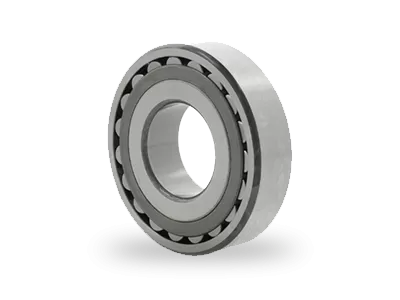
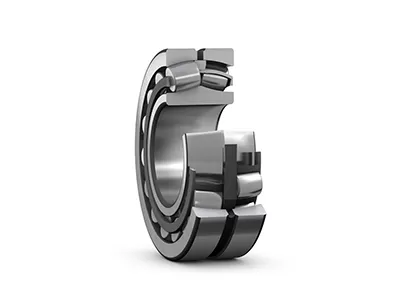
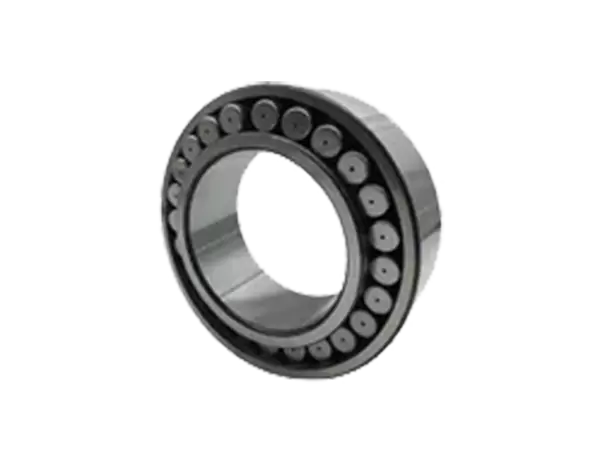
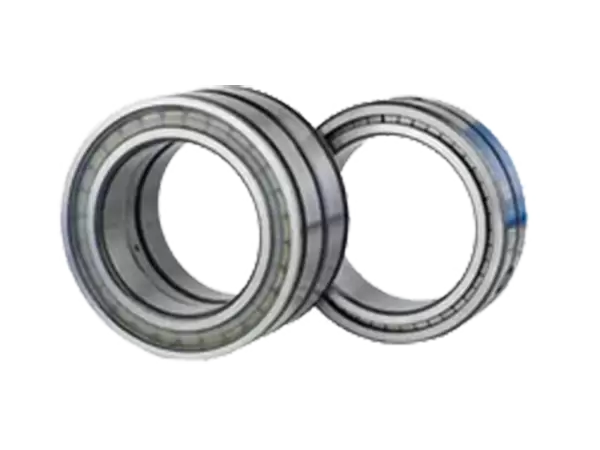
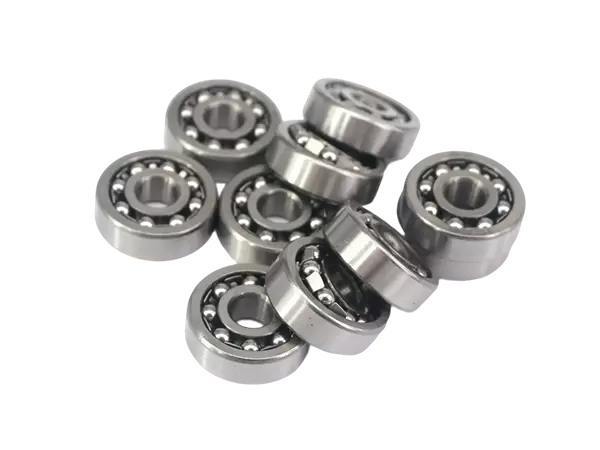
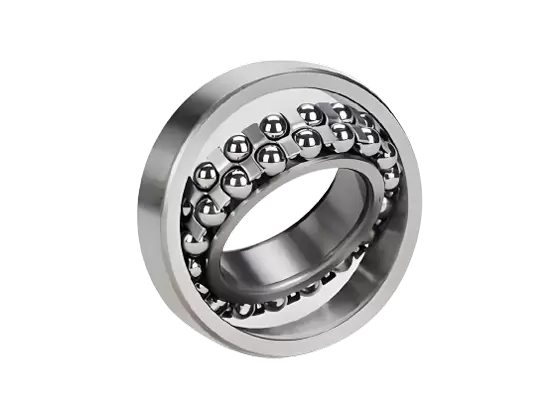
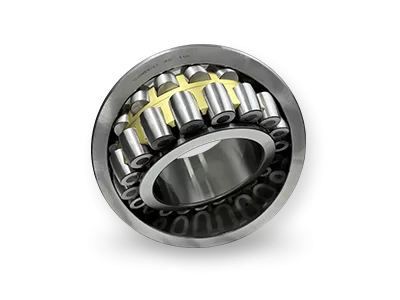
Different construction machines require different bearing structures because the direction and character of the load can vary significantly. Spherical roller bearings are particularly suitable when heavy radial loads are combined with misalignment or shaft deflection. Their self-aligning capability can help accommodate angular deviations between the shaft and housing while maintaining effective load distribution.
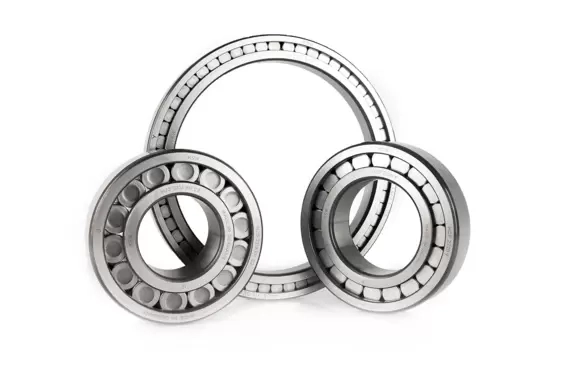
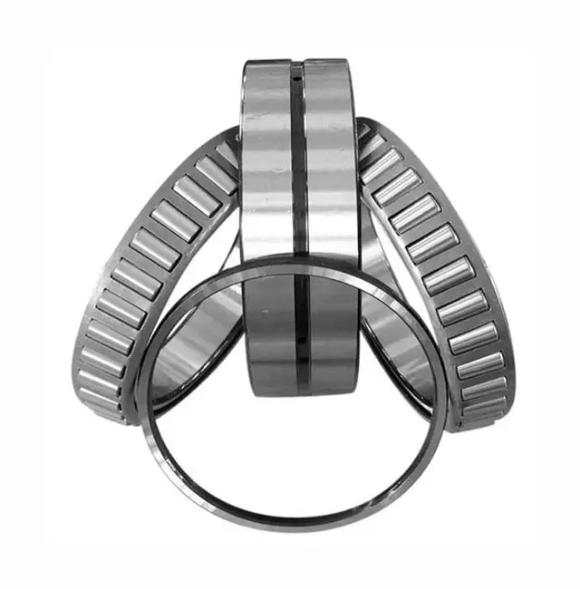
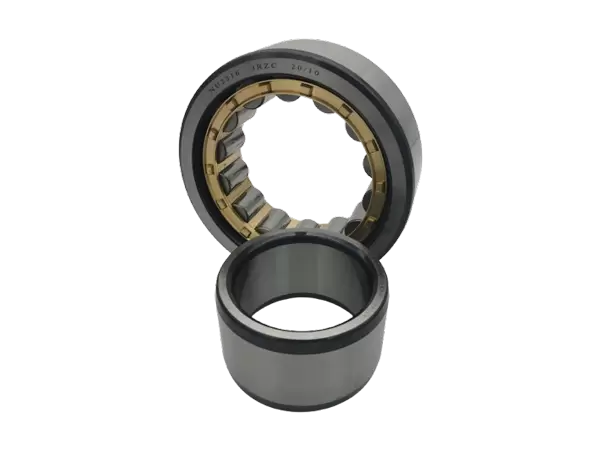
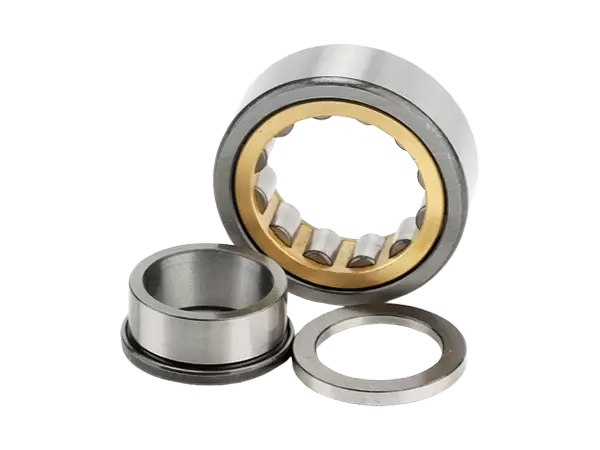
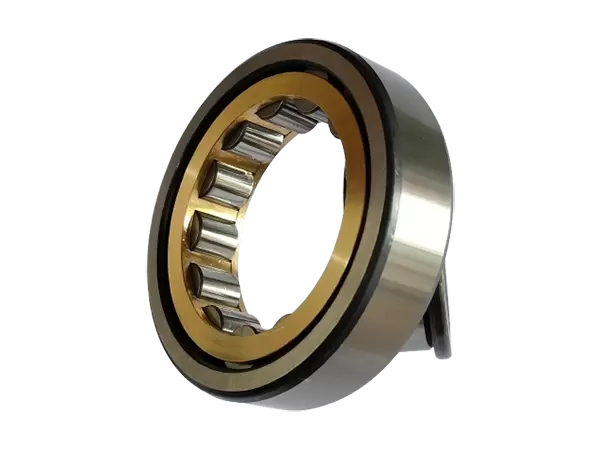
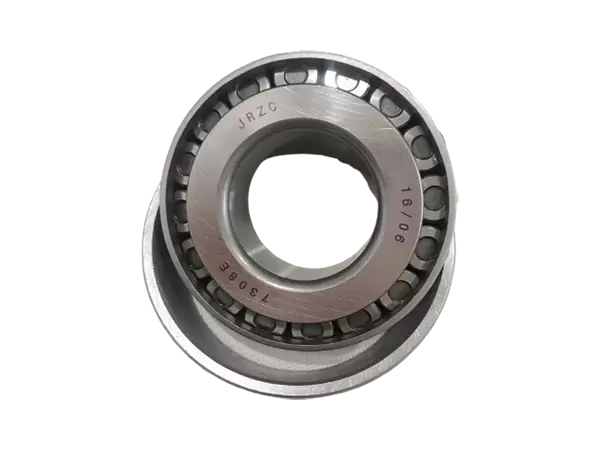
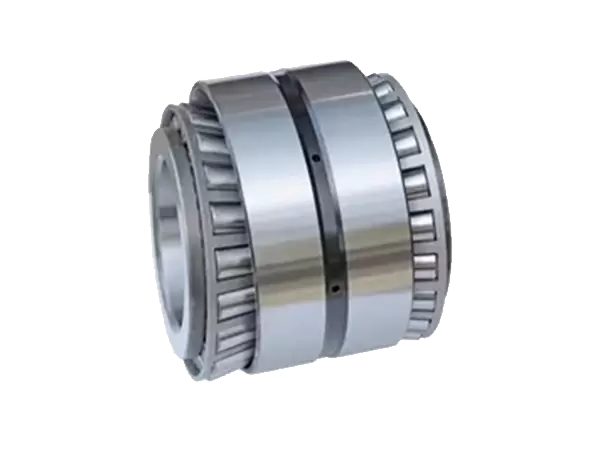
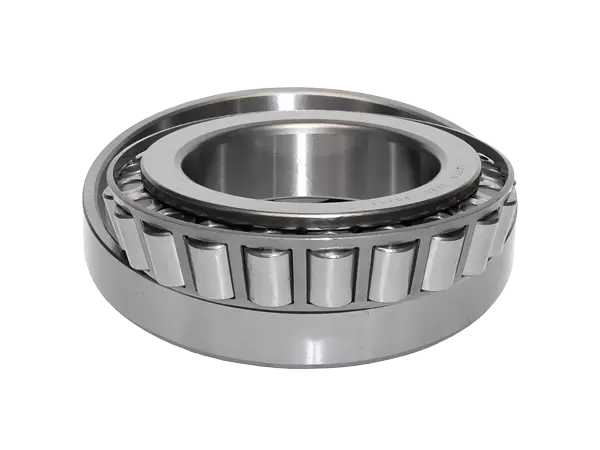
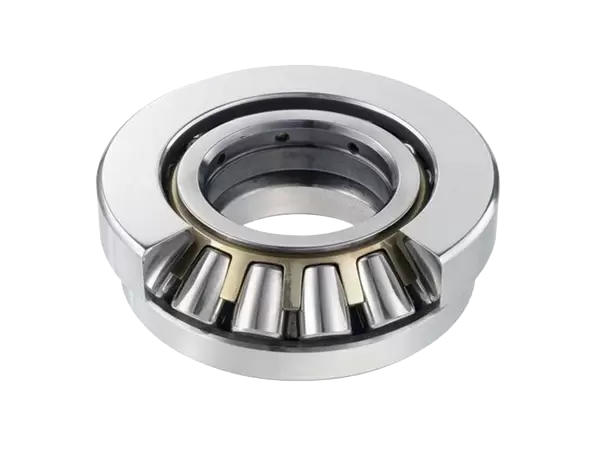
Cylindrical roller bearings are another important option where high radial load capacity and stiffness are required. Their line-contact configuration allows them to support substantial radial forces, making them relevant to heavy mechanical assemblies. Tapered roller bearings can handle combined radial and axial loading and provide controlled guidance where directional forces are present.
| Construction requirement | Suitable bearing consideration |
|---|
| Heavy radial loading | Spherical or cylindrical roller bearings |
| Combined radial and axial forces | Tapered roller bearings |
| Shaft misalignment | Self-aligning bearing structures |
| Severe vibration | Robust cage and roller guidance |
| Dust and slurry exposure | Appropriate sealing and contamination protection |
| Limited installation time | Pre-assembled or mounting-friendly bearing units |
The objective is not to select the largest bearing available. The correct construction machinery bearing should balance load capacity, alignment tolerance, speed, lubrication, sealing, mounting conditions, and service requirements so that the complete rotating assembly can operate consistently.
How Custom Bearing Design Supports Heavy Machinery
Customization becomes particularly valuable when standard dimensions do not fully reflect the operating environment. Construction machinery manufacturers may have specific housing dimensions, shaft arrangements, clearance requirements, load patterns, or lubrication conditions that influence bearing performance. JRZC offers customization services based on customer drawings and application requirements, including non-standard bearing design and structural optimization.
For custom roller bearings for construction equipment, the engineering process should begin with the actual working conditions rather than a product name alone. Load direction, shock intensity, rotational speed, temperature, shaft deflection, installation accuracy, and contamination should all be evaluated before determining the appropriate structure. This approach helps prevent a common problem in heavy machinery: selecting a bearing that appears adequate on paper but performs poorly when exposed to real operating conditions.
Materials and Internal Geometry Matter
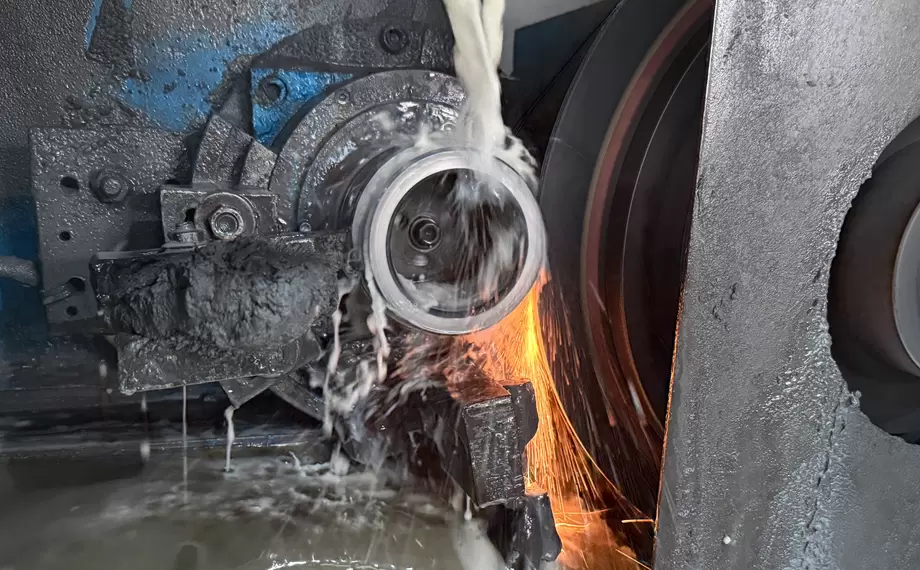
Bearing durability depends heavily on the interaction between material quality and internal geometry. High-quality bearing steel, controlled heat treatment, accurate raceway finishing, and stable roller dimensions help maintain consistent contact conditions under repeated loading. JRZC states that its bearing manufacturing process includes controlled material and heat-treatment procedures designed to support dimensional consistency and fatigue resistance.
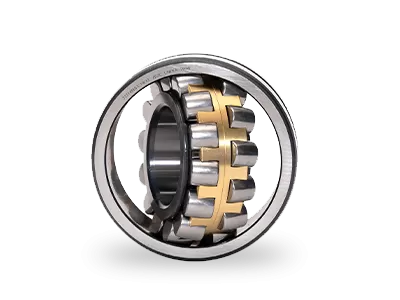
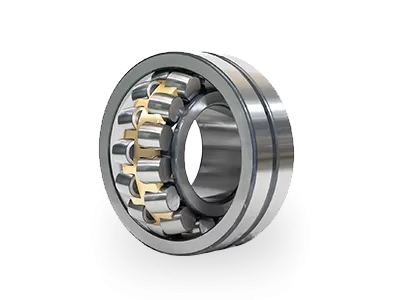
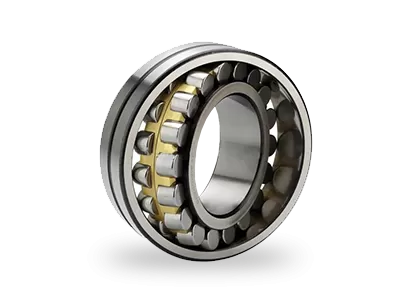
Cage construction also deserves attention when shock and vibration are major concerns. A sufficiently rigid cage helps maintain roller spacing and guidance when the bearing experiences changing loads. In demanding heavy-industry applications, JRZC's spherical roller bearing range includes designs using machined brass cages, which are intended to provide rigidity, roller stability, and resistance to impact conditions.
Lubrication and Contamination Protection Cannot Be Ignored
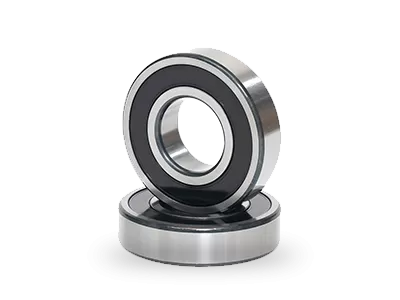
Even a well-designed bearing can suffer premature wear if lubrication is inadequate. Construction equipment frequently operates in environments where dust, water, mud, and abrasive particles can reach rotating components. Contamination can damage raceways and rolling elements while accelerating lubricant degradation.
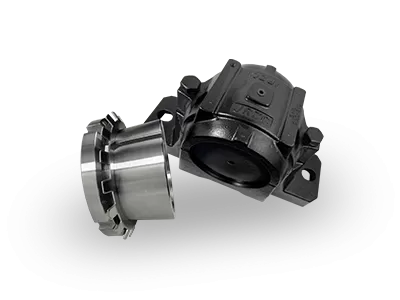
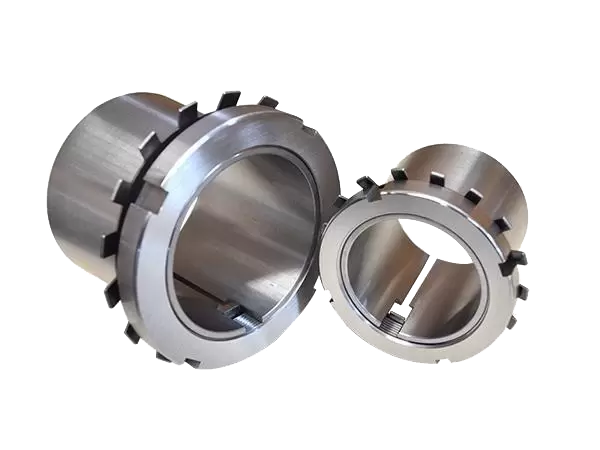
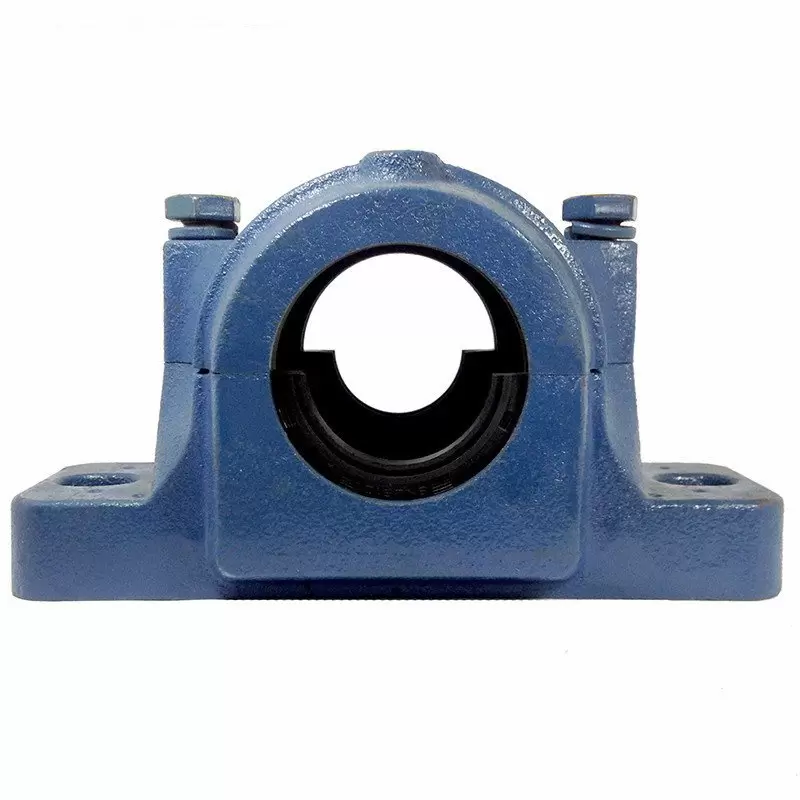
Bearing selection should therefore consider the lubrication method, relubrication frequency, operating temperature, and sealing arrangement together. JRZC provides technical support covering bearing selection, installation guidance, maintenance, and lubrication advice. Its product range also includes bearing housings, seals, adapter sleeves, and related accessories that can help create a more suitable bearing arrangement for specific equipment.
Installation Accuracy Influences Bearing Life
A bearing designed for heavy loads still depends on correct installation. Excessive mounting force, incorrect clearance, shaft damage, housing distortion, or insufficient alignment can create localized stress before the machine even begins normal operation. This is especially important for large construction equipment because bearing replacement can require significant labor and downtime.
For construction machinery bearing suppliers, technical support should therefore extend beyond simply delivering the bearing. JRZC provides CAD drawings, installation guidance, selection assistance, and technical support for customers integrating bearings into their equipment.
Building a More Complete Bearing Selection Process
A practical selection process should connect the bearing with the entire operating environment. Engineers can begin by identifying the dominant load and then evaluate shock frequency, vibration level, speed, temperature, contamination, misalignment, mounting method, lubrication, and expected maintenance interval. This provides a more useful basis for choosing between spherical, cylindrical, tapered, slewing, insert, or other bearing structures.
For OEM projects, custom construction machinery bearings can also be developed around existing equipment drawings and dimensional limitations. JRZC's OEM/ODM capability supports customized bearing requirements and application-oriented engineering, allowing the bearing solution to be considered as part of the machine rather than as an isolated replacement component.
FAQ
What makes construction machinery bearings different from standard bearings?
Construction equipment bearings commonly face heavier loads, impact, vibration, contamination, and alignment changes. Their selection therefore requires greater attention to load capacity, structural strength, internal clearance, sealing, lubrication, and operating conditions.
Which bearing type is suitable for heavy construction equipment?
The answer depends on the load arrangement and machine structure. Spherical roller bearings are useful for heavy radial loads and misalignment, while cylindrical roller bearings suit high radial loads and tapered roller bearings are appropriate where combined radial and axial loads must be supported.
Can construction machinery bearings be customized?
Yes. Customization can address non-standard dimensions, operating conditions, materials, internal design, and application requirements. JRZC provides non-standard bearing design and structural optimization services based on customer drawings and specific applications.
How can bearing life be improved in construction equipment?
Correct selection, accurate installation, suitable lubrication, contamination protection, and appropriate maintenance all contribute to longer service life. The operating environment should be considered throughout the bearing selection process rather than relying only on nominal load ratings.
Why choose JRZC for custom bearing requirements?
JRZC offers a broad range of spherical roller, cylindrical roller, tapered roller, ball, insert, slewing, and related bearing products, supported by OEM/ODM services, technical assistance, customization, quality inspection, and maintenance guidance.