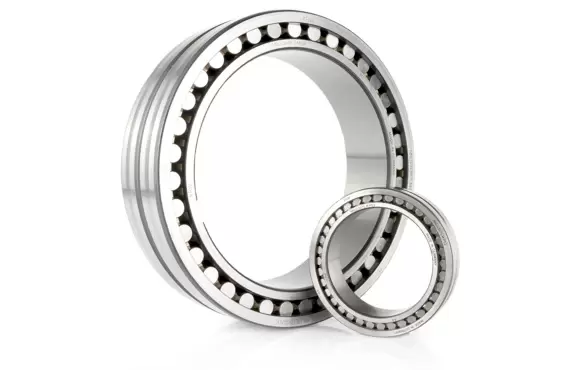
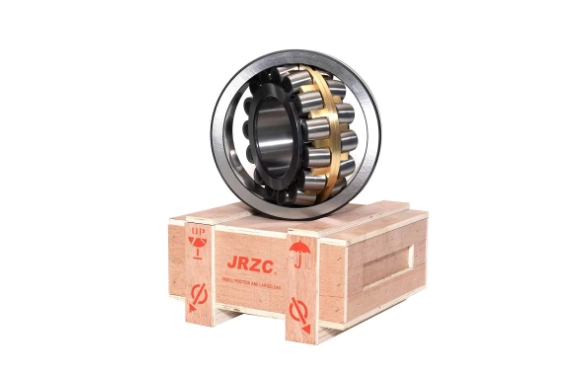
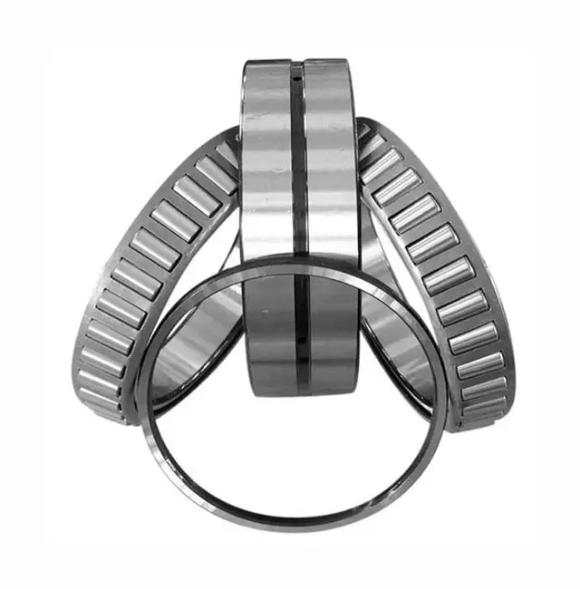
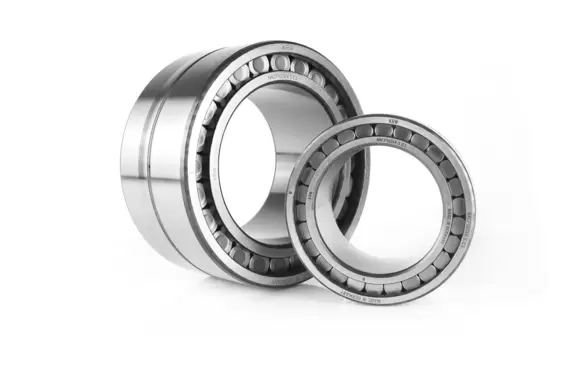
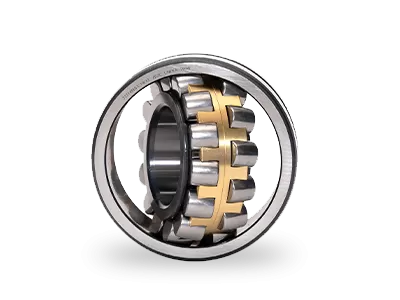
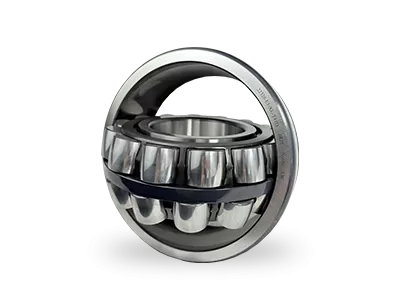
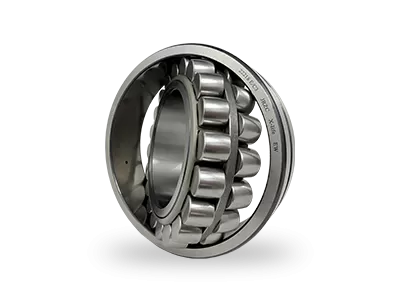
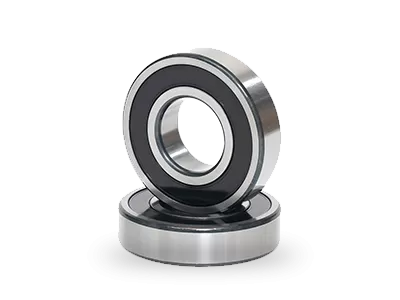
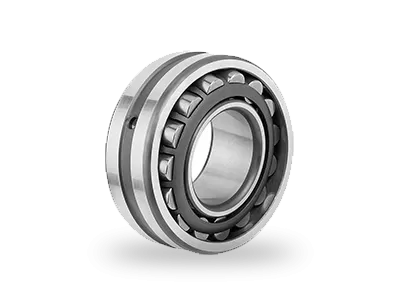
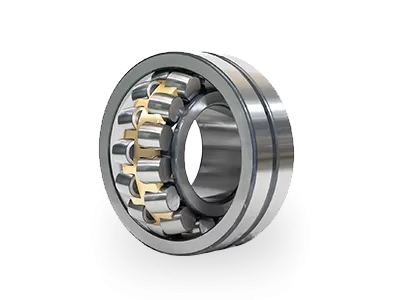
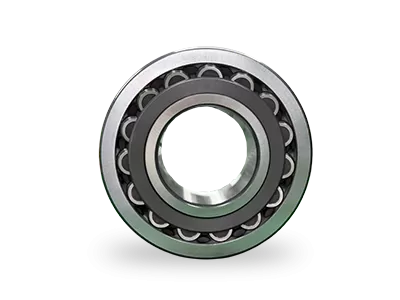
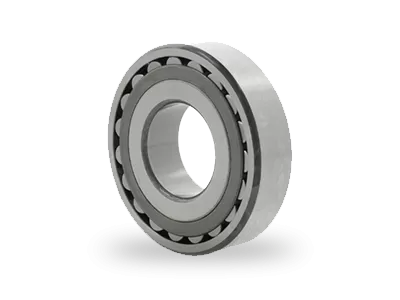
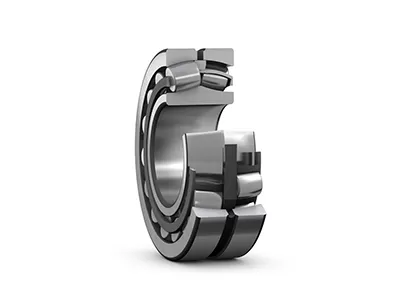
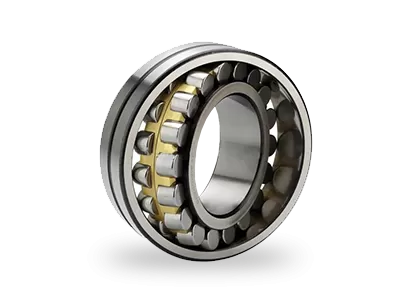
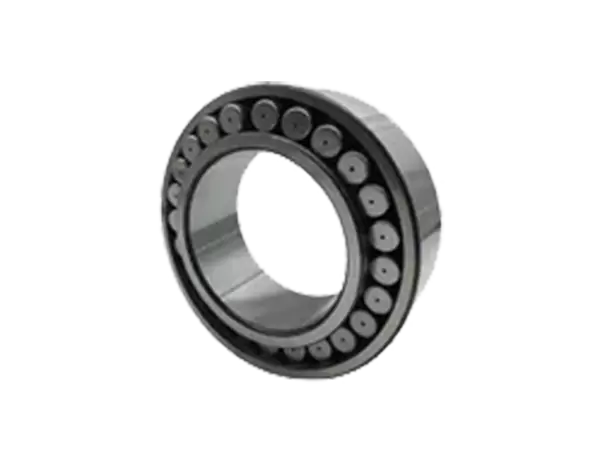
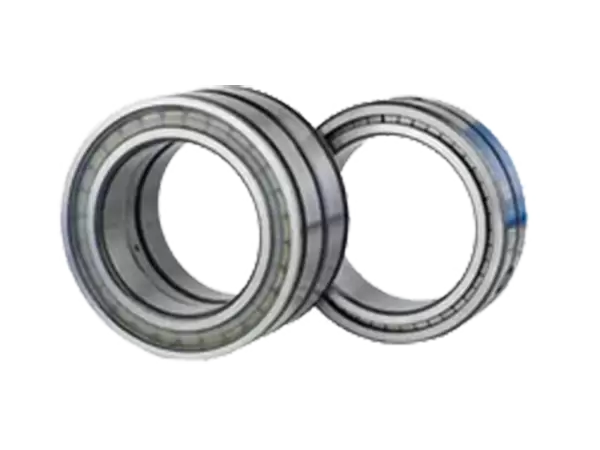
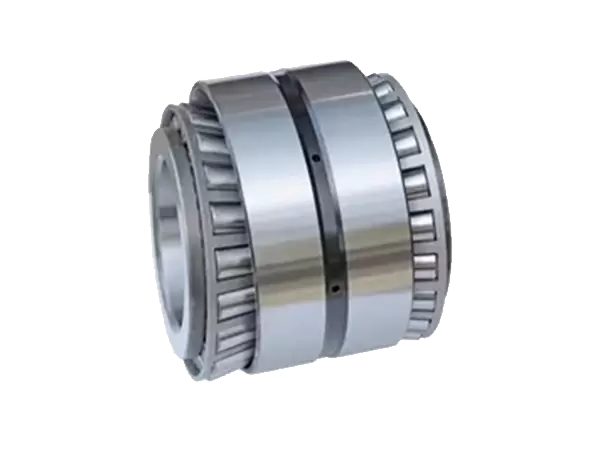
In industrial power transmission systems, load density and torque stability determine the long-term reliability of mechanical equipment. Among various rolling elements, double row cylindrical roller bearings are widely selected for gearbox assemblies where sustained radial force, structural rigidity, and alignment stability are critical. Their architecture is specifically designed to distribute load across two parallel rows of rollers, significantly improving stiffness under demanding operating conditions.
Unlike single-row configurations, this bearing type provides a broader contact area between rollers and raceways. This reduces stress concentration and enhances load-carrying capacity without increasing the overall footprint of the housing. In heavy-duty gearboxes, where compact design and mechanical endurance must coexist, this balance becomes essential for stable performance.
Load Behavior in Double Row Cylindrical Roller Bearing Structures
The primary engineering advantage of double row cylindrical roller bearings lies in their ability to manage high radial forces with minimal deformation. The linear contact between rollers and raceways allows for efficient load distribution, which is especially important in high-torque transmission systems.
In gearbox applications, radial loads often fluctuate due to torque variation, shock loading, and speed changes. The dual-row design ensures that these variations are absorbed more evenly, reducing fatigue on both the bearing surfaces and surrounding components. This contributes directly to longer service intervals and improved mechanical stability.
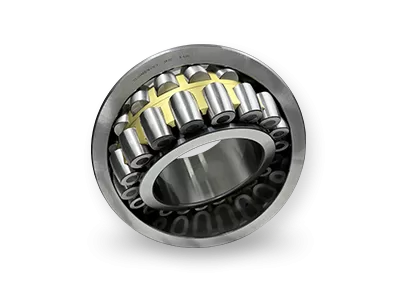
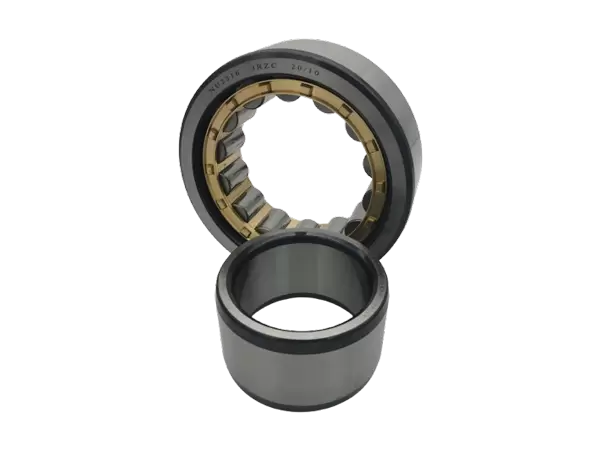
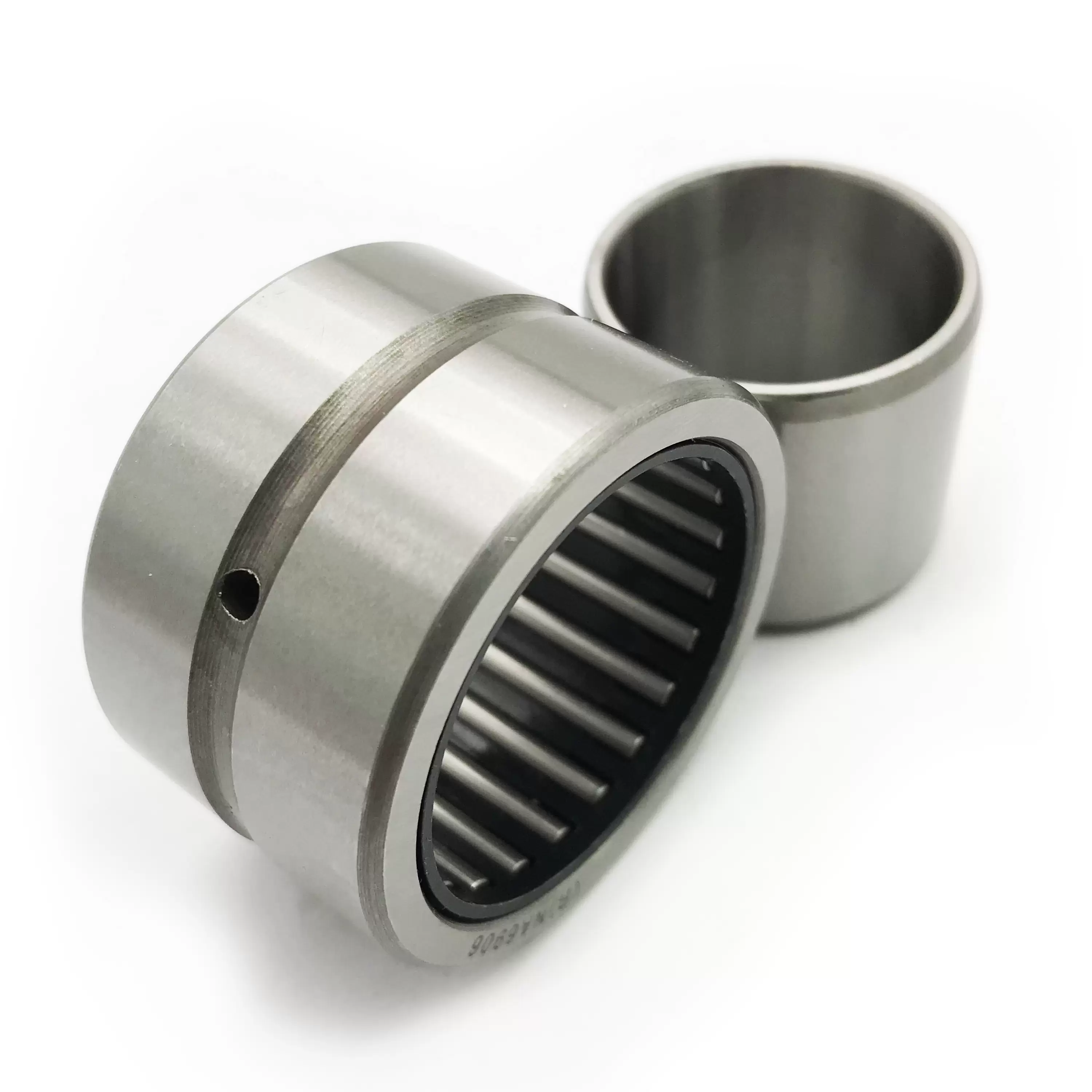
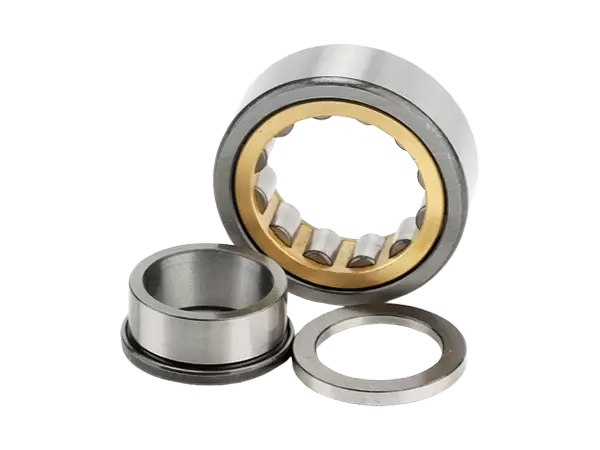
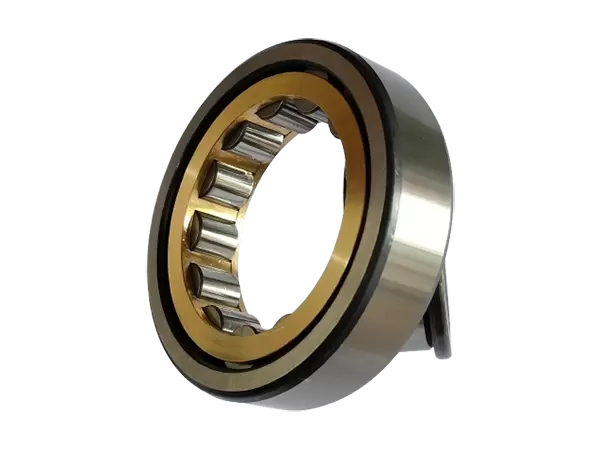
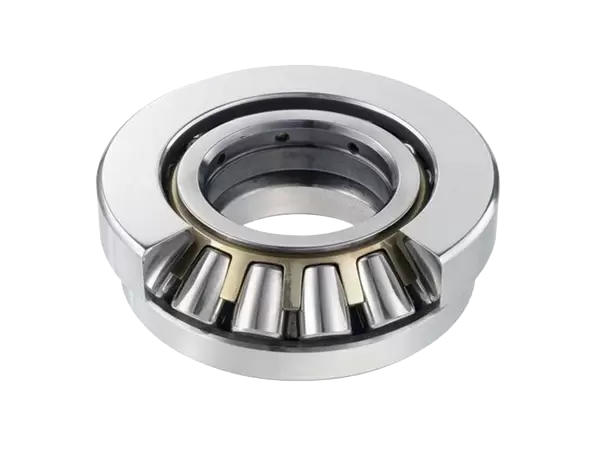
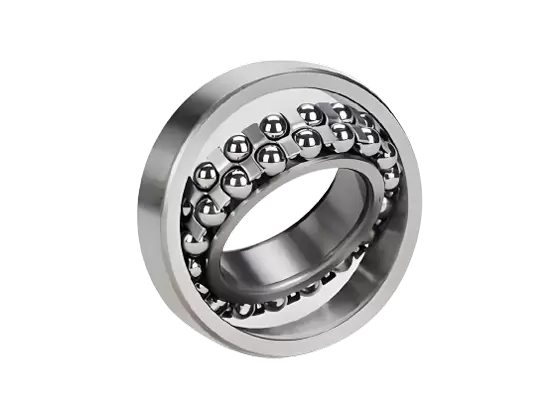
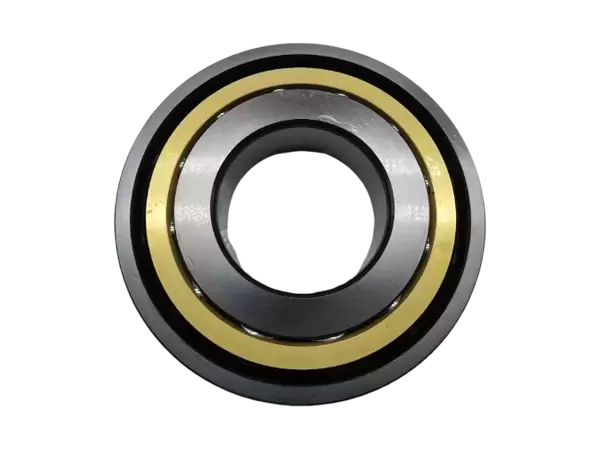
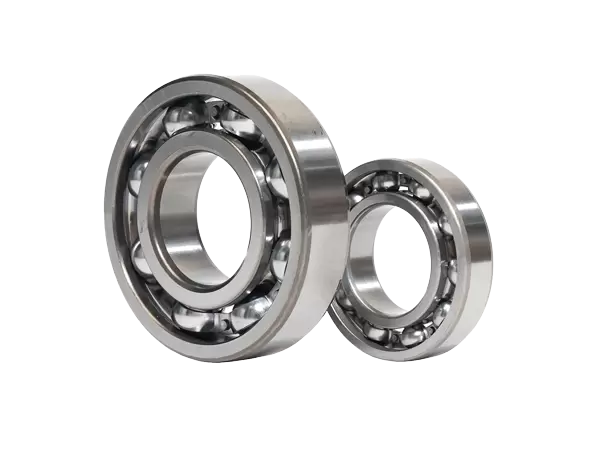
A key feature in many designs is the use of a cylindrical roller bearing with cage, which separates rollers evenly and prevents frictional interference during high-speed rotation. This structure improves guidance accuracy and reduces internal heat generation, which is essential for maintaining performance in continuous-duty environments.
Structural Design Characteristics and Engineering Flexibility
From a structural perspective, double row cylindrical roller bearings are produced in multiple configurations to suit different mechanical layouts. Variations in flange design on the inner and outer rings allow engineers to optimize axial movement control and load direction handling.
The separable design is another important advantage. It simplifies assembly and maintenance procedures, especially in large gearbox housings where accessibility may be limited. Engineers can independently install inner and outer components, reducing downtime during servicing.
Below is a simplified comparison of structural features:
| Feature | Engineering Benefit |
|---|
| Double row roller layout | Higher radial load capacity |
| Separable components | Easier installation and maintenance |
| Cage design | Stable roller spacing and reduced friction |
| Multiple bore options | Flexible integration into gearbox designs |
These characteristics make double row cylindrical roller bearings suitable for applications requiring both durability and mechanical precision.
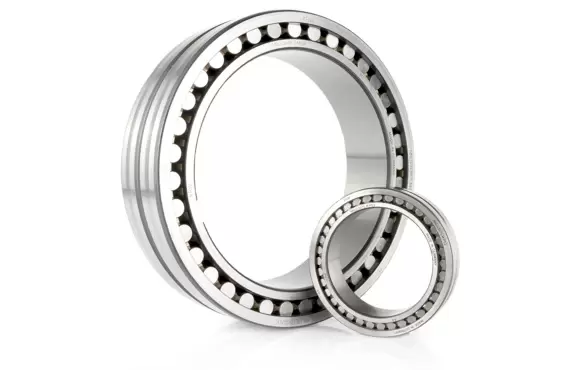
In gearbox environments, heat generation is a natural result of friction and load transfer. Proper bearing design must manage temperature rise effectively to avoid material fatigue and lubricant degradation.
The cage structure plays a significant role in controlling roller motion, ensuring consistent spacing even at medium to high rotational speeds. This reduces localized friction and helps maintain thermal balance across the bearing assembly.
Although these bearings are not designed for axial misalignment compensation, their rigid structure provides excellent positional stability. This makes them ideal for gear-driven systems where alignment is controlled by precision-machined housings rather than flexible bearing movement.
Industrial Usage Perspective and Load-Driven Applications
The performance characteristics of double row cylindrical roller bearings uses are closely linked to industries where continuous torque transmission and heavy radial loading are common. Gearboxes in such environments require components that can sustain repeated stress cycles without dimensional instability.
In mining, construction machinery, and power transmission equipment, load variation is often unpredictable. Bearings must therefore maintain structural integrity under both steady and shock conditions. The dual-row configuration helps distribute stress more evenly across the rolling elements, reducing wear progression.
JRZC, as a professional bearing supplier, works closely with demanding industrial sectors that require consistent performance standards and long service life expectations.
Manufacturing Standards and Production Considerations
The quality of a bearing is strongly influenced by manufacturing precision, material selection, and heat treatment control. In a double row cylindrical roller bearing factory, production processes typically focus on achieving strict dimensional tolerances for raceways and rollers to ensure uniform load distribution.
Surface finishing is another critical factor. Smooth raceway surfaces reduce friction resistance and improve lubrication film stability. This directly impacts operational efficiency and long-term wear resistance.
Key production priorities include:
Controlled hardness consistency across components
High precision grinding of raceways
Optimized cage geometry for stable roller guidance
Strict inspection of radial clearance tolerances
These manufacturing factors are essential for maintaining reliability in heavy gearbox environments.
Selection Logic from Cylindrical Roller Bearing Manufacturers
From the perspective of cylindrical roller bearing manufacturers, selection is not only based on load capacity but also on system compatibility. Gearbox designers must consider rotational speed, lubrication method, thermal conditions, and expected load cycles.
Different bearing series are developed to meet specific performance demands. For example, high-load variants are optimized for torque-heavy applications, while precision-oriented designs focus on reduced vibration and improved rotational accuracy.
JRZC emphasizes consistency in material performance and dimensional stability, ensuring that bearings maintain predictable behavior under industrial operating conditions.
When integrating double row cylindrical roller bearings into gearboxes, engineers often focus on alignment precision, lubrication distribution, and housing rigidity. These factors collectively influence bearing lifespan and operational efficiency.
Proper lubrication is particularly important because it reduces direct metal contact and stabilizes temperature during operation. In high-load conditions, lubricant viscosity selection becomes a key design decision.
Housing stiffness also plays a critical role. A rigid gearbox casing prevents deformation under load, ensuring that the bearing maintains correct geometric alignment throughout its service life.
FAQ
Q1: Why are double row cylindrical roller bearings used in gearboxes?
They provide high radial load capacity and structural rigidity, making them ideal for torque-intensive gearbox systems.
Q2: What is the role of a cage in cylindrical roller bearings?
A cage maintains proper roller spacing, reduces friction, and improves stability at medium to high speeds.
Q3: Can these bearings handle axial loads?
They are primarily designed for radial loads and do not effectively compensate for axial misalignment or axial load conditions.
Q4: What industries commonly use these bearings?
They are widely used in mining, construction machinery, industrial automation, and power transmission systems.
Q5: What makes JRZC bearings suitable for industrial gearboxes?
JRZC focuses on precision manufacturing, material stability, and load-optimized designs suitable for heavy-duty applications.