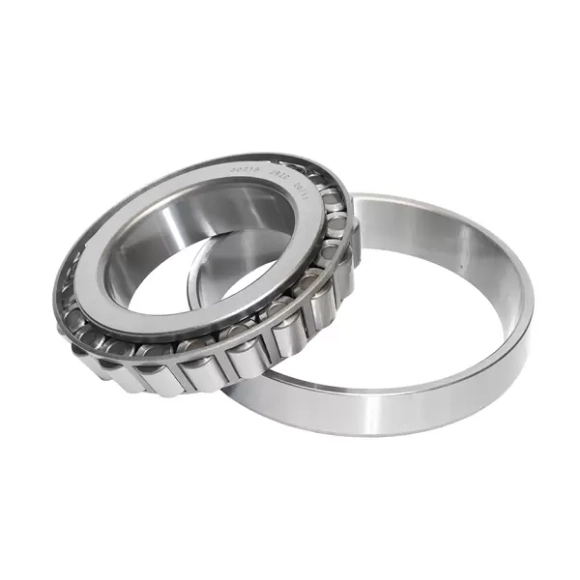
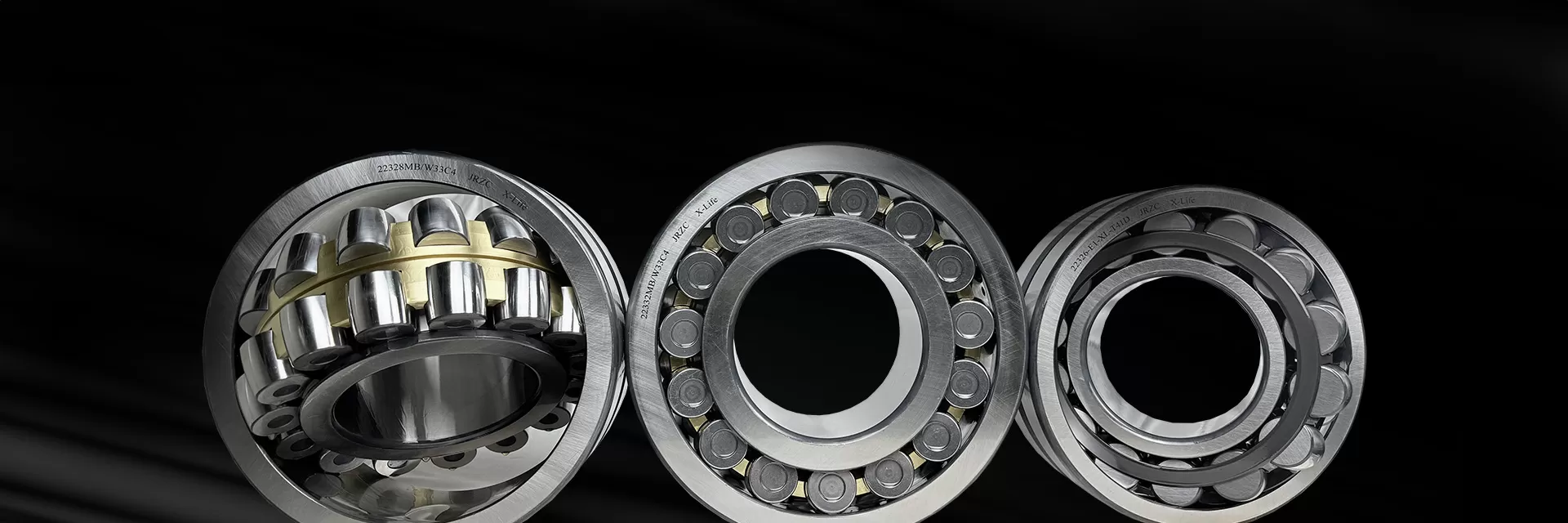
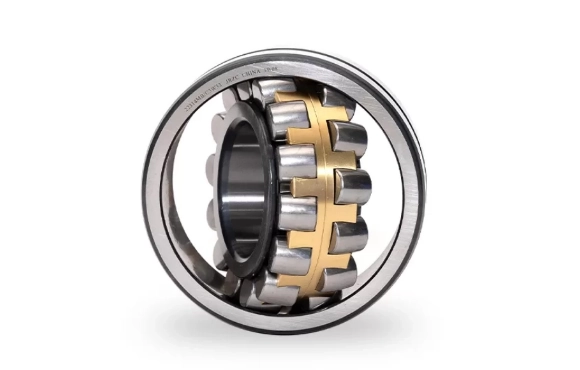
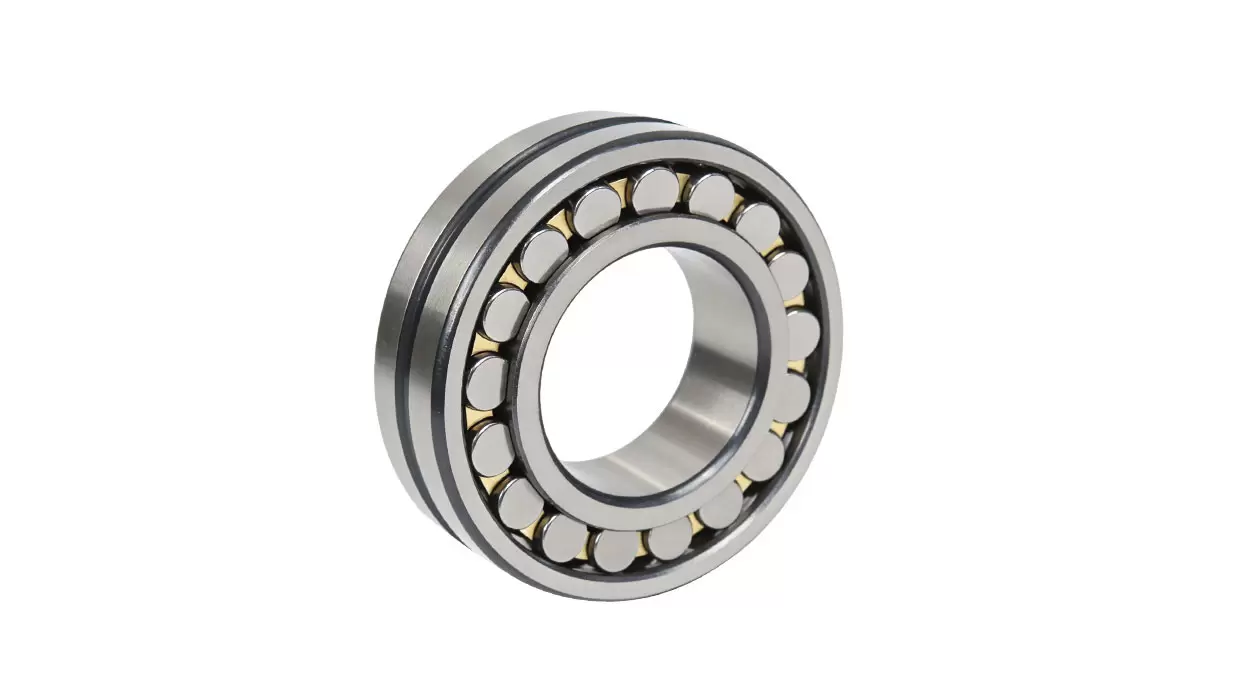
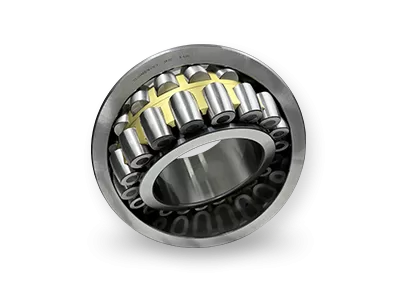
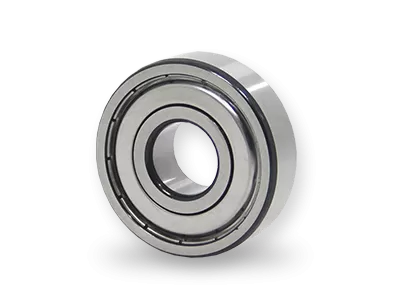
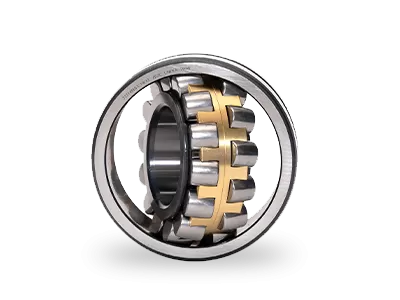
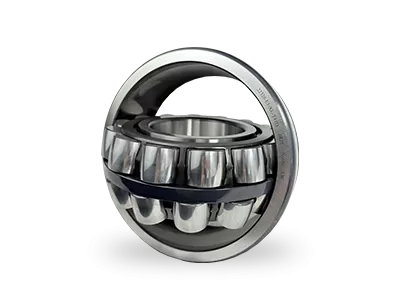
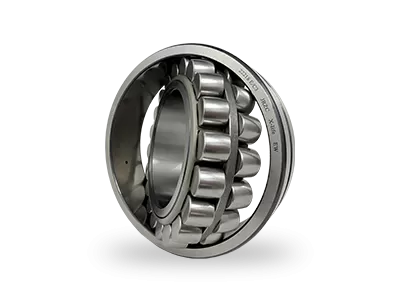
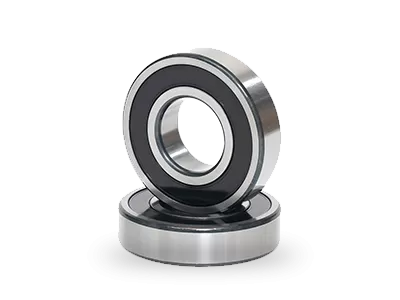
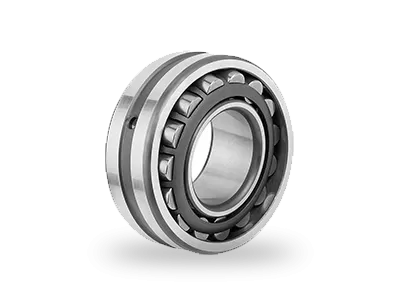
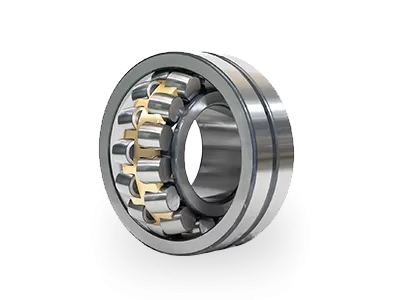
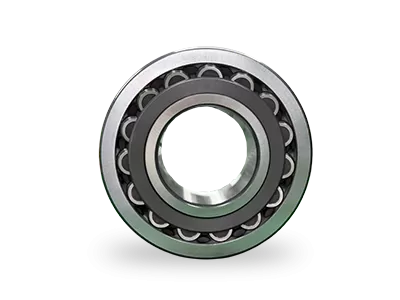
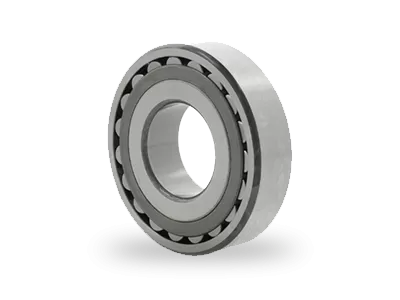
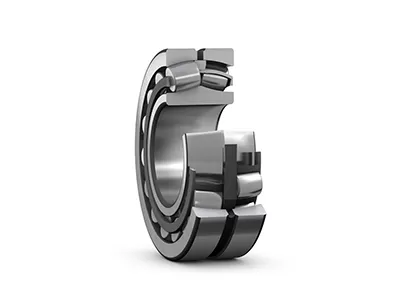
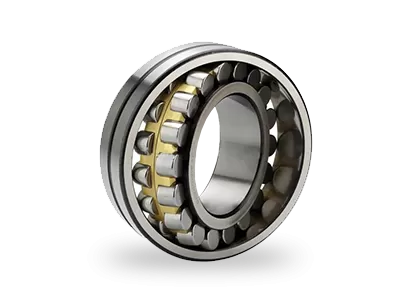
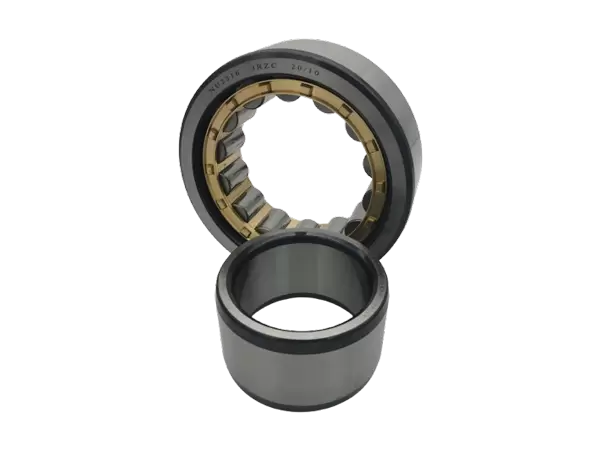
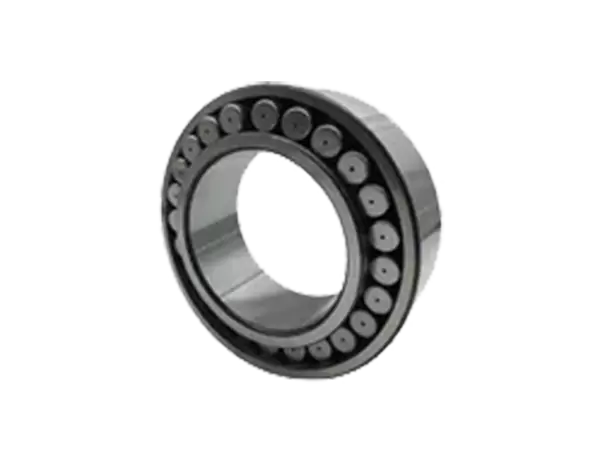
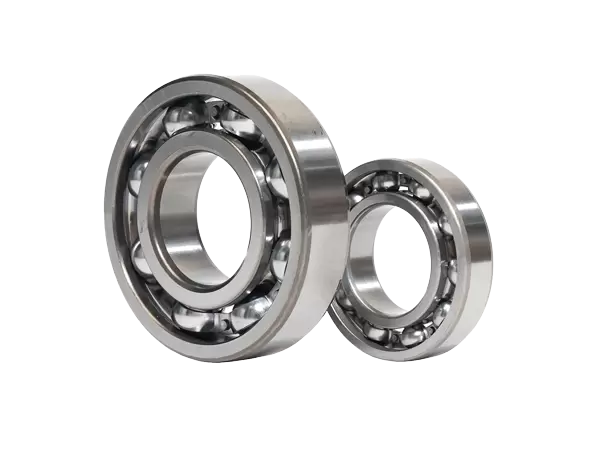
High-speed bearing applications demand more than high rotational capability. As speed increases, friction, heat generation, lubrication conditions, and component stability become closely connected. High speed cylindrical roller bearings are designed to manage these factors through their roller geometry, cage arrangement, material selection, internal clearance, and lubrication conditions. Their line-contact design provides high radial load capacity while maintaining relatively low rolling resistance when the bearing is correctly selected and operated.
For industrial equipment, controlling heat is particularly important because excessive temperature can reduce lubricant effectiveness, accelerate material fatigue, increase dimensional changes, and shorten service life. A well-designed cylindrical roller bearing therefore needs to balance load capacity with speed capability rather than focusing on rotational speed alone. JRZC develops cylindrical roller bearing solutions for applications where stable rotation, radial load support, and controlled friction are essential.
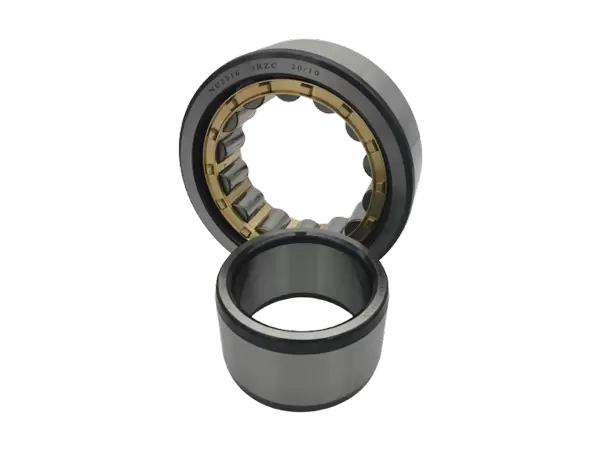
Why High Speed Cylindrical Roller Bearings Generate Heat
Friction is unavoidable whenever a bearing rotates. Even though rolling elements reduce sliding compared with plain bearing arrangements, several sources of resistance remain inside a cylindrical roller bearing. Contact between rollers and raceways, roller-end interactions, cage movement, lubricant shear, and sealing resistance can all contribute to heat generation.
At higher rotational speeds, these effects become more significant because the rollers complete more revolutions within the same period. The cage must also maintain accurate roller spacing while moving at a higher speed. If lubrication is excessive, lubricant churning can add another source of resistance. If lubrication is insufficient, direct surface contact may increase friction and temperature.
The thermal behavior of a bearing is therefore influenced by several variables rather than speed alone. Load, rotational speed, lubricant viscosity, internal clearance, cage design, operating temperature, and installation accuracy all affect the final heat balance.
| Factor | Influence on Heat and Friction |
|---|
| Rotational speed | Higher speed increases frictional heat generation |
| Radial load | Greater load increases contact stress and resistance |
| Lubricant viscosity | Affects film formation and churning losses |
| Internal clearance | Influences operating contact conditions |
| Cage design | Controls roller spacing and dynamic behavior |
| Installation accuracy | Helps maintain uniform load distribution |
| Cooling conditions | Determines how efficiently heat leaves the bearing |
Understanding these relationships is essential when selecting bearings for motors, gearboxes, machine tools, generators, conveyors, pumps, compressors, and other rotating equipment.
How Roller Geometry Supports Efficient Rotation
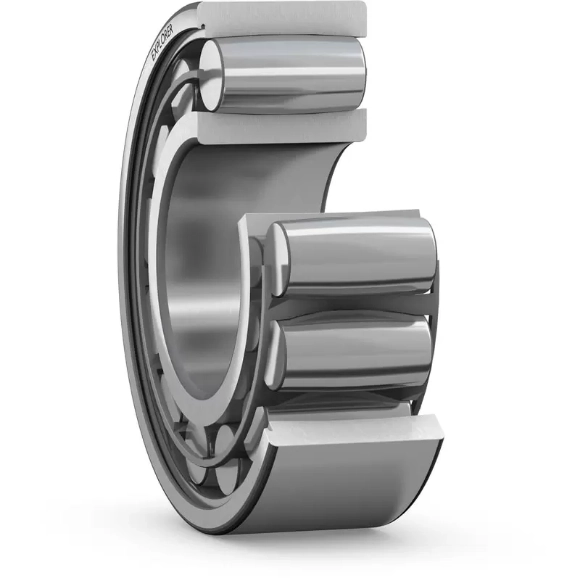
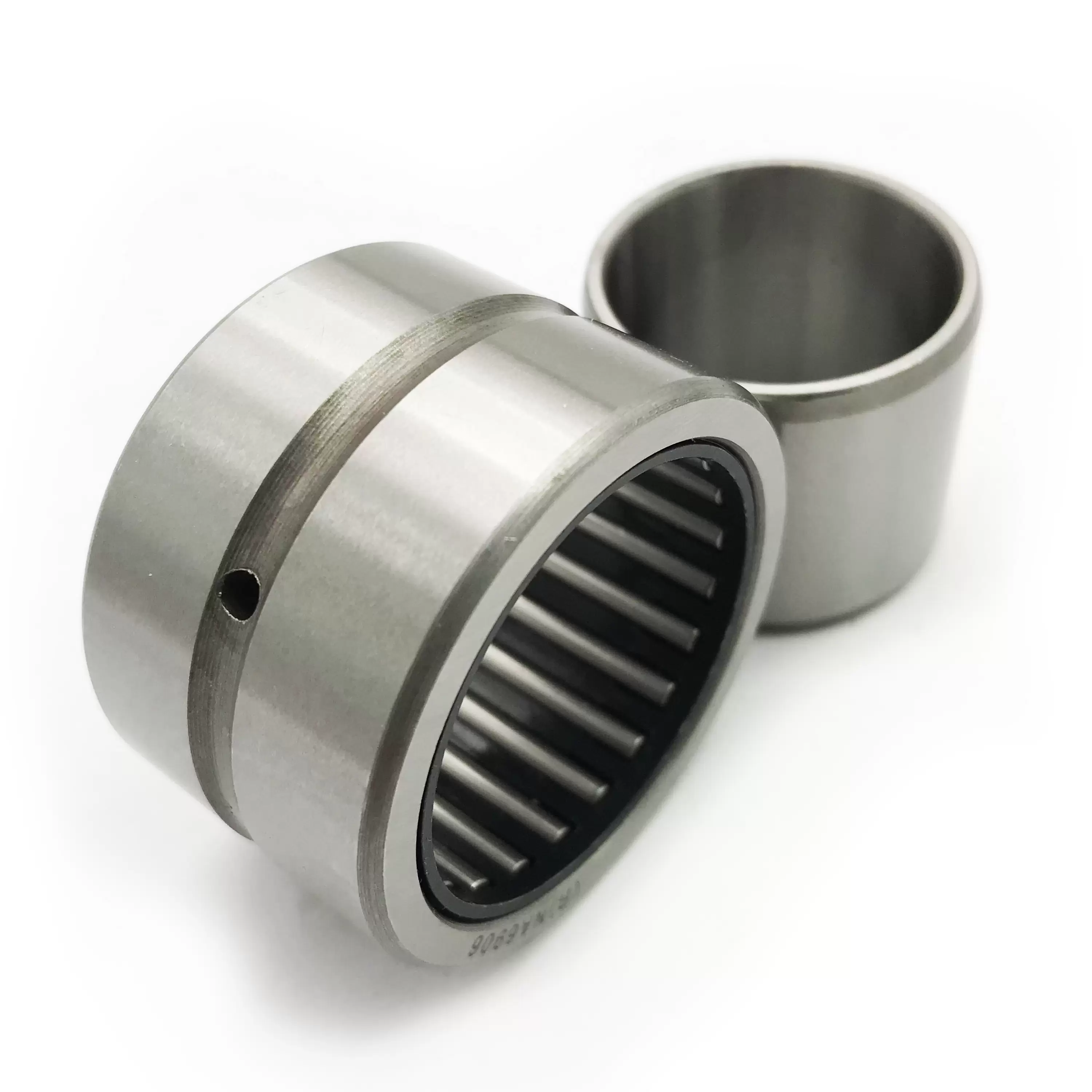
One of the defining characteristics of a cylindrical roller bearing is the line contact between the rollers and raceways. Compared with point-contact rolling elements, cylindrical rollers provide a larger contact area for carrying radial loads. This geometry allows the bearing to support substantial radial forces while distributing the load along the roller length.
For high speed cylindrical roller bearings, roller geometry must also be carefully controlled. Properly finished rollers can reduce localized stress and help maintain smoother contact with the raceway. Optimized roller profiles are particularly important because small geometric deviations can affect load distribution, friction, and temperature as rotational speed rises.
The raceway surface also plays an important role. Precision grinding and controlled surface finishing help reduce irregular contact and support consistent lubrication film formation. When the roller and raceway surfaces work together accurately, the bearing can maintain stable rotation without unnecessary mechanical resistance.
Cage Design Matters at Higher Rotational Speeds
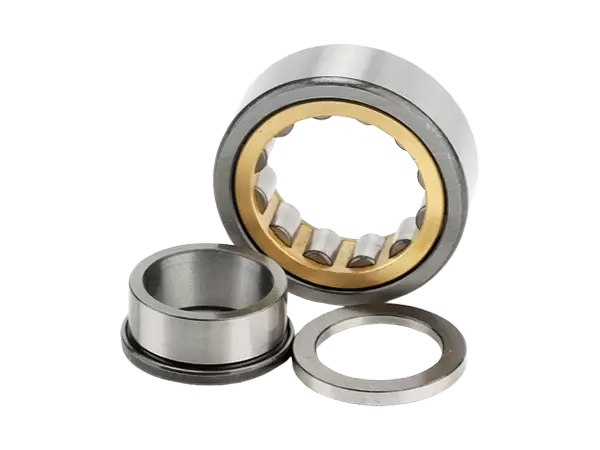
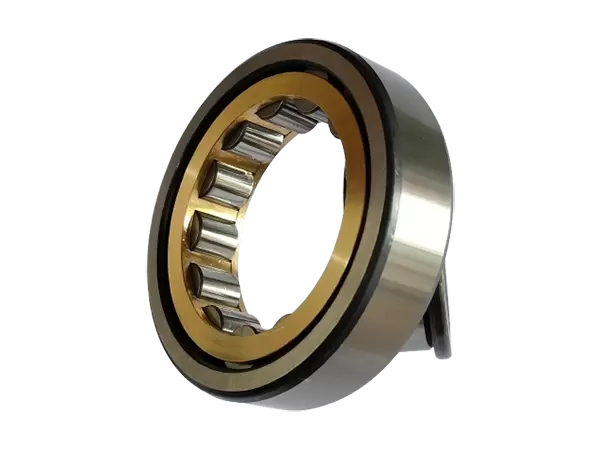
The cage is an important component in a caged cylindrical roller bearing because it keeps individual rollers separated and guides their movement. Without adequate spacing, rollers could interact excessively, increasing friction and heat. A properly designed cage helps maintain a controlled rolling pattern throughout operation.
This is one reason cylindrical roller bearings with cages are commonly considered when rotational speed is an important design requirement. The cage limits roller-to-roller contact and contributes to smoother dynamic behavior. Its material, geometry, pocket design, clearance, and manufacturing accuracy all influence how the bearing performs at elevated speeds.
A high-speed application also requires attention to cage stability. If rotational conditions approach the bearing's practical operating limit, cage forces and lubricant behavior become increasingly important. Selecting a bearing only according to bore and outside diameter is therefore insufficient when speed is a major requirement.
Caged and Full Complement Designs
Cylindrical roller bearings are available in different structural configurations, and the choice between a caged and full complement design has a direct influence on speed and friction.
| Bearing Structure | Main Strength | Typical Speed Consideration |
|---|
| Single row with cage | Low friction and stable roller guidance | Well suited to higher-speed operation |
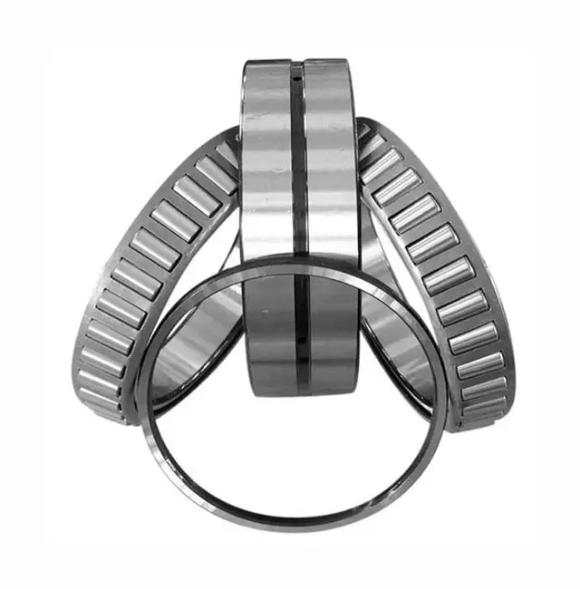
| Double row with cage | Higher radial capacity and rigidity | Suitable where load and speed must be balanced |
| Single row full complement | High roller density and load capacity | Generally more suitable for lower-speed heavy loads |
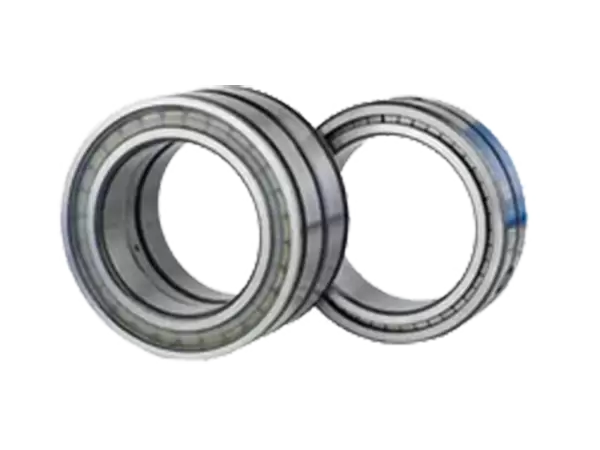
| Double row full complement | Very high radial load capacity | Typically selected for heavy-duty, lower-speed conditions |
Full complement bearings contain more rollers because the cage is removed. This increases load-carrying capability, but roller-to-roller interaction can also increase friction. For this reason, a high speed cylindrical roller bearing is normally selected from a structure designed to control dynamic resistance rather than simply maximizing the number of rollers.
Lubrication Controls Friction and Temperature
Lubrication is one of the most important factors in high-speed bearing operation. The lubricant creates a protective film between contacting surfaces, helping reduce direct metal-to-metal interaction. It also carries heat away from the contact zone and protects the rolling surfaces against wear.
However, more lubricant does not automatically mean better cooling or longer bearing life. Excessive grease can increase churning resistance, particularly at high rotational speeds. This additional resistance can raise operating temperature and reduce efficiency.
Oil lubrication may provide advantages where heat removal and high rotational speed are major concerns. The correct choice depends on the bearing design, operating speed, load, temperature, equipment arrangement, and maintenance requirements. Lubricant viscosity must also match the operating conditions, because an unsuitable viscosity can either weaken the lubricating film or increase fluid resistance.
JRZC cylindrical roller bearing solutions can be configured for different industrial operating requirements, making lubrication selection an important part of bearing application engineering rather than an afterthought.
Internal Clearance and Operating Temperature
Internal radial clearance describes the small amount of movement available between the rolling elements and raceways before the bearing is mounted and operating. This clearance changes during operation because shaft temperature, housing temperature, interference fits, and thermal expansion can alter the effective internal condition.
For high-speed applications, this relationship is particularly important. Excessive reduction in operating clearance can increase friction and contact stress. If the operating condition becomes too tight, heat generation may rise rapidly. On the other hand, excessive clearance can affect load distribution and rotational stability.
This is why internal clearance should be selected according to the complete operating environment rather than treated as an isolated specification. Speed, temperature, shaft fit, housing fit, load, and lubrication must be considered together when determining the appropriate clearance condition.
Materials and Surface Quality Influence Heat Control
Bearing steel quality directly affects fatigue resistance, dimensional stability, wear behavior, and surface performance. Cylindrical roller bearings commonly use high-quality chrome bearing steel for rings and rollers because it provides the hardness and strength required for repeated rolling contact.
Surface quality is equally important. A smooth and accurately finished raceway can reduce irregular friction and support more consistent contact with the lubricant film. Roller manufacturing accuracy also affects how evenly load is distributed across the rolling elements.
For high-speed applications, manufacturing consistency becomes increasingly important because small variations can become more significant as rotational speed increases. Precision heat treatment, grinding, dimensional control, and roller profile optimization all contribute to predictable bearing behavior.
Installation Accuracy Helps Prevent Excessive Heat
Even a high-quality bearing can experience unnecessary heat generation if installation conditions are incorrect. Misalignment, unsuitable fits, contamination, shaft deformation, and housing inaccuracies can change the intended contact pattern.
Cylindrical roller bearings generally require careful control of shaft and housing geometry. When the bearing is installed accurately, radial load can be distributed more evenly across the rollers. This helps reduce localized stress and prevents unnecessary friction caused by unfavorable contact conditions.
For equipment operating at high speed, installation should therefore include careful inspection of shaft dimensions, housing bore accuracy, fit selection, cleanliness, and alignment. Proper mounting also helps protect the bearing from damage that could later appear as vibration, noise, temperature rise, or premature fatigue.
Managing Heat Beyond the Bearing
Heat generated inside a bearing must eventually be transferred to the surrounding components or removed through the lubricant and cooling arrangement. The actual thermal balance depends on the bearing's heat generation rate and the equipment's ability to dissipate that heat.
Housing design, surrounding airflow, lubricant circulation, shaft configuration, and ambient temperature can all affect the final operating temperature. A bearing that performs well under one thermal condition may require a different arrangement under a substantially higher heat load.
For this reason, high speed cylindrical roller bearings should be evaluated as part of the rotating assembly, not as an isolated component. The bearing, shaft, housing, lubricant, and cooling conditions must work together to maintain a stable operating temperature.
Where High-Speed Cylindrical Roller Bearings Are Used
The combination of high radial load capacity and controlled friction makes cylindrical roller bearings suitable for a broad range of industrial equipment. Caged configurations are particularly useful when rotational speed is combined with continuous operation and substantial radial loading.
Common applications include electric motors, generators, gearboxes, machine tools, pumps, compressors, rolling equipment, conveyors, industrial machinery, wind power equipment, and automated production equipment. In these applications, bearing selection often involves balancing speed, load, rigidity, service life, lubrication, and installation conditions.
The correct design depends on the actual operating environment. A bearing intended for a high-speed motor may require a different configuration from one used in a heavily loaded gearbox, even when their dimensional requirements appear similar.
How to Select a Bearing for Heat and Friction Control
Selecting a cylindrical roller bearing for high-speed operation should begin with the actual working conditions. Start by determining the radial load and required rotational speed, then evaluate the expected operating temperature and available lubrication method.
Next, consider the bearing structure. A caged design may be more appropriate when low friction and higher-speed operation are priorities, while a full complement structure can provide greater load capacity when speed requirements are less demanding. Internal clearance, material quality, cage construction, and dimensional accuracy should then be evaluated against the equipment design.
A practical selection process can include:
Determine the required radial load capacity.
Confirm the continuous and peak rotational speed.
Evaluate the expected operating temperature.
Select an appropriate bearing structure and cage arrangement.
Match internal clearance to shaft, housing, and thermal conditions.
Select lubrication according to speed, load, and temperature.
Check shaft and housing accuracy before installation.
Consider maintenance, relubrication, and service requirements.
This approach helps prevent the common mistake of choosing a bearing based on load rating alone.
JRZC focuses on cylindrical roller bearing manufacturing with attention to load capacity, dimensional precision, material performance, and application requirements. Its product range includes caged and full complement configurations, allowing different designs to address different combinations of speed, radial loading, rigidity, and space requirements.
For applications where rotational speed is a major consideration, the selection of high speed cylindrical roller bearings should focus on the complete operating condition rather than one isolated performance value. Roller geometry, cage stability, surface finish, lubrication, clearance, and installation quality all contribute to reliable heat and friction control.
The objective is not simply to make a bearing rotate faster. It is to maintain a stable relationship between friction, temperature, load, lubrication, and material performance throughout the expected service period.
FAQ
Are cylindrical roller bearings suitable for high-speed applications?
Yes. Caged cylindrical roller bearings can be suitable for high-speed applications because their roller arrangement and cage structure help control roller movement and reduce unnecessary friction. Actual speed capability depends on bearing size, design, lubrication, load, clearance, and operating conditions.
Why does bearing temperature increase at higher speed?
Higher rotational speed increases the frequency of rolling contact and can increase cage movement, lubricant shear, and other frictional losses. If heat generation exceeds the equipment's ability to dissipate it, operating temperature will rise.
Are full complement cylindrical roller bearings suitable for high speed?
They are generally selected for high radial load rather than maximum rotational speed. Removing the cage allows more rollers to fit inside the bearing, increasing load capacity but potentially increasing roller interaction and friction.
How does lubrication affect high-speed bearing performance?
Lubrication reduces surface friction, protects rolling contacts, and helps control heat. The quantity and viscosity must be appropriate because insufficient lubricant can increase wear, while excessive grease can increase churning resistance and temperature.
Why is internal clearance important?
Internal clearance allows the bearing to accommodate changes caused by mounting fits and thermal expansion. Incorrect clearance can affect load distribution, friction, operating temperature, and service life.
What helps a cylindrical roller bearing operate at higher speed?
A suitable caged configuration, accurate roller and raceway surfaces, appropriate internal clearance, correct lubrication, proper installation, and effective heat dissipation all contribute to stable high-speed operation.