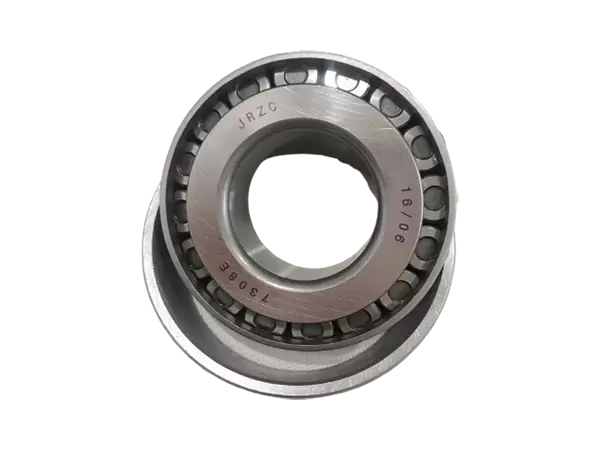
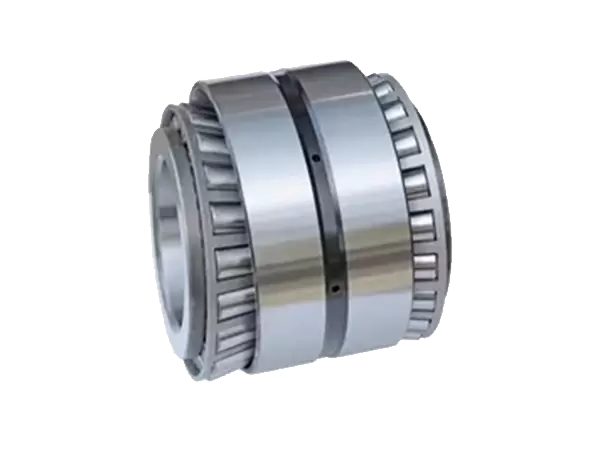
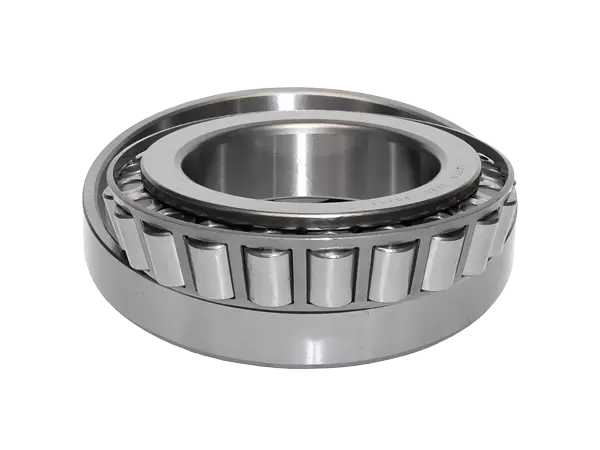
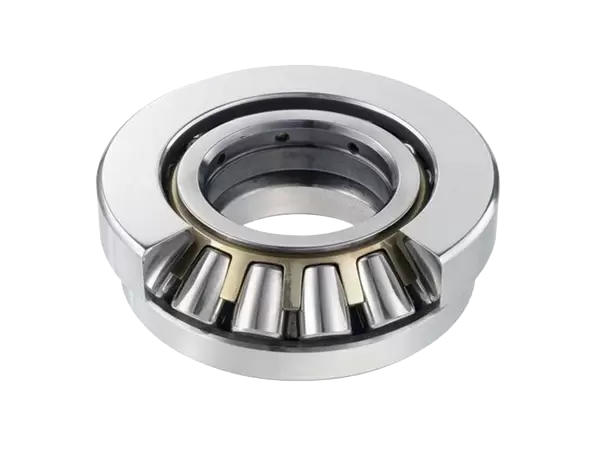
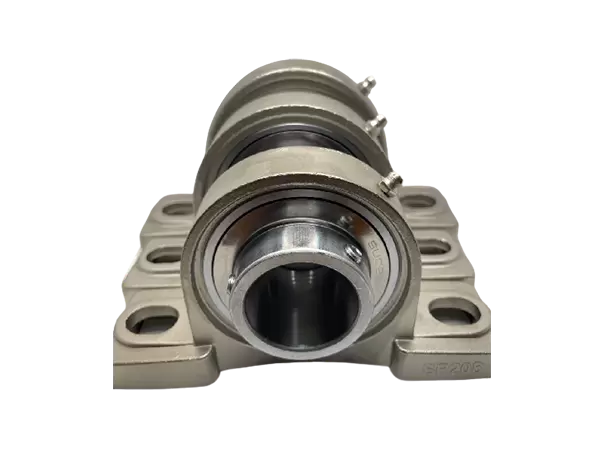
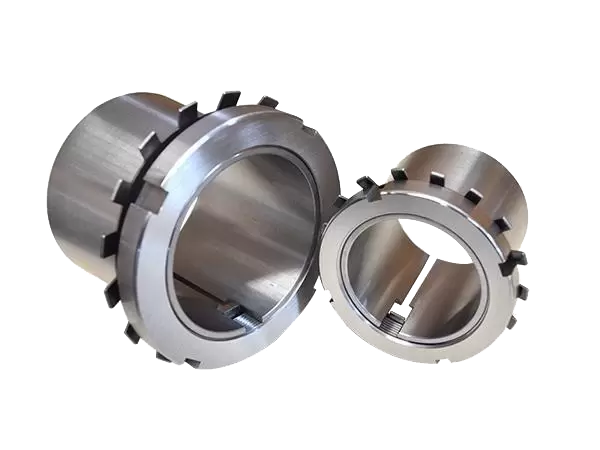
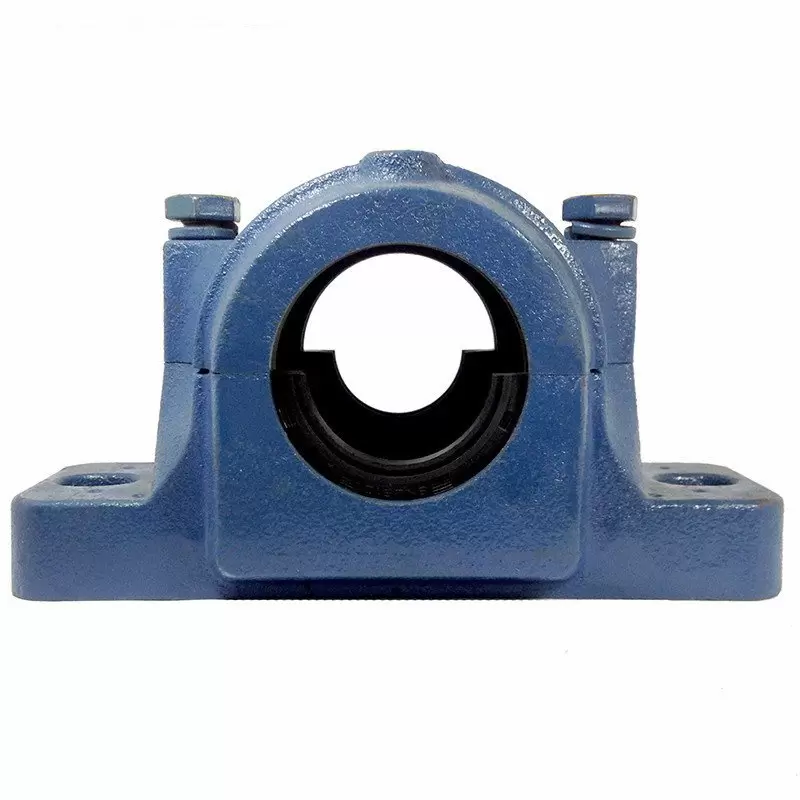
In industrial machinery, performance reliability is rarely determined by one large component alone. More often, it depends on the precision and endurance of smaller mechanical elements that operate continuously behind the scenes. Bearings are among the most critical of these components. Their role may seem simple—supporting rotating shafts and reducing friction—but in reality, their influence extends directly into machine efficiency, operating stability, energy consumption, and maintenance cost.
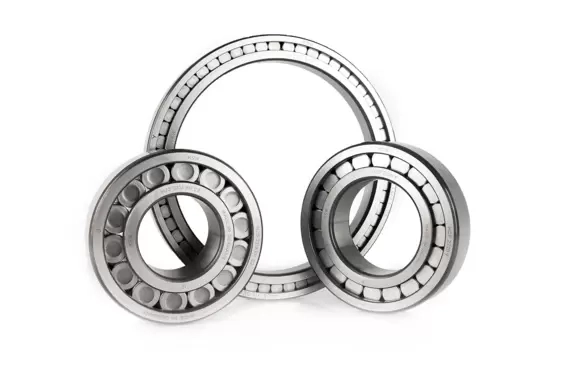
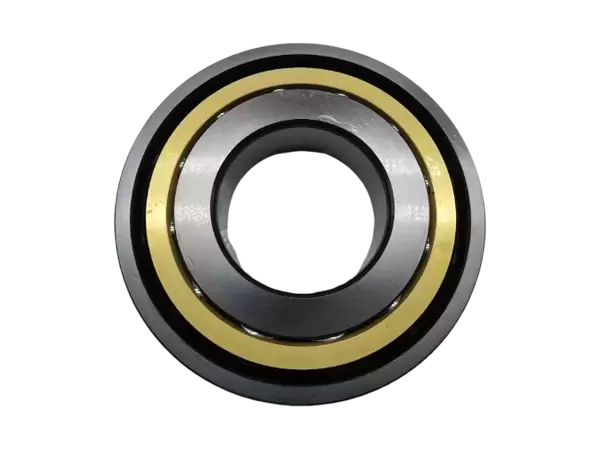
Among the wide range of bearing solutions used across global manufacturing industries, the single row cylindrical roller bearing has established itself as one of the most important choices for equipment requiring high radial load support combined with dependable high-speed performance. Its design offers a practical balance between load capacity, mechanical rigidity, and rotational efficiency, making it indispensable in modern industrial systems.
For procurement managers, equipment engineers, and OEM manufacturers, choosing the right bearing supplier involves much more than comparing dimensions or prices. It requires understanding the engineering behind the product, the manufacturing quality behind the brand, and the long-term operational value the bearing delivers. As a specialized bearing manufacturer, JRZC focuses on delivering solutions designed specifically for demanding industrial applications where precision and durability are non-negotiable.
Why Single Row Cylindrical Roller Bearings Remain Essential in Modern Industry
Industrial machinery has evolved rapidly over the past decade. Equipment is expected to run faster, operate longer, and handle greater production loads than ever before. This increase in operational intensity creates significant stress on rotating systems, especially bearings.
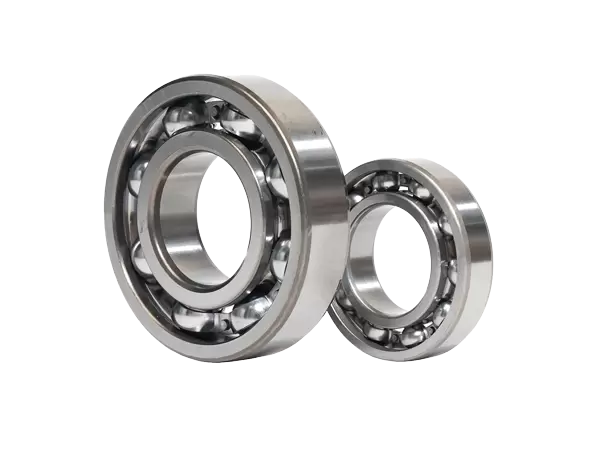
Traditional ball bearings perform well in many standard applications, but when radial loads become heavier and operating environments become more demanding, their limitations become more apparent. This is where the single row cylindrical roller bearing offers a distinct engineering advantage.
Its cylindrical rollers create linear contact with the raceway rather than point contact. This design distributes force across a larger surface area, reducing localized stress and dramatically improving load capacity. The result is better mechanical stability, improved resistance to fatigue, and longer service life under continuous industrial operation.
For industries where unexpected downtime can create major financial losses, this design advantage becomes strategically important.
At first glance, a cylindrical roller bearing may appear simple. However, its internal design is the result of highly refined mechanical engineering.
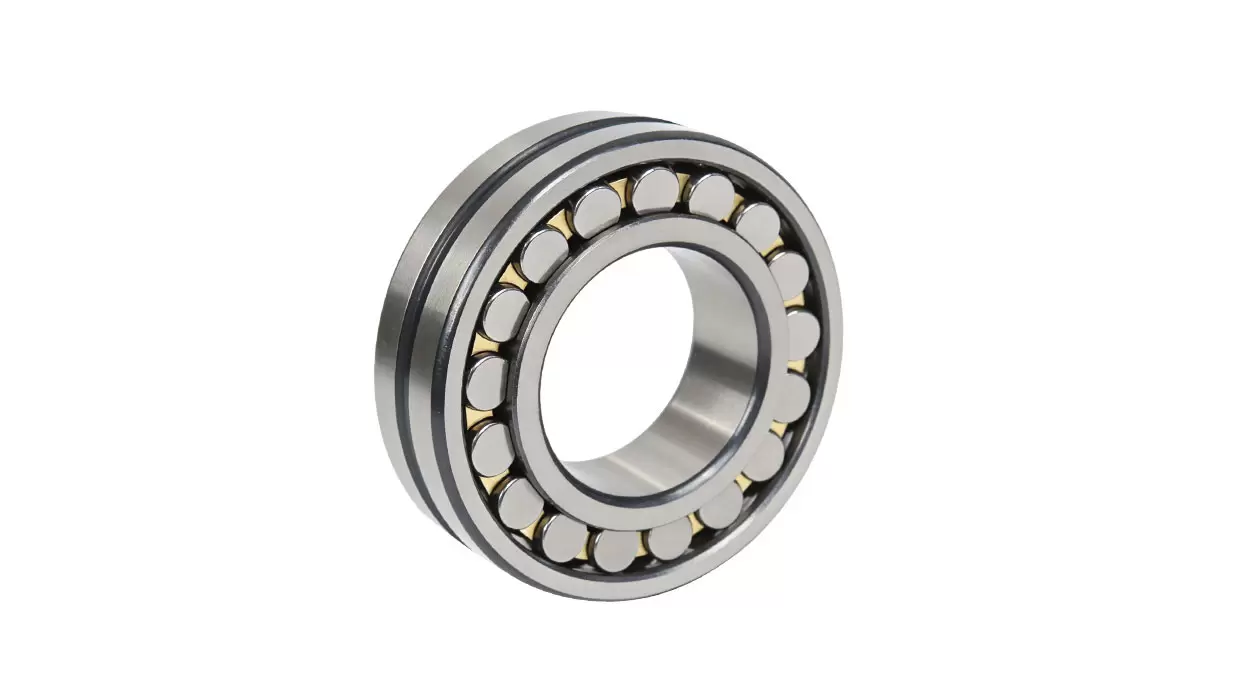
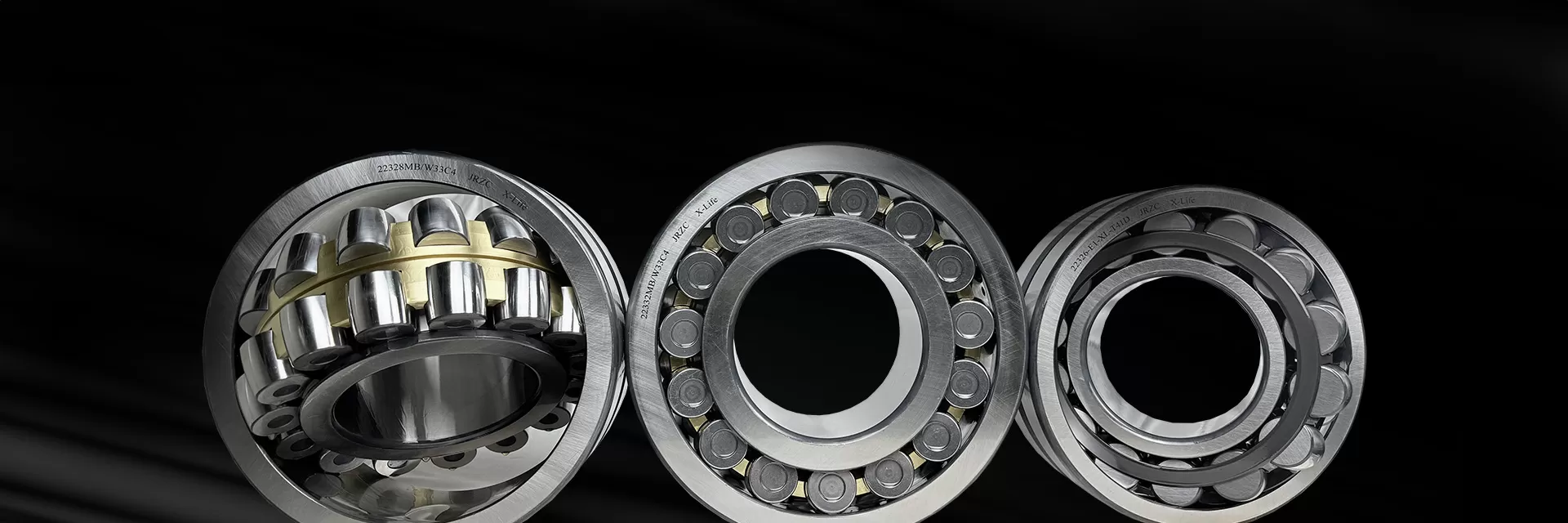
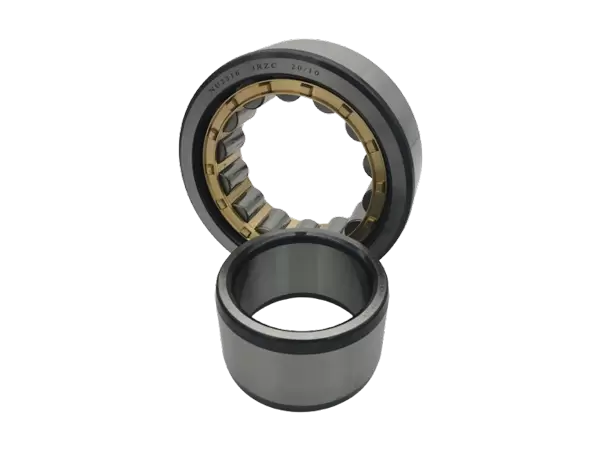
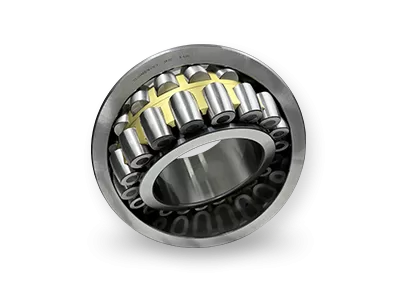
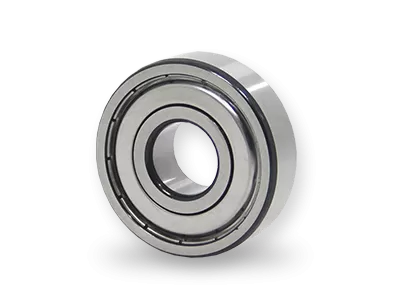
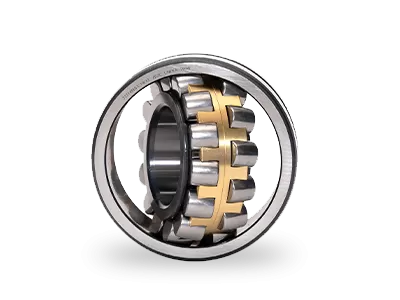
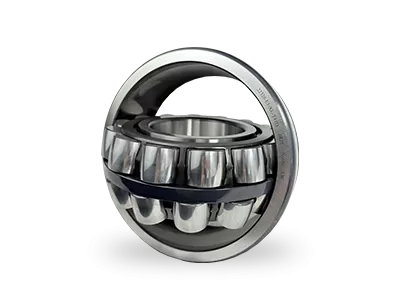
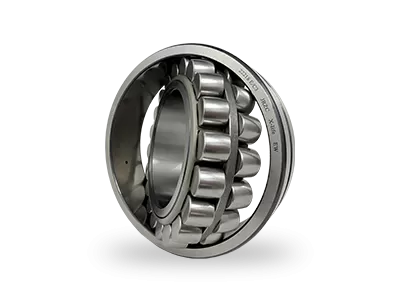
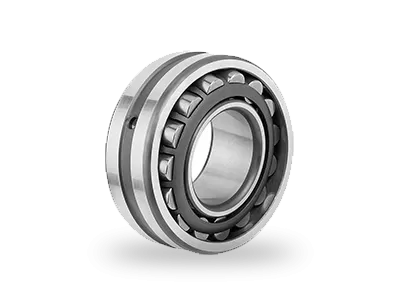
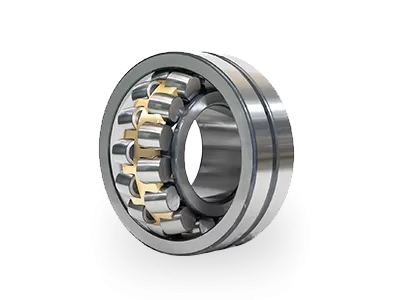
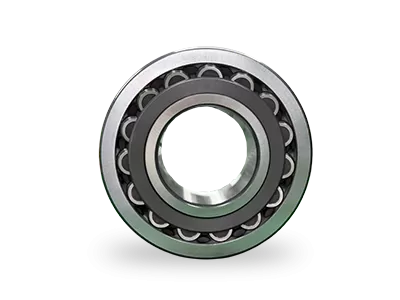
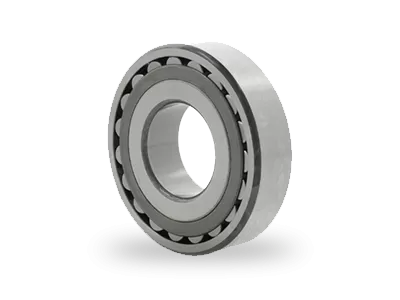
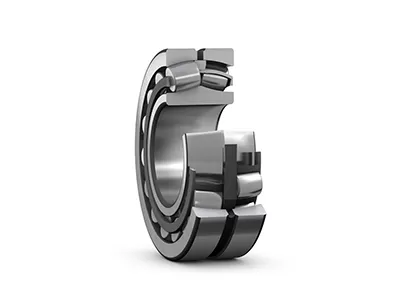
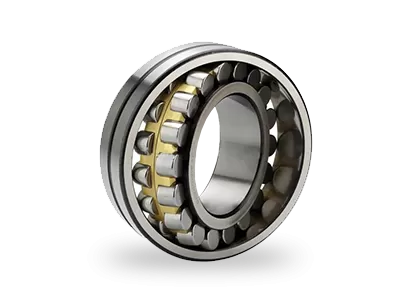
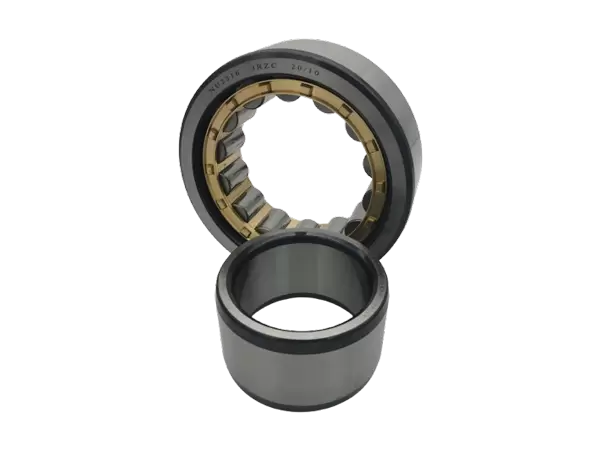
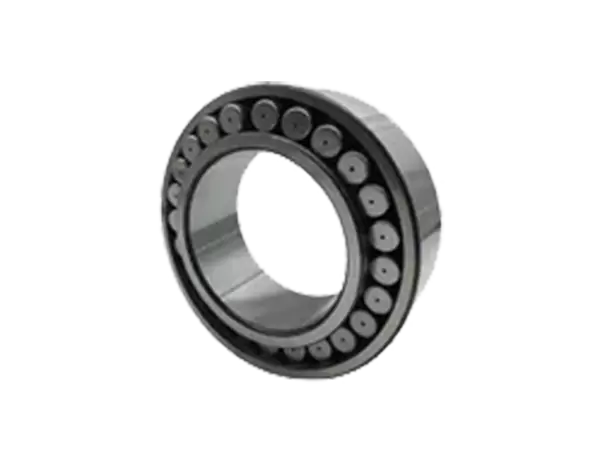
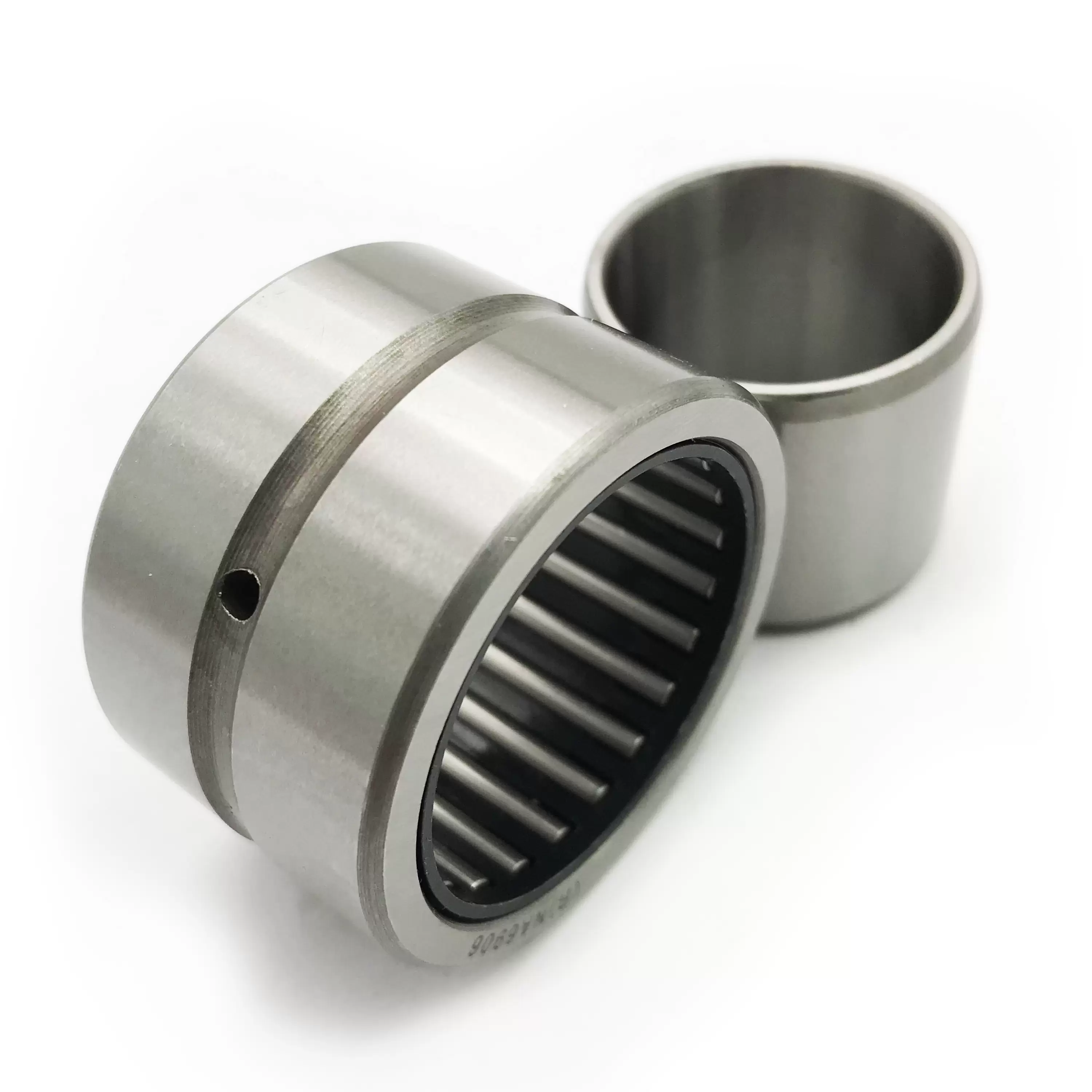
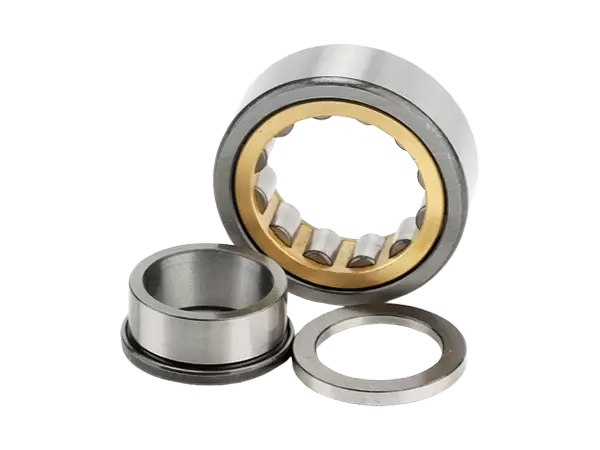
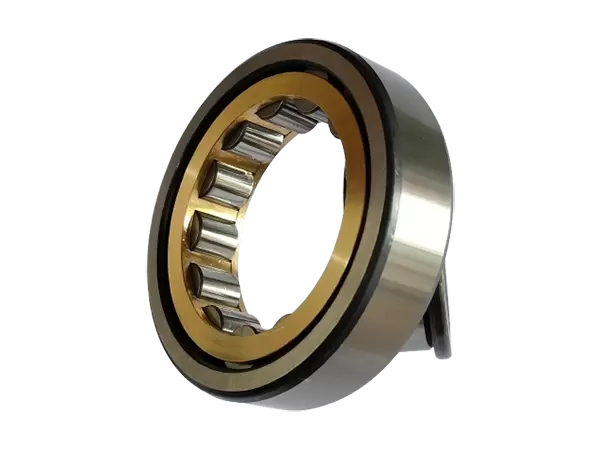
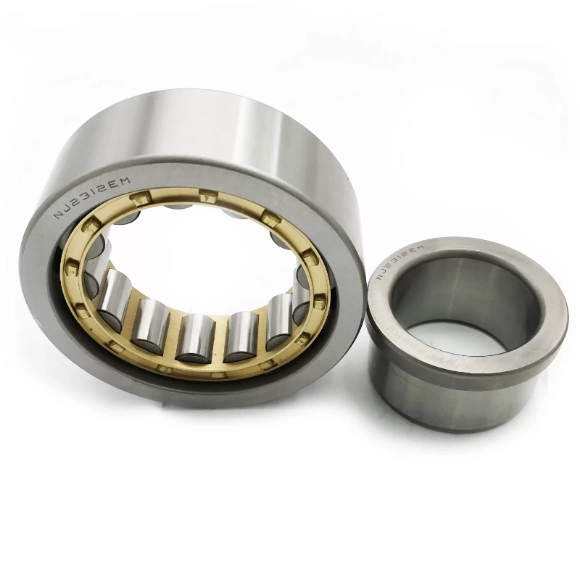
The bearing consists of an inner ring, an outer ring, cylindrical rolling elements, and a precision cage system. Every component must work together under exact tolerances to ensure smooth and stable operation.
The cylindrical rollers are carefully manufactured to maintain uniform geometry. This precision ensures even force distribution during rotation, preventing irregular stress that can damage raceways over time.
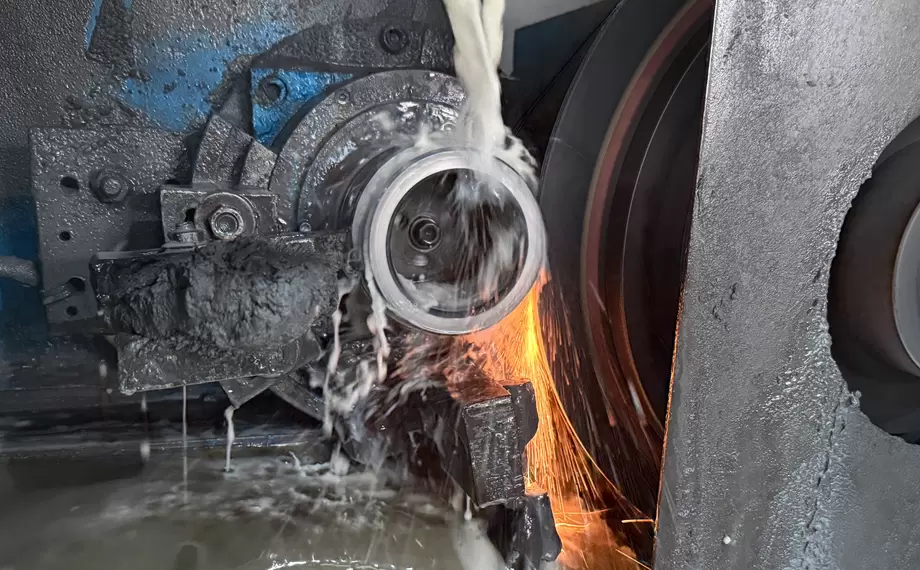
The raceways themselves are ground and polished to extremely fine tolerances. Surface finish is critical because microscopic imperfections can increase friction, generate heat, and shorten operating life.
Equally important is the cage design. A premium cylindrical roller bearing with cage separates and guides the rollers precisely, preventing roller collision during high-speed rotation. This improves lubrication flow, reduces friction, and supports better thermal stability during long production cycles.
Without proper cage engineering, even high-grade materials can fail prematurely.
Why High Radial Load Capacity Matters
Many industrial applications demand constant resistance against radial forces. Electric motors, gearboxes, pumps, mining conveyors, and machine tools all generate substantial radial loading during operation.
When a bearing is unable to distribute these forces effectively, common failure modes begin to appear: surface fatigue, vibration, misalignment, and eventually catastrophic failure.
The single row cylindrical roller bearing is specifically designed to prevent this.
Because the rollers contact the raceway along a line rather than a point, force distribution becomes more balanced. This lowers contact stress while increasing load endurance.
In practical terms, this means machinery can operate under heavier production loads without sacrificing reliability.
For industries focused on productivity, this translates directly into better uptime and reduced maintenance spending.
A common misconception in industrial procurement is that speed performance simply means maximum RPM.
In reality, speed capability depends on much more than rotational numbers.
True high-speed bearing performance requires:
low internal friction, which minimizes heat generation;
stable roller guidance, which prevents vibration;
effective cage control, which reduces internal collision;
and consistent lubrication pathways, which protect the rolling surfaces.
A poorly designed bearing may technically reach a target speed but fail quickly due to overheating or cage instability.
This is why many international buyers work specifically with a high speed roller bearings china manufacturer capable of engineering bearings for real-world speed endurance, not just theoretical catalog values.
At JRZC, speed performance is evaluated through dynamic operational testing rather than static specification alone.
The Role of Cage Design in Bearing Efficiency
The cage is often overlooked, yet it is one of the most influential components in cylindrical roller bearing performance.
Its primary role is to maintain even roller spacing, but its impact goes much further.
A precision cage:
reduces roller friction,
improves lubrication access,
controls internal movement,
and supports smoother rotation.
Depending on the application, cage materials may include pressed steel, machined brass, or advanced engineered polymers.
Steel cages offer strong durability and cost efficiency.
Brass cages perform well in heavy-load environments due to their rigidity and thermal stability.
Polymer cages reduce weight and noise while supporting ultra-high-speed applications.
Selecting the wrong cage can compromise the entire bearing system, regardless of roller quality.
Separable Design Creates Installation Advantages
One major advantage of this bearing type is its separable structure.
Unlike many non-separable bearing designs, the inner and outer rings can often be mounted independently.
This simplifies installation, especially in large industrial assemblies where space is limited.
Maintenance teams benefit significantly because removal and replacement become faster and less disruptive.
For production environments operating on strict maintenance schedules, reduced service time can produce substantial cost savings over the life of the equipment.
This is one of the reasons the single row cylindrical roller bearing remains a preferred solution across heavy industrial sectors.
Material Quality Determines Long-Term Reliability
Bearing design is important, but material quality ultimately determines whether the design succeeds in real-world operation.
At JRZC, material selection begins with strict raw steel evaluation.
High-carbon chromium steel remains the industry standard because of its excellent hardness, fatigue resistance, and wear performance.
For more demanding environments, alloy steels may be selected to improve impact resistance.
In corrosive conditions, stainless materials may be required.
Heat treatment is equally important. Proper hardening ensures that the raceways resist surface wear while maintaining internal toughness.
Improper heat treatment often causes hidden failures that appear only after months of operation.
That is why experienced buyers increasingly choose an industrial roller bearings china factory with verified metallurgical quality control rather than simply comparing prices.
Lubrication Strategy Directly Affects Bearing Life
Even the highest-quality bearing cannot perform without proper lubrication.
Lubrication serves several essential functions simultaneously.
It reduces friction between moving surfaces.
It removes operational heat.
It protects metal from corrosion.
It minimizes wear particles.
It extends service life.
Grease lubrication is common in standard industrial systems because it offers simplicity and lower leakage risk.
Oil lubrication is preferred for high-speed or high-temperature machinery because it provides better cooling and contamination control.
The ideal lubrication strategy depends on speed, load, temperature, and operating environment.
Ignoring lubrication compatibility is one of the most common causes of early bearing failure.
Common Operational Mistakes That Shorten Bearing Life
Industrial bearing failures are frequently blamed on product defects, but actual root causes often involve operational errors.
Improper mounting remains a major issue. Excessive installation force can damage raceways before operation even begins.
Misalignment creates uneven stress distribution and accelerates fatigue.
Contamination from dust or metal debris damages rolling surfaces rapidly.
Insufficient lubrication increases heat and friction.
Unexpected overloading pushes the bearing beyond its design limit.
A responsible supplier does not simply sell bearings—it helps customers avoid these failures through technical support and application guidance.
That support is a key part of the JRZC service model.
Choosing a Reliable Supplier Is a Strategic Decision
Industrial buyers today have countless sourcing options, but not every supplier delivers the same value.
A true bearing partner should provide more than standard catalog products.
They should demonstrate:
consistent production quality,
material traceability,
strict dimensional inspection,
engineering consultation,
custom design capability,
and dependable global logistics.
A supplier must also understand application-specific requirements rather than offering generic recommendations.
That distinction often determines whether a purchasing decision saves money—or creates long-term operational problems.
Customization Is Increasingly Important
Modern industrial systems are becoming more specialized.
As equipment designs evolve, standard bearings do not always provide the best solution.
Customers increasingly request:
special internal clearances,
non-standard dimensions,
custom cage materials,
enhanced corrosion resistance,
and application-specific lubrication systems.
Manufacturers able to support these requests create significantly more value for OEM clients.
JRZC continues investing in flexible production capability to meet these growing customization demands.
Energy Efficiency and Sustainability
Today’s industrial buyers increasingly evaluate components through the lens of sustainability.
Bearings directly affect energy efficiency because friction influences power consumption.
A precision cylindrical roller bearing with cage reduces energy loss through optimized rolling contact and better internal stability.
Over thousands of operating hours, this translates into measurable energy savings.
Longer service life also reduces waste and lowers total environmental impact.
As global industry moves toward greener manufacturing, bearing selection becomes part of broader sustainability strategy.
Conclusion
The value of a single row cylindrical roller bearing goes far beyond its dimensions or catalog specifications. It influences machine reliability, production efficiency, maintenance frequency, and long-term operating cost.
For industrial machinery manufacturers and global buyers, selecting the right supplier means selecting long-term operational confidence.
With advanced manufacturing capability, strict quality standards, and a commitment to engineering precision, JRZC delivers bearing solutions designed for the realities of modern industry—where reliability is not a feature, but a requirement.