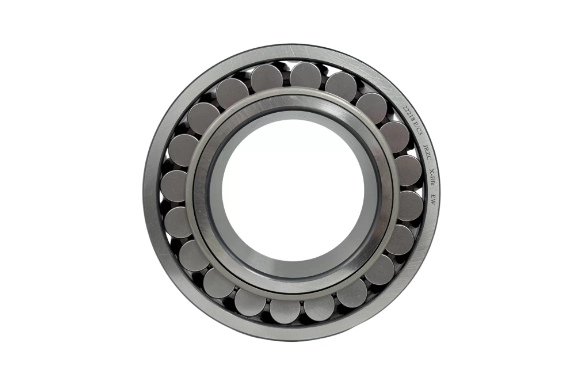
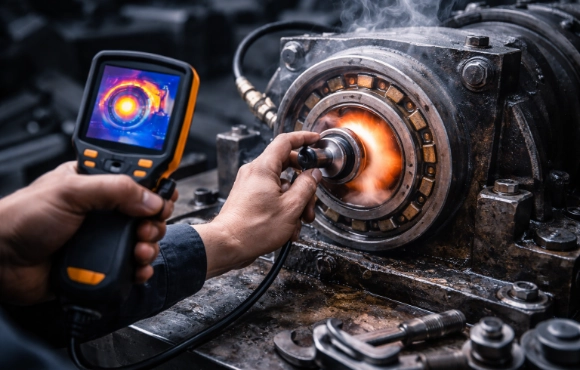
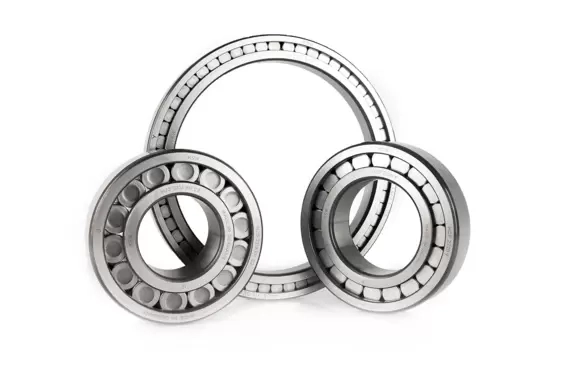
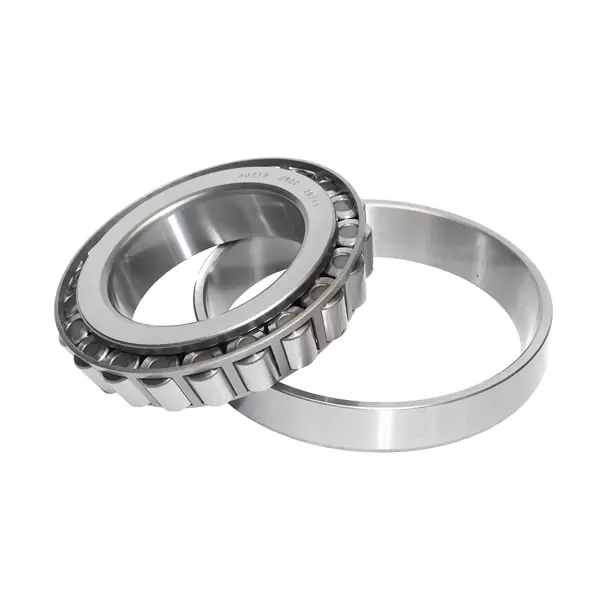
In industrial equipment manufacturing, reliability is rarely determined by the size of a component. More often, it is defined by the precision, durability, and long-term performance of the parts working silently behind the system. Bearings are a perfect example of this principle. Although they may seem like standard mechanical elements, their performance directly affects equipment stability, operating efficiency, maintenance intervals, and ultimately the profitability of the machines they support. For industries such as engineering machinery and mining equipment, where operating conditions are harsh and downtime costs are extremely high, selecting the right bearing is never a routine procurement decision. It is a technical and strategic investment.
Among various bearing types used in heavy industrial systems, single row tapered roller bearings have earned a strong reputation because of their ability to handle complex working conditions. Their design allows them to support both heavy radial loads and axial forces in one direction, making them particularly suitable for applications where precision, rigidity, and durability are equally important. As equipment manufacturers continue to demand better performance, longer service life, and more specialized solutions, the role of a professional single row tapered roller bearing factory becomes increasingly important.
At JZRC, years of manufacturing experience have taught us that customers are no longer looking only for standard catalog products. They want reliable engineering support, stable production quality, and customized solutions that align with their exact application requirements. This is why understanding the value of single row tapered roller bearings—and the importance of working with the right manufacturing partner—has become essential for global industrial buyers.
Why Single Row Tapered Roller Bearings Are Critical in Heavy-Duty Applications
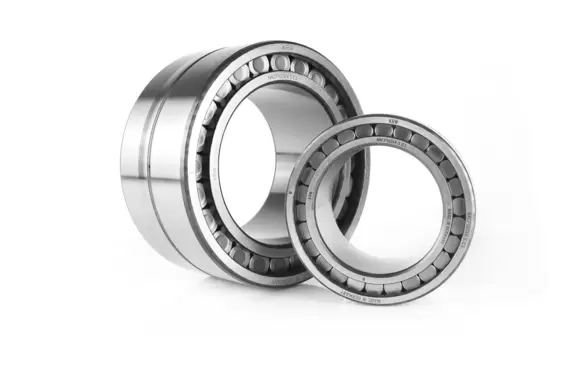
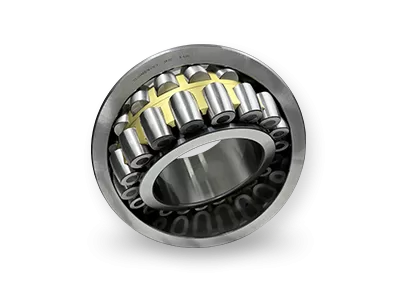
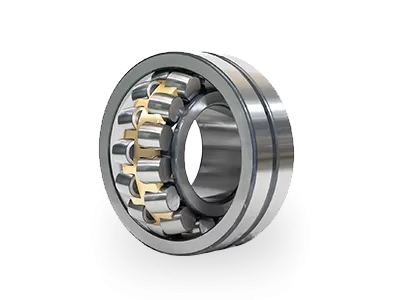
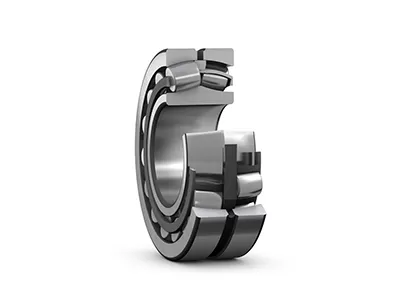
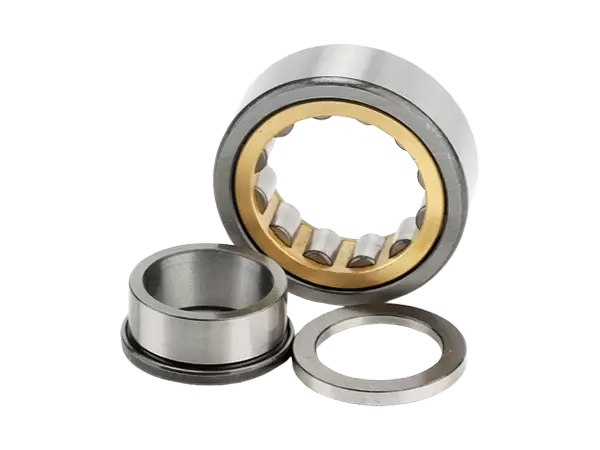
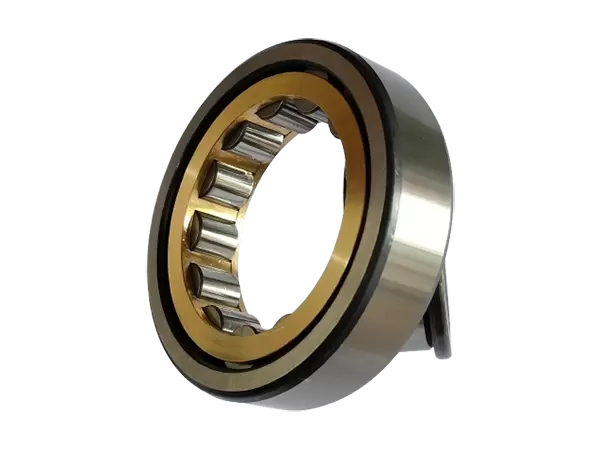
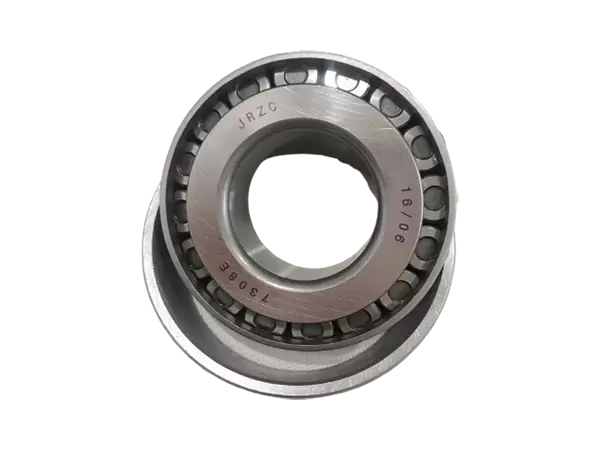
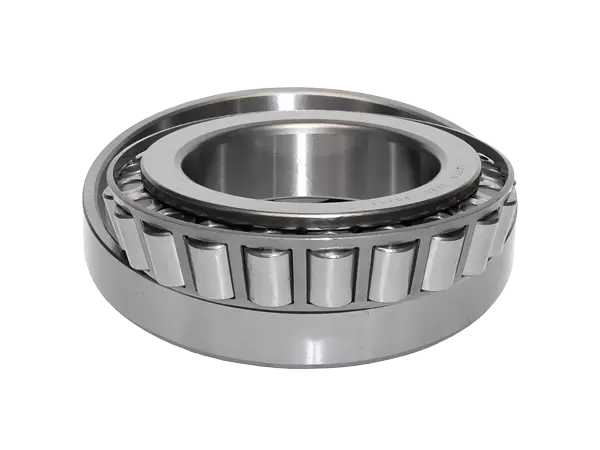
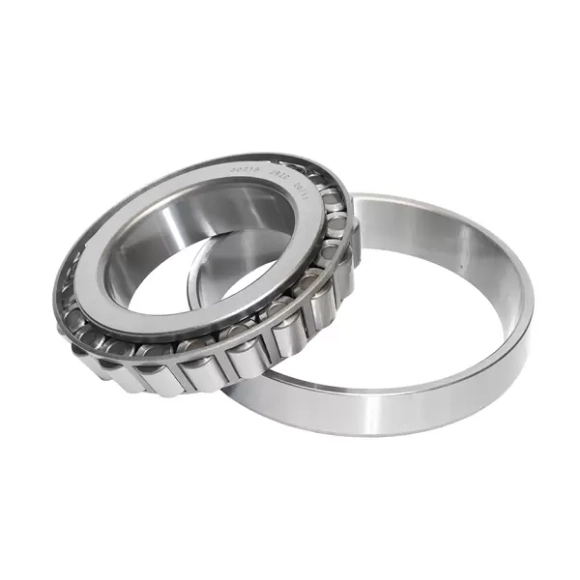
Single row tapered roller bearings are designed specifically for demanding applications where ordinary bearings often fail to deliver sufficient performance. Their structure includes tapered inner and outer raceways combined with tapered rolling elements, allowing force to be transmitted efficiently through the bearing axis. This unique geometry creates a larger contact area between rollers and raceways, which helps distribute loads more evenly and significantly reduces localized stress.
This design offers multiple advantages. First, it allows the bearing to support high radial loads without excessive deformation. This is especially important in machinery where large rotating masses create constant pressure on shafts and housings. Second, the bearing can manage axial loads in one direction, making it suitable for applications requiring accurate shaft positioning and directional force control. Third, the increased rigidity of the structure improves overall mechanical stability, which helps reduce vibration and protects connected components from premature wear.
These benefits explain why single row tapered roller bearings are widely used in industrial gearboxes, wheel hubs, heavy-duty transmissions, and large rotating assemblies where long-term reliability is critical.
The outstanding performance of a tapered roller bearing is rooted in its geometry. Unlike ball bearings, which rely on point contact between rolling elements and raceways, tapered roller bearings use line contact. This difference may seem subtle, but it has major mechanical advantages.
Line contact distributes force over a much larger area, reducing pressure concentration and extending fatigue life. More importantly, the tapered surfaces are designed so that all contact lines converge toward a common point on the shaft axis. This ensures that the rollers move in true rolling motion rather than sliding against the raceways.
Why is this important? Because sliding friction generates heat. Heat damages lubrication. Poor lubrication accelerates wear. Increased wear eventually leads to bearing failure. A properly manufactured tapered roller bearing minimizes these risks by preserving precise geometry throughout production.
This is why a qualified single row tapered roller bearing factory must focus heavily on dimensional accuracy, grinding precision, and assembly consistency. Even a minor deviation in angle or surface finish can affect bearing life significantly.
Why Engineering Machinery Depends on This Bearing Type
Engineering machinery operates in highly dynamic environments. Unlike stationary industrial systems, construction equipment must handle continuous movement, impact, and variable load conditions. Machines often work on uneven ground, in wet or dusty environments, and under frequent start-stop cycles. These factors place extraordinary demands on rotating components.
In excavators, bearings support swing mechanisms and hydraulic drive systems where both radial and axial loads constantly change. In wheel loaders, wheel-end assemblies experience repeated shock loads during movement and loading cycles. Road compactors expose bearings to sustained vibration, which can quickly damage low-quality products. Cranes require rigid shaft support to maintain stability during lifting operations.
In all these applications, bearing failure creates immediate operational problems. Downtime on a construction site is expensive, disruptive, and often unacceptable. This is why many equipment manufacturers now request custom bearing solutions tailored to their machinery instead of relying entirely on standard products.
Customized bearings allow better alignment with housing designs, operating loads, and environmental conditions, resulting in better long-term performance.
Why Mining Equipment Requires Even Higher Bearing Standards
Mining machinery operates in some of the most aggressive environments found in modern industry. Dust contamination is constant, impact loading is severe, and maintenance access is often limited. In many cases, machines must run continuously for extended periods, making bearing reliability even more critical.
Crushing equipment subjects bearings to repeated heavy shock loads. Conveyor systems require smooth and stable rotation over long operating hours. Drilling equipment depends on precise shaft guidance under extreme pressure. Screening machinery introduces constant vibration and rapid load changes.
Under these conditions, standard bearings may not provide the necessary durability. This is why many mining equipment manufacturers prefer custom made bearings designed specifically for their operating conditions.
By selecting customized solutions, operators can reduce replacement frequency, lower maintenance costs, and improve overall equipment uptime. In mining, these improvements translate directly into measurable financial gains.
What Defines a High-Quality Single Row Tapered Roller Bearing Factory
Choosing the right manufacturing partner involves more than comparing product dimensions or unit prices. A reliable single row tapered roller bearing factory must demonstrate strength in several critical areas.
Material quality is the foundation of bearing performance. High-grade bearing steel with excellent cleanliness and controlled composition ensures better fatigue resistance and longer service life. Poor material quality cannot be corrected later in the manufacturing process.
Heat treatment is equally important. Proper thermal processing determines hardness, toughness, and dimensional stability. Inconsistent heat treatment often leads to premature failure through cracking or surface damage.
Precision grinding is another defining factor. Accurate raceway profiles and superior surface finishes reduce friction, improve lubrication behavior, and minimize vibration during operation.
Finally, assembly and inspection determine consistency. Bearings must be tested for internal clearance, rotational smoothness, dimensional accuracy, and surface quality before leaving the factory. Without rigorous inspection, even well-machined components can fail in the field.
At JZRC, these manufacturing disciplines are not treated as isolated processes. They are integrated into a complete quality philosophy designed to ensure every bearing performs reliably in demanding industrial environments.
Why OEM Customization Has Become Essential
Industrial customers today expect more than standardized products. Equipment designs are becoming more specialized, which means bearing suppliers must be capable of supporting custom engineering.
One of the most common requirements is dimensional customization. Many OEM customers require custom size bearings because their machine layouts do not match standard industry dimensions. Customized sizing allows manufacturers to preserve equipment design without compromising performance.
Material upgrades are another growing demand. Some applications require corrosion resistance, while others demand higher fatigue strength or better thermal stability. Customized material selection helps match the bearing to the operating environment.
Sealing solutions also play a major role in bearing life. Dust, slurry, moisture, and abrasive particles are among the most common causes of premature failure. Improved sealing systems can dramatically increase service life by protecting internal components.
Lubrication selection is equally important. Different applications require different grease properties depending on speed, temperature, and contamination exposure. Matching lubrication to operating conditions improves reliability significantly.
A factory capable of delivering these OEM services creates long-term value for customers beyond simple product supply.
How Buyers Should Evaluate Bearing Suppliers
Many industrial buyers still focus too heavily on initial purchase price. While cost matters, it should never be the only factor.
A more effective evaluation starts with technical capability. Can the supplier support engineering modifications? Do they understand your application industry? Are they experienced in export logistics and international quality requirements?
Production stability is another critical factor. Can the manufacturer maintain consistency across multiple production batches? Are lead times reliable?
Communication also matters. Fast technical feedback helps buyers solve problems quickly and reduces project delays.
The right supplier is not simply a vendor. It becomes a long-term technical partner.
Looking Ahead: The Future of Bearing Manufacturing
The bearing industry is changing rapidly. Customers now expect higher precision, shorter lead times, and more customized solutions.
Automation is improving consistency across production lines. Digital inspection systems are reducing hidden defects. Advanced steel technologies are increasing fatigue resistance. Sustainable manufacturing practices are becoming more important in global supply chains.
Perhaps the most significant trend is the growing demand for customization. Standardized mass production remains important, but the future increasingly belongs to manufacturers who can adapt quickly to specific customer needs.
At JZRC, we believe this shift represents an opportunity. It allows manufacturers to create more value through engineering, not just volume.
Final Thoughts
Choosing the right single row tapered roller bearing factory is about more than securing a product. It is about selecting a manufacturing partner capable of supporting your equipment performance for years to come.
For industries such as engineering machinery and mining equipment, where loads are high and operating conditions are unforgiving, bearing reliability affects every part of the business—from productivity and maintenance costs to customer satisfaction and brand reputation.
A well-manufactured bearing may be a small component, but its impact is enormous. At JZRC, we understand that every bearing we produce carries more than mechanical load—it carries our customer’s expectations, operational goals, and trust. That is why we remain committed to precision manufacturing, dependable quality, and tailored solutions designed for the world’s most demanding industrial applications.