Role of Toroidal Roller Bearings in Industrial Motion Applications
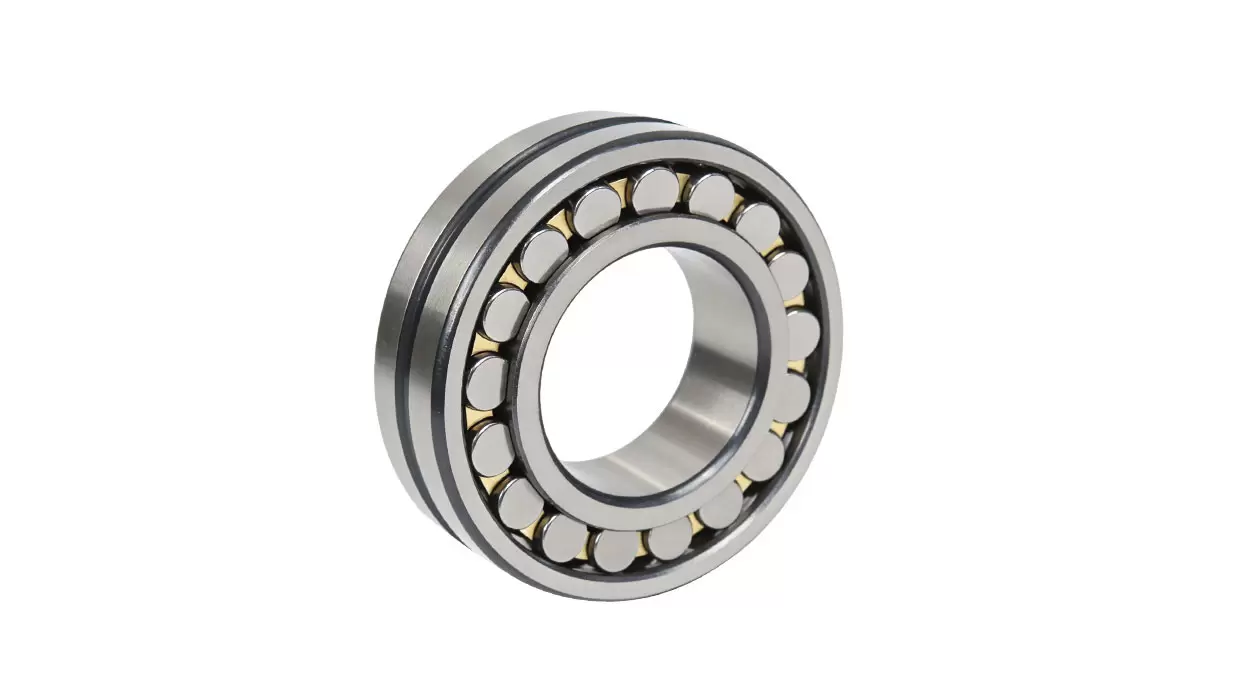
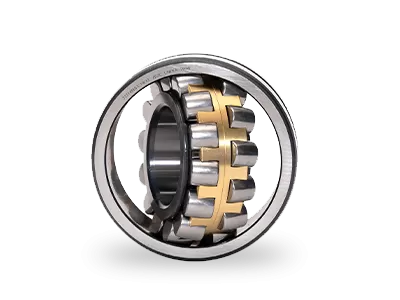
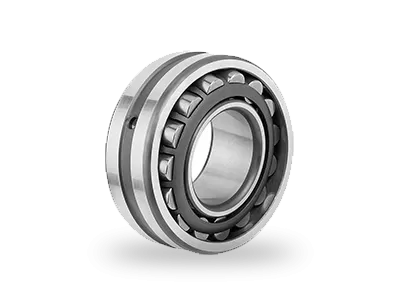
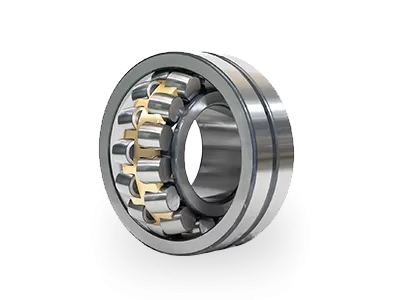
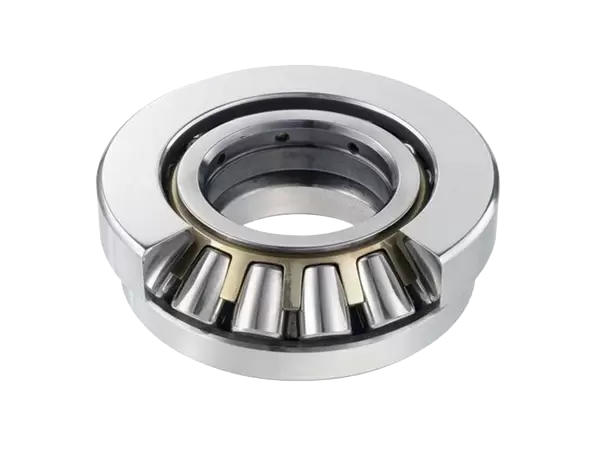
In demanding industrial environments, rotating equipment must operate under changing loads, temperature variations, and alignment challenges. A toroidal roller bearing is designed to address these conditions by combining high radial load capacity with self-aligning capability and the ability to accommodate axial displacement. This unique structure helps improve equipment stability while reducing stress caused by shaft movement and installation deviations.
Unlike conventional roller bearing designs that may require additional components to manage misalignment, toroidal roller bearings provide flexibility within a compact structure. Their ability to handle both angular misalignment and axial movement makes them suitable for machinery where continuous operation and long service life are critical requirements.
JRZC specializes in manufacturing industrial bearing solutions for global customers, providing reliable bearing products for heavy-duty applications. With professional production experience and quality-focused manufacturing processes, JRZC supports customers seeking durable industrial roller bearings for challenging operating environments.
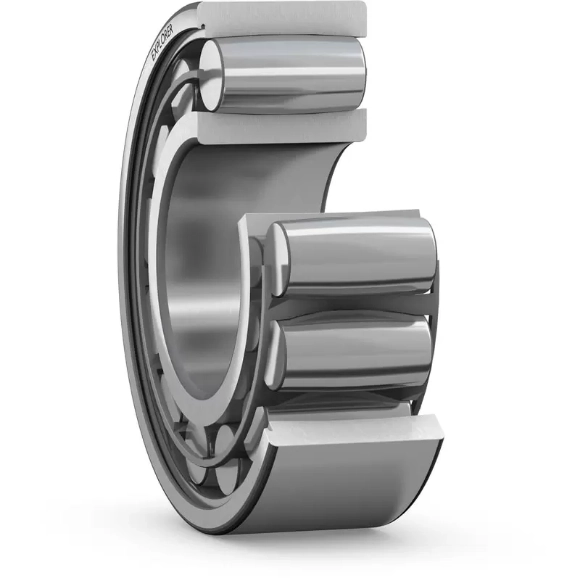
Understanding the Structural Advantages of Toroidal Roller Bearings
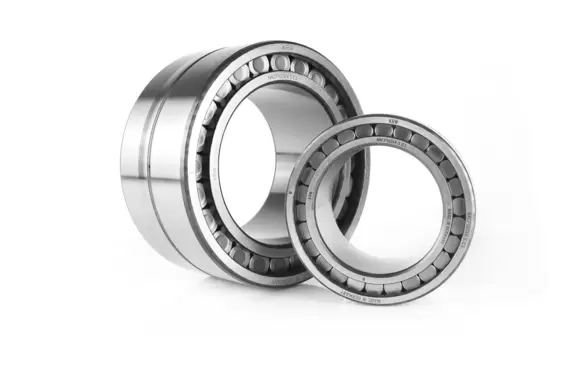
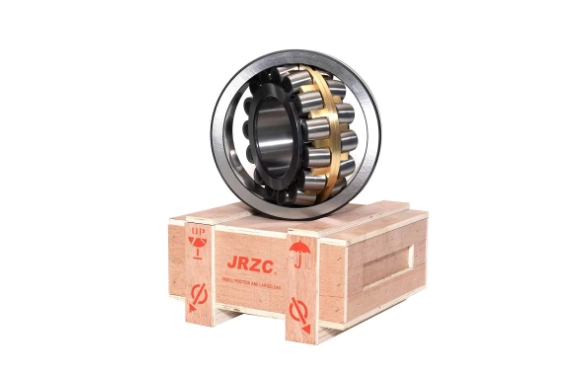
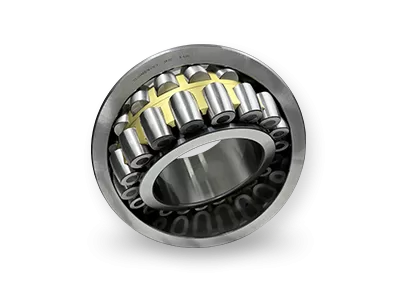
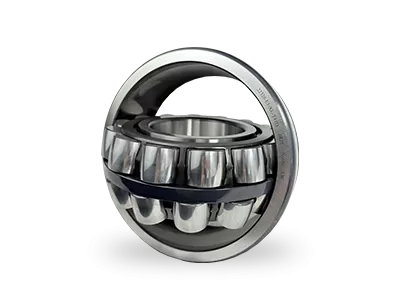
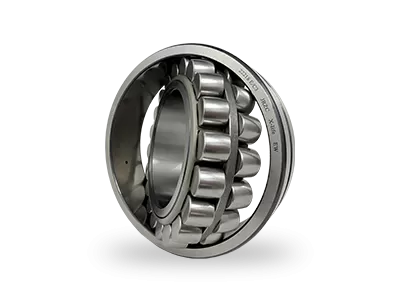
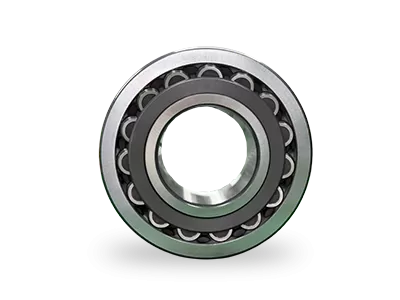
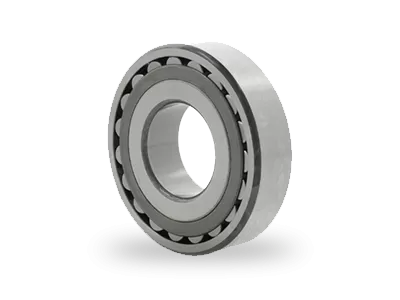
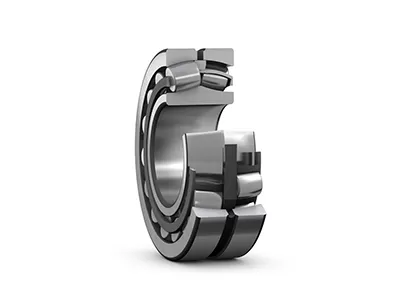
The performance of a toroidal roller bearing comes from its specially designed curved raceway geometry and symmetrical roller shape. This internal structure allows the rollers to maintain effective contact with the raceways even when the shaft experiences movement or alignment changes.
The unique design provides several important benefits:
| Design Feature | Performance Benefit |
|---|
| Curved raceway profile | Supports self-alignment during operation |
| Toroidal roller geometry | Improves load distribution and contact stability |
| Axial displacement capability | Reduces stress caused by thermal expansion |
| Compact internal structure | Provides efficient space utilization |
In industrial machinery, small alignment errors can create additional forces inside a bearing assembly. Over time, these forces may accelerate wear, increase vibration, and reduce operating efficiency. A toroidal roller bearing helps minimize these problems by allowing controlled internal movement while maintaining reliable load support.
This makes it an effective choice for applications requiring a balance between flexibility and strength, especially where traditional fixed-position bearings may experience excessive stress.
How Toroidal Roller Bearings Manage Misalignment and Axial Movement
Misalignment is one of the most common challenges affecting rotating equipment performance. It can occur because of installation conditions, shaft deflection, housing deformation, or operational changes. When a bearing cannot compensate for these movements, uneven load distribution may occur across the rolling elements.
A self-aligning toroidal roller bearing is engineered to accommodate these conditions by allowing the rollers to adjust naturally within the raceway. This reduces edge loading and helps maintain smoother operation under variable working conditions.
Axial movement is another important factor in industrial machinery. Long shafts may expand or contract due to temperature changes, creating internal forces that affect bearing performance. Toroidal roller bearings allow axial displacement without generating excessive additional pressure, supporting more stable equipment operation.
This capability is especially valuable in applications where machines operate continuously and where unexpected downtime can result in significant maintenance costs.
Comparison Between Toroidal Roller Bearings and Traditional Roller Bearings
Different roller bearing designs serve different industrial requirements. Understanding their functional differences helps engineers select the appropriate solution for specific operating conditions.
| Bearing Type | Main Advantage | Typical Application Requirement |
|---|
| Toroidal Roller Bearing | Handles misalignment and axial movement | Heavy industrial equipment with changing conditions |
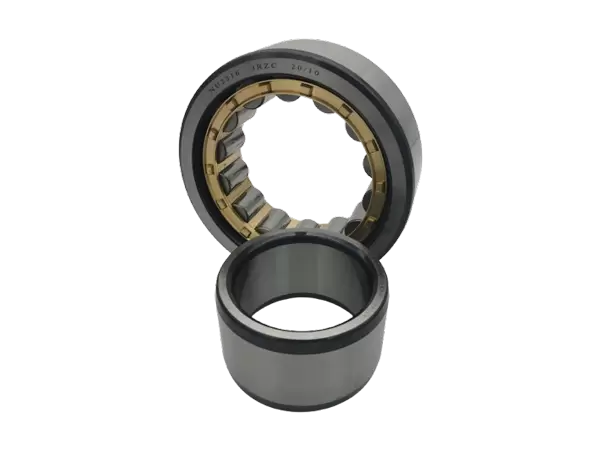
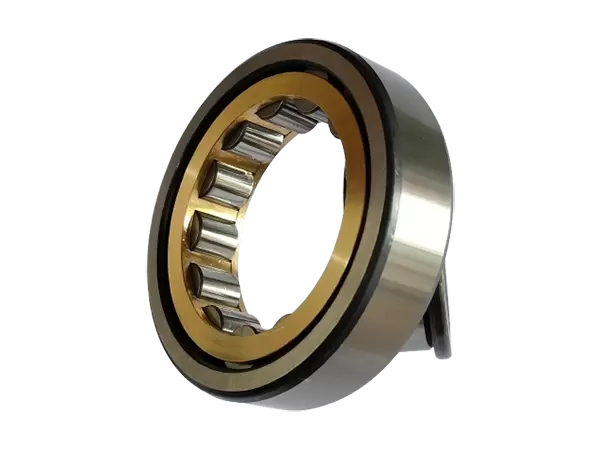
| Cylindrical Roller Bearing | High radial load capacity | Applications requiring strong radial support |
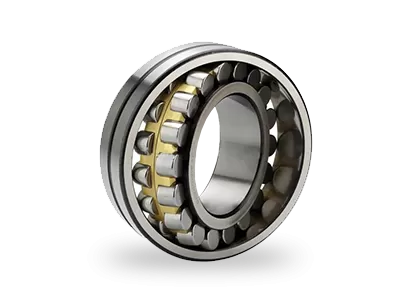
| Spherical Roller Bearing | Self-aligning performance | Equipment exposed to shaft deflection |
Compared with traditional designs, toroidal roller bearings provide a combination of flexibility and load capability. They are particularly useful when both alignment compensation and radial performance are required.
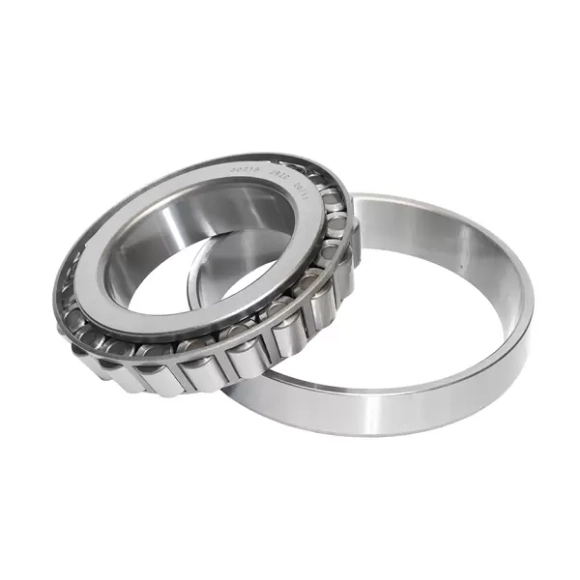
For equipment designers and maintenance professionals, choosing the correct bearing structure can directly influence operating reliability. This is why many industries evaluate specialized solutions from experienced roller bearing manufacturers when developing or upgrading machinery.
Applications of Toroidal Roller Bearings in Heavy Industrial Equipment
Industrial machinery often operates under severe conditions involving high loads, vibration, and long working cycles. A properly selected bearing must maintain performance while adapting to these challenges.
Toroidal roller bearings are commonly considered for applications such as:
Steel processing equipment
Mining machinery
Paper manufacturing equipment
Heavy transmission equipment
Industrial gear applications
Large rotating machinery
These environments often require heavy duty roller bearings that can withstand continuous mechanical stress. The ability of toroidal roller bearings to compensate for misalignment and axial displacement makes them suitable for equipment where reliability is a priority.
For industries requiring stable operation under demanding conditions, bearing selection is not only about load capacity. Factors such as internal movement, lubrication conditions, installation accuracy, and operating temperature must also be considered.
Engineering Benefits of Using Toroidal Roller Bearings
A well-designed bearing solution can influence the overall performance and maintenance requirements of industrial machinery. Toroidal roller bearings offer several engineering advantages that support long-term operation.
Improved load distribution is one of the key benefits. The curved contact design allows forces to spread more evenly across the rollers, reducing concentrated stress points.
Reduced operating friction contributes to smoother rotation and helps limit unnecessary energy loss. By maintaining stable contact conditions, the bearing can perform efficiently even when equipment experiences movement.
Extended service life is another important advantage. When misalignment and axial displacement are properly managed, internal components experience less abnormal stress, helping reduce premature wear.
These characteristics make toroidal roller bearings a valuable option for companies searching for reliable solutions beyond standard bearing configurations.
Selecting the Right Toroidal Roller Bearing Supplier
Choosing a suitable bearing supplier requires more than comparing product availability. Industrial customers usually evaluate manufacturing capability, quality consistency, customization options, and technical support.
Professional suppliers should understand different application requirements and provide suitable bearing solutions based on operating conditions. JRZC focuses on delivering reliable bearing products while supporting customers with customized manufacturing capabilities.
For companies requiring custom roller bearings, customization may involve design adjustments, material selection, dimensional requirements, or specific application considerations. Working with experienced manufacturers helps ensure the bearing performs effectively within the intended equipment environment.
A qualified supplier should also maintain strict quality control throughout production. This ensures that every bearing meets expectations for durability, precision, and operational reliability.
Custom Bearing Solutions for Specialized Industrial Requirements
Different industries often require bearings adapted to unique mechanical conditions. Standard products may not always provide the ideal performance when equipment operates under special loads, limited installation space, or unusual movement patterns.
JRZC provides customized bearing solutions to meet various industrial requirements. Through professional manufacturing experience, the company supports customers looking for reliable alternatives to conventional bearing designs.
Customized solutions can help optimize performance by considering:
Operating load conditions
Shaft movement characteristics
Equipment structure
Working environment
Service life expectations
As industrial machinery continues to demand higher reliability, customized bearing solutions are becoming increasingly important for improving equipment performance.
Although toroidal roller bearings are widely recognized for heavy-load applications, bearing performance also depends on operating speed, lubrication quality, and installation conditions.
When equipment requires continuous rotation, engineers must consider factors such as friction control and heat generation. Proper bearing selection helps maintain stable performance while reducing the possibility of premature failure.
For applications requiring faster rotational performance, specialized high speed roller bearings are often evaluated alongside other bearing designs. The final selection depends on the relationship between speed, load, precision requirements, and operating environment.
A comprehensive approach to bearing selection ensures that machinery achieves balanced performance rather than focusing on a single operating factor.
Why Toroidal Roller Bearings Are Important for Future Industrial Applications
As industrial equipment becomes more demanding, bearing technology must provide greater adaptability and reliability. Components that can manage movement, vibration, and variable loads are increasingly valuable in modern manufacturing environments.
Toroidal roller bearings represent an important solution because they combine multiple functional advantages in one bearing structure. Their ability to accommodate misalignment and axial displacement provides engineers with greater flexibility when designing rotating equipment.
JRZC continues to focus on developing dependable bearing solutions for international markets, helping customers improve equipment reliability through high-quality manufacturing and professional support.
Frequently Asked Questions About Toroidal Roller Bearings
What is a toroidal roller bearing used for?
A toroidal roller bearing is mainly used in industrial machinery where high radial loads, shaft movement, and alignment changes occur. It provides self-aligning capability while allowing axial displacement.
What makes toroidal roller bearings different from other roller bearings?
The main difference is their ability to handle both misalignment and axial movement. Their curved raceway design allows smoother adjustment during operation compared with many traditional roller bearing structures.
Are toroidal roller bearings suitable for heavy industrial applications?
Yes. Toroidal roller bearings are commonly selected for demanding applications that require durable performance, including steel equipment, mining machinery, and other heavy-duty operations.
How do toroidal roller bearings reduce maintenance requirements?
By compensating for alignment errors and thermal movement, these bearings help reduce abnormal internal stress, which can decrease wear and improve service intervals.
Can JRZC provide customized bearing solutions?
Yes. JRZC provides customized bearing solutions for customers requiring specific industrial applications, helping match bearing performance with different equipment requirements.