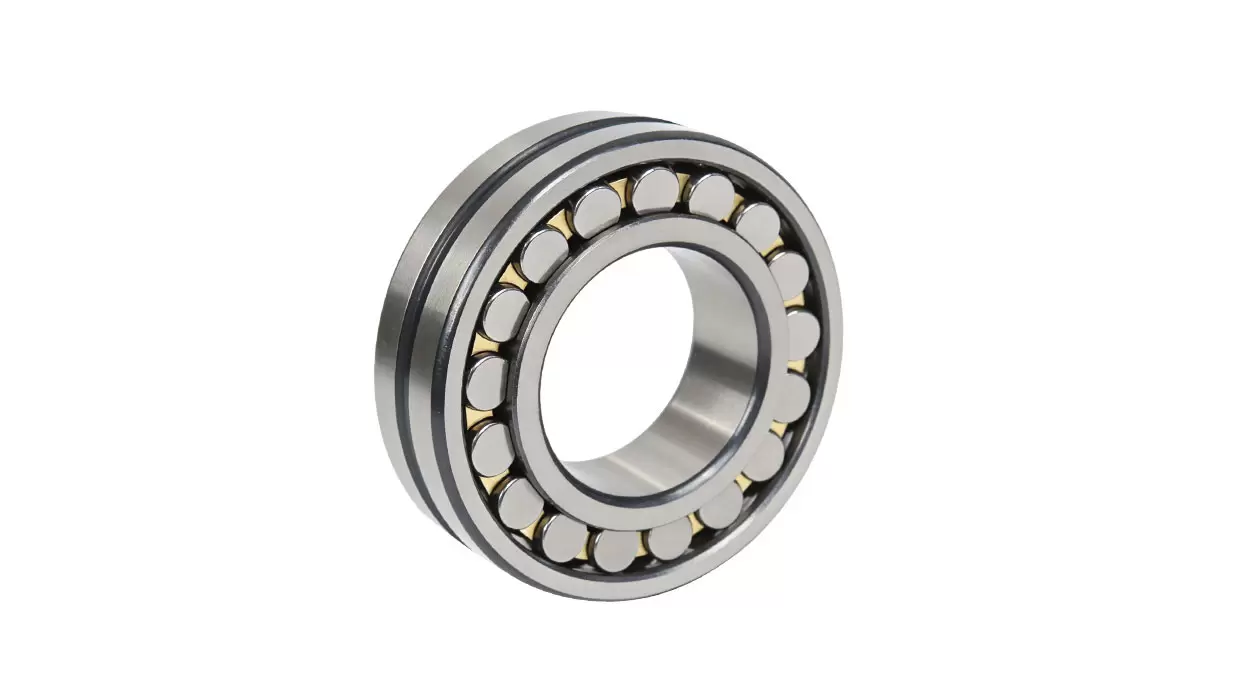
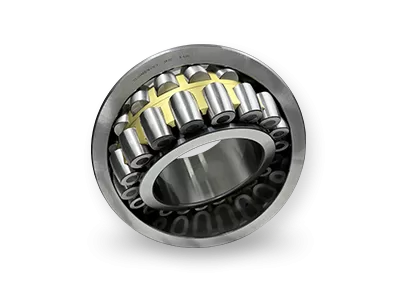
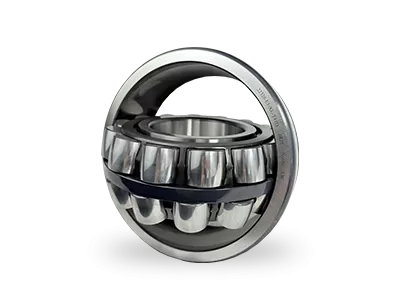
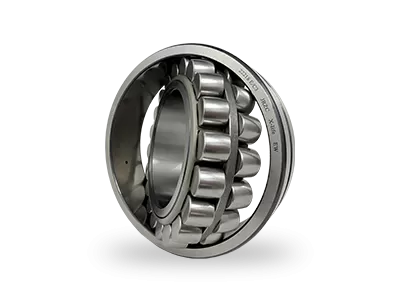
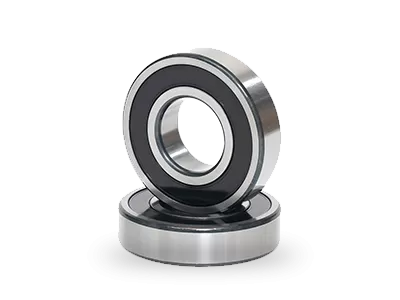
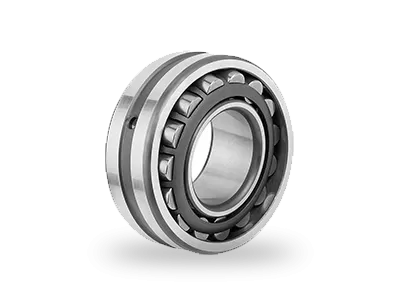
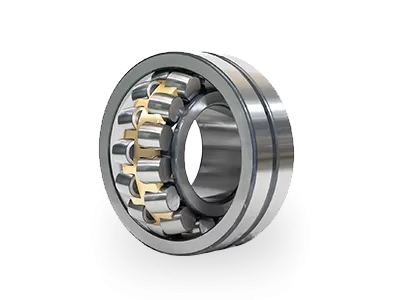
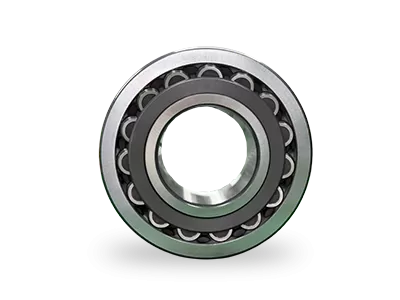
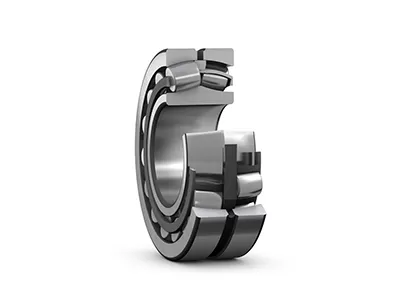
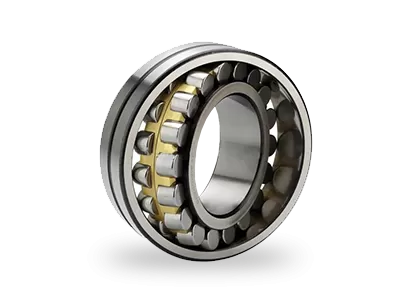
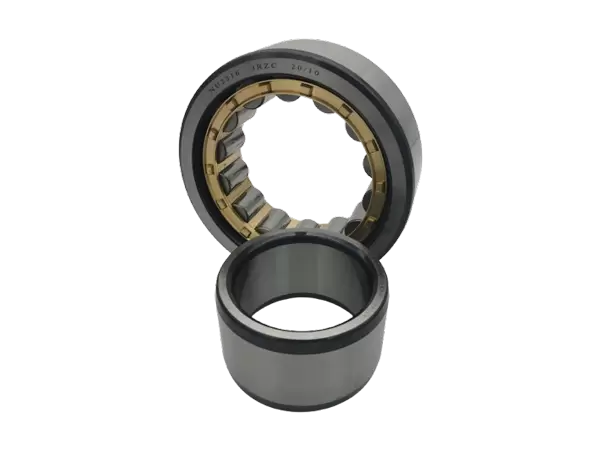
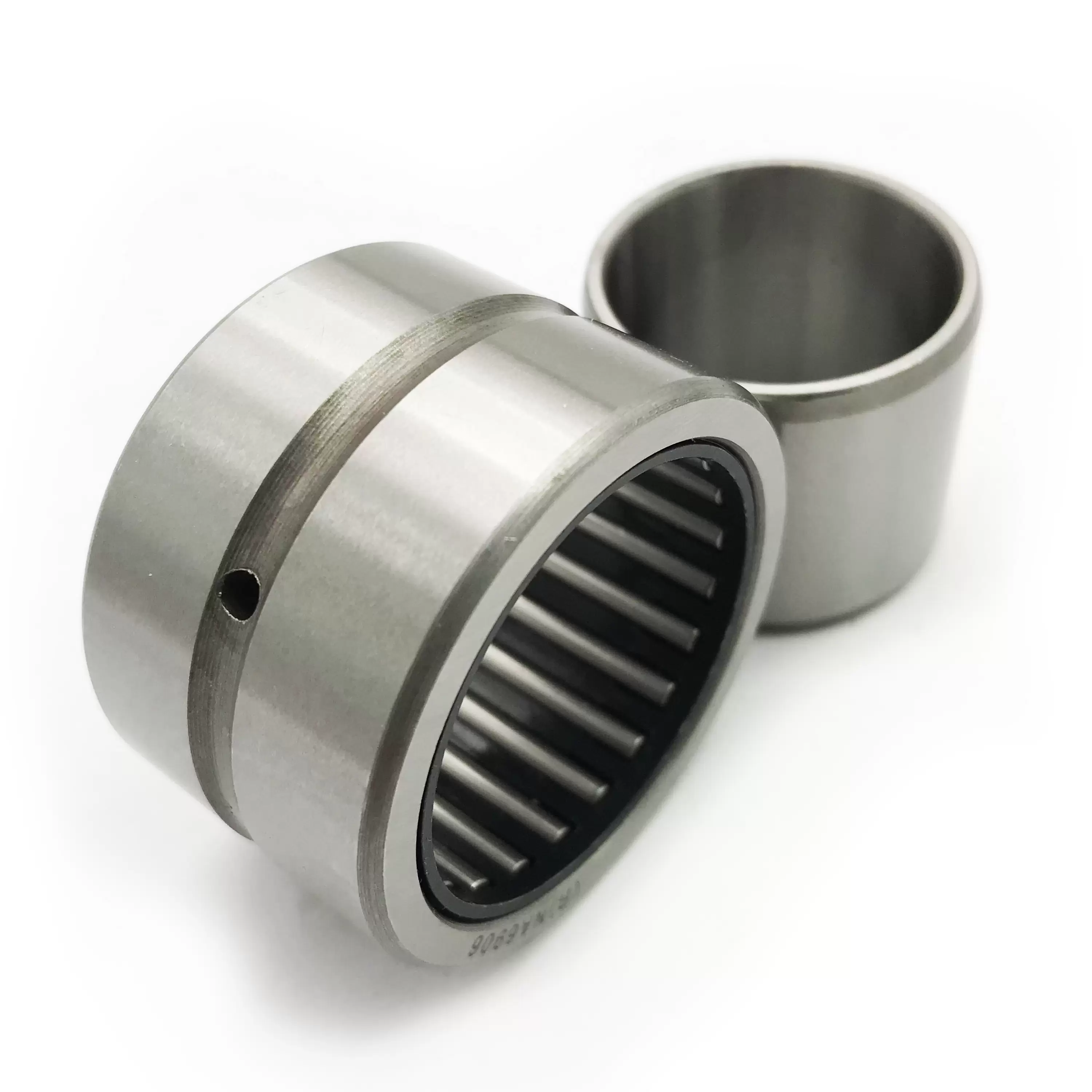
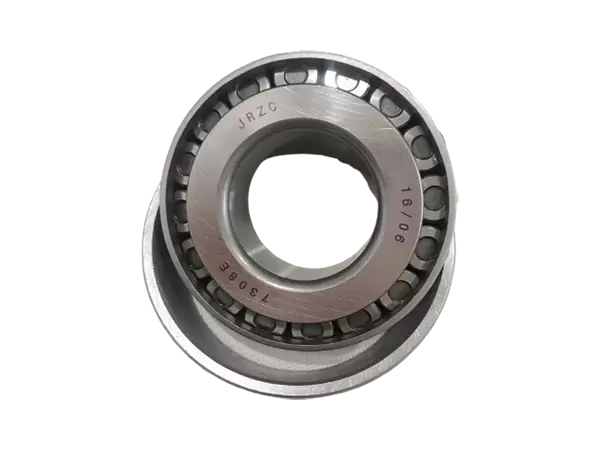
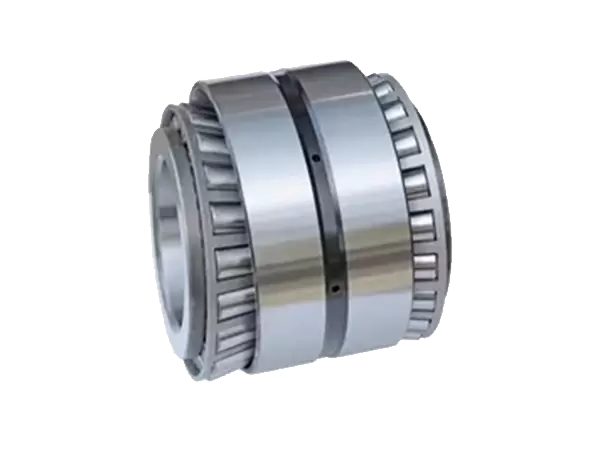
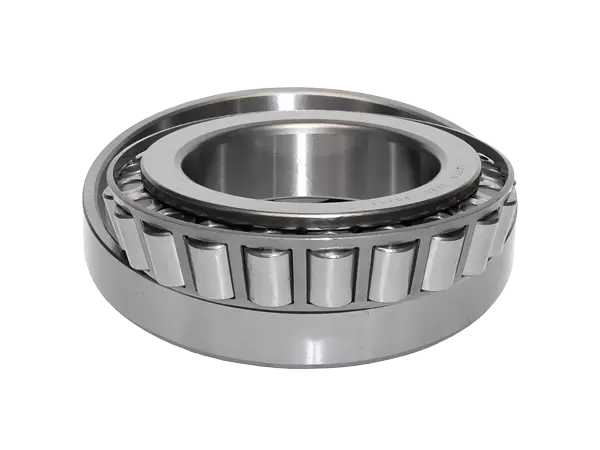
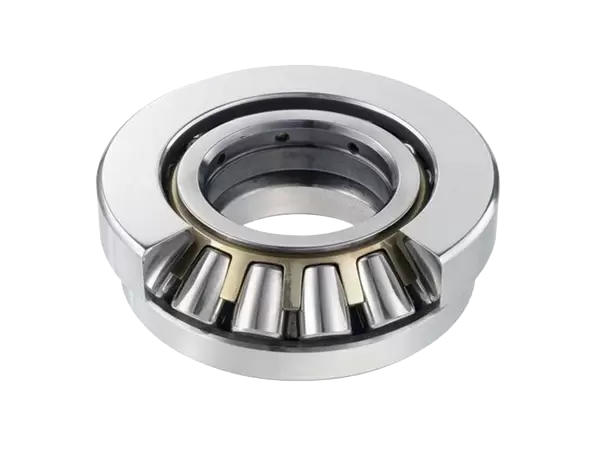
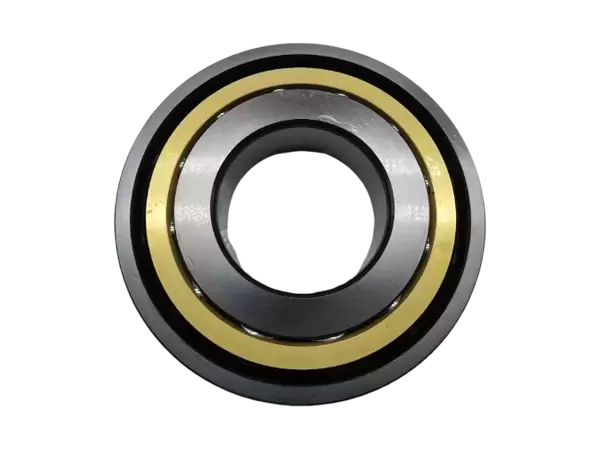
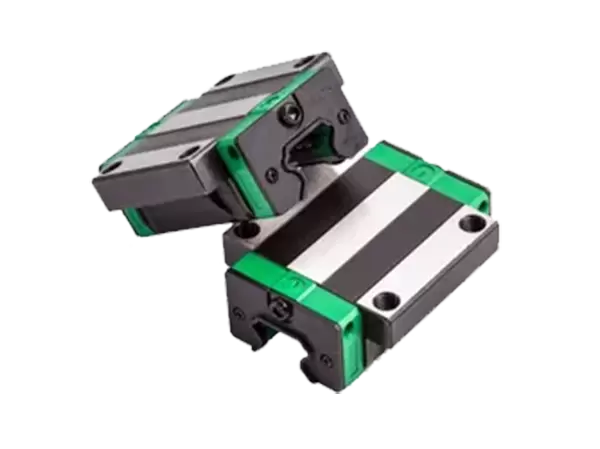
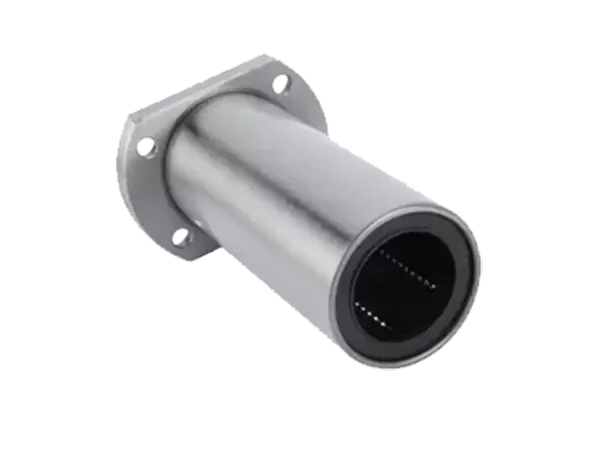
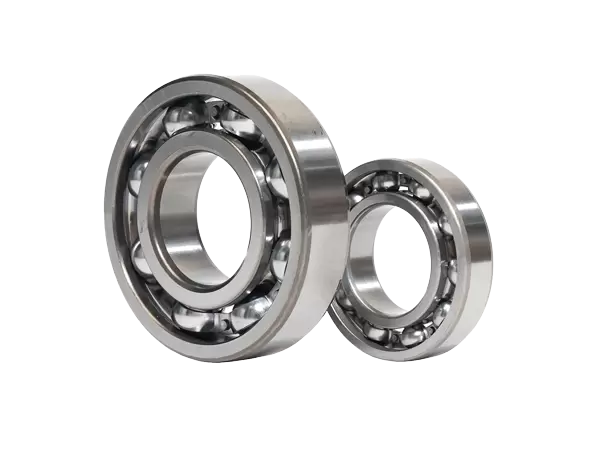
The bearing industry is entering a transformative phase in 2026, as it shifts from sheer scale-driven growth to high-quality, innovation-led development. Enterprises that grasp emerging market trends, technological breakthroughs, and evolving customer needs will gain a decisive edge, while laggards risk losing relevance. Bearings are no longer just mechanical components; they are essential enablers of performance and reliability across diverse industrial applications. In this blog post, JRZC, as high quality custom bearing solutions supplier, shares 2026 bearing industry trends and key insights for forward-thinking enterprises to drive innovation and growth.
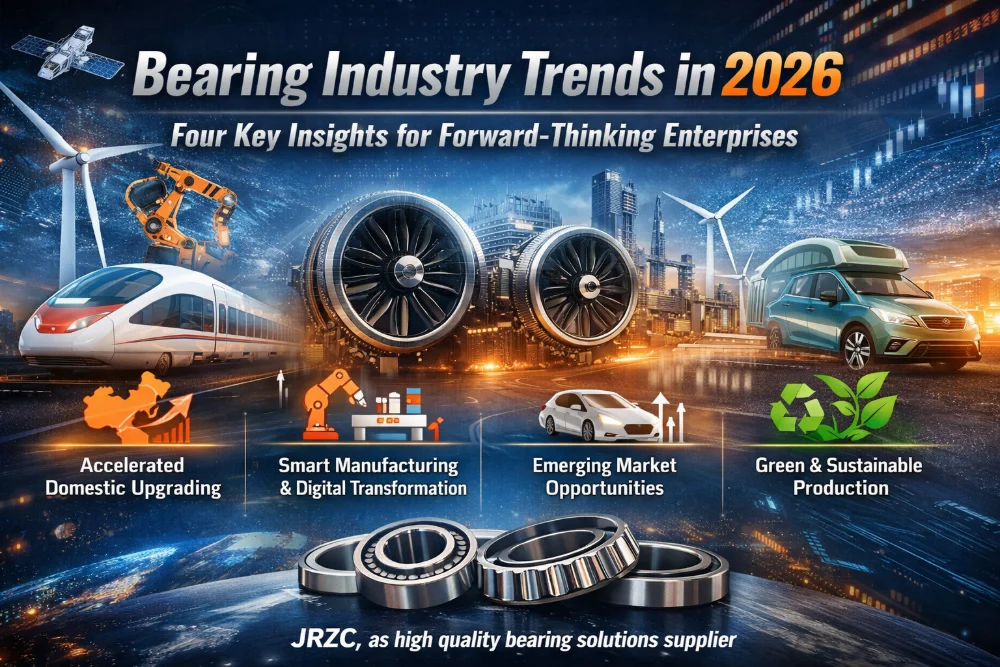
High-End Bearing Localization Accelerates While Mid-Low Tier Markets Consolidate
Government policies are increasingly supporting self-reliance in critical sectors such as wind power, high-speed rail, robotics, and aerospace. These initiatives are driving the accelerated adoption of domestically produced, high-precision bearings. As a result, the bearing industry is witnessing a dual trend:
High-end market growth – Domestic manufacturers are rapidly increasing penetration in sectors requiring precision, durability, and high reliability.
Mid- and low-end market consolidation – Homogeneous and inefficient production lines are being phased out, increasing industry concentration.
For bearing manufacturers, this shift emphasizes the importance of:
Investing in material science and engineering design to differentiate high-performance bearings.
Focusing on specialized applications such as wind turbine bearings, aerospace roller bearings, or high-speed rail bearing solutions.
Recognizing that only companies with technical and operational excellence will sustain long-term growth.
The 2026 landscape rewards “specialization and precision.” Enterprises that adapt production, R&D, and quality standards to these market realities will lead the bearing industry.
Smart Manufacturing Drives Efficiency in the Bearing Industry
The bearing industry is embracing smart manufacturing and digital transformation at an unprecedented pace. Advanced technologies, including industrial IoT, AI-driven quality control, and automated production lines, are transforming traditional factories into intelligent manufacturing hubs.
Key technological trends include:
Digital Twin Technology for Bearings – Simulating bearing performance in real-world operational scenarios allows engineers to predict wear patterns, optimize load distribution, and improve maintenance planning.
Online Condition Monitoring – Sensors integrated into high-precision bearings provide continuous data on vibration, temperature, and operational loads, enabling predictive maintenance and avoiding unexpected downtime.
Automated Inspection and Quality Control – AI-powered visual inspection systems and non-destructive testing ensure superior product quality while reducing human errors.
Smart production not only improves efficiency but also enables bearing manufacturers to transition from a traditional product-centric model to a service-enhanced approach, providing condition monitoring, maintenance support, and reliability assurance for clients. In this context, industrial bearings evolve into a holistic product-service solution for OEMs and industrial operators.
Emerging Applications Fuel Demand in Specialized Bearing Segments
While traditional automotive and industrial machinery demand remains stable, emerging sectors are creating new growth opportunities for the bearing industry. Notable high-demand areas include:
Electric Vehicles (EVs) – Bearings with lightweight, low-friction design are critical for EV motors, wheel hubs, and transmission systems.
Renewable Energy Systems – Bearings in wind turbines, solar trackers, and energy storage equipment must withstand high loads and harsh environmental conditions.
Robotics and Automation – Compact and precision bearings enable humanoid robots, collaborative robots, and automated machinery to operate with high repeatability and efficiency.
Advanced Machine Tools and Aerospace Applications – High-tolerance bearings are essential for CNC machines, aerospace equipment, and precision instruments.
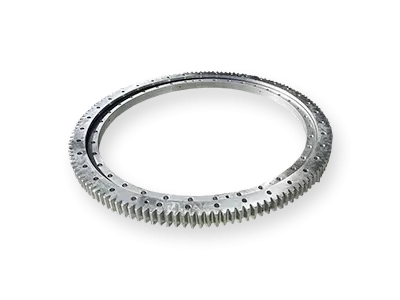
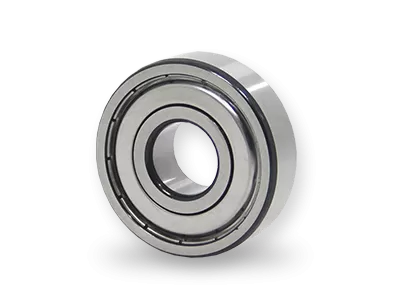
Focusing on specialized segments allows manufacturers to capture high-margin opportunities. Niche players that invest in tailored bearing solutions, such as slewing bearings for wind energy or miniature ball bearings for robotics, can achieve rapid growth while building competitive differentiation in the bearing industry.
Sustainability and Green Manufacturing as Core Requirements
Sustainability is no longer optional in the bearing industry. Environmental regulations, carbon reduction targets, and market expectations are driving manufacturers toward energy-efficient processes, recyclable materials, and low-noise, lightweight bearing designs.
Key initiatives shaping the green transformation include:
Energy-Efficient Heat Treatment – Advanced thermal processes reduce energy consumption while enhancing bearing performance.
Recyclable Materials – Steel, alloy, and composite components are increasingly designed for reuse, minimizing environmental impact.
Low-Friction and Low-Noise Bearings – Bearings engineered for energy savings reduce mechanical losses and contribute to greener industrial systems.
Compliance with Environmental Standards – Manufacturers with high energy consumption or environmental non-compliance face strict market limitations, making sustainable practices a key competitive requirement.
Integrating green practices allows bearing manufacturers to combine operational efficiency with environmental stewardship, strengthening brand credibility and long-term market access.
Strategic Recommendations for Bearing Industry Leaders
The evolving bearing industry landscape necessitates forward-looking strategies for enterprises seeking sustainable growth and market leadership:
Invest in High-End Bearing R&D – Material innovations, precision engineering, and durability testing remain key differentiators.
Implement Smart Manufacturing Technologies – Automation, condition monitoring, and predictive maintenance reduce costs and enhance reliability.
Target Emerging Industrial Sectors – Electric vehicles, renewable energy, robotics, and high-precision machinery provide high-growth opportunities.
Prioritize Sustainability – Eco-friendly materials, low-energy processes, and compliance with environmental standards are critical for competitiveness.
JRZC exemplifies these strategies with a comprehensive range of high-precision bearings, lubrication systems, and condition monitoring services. With advanced CNC technology, rigorous quality standards, and a commitment to innovation, JRZC provides reliable bearing solutions that meet international specifications across multiple industrial applications.
Conclusion
The bearing industry in 2026 is undergoing a profound transformation. Enterprises that recognize trends in high-end localization, smart manufacturing, emerging applications, and sustainability will capture substantial opportunities. Bearings are no longer simple components—they are critical enablers of industrial efficiency, reliability, and innovation.
Forward-thinking companies that combine precision manufacturing, digital capabilities, and environmental responsibility will define the next era of the bearing industry. The message is clear: embrace innovation, digital transformation, and sustainable practices to secure long-term growth and industry leadership.