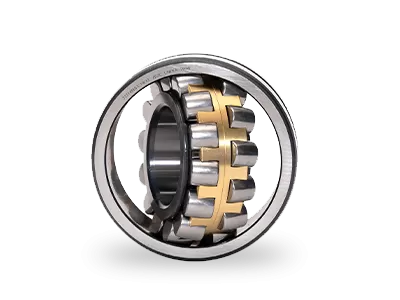
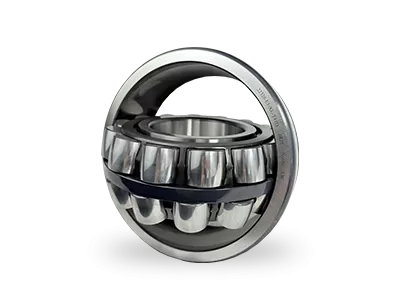
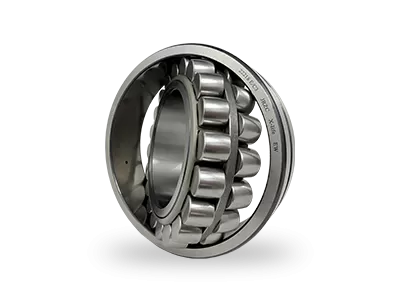
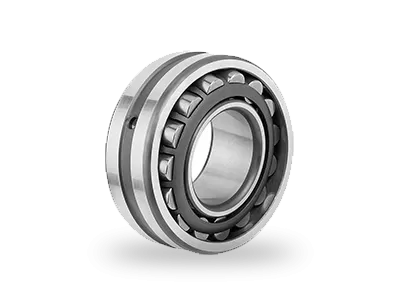
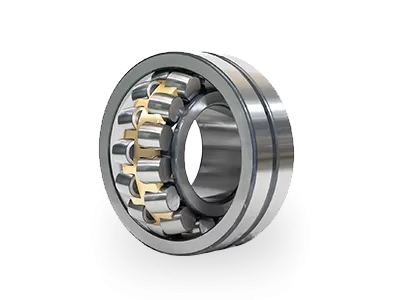
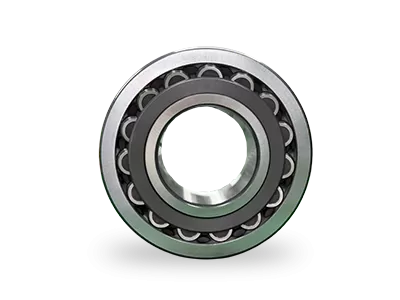
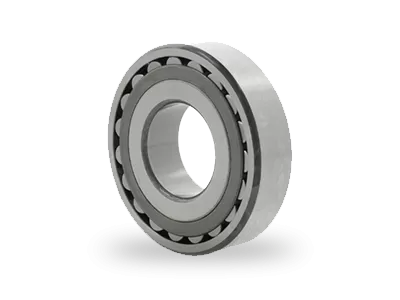
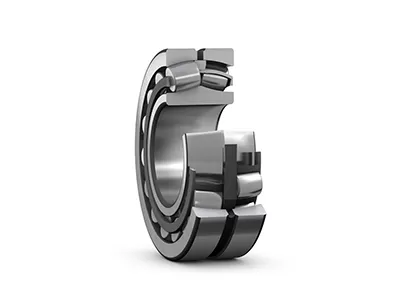
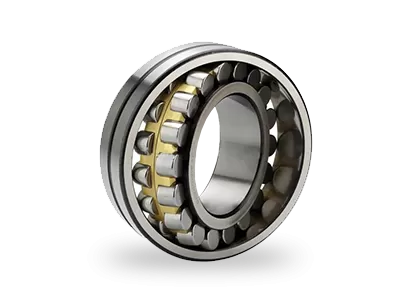
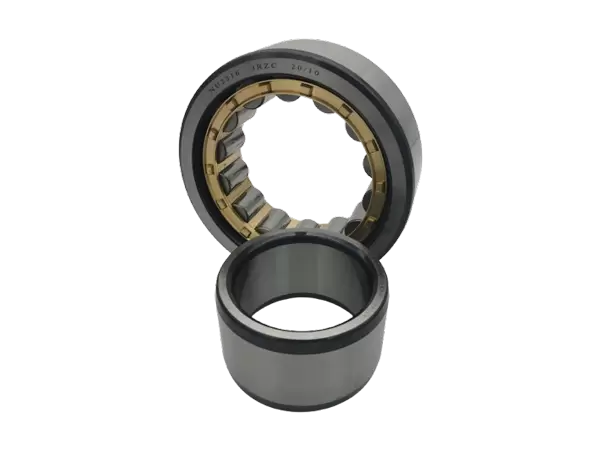
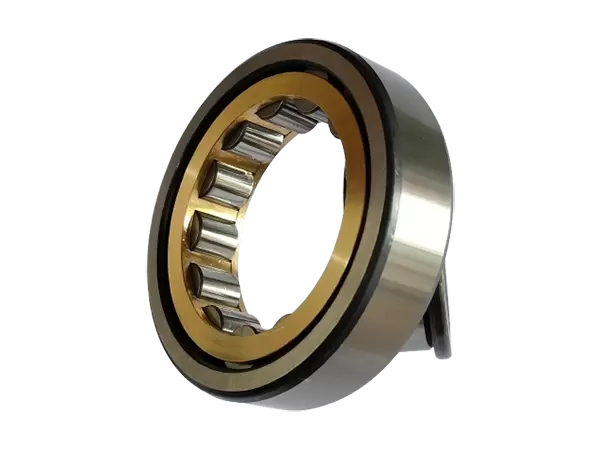
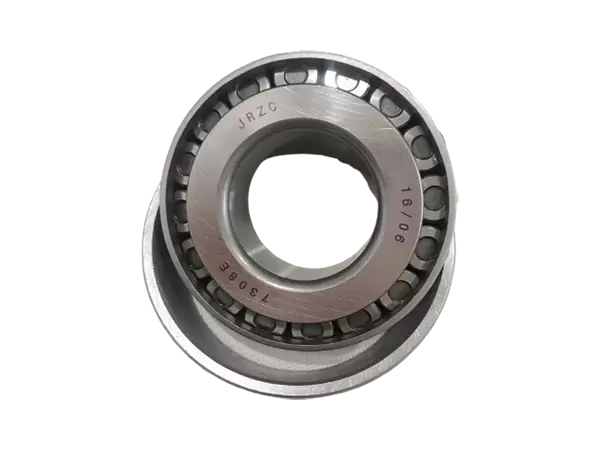
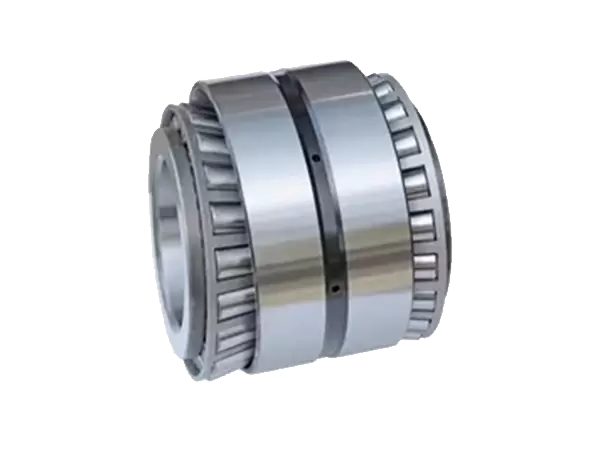
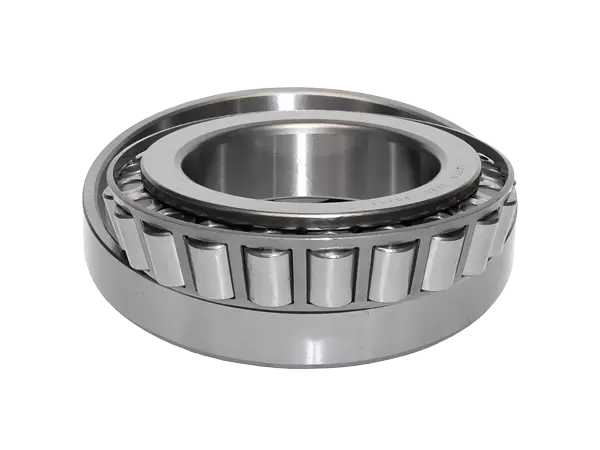
Slewing bearings play a critical role in tower crane performance, acting as the central component that supports rotation while bearing combined axial, radial, and tilting moment loads. Given their large size, precision structure, and exposure to demanding environments, proper maintenance is not optional—it is essential for ensuring long service life, operational safety, and cost efficiency.
This guide provides a comprehensive, experience-driven approach to maintaining slewing bearings used in tower cranes. It integrates practical maintenance strategies, technical insights, and optimization methods to help global operators, contractors, and equipment managers maximize bearing lifespan while reducing downtime and replacement costs. In this blog post, JRZC, as high performance custom ball bearing manufacturing factory, will share the maintenance tips of tower crane slewing bearing for longer life.
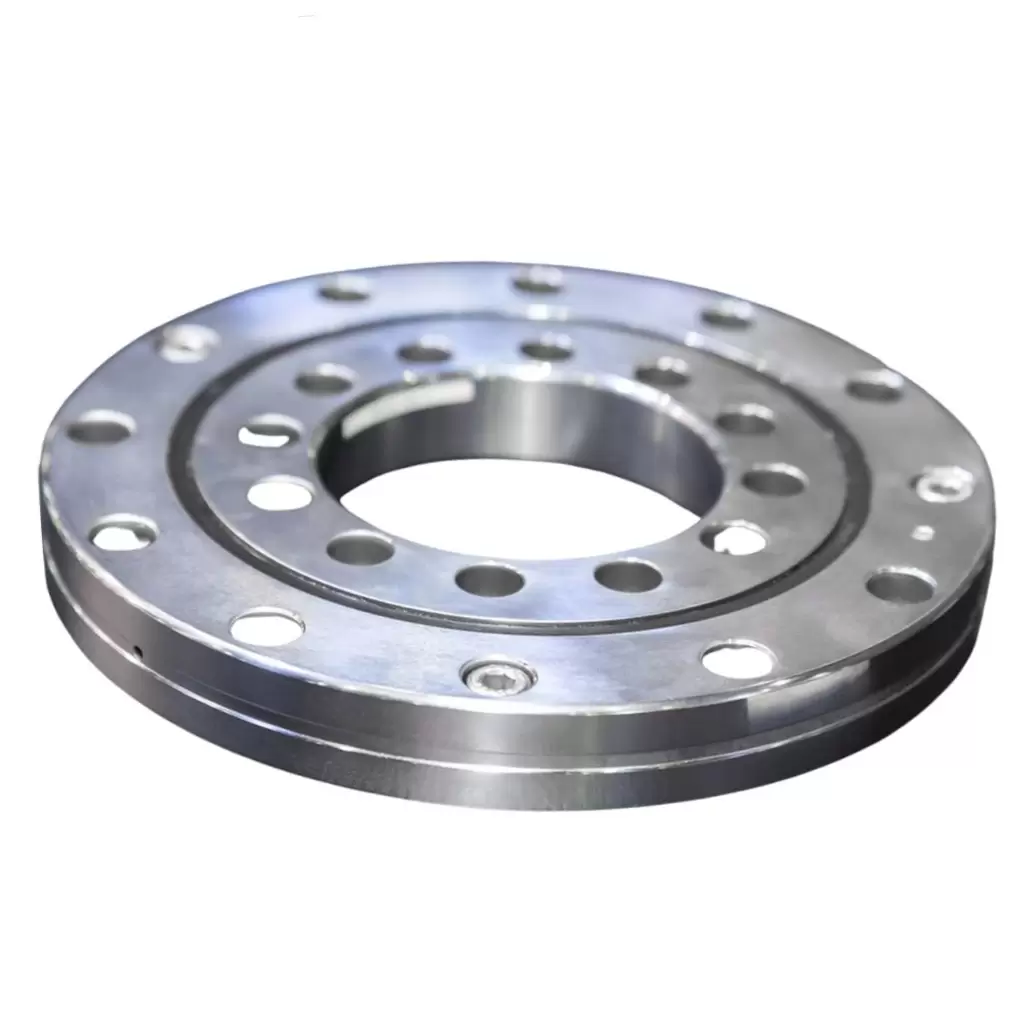
Understanding Tower Crane Slewing Bearing Functionality
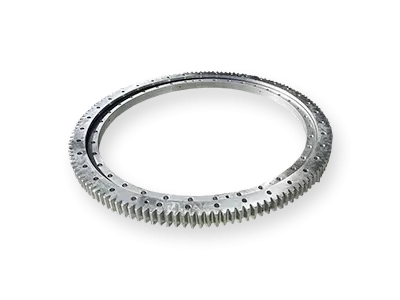
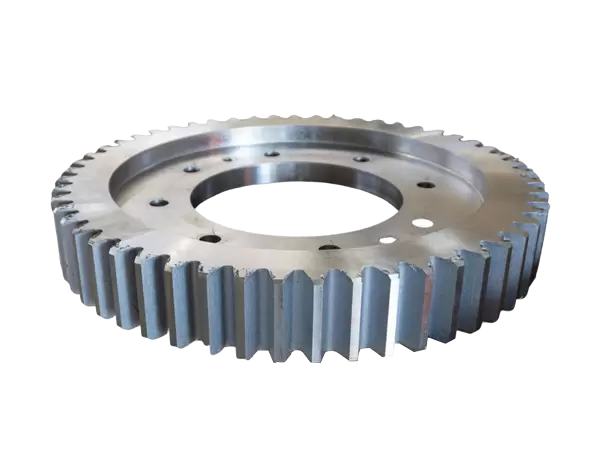
A tower crane slewing bearing is more than just a rotating component. It integrates mounting holes, gear systems, and sealing structures into a compact unit capable of handling complex load conditions. These bearings must maintain precise rotational performance under continuous stress, often in harsh outdoor environments.
Key characteristics include:
High load-carrying capacity for combined forces
Strong rigidity to support structural stability
Integrated gear systems for smooth rotation
Sealing systems to prevent contamination
Compact design for space-efficient installation
Because of these demands, even minor maintenance neglect can lead to premature wear, gear damage, or catastrophic failure.
Why Maintenance Directly Impacts Bearing Lifespan
The lifespan of a tower crane slewing bearing depends on several interacting factors:
Without a structured maintenance plan, issues such as uneven wear, corrosion, or lubrication failure can significantly reduce service life. In contrast, consistent maintenance ensures stable operation and extends usability even under heavy-duty applications.
Lubrication Practices for Slewing Bearing Longevity
Importance of Proper Lubrication
Lubrication is the single most critical factor in extending slewing bearing life. It reduces friction, minimizes wear, and protects internal components from corrosion and contamination.
For tower crane slewing bearings, lubrication must address:
Recommended Lubrication Strategies
Use high-quality grease with extreme pressure (EP) additives
Apply grease evenly through designated lubrication points
Rotate the crane during lubrication to ensure full distribution
Increase lubrication frequency in high-load or dusty environments
Lubrication Frequency Guidelines
Normal conditions: every 250–500 operating hours
Heavy-duty or harsh environments: every 100–200 hours
After long idle periods: immediate re-lubrication
Over-lubrication should also be avoided, as it can damage seals and lead to grease leakage.
Inspection Techniques for Early Fault Detection
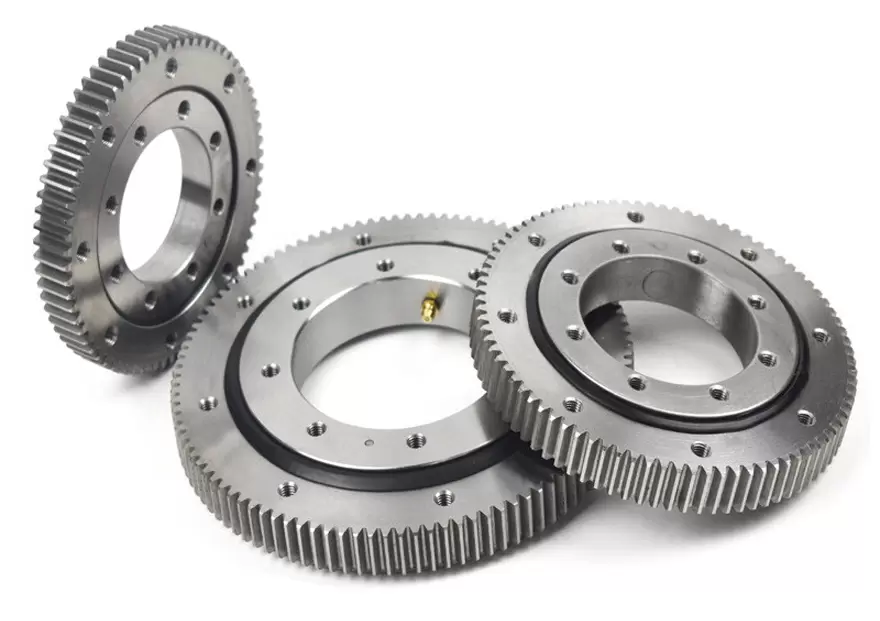
Routine inspection is essential for identifying potential issues before they escalate into costly failures.
Visual Inspection Points
Check for grease leakage around seals
Inspect gear teeth for wear or pitting
Look for corrosion or surface damage
Verify bolt tightness and integrity
Operational Inspection
Monitor unusual noise during rotation
Detect vibration or irregular movement
Check for uneven rotation resistance
Measurement-Based Inspection
Measure axial and radial clearance
Track wear patterns over time
Monitor torque variations
Early detection allows for timely corrective actions, significantly extending bearing service life.
Bolt Tightening and Structural Stability
The mounting bolts of a tower crane slewing bearing are critical for maintaining structural integrity. Improper bolt tension can lead to uneven load distribution, accelerating wear and increasing failure risk.
Best Practices for Bolt Maintenance
Use calibrated torque tools for accurate tightening
Follow manufacturer torque specifications
Perform periodic re-tightening checks
Replace damaged or stretched bolts immediately
Bolt loosening is a common cause of premature bearing failure, especially in high-load applications.
Environmental Protection and Contamination Control
Tower crane slewing bearings operate in environments exposed to dust, moisture, temperature fluctuations, and sometimes corrosive elements. Protecting the bearing from contamination is essential.
Key Protective Measures
Maintain seal integrity and replace damaged seals promptly
Use protective covers where applicable
Clean external surfaces regularly
Avoid high-pressure washing directly on seals
Contamination can degrade lubricant quality and accelerate internal wear, making environmental control a priority.
Installation Accuracy and Its Long-Term Impact
Even the best maintenance practices cannot compensate for poor installation. Misalignment or improper mounting can create uneven load distribution, leading to localized stress and early failure.
Installation Guidelines
Ensure flat and rigid mounting surfaces
Verify alignment before tightening bolts
Follow cross-pattern tightening sequences
Check gear meshing accuracy
Precision during installation lays the foundation for long-term bearing performance.
Load Management and Operational Best Practices
Proper operation of tower cranes directly affects slewing bearing longevity.
Load Handling Recommendations
Avoid overloading beyond rated capacity
Minimize sudden load changes
Ensure balanced load distribution
Reduce unnecessary rotation cycles
Operator Awareness
Well-trained operators can significantly extend bearing life by:
Avoiding abrupt movements
Monitoring system feedback
Reporting abnormalities early
Operational discipline complements mechanical maintenance.
Wear Patterns and Predictive Maintenance
Understanding wear patterns helps in predicting maintenance needs and preventing unexpected failures.
Common Wear Indicators
Predictive Maintenance Approach
Maintain maintenance logs
Analyze historical performance data
Schedule proactive inspections
Predictive maintenance reduces downtime and improves cost efficiency.
Storage and Idle Equipment Care
When tower cranes are not in use, slewing bearings still require attention.
Storage Guidelines
Rotate the bearing periodically to redistribute grease
Protect from moisture and dust
Reapply lubrication before restarting operations
Idle equipment without proper care can develop corrosion or lubrication degradation.
Material Quality and Manufacturing Standards
The durability of a tower crane slewing bearing is also influenced by manufacturing quality. High-precision production ensures better load distribution, smoother rotation, and longer service life.
JRZC, as an integrated bearing manufacturer with over 22 years of industry experience, emphasizes:
ISO-certified production processes
Advanced CNC machining technology
Strict quality control systems
High-precision and long-life bearing solutions
With exports to more than 40 countries, JRZC provides reliable slewing bearing solutions tailored for global construction and industrial applications.
OEM and Customization Advantages for Maintenance
Customized slewing bearings can improve maintenance efficiency and operational performance.
Benefits of OEM/ODM Solutions
Optimized design for specific load conditions
Enhanced sealing for harsh environments
Improved lubrication channel design
Extended maintenance intervals
JRZC offers comprehensive OEM and ODM services, ensuring that each bearing solution aligns with specific project requirements and operational demands.
Common Maintenance Mistakes to Avoid
Even experienced operators can make mistakes that shorten bearing lifespan.
Key Mistakes
Ignoring lubrication schedules
Using incorrect grease types
Overlooking early warning signs
Improper bolt tightening
Neglecting environmental protection
Avoiding these errors is essential for maximizing bearing performance.
Future Trends in Slewing Bearing Maintenance
As technology evolves, maintenance practices are becoming more advanced and data-driven.
Emerging Trends
Smart monitoring systems with sensors
Automated lubrication systems
Data analytics for predictive maintenance
Improved sealing and material technologies
These innovations will further enhance the reliability and lifespan of tower crane slewing bearings.
Conclusion
Maintaining a tower crane slewing bearing requires a systematic, detail-oriented approach that integrates lubrication, inspection, installation accuracy, and operational discipline. Each aspect contributes to overall performance and longevity.
By implementing structured maintenance practices and leveraging high-quality bearing solutions from experienced manufacturers like JRZC, operators can significantly reduce downtime, lower operational costs, and ensure safe, reliable crane performance in demanding environments.
A well-maintained slewing bearing is not just a component—it is a critical factor in the efficiency and success of modern construction operations.