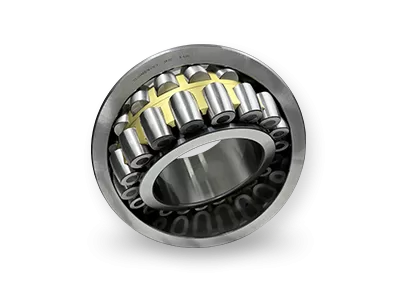
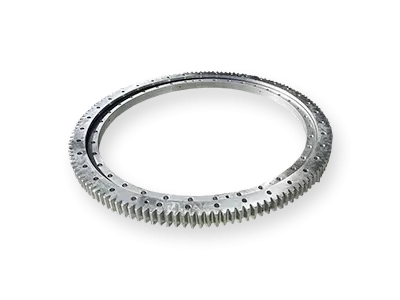
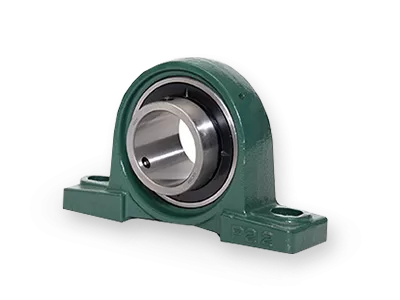
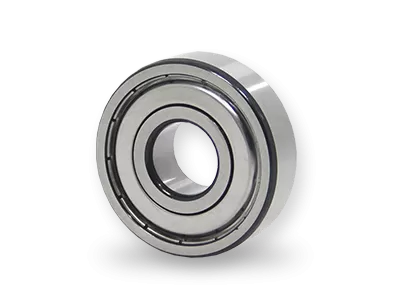
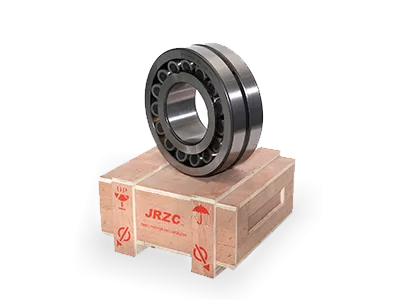
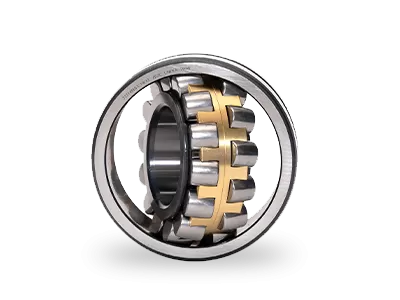
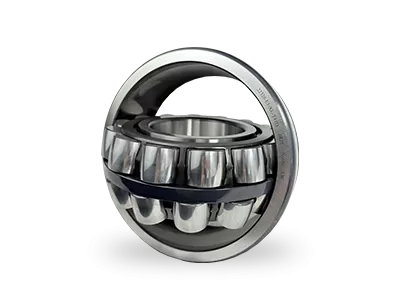
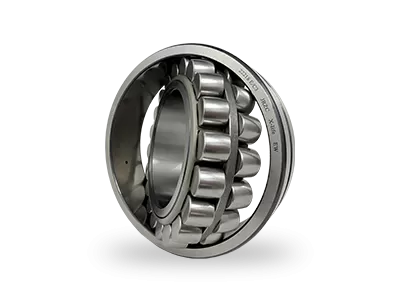
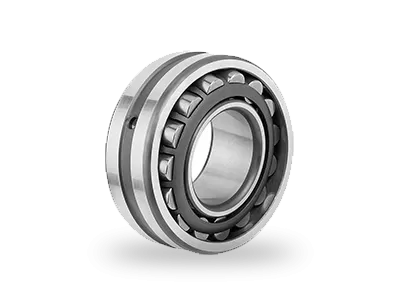
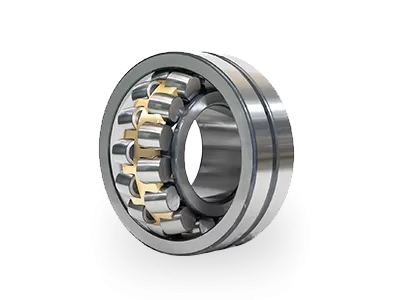
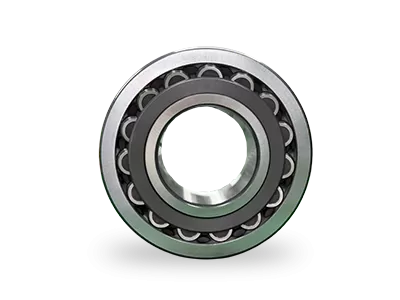
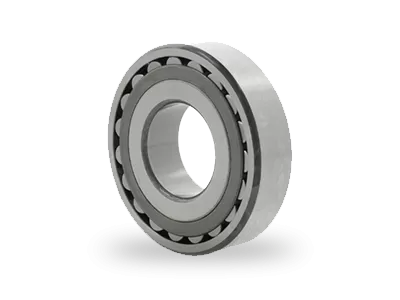
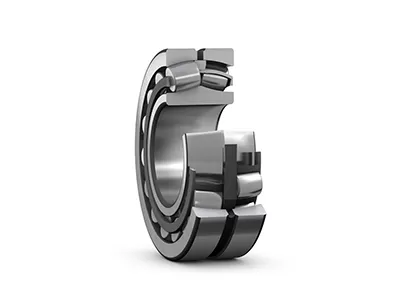
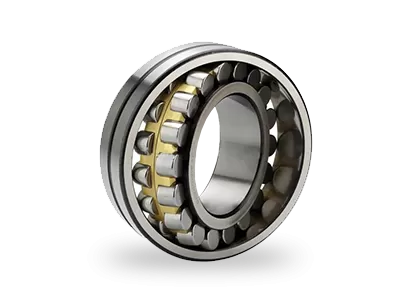
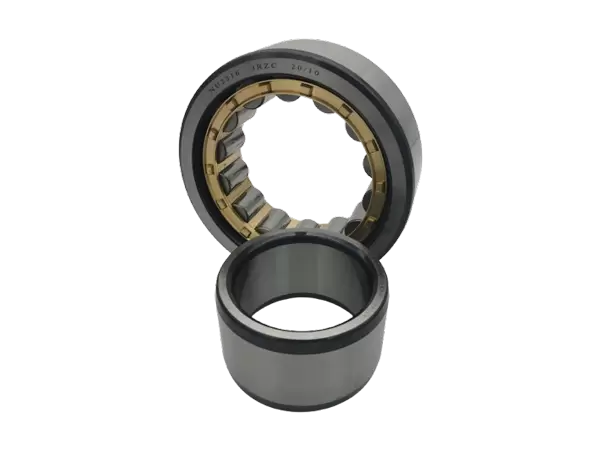
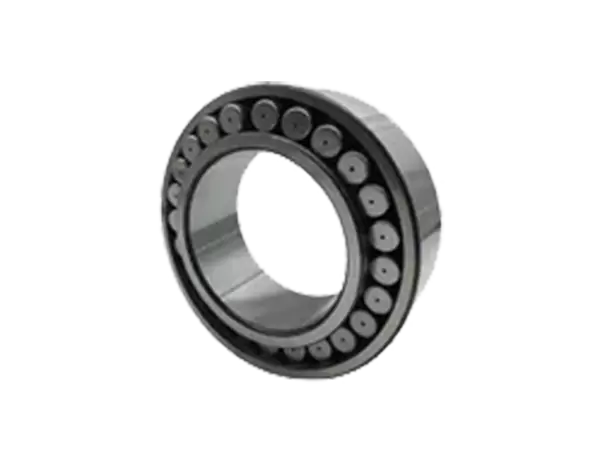
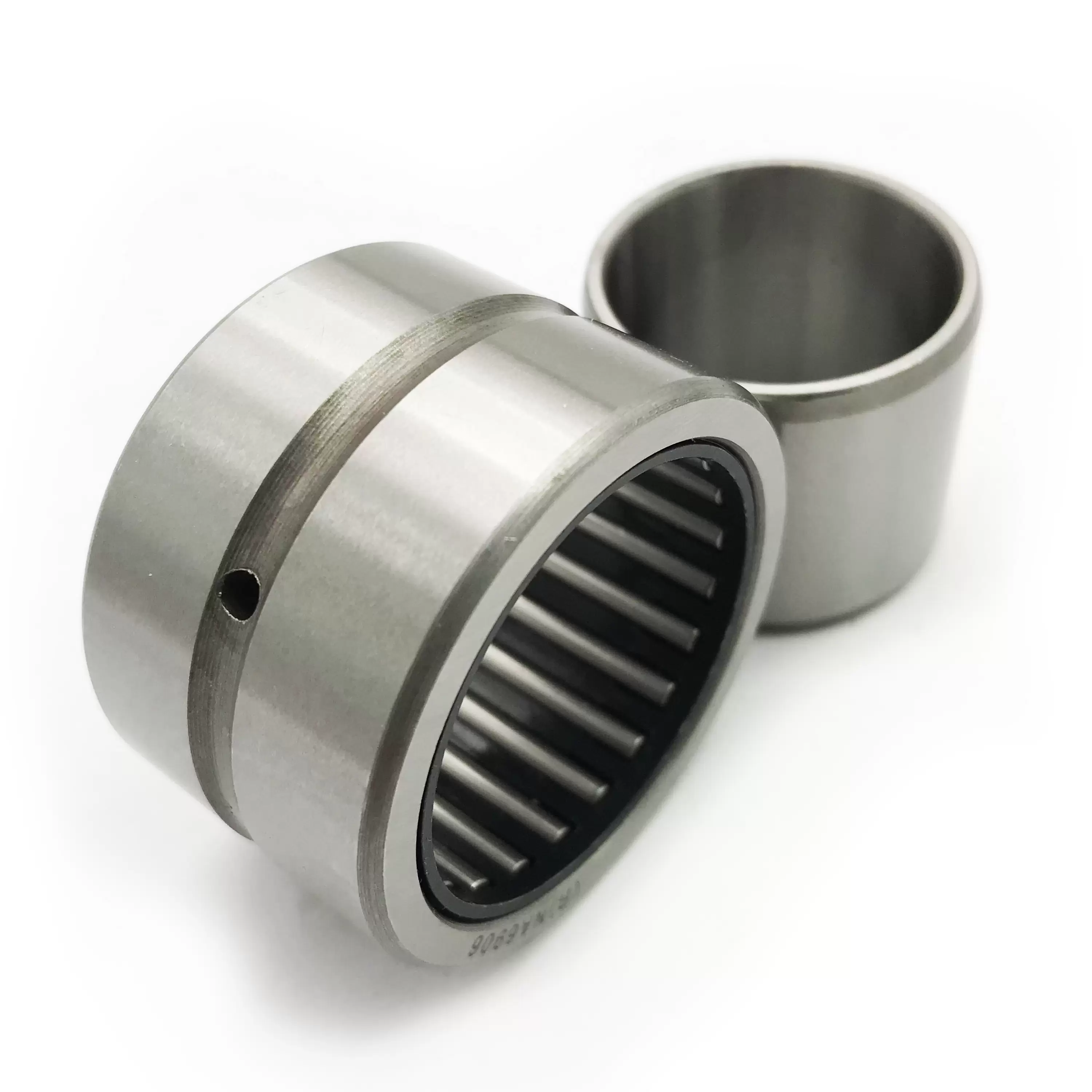
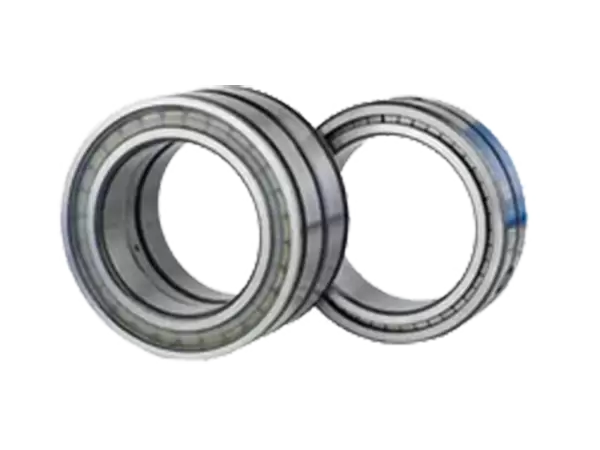
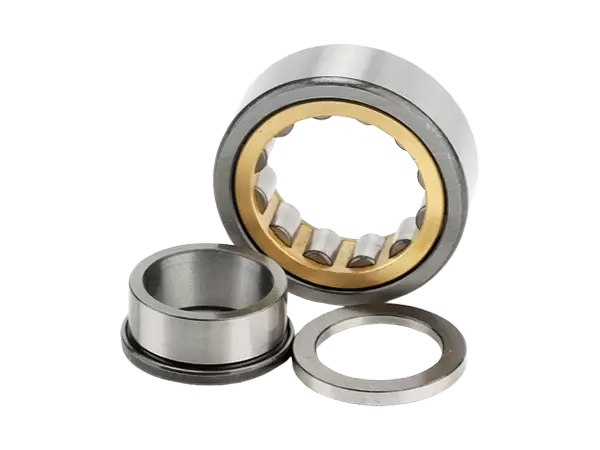
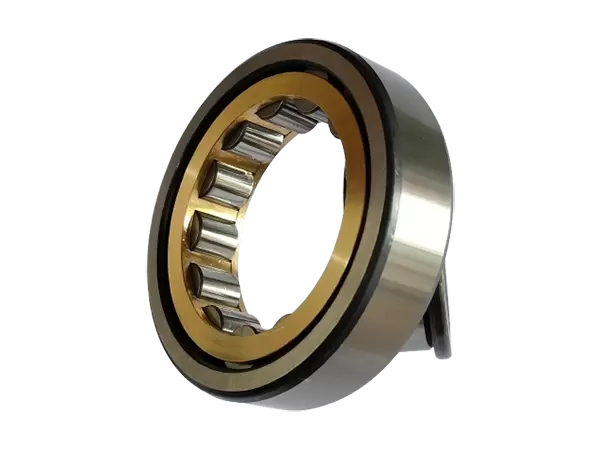
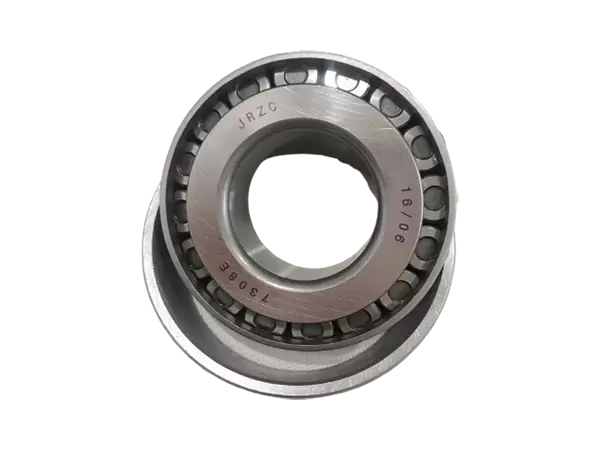
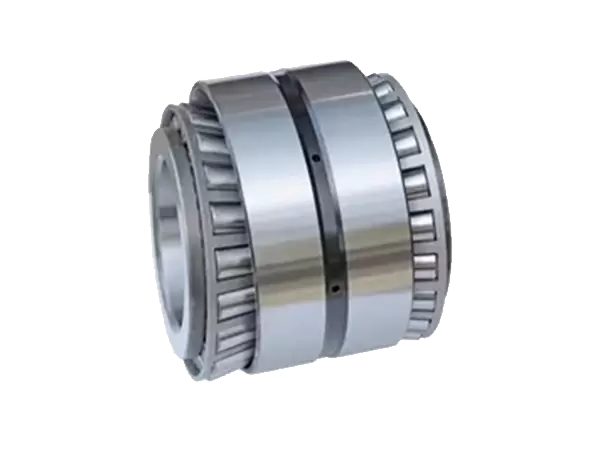
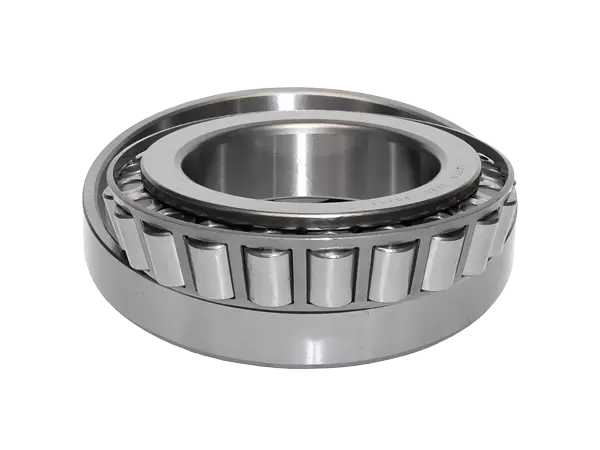
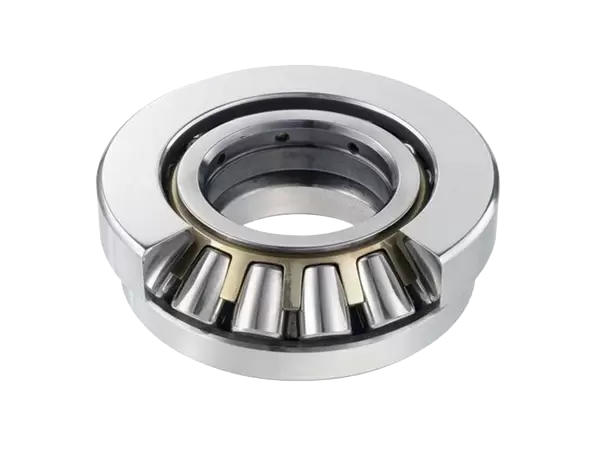
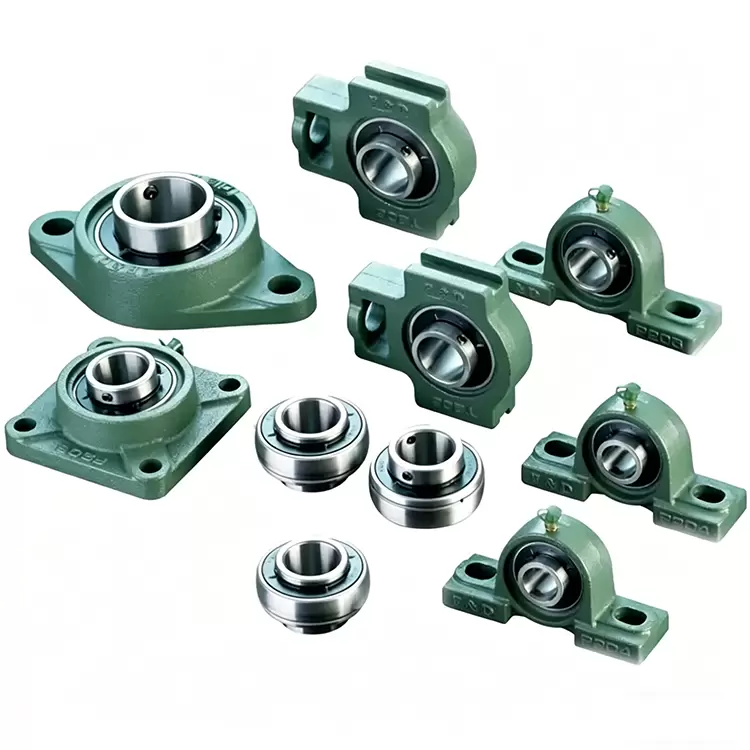
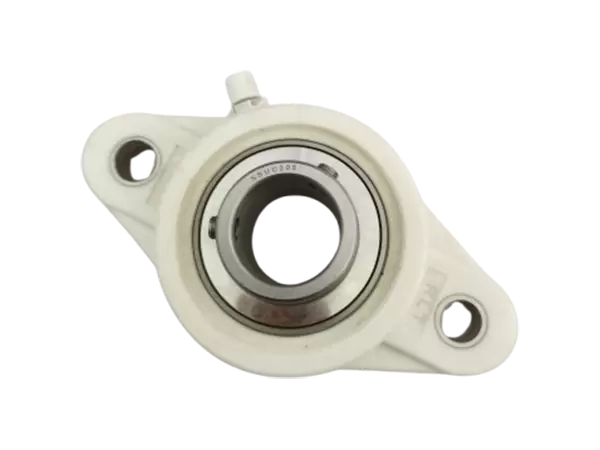
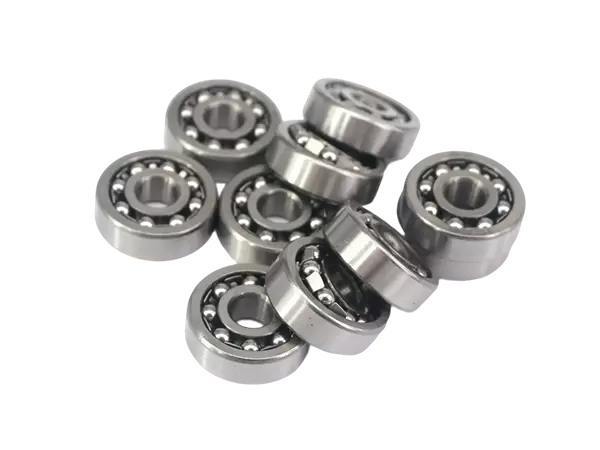
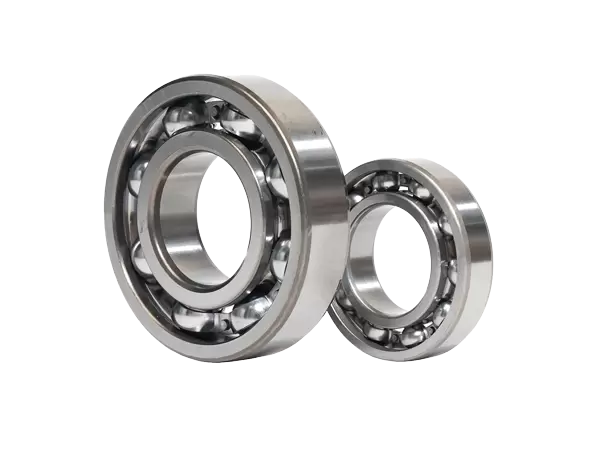
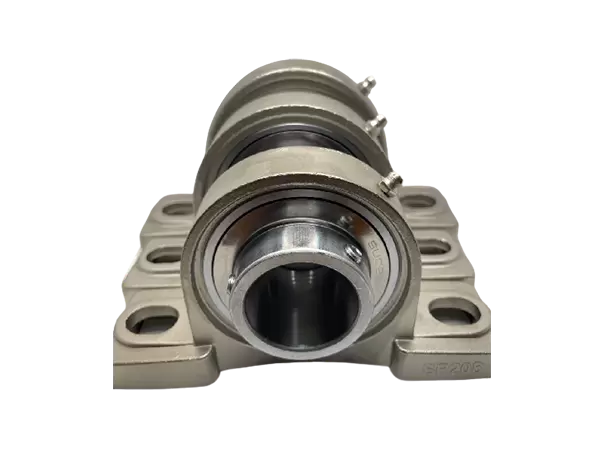
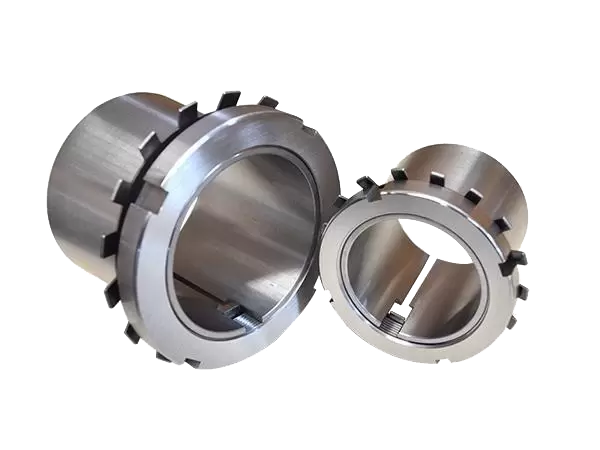
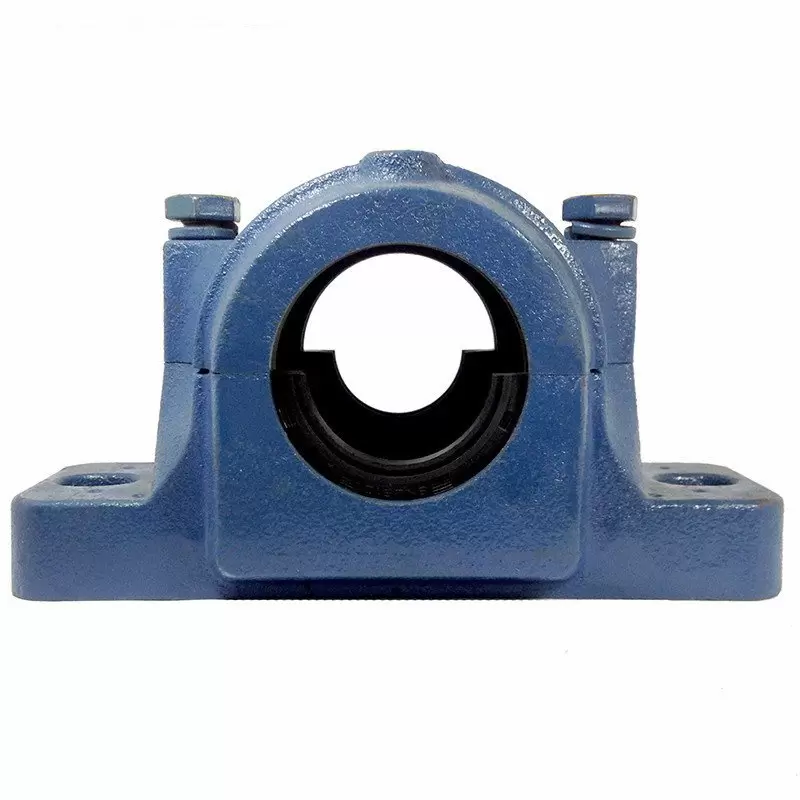
Heavy machinery often operates under a combination of high loads, shaft deflection, thermal expansion, vibration, and continuous motion. These conditions place demanding requirements on rolling bearings, particularly when the shaft needs to move axially while maintaining stable radial load support. A conventional bearing arrangement may generate unwanted internal forces when shaft movement and misalignment occur at the same time. This is where a toroidal roller bearing can provide a practical solution for demanding industrial equipment.
A toroidal roller bearing combines characteristics that are valuable in heavy-duty machinery. Its rolling elements can accommodate angular misalignment while also allowing frictionless axial displacement within the bearing. This combination helps reduce internal stress in non-locating bearing positions and provides greater freedom for shaft movement. For equipment exposed to changing operating temperatures, structural deflection, or long periods of continuous operation, this bearing concept can contribute to smoother and more stable performance.
Why Shaft Displacement Matters in Heavy Machinery
Shaft displacement is a common consideration in large mechanical equipment. When operating temperatures change, shafts and surrounding components can expand or contract. If the bearing arrangement does not allow sufficient axial movement, thermal expansion may create additional axial forces that are transferred to the bearings, shafts, housings, or other connected components.
A toroidal roller bearing for heavy machinery is designed to accommodate this type of axial movement without requiring the rolling elements to slide against conventional raceway geometry. The ability to support radial loads while permitting axial displacement makes this bearing particularly useful where one bearing position needs to act as a non-locating position.
Misalignment can create another challenge. Manufacturing tolerances, housing deformation, shaft bending, installation conditions, and operating loads can all contribute to angular displacement between the shaft and housing. A bearing capable of accommodating this movement can help maintain more favorable contact conditions and reduce the risk of excessive edge loading.
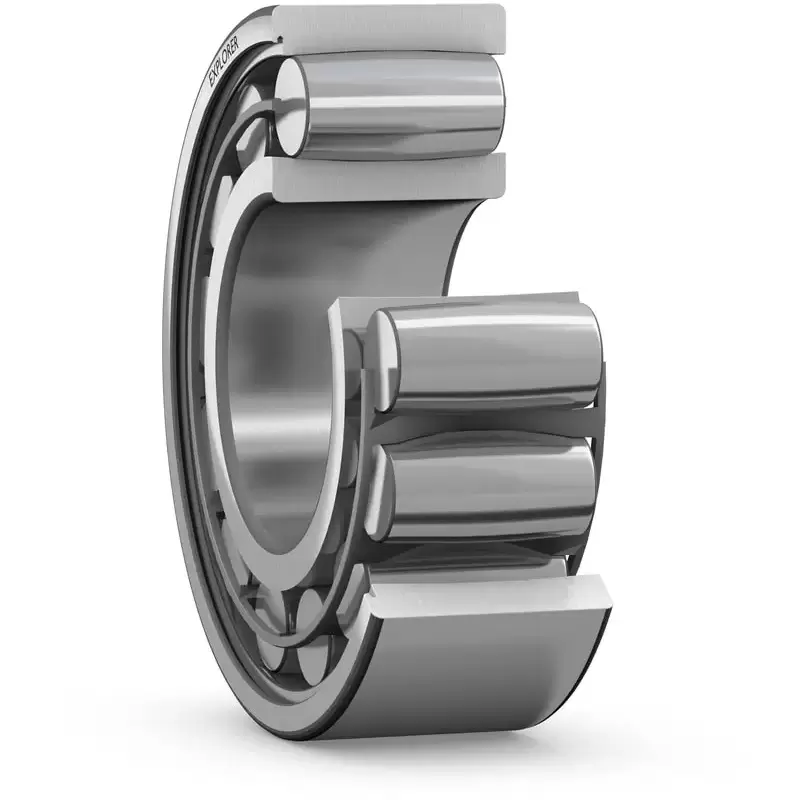
How Toroidal Roller Bearings Handle Combined Movement
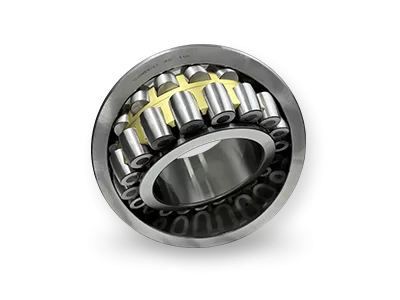
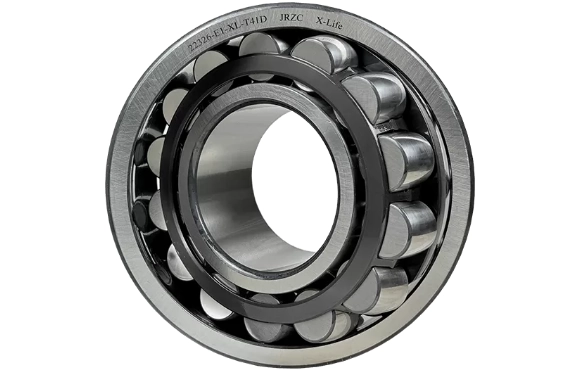
The internal geometry of a toroidal roller bearing is one of its most important characteristics. The curved raceway and corresponding roller profile allow the rollers to adapt to axial movement while maintaining effective radial load transmission. At the same time, the bearing can accommodate a degree of angular misalignment between the shaft and housing.
This combination is particularly valuable because axial displacement and shaft misalignment can occur simultaneously. Instead of treating these two operating conditions separately, the bearing arrangement can accommodate both types of movement within one bearing position. This can simplify bearing selection and reduce the need for additional components dedicated solely to axial compensation.
Another important advantage is reduced friction during axial movement. When the shaft expands or contracts, the internal bearing geometry allows displacement to occur with minimal resistance. Lower resistance can help reduce heat generation and unnecessary mechanical losses, especially in equipment that operates for extended periods.
Key Benefits for Industrial Bearing Applications
Selecting a suitable bearing involves more than simply checking radial load capacity. The operating environment, shaft movement, installation conditions, speed, lubrication, and expected service life all influence bearing performance. A toroidal roller bearing can be considered when several of these requirements appear together.
| Operating Requirement | Bearing Advantage |
|---|
| High radial loads | Strong radial load-carrying capability |
| Shaft thermal expansion | Accommodates axial displacement |
| Shaft or housing misalignment | Supports angular misalignment |
| Continuous operation | Helps control friction and heat generation |
| Limited internal stress | Suitable for non-locating bearing positions |
| Demanding industrial conditions | Designed for heavy-duty rolling applications |
The ability to accommodate movement is especially important in equipment where temperature variations are unavoidable. Rather than allowing thermal expansion to become an additional source of bearing loading, the bearing arrangement can permit controlled axial movement. This approach can contribute to improved operating stability and potentially reduce premature bearing damage.
Choosing a Toroidal Roller Bearing for Heavy Loads
When selecting a toroidal roller bearing for heavy machinery, engineers should first evaluate the actual load conditions rather than focusing on bearing dimensions alone. Radial load, axial displacement, shaft deflection, operating speed, temperature, lubrication, and mounting accuracy should all be considered together.
Load distribution is another important factor. Heavy machinery may experience fluctuating loads rather than a constant load throughout the operating cycle. Shock loads and vibration can further affect contact conditions between rollers and raceways. A bearing with appropriate internal geometry and load capacity can help maintain reliable contact under these changing conditions.
Shaft displacement should also be measured or estimated carefully. Excessive movement can influence bearing selection, housing design, lubrication requirements, and overall service life. Understanding the expected direction and magnitude of shaft movement allows engineers to determine whether a toroidal arrangement is suitable for the application.
Reducing Stress in Non-Locating Bearing Positions
Many heavy machines use locating and non-locating bearing positions to control shaft movement. The locating position manages axial positioning, while the non-locating position allows the shaft to expand and contract. Problems can occur when the non-locating position cannot move freely.
A toroidal roller bearing for shaft displacement can perform the non-locating function while still providing substantial radial load support. Its internal movement capability helps prevent excessive axial forces from developing when the shaft changes length because of temperature or operating conditions.
This can also improve the overall balance of the bearing arrangement. Instead of forcing both bearing positions to resist thermal movement, the non-locating bearing can accommodate the displacement naturally. Such an arrangement can be particularly valuable in long shafts and large structures where thermal expansion is significant.
Friction, Heat and Service Life Considerations
Friction is directly related to bearing operating temperature, energy loss, lubricant condition, and component wear. Although bearing friction depends on multiple factors, unnecessary resistance during axial displacement should be avoided whenever possible.
The geometry of a toroidal roller bearing allows axial movement without relying on conventional sliding between the bearing and its mounting surfaces. This can reduce resistance associated with shaft expansion and help maintain more stable operating conditions.
Lower internal friction can support longer bearing service life, but bearing life still depends on proper load selection, lubrication, cleanliness, mounting accuracy, sealing, and operating conditions. A well-designed bearing arrangement should therefore consider the complete operating environment rather than treating the bearing as an isolated component.
Applications Across Heavy Industrial Equipment
Toroidal roller bearings can be considered across a wide range of industries where high radial loads and axial shaft movement occur together. Their ability to accommodate misalignment and displacement makes them relevant to equipment exposed to thermal changes, vibration, structural movement, or demanding load conditions.
Typical application areas include mining machinery, agricultural equipment, construction machinery, transportation equipment, industrial automation, food machinery, power tools, and smelting equipment. The exact bearing arrangement depends on the mechanical design and operating requirements of each machine.
In mining and construction equipment, bearings may encounter heavy radial loads, vibration, contamination, and frequent load changes. In agricultural machinery, changing operating conditions and shaft movement can make bearing flexibility valuable. Industrial automation and transportation equipment may place greater emphasis on controlled movement, reduced friction, and consistent operation.
Installation Factors That Should Not Be Overlooked
Even a high-quality bearing can perform poorly when installation conditions are incorrect. Shaft and housing dimensions should be checked carefully, and mounting surfaces should be clean and free from damage. Incorrect fits, excessive mounting force, contamination, or improper alignment can negatively affect rolling contact.
Lubrication is equally important. The lubricant must be appropriate for the operating speed, temperature, load, and environmental conditions. Insufficient lubrication can increase friction and wear, while excessive or unsuitable lubricant can also affect temperature and bearing performance.
During commissioning, engineers should pay attention to abnormal temperature increases, vibration, noise, and changes in operating resistance. Early monitoring can help identify installation or lubrication problems before they develop into major mechanical failures.
When This Bearing Design Makes Sense
A toroidal arrangement becomes particularly attractive when a machine requires high radial load capacity together with shaft displacement and misalignment accommodation. It can be a useful alternative to more complicated bearing arrangements when the mechanical design requires a dedicated non-locating position.
The most important consideration is not whether a bearing can simply carry the required load, but whether it can accommodate the movements generated by the machine during actual operation. Thermal expansion, shaft bending, housing deformation, and installation tolerances should all be included in the selection process.
For industrial buyers, working with an experienced bearing manufacturer can also help determine the appropriate configuration based on operating conditions rather than selecting a bearing solely by size or price. JRZC focuses on bearing solutions for demanding industrial applications where load, movement, and operating reliability need to be considered together.
Conclusion
Heavy machinery places complex demands on rolling bearings, especially when high radial loads occur alongside shaft displacement and misalignment. A toroidal roller bearing addresses these challenges by combining radial load support with the ability to accommodate axial movement and angular misalignment.
Its value lies not simply in its bearing capacity, but in how its internal geometry manages movement within the bearing arrangement. By allowing controlled axial displacement, reducing resistance during shaft expansion, and accommodating misalignment, this bearing design can help reduce unwanted internal stress and support more stable machine operation.
For equipment operating under demanding mechanical conditions, selecting the right bearing arrangement should begin with a clear understanding of shaft movement, load characteristics, temperature changes, lubrication, and installation requirements. When these factors are evaluated together, a toroidal roller bearing can become an effective choice for improving bearing performance and reducing maintenance-related problems.
FAQ
What is a toroidal roller bearing used for?
A toroidal roller bearing is commonly used in applications requiring high radial load capacity while also accommodating axial shaft displacement and angular misalignment. It is particularly suitable for heavy industrial machinery and equipment exposed to thermal expansion.
Can it accommodate shaft thermal expansion?
Yes. One of its key functions is to allow axial displacement of the shaft within the bearing while maintaining radial load support. This makes it useful for non-locating bearing positions where thermal expansion needs to be accommodated.
What is the difference between axial displacement and misalignment?
Axial displacement refers to movement along the shaft axis, often caused by thermal expansion or contraction. Misalignment refers to an angular difference between the shaft and housing. A toroidal roller bearing is designed to accommodate both types of movement under appropriate operating conditions.
Where are these bearings commonly applied?
Common applications include mining machinery, agricultural equipment, construction machinery, transportation equipment, industrial automation, food machinery, power tools, and smelting equipment. The appropriate bearing arrangement depends on load, speed, displacement, lubrication, and environmental conditions.
How can bearing life be improved?
Correct bearing selection, proper lubrication, accurate mounting, clean operating conditions, appropriate loading, and regular condition monitoring all contribute to longer service life. Preventing excessive internal stress and uncontrolled shaft movement is also important for demanding applications.