Engineering Architecture of Custom Crane Slewing Bearing Design
A Custom Crane Slewing Bearing is engineered as a core load-bearing and rotational interface that enables controlled movement under complex mechanical conditions. In modern industrial equipment, rotation systems must simultaneously manage axial force, radial force, and overturning moment while maintaining structural stability and precise angular positioning.
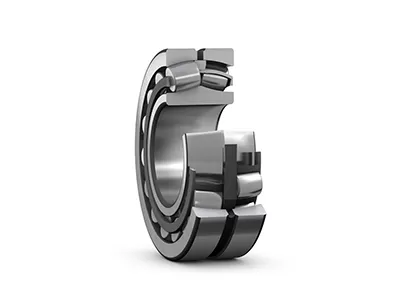
Unlike standard rotating components, a slewing bearing integrates multiple functional elements into a single compact assembly. These include raceway systems, rolling elements, sealing structures, and mounting interfaces. This integrated architecture allows machinery to achieve smooth rotational movement without compromising load stability or mechanical stiffness.
In advanced industrial applications, design customization is not optional but essential. Load profiles, rotational speed requirements, and environmental exposure conditions vary significantly across machinery types, requiring tailored engineering approaches. In this blog post, JRZC, as high performance roller bearing factory, will share the role of custom crane slewing bearing solutions for heavy machinery turntable and rotation systems.
Structural Design Logic in Crane Slewing Bearing Systems
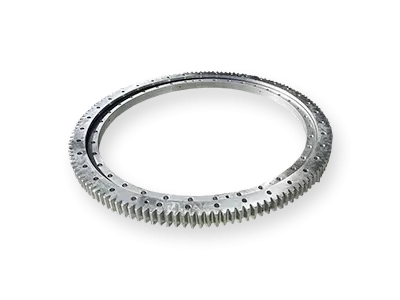
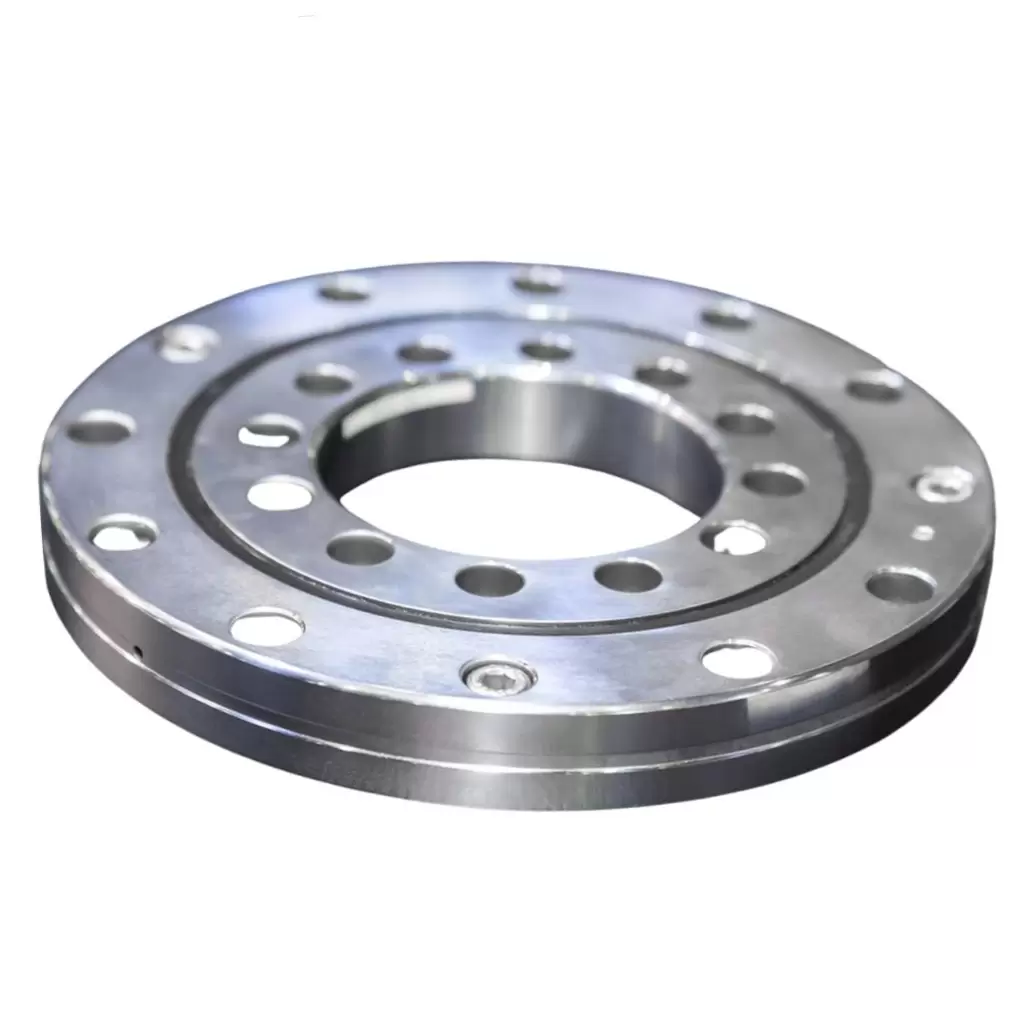
The structural foundation of a crane slewing bearing is built around efficient load distribution and controlled deformation resistance. The bearing must support combined loads from multiple directions, including vertical lifting forces, horizontal imbalance forces, and moment loads generated by extended boom structures.
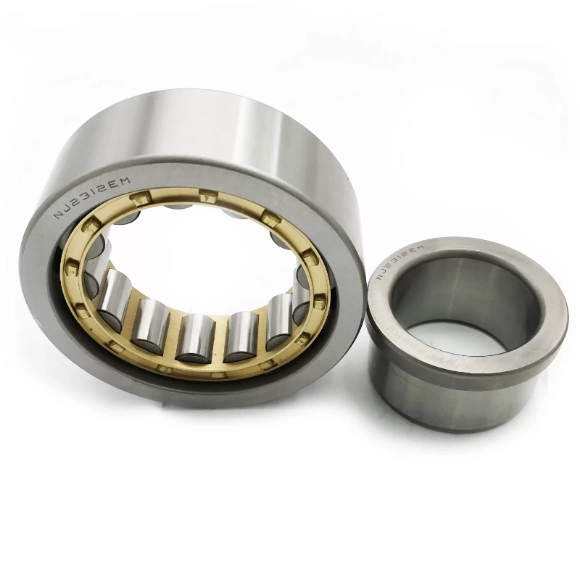
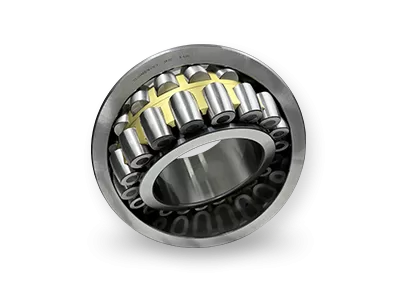
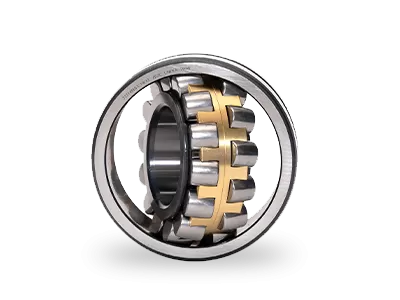
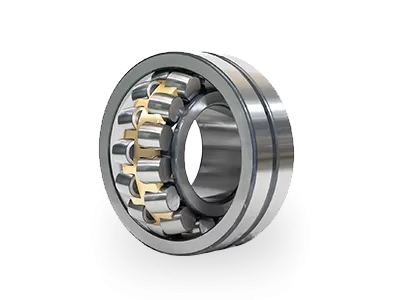
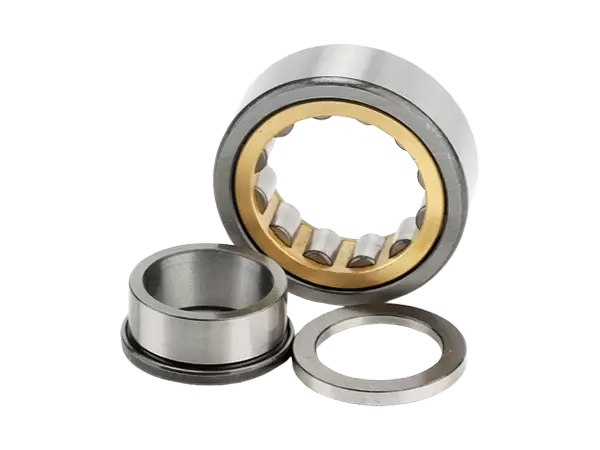
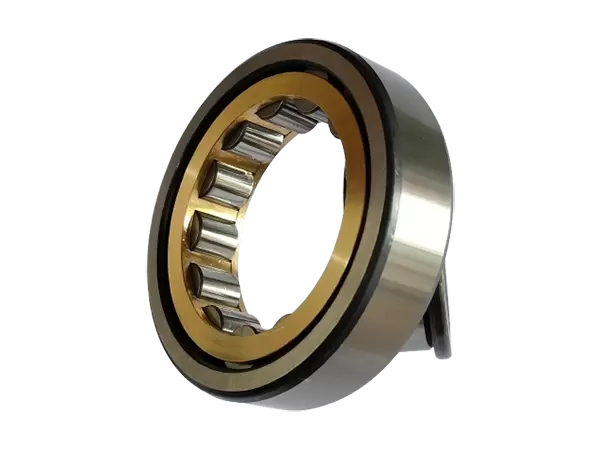
Raceway geometry plays a central role in defining performance behavior. Optimized curvature ensures uniform stress distribution across rolling elements, reducing localized fatigue and extending service life. The rolling elements—either balls or cylindrical rollers—act as force transmission media between inner and outer rings, ensuring consistent rotational motion under heavy load conditions.
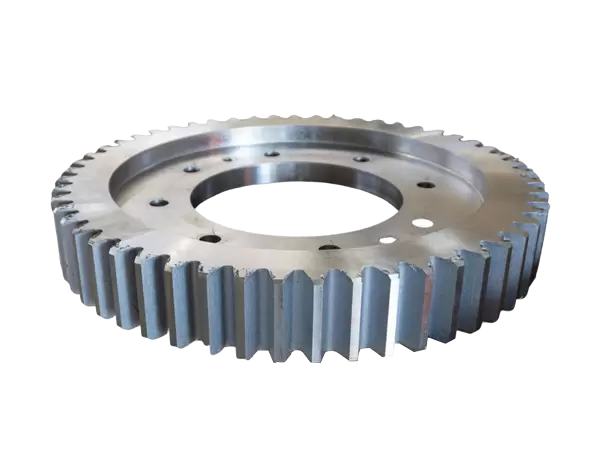
The integration of gear teeth, either internal or external, enables direct torque transfer from drive systems. This reduces mechanical complexity and improves transmission efficiency. For heavy machinery turntable systems, this integration is critical to maintaining smooth rotational control under dynamic load variations.
Material Engineering and Structural Integrity Control
Material selection directly determines the operational reliability of a custom slewing bearing system. High-strength bearing steel is typically selected due to its superior hardness, fatigue resistance, and load-bearing capability. However, material performance is only fully realized through controlled heat treatment processes.
Quenching and tempering techniques are applied to refine microstructure stability, improving both surface hardness and internal toughness. This dual enhancement ensures that the bearing can withstand repetitive stress cycles without cracking or permanent deformation.
In harsh operating environments, corrosion resistance becomes a critical design factor. Protective surface treatments and optimized sealing structures help prevent contamination from moisture, dust, and chemical exposure. These measures significantly improve long-term operational stability in industrial conditions.
A professional slewing bearing manufacturer ensures strict material traceability and process consistency throughout production, maintaining mechanical reliability across all customized designs.
Precision Manufacturing in Slewing Bearing Factory Operations
High-performance slewing systems require manufacturing precision at every stage of production. A modern slewing bearing factory relies on advanced CNC machining centers, precision grinding systems, and automated inspection equipment to achieve micron-level accuracy.
Raceway finishing is particularly important, as surface quality directly affects rolling resistance and operational smoothness. Grinding processes are used to achieve optimal surface roughness and geometric consistency, ensuring stable load transmission under dynamic conditions.
Gear machining accuracy is equally critical in crane rotation systems. Even minor deviations in tooth profile can lead to uneven torque distribution, increased vibration, and accelerated wear. Therefore, strict tolerance control is maintained throughout the manufacturing process.
Quality inspection includes dimensional verification, hardness testing, rotational torque measurement, and load simulation. These multi-layered checks ensure that each bearing meets stringent industrial performance requirements before deployment.
Custom Engineering Strategies for Heavy Machinery Turntable Systems
Customization in slewing bearing design is driven by application-specific performance requirements. Heavy machinery turntable systems often operate under highly variable load conditions, requiring bearings that can adapt to both static and dynamic stress profiles.
Engineers analyze load intensity, rotation frequency, and structural constraints before defining bearing geometry and configuration. Depending on requirements, single-row, double-row, or cross-roller structures may be selected to balance stiffness, load capacity, and rotational precision.
Custom gear integration is also a key design factor. Internal gears provide compact system layouts, while external gears offer easier maintenance and higher torque transmission capacity. The selection depends on machinery layout and operational constraints.
Thermal expansion behavior is also considered during customization. Large-scale equipment may experience significant temperature variations, requiring compensation design to maintain alignment accuracy and structural stability.
A slewing bearing operates under a complex combination of mechanical stresses. Axial loads are generated by vertical lifting forces, radial loads arise from lateral movement and structural imbalance, and moment loads result from extended leverage arms in heavy machinery systems.
The ability to manage these forces simultaneously defines the performance quality of a crane slewing bearing system. Advanced design techniques focus on optimizing contact angles between rolling elements and raceways to improve load distribution efficiency.
Stiffness is another critical performance parameter. Higher structural rigidity reduces deformation under load, ensuring accurate rotational positioning even during heavy-duty operations. This is particularly important in precision-controlled machinery systems.
Long-term fatigue resistance is achieved through material optimization, heat treatment control, and surface finishing techniques that reduce micro-crack formation and wear progression.
Sealing Systems and Lubrication Engineering
Sealing technology is essential for maintaining internal cleanliness and lubrication stability in slewing bearing systems. Multi-stage sealing structures are designed to prevent external contaminants such as dust, moisture, and industrial particles from entering the raceway system.
Lubrication systems are engineered to maintain a stable friction-reducing film between rolling elements and raceways. High-performance grease formulations are selected based on temperature resistance, load conditions, and rotational speed requirements.
In heavy-duty applications, lubrication retention is critical to minimizing maintenance frequency and extending operational life. Some systems incorporate relubrication channels to ensure continuous grease supply during extended operation cycles.
Proper sealing and lubrication design significantly influence overall system reliability and performance consistency.
Integration of Crane Slewing Bearing in Industrial Rotation Systems
In industrial rotation systems, slewing bearings serve as the central mechanical interface between stationary structures and rotating platforms. This integration allows heavy machinery to perform controlled rotational movements while supporting significant structural loads.
The design must ensure alignment stability between the drive system and the bearing gear interface. Misalignment can lead to uneven load distribution, increased vibration, and accelerated wear.
Torque transmission efficiency is also a critical factor. Efficient power transfer ensures smooth rotational motion even under high load conditions, improving operational safety and energy efficiency.
An excavator slewing bearing shares similar structural principles but is optimized for intermittent impact loads and terrain-driven mechanical stress variations, demonstrating the adaptability of slewing technology across different machinery categories.
Quality assurance is a fundamental aspect of slewing bearing production. Each customized solution undergoes rigorous testing to validate structural integrity, load capacity, and rotational performance.
Testing processes include fatigue simulation, torque resistance evaluation, sealing performance verification, and dimensional accuracy inspection. These procedures ensure that each bearing can perform reliably under real-world industrial conditions.
A reputable slewing bearing manufacturer also implements full traceability systems, tracking raw materials, machining processes, and final inspection data. This ensures consistency and accountability across all production stages.
Such comprehensive quality control systems are essential for maintaining performance reliability in demanding industrial applications.
Installation Engineering and System Alignment Requirements
Proper installation is critical to achieving optimal performance in slewing bearing systems. The mounting surface must maintain strict flatness and rigidity standards to prevent uneven stress distribution during operation.
Bolt preload control is essential to avoid structural distortion. Improper tightening can lead to raceway deformation, increased friction, and reduced operational lifespan.
Accurate alignment between gear engagement systems ensures smooth torque transfer and minimizes mechanical wear. Even minor deviations can significantly impact system efficiency and durability.
Routine inspection of bolt tension, lubrication condition, and sealing integrity is recommended to maintain long-term system stability.
Conclusion
Custom Crane Slewing Bearing systems for heavy machinery turntable and rotation applications represent a convergence of mechanical precision, material engineering, and application-driven design. Every aspect—from load distribution and structural geometry to sealing systems and manufacturing accuracy—plays a decisive role in overall performance.
With advanced engineering capability and strict production standards, JRZC continues to support industrial sectors requiring high-reliability rotational systems, delivering customized solutions that ensure stability, durability, and precision in demanding operational environments.