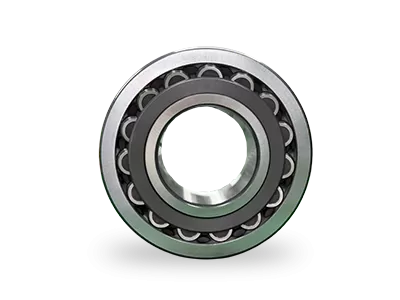
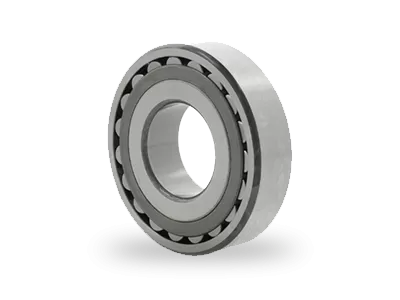
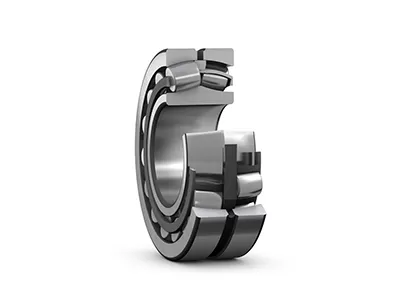
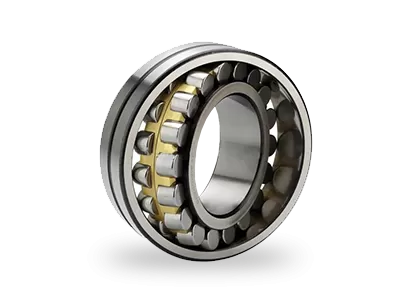
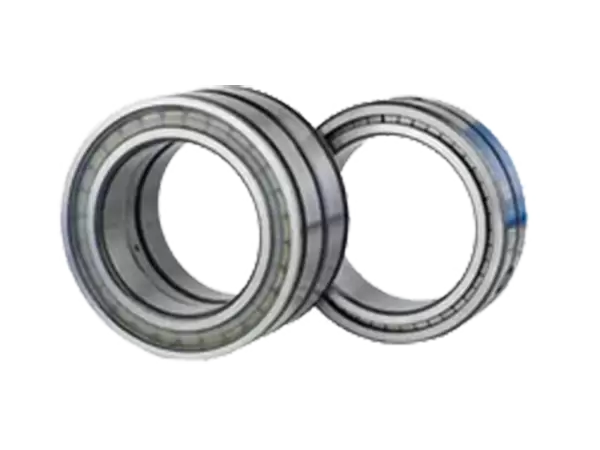
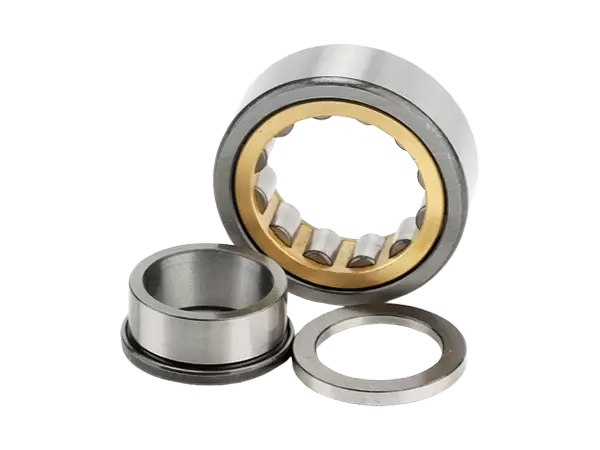
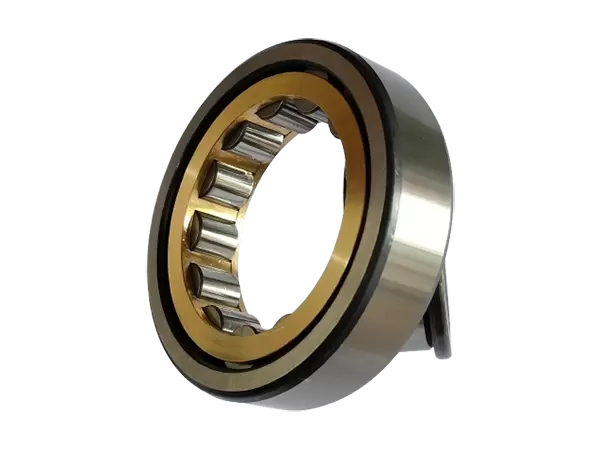
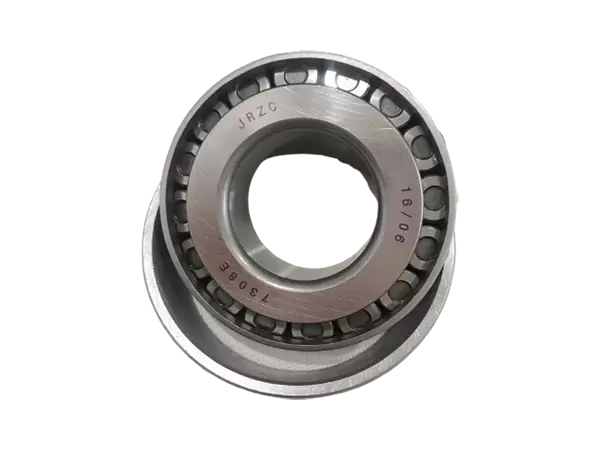
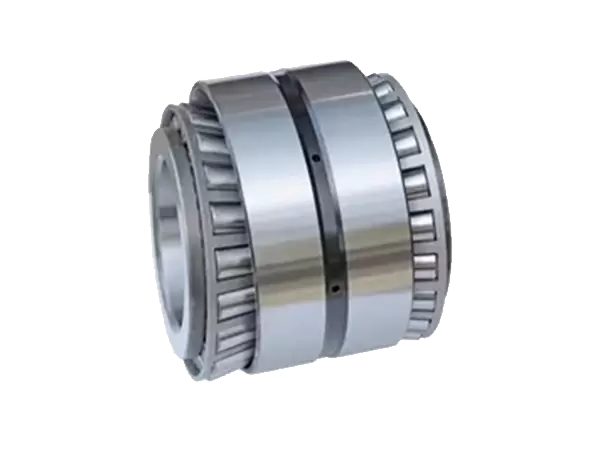
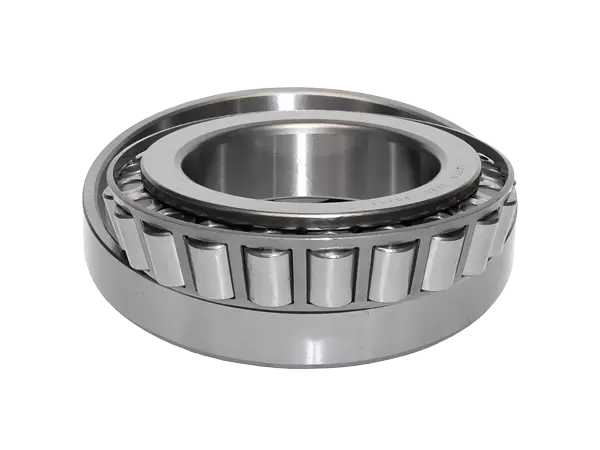
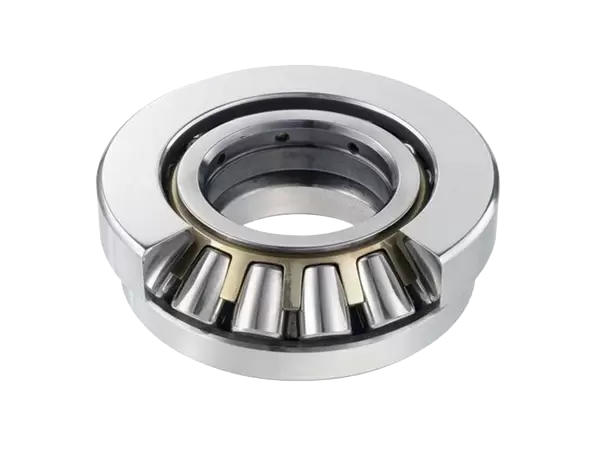
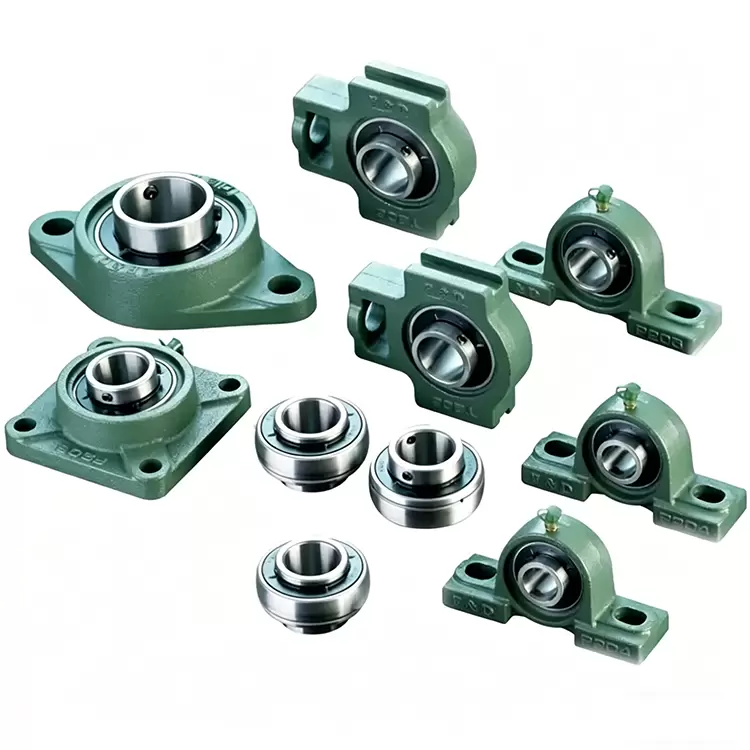
In modern mechanical systems, engineering performance is increasingly defined by how well a machine manages load distribution under constrained space conditions. Rotating equipment in particular must maintain stability while operating under continuously changing forces, and this is where bearing selection becomes a decisive factor. Among various industrial bearing structures, full complement cylindrical roller bearings represent a specialized solution designed specifically to maximize radial load capacity in environments where space, stiffness, and durability are more critical than rotational speed.
Unlike bearing designs that prioritize speed or reduced friction, this configuration focuses on structural strength. It is widely used in heavy-duty mechanical assemblies where operational conditions demand maximum load resistance rather than high rotational efficiency.
Full Complement Cylindrical Roller Bearings in High Load Engineering Systems
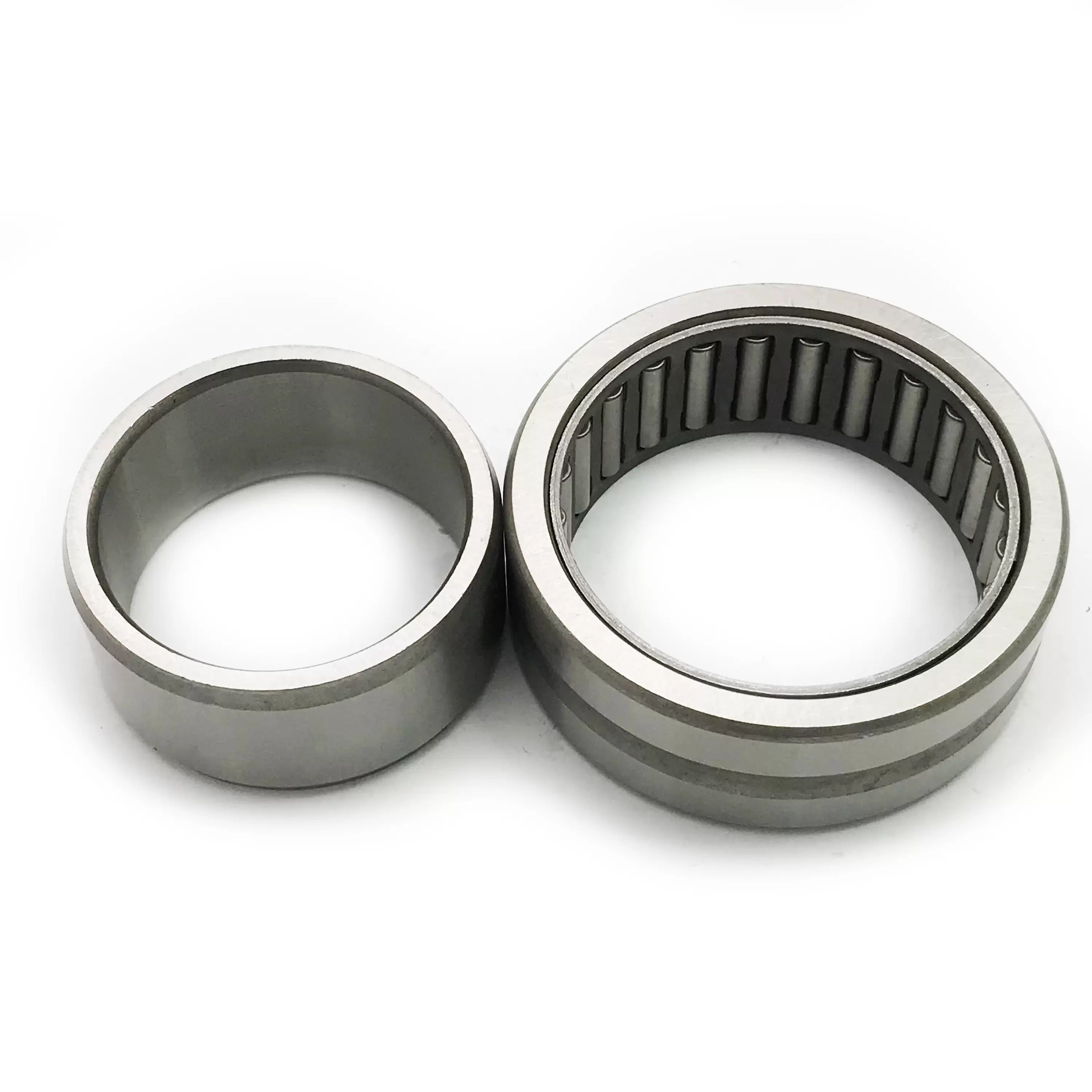
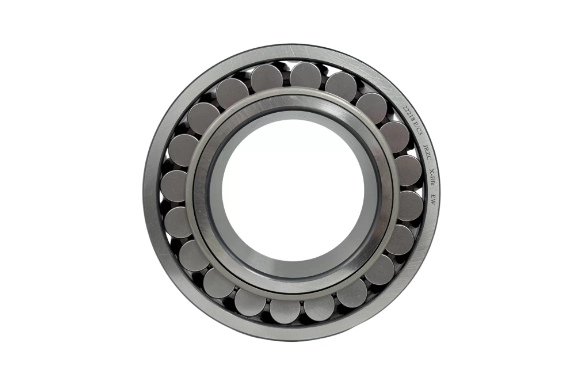
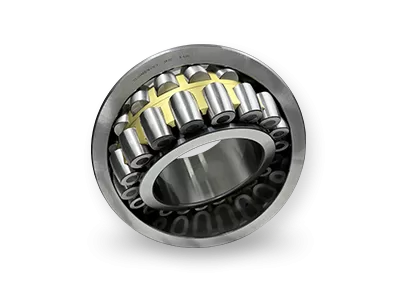
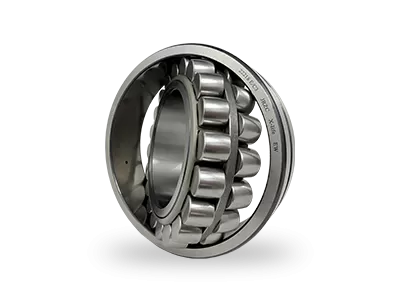
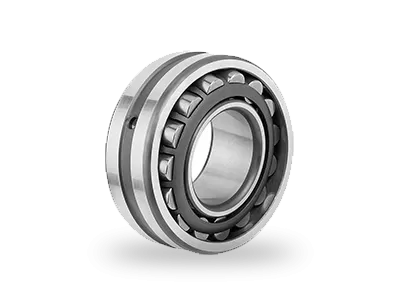
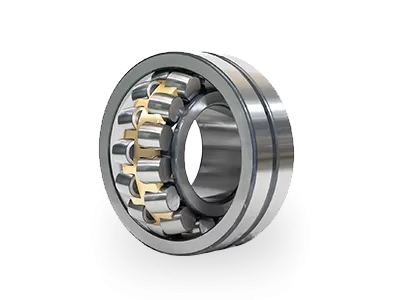
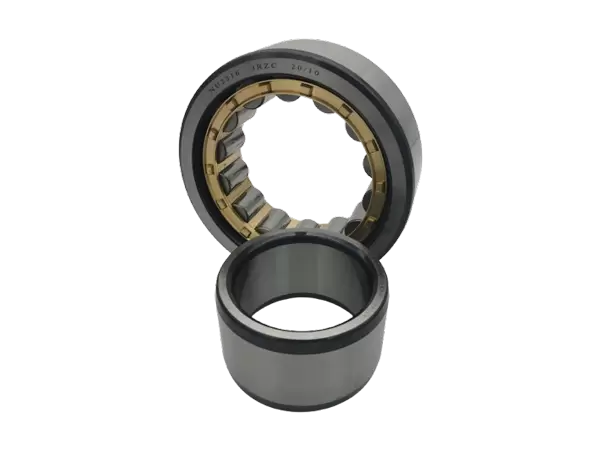
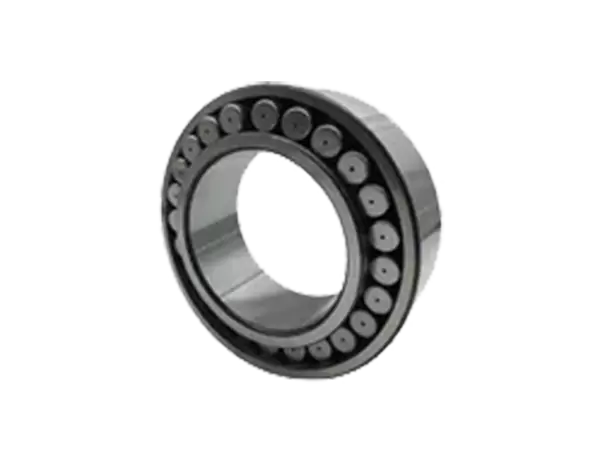
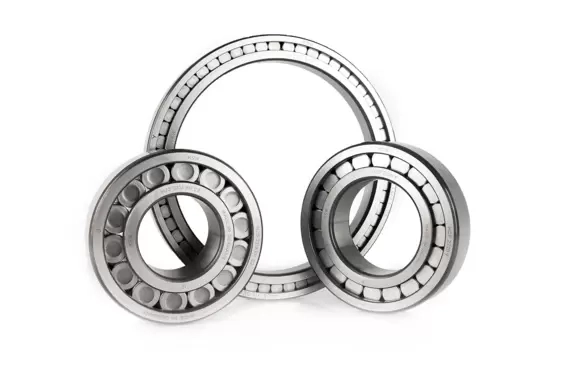
The defining feature of full complement cylindrical roller bearings is the elimination of the cage structure, which allows the internal space to be filled with the maximum number of rolling elements. This design significantly increases the contact surface between rollers and raceways, which directly improves load-bearing capability.
This structural choice leads to a clear mechanical outcome: the load is distributed across more rolling elements, reducing stress concentration on individual points. As a result, the bearing achieves exceptional radial load capacity and structural rigidity, making it suitable for systems where deformation control is critical.
However, this advantage comes with an important trade-off. Without a cage to separate the rollers, internal friction increases, limiting the bearing’s suitability for high-speed operation. This fundamental balance between load capacity and speed defines the engineering logic behind this design.
Structural Principles Behind Full Complement Cylindrical Roller Bearing Design
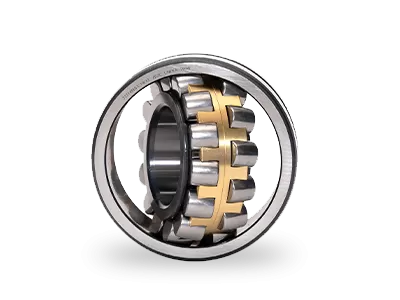
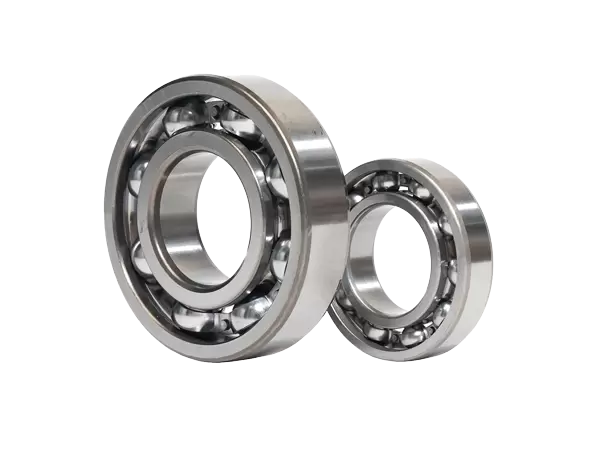
The internal architecture of this bearing type is deliberately optimized for maximum contact density. Every available space between the inner and outer ring is filled with cylindrical rollers, leaving minimal clearance.
This design achieves several engineering effects:
The first is increased stiffness, which improves resistance to deformation under heavy static or dynamic loads. This makes the bearing particularly effective in systems where structural alignment must be maintained under pressure.
The second is improved shock absorption capability. Because more rollers share the applied force, sudden load variations are distributed more evenly across the raceway surfaces.
The third is reduced internal clearance variability, which enhances stability under constant load conditions.
These combined factors explain why full complement cylindrical roller bearings are frequently selected for compact industrial systems where design engineers prioritize load density over rotational speed.
Load Capacity Versus Speed Behavior in Industrial Operation
A key characteristic of this bearing type is the relationship between load capacity and rotational performance. The absence of a cage allows for more rolling elements, but it also increases frictional interaction between them.
As a result, these bearings are engineered for low-speed, high-load environments. In such conditions, the focus shifts away from reducing friction and toward maximizing mechanical endurance.
The increased number of contact points ensures that heavy radial loads are distributed efficiently. However, the internal friction generated between adjacent rollers makes high-speed operation unsuitable, as it can lead to heat buildup and accelerated wear.
This trade-off is not a limitation but a design intention. Engineers select this configuration specifically when load resistance is more critical than speed efficiency.
Application Logic in Compact Mechanical Systems
One of the key advantages of this bearing design is its ability to deliver high performance within limited installation space. Because no cage is required, the internal volume is fully utilized by rolling elements, allowing maximum load density without increasing external dimensions.
This makes full complement cylindrical roller bearings particularly suitable for compact industrial assemblies where space optimization is essential. In such systems, mechanical design must often balance structural strength with dimensional constraints, and this bearing configuration offers a practical solution.
The increased number of rollers improves rigidity, which is especially valuable in applications where maintaining shaft alignment under load is essential for system stability.
Separable Structure and Installation Efficiency
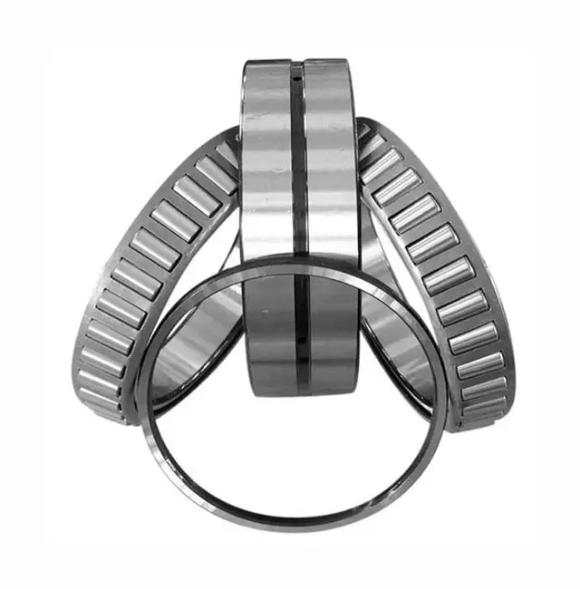
Despite its dense internal configuration, this bearing type maintains a separable structure, allowing the inner and outer rings to be installed independently. This simplifies assembly in industrial environments where access is limited or where machinery design restricts direct installation.
Maintenance operations also benefit from this feature. Disassembly becomes more controlled, reducing the risk of damaging adjacent mechanical components during replacement procedures.
In practice, this structural characteristic contributes to reduced downtime and improved maintenance efficiency, particularly in heavy industrial systems where operational interruptions must be minimized.
Material Selection and Structural Durability
The performance of full complement designs is closely linked to material quality. Because rollers operate under high contact stress, material fatigue resistance becomes a critical design requirement.
High-carbon chromium steel is commonly used due to its hardness and wear resistance. In more demanding environments, enhanced alloy compositions may be applied to improve toughness and fatigue life.
Heat treatment processes are equally important, as they determine the balance between surface hardness and core strength. Improper treatment can lead to premature surface fatigue, especially under continuous heavy-load conditions.
For this reason, experienced buyers often prefer sourcing from an industrial roller bearings china manufacturer with verified metallurgical control systems and consistent production standards.
Manufacturing Precision and Industrial Consistency
The performance of this bearing type depends heavily on manufacturing precision. Because the rollers operate without a cage, dimensional accuracy becomes critical to prevent uneven load distribution.
Surface finishing of raceways must be extremely consistent to ensure smooth load transfer. Even minor deviations can lead to localized stress concentration, which may shorten service life under heavy-load conditions.
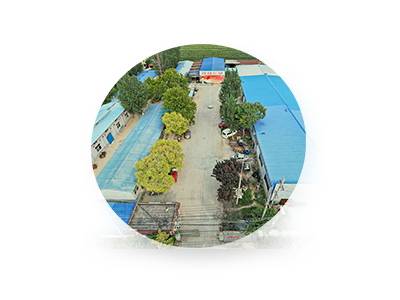
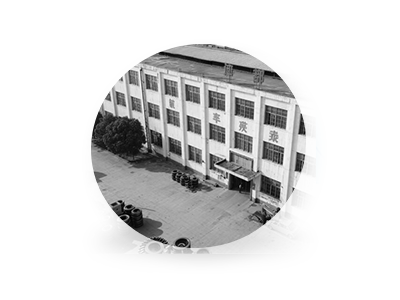
This is why specialized production facilities such as a single row cylindrical roller bearing factory often implement strict inspection protocols, including dimensional verification, surface roughness analysis, and load simulation testing.
Precision manufacturing ensures that every roller contributes evenly to load distribution, maintaining structural stability throughout the bearing’s service life.
Engineering Considerations for Custom Industrial Requirements
In advanced mechanical systems, standard bearing configurations may not always meet operational requirements. Customization becomes necessary when equipment operates under unique load conditions, temperature ranges, or spatial constraints.
A custom cylindrical roller bearing allows engineers to adjust internal clearances, material selection, and dimensional tolerances to match specific operational needs. This flexibility is particularly important in specialized industrial machinery where standard solutions may not provide optimal performance.
Customization also improves compatibility with system-level design, ensuring that bearing behavior aligns with overall mechanical architecture.
Thermal Behavior and Operational Stability
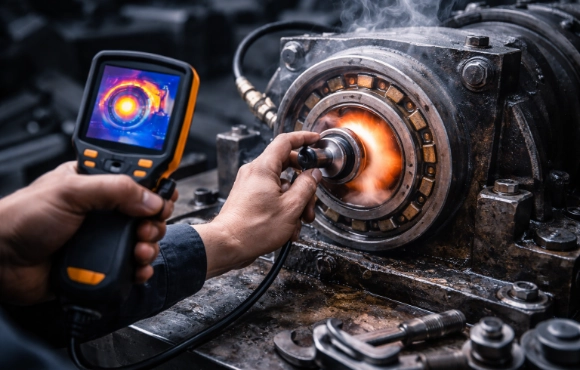
Under heavy-load operation, heat generation becomes an important factor influencing performance stability. Since full complement designs have higher internal friction, thermal management must be considered during system design.
Proper lubrication plays a critical role in controlling temperature rise. It reduces direct metal-to-metal contact and helps dissipate heat generated during operation.
However, because these bearings are not designed for high-speed operation, thermal loads remain within controlled limits when used correctly.
Understanding this balance is essential for ensuring long-term reliability in industrial applications.
Sourcing Strategy and Global Industrial Supply Chains
In global procurement systems, sourcing decisions are influenced by both technical requirements and supply chain reliability. Many industrial buyers evaluate manufacturers not only based on product specifications but also on production consistency and engineering support capabilities.
Suppliers operating as a high speed roller bearings factory may also produce specialized low-speed heavy-load bearings, but the key differentiator lies in their ability to maintain consistent quality across different product categories.
JRZC focuses on maintaining this balance between manufacturing precision and application-oriented engineering support, ensuring that each bearing type performs reliably within its intended operating conditions.
Conclusion
Full complement cylindrical roller bearings represent a highly specialized engineering solution designed for environments where radial load capacity and structural rigidity take priority over rotational speed. Their cage-free design enables maximum roller density, resulting in exceptional load distribution and mechanical stability.
However, their performance depends on correct application selection, proper material quality, and precise manufacturing control. When integrated appropriately into industrial systems, they provide reliable long-term performance in demanding low-speed, high-load conditions.
With careful engineering and quality-focused production, JRZC continues to support industrial users seeking stable and durable bearing solutions for complex mechanical environments.