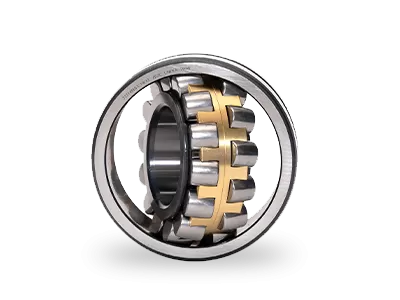
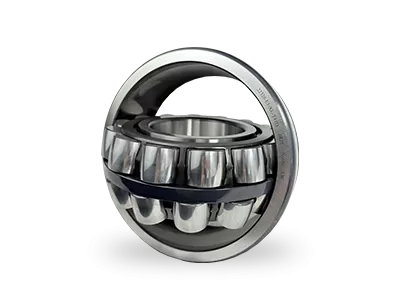
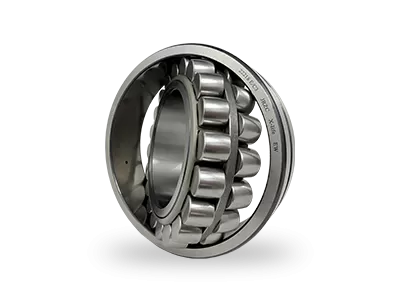
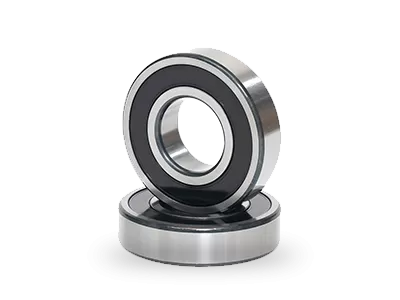
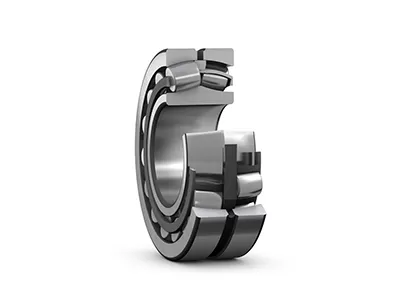
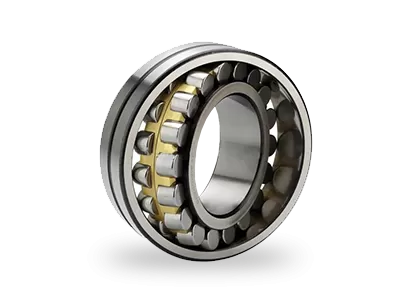
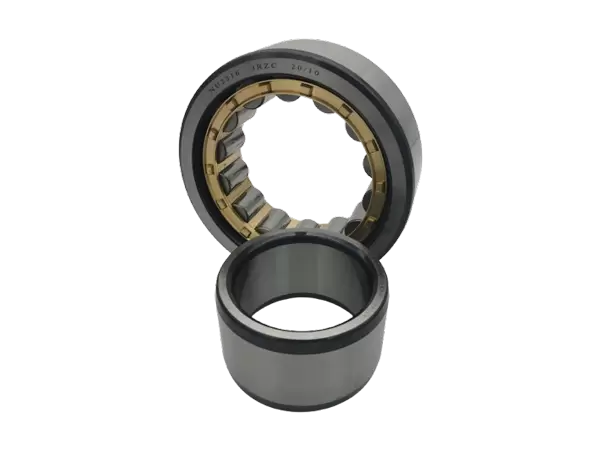
Gearbox bearing failure is rarely caused by one factor alone. Excessive loading, poor alignment, inadequate lubrication, incorrect clearance, contamination, and unsuitable bearing selection can gradually increase friction and surface stress until the bearing can no longer operate effectively. For gearboxes exposed to combined radial and axial forces, choosing the right bearing structure is therefore an important part of controlling wear and maintaining stable power transmission.
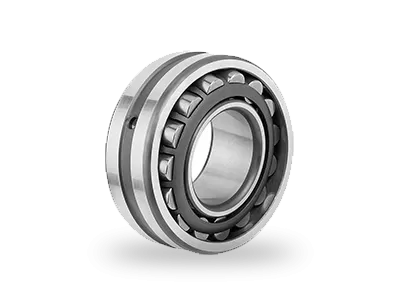
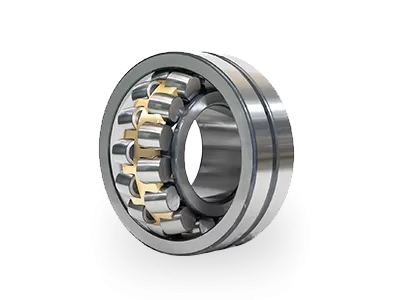
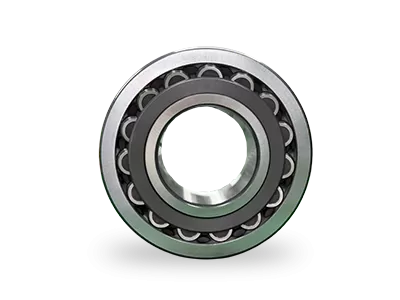
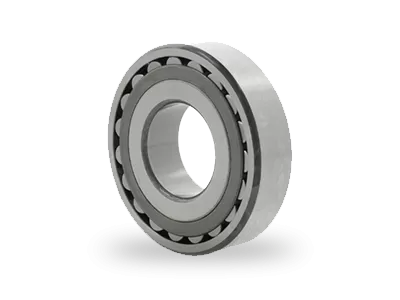
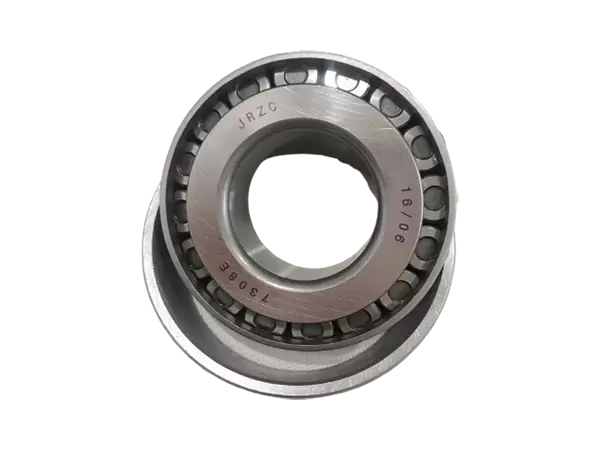
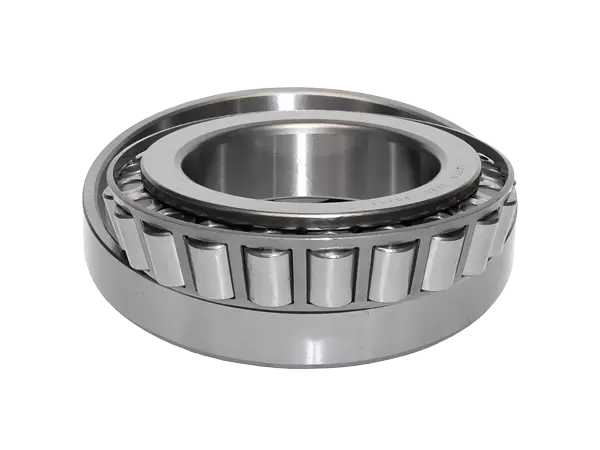
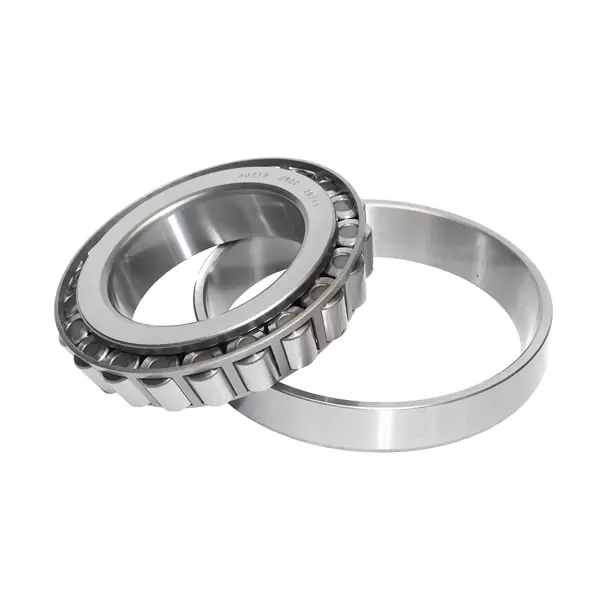
Single row tapered roller bearings are designed for applications where radial loads and axial loads act together. Their tapered rollers and raceways create a controlled contact geometry that supports load transmission while maintaining shaft positioning. When properly selected and installed, this design can provide the rigidity and load-handling capability required by gearboxes, reducers, industrial drives, and other demanding mechanical equipment.
How Tapered Roller Bearings Handle Combined Loads
One of the main advantages of tapered roller bearing is its ability to manage more than simple radial loading. The tapered arrangement allows forces to be transferred between the rollers and raceways along a defined contact area, making the bearing suitable for applications where axial forces are present in addition to radial loads.
This characteristic is particularly relevant to gearboxes because gears can generate different force directions during operation. If the bearing arrangement cannot accommodate these forces correctly, localized contact stress may increase, leading to excessive heat, vibration, wear, or premature damage. Selecting a suitable single row tapered roller bearing for gearbox applications starts with understanding these load relationships rather than choosing a bearing based only on shaft diameter.
Common Causes of Premature Gearbox Bearing Wear
Premature bearing wear often develops gradually. Incorrect internal clearance can affect the contact condition between rolling elements and raceways, while excessive preload may increase friction and operating temperature. On the other hand, insufficient adjustment can allow unwanted movement, affecting gear alignment and load distribution.
Lubrication is another critical consideration. Insufficient lubricant can increase metal-to-metal contact and heat generation, while excessive or unsuitable lubricant may also affect operating conditions. Contaminants such as dust, moisture, and metal particles can damage precision surfaces and accelerate fatigue. For this reason, tapered roller bearing selection for industrial gearboxes should always be considered together with the operating environment and maintenance requirements.
| Gearbox condition | Potential bearing concern | Selection consideration |
|---|
| Combined radial and axial loads | Uneven load distribution | Suitable tapered geometry |
| High continuous loading | Contact fatigue and wear | Adequate load capacity |
| Incorrect clearance | Heat, vibration, or movement | Proper adjustment |
| Contaminated lubricant | Raceway and roller damage | Effective sealing and maintenance |
| Shaft misalignment | Uneven contact | Accurate installation |
Choosing the Right Bearing for Gearbox Applications
A suitable bearing should be selected according to the complete operating condition rather than one isolated specification. Shaft diameter, housing dimensions, load direction, rotational speed, operating temperature, lubrication method, and expected service conditions all influence the final choice.
For buyers sourcing single row tapered roller bearings for heavy machinery, dimensional compatibility is only the starting point. Load ratings and speed capability should also be reviewed against actual working conditions. It is equally important to confirm tolerance requirements and the expected adjustment method, particularly when the bearing forms part of a precision gearbox assembly.
Installation and Clearance Can Affect Service Life
Even a high-quality bearing can experience early failure when installation conditions are unsuitable. The shaft and housing should provide the required dimensional accuracy, while mounting procedures should avoid excessive force on rolling elements or raceways. Incorrect installation can create surface damage before the equipment has even reached normal operating conditions.
Clearance and preload deserve particular attention in tapered roller bearing arrangements. Because these bearings can be adjusted according to the application, the final operating condition needs to account for load, speed, temperature, shaft expansion, and housing behavior. Proper adjustment helps maintain contact without creating unnecessary friction or allowing excessive internal movement.
Lubrication and Contamination Control
Lubrication should be treated as part of bearing selection rather than an afterthought. The lubricant needs to be compatible with the operating speed, temperature, load, and surrounding components. A stable lubrication condition helps control friction and heat while reducing direct contact between critical bearing surfaces.
Contamination can be equally damaging. Foreign particles entering the bearing contact area may create dents or abrasive wear, while moisture can contribute to corrosion and lubricant deterioration. In industrial gearboxes, maintaining clean lubricant and appropriate sealing can therefore play an important role in extending the working life of industrial tapered roller bearings.
Why Separable Construction Helps Maintenance
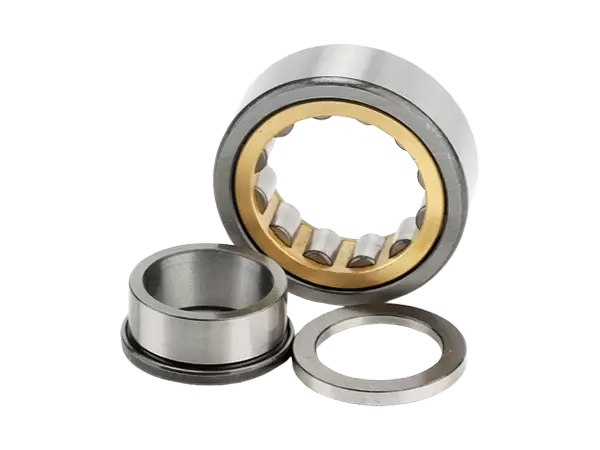
The separable construction of tapered roller bearings can provide practical advantages during installation and maintenance. The inner ring assembly and outer ring can be handled separately, which can simplify mounting procedures and facilitate inspection during service operations.
For replacement work, this characteristic also makes it easier to inspect individual components for raceway damage, roller wear, discoloration, or abnormal contact marks. When replacing a bearing, technicians should investigate the reason for the original failure rather than simply installing a new component. Otherwise, the same underlying issue may cause repeated gearbox bearing damage.
Applications Beyond Gearboxes
Although gearbox applications are an important area, the use of single row tapered roller bearings extends across many types of industrial equipment. Automotive wheel hubs, construction machinery, mining equipment, agricultural machinery, industrial drives, pumps, compressors, and material handling equipment can all involve operating conditions where combined loading is important.
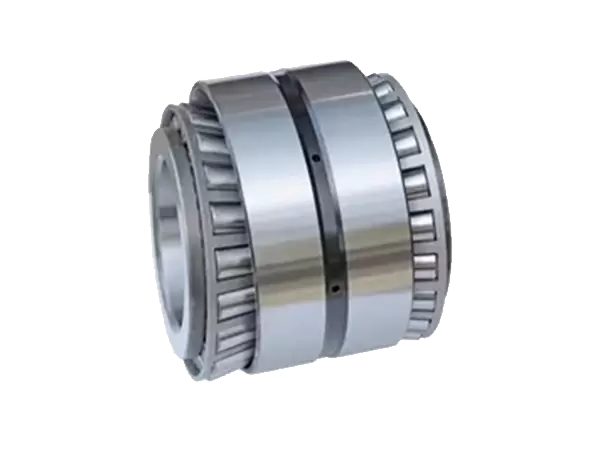
The specific bearing arrangement depends on the equipment design and force direction. Engineers may also need to consider paired bearing arrangements when axial loads act in different directions. Understanding the complete mechanical arrangement is therefore essential when determining how an individual tapered roller bearing should be integrated into the equipment.
A More Practical Approach to Bearing Replacement
When sourcing replacement bearings, matching the original dimensions is necessary but not always sufficient. Buyers should also verify the bearing arrangement, operating load, rotation speed, lubrication method, internal adjustment requirements, and installation environment. These factors can reveal whether the original specification remains suitable or whether another configuration should be considered.
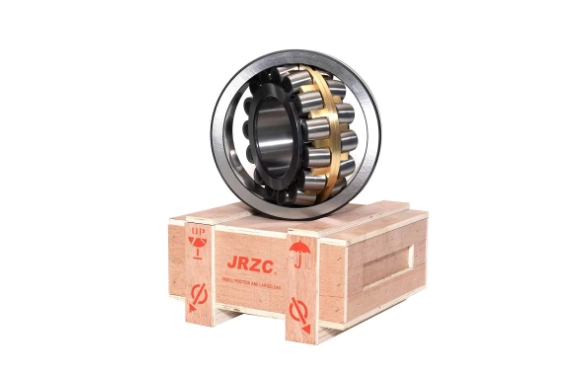
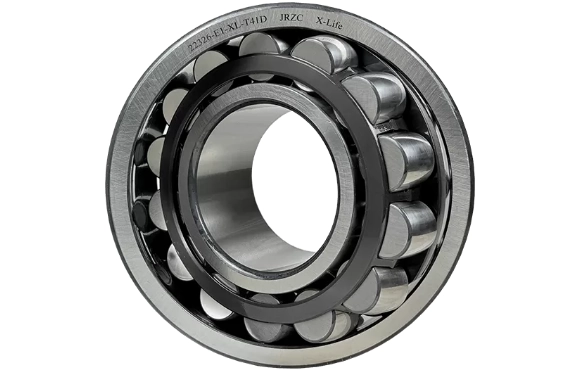
Working with an experienced bearing supplier can also simplify technical confirmation. JRZC provides single row tapered roller bearings for different industrial applications and can support buyers in checking dimensional requirements, application conditions, and customization needs. Providing accurate operating information at the quotation stage can help reduce selection errors and improve replacement efficiency.
Preventing Failure Starts Before Installation
The most effective approach to gearbox bearing reliability is preventive rather than reactive. Bearing selection, shaft and housing accuracy, clearance adjustment, lubrication, contamination control, and maintenance should be considered as connected factors. Focusing on only one of these areas may leave another source of failure unresolved.
For equipment manufacturers and industrial maintenance teams, selecting the appropriate single row tapered roller bearing for heavy load applications can help establish a more stable foundation for mechanical operation. With proper installation and maintenance practices, tapered roller bearings can support consistent load transmission and help reduce unnecessary wear within demanding gearbox assemblies.
FAQ
What are single row tapered roller bearings used for?
They are commonly used where radial and axial loads occur together, including gearboxes, automotive hubs, construction machinery, mining equipment, agricultural equipment, and industrial drives.
Can tapered roller bearings prevent gearbox failure?
A suitable bearing can help manage load and shaft positioning, but bearing selection alone cannot prevent every type of gearbox failure. Lubrication, alignment, clearance, installation, and maintenance also influence bearing performance.
Why is clearance important for tapered roller bearings?
Incorrect clearance can affect contact conditions, friction, heat generation, and shaft movement. The appropriate adjustment depends on the operating load, speed, temperature, and mechanical arrangement.
What should buyers check when sourcing these bearings?
Important considerations include dimensions, load direction, operating speed, lubrication, installation conditions, required tolerance, clearance or preload requirements, and the intended equipment application.
Can JRZC provide tapered roller bearing solutions for industrial equipment?
JRZC supplies single row tapered roller bearings for a range of industrial applications and can provide product information and technical support according to equipment and application requirements.