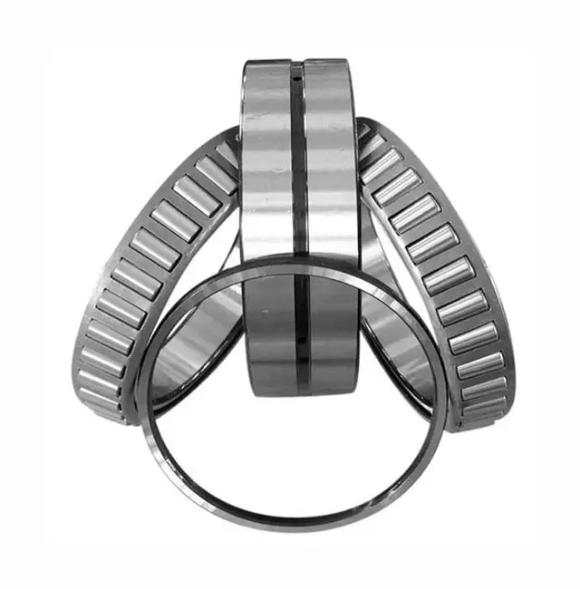
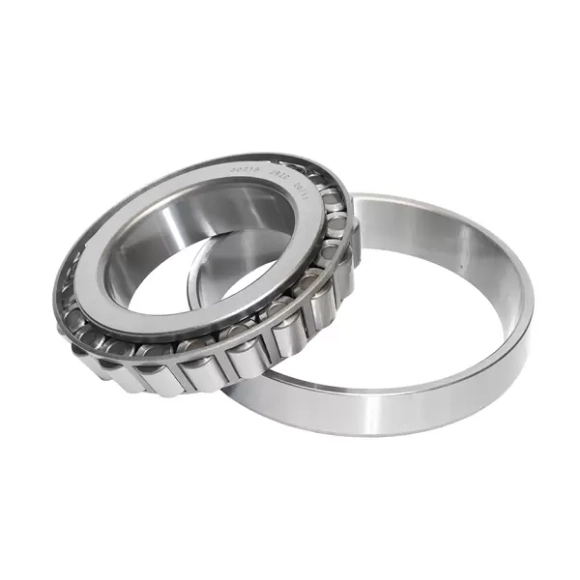
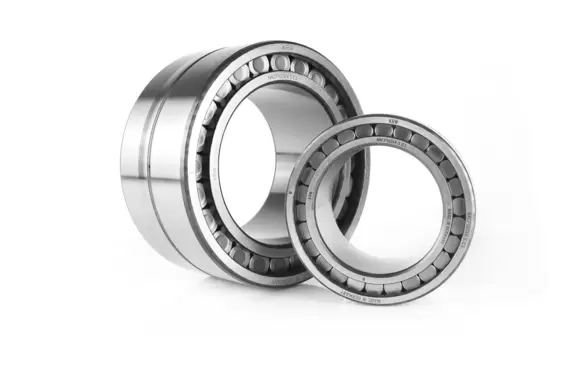
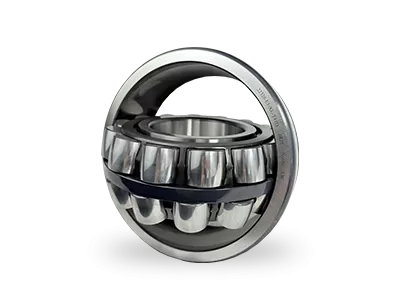
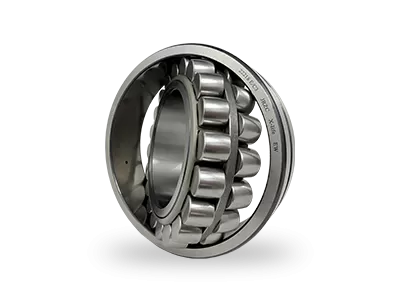
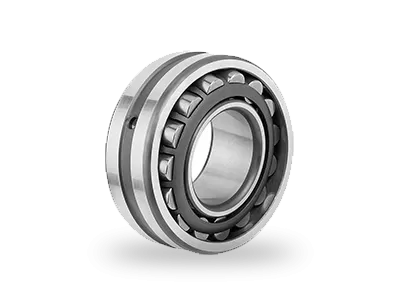
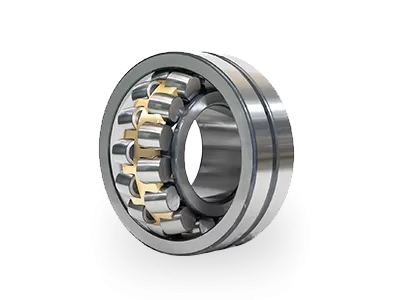
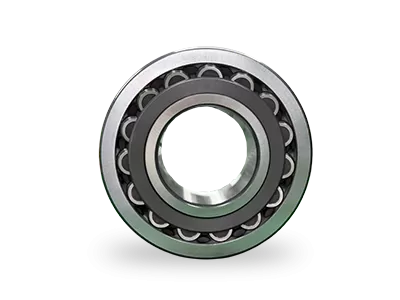
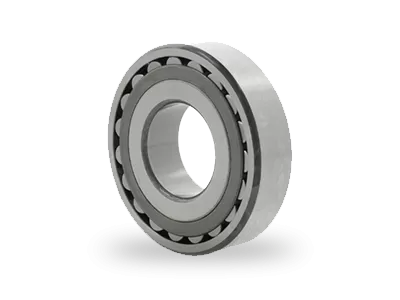
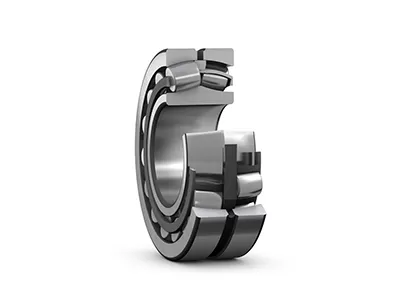
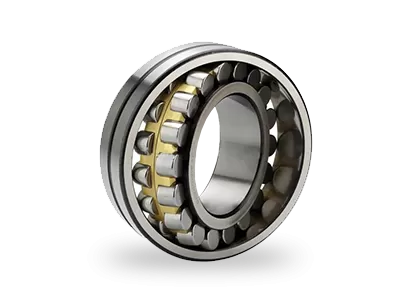
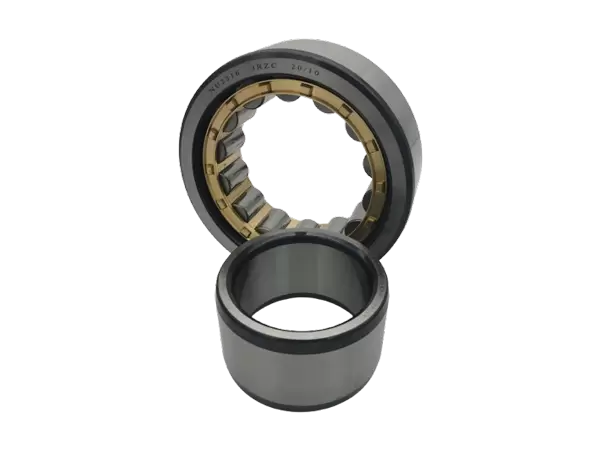
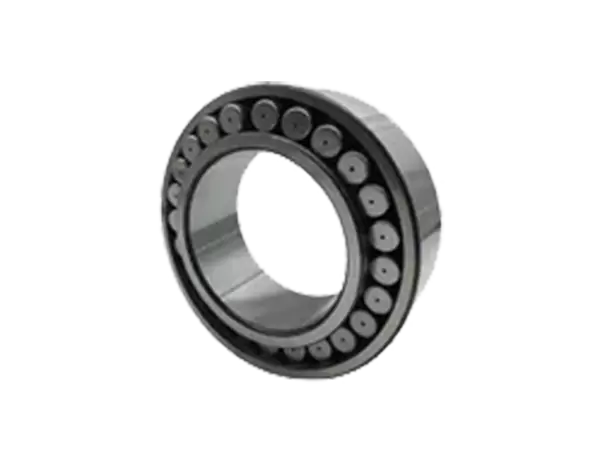
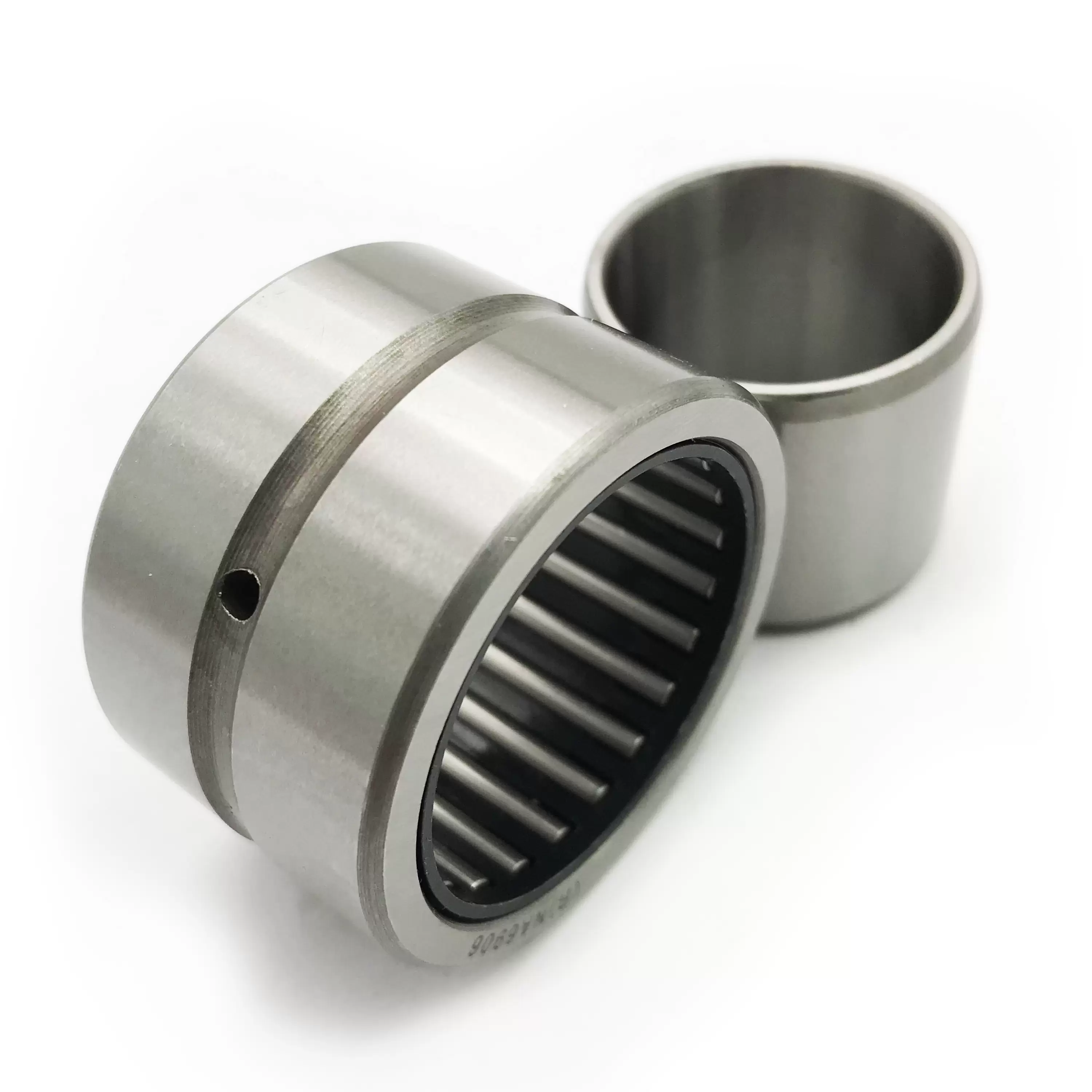
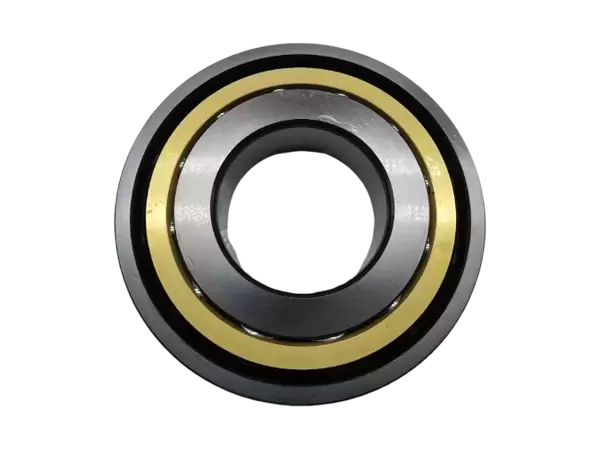
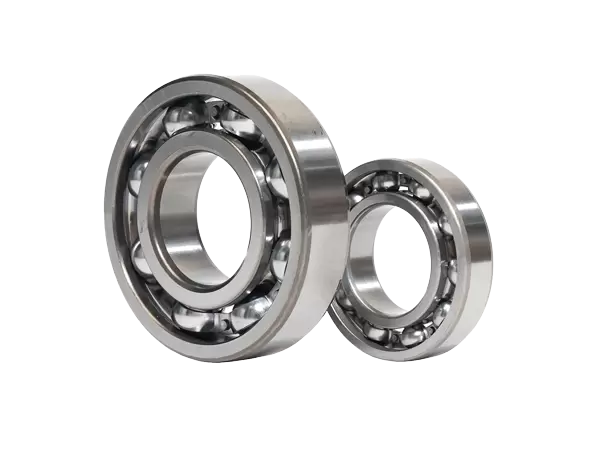
Introduction to toroidal roller bearing technology in heavy industry applications
In modern heavy-duty rotating machinery, bearing selection directly influences equipment stability, efficiency, and maintenance cycles. Among advanced bearing solutions, toroidal roller bearing technology has gained increasing attention due to its unique ability to handle both misalignment and axial displacement without generating internal stress. This characteristic makes it especially suitable for long-shaft industrial systems where thermal expansion and structural deviation are unavoidable.
Unlike conventional rolling elements, a CARB-type structure introduces a floating design concept that allows axial movement while maintaining radial load capacity. This dual-function behavior is particularly valuable in continuous production environments such as paper and steel manufacturing lines, where operational interruptions must be minimized. For engineering teams working with JRZC as a roller bearing manufacturer, this category represents a highly optimized solution for demanding rotating systems.
Working principle of CARB toroidal roller bearings
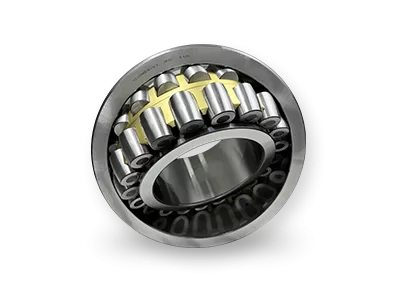
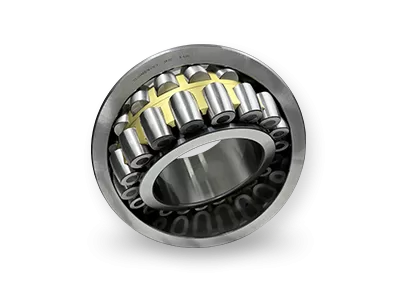
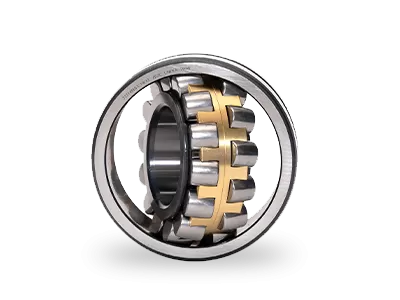
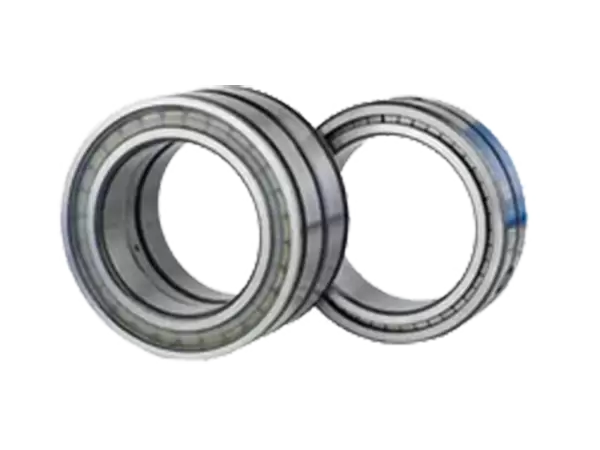
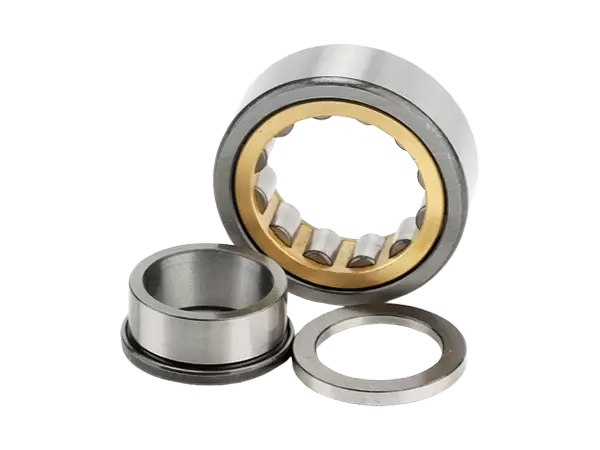
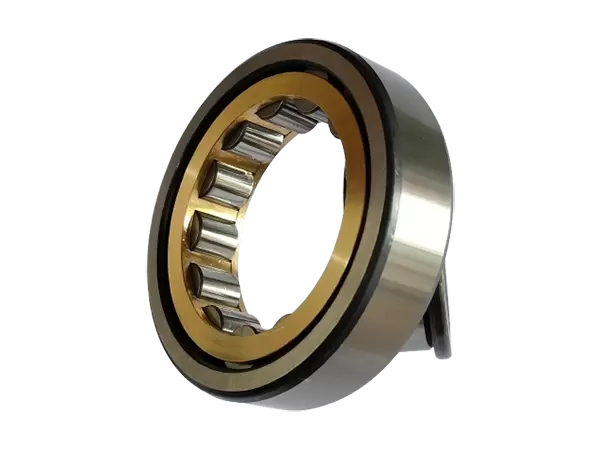
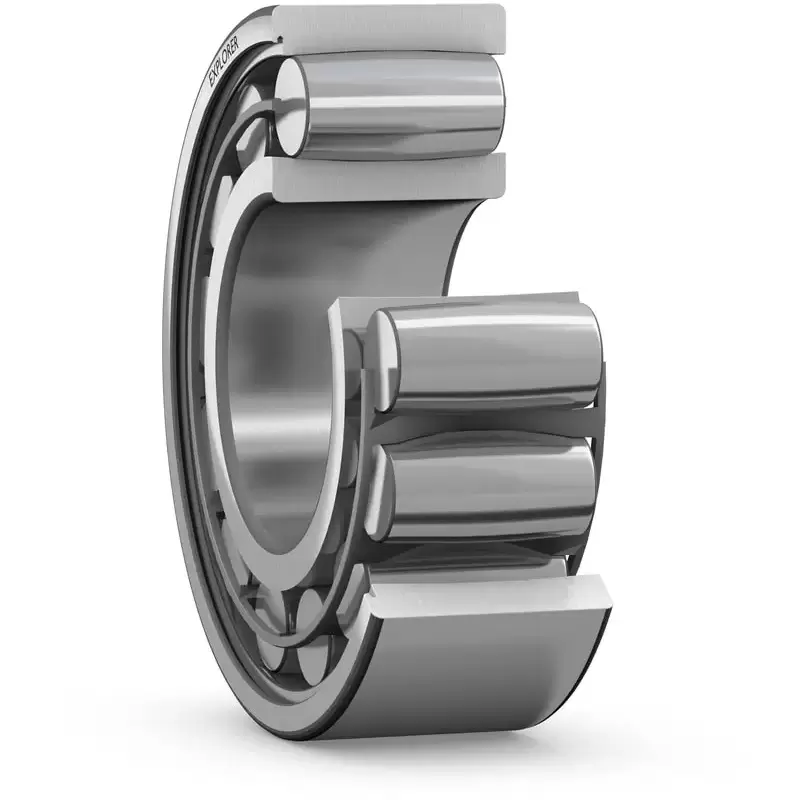
The core function of a carb toroidal roller bearing lies in its internally engineered raceway geometry. Instead of constraining axial motion, the bearing permits controlled displacement while maintaining precise radial guidance. This eliminates the internal stress that typically occurs in fixed bearing arrangements when shafts expand or misalign.
Structural behavior and load distribution
A simplified comparison helps clarify its operating principle:
| Bearing Type | Misalignment Tolerance | Axial Movement | Stress Generation | Typical Usage |
|---|
| Cylindrical Roller Bearing | Low | Limited | High under expansion | Fixed locating positions |
| Spherical Roller Bearing | High | Moderate | Medium | Misaligned shafts |
| Toroidal Roller Bearing | High | Free axial displacement | Minimal internal stress | Non-locating positions |
This structure allows roller bearings supplier networks to offer solutions that reduce system wear while improving operational continuity. The self-adjusting capability ensures consistent contact distribution even under dynamic shaft movement.
Engineering advantages in industrial environments
One of the most significant advantages of toroidal roller bearing systems is their ability to decouple radial load support from axial constraints. In traditional bearing setups, thermal expansion often leads to preload accumulation, which increases friction and reduces service life. By contrast, the toroidal design prevents such buildup entirely.
For OEM designers and users of custom roller bearings, this translates into simplified housing design and reduced need for complex axial compensation mechanisms. Additionally, friction levels remain stable even under fluctuating load conditions, which is critical in high-speed rotating machinery.
Another important benefit is energy efficiency. Lower internal friction directly reduces heat generation, allowing machinery to operate at more stable temperatures. Over long operational cycles, this contributes to reduced lubrication demand and extended maintenance intervals.
Role of toroidal roller bearing in paper mill application
Paper production lines operate under continuous tension, high humidity, and long rotating shafts that are highly sensitive to alignment variations. In such environments, traditional fixed-bearing systems often struggle with thermal expansion across drying cylinders and rollers.
A carb toroidal roller bearing solves this challenge by acting as a non-locating bearing that allows controlled axial movement. This prevents mechanical stress buildup in drive sections and ensures smoother paper web handling. The result is more stable production quality and reduced downtime caused by bearing failure or shaft deformation.
From a system design perspective, integrating toroidal bearings into paper machines simplifies alignment requirements. Engineers no longer need to overcompensate for expansion tolerances, which improves assembly efficiency and reduces long-term operational risks.
Application value in steel mill equipment
Steel production environments expose machinery to extreme heat, heavy loads, and continuous vibration. Rolling mill stands, conveyor systems, and drive shafts experience constant thermal fluctuation, making bearing stress management a critical engineering concern.
In this context, toroidal roller bearing solutions provide a highly effective method for managing axial displacement without compromising radial load capacity. The bearing absorbs structural changes caused by temperature gradients while maintaining consistent rotational stability.
This feature significantly improves equipment lifespan in steel processing lines. Maintenance teams working with JRZC as a roller bearing manufacturer often prioritize toroidal designs for non-locating positions in long shaft assemblies, where conventional bearings would otherwise require frequent replacement.
Material and manufacturing considerations for toroidal roller bearings
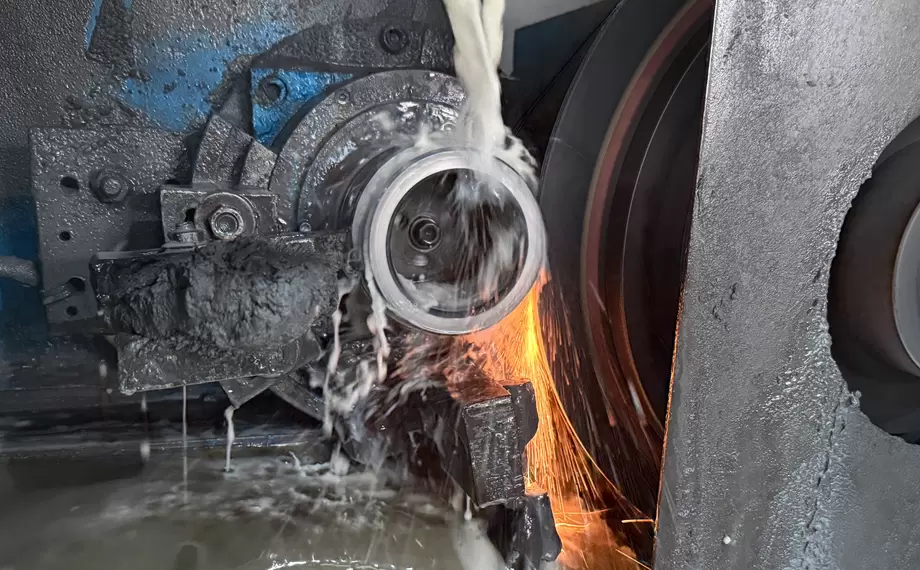
High-performance toroidal bearings rely heavily on precision manufacturing and advanced material treatment processes. Steel grade selection, heat treatment uniformity, and surface finishing all play critical roles in determining fatigue resistance and load capacity.
The following table summarizes key material considerations:
| Component | Requirement | Impact on Performance |
|---|
| Rings | High-grade bearing steel | Load resistance and durability |
| Rollers | Precision hardened steel | Reduced wear and friction stability |
| Cage | Reinforced polymer or steel | Guidance and motion control |
For companies sourcing from a roller bearings supplier, consistency in these manufacturing standards is essential to ensure predictable performance in industrial operations.
Integration into OEM and custom engineering systems
Modern machinery design increasingly relies on modular and adaptable components. As a result, demand for custom roller bearings has grown significantly across global industrial sectors. Toroidal roller bearings are particularly suited for customization due to their flexible axial behavior and scalable design geometry.
Engineers can integrate these bearings into systems where shaft movement cannot be strictly controlled, such as long conveyor drives or multi-section rotating assemblies. This adaptability reduces design constraints and allows for more compact mechanical layouts without sacrificing durability.
Maintenance behavior and lifecycle performance
One of the key operational advantages of toroidal roller bearings is their predictable wear pattern. Because internal stress is minimized, surface fatigue develops more gradually compared to conventional bearing types. This results in longer maintenance intervals and more stable performance over time.
Lubrication requirements are also reduced due to lower frictional resistance. In continuous production environments, this contributes to reduced operational costs and fewer unplanned shutdowns. Maintenance engineers often prioritize these bearings in critical systems where downtime carries high financial impact.
Selection considerations for industrial engineers
Choosing the right bearing type requires careful evaluation of load conditions, alignment variability, and axial movement requirements. Toroidal bearings are most effective in non-locating positions where shafts must accommodate expansion without restriction.
Engineers working with a roller bearings supplier should assess system length, thermal behavior, and vibration profiles before final selection. In many cases, combining spherical roller bearings for locating positions with toroidal designs for non-locating positions delivers optimal system balance.
Conclusion
The evolution of rotating machinery design continues to prioritize efficiency, reliability, and adaptability. Within this landscape, toroidal bearing technology provides a unique engineering solution that bridges the gap between rigid support and flexible motion accommodation. Its ability to eliminate internal stress while maintaining load capacity makes it a valuable component in both paper and steel mill applications.
For industrial users seeking long-term performance improvements, JRZC continues to support advanced bearing solutions that align with modern engineering demands. The growing adoption of these systems reflects a broader shift toward smarter, more resilient mechanical design strategies.
FAQ
What is a carb toroidal roller bearing used for?
It is primarily used in non-locating positions where axial displacement and misalignment must be accommodated without stress buildup.
Why are toroidal roller bearings suitable for steel mills?
They handle thermal expansion and heavy loads while maintaining stable radial performance in harsh environments.
How do toroidal roller bearings differ from spherical roller bearings?
They allow free axial movement with lower internal stress, while spherical bearings mainly focus on misalignment correction.
Are custom roller bearings available for industrial systems?
Yes, many roller bearing manufacturer companies provide customized solutions based on load, speed, and application requirements.
What is the main advantage of using a roller bearings supplier like JRZC?
It ensures consistent quality, technical support, and application-specific bearing solutions for heavy industry systems.