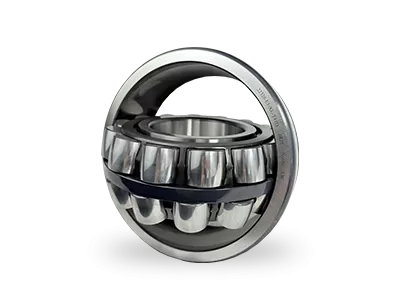
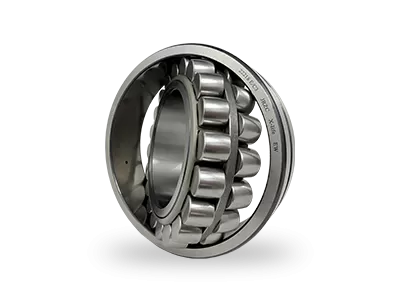
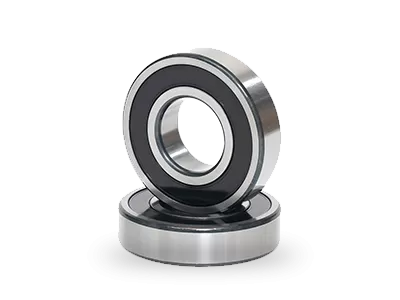
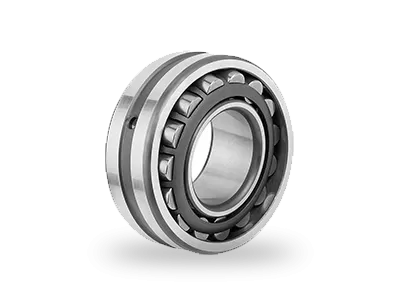
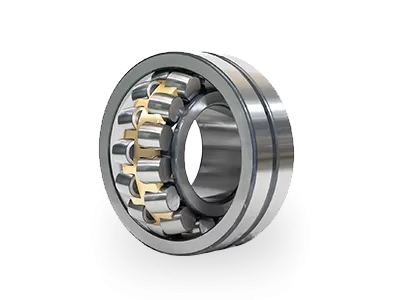
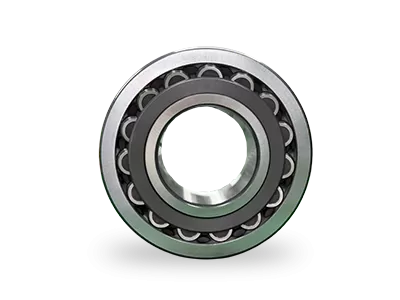
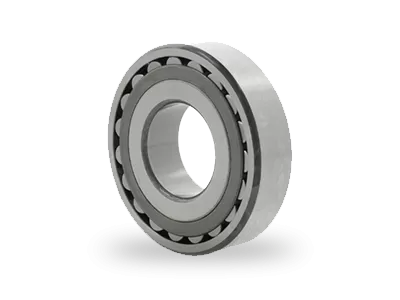
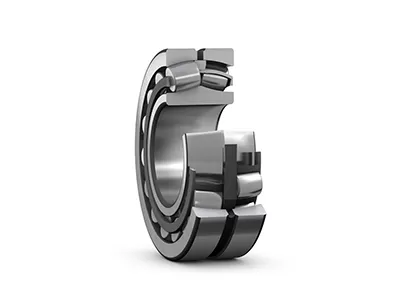
Mining, steel, and cement equipment operates under some of the most demanding mechanical conditions in industrial production. Heavy loads, vibration, shock, dust, heat, and continuous operation can place severe stress on rotating components. When a standard bearing cannot provide the required fit, load distribution, or operating stability, custom roller bearings can offer a more suitable engineering solution. For equipment manufacturers and maintenance teams, the objective is not simply to select a bearing with a high load rating. The bearing must match the shaft, housing, available space, operating speed, load direction, lubrication conditions, and actual working environment.
Why Custom Roller Bearings Matter in Heavy Industry
Heavy industrial machinery often operates with changing loads rather than stable, predictable forces. Crushers may experience impact from uneven material, conveyors can run continuously under heavy loads, and steel-processing equipment may face elevated temperatures and repeated mechanical stress. Cement machinery can also operate in environments where fine abrasive particles create additional contamination risks. These conditions make bearing selection more complicated than choosing a standard size from a catalogue.
Custom roller bearings allow the bearing structure and operating characteristics to be considered alongside the equipment design. Depending on the application, manufacturers may require a particular internal clearance, dimensional configuration, load distribution, roller arrangement, or mounting interface. A more precise fit can help reduce unnecessary stress between the bearing, shaft, and housing while supporting smoother operation and longer maintenance intervals.

Choosing the Right Roller Bearing for Harsh Environments
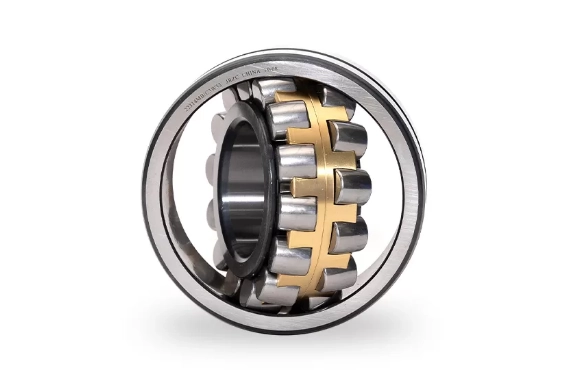
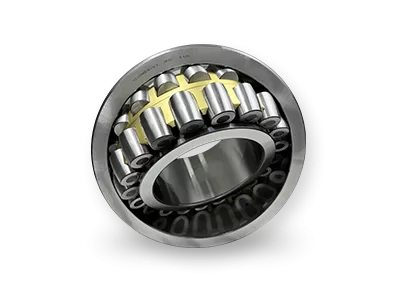
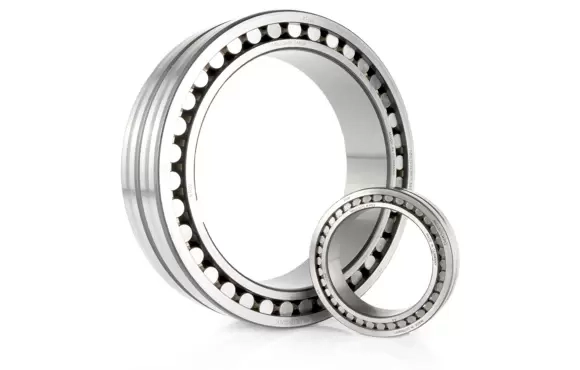
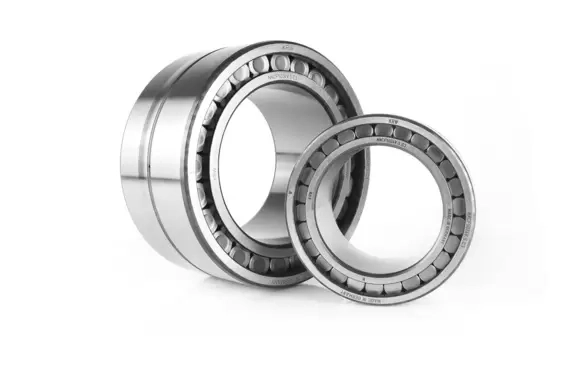
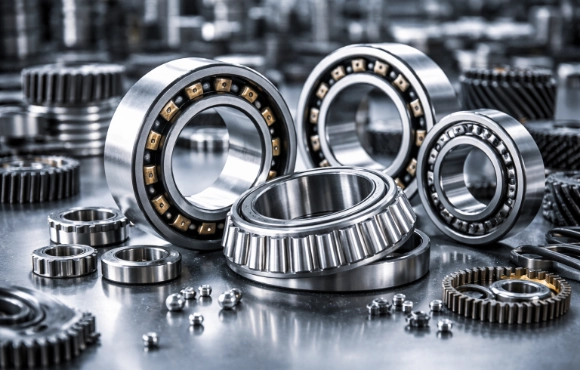
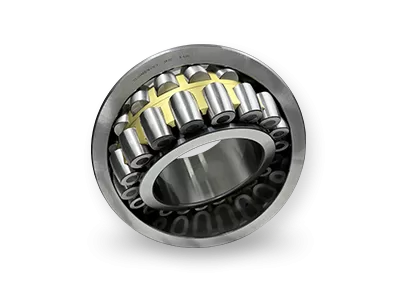
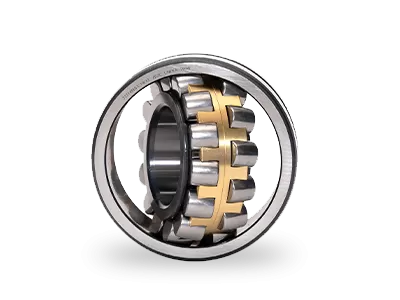
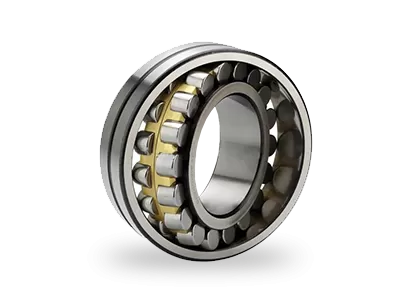
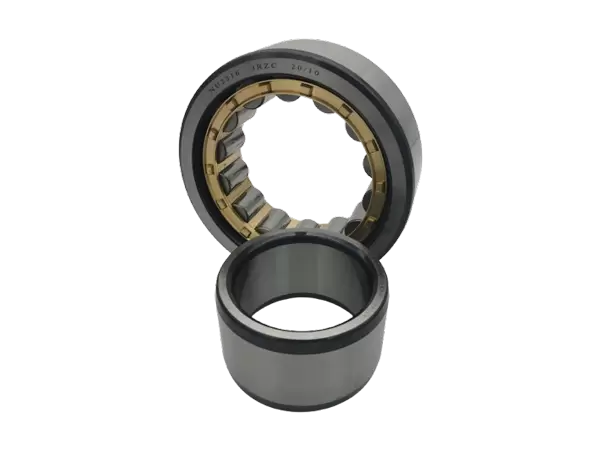
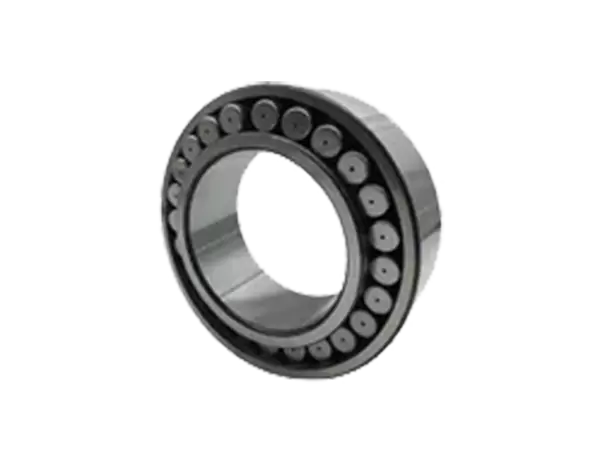
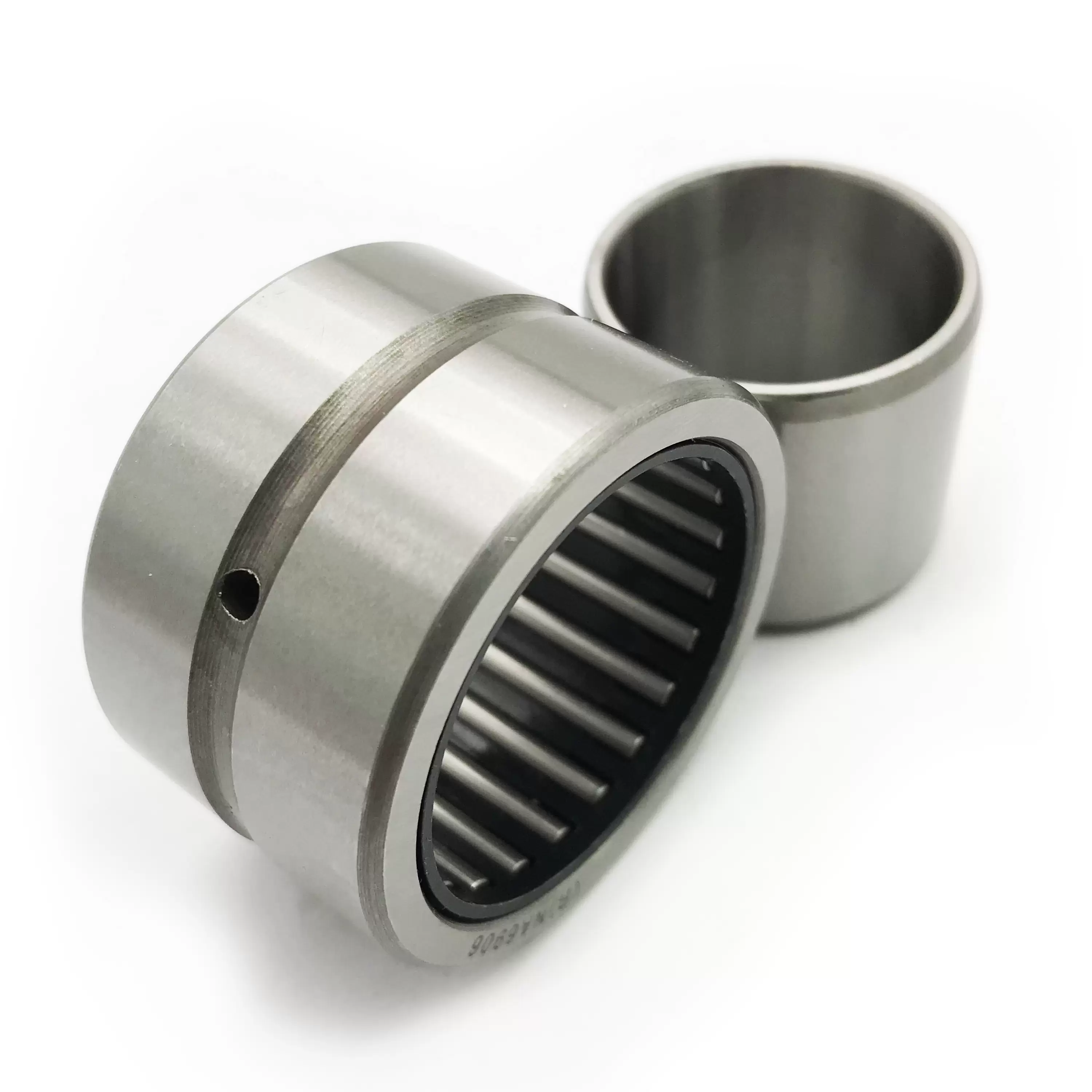
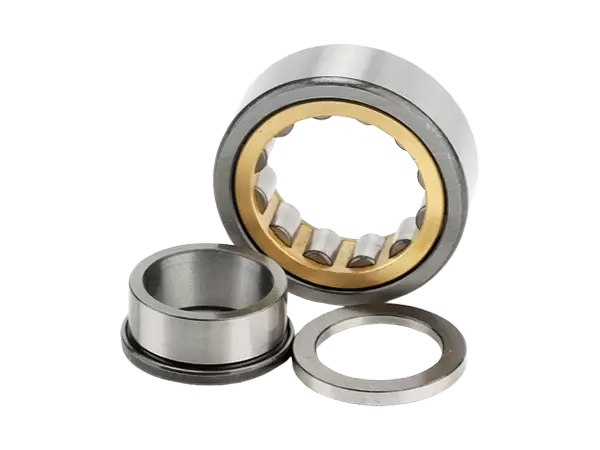
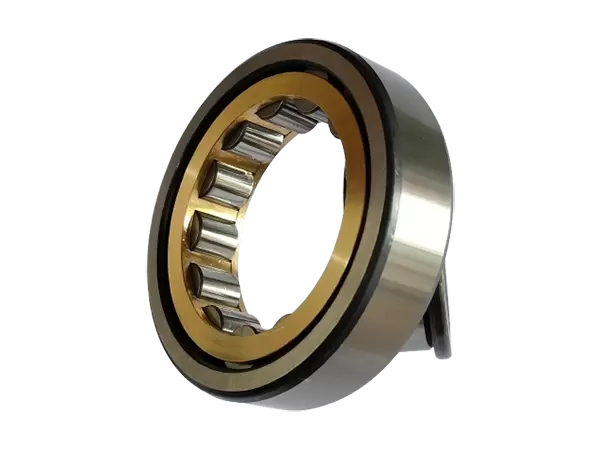
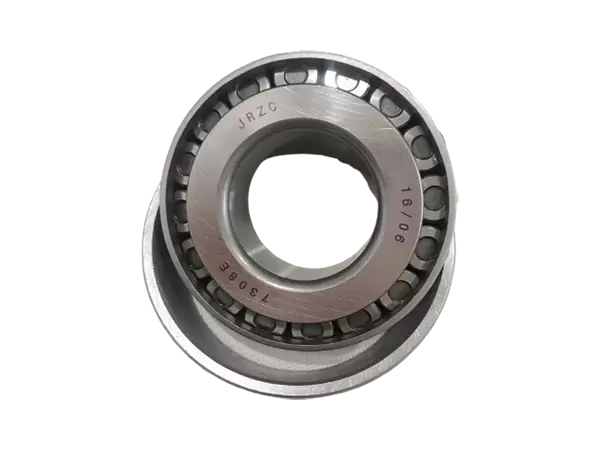
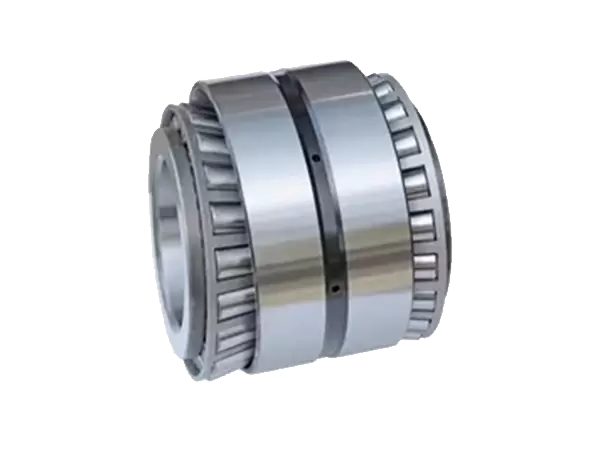
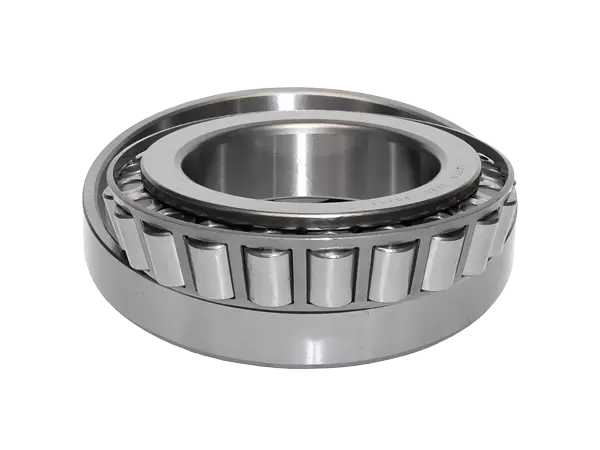
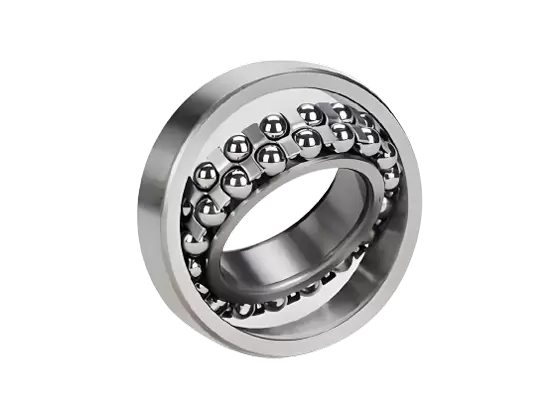
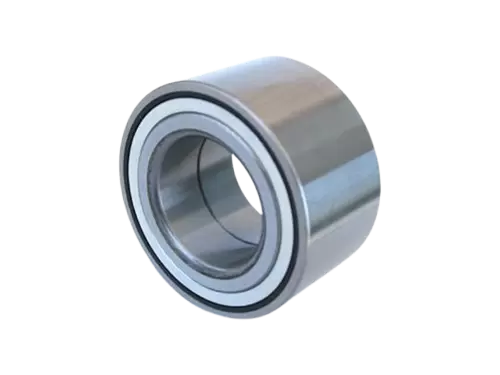
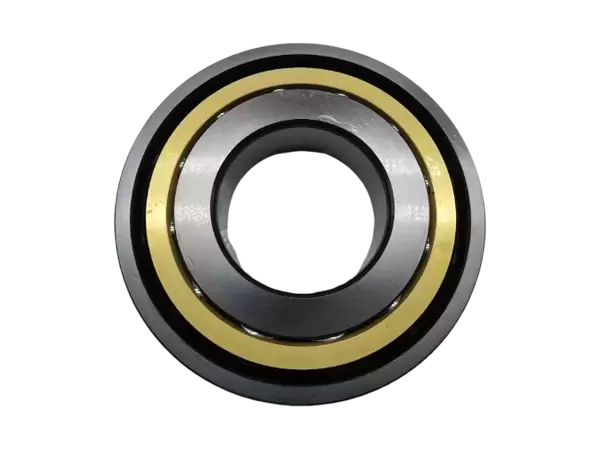
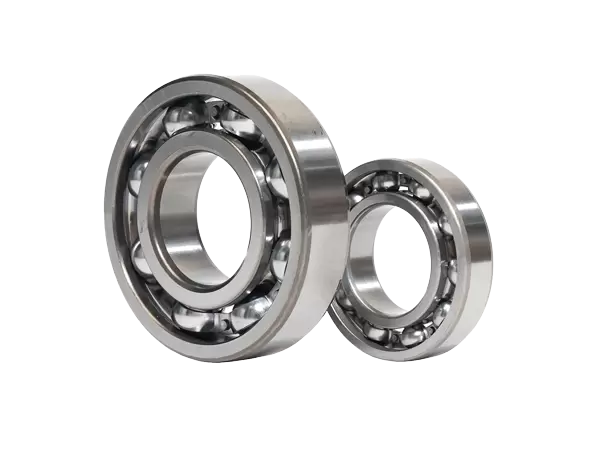
Different heavy-duty machines require different roller bearing designs. Cylindrical roller bearings are suitable when high radial load capacity and rigidity are important. Tapered roller bearings can handle combined radial and axial forces, making them useful for equipment where loads act in more than one direction. CARB toroidal roller bearings provide self-aligning capability while accommodating axial displacement, which can help reduce internal stress caused by shaft movement or alignment changes. Needle roller bearings provide high radial capacity where installation space is restricted.
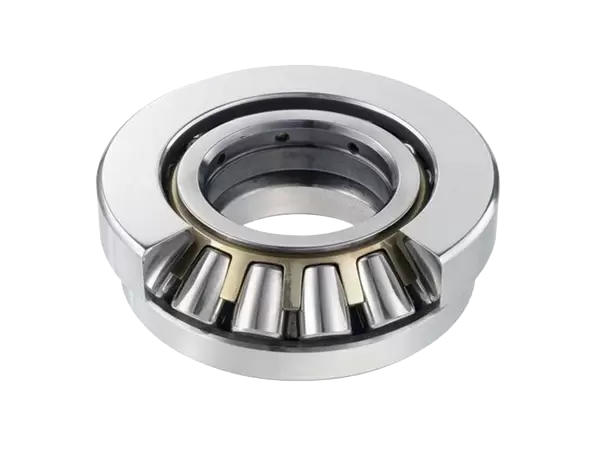
For particularly demanding equipment, the bearing design should also account for shock loading and vibration. A bearing that performs well under steady conditions may experience premature wear when subjected to repeated impact. JRZC offers several roller bearing configurations for heavy industrial applications, including cylindrical, tapered, toroidal, needle, slewing, and thrust spherical roller bearings.
| Application condition | Important bearing consideration | Suitable design direction |
|---|
| Heavy radial loads | Load capacity and rigidity | Cylindrical roller bearing |
| Combined radial and axial loads | Axial and radial load handling | Tapered roller bearing |
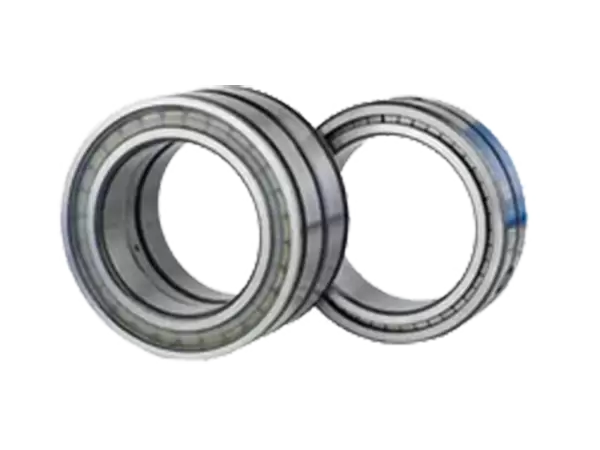
| Shaft displacement | Alignment and axial movement | CARB roller bearing |
| Limited installation space | Compact radial capacity | Needle roller bearing |
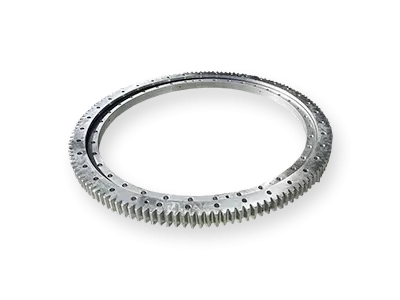
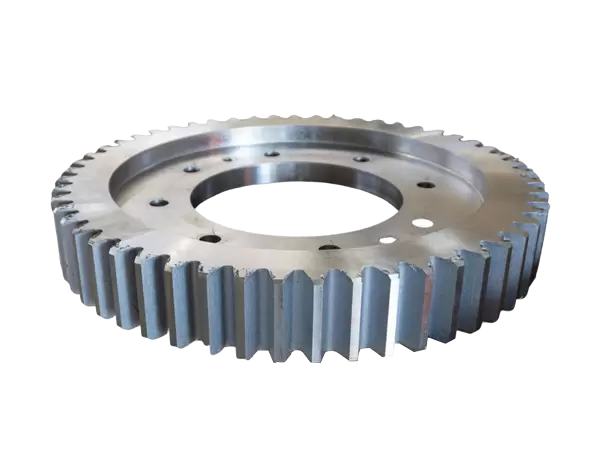
| Large rotating structures | Combined load and moment capacity | Slewing bearing |
Bearing Design for Mining Machinery
Mining machinery places exceptional demands on rotating components because equipment is exposed to heavy material, impact, vibration, and abrasive contamination. Crushers, conveyors, screens, feeders, and other processing equipment may operate for long periods with little opportunity for unexpected shutdowns. Bearing failure can interrupt production and increase both maintenance labor and replacement costs.
For this reason, custom roller bearings for mining equipment should be selected according to the actual mechanical environment rather than dimensions alone. Radial load, shock intensity, rotational speed, shaft deflection, housing stiffness, lubrication, and sealing conditions all influence bearing performance. A properly matched bearing can distribute operating forces more effectively and reduce localized stress on the rolling elements and raceways.
Roller Bearings for Steel Processing Equipment
Steel production introduces another group of challenges. Bearings may operate close to high-temperature processing areas while supporting heavy rotating equipment. Mechanical loads can change rapidly during production, while scale, dust, vibration, and temperature variation may affect lubrication and component life.
In these applications, custom roller bearings for steel equipment can be developed around the available mounting arrangement and expected operating forces. The design process should consider dimensional accuracy, internal clearance, material selection, heat treatment, lubrication requirements, and the relationship between the bearing and surrounding components. These factors are especially important when bearings are integrated into equipment where replacement access is limited.
A suitable bearing configuration can also help maintain rotational stability under changing loads. Instead of treating the bearing as an isolated component, engineers should evaluate the complete load path from the shaft through the rolling elements and into the housing.
Supporting Cement Equipment Under Continuous Loads
Cement manufacturing equipment frequently operates with high material loads and substantial levels of airborne dust. Crushers, mills, conveyors, kilns, and material-handling equipment can place continuous demands on bearings. Contamination control and lubrication therefore become important parts of bearing selection and maintenance planning.
For custom roller bearings for cement equipment, dimensional compatibility is only one consideration. The bearing should also be matched to the machine's operating speed, load pattern, lubrication method, sealing arrangement, and surrounding temperature. Proper installation is equally important because excessive mounting force, shaft misalignment, or incorrect clearance can create abnormal contact stress even when the bearing itself has been correctly manufactured.
Key Factors Before Ordering Custom Bearings
When requesting a customized industrial bearing, buyers should provide as much application information as possible. This allows the manufacturer to evaluate the actual operating conditions instead of relying only on nominal dimensions.
Important information normally includes:
Shaft and housing dimensions
Radial and axial load requirements
Operating speed
Shock and vibration conditions
Operating temperature
Lubrication method
Available installation space
Shaft displacement or misalignment
Expected operating hours
Environmental contamination conditions
This information is particularly valuable for non-standard roller bearings, where the final configuration may need to satisfy mechanical requirements that cannot be addressed by a standard catalogue bearing.
How Customization Can Improve Equipment Performance
The value of customized bearing manufacturing is not simply that the bearing can be made to a different size. The greater benefit is the ability to coordinate bearing geometry with the machine's actual operating conditions. When the bearing is correctly matched to its surrounding components, load distribution can become more consistent and unnecessary friction or localized stress can be reduced.
For OEM manufacturers, this approach can also simplify equipment integration. A bearing developed around the required shaft and housing arrangement may eliminate the need for extensive modifications during assembly. For replacement applications, customization can be useful when an original bearing is difficult to source or when an older machine has unusual dimensional requirements.
Working With JRZC on Industrial Bearing Requirements
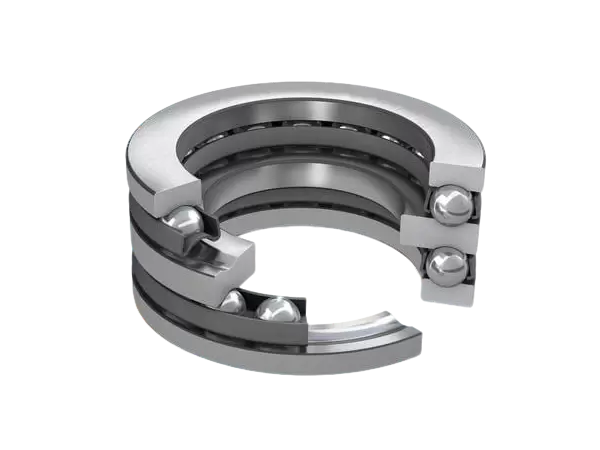
JRZC provides a broad range of roller bearing solutions for demanding industrial applications, including cylindrical roller bearings, tapered roller bearings, CARB bearings, needle roller bearings, slewing bearings, and thrust spherical roller bearings. The product range covers applications involving heavy radial loads, combined loads, axial movement, compact installation spaces, and large rotating structures.
For mining, steel, and cement machinery, the most effective bearing solution begins with the operating conditions rather than the bearing name. By reviewing load direction, installation dimensions, operating environment, speed, lubrication, and alignment requirements together, JRZC can help buyers identify a suitable configuration for demanding rotating equipment.
FAQ
What are custom roller bearings?
Custom roller bearings are bearings manufactured or configured to meet specific dimensional, load, operating, or installation requirements that may not be fully addressed by standard products.
When should I choose a customized bearing?
Customization is worth considering when standard bearing dimensions do not match the shaft or housing, when the equipment has unusual load conditions, or when operating requirements call for a specific internal or structural configuration.
Are custom roller bearings suitable for mining machinery?
Yes. Properly selected roller bearing designs can support demanding mining applications involving heavy radial loads, vibration, impact, and continuous operation. The final selection should be based on the actual equipment conditions.
Can roller bearings be customized for steel equipment?
Yes. Bearing selection for steel equipment can consider dimensional requirements, load conditions, temperature, lubrication, alignment, and installation limitations to achieve a more appropriate configuration.
What information is needed for a custom bearing quotation?
Shaft and housing dimensions, load direction and magnitude, operating speed, temperature, lubrication method, working environment, installation space, and expected operating conditions are useful starting points for engineering evaluation.
For demanding mining, steel, and cement equipment, the right bearing should be treated as an engineered component rather than a generic replacement part. JRZC custom roller bearings provide a practical route for matching bearing design with real operating requirements, helping equipment manufacturers and industrial buyers address unusual loads, restricted installation spaces, alignment challenges, and demanding production environments.