Managing Heavy Radial Loads in Steel Production
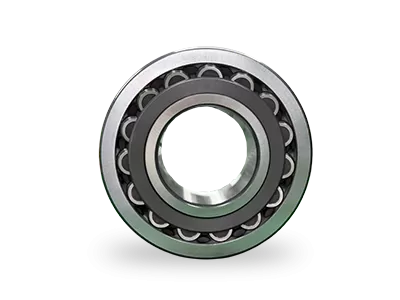
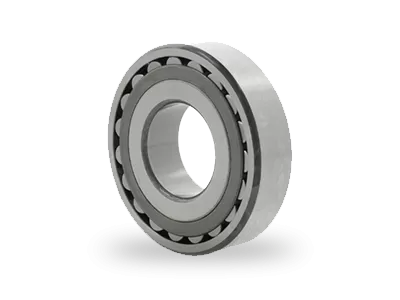
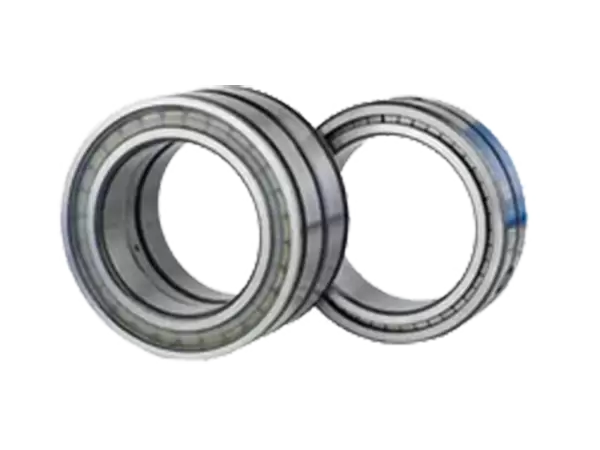
Steel production places substantial demands on rotating machinery, where heavy radial forces, continuous operation, and changing load conditions can affect equipment stability and bearing service life. Rolling mills, drive assemblies, and other industrial processing equipment require bearings capable of supporting high loads while maintaining accurate shaft positioning. Selecting the right double row cylindrical roller bearing helps address these challenges through a design that combines high radial load capacity with excellent rigidity.
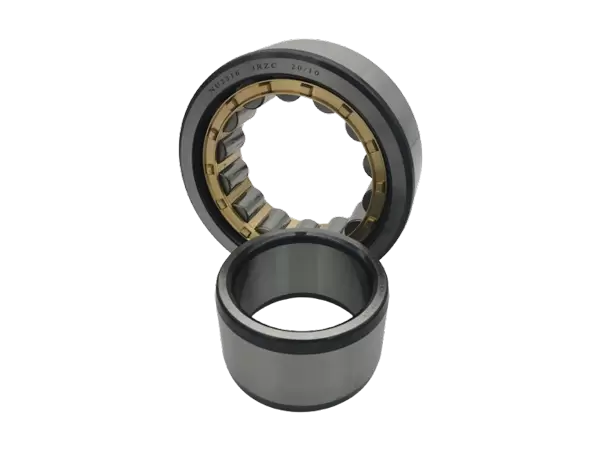
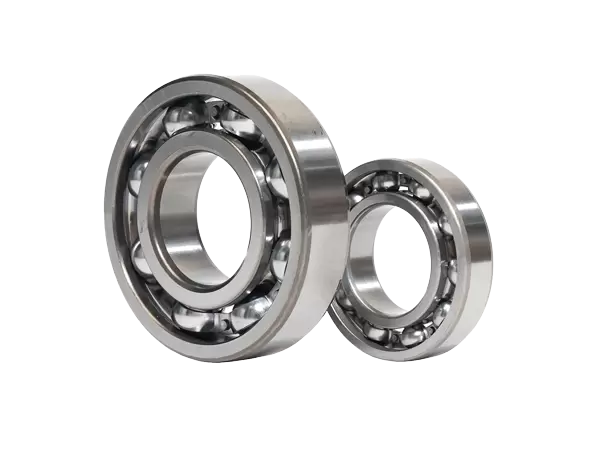
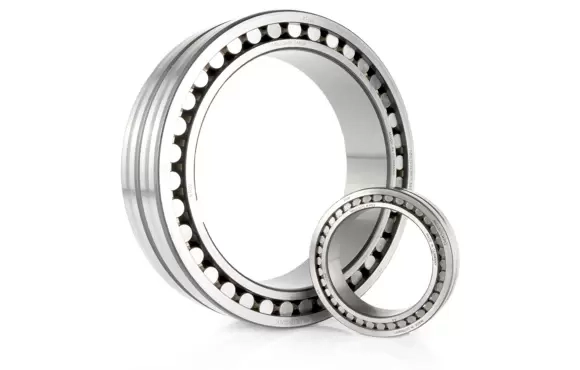
Unlike bearing designs that rely on point contact, cylindrical roller bearings use line contact between the rollers and raceways. This contact arrangement distributes radial forces across a larger area, making it suitable for demanding industrial applications. For steel mill equipment, the double-row configuration provides additional load-supporting capacity within a compact bearing arrangement, helping engineers manage heavy loads without unnecessarily increasing the space required for installation.
However, bearing performance depends on more than its basic construction. Load magnitude, operating speed, lubrication, mounting accuracy, and environmental conditions all influence service life. Choosing a double row cylindrical roller bearing for steel mill equipment requires a careful assessment of these factors to ensure that the selected design matches actual operating requirements.
How Double Row Cylindrical Roller Bearings Handle High Loads
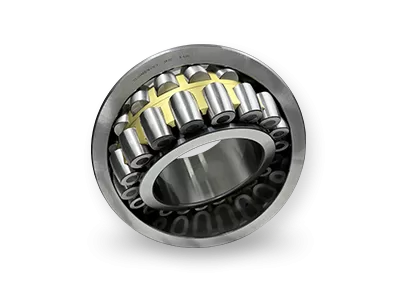
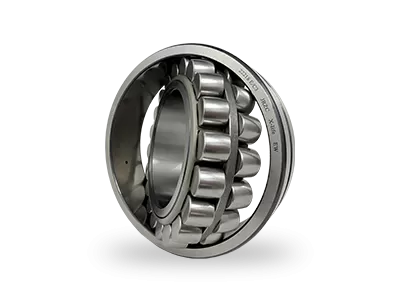
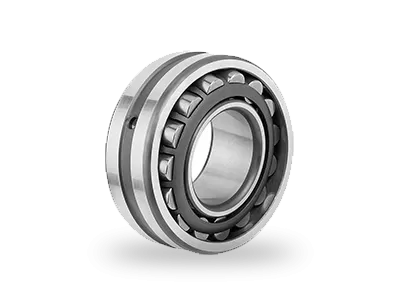
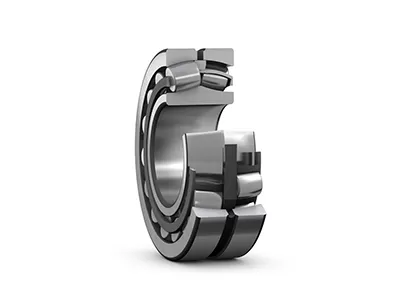
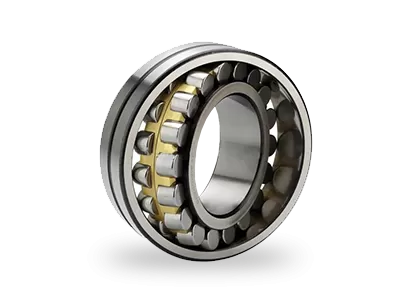
The primary advantage of double row cylindrical roller bearing is its ability to support high radial loads while maintaining structural rigidity. Two rows of cylindrical rollers distribute forces through their respective raceway contacts, making the arrangement suitable for applications where shafts and rotating components experience substantial radial pressure.
In steel processing, uneven loading can increase shaft deflection and place additional stress on connected components. A bearing with appropriate load capacity and internal geometry helps control these effects, supporting more consistent rotation and reducing the likelihood of premature damage caused by excessive loading. High radial load capacity and stiffness are therefore important considerations when selecting bearings for heavy industrial machinery.
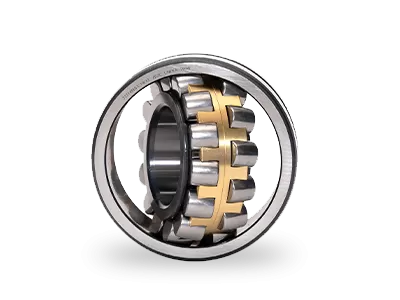
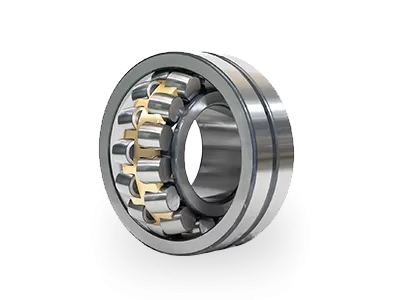
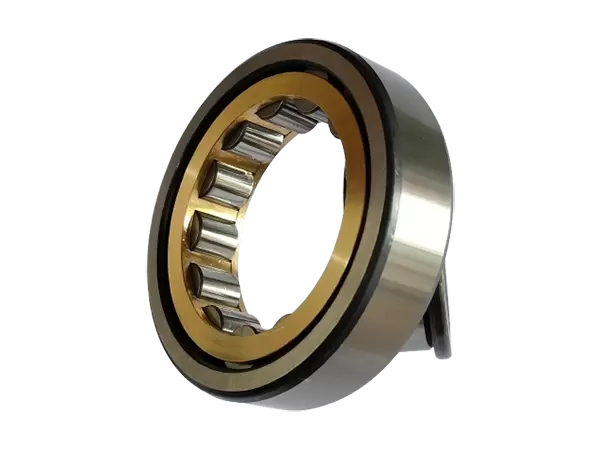
Cage design also influences bearing operation. The cage maintains spacing between the rollers, helping guide their movement and reducing the likelihood of roller-to-roller contact. Depending on the design and operating conditions, a caged bearing can provide suitable performance at medium to high speeds while accommodating demanding radial loads.
Nevertheless, a higher load rating does not automatically guarantee a longer service life. Actual performance depends on the applied load, internal clearance, lubrication quality, operating temperature, and installation conditions. Engineers should assess these variables together rather than selecting a bearing based on load capacity alone.
Key Bearing Selection Factors for Steel Mill Equipment
Selecting a bearing for heavy industrial equipment requires a practical understanding of the forces and conditions acting on the rotating assembly. An unsuitable bearing can experience excessive friction, uneven contact stress, or premature wear, even when its nominal dimensions appear compatible with the application.
The following factors deserve particular attention during the selection process.
| Selection factor | Engineering consideration |
|---|
| Radial load | Confirm the expected operating load and potential load fluctuations |
| Operating speed | Check speed limits and heat generation under actual conditions |
| Bearing rigidity | Assess shaft deflection and positioning requirements |
| Bore configuration | Match the bearing bore to the shaft and mounting arrangement |
| Flange design | Verify roller guidance and axial positioning requirements |
| Lubrication | Select a suitable lubricant and delivery method |
| Installation accuracy | Confirm shaft fits, housing tolerances, and alignment |
For buyers sourcing a heavy duty double row cylindrical roller bearing, these factors also help clarify technical requirements before requesting quotations. Providing complete application information allows suppliers to evaluate dimensional compatibility and recommend an appropriate bearing configuration.
Understanding Flange Arrangements and Bearing Separation
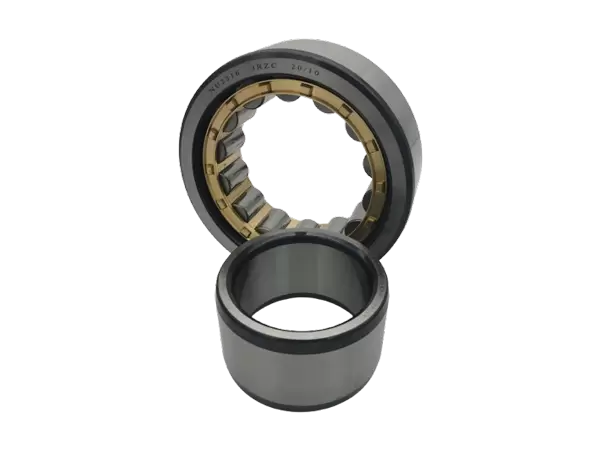
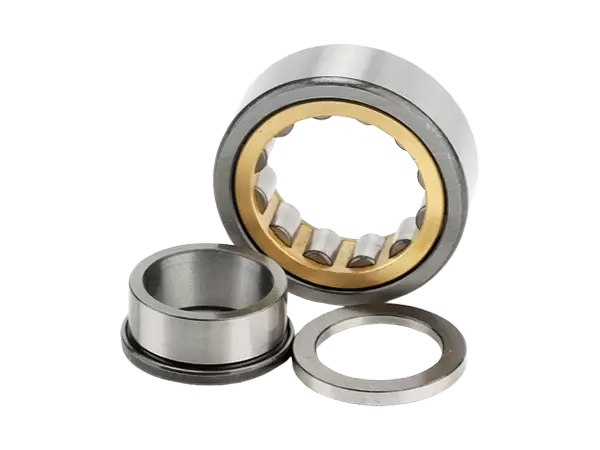
Double row cylindrical roller bearings are available in different designs, with flange arrangements on the inner or outer rings determining how the rollers are guided and how the bearing accommodates axial positioning requirements. These structural differences are important because not every bearing configuration performs the same function within a rotating assembly.
The appropriate arrangement depends on the equipment design, shaft positioning requirements, and the relationship between radial and axial forces. Buyers should confirm whether the application requires a particular roller-guidance arrangement rather than assuming that all double row bearings are interchangeable.
Many designs are separable, allowing the relevant bearing components to be installed or removed independently. This feature can simplify mounting, inspection, and replacement, particularly where equipment access is limited or maintenance requires the disassembly of connected components.
However, separability does not eliminate the need for careful handling. Rollers and raceways must be protected from impact, contamination, and improper contact during installation. Correct assembly procedures help preserve the bearing's intended internal geometry and reduce the risk of damage before the equipment returns to service.
Cylindrical Bore vs. Tapered Bore Selection
Bore configuration affects shaft compatibility, mounting procedures, and the ability to achieve the required internal clearance after installation. Cylindrical bore and tapered bore cylindrical roller bearings serve different mounting requirements, so the choice should reflect the shaft design and assembly method.
A cylindrical bore is suitable when the shaft seat, fit tolerance, and installation arrangement are designed for a straight bore. The shaft and housing tolerances must still be selected carefully to avoid excessive clearance, unwanted movement, or excessive interference.
A tapered bore can support alternative mounting arrangements when used with compatible shaft seats, adapters, or other specified components. During installation, the mounting procedure must account for the effect of fitting on the bearing's internal clearance. Excessive mounting force or an unsuitable fit can increase friction and operating temperature.
Before purchasing a double row cylindrical roller bearing with tapered bore, buyers should confirm the exact bore dimensions, mounting components, shaft tolerances, and required operating clearance. These details are particularly important for heavy machinery, where incorrect fitting can lead to costly maintenance and avoidable downtime.
Lubrication and Temperature Control Under Heavy Loads
Lubrication is essential to maintaining the performance of cylindrical roller bearings in demanding industrial environments. The lubricant helps reduce friction, limit wear, and manage heat generated during operation. When a bearing carries substantial radial loads, inadequate lubrication can accelerate surface damage and compromise the condition of the rollers and raceways.
The appropriate lubricant depends on operating speed, applied load, ambient conditions, and the temperature reached during continuous operation. Grease lubrication may suit certain operating arrangements, while oil lubrication can be appropriate where heat removal and lubricant circulation are important. The final choice should follow the bearing manufacturer's guidance and the equipment's operating requirements.
Temperature monitoring provides another useful way to assess bearing condition. A gradual increase may indicate lubrication deterioration, excessive loading, unsuitable internal clearance, or developing mechanical problems. Sudden temperature changes warrant investigation before continued operation causes further damage.
For industrial maintenance teams, keeping records of operating temperature, vibration, lubricant condition, and maintenance intervals can help identify changes over time. This approach supports condition-based maintenance and helps prevent minor bearing problems from developing into major equipment failures.
Preventing Premature Wear and Unexpected Downtime
Bearing failures are often associated with several interacting factors rather than a single cause. Excessive loads, contamination, incorrect installation, unsuitable lubrication, and misalignment can all contribute to deterioration. A structured maintenance approach helps identify these risks before they significantly affect production.
Cleanliness is particularly important during installation and lubrication. Small abrasive particles can damage raceways and rolling surfaces, while moisture or unsuitable contaminants may affect lubricant performance. Bearings should remain protected during storage and handling, and mounting areas should be clean before assembly begins.
Alignment also deserves attention. Double row cylindrical roller bearings are designed to support high radial loads, but they are not intended to compensate for angular misalignment. Shaft and housing alignment must therefore remain within the applicable design requirements. Misalignment can produce uneven contact stresses, increased vibration, and accelerated wear.
Maintenance teams should also investigate abnormal noise, changes in vibration, and unexpected increases in operating temperature. These symptoms do not identify a single failure mechanism on their own, but they can indicate that the bearing or connected equipment requires inspection. Timely diagnosis helps reduce unnecessary replacement and supports more predictable maintenance planning.
Why Bearing Rigidity Matters in Heavy Industrial Machinery
Rigidity affects how effectively a bearing arrangement maintains shaft position under applied loads. In heavy machinery, excessive shaft deflection may influence the alignment of connected components and increase mechanical stress throughout the rotating assembly.
A high rigidity double row cylindrical roller bearing can help control radial displacement when its load rating, internal design, and mounting arrangement match the application. This characteristic is particularly relevant where stable shaft support contributes to consistent mechanical operation.
Nevertheless, bearing rigidity should be evaluated as part of the complete shaft-and-housing arrangement. Shaft diameter, housing stiffness, bearing spacing, fits, and applied loads all influence the resulting deflection. Selecting a bearing with a high load rating cannot compensate for inadequate shaft strength or an unsuitable housing design.
Engineers should therefore evaluate the bearing alongside the surrounding components. This broader assessment supports better dimensional stability and helps prevent the bearing from being incorrectly identified as the sole solution to a mechanical design problem.
Working with JRZC to Source Industrial Roller Bearings
For industrial buyers, choosing a supplier involves evaluating product suitability, dimensional consistency, technical communication, and the availability of relevant documentation. A competitive purchase price is useful, but it should not replace verification that the bearing meets the equipment's actual operating requirements.
JRZC serves buyers seeking double row cylindrical roller bearings for heavy industrial applications, where load capacity, structural rigidity, and mounting compatibility are important selection criteria. Clear communication of operating conditions helps establish the appropriate bearing design and reduces the risk of ordering a component that does not match the intended application.
When requesting a quotation, buyers should provide the required bearing dimensions, bore configuration, expected radial load, operating speed, lubrication method, and installation details. Information about operating temperature and the surrounding environment can also help clarify selection requirements. Where an existing bearing is being replaced, its identification and dimensional measurements can support the initial assessment, although operating conditions should still be reviewed.
A technically informed purchasing process helps connect bearing specifications with real operating needs. By considering design compatibility, maintenance requirements, and expected service conditions together, buyers can make more informed decisions when sourcing industrial bearings through JRZC.
Frequently Asked Questions
What are the main advantages of a double row cylindrical roller bearing?
The main advantages include high radial load capacity, good rigidity, and line contact between the rollers and raceways. Depending on the design, separable components can also simplify installation and maintenance.
Are double row cylindrical roller bearings suitable for steel mill equipment?
They can be suitable for equipment that requires substantial radial load support and shaft rigidity. Final selection depends on load magnitude, speed, lubrication, dimensions, mounting conditions, and the specific bearing design.
Can these bearings accommodate angular misalignment?
No. Double row cylindrical roller bearings are not designed to compensate for angular misalignment. Accurate shaft and housing alignment is necessary to maintain appropriate contact conditions and reduce uneven loading.
What is the difference between cylindrical and tapered bore designs?
The main difference is the bore geometry and associated mounting arrangement. Cylindrical bores suit compatible straight shaft seats, while tapered bores require a suitable mounting arrangement designed for the tapered interface. Both require correct fitting and internal clearance control.
How can bearing service life be improved under heavy radial loads?
Use a bearing with suitable load capacity, maintain proper lubrication, control contamination, follow correct installation procedures, and monitor vibration and temperature. Alignment and operating clearance should also be checked against the manufacturer's specifications.
What details should buyers provide when sourcing from JRZC?
Buyers should provide the required dimensions, bore type, operating speed, radial load, lubrication conditions, and application details. This information helps establish dimensional compatibility and determine whether the selected bearing design is appropriate for the intended equipment.