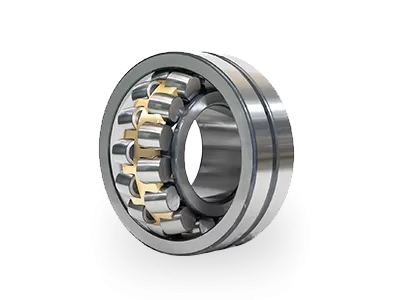
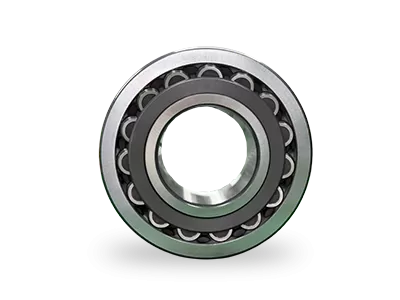
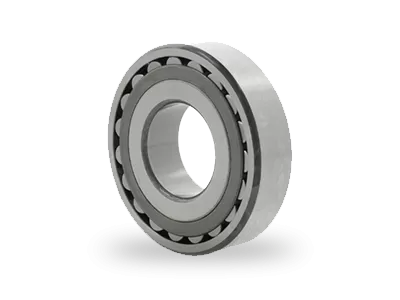
Why Friction Control Matters in Tapered Roller Bearings Single Row Applications
Friction and heat generation are two major factors affecting bearing performance, especially in demanding industrial environments where continuous operation and heavy loads are common. Tapered roller bearings single row are designed to manage combined radial and axial loads through optimized contact between tapered rollers and raceways. However, without proper design and manufacturing control, excessive friction can lead to increased operating temperatures, faster wear, and reduced service life.
The ability to control friction is not only related to lubrication but also depends on roller geometry, contact pressure, surface accuracy, and internal load distribution. High-quality tapered roller bearings require precise engineering to ensure smooth rolling motion while minimizing energy loss during operation. JRZC focuses on manufacturing solutions that help industries achieve stable performance under challenging working conditions.
How Tapered Roller Bearings Single Row Manage Friction Generation
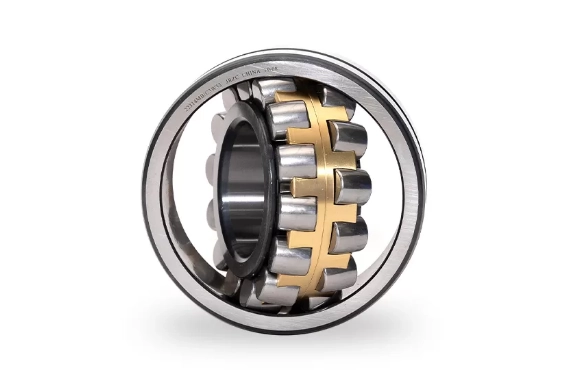
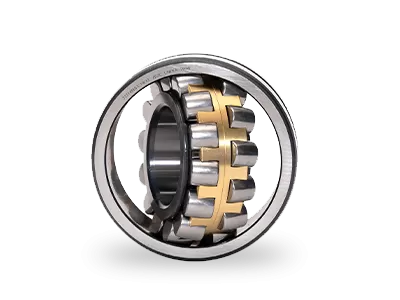
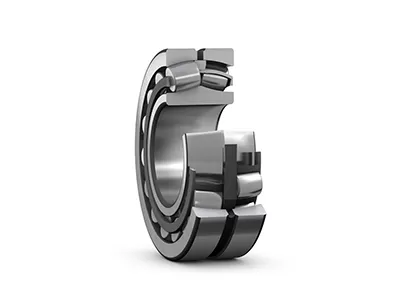
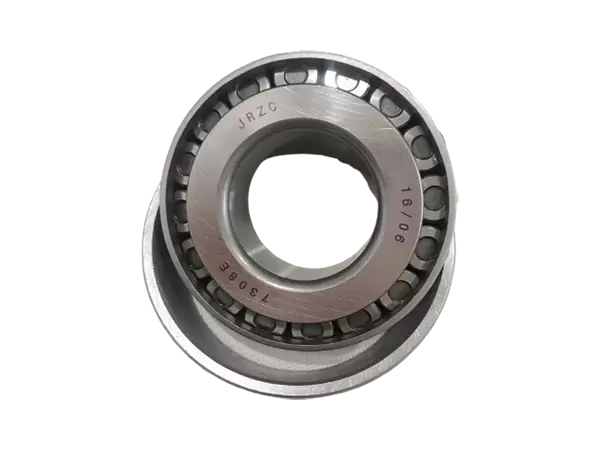
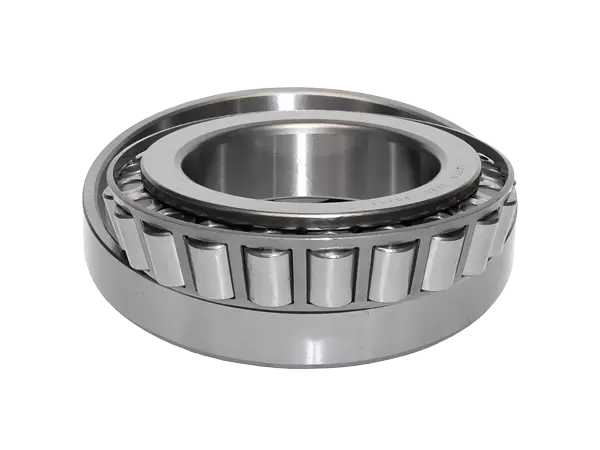
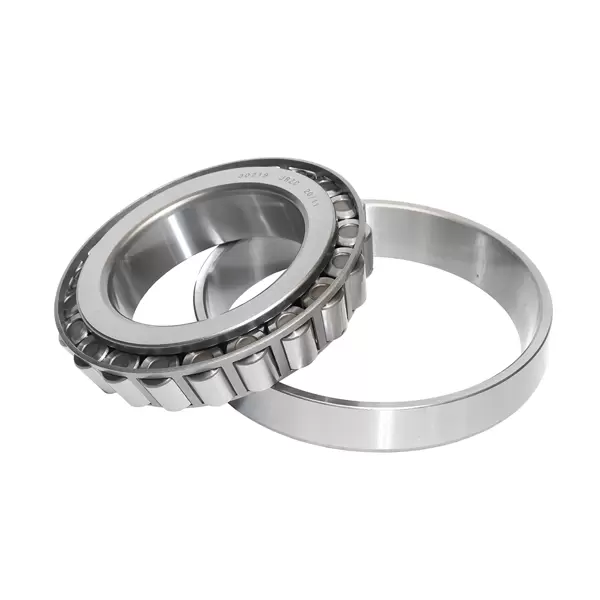
The structure of tapered roller bearings single row allows rollers to distribute loads along the raceway through line contact rather than point contact. This design provides higher load capacity while maintaining controlled rolling resistance. When the internal components are accurately matched, the bearing can reduce sliding between rollers and raceways, which is one of the main sources of friction.
Several technical factors influence friction performance:
| Technical Factor | Influence on Bearing Performance |
|---|
| Roller and raceway accuracy | Reduces uneven contact and friction concentration |
| Internal geometry design | Improves load distribution and rolling efficiency |
| Surface finishing quality | Minimizes resistance during operation |
| Lubrication compatibility | Helps control temperature and wear |
For industrial machinery, reducing friction means lower heat generation, improved operating stability, and longer maintenance intervals. A precision-engineered tapered roller bearing can maintain consistent performance even when exposed to variable loads and demanding working conditions.
How Precision Design Helps Reduce Heat Problems in Bearing Operation
Heat buildup is often caused by excessive friction, poor load distribution, or improper contact conditions inside a bearing. When temperatures rise continuously, lubrication performance may decrease and accelerate material fatigue. This makes thermal control a critical consideration for heavy-duty bearing applications.
Tapered roller bearings single row use a tapered internal structure that allows axial and radial forces to be managed more effectively. Proper contact angle design helps distribute stress across the rollers, preventing excessive pressure in localized areas. As a result, the bearing can operate with reduced friction resistance and improved temperature control.
The manufacturing process also plays an important role in thermal performance. Precise machining, controlled surface roughness, and strict quality inspection help maintain smooth interaction between components. These improvements allow bearings to handle higher operational demands without unnecessary heat generation.
The performance of a tapered roller bearing depends on multiple engineering elements working together. A single improvement cannot completely solve friction and heat issues. Instead, manufacturers need to optimize the complete bearing structure, from roller design to material treatment.
Important technical elements include:
Optimized Roller-Raceway Contact
The contact area between rollers and raceways directly affects load transfer efficiency. Poor contact conditions can increase friction and create uneven stress distribution. Precision-designed tapered rollers help maintain balanced contact, reducing unnecessary energy loss during rotation.
Improved Surface Accuracy and Manufacturing Control
Surface imperfections can increase resistance between moving components. High-precision manufacturing ensures smoother interaction between the inner ring, outer ring, and rollers. This reduces friction points and helps maintain stable operation over extended periods.
Effective Load Distribution Technology
Uneven loading is a common cause of premature bearing damage. Proper internal geometry allows forces to spread more evenly across multiple rollers. This reduces localized stress, lowers heat generation, and improves overall durability.
Preventing Bearing Wear Through Better Friction Management
Wear is closely connected with friction levels and operating temperatures. When a bearing experiences continuous friction without effective control, microscopic damage can gradually develop on contact surfaces. Over time, this may result in vibration, noise, and reduced mechanical efficiency.
Using high-quality single row tapered roller bearings helps address these challenges through stable load support and controlled rolling motion. The tapered roller design provides excellent resistance against heavy loads while maintaining reliable contact conditions.
For industries using heavy machinery, gear equipment, and power transmission components, reducing wear is essential for improving equipment availability. A bearing solution with better friction control can support longer service intervals and reduce unexpected maintenance requirements.
Applications Requiring Reliable Friction and Heat Control
Different industries rely on tapered roller bearings because they can handle complex loading conditions while maintaining operational stability. These bearings are commonly used where both radial and axial forces exist and where durability is essential.
Typical application areas include:
| Industry | Performance Requirement |
|---|
| Automotive equipment | Stable rotation and load support |
| Industrial machinery | High durability under continuous operation |
| Gear transmission equipment | Accurate positioning and smooth movement |
| Construction machinery | Resistance to heavy impact loads |
| Manufacturing equipment | Reliable long-term operation |
In these environments, friction reduction is directly connected with productivity and equipment reliability. Selecting a suitable bearing design helps maintain mechanical efficiency while reducing the risk of overheating and premature wear.
Choosing the Right Tapered Roller Bearings Single Row Supplier
Selecting a reliable bearing supplier requires more than checking product availability. Industrial users should consider manufacturing capability, quality control procedures, customization support, and technical experience.
A professional tapered roller bearings single row manufacturer should provide consistent production standards, accurate machining processes, and reliable inspection methods. These factors determine whether bearings can maintain stable performance under real operating conditions.
JRZC provides tapered roller bearing solutions with a focus on precision manufacturing and dependable quality. Through continuous improvement in production technology and quality management, JRZC supports global customers seeking durable bearing components for industrial applications.
Future Trends in Friction Reduction for Industrial Bearings
As industrial equipment continues to demand higher efficiency and longer operating periods, bearing technology is focusing increasingly on reducing energy loss and improving durability. Friction control has become a key factor in bearing development because it directly affects operating temperature, maintenance requirements, and overall equipment performance.
Advanced manufacturing processes, improved material technology, and optimized internal designs are helping tapered roller bearings achieve better efficiency. These developments allow bearings to provide stronger load capacity while maintaining smoother operation.
For manufacturers and equipment designers, choosing precision tapered roller bearings is an important step toward improving mechanical reliability and reducing long-term operating costs.
FAQ
1. What causes friction in tapered roller bearings single row?
Friction mainly comes from roller-raceway contact, internal sliding, lubrication conditions, and uneven load distribution. Proper design and precision manufacturing help reduce unnecessary resistance.
2. How do tapered roller bearings single row reduce heat generation?
These bearings reduce heat by improving load distribution, minimizing friction between components, and maintaining smoother rolling contact during operation.
3. Why are tapered roller bearings suitable for heavy load applications?
The tapered roller structure provides strong line contact between rollers and raceways, allowing the bearing to support combined radial and axial loads effectively.
4. How can bearing service life be improved?
Service life can be improved through proper bearing selection, accurate installation, suitable lubrication, and choosing high-quality tapered roller bearings from experienced manufacturers.
5. What should buyers consider when selecting tapered roller bearings?
Buyers should evaluate load requirements, operating conditions, manufacturing quality, precision levels, and supplier reliability before making a selection.