Why Axial Displacement Matters in Roller Bearing Selection
Axial displacement is an important consideration when selecting bearings for rotating machinery. Temperature changes, shaft deflection, and mounting tolerances can cause a shaft to move longitudinally during operation. If the bearing arrangement cannot accommodate this movement, additional internal forces may develop, increasing friction, operating temperature, and the risk of premature wear. Choosing the right bearing design helps maintain stable rotation while reducing unnecessary mechanical stress.
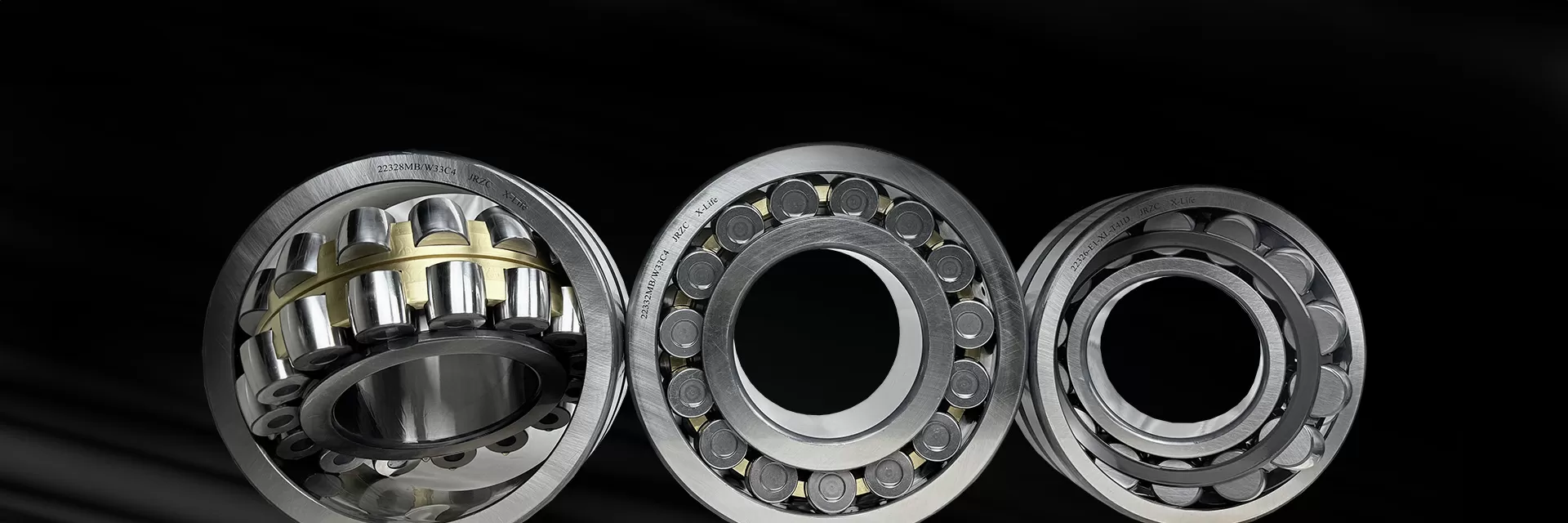
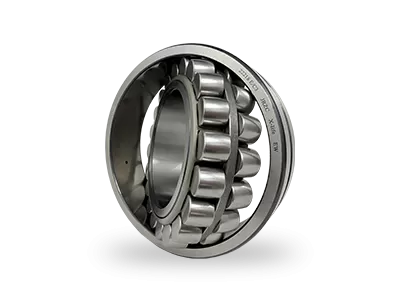
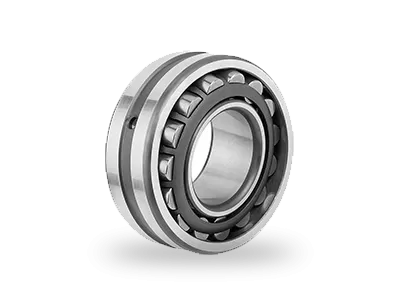
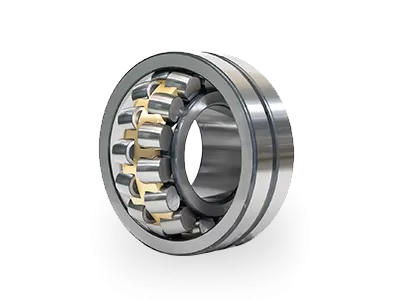
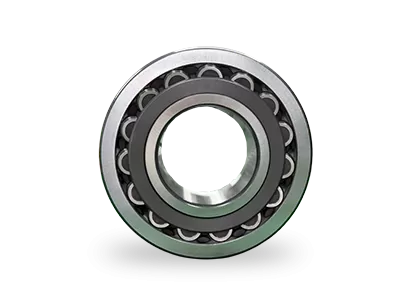
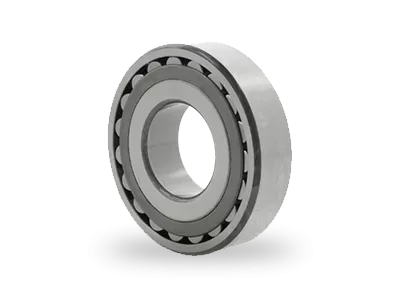
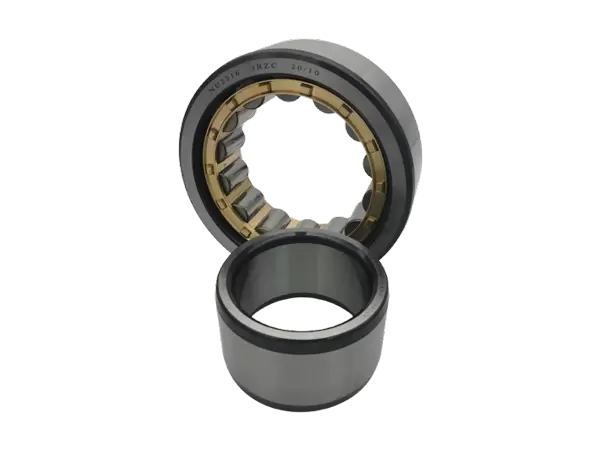
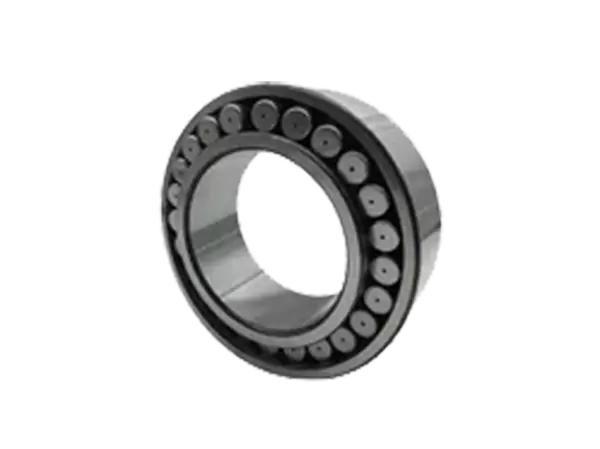
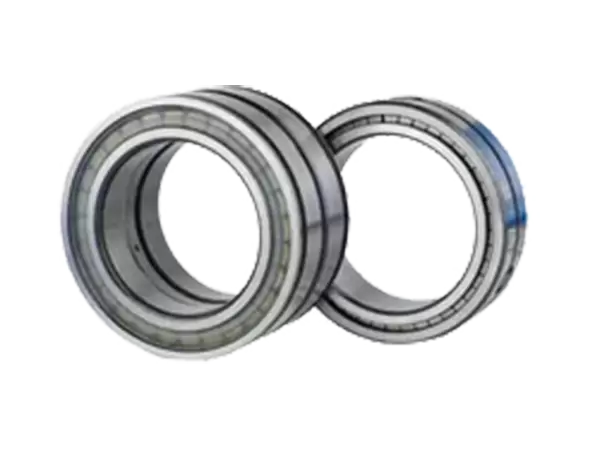
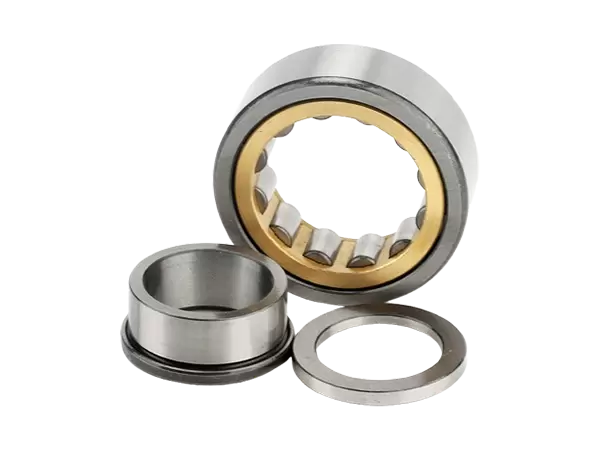
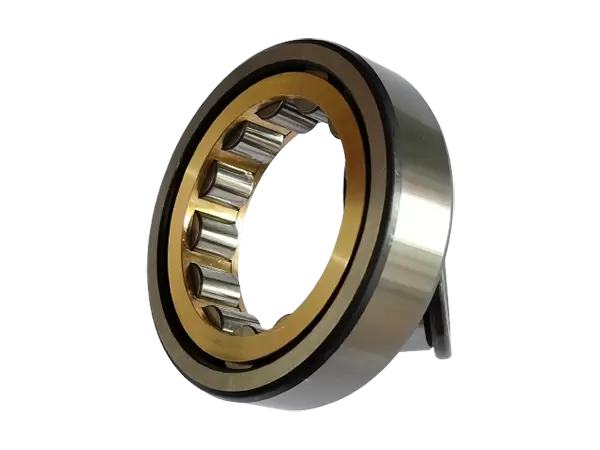
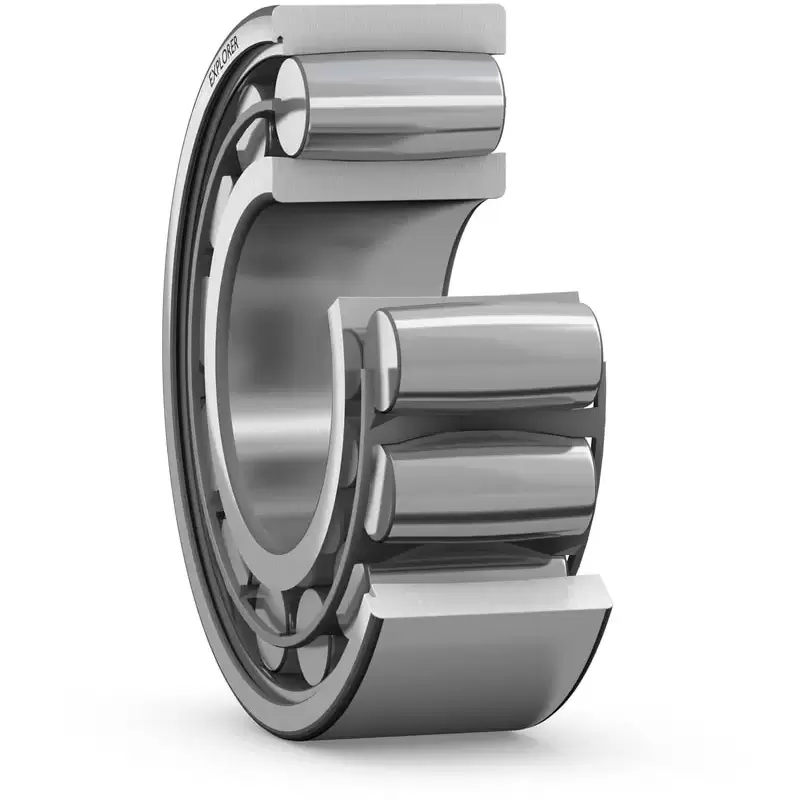
A CARB toroidal roller bearing is designed to combine the self-aligning capability associated with spherical roller bearings with the axial displacement function of cylindrical roller bearings. This combination makes it particularly suitable for non-locating bearing positions where radial load support, shaft misalignment accommodation, and axial movement must be managed together. Spherical roller bearings also provide self-alignment, but their role in a bearing arrangement differs when axial displacement must occur within the bearing itself.
How CARB Toroidal Roller Bearings Accommodate Axial Movement
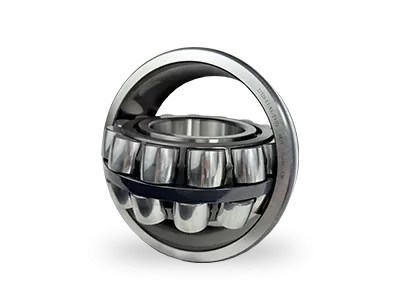
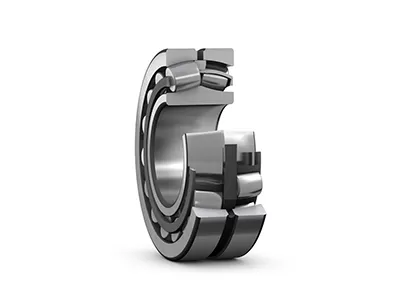
The internal geometry of a CARB toroidal roller bearing allows the rollers to accommodate axial displacement relative to the raceways while carrying radial loads. This enables the shaft to expand or contract without requiring the same movement to be absorbed through sliding between the shaft and bearing seat. The design also accommodates angular misalignment within its permitted operating limits, helping reduce the additional stresses that can develop when shaft alignment changes.
For applications involving long shafts, temperature fluctuations, or structural deflection, this combination can simplify the non-locating bearing arrangement. Axial displacement takes place within the bearing, while the bearing continues to support radial loads. Correct selection remains essential because allowable displacement, misalignment, load, speed, and lubrication conditions must all fall within the bearing's operating limits.
CARB vs Spherical Roller Bearings for Axial Displacement
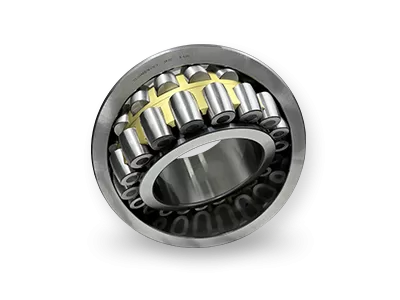
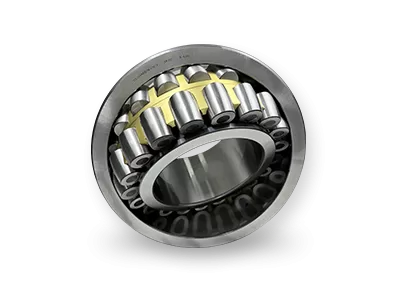
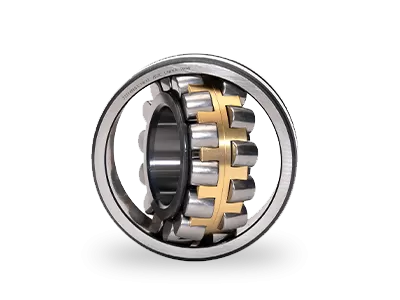
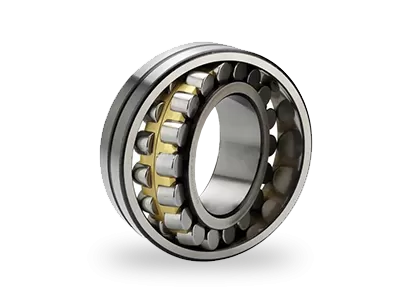
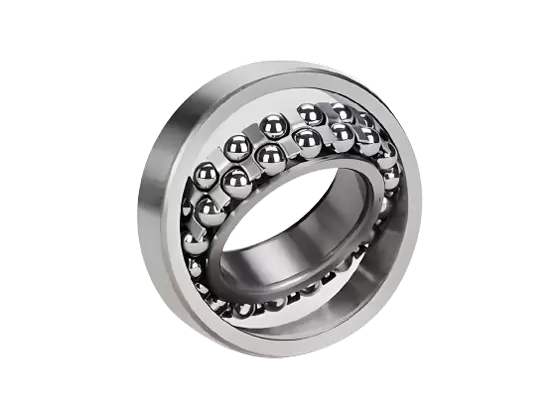
Both bearing types can accommodate shaft misalignment, but their internal designs serve different purposes. Spherical roller bearings use barrel-shaped rollers and spherical raceway geometry to support heavy radial loads while tolerating angular misalignment. Depending on their design, they can also carry axial loads. However, axial movement in a typical spherical roller bearing arrangement may need to be accommodated through the bearing fit or another part of the arrangement.
A CARB toroidal roller bearing is specifically intended to accommodate axial displacement internally while supporting radial loads. This distinction is particularly important when engineers need a non-locating bearing that can compensate for thermal expansion without introducing unnecessary axial restraint.
| Selection factor | CARB toroidal roller bearing | Spherical roller bearing |
|---|
| Radial load support | Designed for substantial radial loads | Designed for substantial radial loads |
| Angular misalignment | Accommodates misalignment within design limits | Self-aligning design accommodates misalignment |
| Axial displacement | Accommodated internally | Depends on bearing arrangement and design |
| Axial load support | Primarily intended for radial loading | Can support axial loads within design limits |
| Typical bearing role | Non-locating position | Locating or non-locating arrangements, as designed |
The appropriate choice depends on the required load directions, displacement range, mounting configuration, and operating conditions rather than on a single performance characteristic.
Managing Shaft Misalignment and Thermal Expansion
Shaft misalignment can result from installation tolerances, housing deformation, foundation movement, or changes in operating temperature. When the bearing arrangement cannot accommodate these changes, uneven contact and increased friction may affect operating stability. A bearing that tolerates angular misalignment can help maintain more consistent load distribution, provided the actual misalignment remains within the specified limits.
Thermal expansion creates a different but related challenge. As a shaft heats up, its length may increase, and the bearing arrangement must allow this movement without generating excessive axial forces. A CARB toroidal roller bearing for thermal expansion can accommodate axial displacement inside the bearing, making it suitable for applications where the shaft must move while radial support remains necessary. Engineers should calculate the expected expansion and confirm the required displacement capacity before finalizing the bearing selection.
Friction, Lubrication, and Bearing Service Life
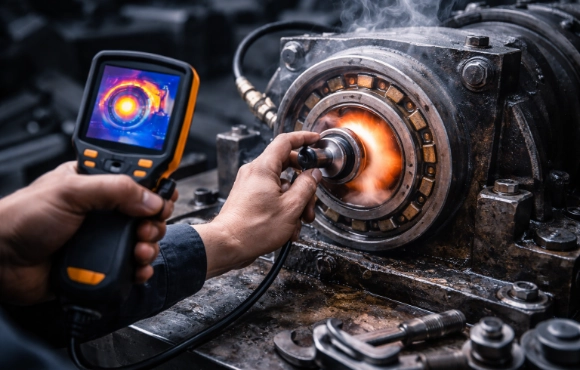
Bearing friction affects energy consumption, heat generation, lubricant condition, and long-term operating reliability. The internal geometry of CARB toroidal roller bearings is designed to minimize friction under suitable operating conditions. Reduced friction can help control operating temperature and support longer service life, although actual results depend on load, speed, lubrication, contamination, and installation quality.
Lubrication must be selected according to the operating temperature, rotational speed, load, and bearing arrangement. Insufficient lubricant can accelerate surface wear, while unsuitable lubricant viscosity may increase resistance or impair the formation of an adequate lubricating film. Sealing and contamination control are equally important because particles and moisture can damage rolling contact surfaces. Correct lubrication and installation are essential to realizing the performance benefits of either bearing type.
Where CARB Bearing Selection Adds Practical Value
CARB toroidal roller bearings can be considered for industrial machinery in which radial loads combine with shaft misalignment and axial displacement. Relevant sectors include mining equipment, agricultural machinery, construction equipment, transportation, industrial automation, food machinery, and metal processing. The final application suitability depends on the machine's load profile, operating speed, environmental conditions, and maintenance requirements.
For equipment with a dedicated locating bearing and a non-locating bearing position, the CARB design can help accommodate longitudinal shaft movement while maintaining radial support. Engineers should evaluate the complete bearing arrangement rather than treating the bearing as an isolated component. Housing geometry, shaft fits, internal clearance, sealing, and lubrication all influence the final operating result.
How to Select the Right Bearing for Industrial Equipment
A sound selection process begins with identifying whether the bearing must support radial loads only or also accommodate axial forces. Engineers should then determine the expected shaft displacement, angular misalignment, rotational speed, operating temperature, and available installation space. These factors establish whether a CARB toroidal roller bearing or a spherical roller bearing is more appropriate for the intended position.
The mounting arrangement deserves particular attention. A non-locating bearing must permit the required axial movement without creating excessive restraint, while the locating bearing must control the shaft's axial position where necessary. Incorrectly assigning these functions can undermine the benefits of even a well-designed bearing. Working with an experienced bearing supplier such as JRZC can help buyers clarify application requirements and identify suitable options before procurement.
Frequently Asked Questions
What is the main difference between CARB and spherical roller bearings?
The main difference is how axial displacement is accommodated. A CARB toroidal roller bearing permits internal axial displacement while supporting radial loads and accommodating misalignment. A spherical roller bearing provides self-alignment and can support axial loads, but axial movement in the overall arrangement depends on its design and mounting configuration.
Is a CARB toroidal roller bearing suitable for thermal expansion?
Yes. It is designed to accommodate axial displacement within the bearing, making it suitable for non-locating positions where shafts expand or contract during operation. The expected displacement and operating conditions must remain within the bearing's specified limits.
Can CARB bearings replace spherical roller bearings?
Not in every application. Replacement requires checking radial and axial loads, dimensions, speed, clearance, lubrication, misalignment, and the function of the bearing position. A direct dimensional match alone does not establish functional compatibility.
How can buyers choose a suitable CARB toroidal roller bearing?
Buyers should provide the shaft dimensions, radial load, rotational speed, expected axial displacement, misalignment, temperature, lubrication conditions, and mounting details. These requirements help the supplier assess whether the bearing is suitable for the application.
For industrial buyers comparing CARB toroidal roller bearings and spherical roller bearings, the key decision is how the bearing arrangement must manage radial loads, misalignment, and axial movement. JRZC supports bearing selection by helping customers evaluate application requirements and identify appropriate bearing solutions for their equipment.