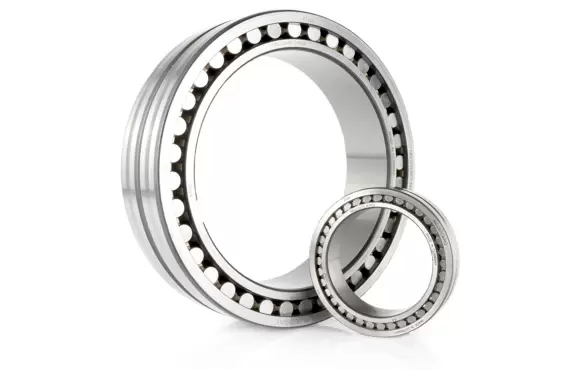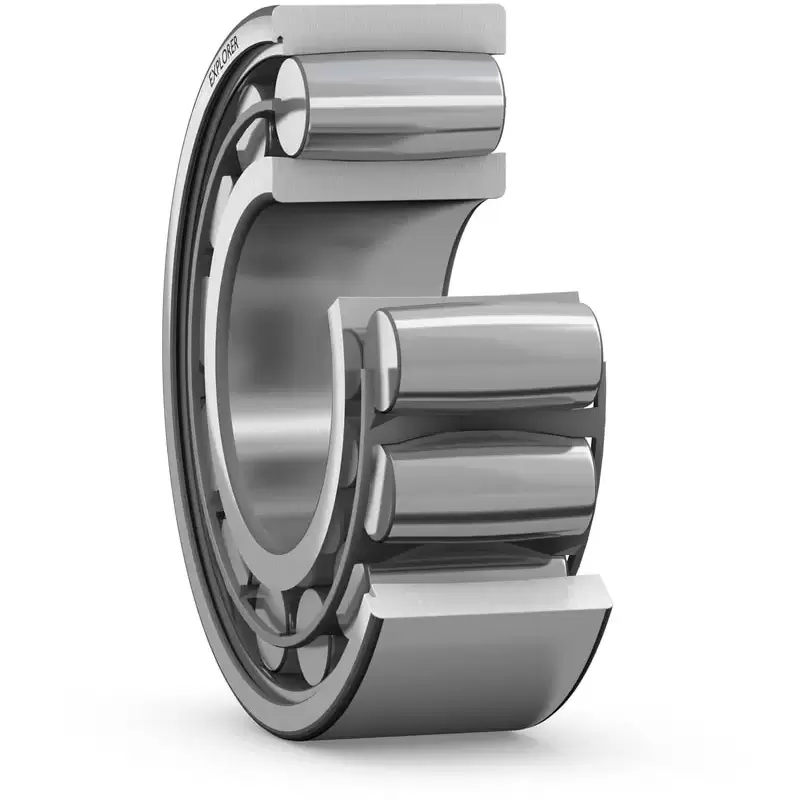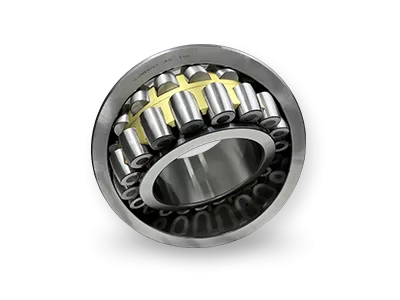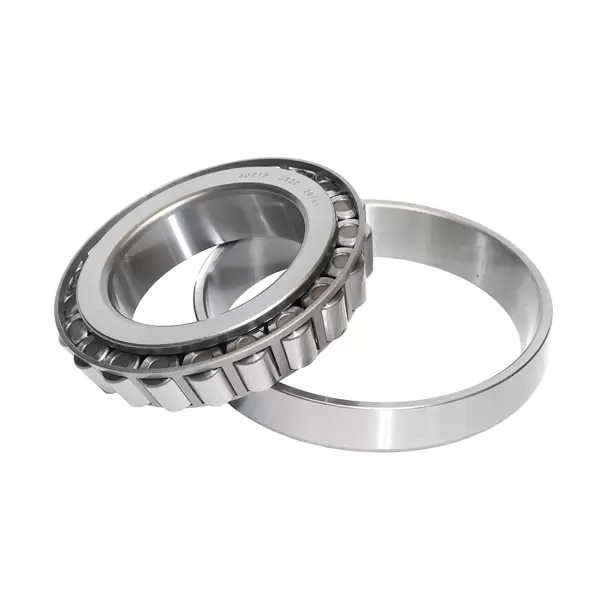

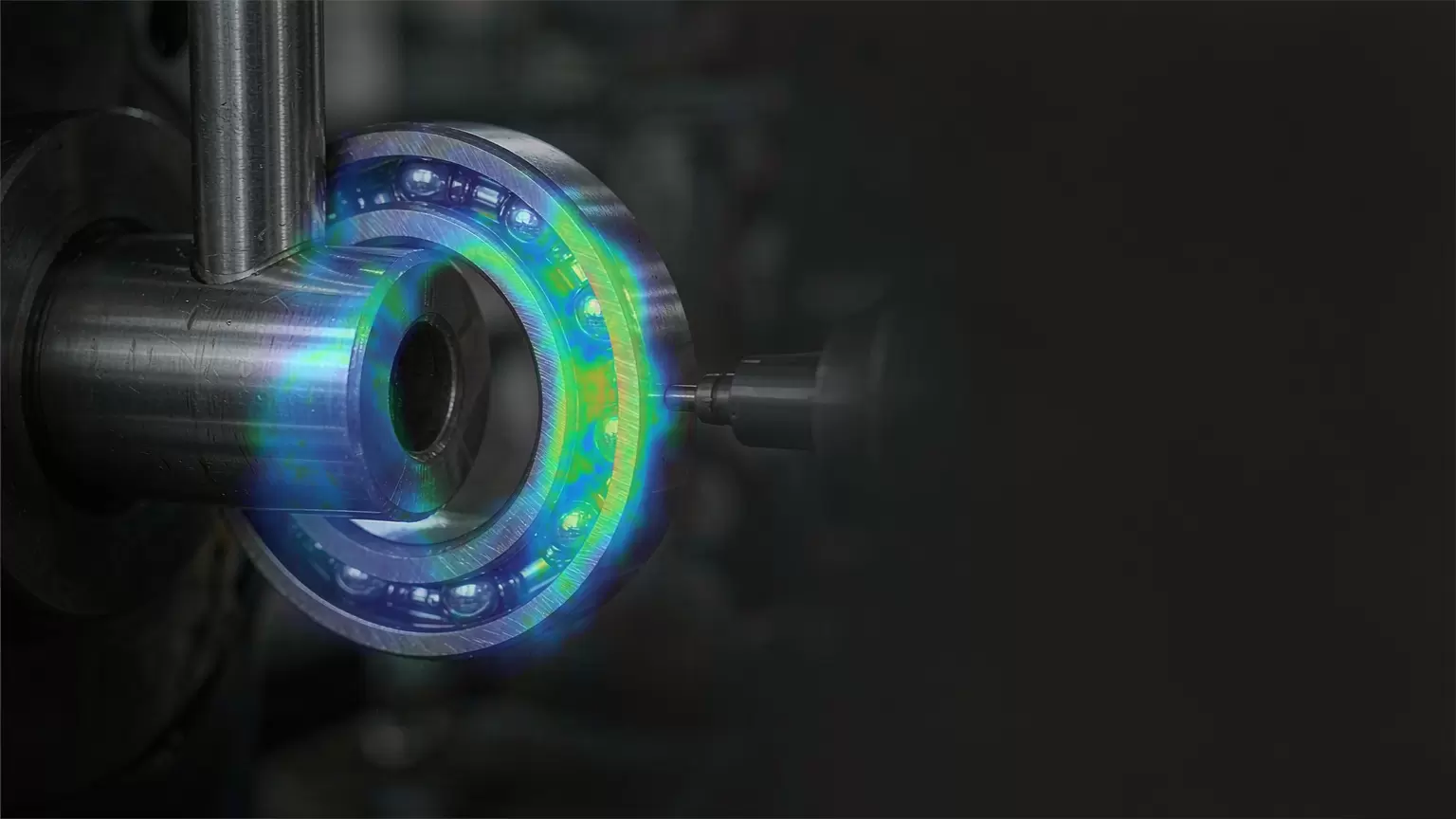
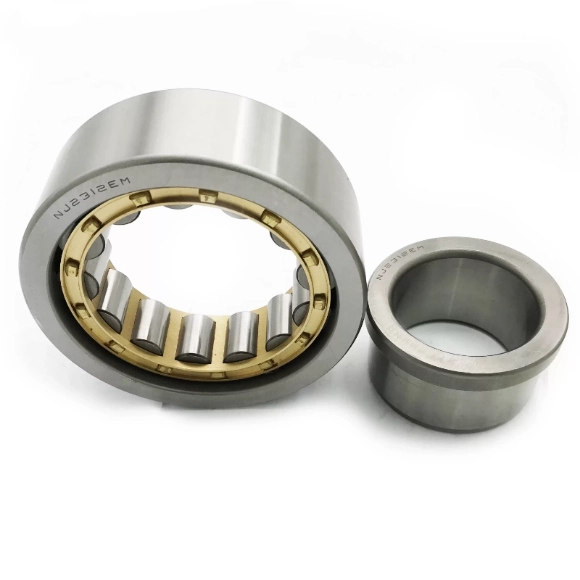
In general industrial applications, bearings typically operate between 40°C and 70°C; 80°C is a common warning threshold, while 100°C is a critical danger point.
There is no universal temperature limit for bearing monitoring, but industry practice converges on a few empirical benchmarks. General industrial rolling bearings normally run at 40–70°C, which makes 80°C the widely accepted warning line and 100°C the critical danger point.
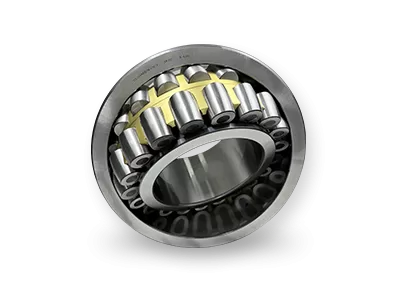
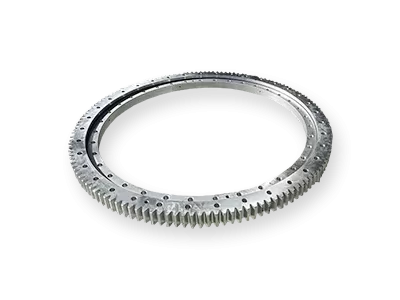
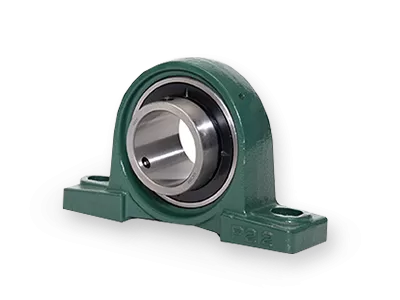
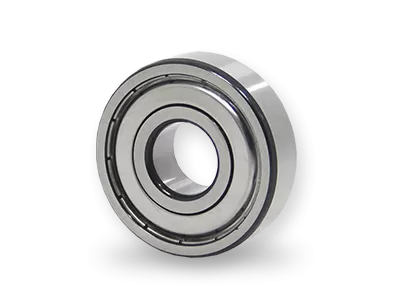
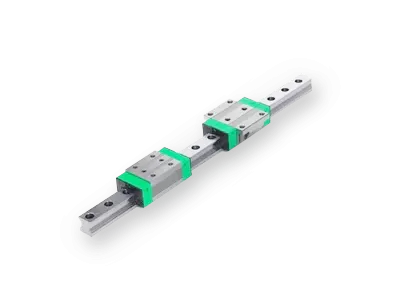
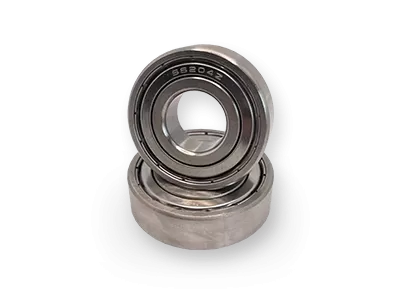
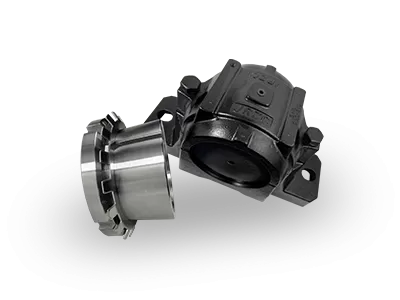
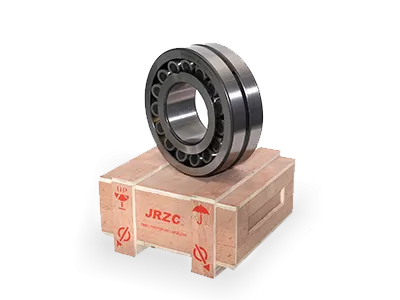
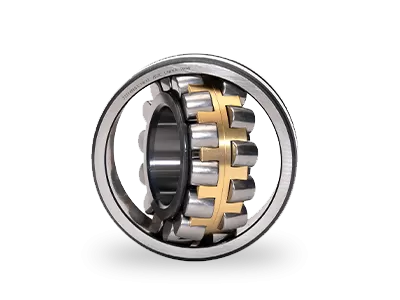
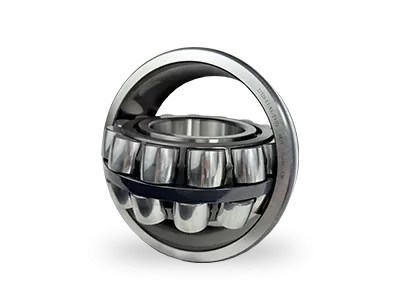
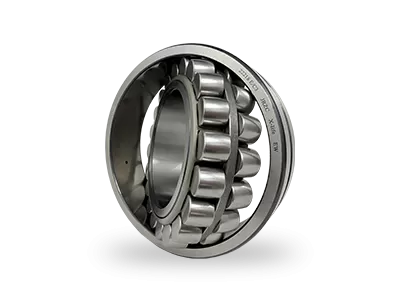
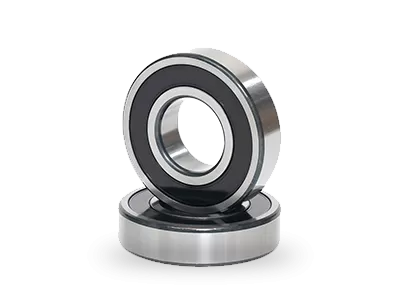
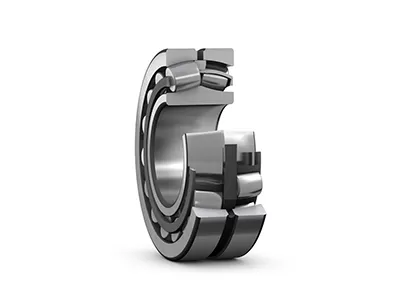
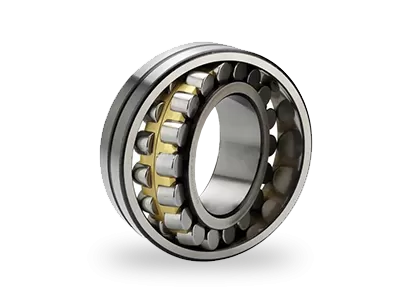
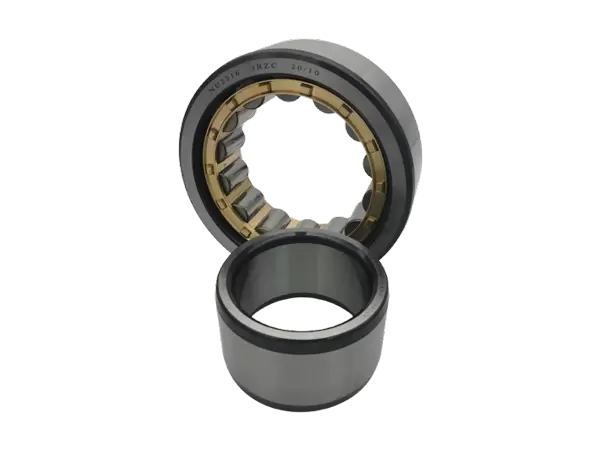
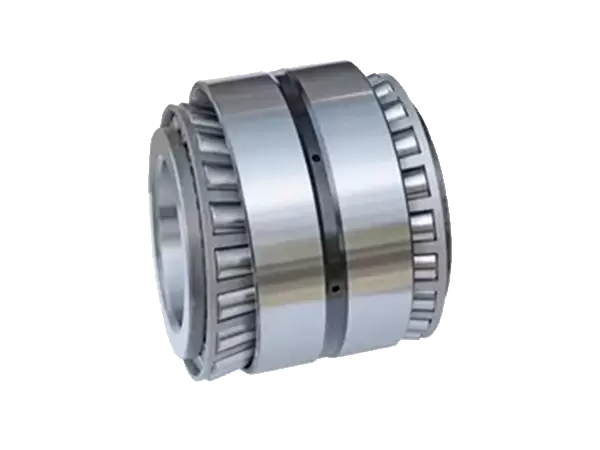
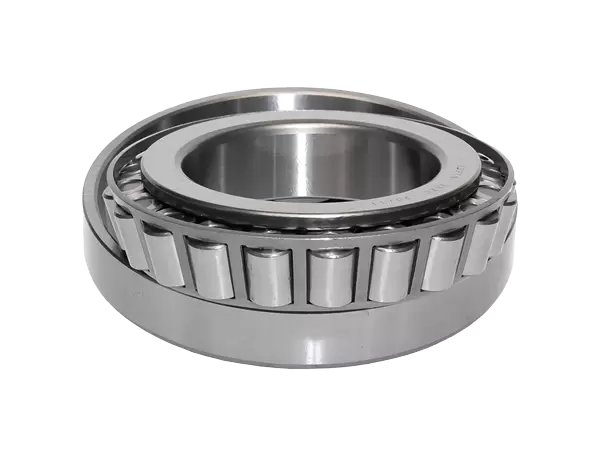
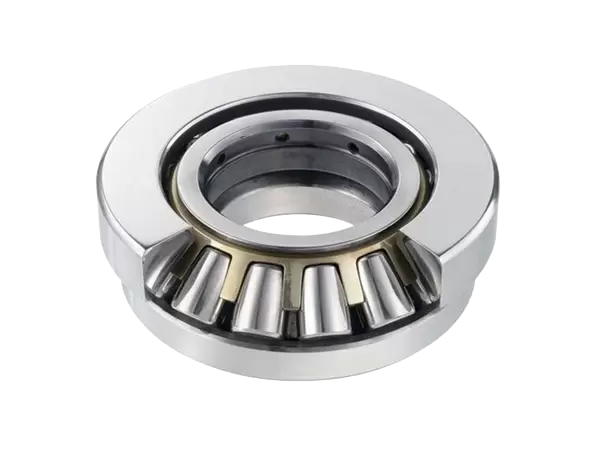
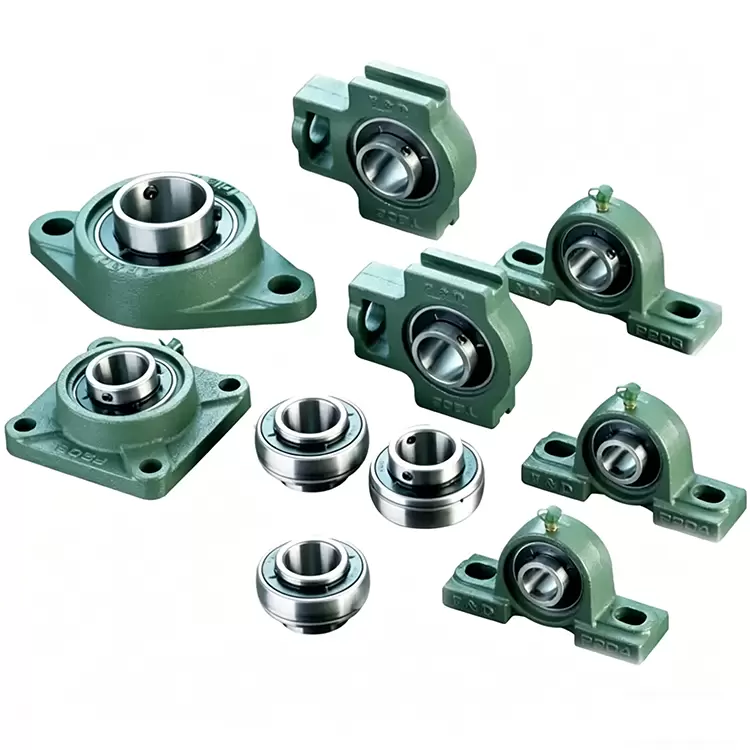
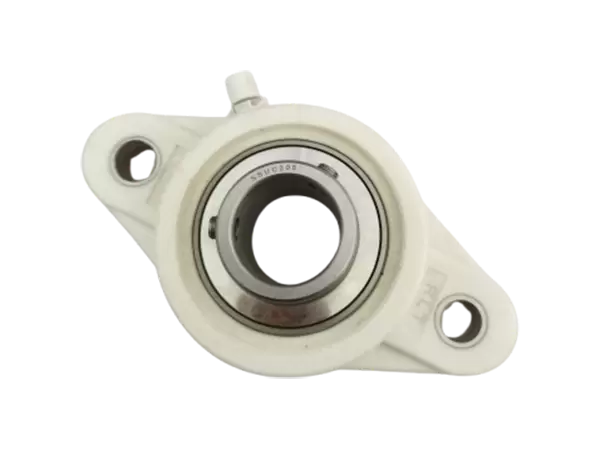
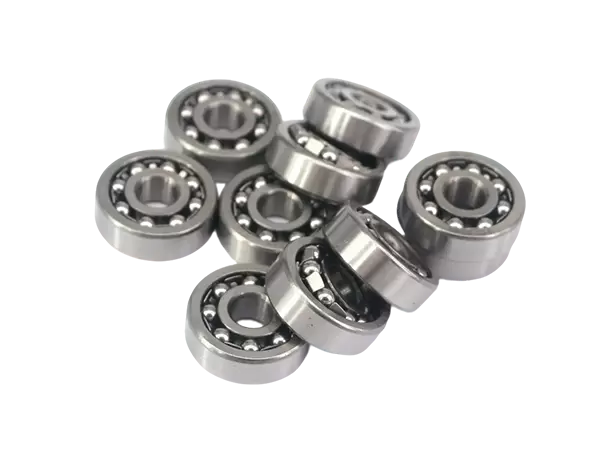
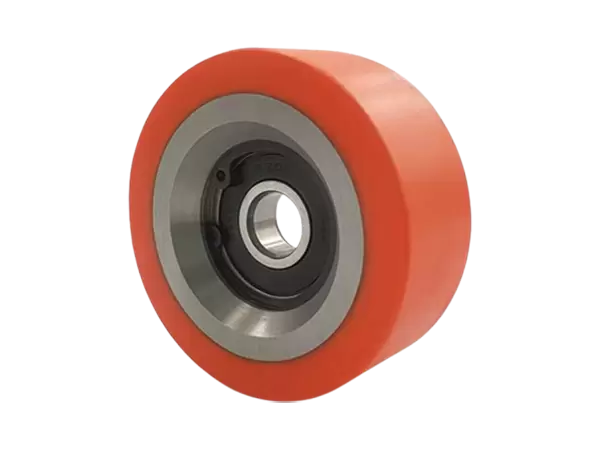
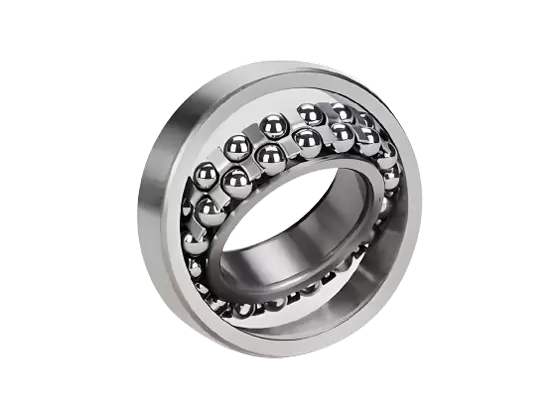
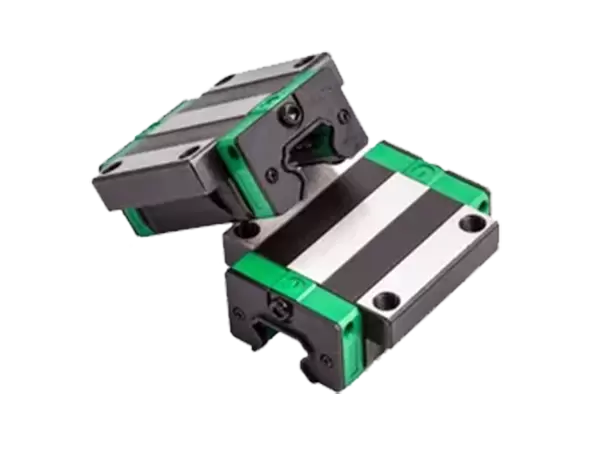
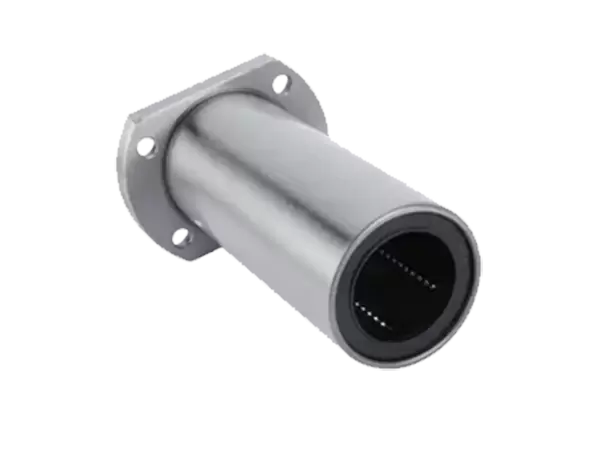
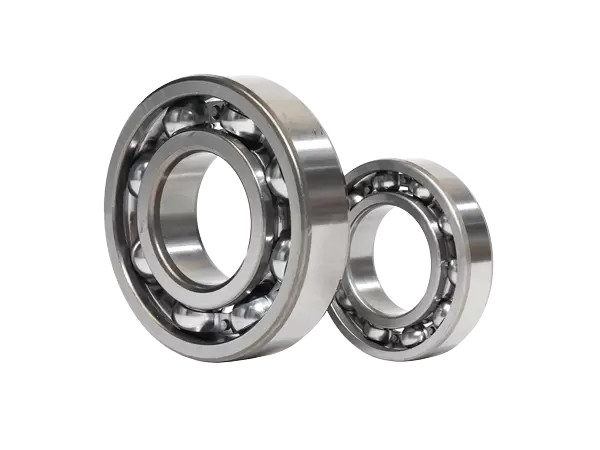
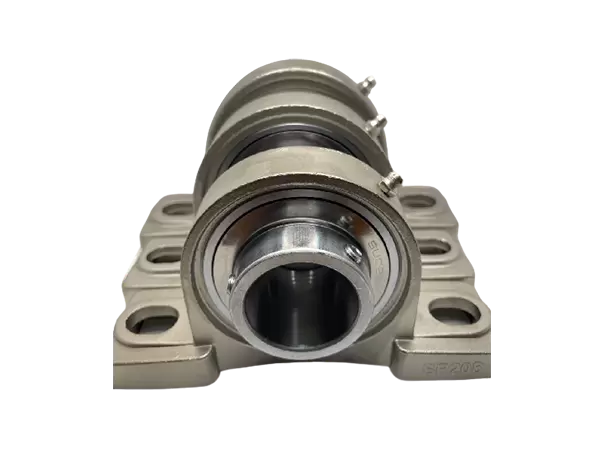
Expected ranges vary by bearing type:


A four-tier alarm scheme builds on these figures:
The 80°C vs 90°C discrepancy comes from differences in equipment type and manufacturer standards. Always refer to the equipment manual.
Temperature rise (ΔT = bearing temperature − ambient). +20–40°C is normal; +50–60°C warrants attention; +70°C signals a problem. Rise reflects the equipment's own heat and cooling far better than a single absolute reading.
Trend. Even below the limit, a 10–15°C rise above baseline is a warning, and 20–25°C is an alarm. Because ambient and load shift readings, the trend usually tells you more than any one value.
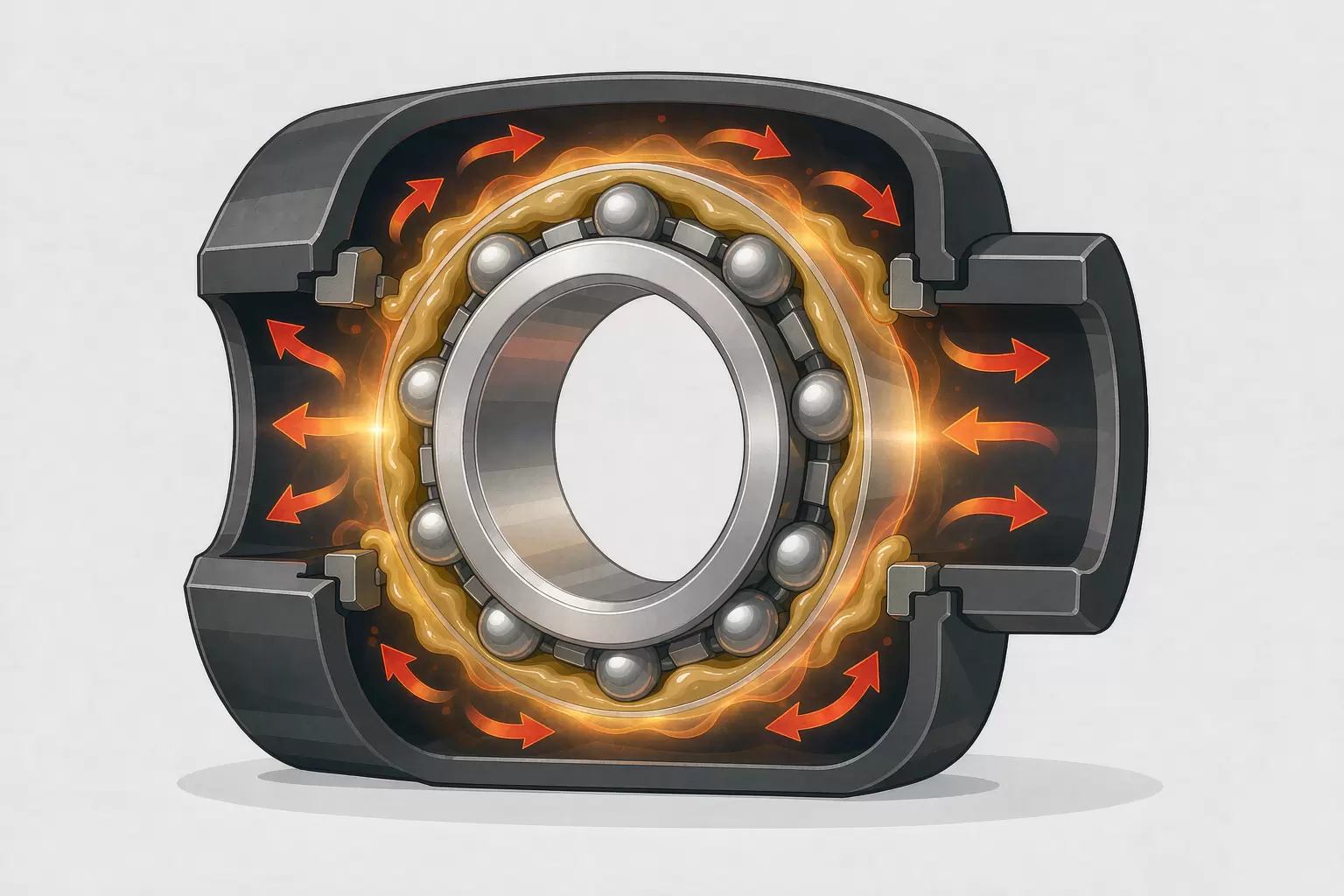
Four common causes of abnormal heat:
Rule of thumb: roughly every 15°C rise halves grease life — so early detection pays off.