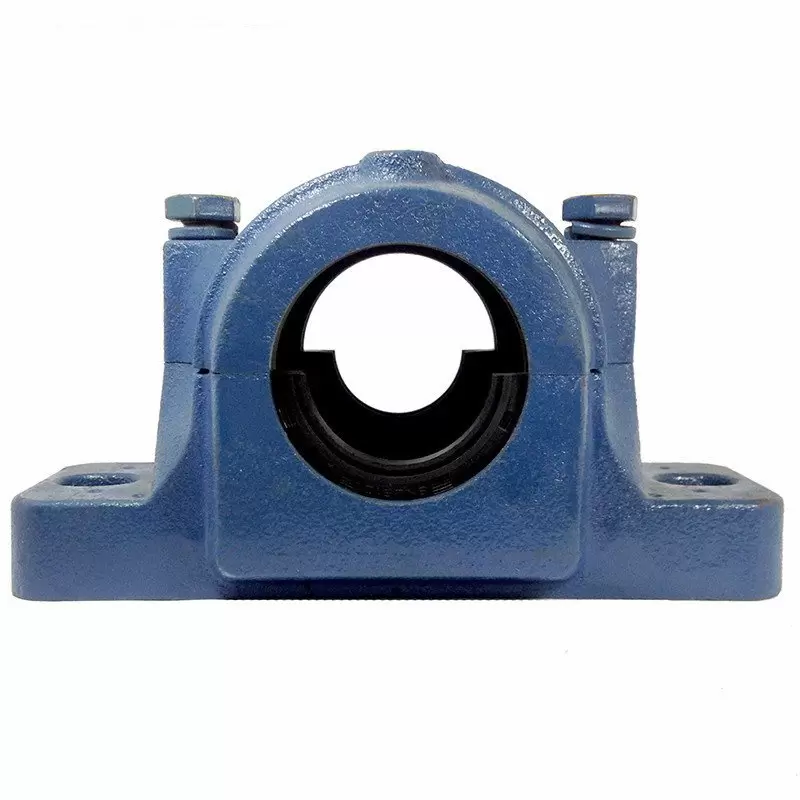
Why Industrial Bearing Downtime Remains a Costly Challenge
Unexpected bearing failure can interrupt production, increase maintenance requirements, and place additional pressure on equipment operators. In heavy machinery, gearboxes, agricultural equipment, transportation equipment, industrial automation, and material processing machinery, bearing performance directly affects operating continuity. A single row tapered roller bearing can help address these challenges by supporting combined loads while maintaining controlled motion and accurate shaft guidance.
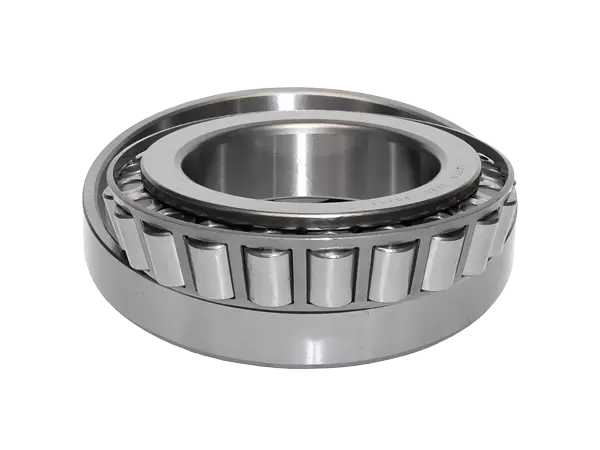
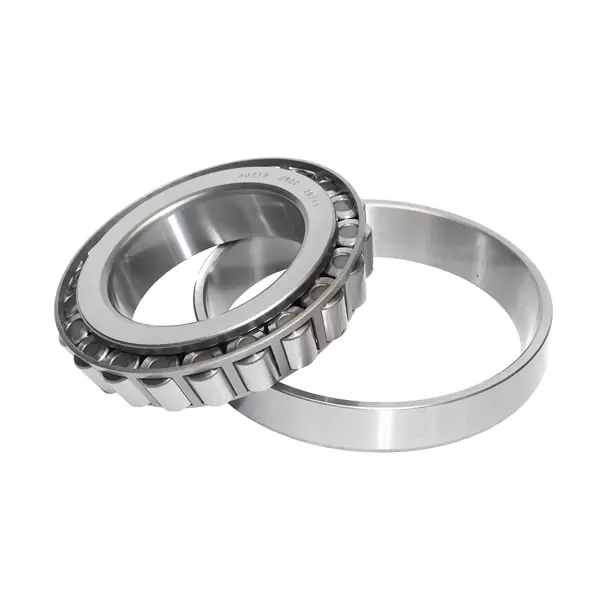
Unlike bearing arrangements designed primarily for radial loading, tapered roller bearings use tapered raceways and rollers to transfer loads efficiently. Their geometry allows them to accommodate substantial radial loads together with axial forces in one direction. This makes them particularly useful where equipment experiences changing or combined loads during continuous operation. When correctly selected, installed, lubricated, and adjusted, they can contribute to longer service intervals and fewer unplanned bearing replacements.
How Single Row Tapered Roller Bearings Help Control Downtime
Bearing downtime is rarely caused by one factor alone. Excessive loading, incorrect clearance, poor lubrication, contamination, installation errors, and unsuitable bearing selection can gradually increase wear until equipment performance becomes unstable. The design of single row tapered roller bearing provides several characteristics that help control these risks when the bearing is matched correctly to its working conditions.
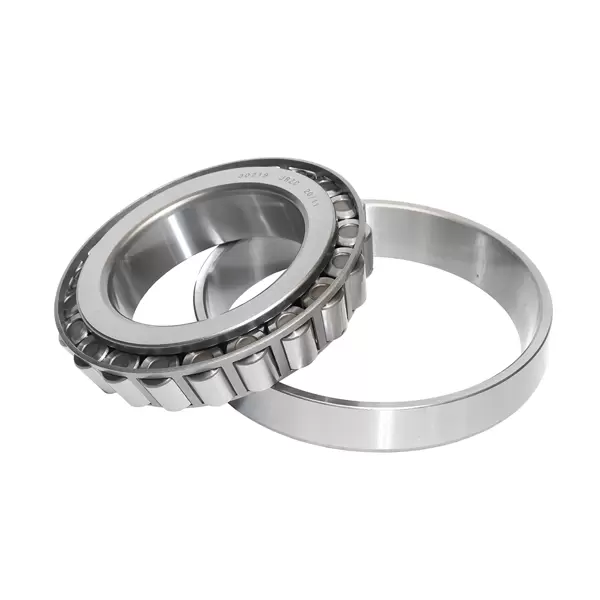
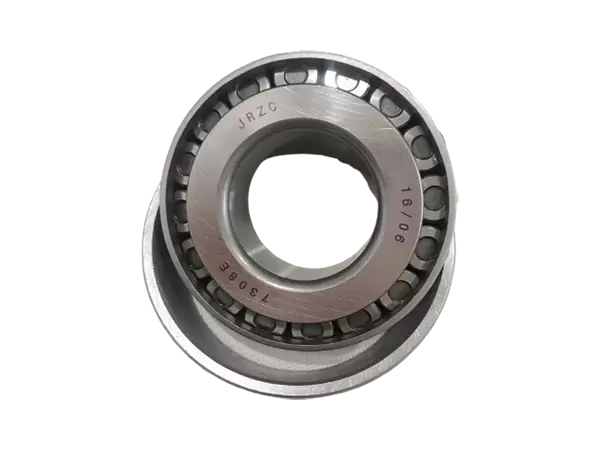
The tapered geometry of the inner ring, outer ring, and rollers creates an effective load transmission path. This design supports high load capacity while maintaining rigidity and precise guidance. Because axial loading generates a corresponding radial component, these bearings are commonly arranged in pairs, allowing engineers to establish the required clearance or preload for the application.
The separable construction is another practical advantage. The inner ring and roller assembly can be handled independently from the outer ring, which can simplify mounting, inspection, and replacement. For maintenance teams, easier access to individual bearing components can reduce installation complexity and help shorten equipment service periods.
Load Management Is Critical to Bearing Service Life
Industrial machinery rarely operates under perfectly stable loading conditions. Acceleration, deceleration, vibration, impact, shaft movement, and changing operating loads can all affect bearing performance. Choosing a single row tapered roller bearing for heavy load applications therefore requires more than matching shaft diameter or housing dimensions.
Engineers should consider the magnitude and direction of radial and axial loads, operating speed, lubrication conditions, temperature, mounting arrangement, and expected service duration. The bearing must have sufficient capacity for the actual operating environment without creating unnecessary friction or heat.
| Industrial concern | Bearing design consideration |
|---|
| Combined radial and axial loading | Correct load capacity and paired arrangement |
| Continuous operation | Suitable speed and lubrication conditions |
| Frequent maintenance | Separable components for easier handling |
| Shaft positioning | Appropriate clearance or preload |
| Heavy machinery loads | Adequate rigidity and load distribution |
| Contaminated environments | Suitable sealing and maintenance practices |
A properly selected tapered roller bearing can therefore contribute to more predictable equipment operation. The goal is not simply to increase bearing capacity, but to create a balanced arrangement in which load, speed, lubrication, clearance, and mounting conditions work together.
Single Row Tapered Roller Bearing Selection for Industrial Equipment
Selecting an industrial bearing based only on dimensions can create long-term problems. A bearing that physically fits the shaft and housing may still be unsuitable for the actual load or operating speed. For this reason, single row tapered roller bearing selection should begin with the operating conditions rather than the available space alone.
For gearboxes and transmission equipment, load direction and shaft positioning are particularly important. Automotive hubs may experience substantial radial loads together with axial forces, while construction and mining machinery can introduce vibration and shock. Agricultural equipment may operate under changing loads and demanding environmental conditions. These differences require careful consideration of bearing arrangement and operating conditions.
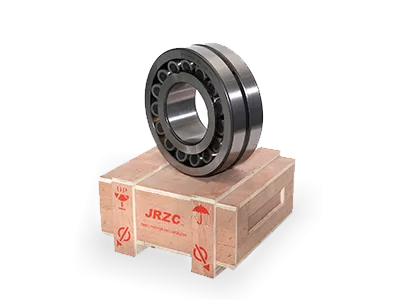
JRZC focuses on tapered roller bearing manufacturing for applications where load capacity, guidance, and operating stability are important. Its single row tapered roller bearings are intended for a broad range of industrial applications, including mining machinery, agriculture, construction, transportation, industrial automation, food machinery, power tools, and smelting equipment.
Why Bearing Arrangement and Preload Matter
A single tapered roller bearing primarily accommodates axial load in one direction. In practical applications, two bearings are therefore often positioned against each other to support axial forces in both directions and establish the required shaft location. The adjustment of clearance or preload is important because incorrect adjustment can negatively affect bearing performance.
Excessive clearance may allow unwanted shaft movement and contribute to uneven load distribution. Excessive preload, on the other hand, can increase friction, operating temperature, and wear. A properly adjusted single row tapered roller bearing arrangement provides a controlled relationship between load capacity, rigidity, friction, and shaft positioning.
This is particularly important in gearboxes, wheel hubs, and industrial drives where accurate shaft guidance is necessary. Proper mounting practices should always follow the bearing design and the equipment manufacturer's requirements rather than relying on general assumptions.
Reducing Maintenance Problems Through Better Bearing Performance
Reducing industrial bearing downtime requires attention to the complete operating process. Bearing replacement alone cannot solve recurring failures if the underlying cause is excessive load, contamination, insufficient lubrication, incorrect installation, or unsuitable adjustment. Maintenance teams should monitor abnormal noise, vibration, temperature changes, lubrication condition, and unusual wear patterns.
A single row tapered roller bearing for industrial machinery can provide high load capacity and precise guidance, but these advantages depend on appropriate operating conditions. Clean handling during installation is especially important because contamination can damage rolling surfaces and accelerate fatigue. Lubrication must also be compatible with the application and maintained at an appropriate level.
Preventive inspection can further reduce the possibility of unexpected shutdowns. Rather than waiting for visible bearing damage, maintenance personnel can use operating indicators to identify changes at an early stage. This approach helps companies schedule maintenance during planned production periods and reduce the operational impact of bearing replacement.
Applications Where Downtime Reduction Matters Most
The versatility of tapered roller bearings makes them suitable for many industries where equipment availability is important. In mining machinery, bearings may need to withstand heavy loads and demanding operating environments. Construction equipment can experience substantial shock and variable loading, making load management and bearing rigidity important considerations.
Agricultural machinery often operates under changing working conditions, while transportation equipment requires dependable rotational performance. Industrial automation equipment can place greater emphasis on accurate movement and stable shaft guidance. Food machinery and power tools may have different operating requirements, but bearing selection remains important for maintaining consistent mechanical performance.
Smelting and other heavy industrial applications can introduce demanding temperatures, loads, and operating cycles. Across these applications, the objective remains similar: select a bearing arrangement that matches the actual mechanical requirements and supports stable operation over the intended service period.
Choosing JRZC for Single Row Tapered Roller Bearings
For overseas buyers sourcing industrial bearings, manufacturing consistency is an important consideration alongside bearing design. JRZC single row tapered roller bearings are developed for applications requiring combined load support, rigidity, precise guidance, and smooth rotational performance.
The separable construction also supports practical installation and maintenance requirements. By selecting the appropriate bearing configuration for the working load, speed, lubrication, and mounting arrangement, equipment manufacturers and maintenance teams can reduce avoidable bearing-related interruptions.
The most effective approach is to evaluate the complete operating environment before specifying a bearing. When load conditions, shaft arrangement, clearance, lubrication, and maintenance requirements are considered together, tapered roller bearings can become an important part of a broader strategy for reducing industrial bearing downtime.
FAQ
What is a single row tapered roller bearing used for?
A single row tapered roller bearing is designed to support primarily radial loads combined with axial forces in one direction. Common applications include gearboxes, automotive hubs, mining machinery, agricultural equipment, construction machinery, transportation equipment, and industrial machinery.
Why are tapered roller bearings often mounted in pairs?
Because a single bearing primarily supports axial load in one direction, two bearings are commonly arranged together to accommodate axial forces in opposite directions. The arrangement also allows engineers to establish suitable clearance or preload for shaft positioning and operating stability.
How can these bearings help reduce industrial downtime?
A correctly selected and maintained bearing can support high loads, provide accurate guidance, and maintain stable rotation. Its separable construction can also simplify installation and replacement, helping maintenance teams reduce unnecessary service time.
What factors should be considered when selecting one?
Important factors include radial and axial loads, operating speed, temperature, lubrication, mounting arrangement, clearance or preload, shaft and housing conditions, and the working environment. Dimensional compatibility alone is not enough to ensure suitable bearing performance.
Are single row tapered roller bearings suitable for heavy machinery?
Yes. Their tapered geometry provides high load capacity and rigidity, making them suitable for many heavy-duty applications. However, the bearing must be properly selected and adjusted according to the actual operating conditions of the machinery.
How can bearing life be supported in industrial applications?
Correct installation, suitable lubrication, clean handling, appropriate adjustment, and regular inspection are essential. Monitoring vibration, temperature, noise, and lubrication condition can also help identify potential problems before they develop into major equipment downtime.