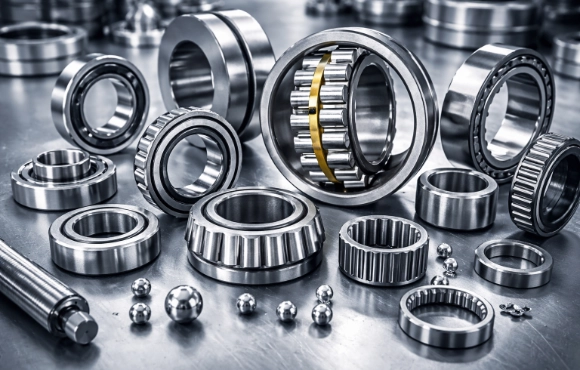
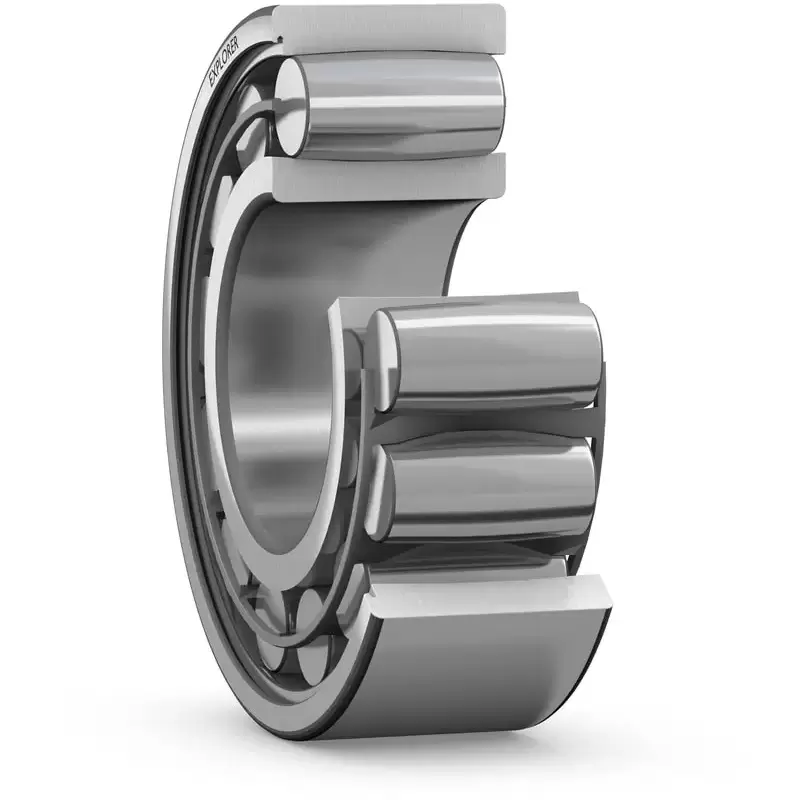
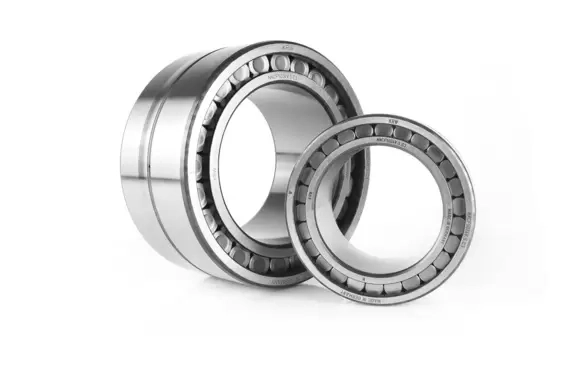
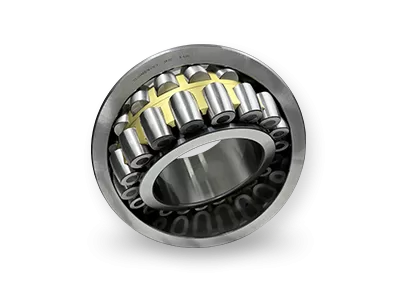
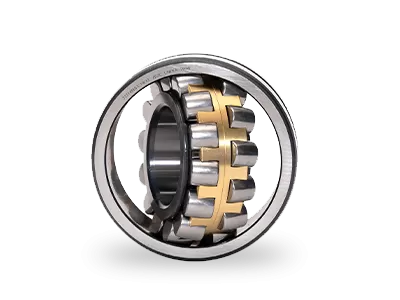
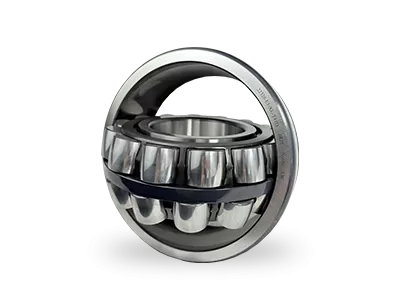
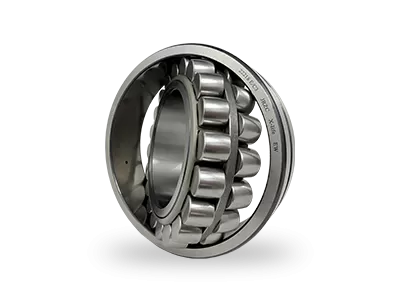
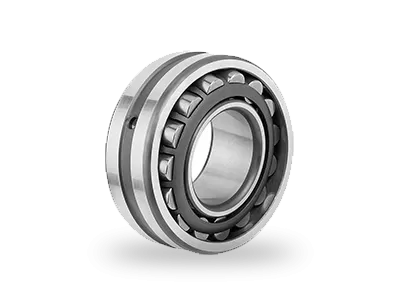
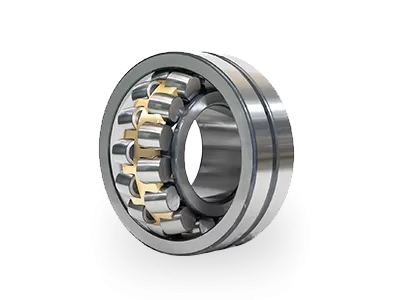
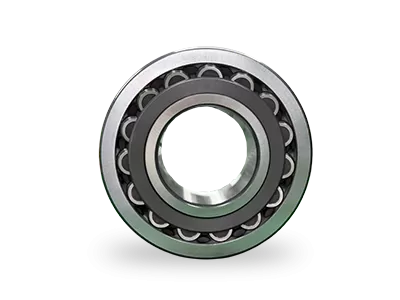
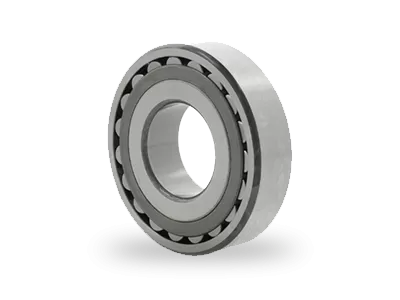
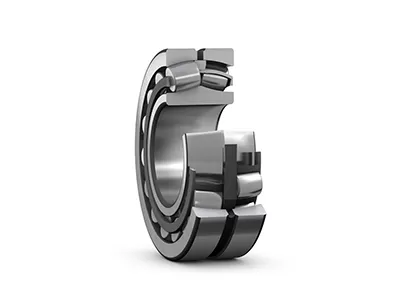
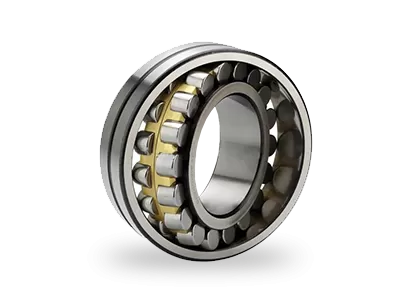
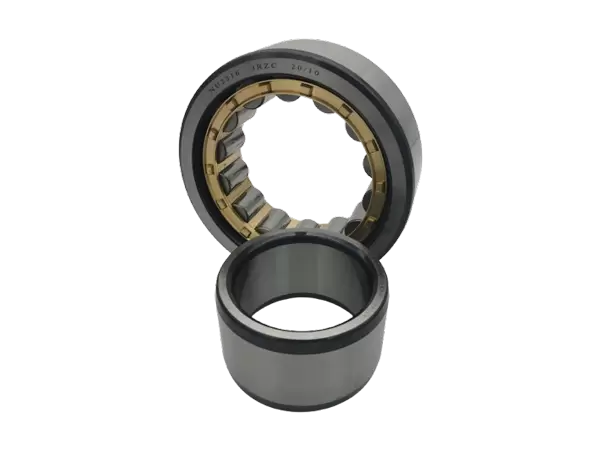
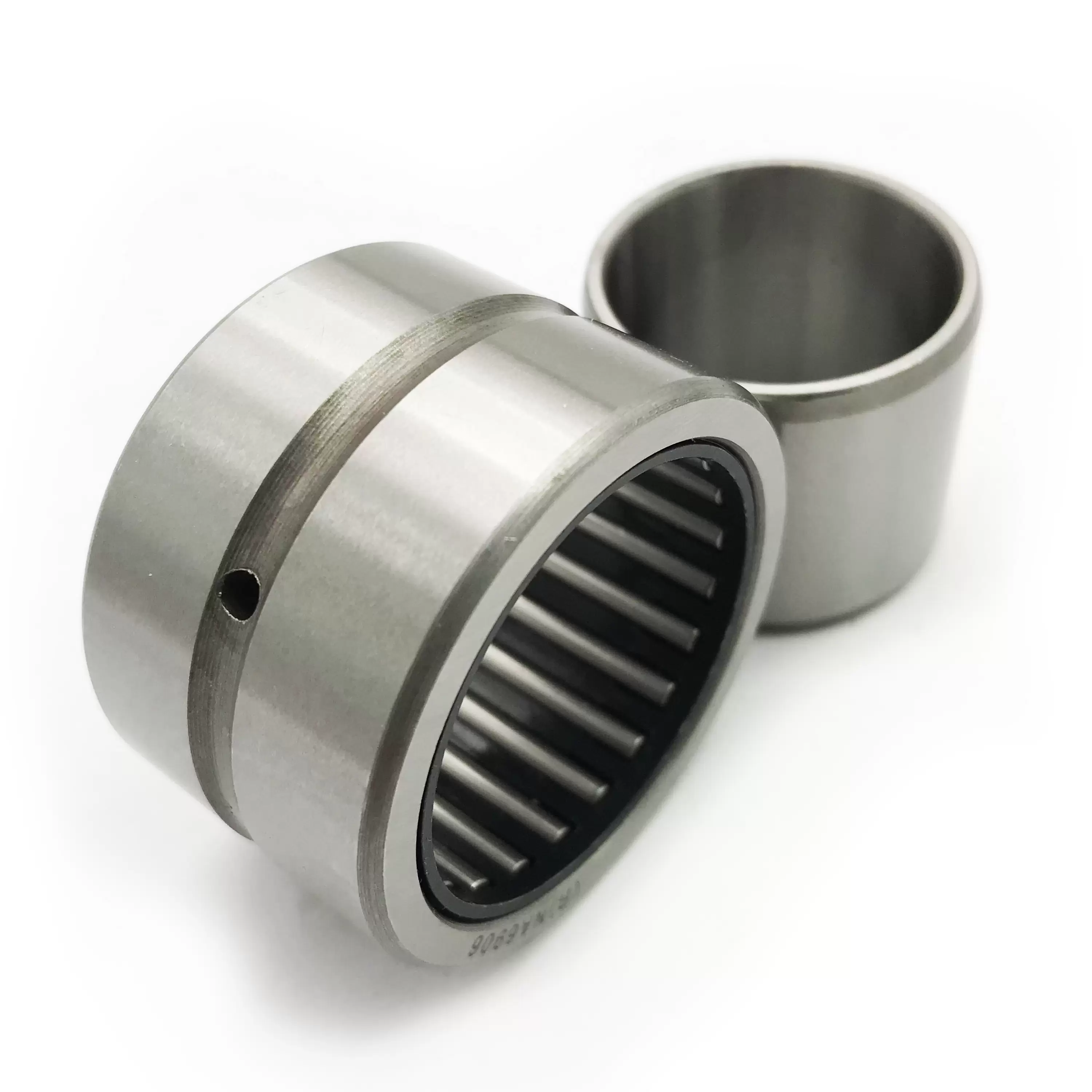
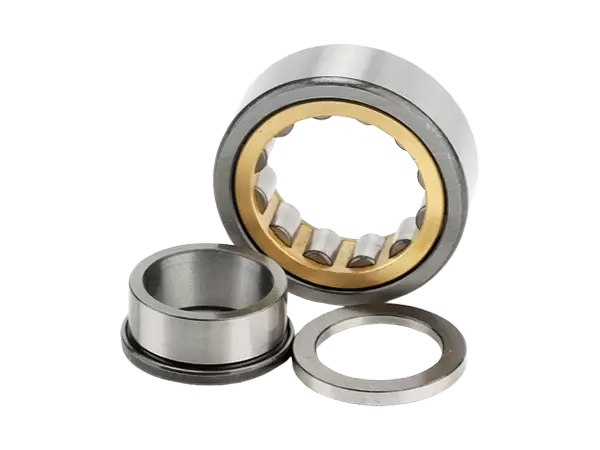
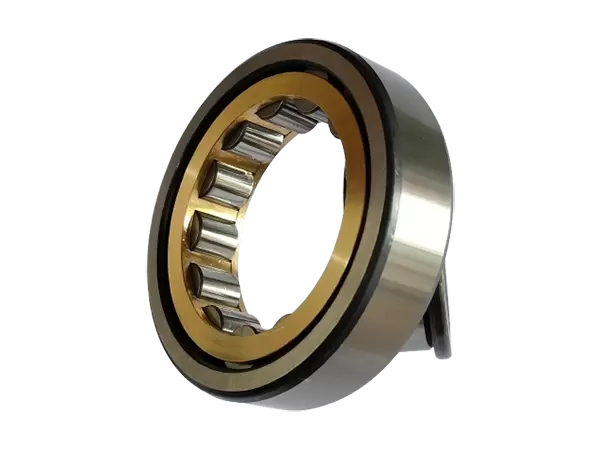
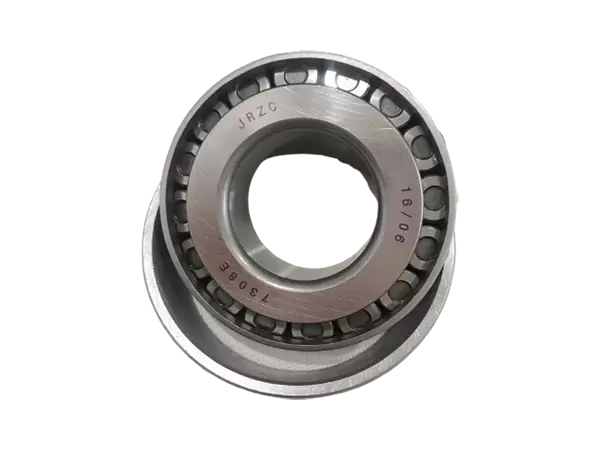
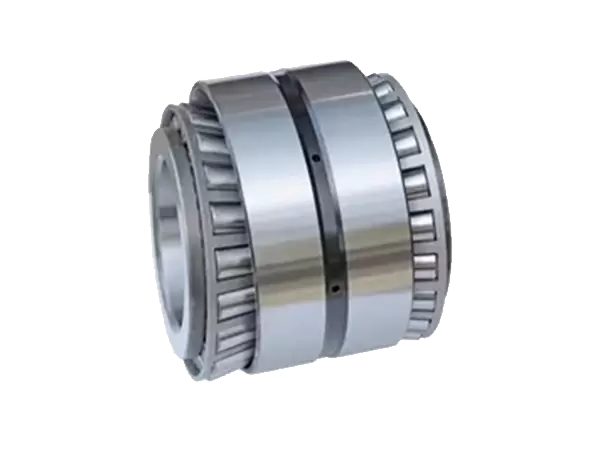
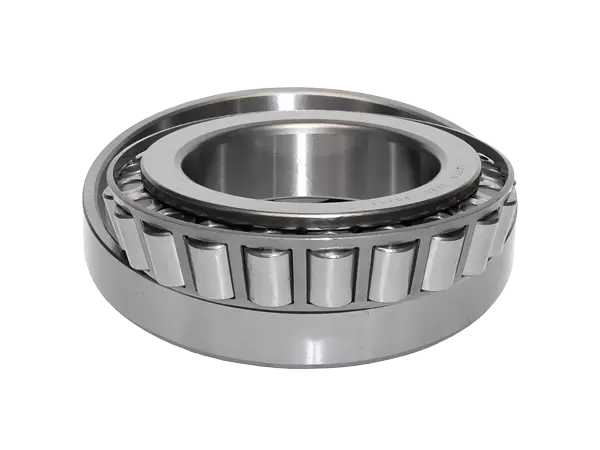
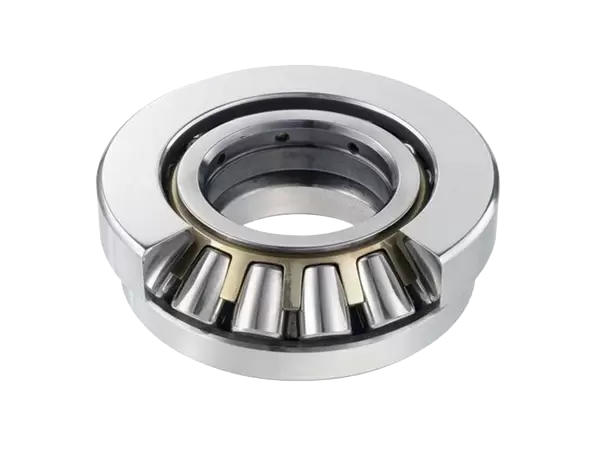
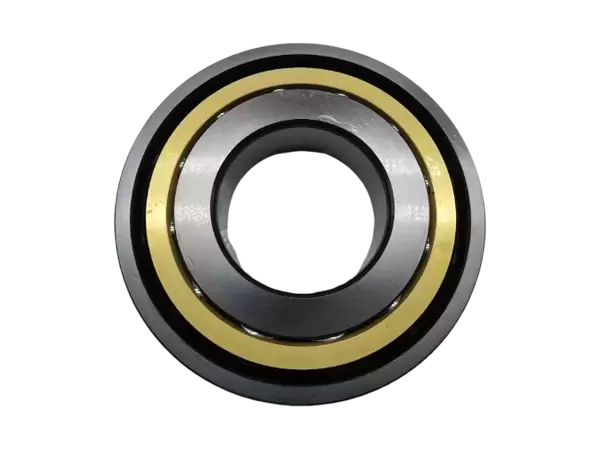
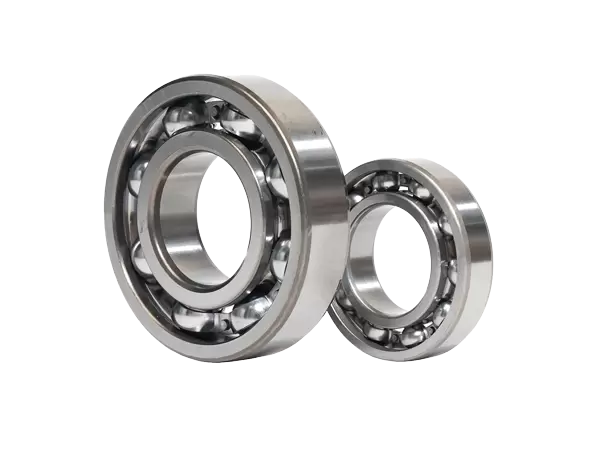
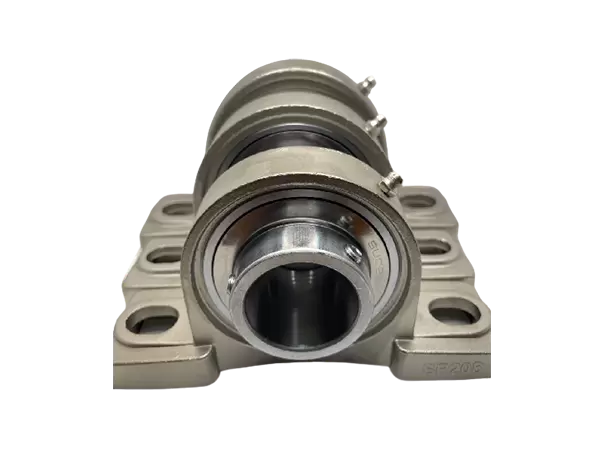
Spherical roller bearings are widely used in heavy industrial equipment because they can accommodate substantial radial loads, support axial loads in both directions within their design limits, and compensate for a degree of angular misalignment. However, these advantages do not eliminate the risks associated with incorrect mounting. Poor preparation, unsuitable fits, excessive installation force, incorrect internal clearance, and inadequate lubrication can all shorten bearing service life.
Effective spherical roller bearing installation requires more than fitting the bearing onto a shaft. The shaft, housing, mounting method, lubrication arrangement, and operating conditions must work together to maintain the intended internal geometry. For equipment manufacturers and maintenance teams, identifying common installation errors before startup can help reduce premature wear, unexpected downtime, and unnecessary replacement costs.
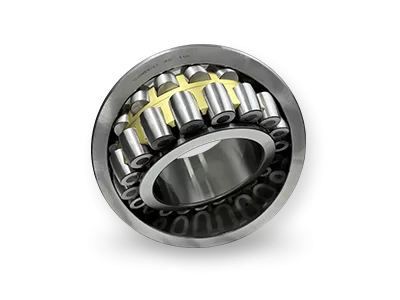
Installation quality begins before the bearing reaches the shaft. Dirt, metal particles, moisture, and residue from previous maintenance can contaminate rolling surfaces or interfere with accurate seating. Even small contaminants may create localized stress, increase friction, or damage precision-finished surfaces during operation.
Before mounting, inspect the shaft, housing, shoulders, and locating surfaces for corrosion, burrs, scratches, and wear. Confirm that dimensions and tolerances meet the bearing manufacturer's specifications. Cleaning tools and work surfaces should also be suitable for precision components, and the replacement bearing should remain protected until installation is ready to begin.
A clean installation environment and accurate dimensional inspection help prevent problems that might otherwise be mistaken for bearing quality issues after the equipment enters service.
Incorrect Fits and Mounting Force
One of the most common causes of premature bearing damage is applying an unsuitable fit or mounting method. The required fit depends on the rotating load, shaft and housing materials, operating temperature, and mechanical arrangement. An excessively tight fit can reduce internal clearance, while an excessively loose fit may allow unwanted movement between mating surfaces.
During mounting, force must be applied to the ring being fitted. When installing a bearing onto a shaft, the mounting force should act through the inner ring rather than pass through the rolling elements. When fitting the outer ring into a housing, the force should be applied to the outer ring. Transmitting mounting force through the rollers can cause indentation and damage that may not be immediately visible.
Avoid uncontrolled hammering or makeshift mounting tools. Depending on bearing size and design, an approved mechanical or hydraulic method, or a manufacturer-recommended heating procedure, may be more appropriate. Heating limits and handling precautions must follow the manufacturer's instructions.
Internal Clearance Must Be Checked During Installation
Internal clearance is a critical factor in spherical roller bearing performance. It determines how much relative movement is possible between the rolling elements and raceways before operating conditions are considered. If mounting reduces clearance excessively, friction and temperature can rise. If the remaining clearance is too large, load distribution and running stability may be affected.
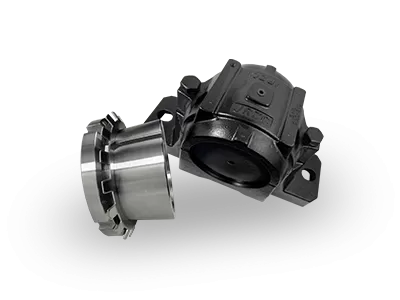
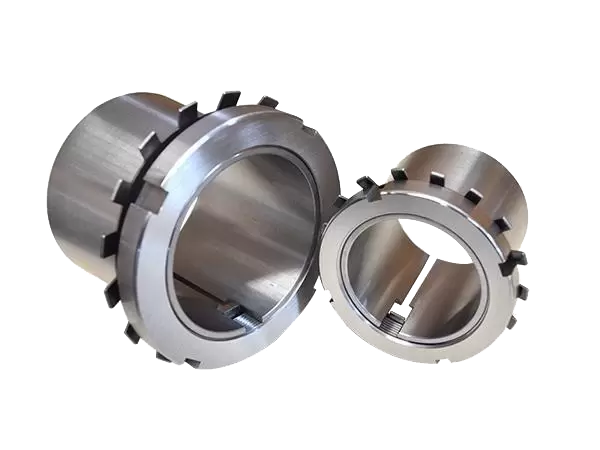
The correct setting depends on the bearing design, initial clearance, shaft fit, operating temperature, and expected thermal expansion. For bearings with a tapered bore, mounting onto a tapered shaft or compatible adapter sleeve changes the fit and reduces internal clearance. This reduction must be measured or verified using the procedure specified by the manufacturer rather than estimated from mounting force alone.
| Installation factor | Potential consequence | Recommended control |
|---|
| Excessive interference | Reduced clearance and increased heat | Verify shaft and housing fits |
| Insufficient interference | Ring creep and surface wear | Match fit to load conditions |
| Excessive mounting force | Rolling surface damage | Apply force to the correct ring |
| Incorrect clearance reduction | Overheating or unstable running | Follow the specified measurement method |
| Shaft or housing misalignment | Uneven loading and vibration | Inspect alignment before startup |
Alignment Errors and Housing Problems
Although spherical roller bearings can accommodate a degree of angular misalignment, this capability should not be treated as permission to ignore shaft and housing accuracy. The permitted misalignment varies with bearing design, load, speed, and internal geometry. Excessive deviation can still produce uneven contact, higher friction, and accelerated fatigue.
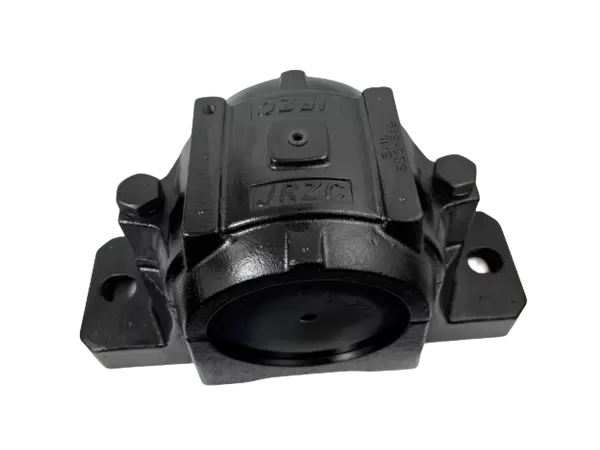
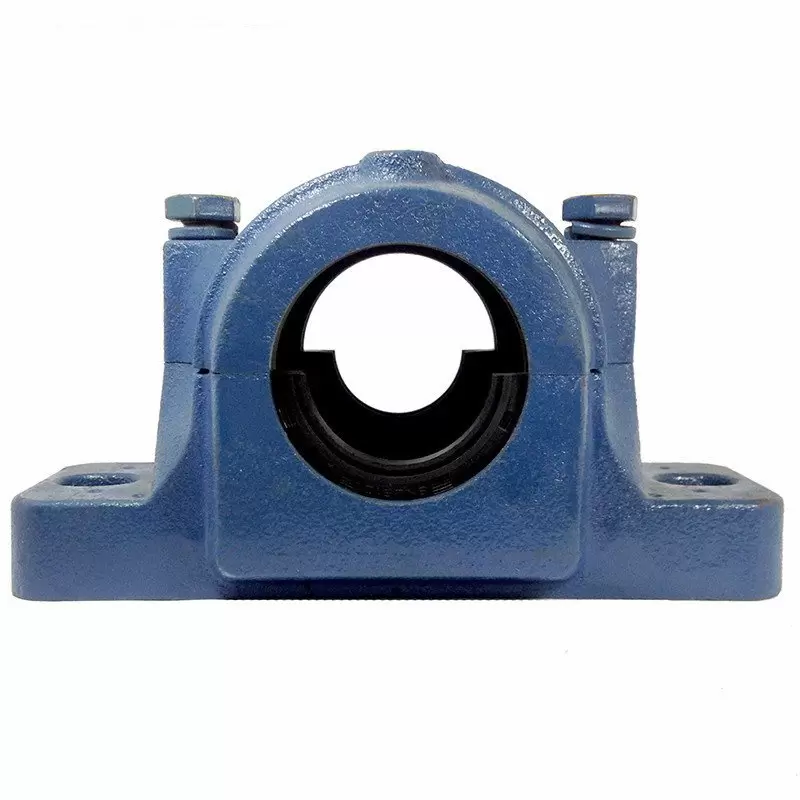
Housing distortion, damaged shoulders, incorrect seating, and poor alignment between connected components can all interfere with bearing operation. Before final assembly, verify that the shaft and housing are clean, dimensionally correct, and properly aligned. Confirm that locating surfaces support the bearing rings as intended and that the housing does not introduce unwanted distortion during tightening.
For heavy industrial equipment, these checks are particularly important because bearing loads can change significantly during operation. A bearing may rotate freely during a basic hand check yet experience abnormal stress once the machine is carrying its normal working load.
Lubrication Mistakes and Contamination Risks
Lubrication errors can undermine the benefits of correct mounting. Too little lubricant may increase friction and wear, while an unsuitable lubricant can fail to maintain the required film under the actual load and temperature. Excessive grease filling can also cause churning and additional heat in arrangements that are not designed for it.
During spherical roller bearing installation, confirm the specified lubricant type, quantity, delivery method, and relubrication requirements. Keep lubricant containers, tools, and contact surfaces clean to prevent abrasive particles from entering the bearing. Seals and related components should be checked for damage and installed correctly to limit contamination during operation.
JRZC recommends evaluating lubrication and sealing as part of the complete bearing arrangement rather than treating them as separate maintenance concerns.
Startup Checks After Bearing Mounting
A successful installation should be verified before equipment returns to full load. Check that the bearing is correctly seated, locking components are secured, lubricant is present in the specified quantity, and all relevant clearances and fits have been confirmed. The shaft should rotate as expected without abnormal resistance or interference.
Where appropriate, begin with a controlled startup and monitor temperature, vibration, noise, and lubricant leakage. An unusual increase in temperature or a sudden change in vibration should prompt investigation rather than being dismissed as normal running-in behavior. Stop the equipment if conditions indicate a potential safety or bearing damage risk.
Recording installation measurements and startup observations also helps maintenance teams compare future performance and identify recurring problems.
A Practical Installation Checklist for Industrial Teams
A consistent procedure reduces dependence on individual experience and makes it easier to verify critical steps. The checklist below can support maintenance planning, although the specific procedure and acceptance limits must always follow the bearing manufacturer's instructions.
| Stage | Key inspection |
|---|
| Before mounting | Check bearing condition, shaft dimensions, and housing surfaces |
| During mounting | Use approved tools and apply force to the correct ring |
| Clearance verification | Measure the required clearance or mounting displacement |
| Final assembly | Confirm seating, locking components, and lubrication |
| Before startup | Check rotation, alignment, and installation records |
| After startup | Monitor temperature, vibration, noise, and leakage |
Choosing the Right Support for Bearing Installation
Not every installation follows the same procedure. Bearing size, bore type, shaft arrangement, operating speed, and load conditions can require different mounting methods. Large bearings may need specialized hydraulic equipment, while tapered-bore designs require particular attention to clearance reduction or specified drive-up distance.
For equipment manufacturers and maintenance teams, working with a knowledgeable bearing supplier can help resolve questions about fit tolerances, mounting procedures, and operating requirements. JRZC provides spherical roller bearing products and technical assistance to help customers evaluate bearing selection and application needs.
Correct installation is a combination of measurement, controlled mounting, and verification. By addressing contamination, fits, clearance, alignment, and lubrication before startup, users can reduce preventable bearing damage and support more consistent equipment performance.
Frequently Asked Questions
What is the most common spherical roller bearing installation error?
Incorrect internal clearance and unsuitable mounting fits are important causes of premature failure. Excessive mounting force, contamination, and misalignment can also damage the bearing or shorten its service life.
How should internal clearance be checked during installation?
Use the measurement method specified by the bearing manufacturer. For tapered-bore bearings, monitor clearance reduction or the prescribed drive-up distance as the bearing moves onto the tapered seat or sleeve. Do not rely on force or position alone unless the approved procedure specifically defines that method.
Can spherical roller bearings compensate for shaft misalignment?
They can accommodate a degree of angular misalignment within their design limits. However, this capability does not eliminate the need to inspect shaft alignment, housing geometry, and mounting accuracy.
Why does a bearing overheat after installation?
Possible causes include insufficient operating clearance, excessive interference, inadequate or unsuitable lubrication, contamination, excessive load, and misalignment. Temperature should be assessed alongside vibration, mounting measurements, and operating conditions to identify the cause.
How can premature bearing failure be reduced?
Inspect mounting surfaces, verify fits and clearances, use appropriate tools, maintain clean lubrication conditions, and follow the manufacturer's installation instructions. Controlled startup checks can help identify abnormal operating conditions before they lead to more extensive damage.
What information should be provided when consulting JRZC?
Useful information includes the bearing designation, shaft and housing dimensions, bore type, applied loads, operating speed, temperature, lubrication method, and installation arrangement. Drawings and details of the operating environment can help clarify the requirements for bearing selection and installation support.