
do tapered roller bearings need preload?

# Industry News 2026-07-03 Views: 21

Home > News > Industry News > do tapered roller bearings need preload?

Not necessarily. Whether preload is required depends entirely on the specific operating conditions. In some applications, preload is essential, while in others it is strictly not recommended.


✅ When Preload Is Required (Focus on Rigidity and Precision)

In the following applications, preload must be applied:

Machine tool spindles: Extremely high rotational accuracy and structural rigidity are required. Preload eliminates internal clearance and improves machining precision.
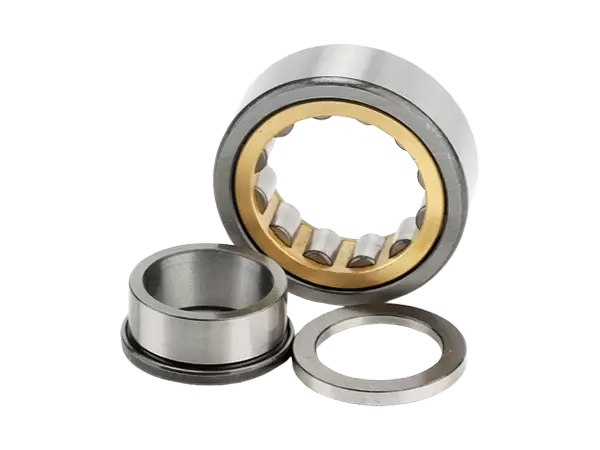
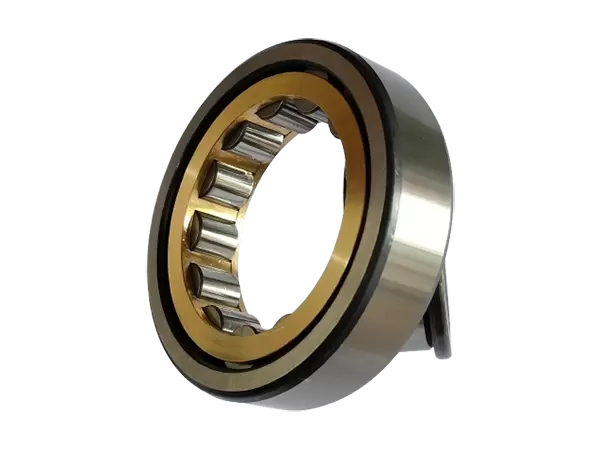
Automotive differentials / transmissions: Preload improves gear meshing stability and reduces vibration and noise.

Precision measuring instruments: Axial play must be eliminated to ensure repeatable positioning accuracy.

Benefits of preload:

  • Increases bearing stiffness (resistance to deformation)
  • Improves rotational accuracy
  • Reduces rolling friction and extends service life
  • Lowers operational noise

❌ When Preload Should Be Avoided (Focus on Load Capacity and Heat Resistance)

In the following applications, preload should not be applied, and a certain level of operating clearance is often required:

Heavy-duty truck wheel hubs: Extremely high loads and temperature rise may cause overheating and seizure if preload is applied.

Low-speed heavy-load equipment (e.g., rolling mills): Preload significantly increases friction torque and accelerates wear.

Environments with large temperature variations (e.g., outdoor equipment): Thermal expansion may exceed design limits, and preload can turn into excessive interference.

Reasons for avoiding preload:

  • Prevent bearing seizure due to thermal expansion
  • Reduce friction torque and power loss
  • Allow for thermal expansion of the shaft

🔧 Two Common Preload Methods

Preload methodPrincipleTypical application
Position (fixed) preloadUses lock nuts or spacers to fix the bearing in a precise position; preload is not adjustableMachine tool spindles
Constant-force preloadUses springs or elastic elements to maintain a constant force; preload remains stable with temperature changesHigh-speed applications (e.g., turbochargers)

⚠️ Important Notes

  • Preload must be precisely controlled: too small is ineffective, too large causes overheating and significantly shortens service life.
  • Preload is typically applied in paired bearings, such as face-to-face (DF) or back-to-back (DB) configurations, especially for tapered roller bearings. A single bearing cannot achieve preload on its own.
  • Factory internal clearance is only a reference: after preload, the operating clearance often becomes negative clearance (interference condition), which is calculated independently from the original clearance class.


Discover more