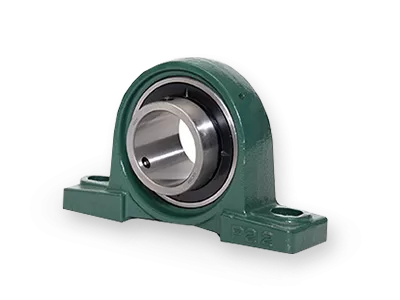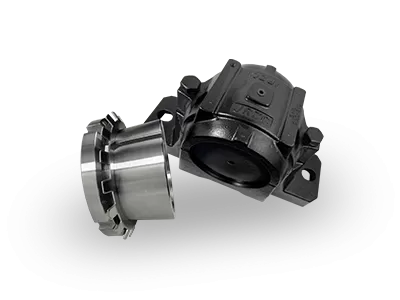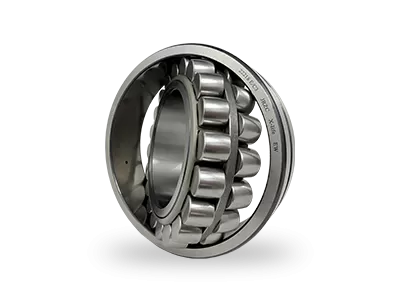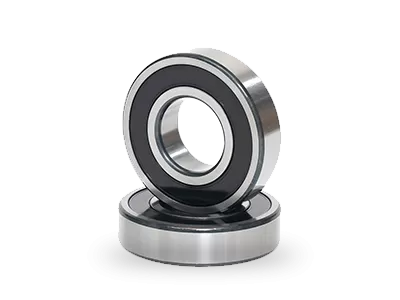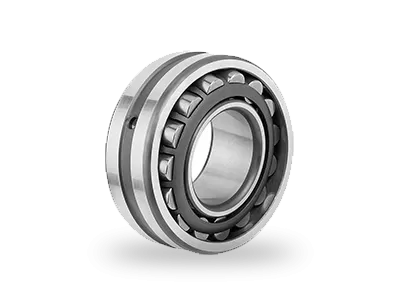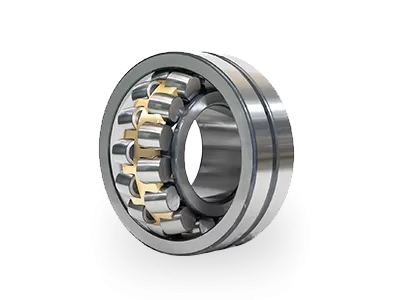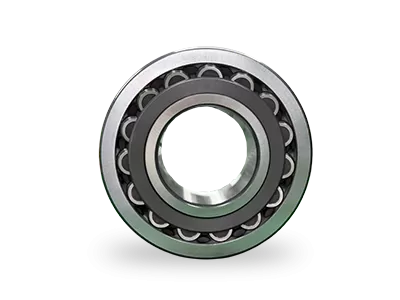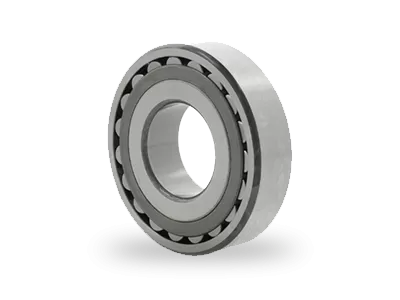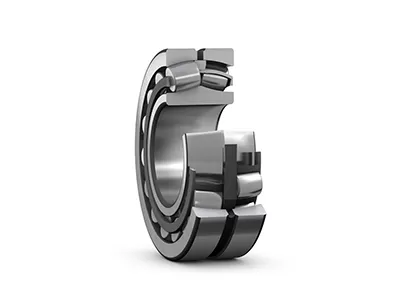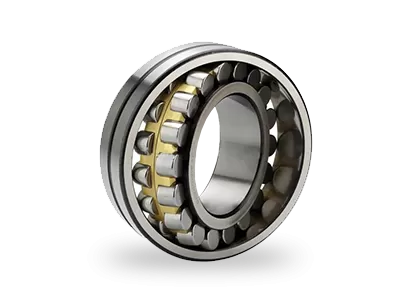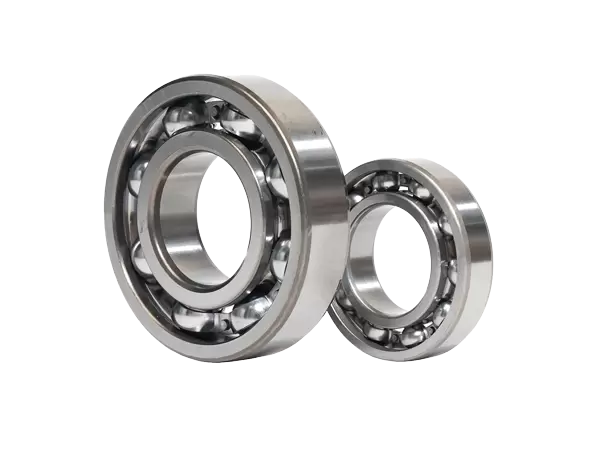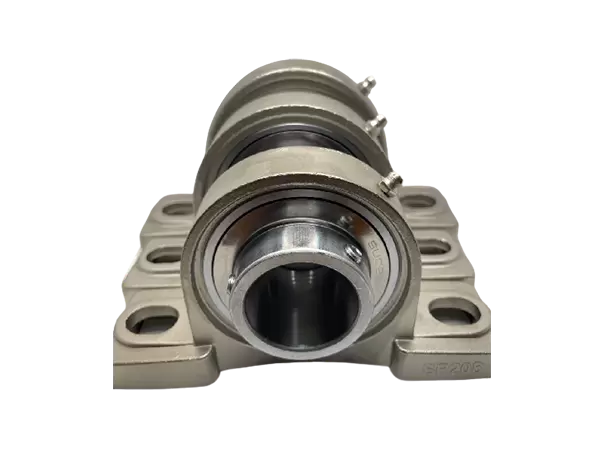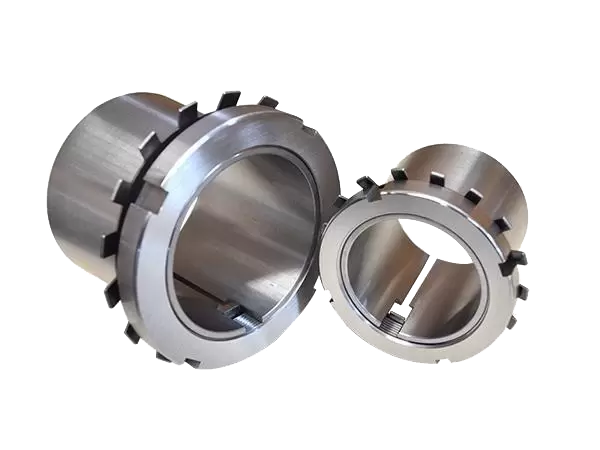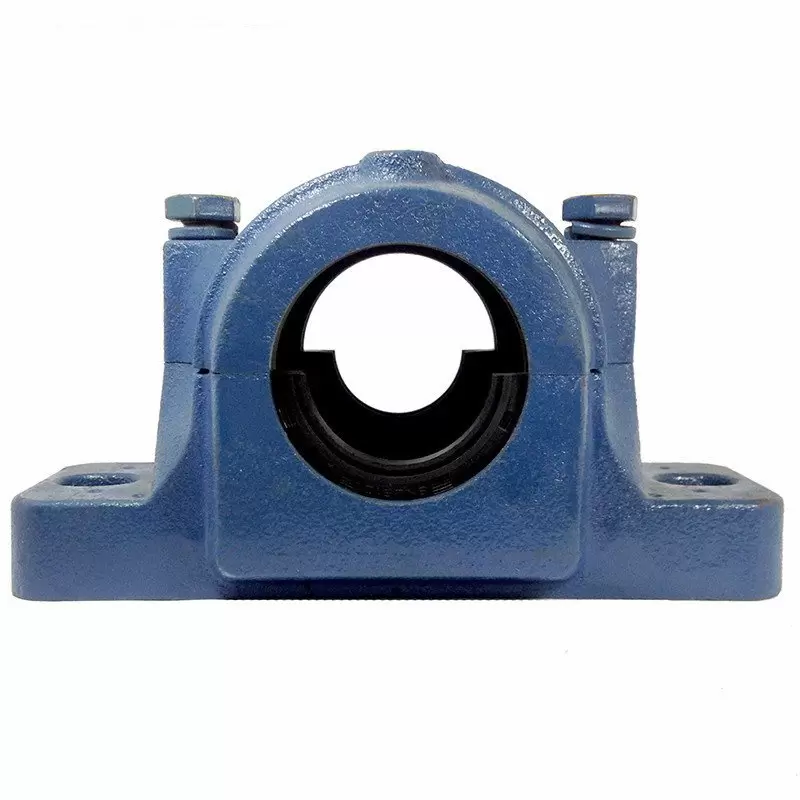

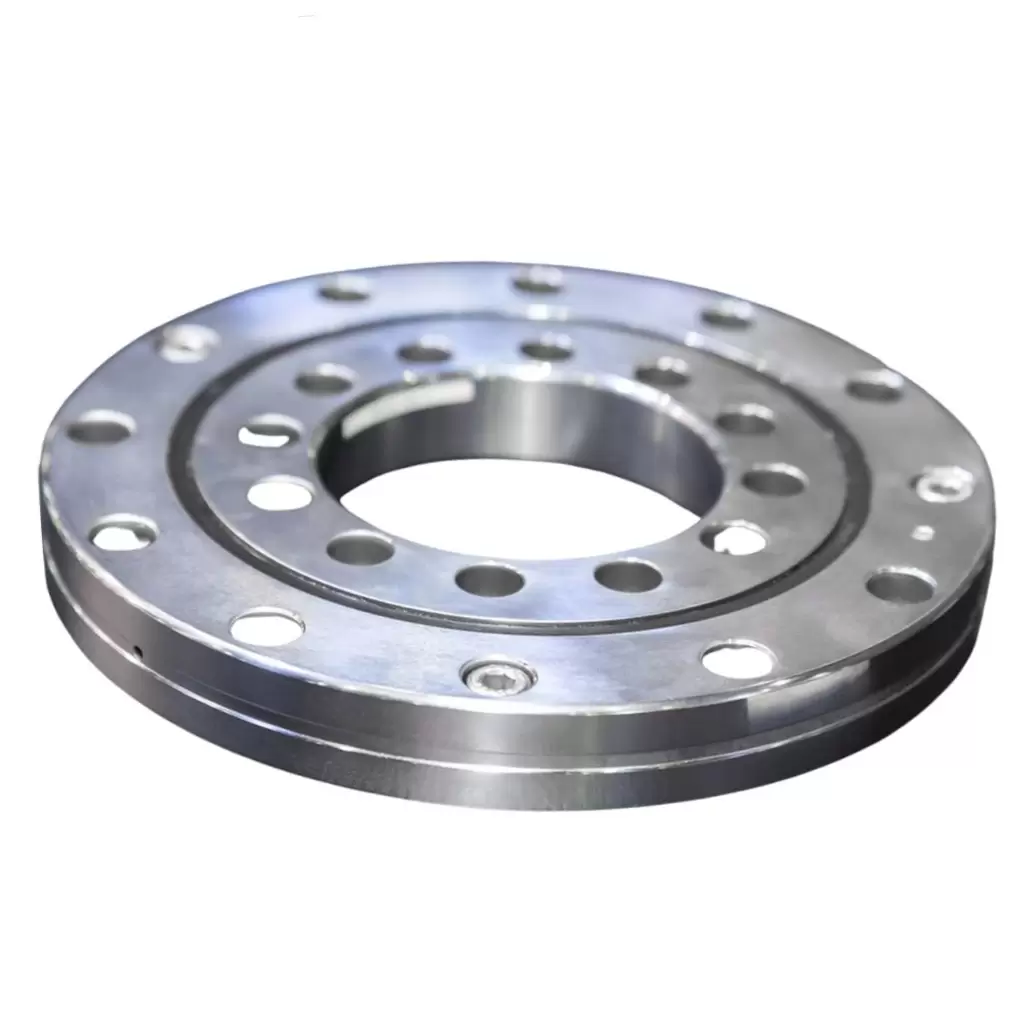
Their versatility comes from several key design features that solve common engineering problems:
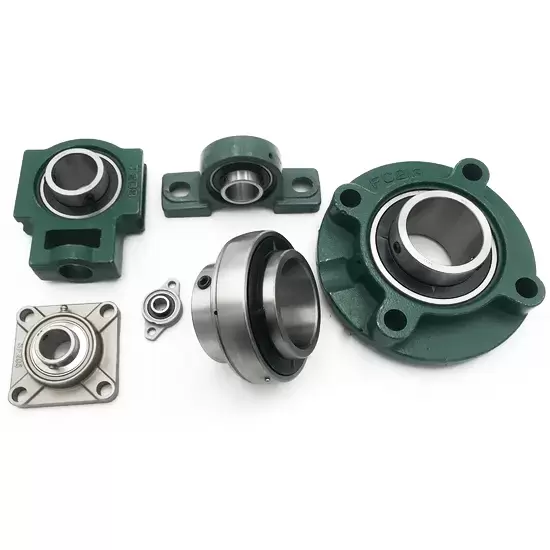
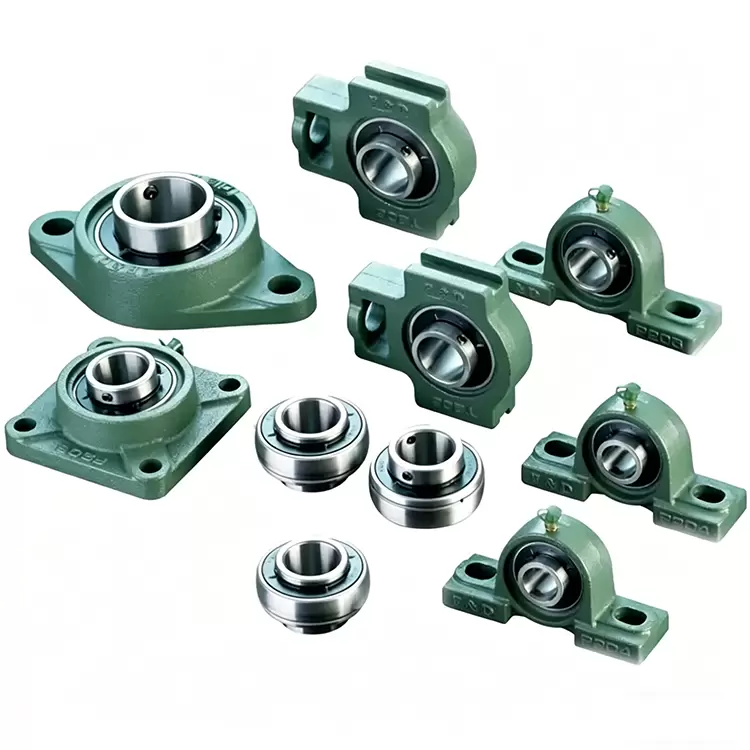
Alignment and Protection: Pillow blocks are bolted to a foundation, keeping the bearing stationary while the shaft rotates. Many designs are self-aligning, which means they can tolerate minor shaft misalignment or mounting inaccuracies without failing. The closed housing also protects the internal bearing from dust, dirt, and moisture, which greatly extends its lifespan.
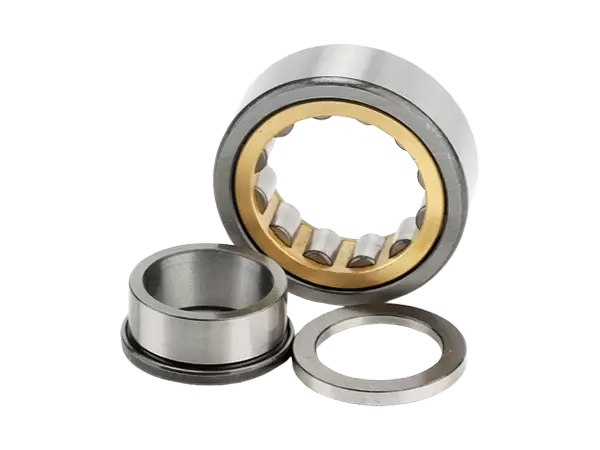
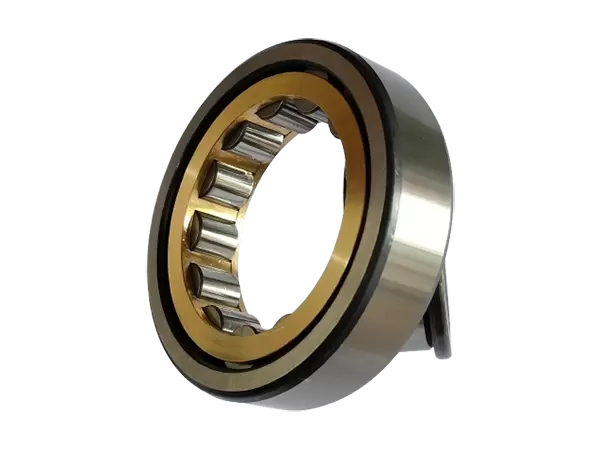
Load Support: They are designed to primarily support radial loads (forces perpendicular to the shaft), while also being able to handle minor thrust or axial loads.
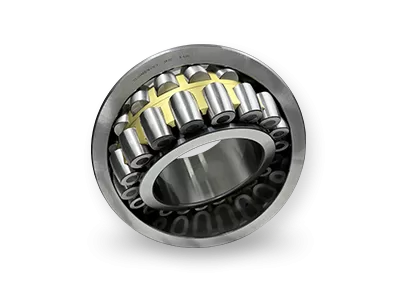
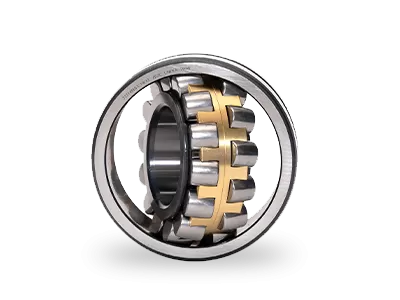
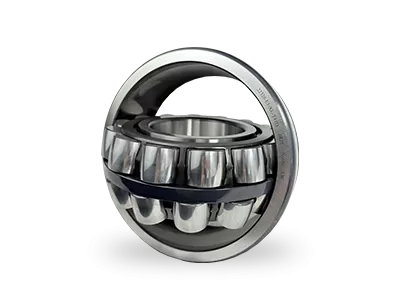
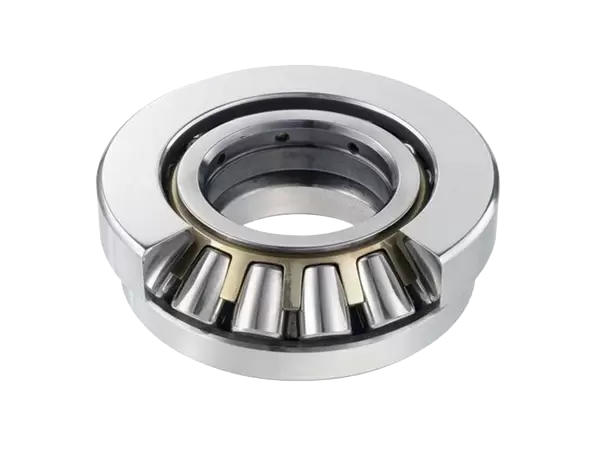
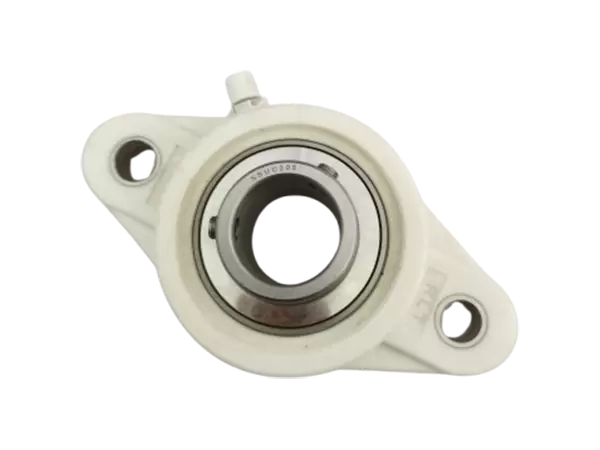
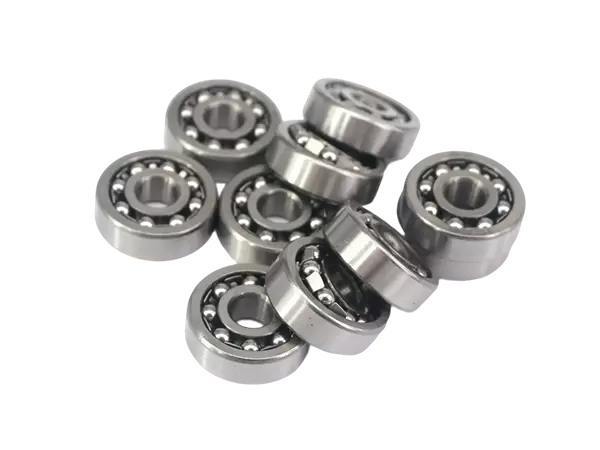
Maintenance and Customization: Many units feature a split housing design, which makes installation and replacement easy without needing to disassemble the entire shaft assembly. They are available in various materials (cast iron, stainless steel, resin) and with different bearing types (ball, roller) to suit specific load and environmental needs.
When selecting a pillow block, consider factors like the required load capacity (radial vs. axial), shaft diameter, environmental conditions (temperature, moisture, debris), and the need for self-alignment or relubrication features.
I hope this overview is helpful. Are you looking for information on a specific type, such as for high-temperature or sanitary applications?