Why Heat Becomes Critical Issue at High Rotational Speeds
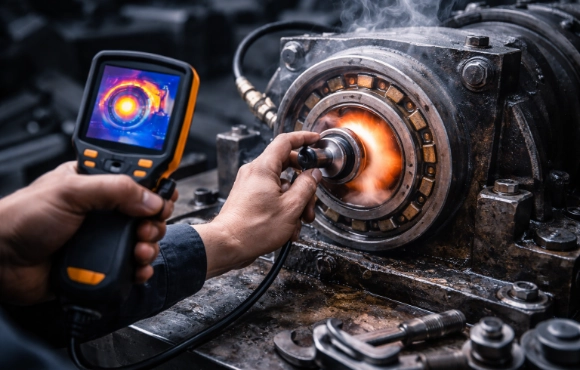
As rotational speed increases, bearing temperature becomes an important factor in operating stability, lubricant performance, and service life. High speed cylindrical roller bearings must manage friction generated at the roller-raceway contacts while maintaining controlled roller movement under continuous rotation. A bearing that performs well at moderate speed may behave differently when speed, radial load, acceleration, and lubrication conditions change significantly.
Heat is not generated by one component alone. Rolling contact, cage movement, lubricant resistance, internal sliding, and friction around the guiding surfaces can all contribute to temperature rise. For this reason, high-speed bearing selection should consider the complete operating condition rather than focusing only on the nominal rotational speed.
How Cylindrical Roller Geometry Influences Heat Generation
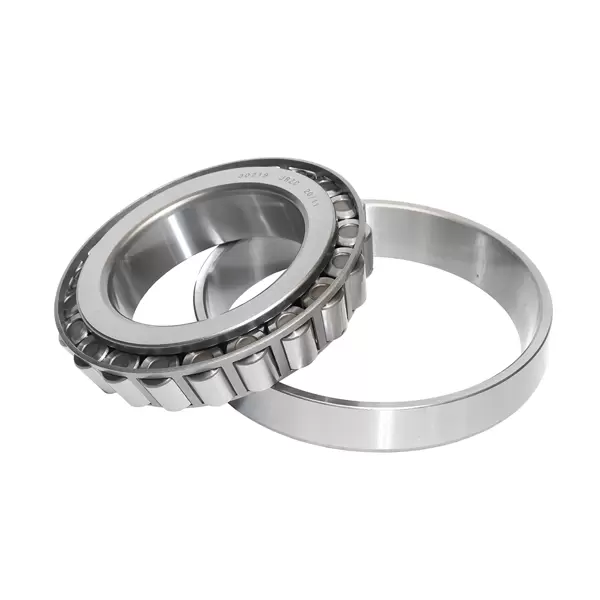
Cylindrical roller bearings use line contact between rollers and raceways, allowing them to support substantial radial loads while maintaining efficient rolling motion. The geometry of the rollers, raceways, and internal surfaces directly affects contact stress and friction. When these surfaces are manufactured with appropriate accuracy, the rolling elements can move smoothly and distribute the applied load more consistently.
For high speed cylindrical roller bearings, stable roller motion is particularly important. Excessive sliding or irregular roller movement can increase friction and produce additional heat. Proper internal geometry helps maintain predictable contact conditions as the bearing rotates, which supports a more controlled thermal balance during continuous operation.
| Heat-related factor | Influence on high-speed operation |
|---|
| Roller-raceway contact | Determines rolling resistance and contact stress |
| Cage movement | Affects friction, guidance, and roller spacing |
| Lubrication | Controls friction and removes part of the generated heat |
| Internal clearance | Influences temperature, expansion, and contact conditions |
| Installation accuracy | Helps prevent uneven loading and localized friction |
Why Cage Design Matters at High RPM
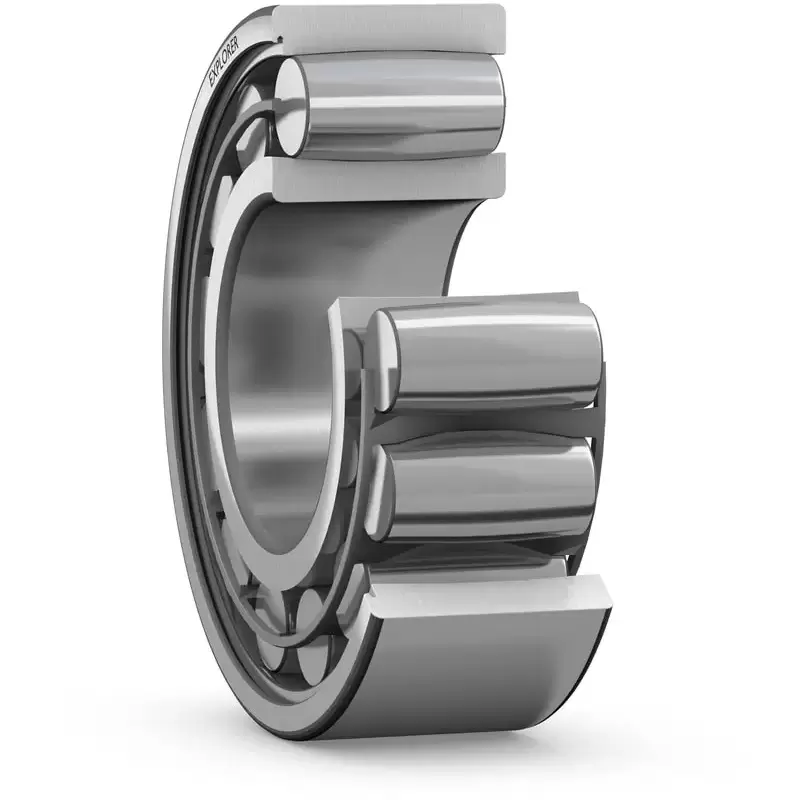
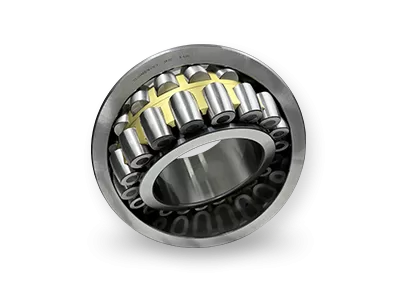
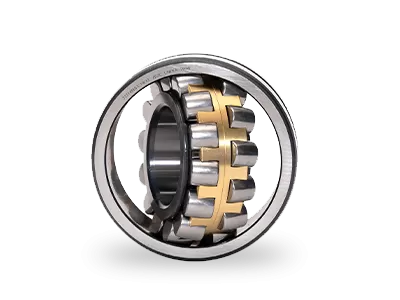
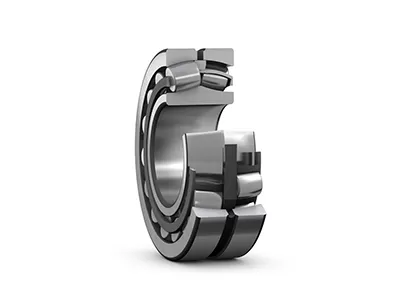
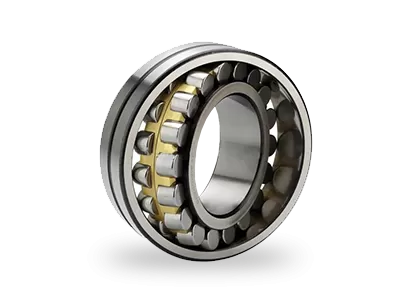
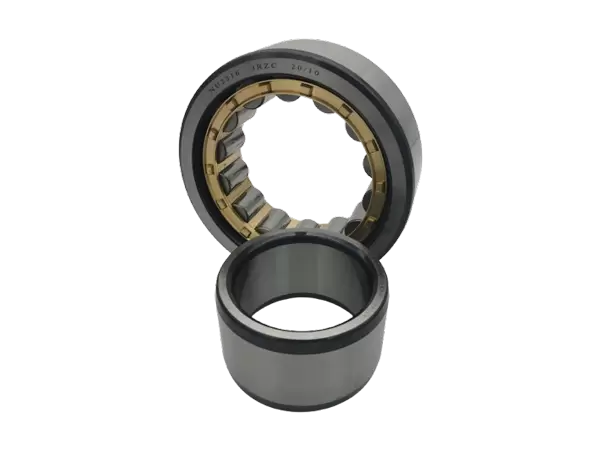
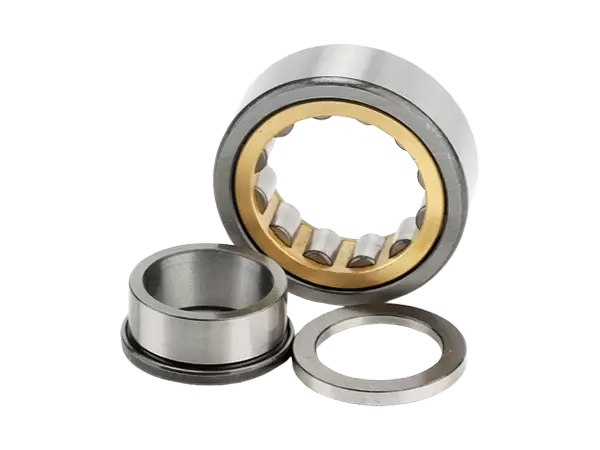
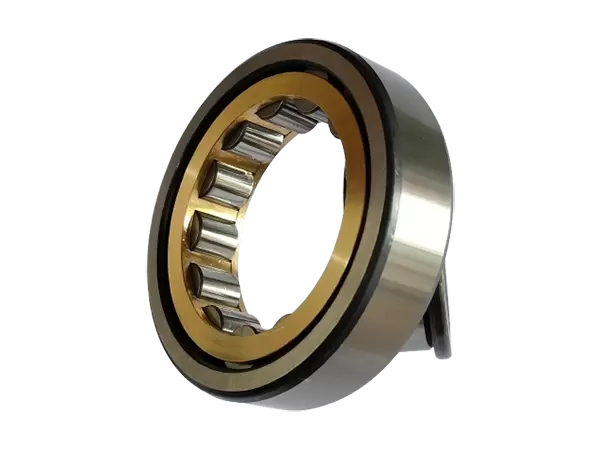
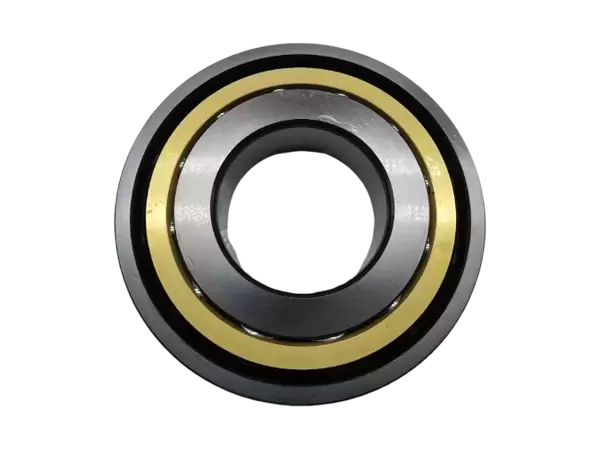
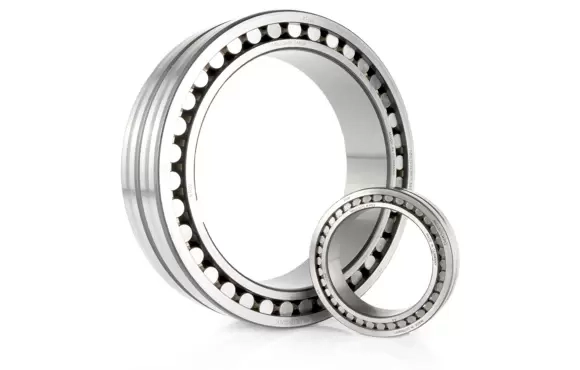
The cage plays an important role in controlling the movement of rollers inside a caged cylindrical roller bearing. It maintains separation between rolling elements and helps guide them through the loaded and unloaded zones. At higher rotational speeds, cage stability becomes increasingly important because centrifugal forces, acceleration, and lubricant movement become more significant.
A well-designed cage can help maintain consistent roller spacing and reduce unnecessary roller-to-roller interaction. This is one reason caged designs are commonly considered when high speed cylindrical roller bearings are required. The cage must provide adequate guidance without introducing excessive friction, while also allowing lubricant to reach critical contact areas.
Cage material, pocket geometry, guiding method, mass, and manufacturing accuracy can all influence high-speed behavior. SKF notes that speed capability depends on factors including cage strength, rolling-element and raceway geometry, and lubrication method.
Lubrication Has a Direct Effect on Bearing Temperature
Lubrication is one of the most important variables when controlling heat in a high-speed bearing. The lubricant must create an effective film between contacting surfaces while avoiding unnecessary churning resistance. Too little lubricant can increase metal-to-metal interaction, while excessive grease can generate additional resistance as the rolling elements and cage move through it.
For demanding high-speed applications, the lubrication method should therefore be matched to rotational speed, load, operating temperature, and duty cycle. Oil lubrication can provide continuous lubricant circulation and heat removal in suitable applications, while carefully selected grease can be effective where the operating conditions permit it. SKF specifically identifies continuous lubrication methods such as circulating oil and oil mist as suitable considerations for higher-speed operation.
Balancing Lubricant Film and Churning Resistance
More lubricant does not automatically mean better cooling. At high RPM, excessive grease can create significant churning resistance, which itself becomes a source of heat. The objective is to maintain an adequate lubricant film while preventing unnecessary fluid resistance.
For this reason, the lubrication strategy for high speed cylindrical roller bearings should consider not only lubricant type but also quantity, distribution, replenishment interval, operating speed, and surrounding temperature. A well-matched lubrication arrangement can help stabilize the bearing temperature during extended operation.
Internal Clearance and Thermal Expansion
Internal clearance becomes increasingly important when bearing temperature changes during operation. As the inner ring, outer ring, rollers, shaft, and housing experience thermal expansion, the effective internal operating condition can differ from the clearance measured before installation.
If operating clearance becomes too small, contact conditions may become more restrictive and friction can increase. If clearance is excessive, roller movement and load distribution may become less stable. Therefore, selecting the appropriate clearance requires consideration of shaft and housing fits, temperature differences, load, speed, and expected thermal expansion.
For high speed cylindrical roller bearings, clearance should be treated as part of the overall operating design rather than an isolated dimensional choice. The objective is to maintain suitable contact conditions after the bearing reaches its normal operating temperature.
Installation Accuracy Can Prevent Unnecessary Heat
Even a well-designed bearing can experience excessive temperature rise if installation conditions are poor. Shaft geometry, housing accuracy, mounting fit, alignment, and cleanliness all influence how loads are distributed across the bearing. Uneven mounting can create localized contact conditions that increase friction and accelerate wear.
Correct installation is especially important for high-speed rotating equipment because small geometric errors can become more influential as rotational speed rises. The bearing and surrounding components should therefore be inspected for dimensional accuracy, surface condition, and correct seating before operation.
Proper installation also reduces the risk of premature damage caused by mounting forces. A bearing should not be forced into position through the rolling elements, and handling procedures should prevent contamination from entering the contact areas.
Material Quality and Surface Finish Affect Thermal Stability
Heat generation is also influenced by the quality of the rolling surfaces. Smooth, accurately manufactured raceways and rollers help reduce unnecessary sliding and friction. Surface defects, contamination, or inappropriate finishing can disturb the lubricant film and create localized stress concentrations.
Material quality is equally important because repeated rolling contact places continuous mechanical demands on the rings and rollers. High speed cylindrical roller bearings must combine dimensional precision with sufficient fatigue resistance to maintain stable operation over repeated cycles.
The relationship between surface quality and lubrication is particularly important. A suitable surface allows the lubricant film to perform effectively, while contamination or surface damage can interrupt the contact conditions and increase friction.
Matching Bearing Structure to Speed and Radial Load
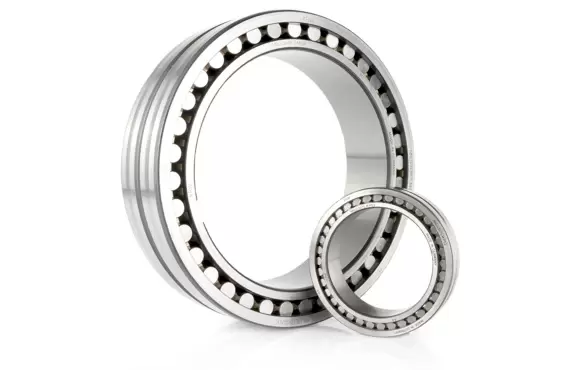
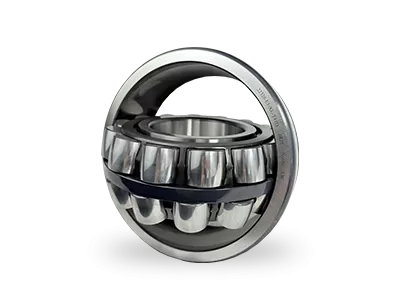
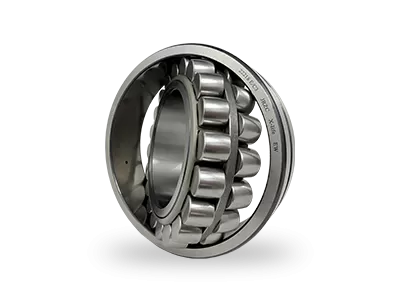
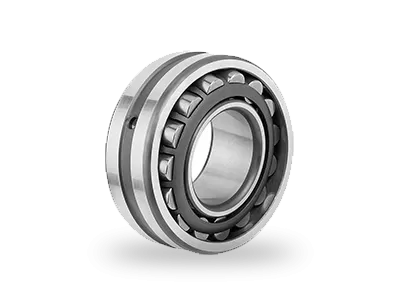
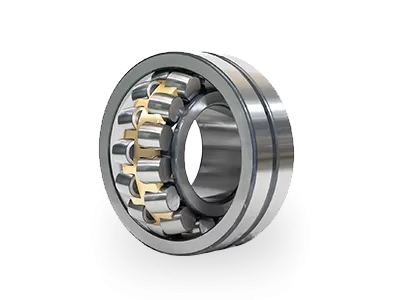
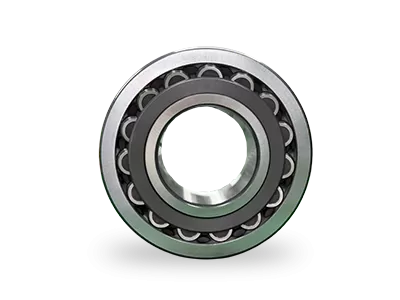
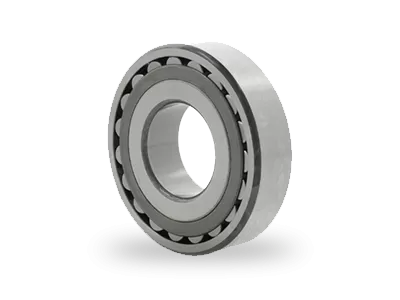
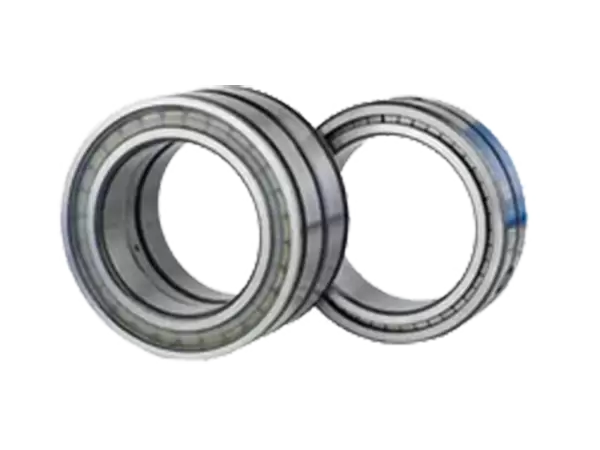
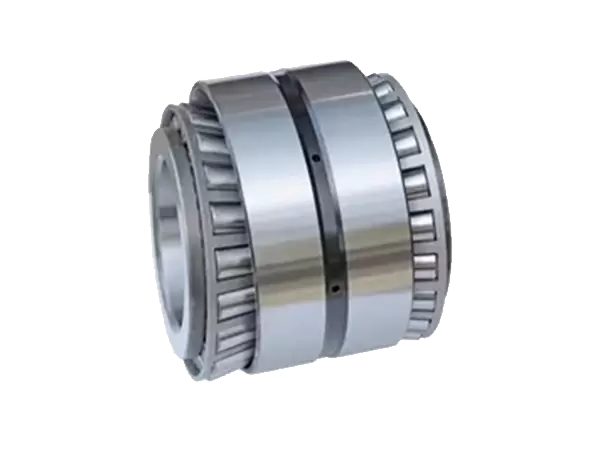
High-speed performance cannot be separated from load requirements. Cylindrical roller bearings are valued for their strong radial load capacity because the rollers provide line contact with the raceways. Double-row caged designs can provide increased radial capacity and rigidity compared with single-row arrangements, making them suitable where substantial radial loading is combined with a need for controlled roller movement. JRZC describes its double-row caged cylindrical roller bearings as combining rigidity and stability for heavy radial loads.
However, higher load capacity does not automatically mean higher allowable speed. The practical operating limit depends on bearing geometry, cage design, lubrication, load, clearance, mounting conditions, and heat dissipation. This makes application-specific selection essential when designing equipment that operates continuously at elevated RPM.
Where High-Speed Cylindrical Roller Bearings Fit Industrial Applications
The combination of radial load capacity, rigidity, and controlled roller guidance makes this bearing type suitable for a range of industrial rotating equipment. Potential applications include machine tools, industrial machinery, gearboxes, electric motors, transmission equipment, manufacturing equipment, and other high-load rotating assemblies where stable radial support is required.
In these applications, the bearing should be selected according to the actual combination of speed, load, temperature, lubrication, shaft arrangement, and operating cycle. A high-speed designation alone does not guarantee suitable performance if the surrounding operating conditions are poorly matched.
A Practical Selection Checklist for High RPM Operation
When selecting high speed cylindrical roller bearings, engineers should evaluate more than basic dimensions. The following factors can help establish whether a bearing is appropriate for the intended operating condition:
Rotational speed: Determine continuous and peak RPM rather than considering only average speed.
Radial load: Confirm the magnitude and variation of the applied load.
Cage design: Consider roller guidance, cage stability, material, and high-speed behavior.
Lubrication: Match grease or oil lubrication to the speed and thermal requirements.
Internal clearance: Account for fits and temperature-related expansion.
Installation: Check shaft, housing, alignment, mounting, and cleanliness.
Operating temperature: Consider both ambient conditions and heat generated during rotation.
Duty cycle: Evaluate continuous operation, frequent acceleration, stopping, and load changes.
This approach helps prevent a common selection mistake: choosing a bearing based only on dimensional compatibility while overlooking the thermal conditions created during actual operation.
How JRZC Supports High-Speed Bearing Selection
JRZC focuses on cylindrical roller bearings and other industrial bearing solutions for demanding rotating equipment. Its product range includes double-row cylindrical roller bearings with cages, designed to provide radial load support while maintaining controlled roller movement.
For customers evaluating high speed cylindrical roller bearings, the selection process should begin with the actual operating conditions rather than a single performance value. Speed, radial load, bearing arrangement, lubrication, clearance, installation, and expected temperature should be considered together. This allows the bearing structure to be matched more accurately with the equipment's mechanical and thermal requirements.
FAQ
Can cylindrical roller bearings operate at high RPM?
Yes. Caged cylindrical roller bearings can be suitable for higher-speed applications when their design, lubrication, load, clearance, and installation conditions are properly matched to the operating requirements. The practical speed capability varies with bearing structure and application conditions.
Why does a bearing become hotter as RPM increases?
Higher rotational speed can increase rolling and sliding friction, cage movement, lubricant resistance, and other sources of mechanical energy loss. The resulting energy is converted into heat, making lubrication, cage design, and thermal management increasingly important.
Is more grease better for high-speed operation?
Not necessarily. Excessive grease can increase churning resistance and generate additional heat. The correct lubrication quantity and method should be determined according to speed, bearing design, lubricant characteristics, and operating conditions.
Does cage design affect high-speed bearing performance?
Yes. The cage controls roller spacing and guidance, and its geometry, material, mass, and guiding method can influence friction, stability, lubrication access, and temperature behavior at elevated speeds.
What should be checked before selecting a high-speed cylindrical roller bearing?
The key factors include RPM, radial load, cage configuration, lubrication method, internal clearance, shaft and housing fits, alignment, operating temperature, and duty cycle. Evaluating these factors together provides a more reliable basis for bearing selection than dimensions alone.