






Why Do Roller Bearings Carry Higher Loads Than Same-Size Ball Bearings?

# Industry News 2026-11-23 Views: 1299

Home > News > Industry News > Why Do Roller Bearings Carry Higher Loads Than Same-Size Ball Bearings?

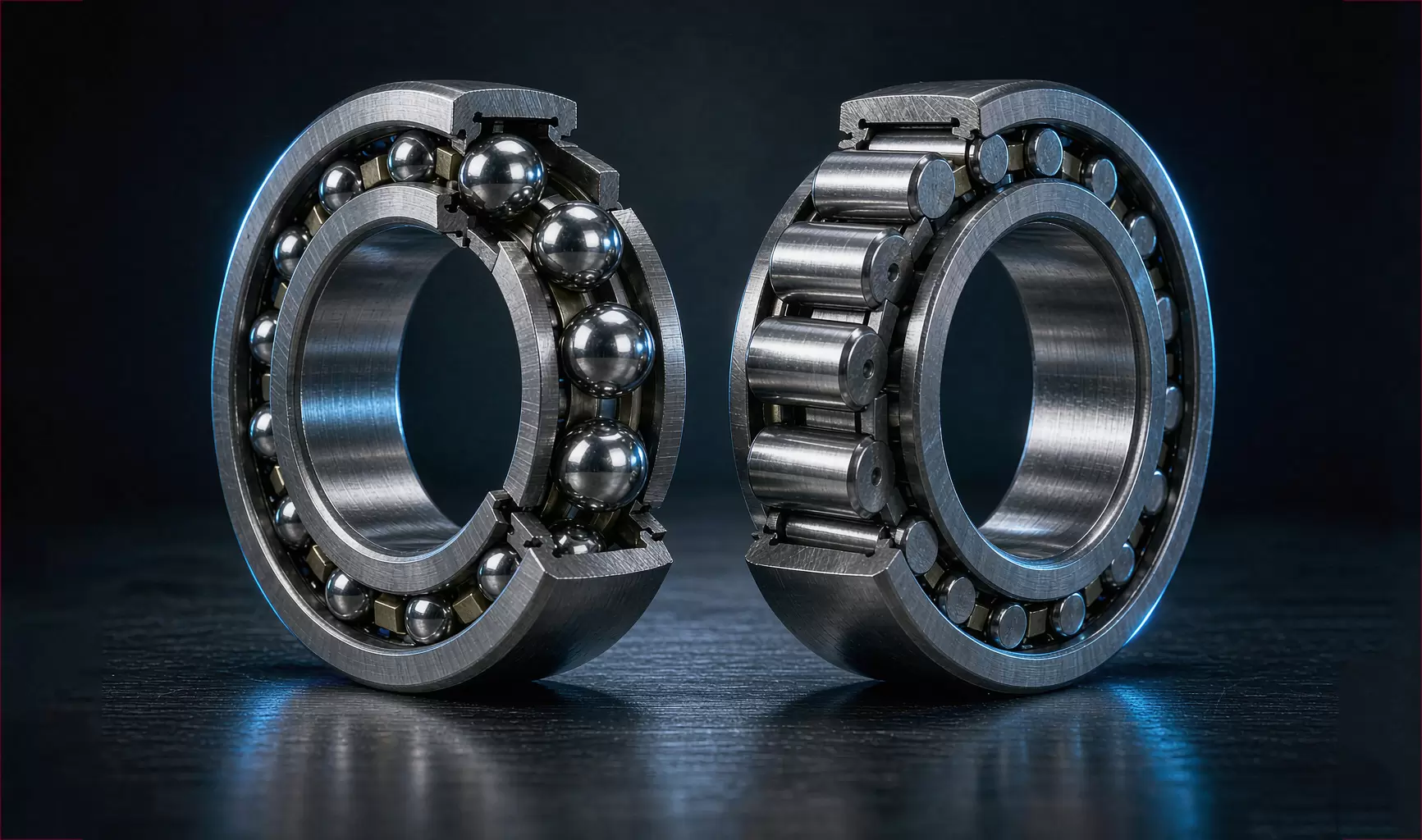
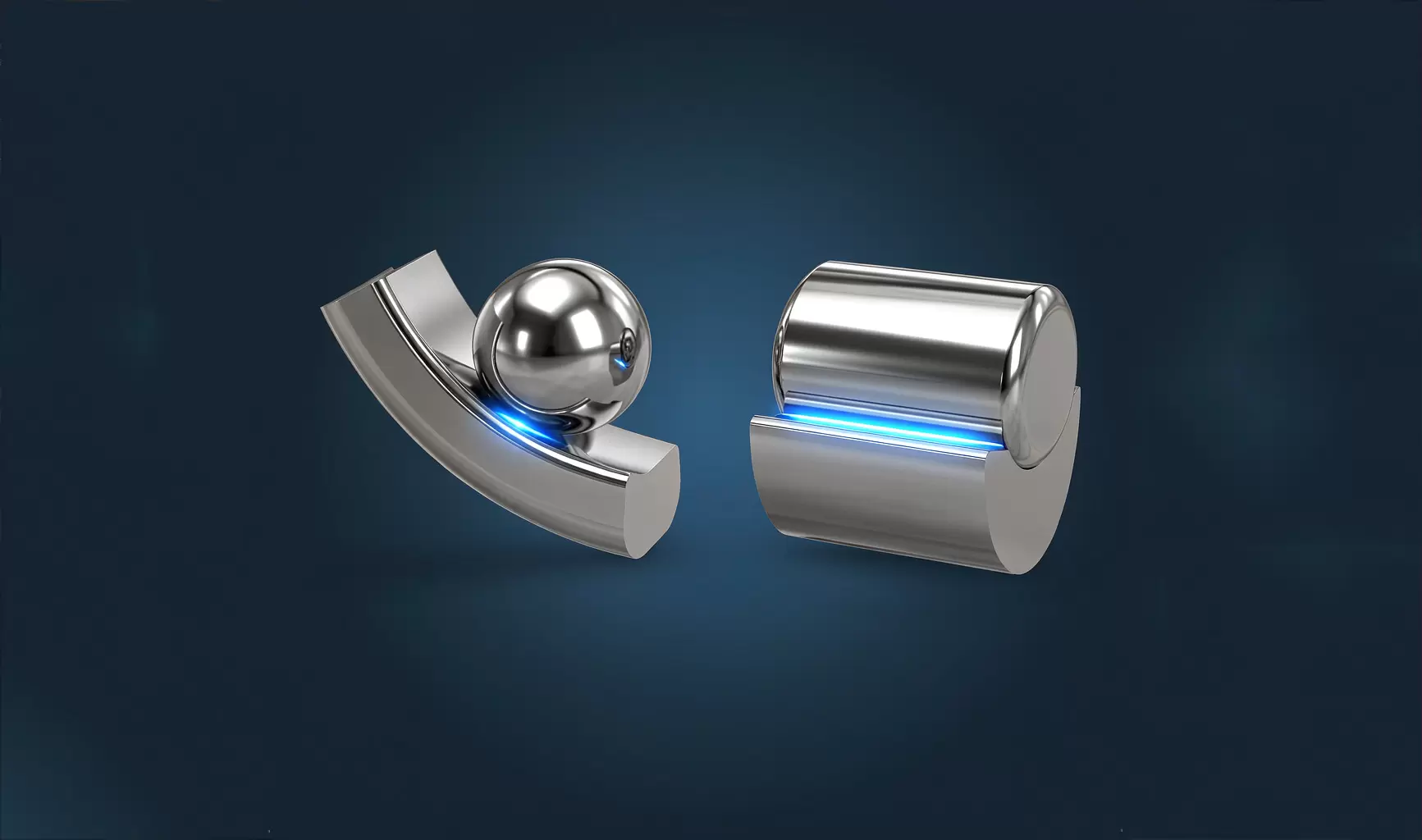
 This is a classic question in rolling contact mechanics, and the core answer is one sentence: ball bearings work in "point contact," while roller bearings work in "line contact."

CTA Facebook X LinkedIn WhatsApp Email


Point Contact vs Line Contact — The Fundamental Difference

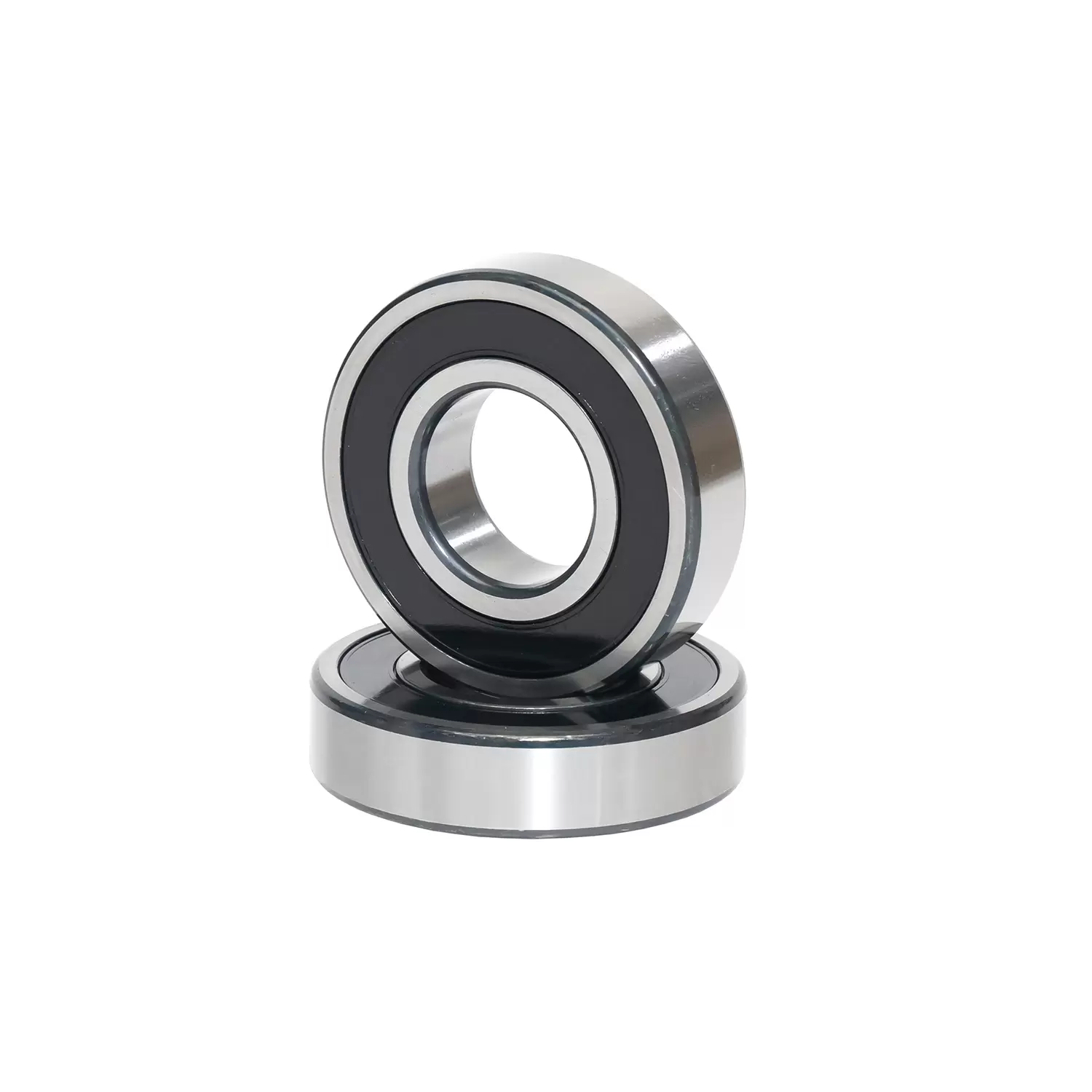
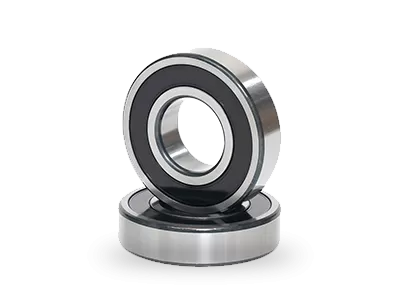
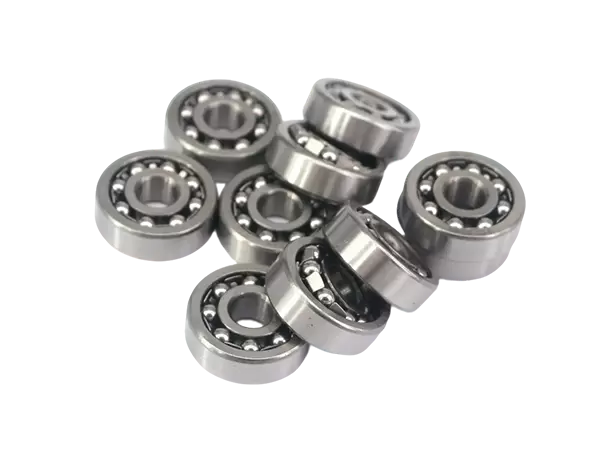
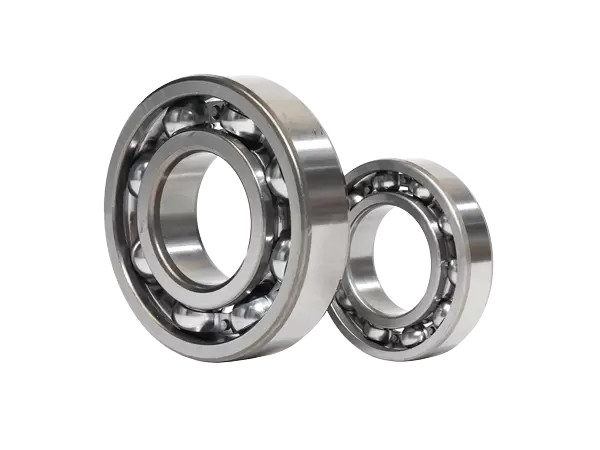
  • Ball bearings: The steel ball and raceway theoretically touch at a single point. Under load, this point elastically deforms into a small elliptical contact area — very limited surface.
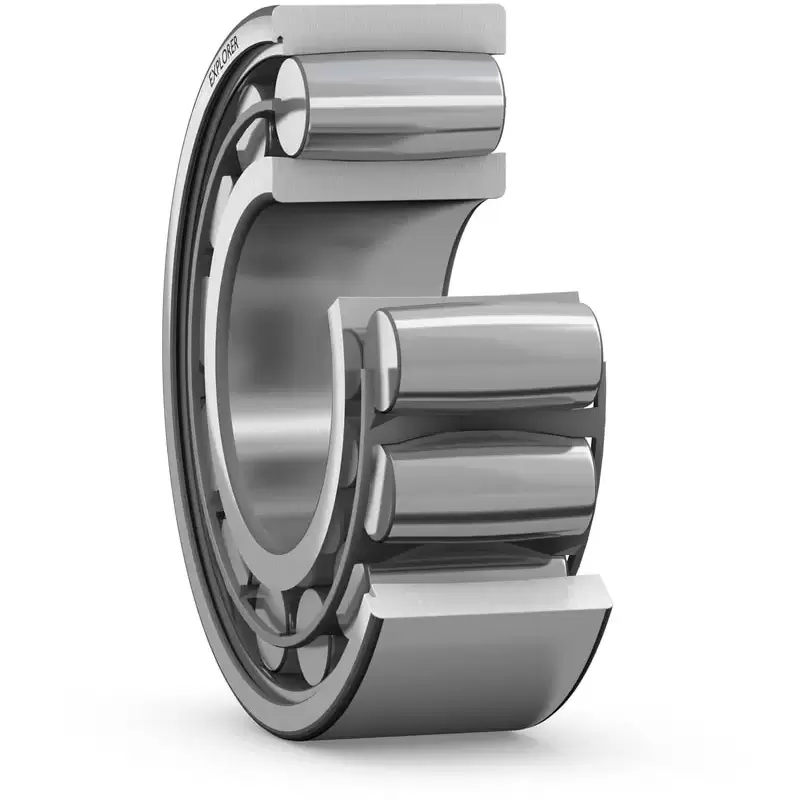
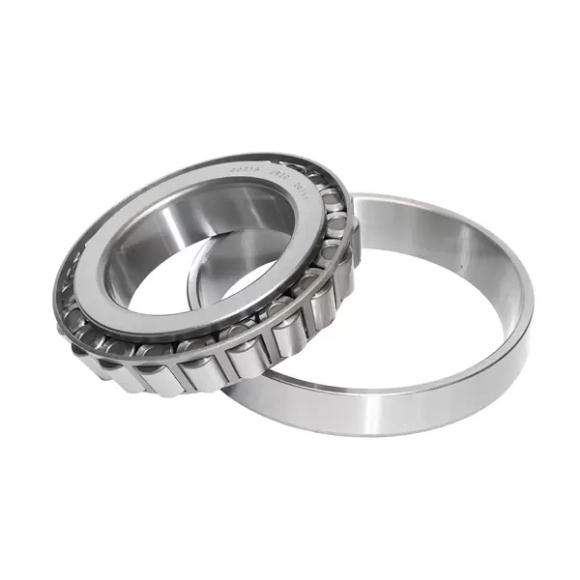
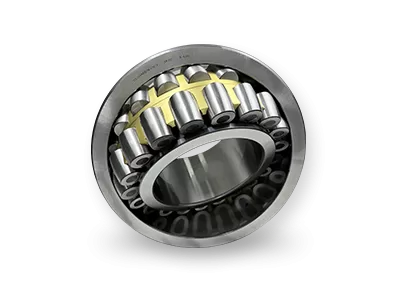
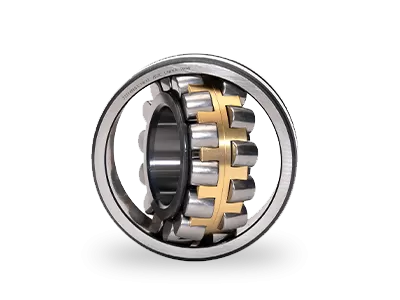
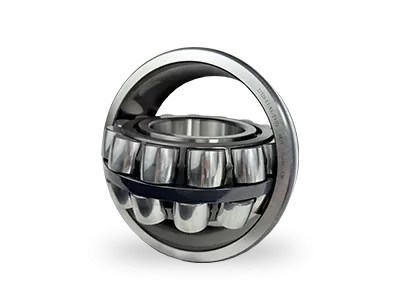
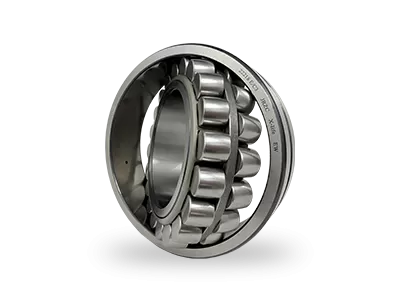
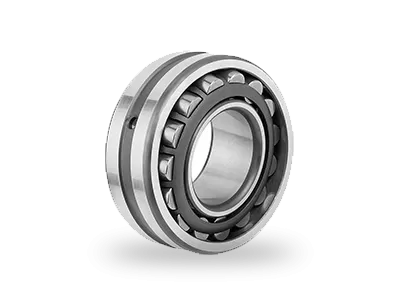
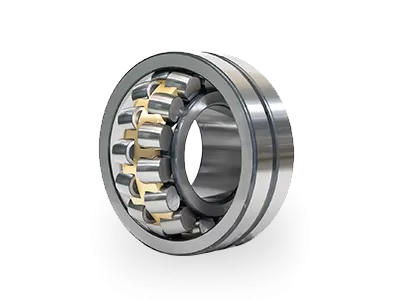
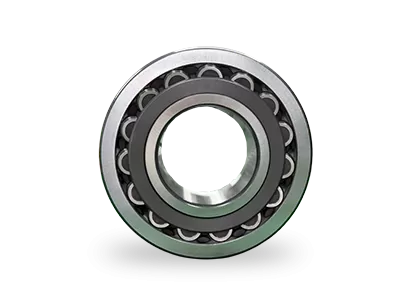
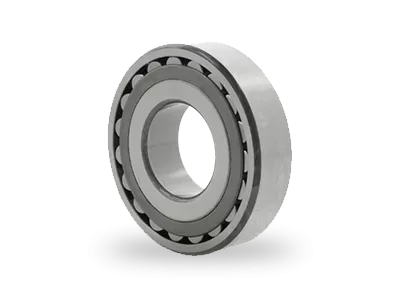
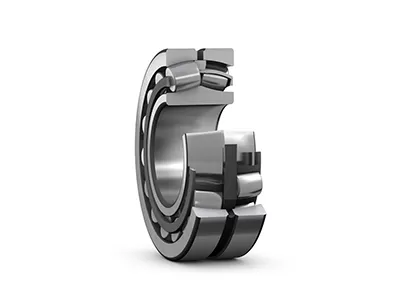
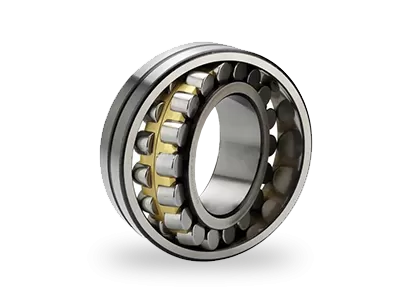
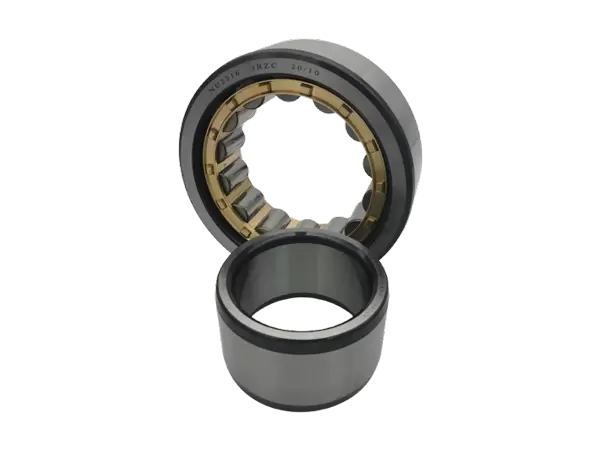
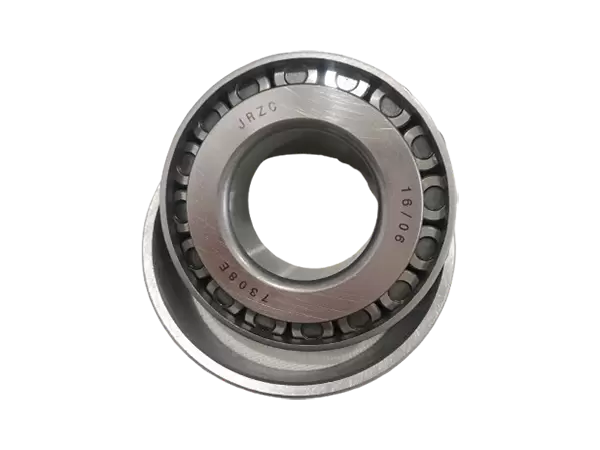
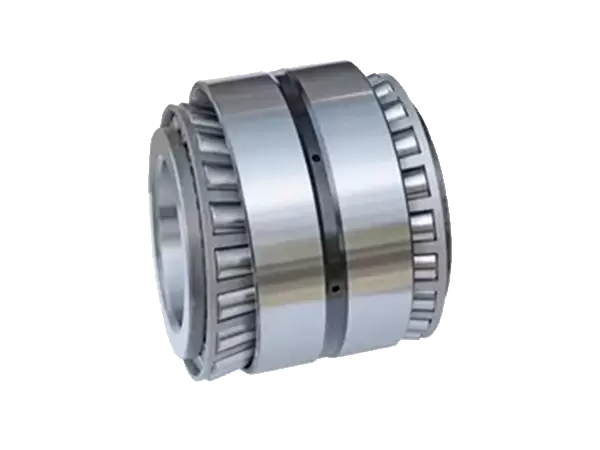
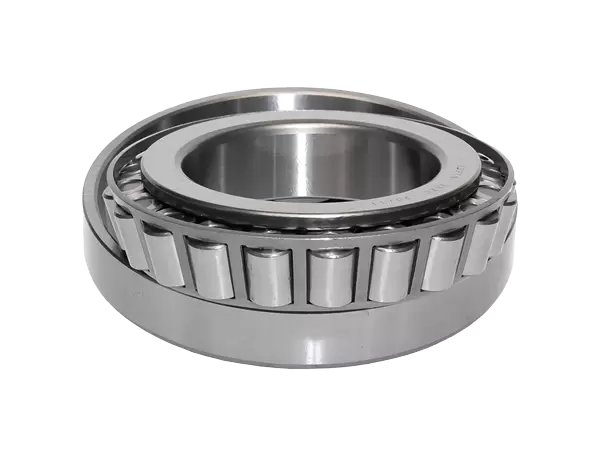
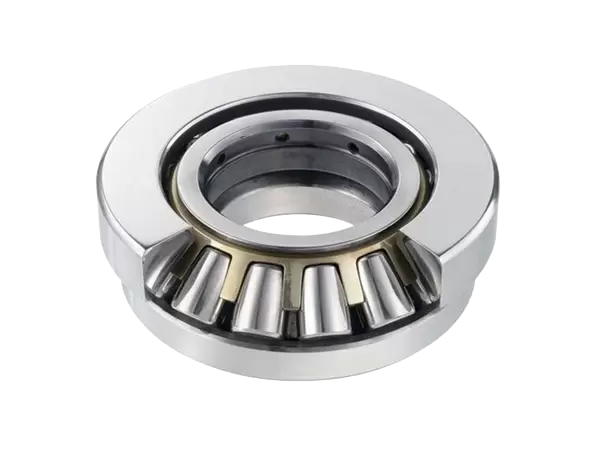
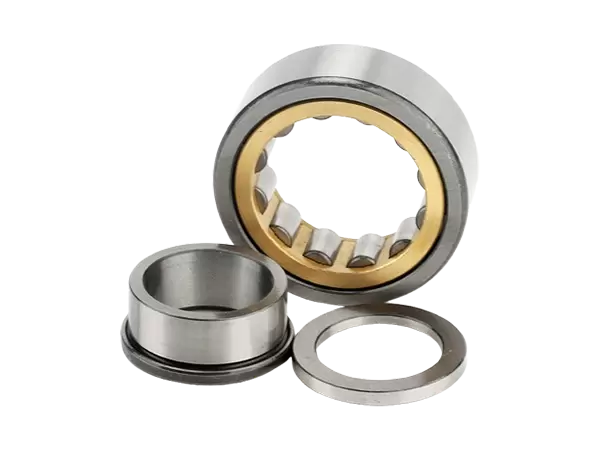
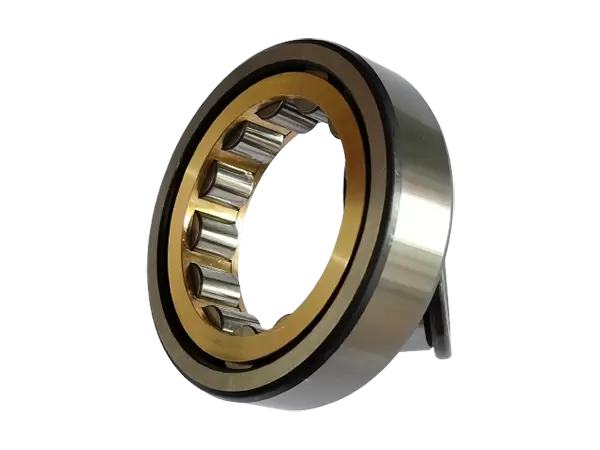
  • Roller bearings: The roller and raceway theoretically touch along a line. Under load, this line expands into a long, narrow rectangular contact area — far larger surface.

According to Hertzian contact theory, the same load distributed over a larger contact area produces much lower contact stress. Contact stress directly determines fatigue life — the lower the stress, the less likely the raceway is to suffer fatigue spalling. That is why roller bearings can carry much heavier loads.


Geometric Advantage: Contact Length "Free" Load Capacity

With the same overall dimensions (same bore, outside diameter, and width):

  • The ball diameter is limited by the cross-section, so the contact area with the raceway is only a few square millimeters
  • The roller diameter can be smaller than a ball's, but its contact line can extend over a dozen millimeters or more — using "length" to gain load capacity
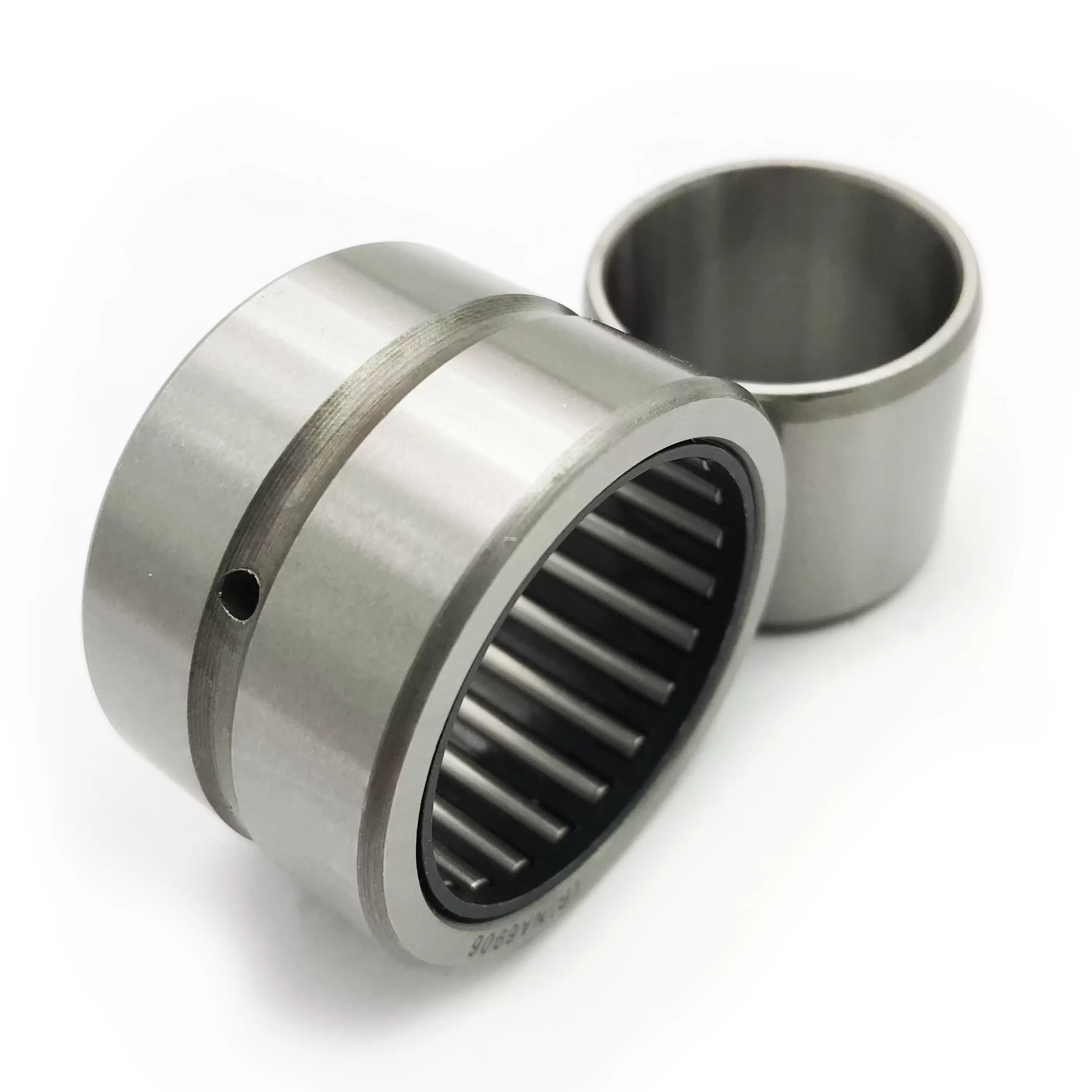
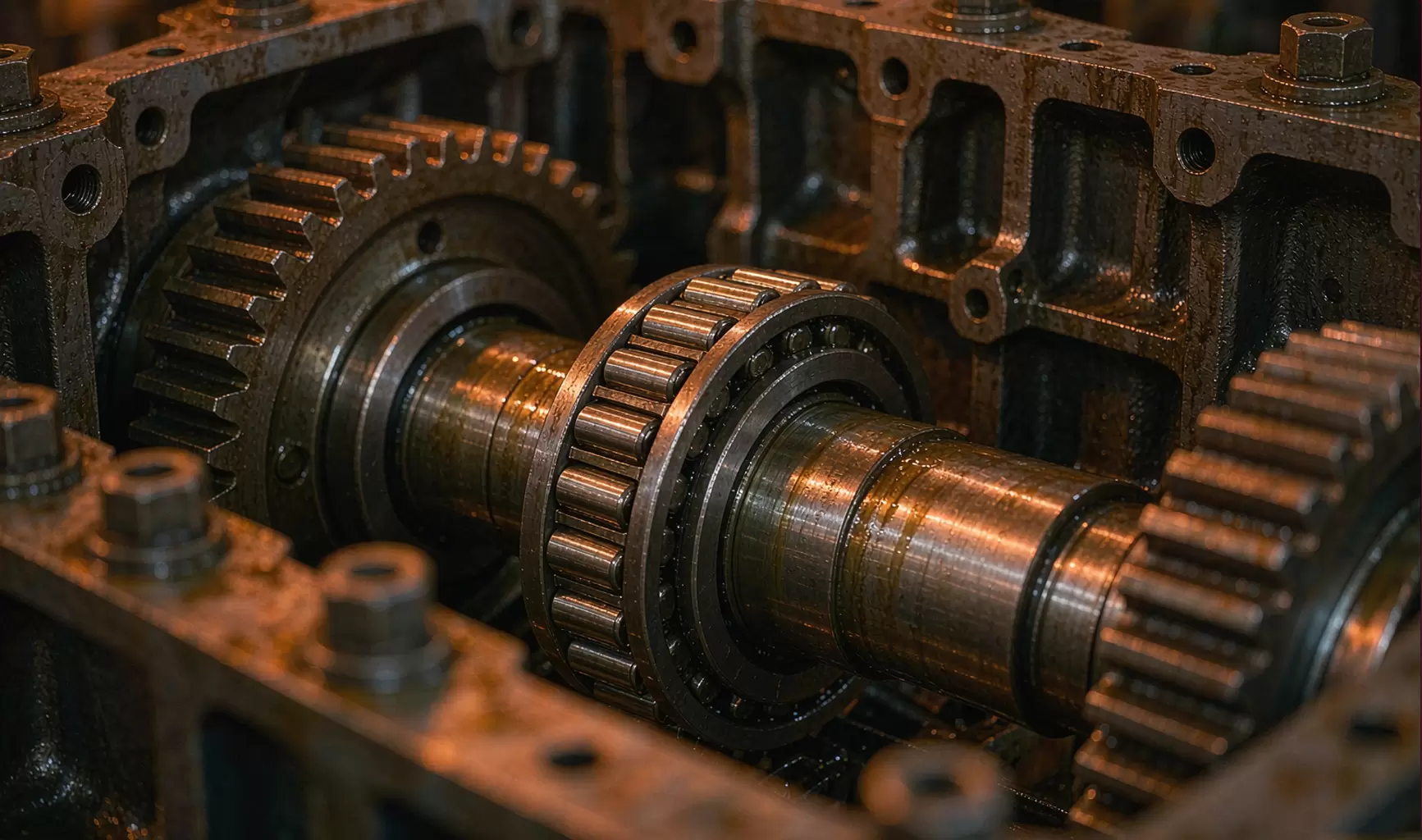
As a result, the dynamic load rating of a roller bearing is typically more than 50% higher than a same-size ball bearing. This is why heavy-duty applications (rolling mills, cranes, heavily loaded gearbox shafts) almost always use roller bearings.


The Trade-Off: Stronger Load Capacity, But Different "Temperament"

  • Higher friction: Line contact introduces sliding friction components, generating more heat — the speed limit is lower than same-size ball bearings
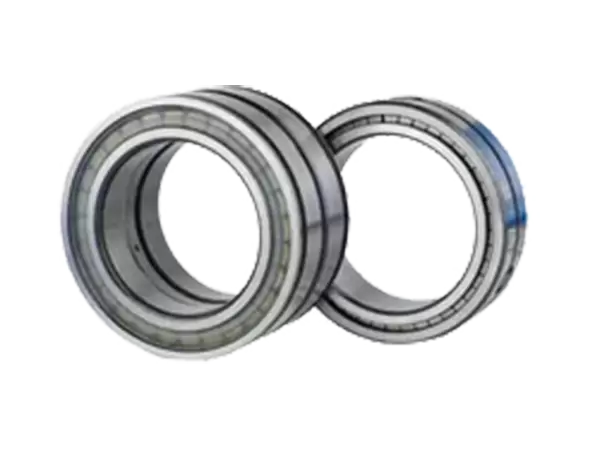
  • More sensitive to installation: Rollers are sensitive to shaft misalignment and raceway taper errors (poor self-alignment); misalignment causes edge stress concentration and premature failure
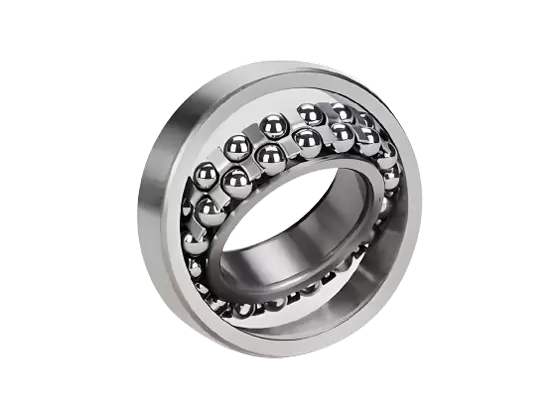
  • Self-aligning ball bearings are the exception: They use balls to gain self-alignment ability, at the cost of lower load capacity

In One Sentence

Ball bearings work on a "point," roller bearings work on a "line" — larger contact area → lower contact stress → higher allowable load. The price is slightly higher friction, lower speed limits, and stricter installation accuracy requirements.

Discover more