| Material Type | Key Characteristics | Advantages | Limitations | Typical Applications |
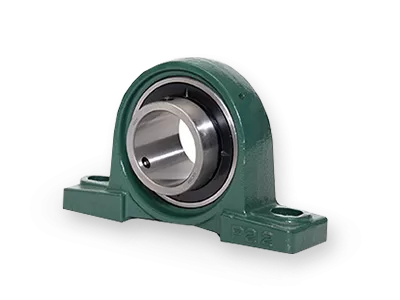
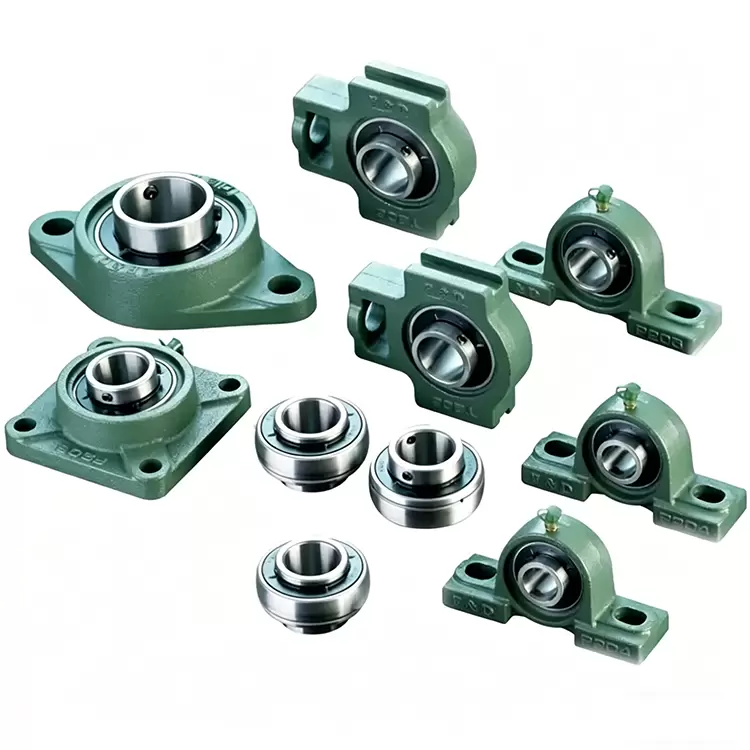
| Gray Cast Iron | The most common standard material, relatively low cost. | Good vibration damping, excellent machinability, can withstand moderate loads. | General corrosion resistance. | General machinery, conveyor systems, fans, agricultural machinery – most standard conditions. |
| Ductile (Nodular) Cast Iron | Higher strength and better toughness than gray cast iron. | Can withstand heavier loads and impacts; allows for lighter, more compact designs. | Higher cost than gray cast iron. | Heavy-duty conveyors, crushers, vibrating screens – applications with high impact and vibration. |
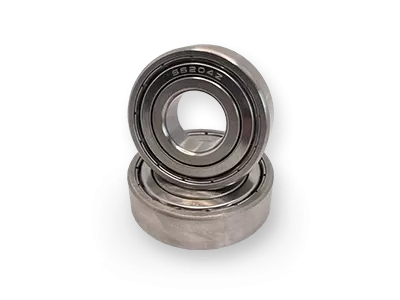
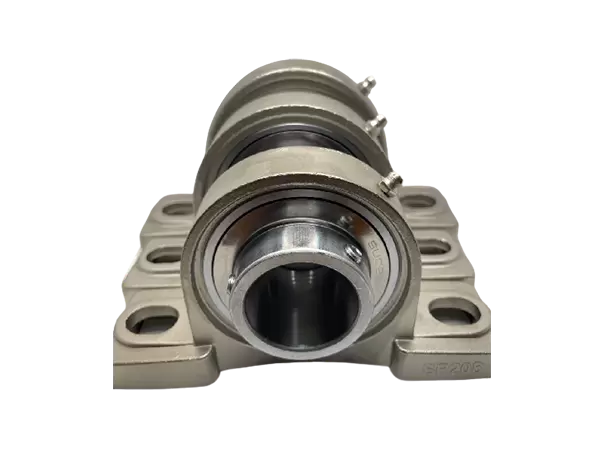
| Stainless Steel | Excellent corrosion resistance, smooth and hygienic surface. | Does not rust in wet or corrosive environments; meets food/medical hygiene standards. | High cost. | Food and beverage processing, medical equipment, marine engineering, chemical equipment. |
| Pressed Steel | Lightweight design; stamped from cold-rolled steel sheets, often zinc-plated. | Light weight, lower cost, flexible installation. | Limited load capacity; no relubrication design; poor dust sealing. | Light-load, low-speed, cost-sensitive simple equipment, such as small packaging machines, office equipment. |
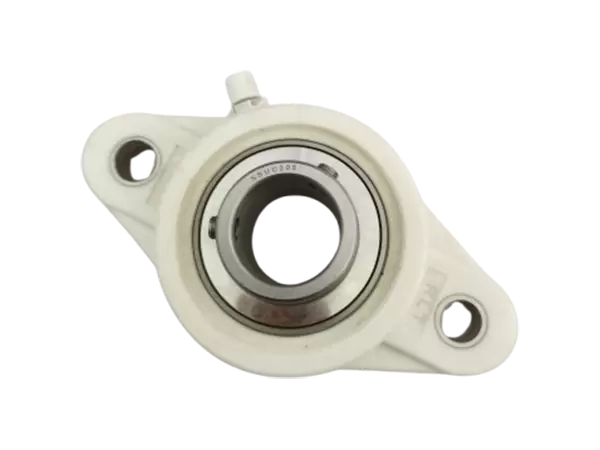
| Engineered Plastic | Lightweight, high-strength polymer material, often reinforced with fiberglass. | Lightweight (30-60% lighter than cast iron), corrosion-resistant, non-rusting, self-lubricating options available. | Lower strength and temperature resistance than metals. | Chemically corrosive environments, equipment requiring frequent movement, fitness equipment. |
| Rubber Housing | Special functional material. | Excellent elasticity; excellent vibration and shock absorption; allows significant misalignment. | Limited load and speed capacity. | Applications requiring vibration damping and noise reduction, such as certain special machinery supports. |