Introduction
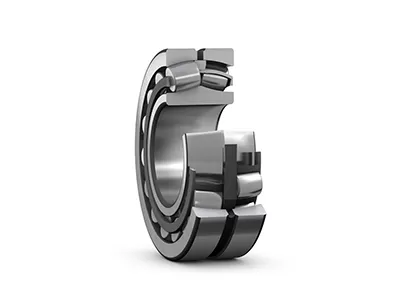
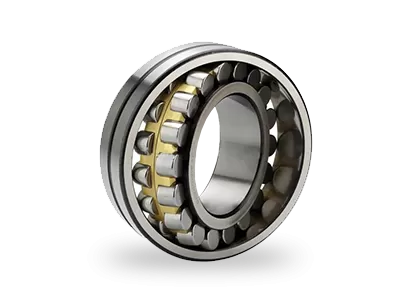
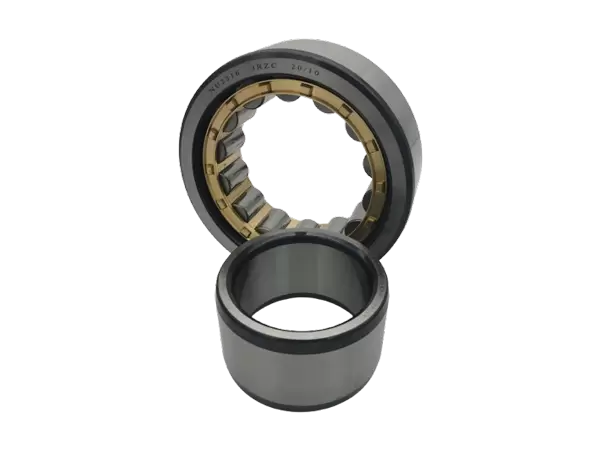
Selecting the right roller bearing type is crucial for achieving optimal performance, durability, and reliability in industrial applications. Roller bearings differ significantly in design, load capacity, and functional characteristics. In this blog post, JRZC, as high quality custom bearing manufacturer, will share the types of roller bearings for sale, including spherical roller bearings, cylindrical roller bearings, etc.
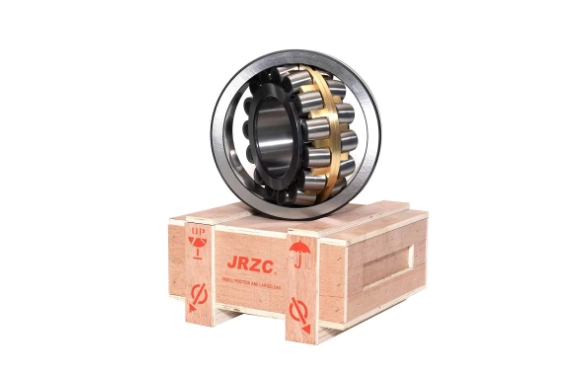
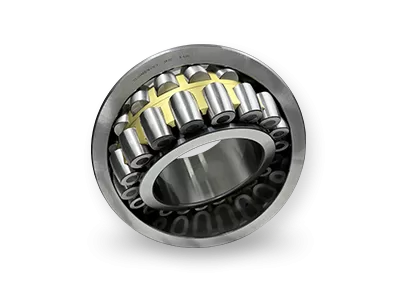
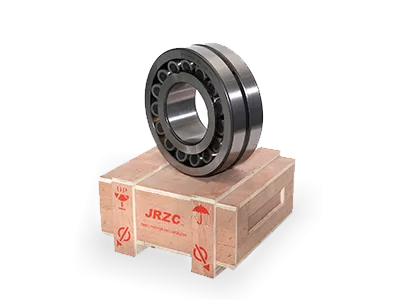
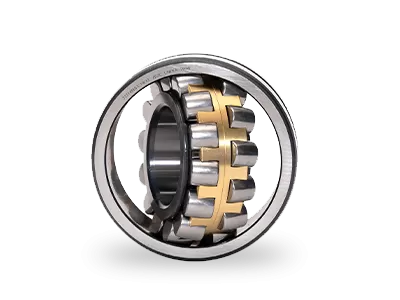
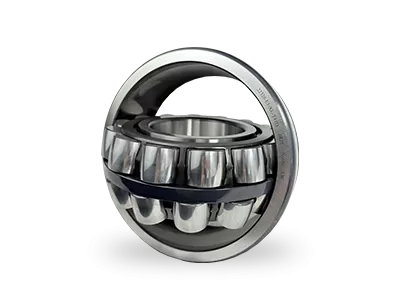
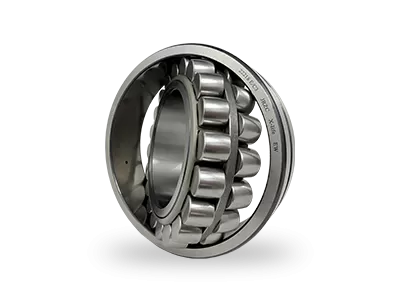
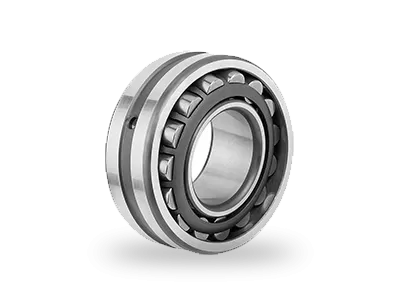
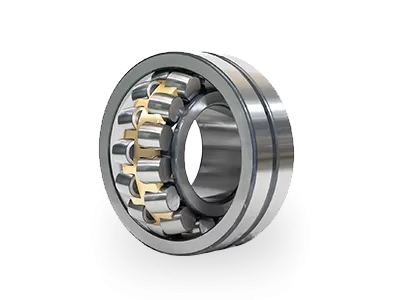
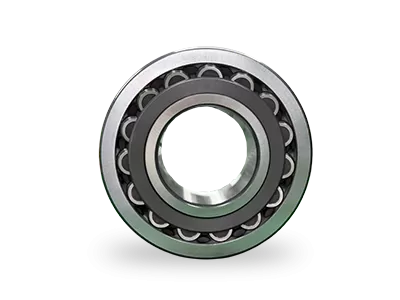
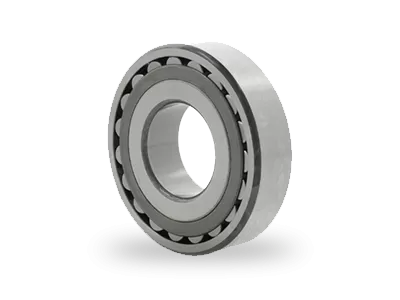
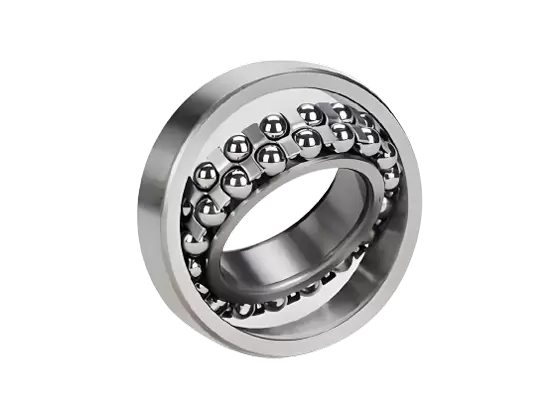
Spherical roller bearings are engineered for environments with high radial loads, shock impacts, and temperature extremes. JRZC spherical roller bearings, for instance, offer exceptional stability and durability under these demanding conditions. Their self-aligning capability allows for compensation of shaft misalignment and housing deflection, reducing internal stress and extending service life.
In heavy-duty machinery such as crushers, gearboxes, and large motors, spherical roller bearings provide predictable performance even when installation tolerances are less precise. Practical experience emphasizes the importance of selecting the correct cage type and roller profile to optimize load distribution and minimize wear at high speeds.
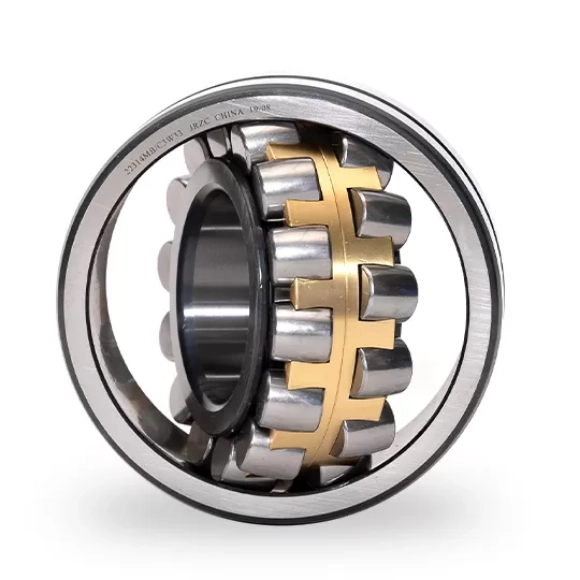
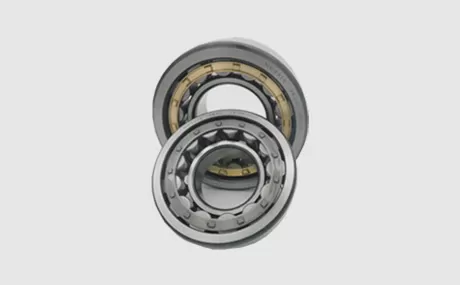
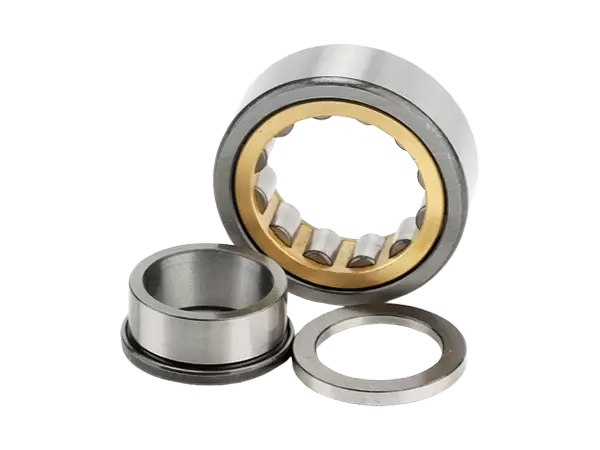
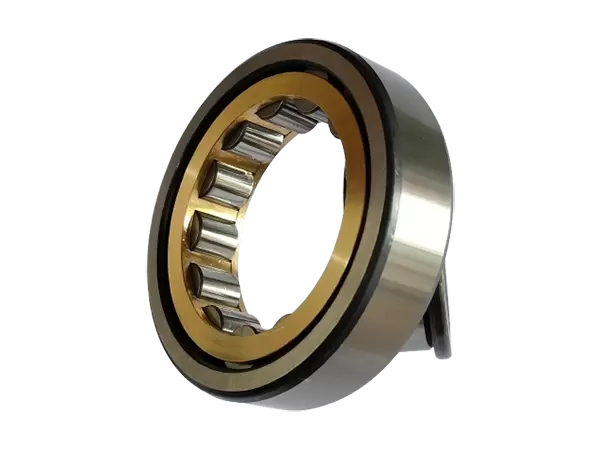
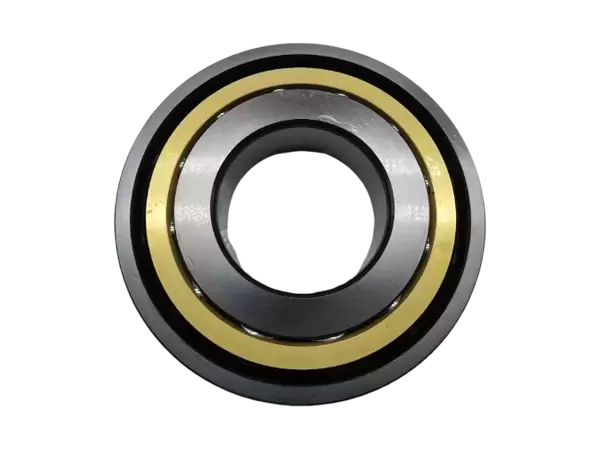
Double row cylindrical roller bearings with cage are designed to support very high radial loads. The linear contact between rollers and raceways ensures excellent rigidity and load distribution. Available in designs with inner or outer ring flanges, these bearings can be adapted to meet specific installation requirements. The separable nature simplifies mounting and disassembly, which is especially advantageous for maintenance in heavy industrial environments.
Engineers have found that these bearings perform exceptionally well in medium to high-speed applications, although they are not suitable for compensating angular misalignment. Options for cylindrical or tapered bores allow for versatile integration into complex assemblies.
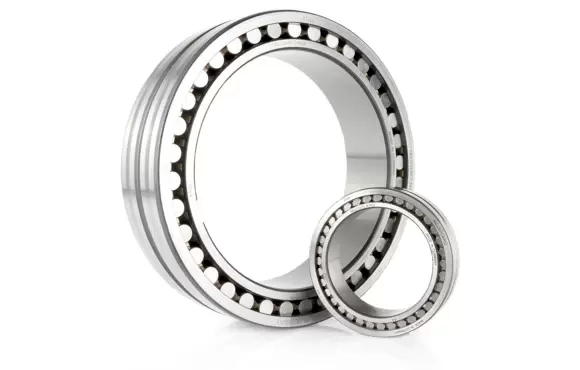
CARB toroidal roller bearings uniquely combine the self-aligning function of spherical bearings with the axial displacement ability of cylindrical roller bearings. This design enables frictionless axial movement and misalignment accommodation without generating internal stress in non-locating positions.
Practical observations indicate that CARB bearings are particularly useful in applications where thermal expansion or shaft deflection occurs. Their advanced geometry improves load-carrying capacity and reduces friction, significantly extending operational life and reliability under demanding conditions.
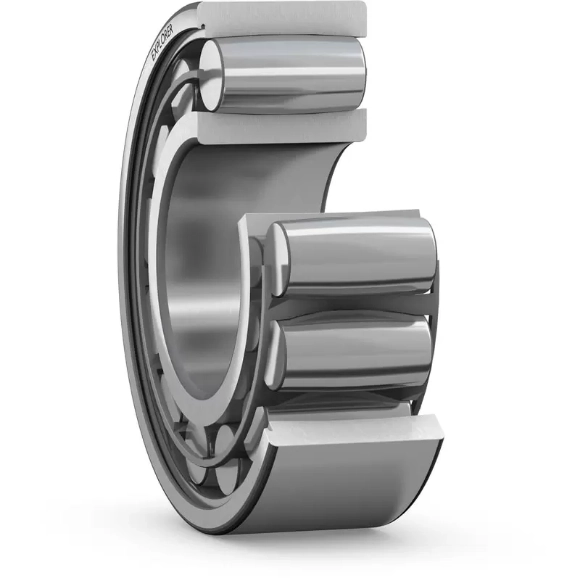
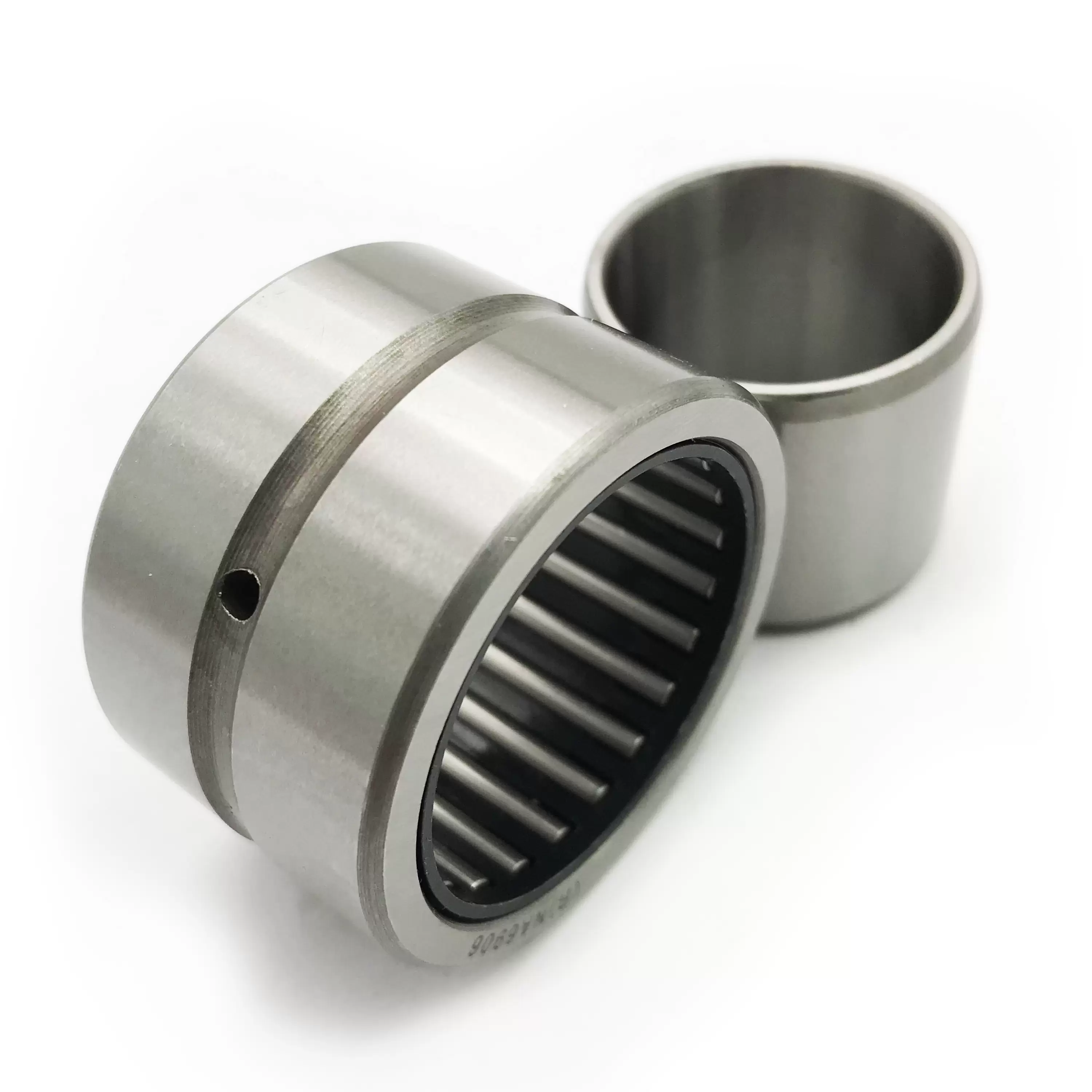
Needle roller bearings are distinguished by their slender cylindrical rollers, offering a high load-to-size ratio. Despite their compact cross-section, they provide excellent radial load capacity and rotational accuracy. These characteristics make them ideal for applications such as automotive transmissions, construction equipment, and industrial machinery.
Field experience shows that careful selection between designs with or without inner rings is critical. Bearings without inner rings can be directly integrated into housings, saving space and simplifying assembly, while those with inner rings facilitate shaft compatibility and enhance rotational stability.

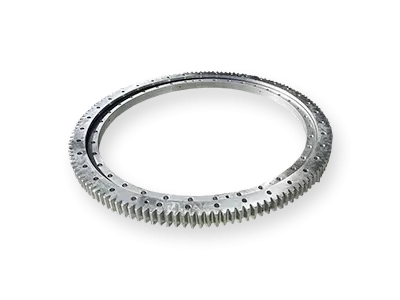
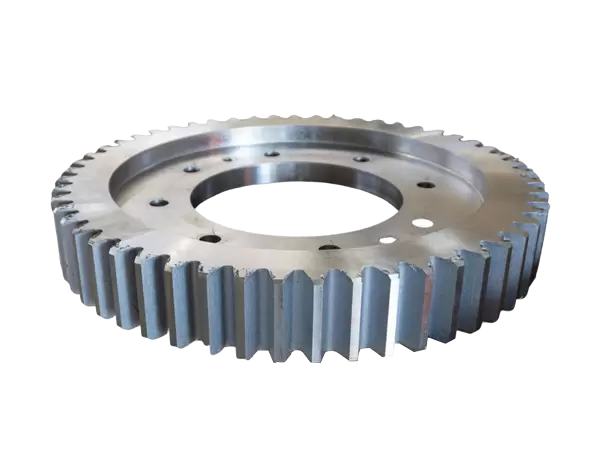
Slewing bearings are large-sized precision bearings designed to carry combined loads, including axial, radial, and moment forces. Their integrated structure, often equipped with mounting holes, gears, and sealing systems, ensures smooth rotation and reliable load transfer in compact setups.
Practical experience demonstrates that choosing between single-row, double-row, and cross-roller configurations depends on both stiffness requirements and load type. Cross-roller slewing bearings, for example, excel in high moment load applications, providing stability for cranes, excavators, and wind turbines.
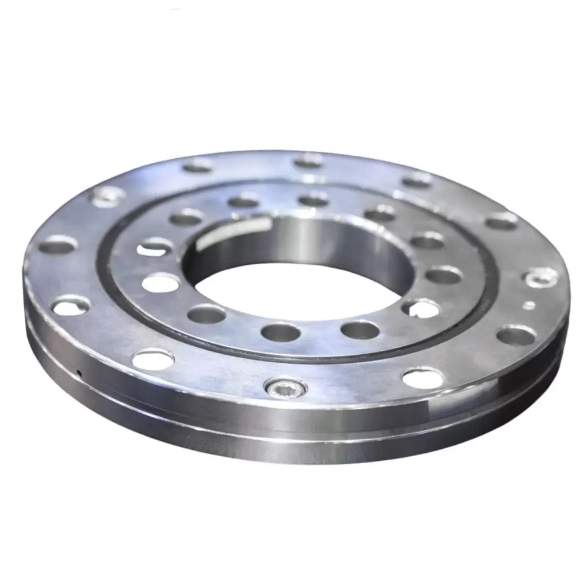
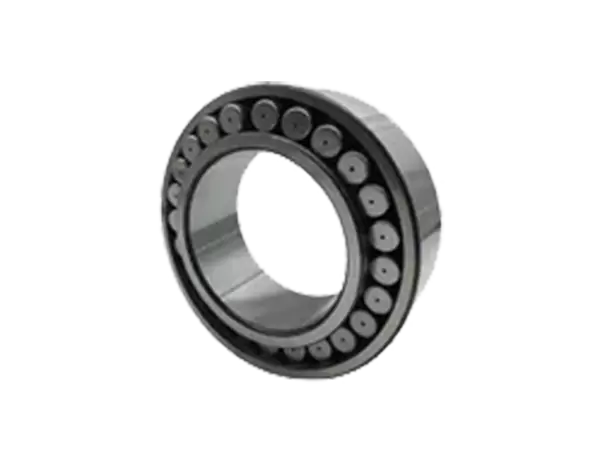
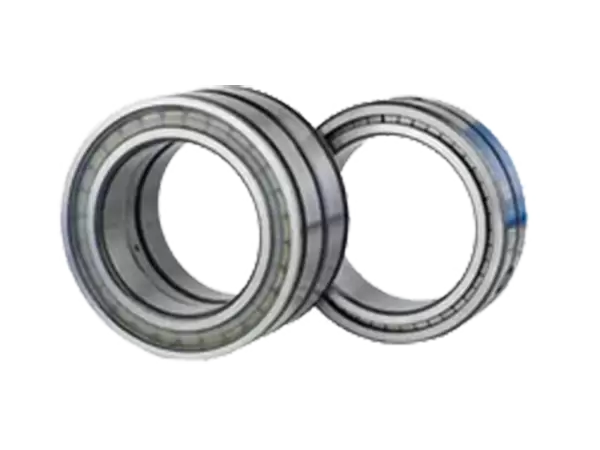
Double row full complement cylindrical roller bearings maximize radial load capacity by incorporating the highest possible number of rolling elements. This construction delivers exceptional rigidity and is particularly suitable for compact assemblies where space efficiency is critical.
While these bearings can handle higher loads than caged designs, they are limited in operating speed. Separable construction ensures ease of installation and removal, making them a practical choice for low-speed, high-load machinery, though angular misalignment compensation is limited.
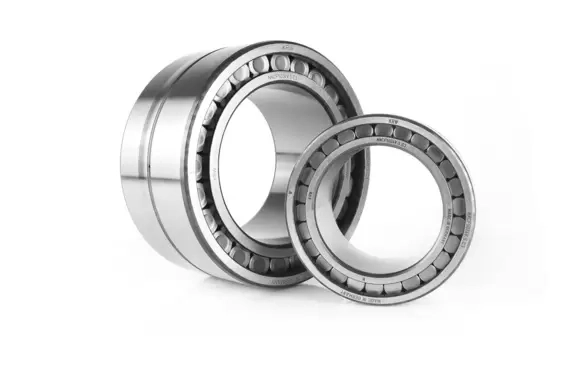
Single row full complement cylindrical roller bearings are designed to achieve maximum radial load capacity by utilizing the largest possible number of rollers. They offer excellent rigidity in space-constrained applications. Compared with caged versions, full complement bearings handle higher loads but operate at lower speeds.
Operational experience emphasizes careful attention to lubrication, as high roller density can cause localized heat buildup. Proper housing design is essential to maintain alignment and ensure long-term performance under heavy radial stress.
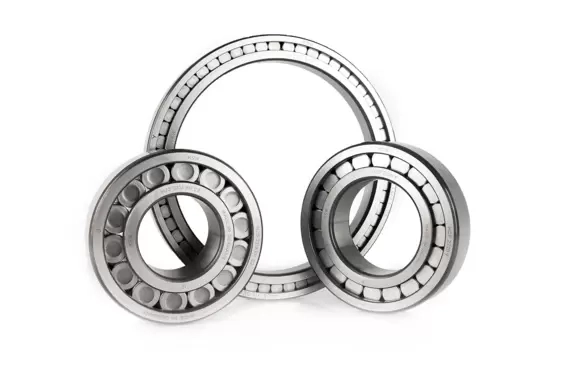
Single row cylindrical roller bearings with cage are engineered to support extremely high radial loads while maintaining high-speed capability. Linear contact between rollers and raceways allows these bearings to outperform ball bearings in load capacity, though axial load support remains limited.
Design flexibility in flange arrangements accommodates diverse applications. Field application demonstrates that these bearings offer smoother rotation and superior speed performance compared to full complement types, making them ideal for high-speed industrial equipment and heavy-duty drives.
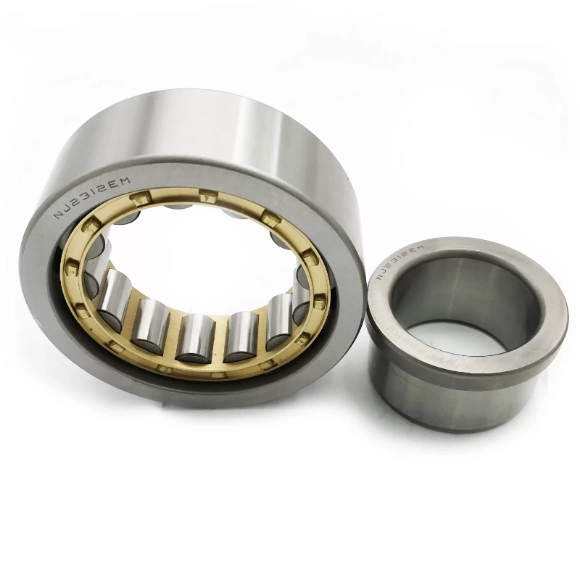
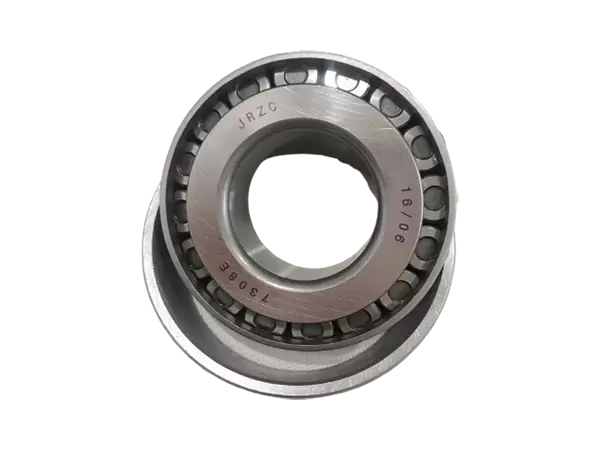
Non-standard tapered roller bearings are customized to meet specific design and operational requirements. Based on proven tapered bearing geometry, they are optimized for load capacity, material performance, and internal clearances. These bearings support combined radial and axial loads, ensuring precise alignment and high rigidity in specialized machinery.
Engineering experience indicates that careful collaboration between manufacturer and designer is essential to ensure compatibility with unique dimensions or installation constraints. Tailored solutions guarantee reliable operation and extended service life under challenging conditions.
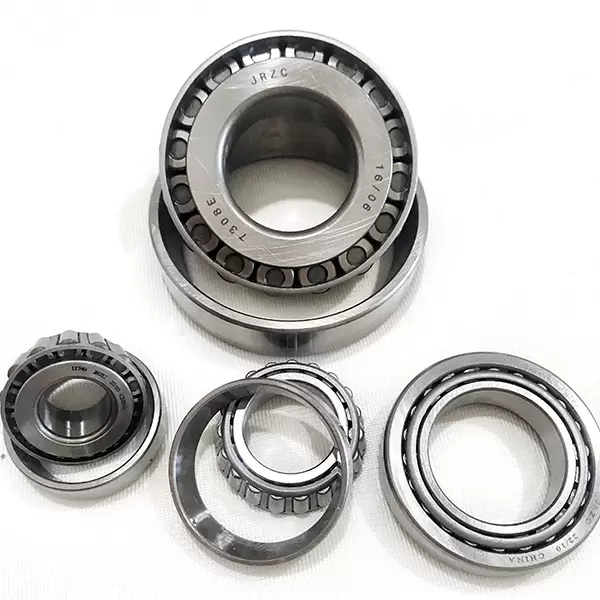
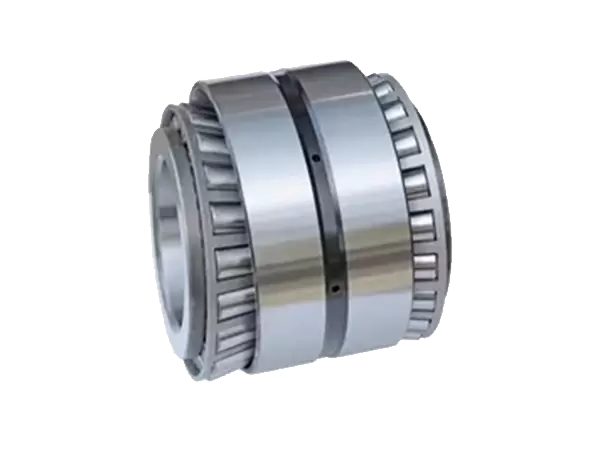
Double row tapered roller bearings feature two rows of tapered rollers in an X- or O-configuration. They can share a common inner or outer ring and are adjusted for axial clearance or preload using a spacer ring. This design enables absorption of high radial loads and axial forces in both directions.
Practical usage shows that these bearings offer excellent rigidity and stability under combined loads. Their separable design allows independent installation of rings, simplifying assembly and maintenance in medium to high-speed applications such as gearboxes and industrial drives.
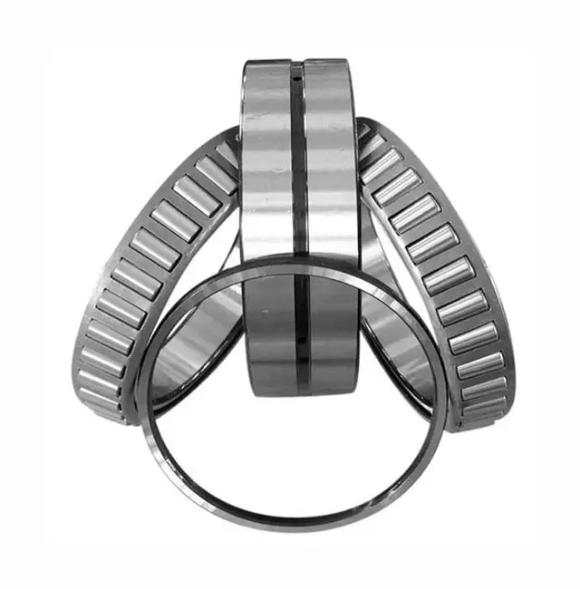
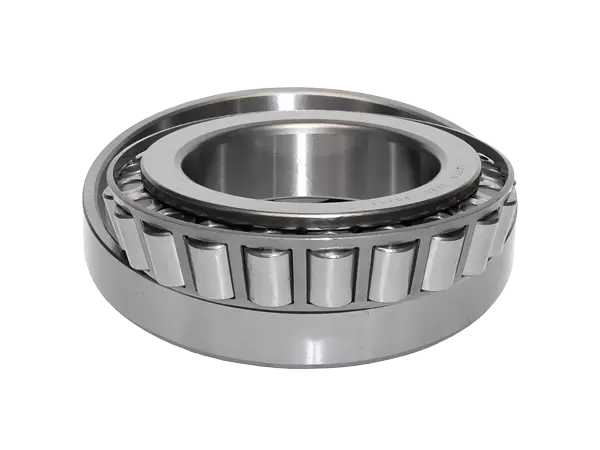
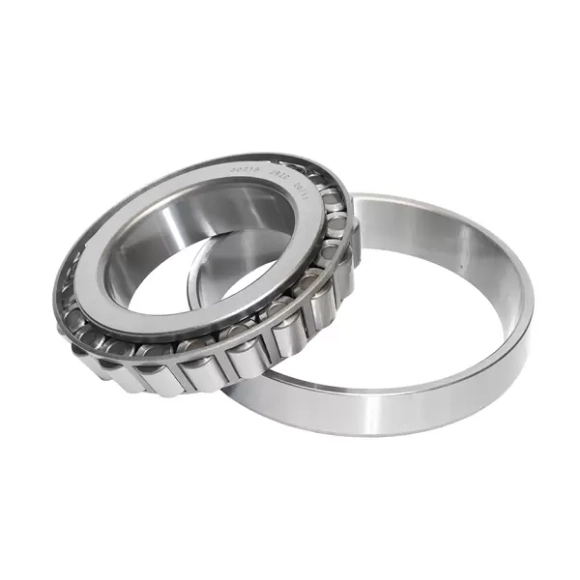
Single row tapered roller bearings are designed to handle radial loads combined with axial forces in one direction. Typically mounted in pairs, they are pre-adjusted for clearance or preload to optimize performance. The tapered geometry ensures efficient load transmission, high rigidity, and smooth operation.
Field experience demonstrates that proper mounting orientation and preload adjustment are essential for maintaining bearing life and performance. Applications include automotive hubs, industrial machinery, and gear assemblies where precision load handling is critical.
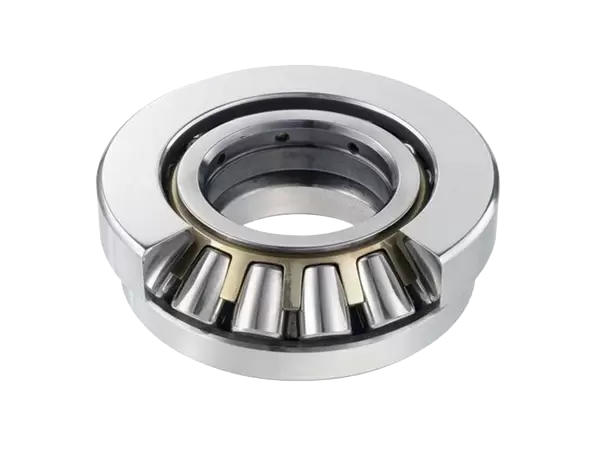
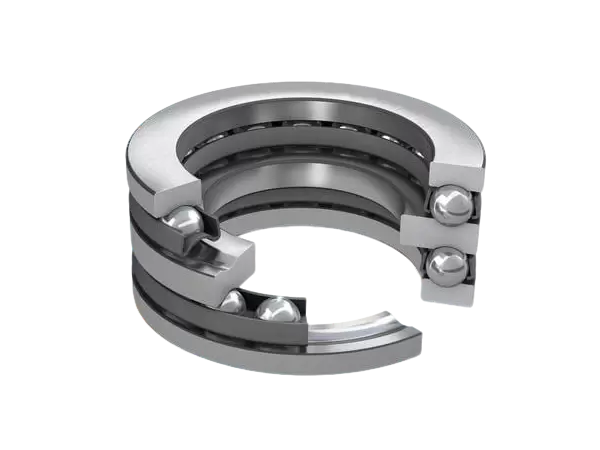
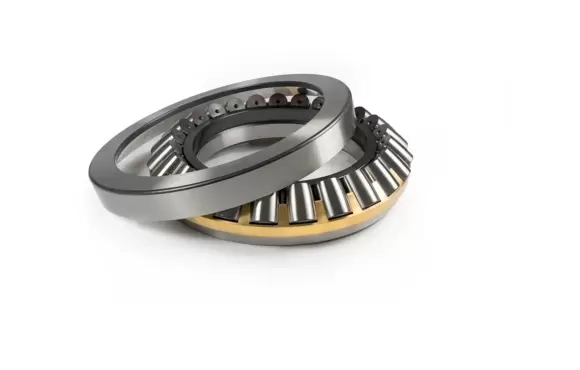
Thrust spherical roller bearings accommodate angular misalignment and shaft or housing deflections. Their barrel-shaped rollers and concave raceways allow support of extremely high axial loads in one direction while handling moderate radial forces. The self-latching cage and separable washers facilitate installation and precise positioning.
Industrial application experience highlights their value in vertical shaft systems and heavy-duty axial load machinery. Proper selection of internal clearance and cage type is crucial to maintaining alignment and extending operational life.
Practical Guidance for Roller Bearing Selection
Matching Bearing Type to Load Requirements
Each roller bearing type is optimized for specific load conditions. Spherical and CARB toroidal bearings manage misalignment under heavy loads, while cylindrical and tapered designs excel in radial and combined load applications. Full complement and needle roller bearings maximize load capacity in space-limited assemblies.
Installation and Alignment Considerations
Separable bearings simplify installation and maintenance, whereas non-standard and full complement designs require careful handling. Alignment tolerance is critical, particularly for cylindrical and tapered bearings, which cannot compensate for angular misalignment without performance loss.
Speed, Friction, and Lubrication
Caged designs facilitate higher-speed operation and reduce friction, whereas full complement bearings favor low-speed, high-load environments. Correct lubrication, whether grease or oil-based, is necessary to prevent premature wear and overheating.
Space Efficiency and Compact Design
Needle roller bearings and full complement cylindrical roller bearings allow high load capacity without increasing assembly footprint. Selection of inner ring versus no-inner-ring designs impacts space efficiency and integration flexibility.
Environmental and Material Considerations
Industrial environments often involve high temperatures, shocks, or contaminants. Bearings such as spherical, CARB toroidal, and non-standard tapered types employ high-quality materials and coatings to withstand these conditions while ensuring long service life.
Conclusion
Each roller bearing type offers unique advantages based on load requirements, misalignment tolerance, speed capability, and spatial constraints. Spherical roller bearings provide robust misalignment compensation; cylindrical and tapered rollers manage radial and combined loads efficiently; needle and full complement designs excel in compact, high-load scenarios; CARB toroidal bearings offer axial displacement and alignment flexibility; and slewing and thrust spherical roller bearings handle complex load combinations.
Strategically selecting the appropriate bearing type, coupled with proper installation, lubrication, and alignment practices, ensures reliable performance, extended operational life, and minimized downtime in industrial applications. Strict adherence to these principles, drawn from practical engineering experience, allows organizations to optimize machinery efficiency and maintain stable, high-performance operations under demanding conditions.