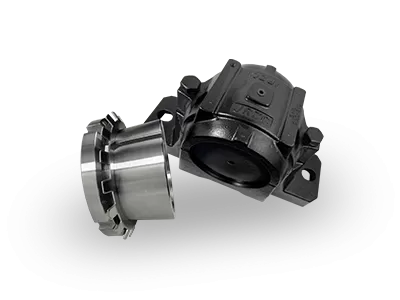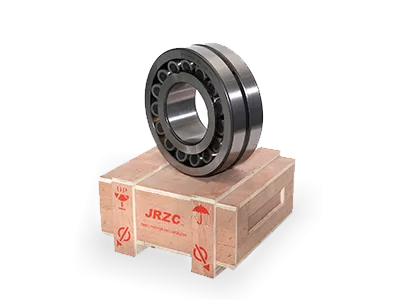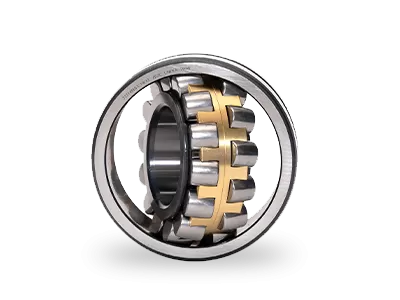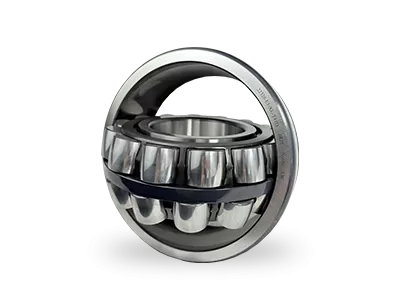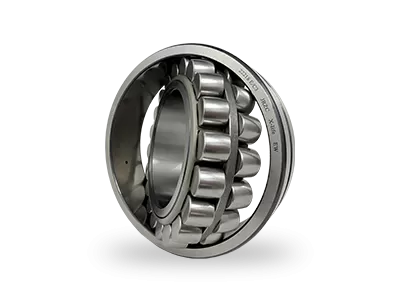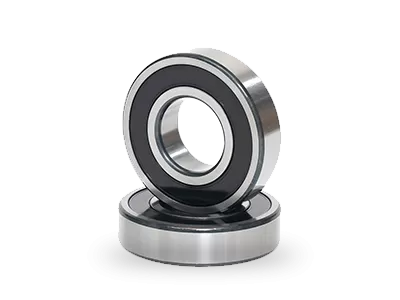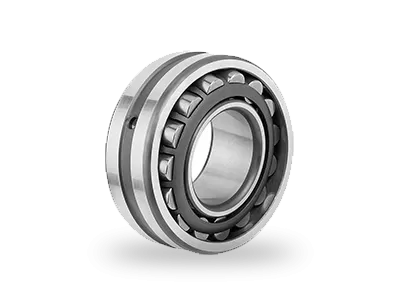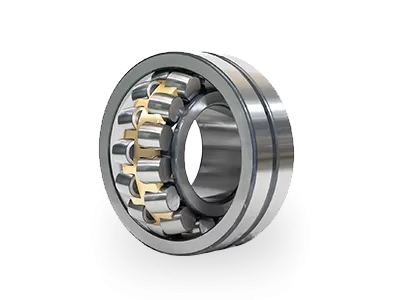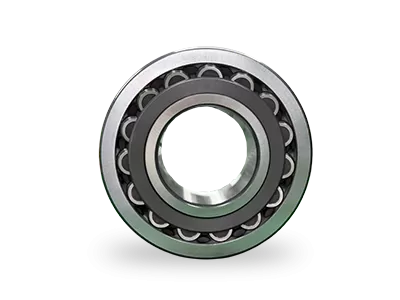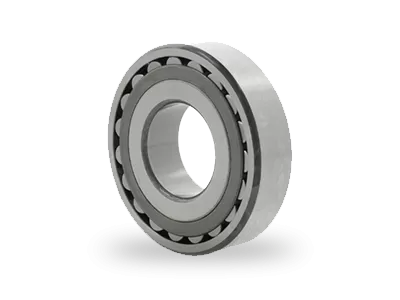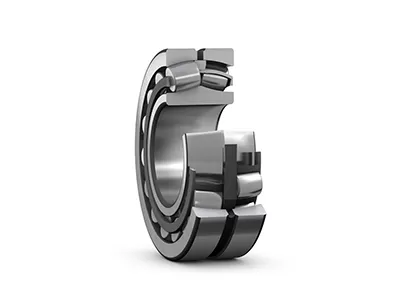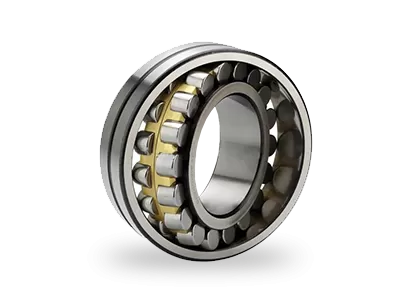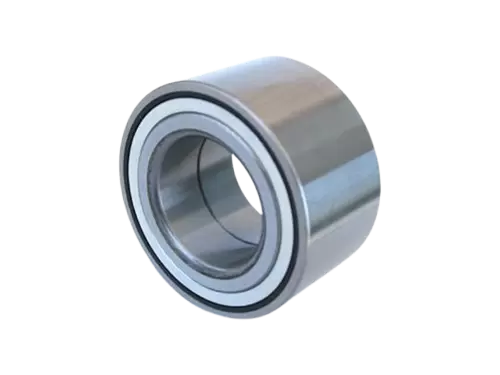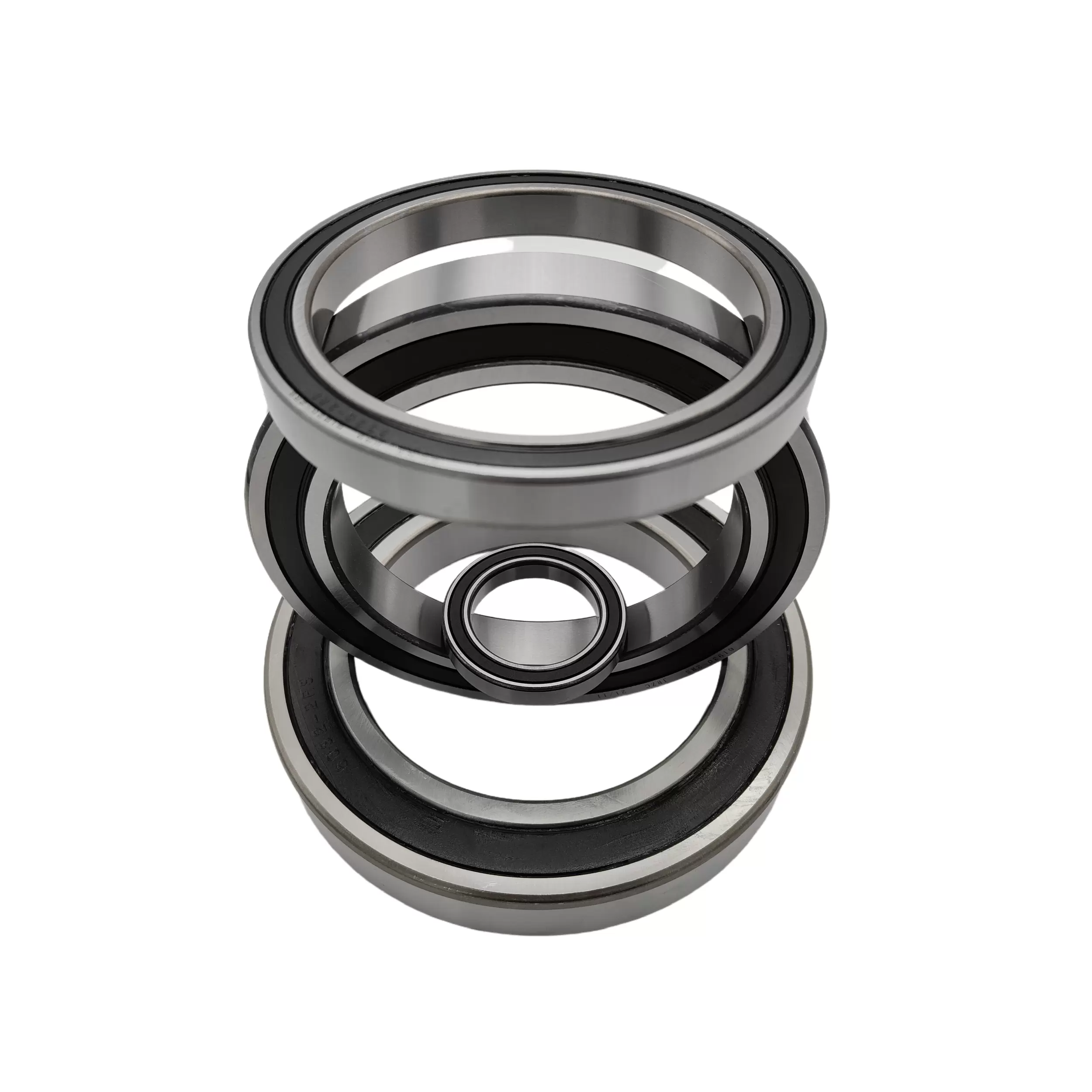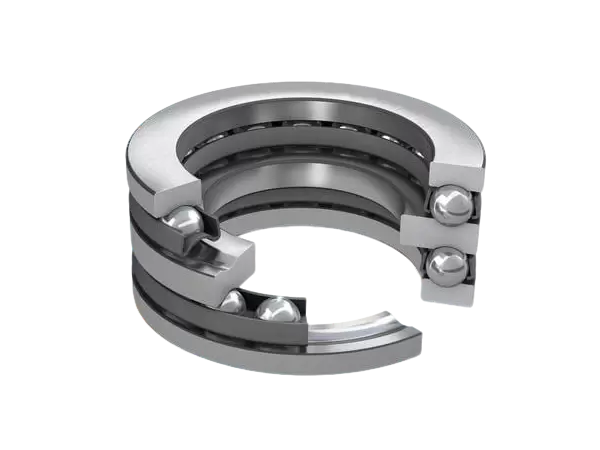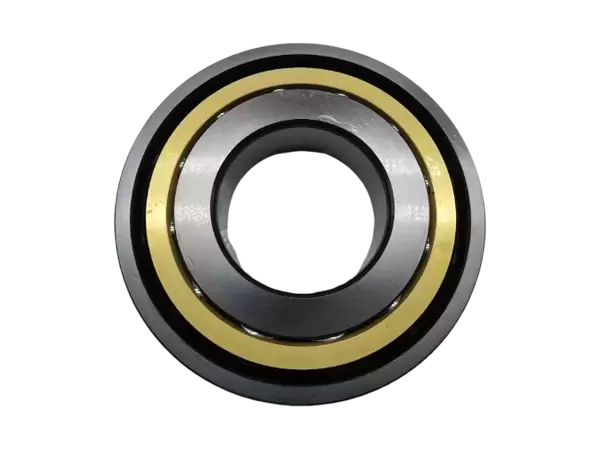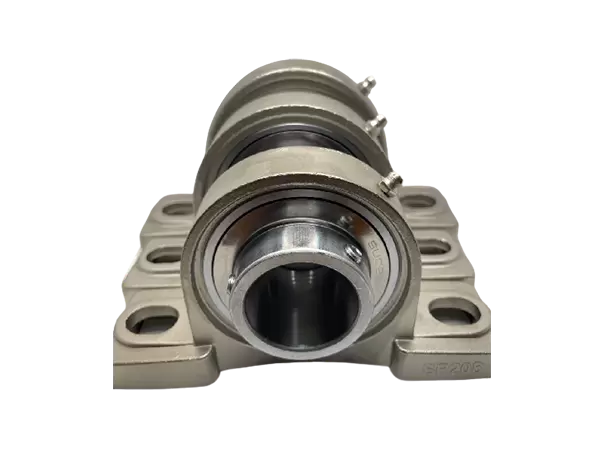

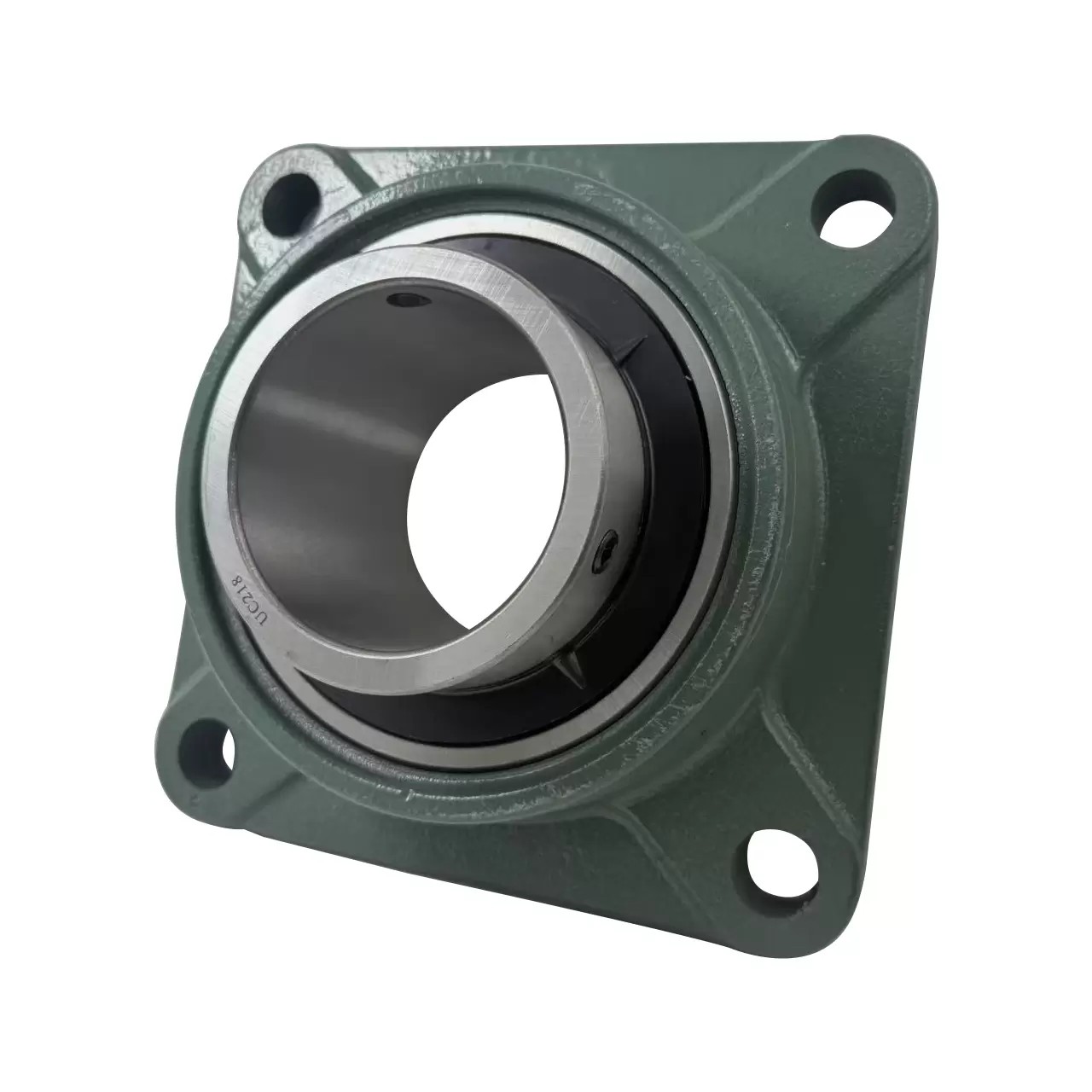
UCF217
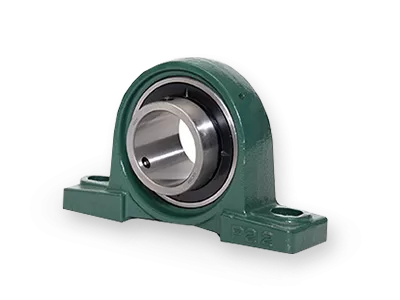
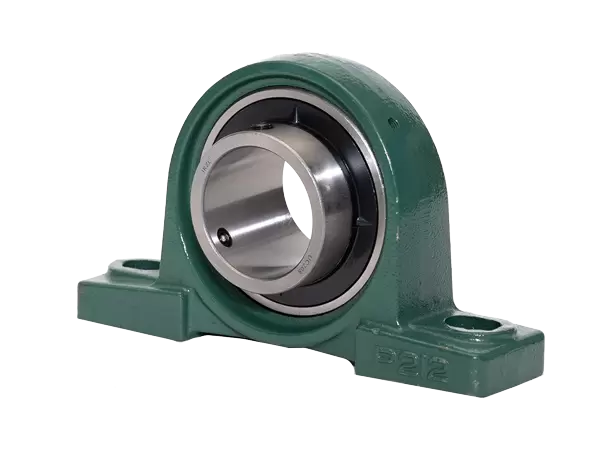
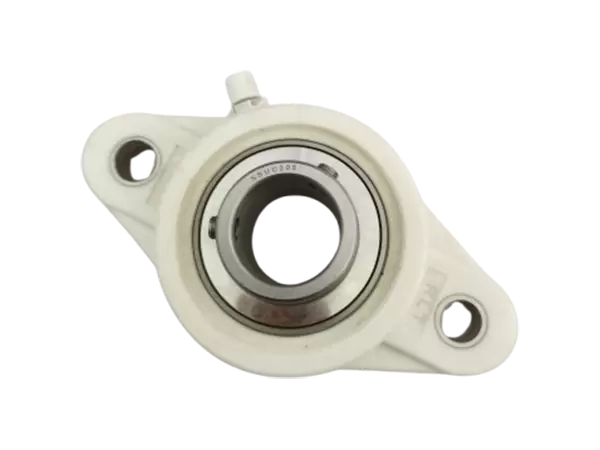
JRZC UCF Square flanged ball bearing series is a bearing unit designed for side mounting via four bolts. It consists of a spherical bearing and a
precision-cast square flange housing, perfectly integrated into a single unit. This series combines the bearing and housing into a
ready-to-install assembly, ideal for applications requiring vertical mounting of the bearing against wall panels or side walls using
bolts, with the shaft parallel to the mounting surface.
- Dimensions
Attachment bolt diameter 20 mm Shaft diameter 85 mm Centre height (pillow block) 95.2 mm Housing overall width 83 mm Centre distance between bolt holes 247 mm Bearing width, total 85.7 mm PerformanceBasic dynamic load rating 83.2 kN Basic static load rating 64 kN Oil Limiting speed 1800 r/min - Properties
Housing type Pillow block, normal base Number of bolt holes for fasteners 2 Fastening bolt hole type Plain Retaining feature, inner ring Set screws Bore type Cylindrical Material, housing Cast iron Material, bearing Bearing steel Coating Without Sealing, bearing Seal and flinger on both sides Sealing type Contact, standard Sealing, unit Without Lubricant Grease Relubrication hole With Grease fitting With - Weight and Material
Product net weight 11.8 kg
FAQ:
1. What should be noted when installing UCP series bearings?
Proper installation is critical. Below are key steps and precautions:
Before installation: Inspect the shaft for flatness and ensure mounting holes are aligned. Clean the shaft and bearing housing,
then apply a thin layer of oil to the shaft surface.
During Installation: Position the unit onto the shaft at the designated location, ensuring the bearing housing is level and centered with the shaft.
When tightening the housing mounting bolts, use a diagonal cross-tightening method to prevent housing deformation.
Subsequently, evenly tighten the set screws on the inner ring to secure it to the shaft.
After Installation: Manually rotate the shaft to confirm smooth rotation without binding.
2. How to address shaft misalignment?
The self-aligning capability of the UCP series accommodates limited shaft misalignment (typically ±3°). However, exceeding the permissible range
may cause increased vibration and accelerated wear. Therefore, during installation, rigorously inspect the flatness and concentricity of the
mounting base. If misalignment is dynamic, supplement with regular monitoring.
8. Does the UCP series require maintenance? How is relubrication performed?
Yes, regular maintenance significantly extends bearing life.
Periodic inspection: Assess for abnormalities such as noise, vibration, or temperature rise by examining appearance and operational status.
Grease replenishment: The UCP series typically features grease nipples for relubrication. It is recommended to
replenish with the same type of lithium-based grease (e.g., NLGI 2) using a grease gun every 6-12 months.
Replenishment should ideally be performed during low-speed operation or while manually rotating the shaft to ensure even distribution of grease within the bearing.
Troubleshooting
3. What are the potential causes of fracture in UCP series bearing housings or fixing bolts?
Based on case studies and engineering experience, common causes include:
Alternating Stress: Cyclic stresses present during equipment operation are a primary cause of metal fatigue, leading to bearing housing or bolt fractures.
Assembly Issues: Misalignment between the shaft and housing during installation subjects the housing to abnormal loads.
Stress Concentration: Fractures typically occur in stress-concentrated areas like bolt holes or flange roots.
Design flaws or casting defects may exacerbate this issue.
Bearing Housing Quality: Substandard materials (e.g., poor-quality cast iron) or casting defects can also cause the housing to crack during use.
4. How to select the appropriate UCP bearing model?
Consider the following key parameters during selection:
Shaft diameter: This is the primary parameter and must match your shaft diameter.
Load capacity: Verify the bearing's basic dynamic and static load ratings against your equipment's load conditions to ensure adequacy.
Mounting dimensions: Confirm that the bearing housing's mounting hole spacing and center height match your equipment frame.
Operating environment: Consider special conditions like dust, moisture, high temperatures,
or corrosion to select appropriate seal types and materials.