
1. What are the main structural features of UCP213?
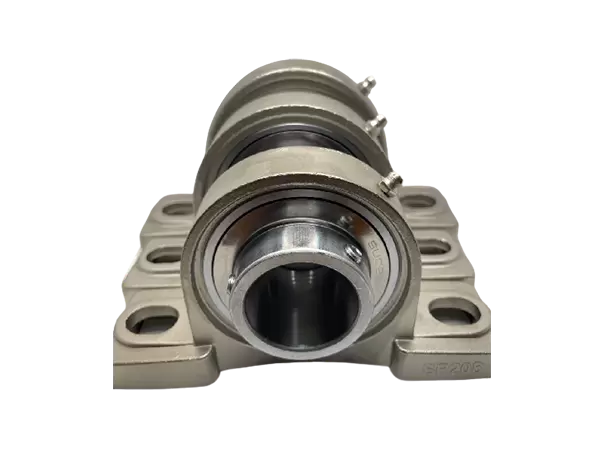
The design of UCP213 makes it highly reliable and easy to use in industrial applications:
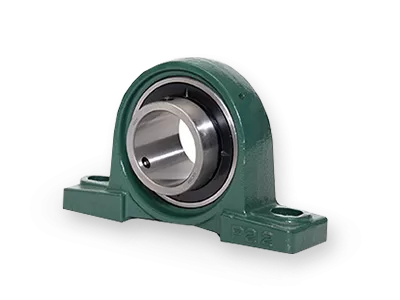
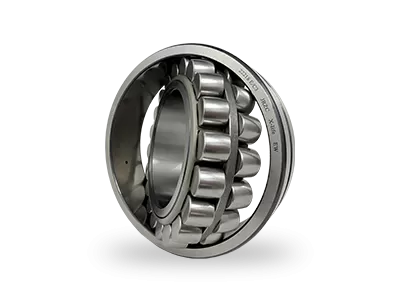
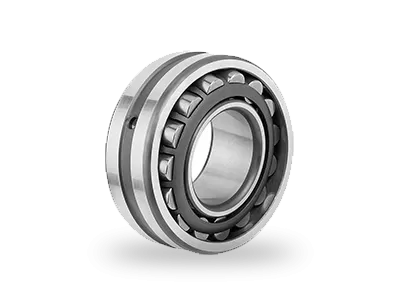
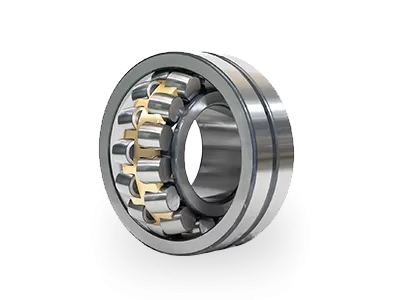
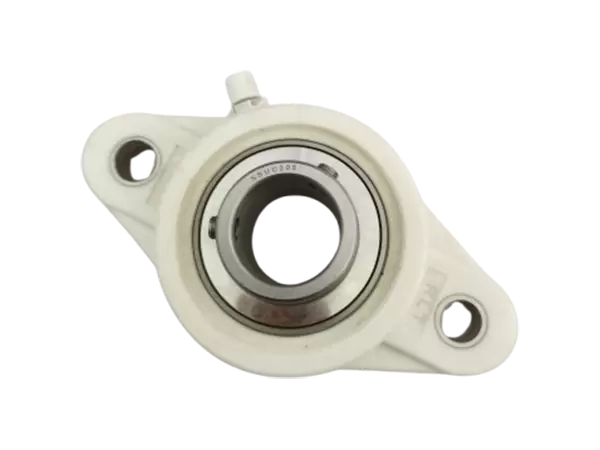
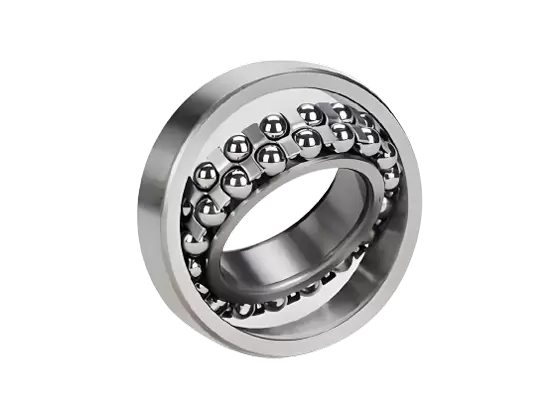
Self-Aligning Capability: Because the bearing's outer sphere matches the concave spherical surface of the housing, it can automatically compensate for installation errors or shaft deflection, typically up to ±3°.
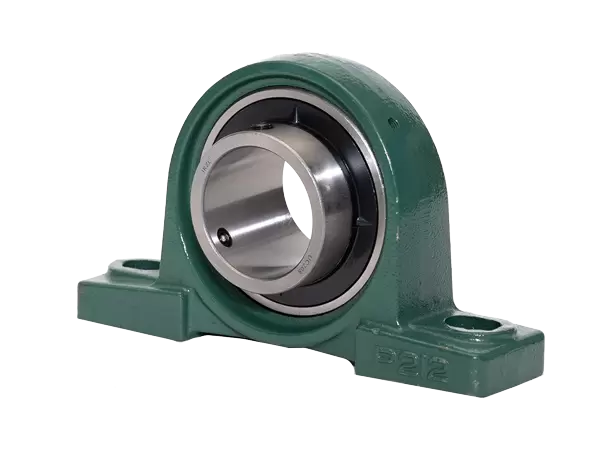
Ready-to-Mount: The bearing and housing are pre-assembled and pre-lubricated at the factory, simplifying the design and installation process.
Easy-to-Install Locking Device: It usually employs setscrews to lock the bearing inner ring onto the shaft, making installation simple and quick.
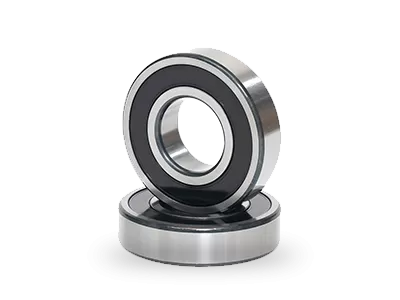
Reliable Sealing: The bearing is equipped with contact seals and dust covers (such as double rubber seals) as standard on both sides, effectively preventing contaminants from entering and extending bearing life.
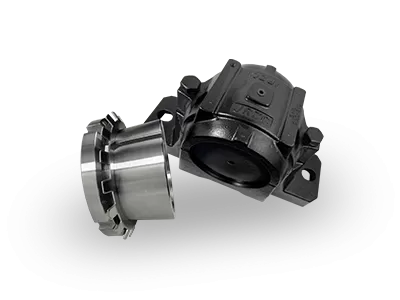
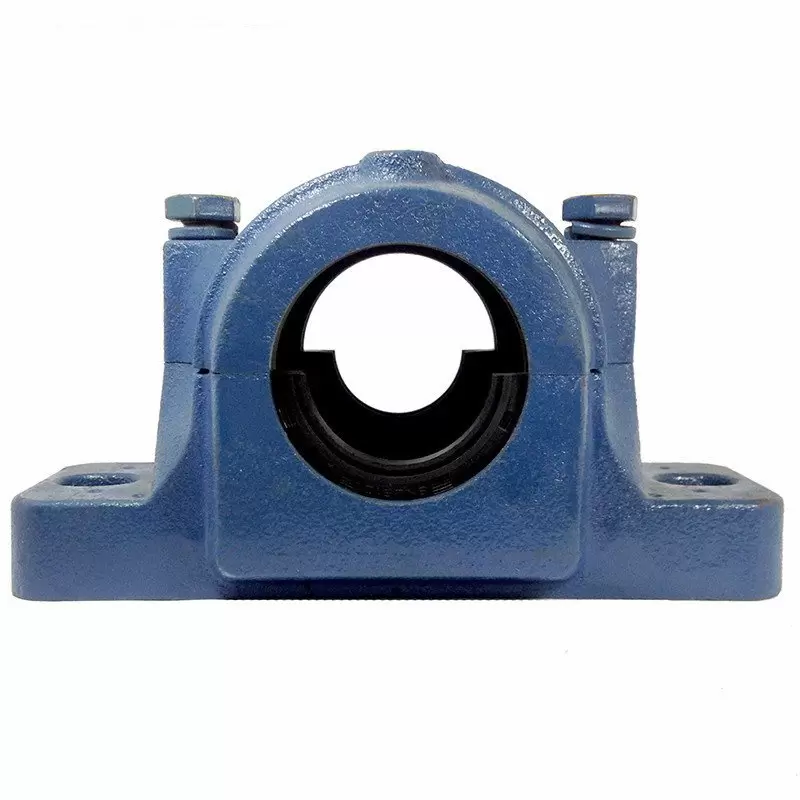
Robust Housing: The housing is typically made of cast iron, providing sturdy support.
2. What is the load capacity of UCP213?
UCP213 has good load-carrying capacity and is primarily used for radial loads.
3. What applications is UCP213 suitable for?
Due to its durability and ease of use, UCP213 is widely used in various industrial fields, especially in agricultural machinery (such as harvesters), conveying equipment, material handling systems, ventilation equipment, fans, and food processing machinery.
4. What should be noted when installing UCP213?
Correct installation is crucial. Here are the key steps and considerations:
Before Installation: Check the rigidity of the housing, the flatness of the mounting surface, and the dimensional tolerances of the shaft for compliance. Clean the shaft and housing, and apply a thin layer of oil to the shaft surface.
Installation Process: Place the unit into the desired position on the shaft, ensuring the housing is level and aligned with the shaft. Use a torque wrench to tighten the housing mounting bolts to the specified torque (the recommended torque for the setscrews is approximately 16.5 N·m), then evenly tighten the inner ring locking setscrews.
After Installation: Rotate the shaft manually to confirm smooth rotation without binding.
5. How to handle shaft misalignment?
The self-aligning feature of UCP213 can absorb a certain degree of shaft misalignment. However, if it exceeds the allowable range (typically ±3°), it will lead to increased vibration and wear. Therefore, during installation, special attention should be paid to checking the flatness and coaxiality of the base. If the misalignment is dynamic, it should be supplemented with regular monitoring to prevent the amplitude from expanding.
6. Does UCP213 require maintenance? How to perform regreasing?
Yes, regular maintenance can significantly extend bearing life.
Regular Inspection: Check for any abnormalities by inspecting the appearance and operating condition, such as noise, vibration, and temperature rise.
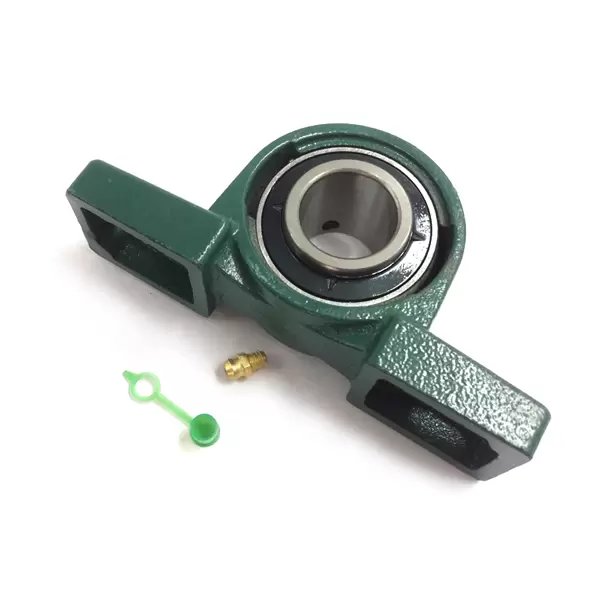
Regreasing: UCP213 is typically regreasable and is equipped with a grease nipple (lubrication fitting, usually with a specification of 1/8-27 NPT). It is recommended to regularly add the same type of grease using a grease gun. When adding grease, it is best to rotate the shaft by hand or run it at low speed simultaneously, so that the grease can enter the bearing interior evenly.