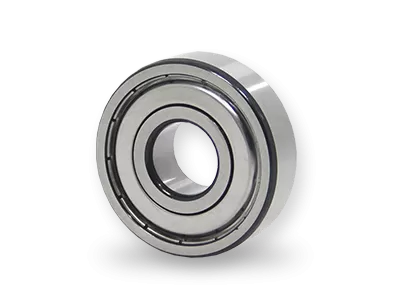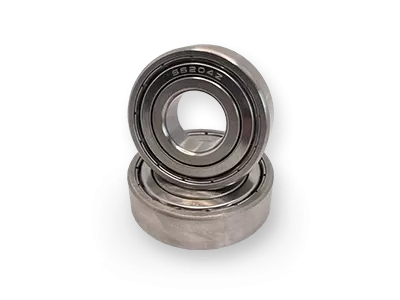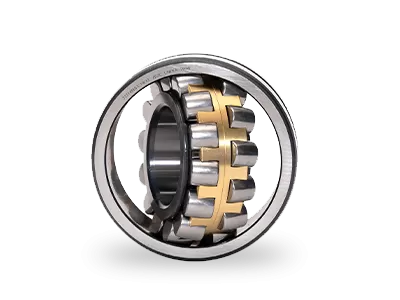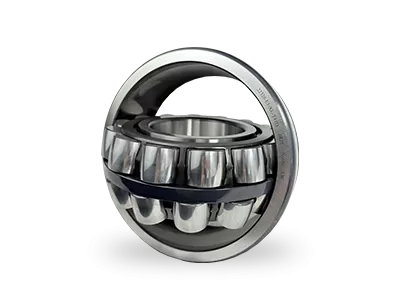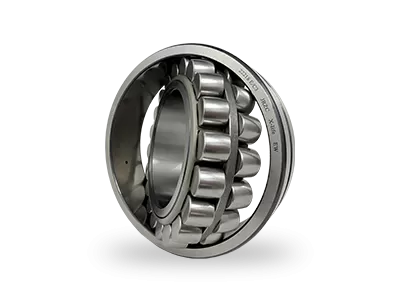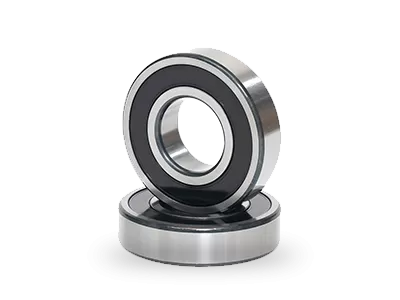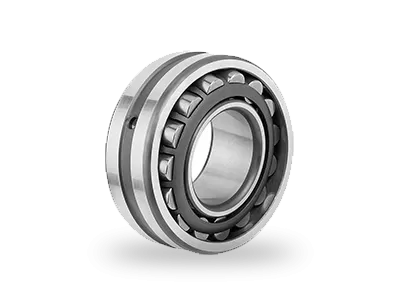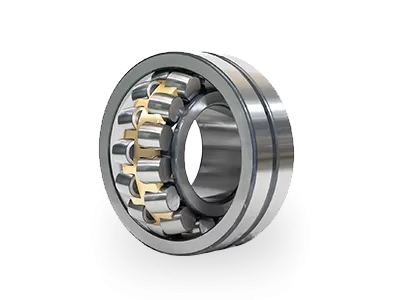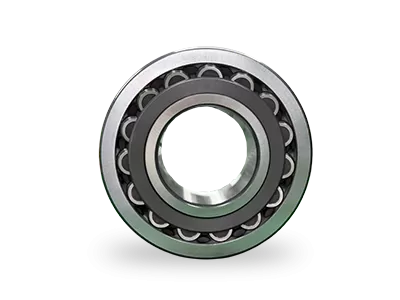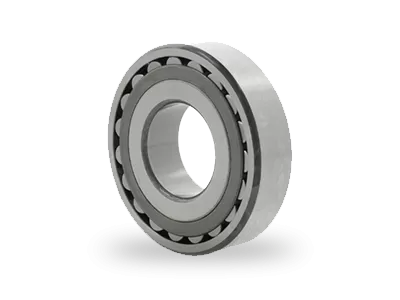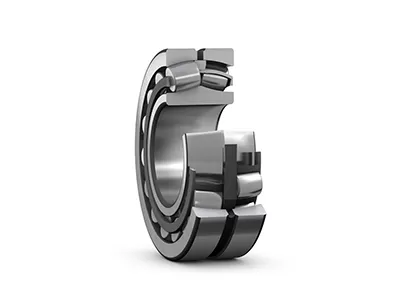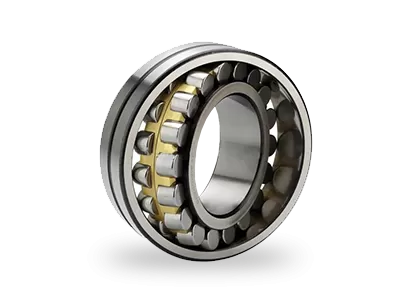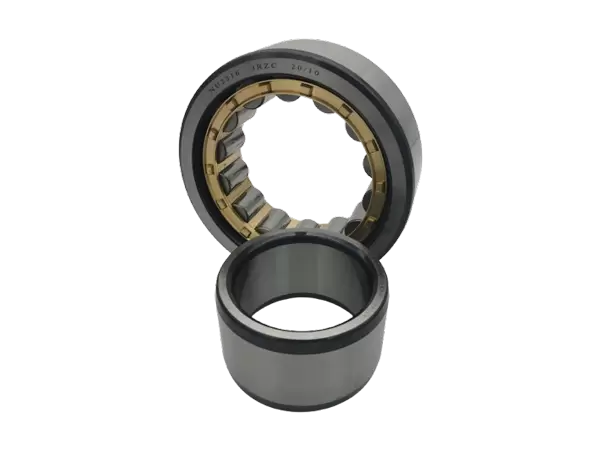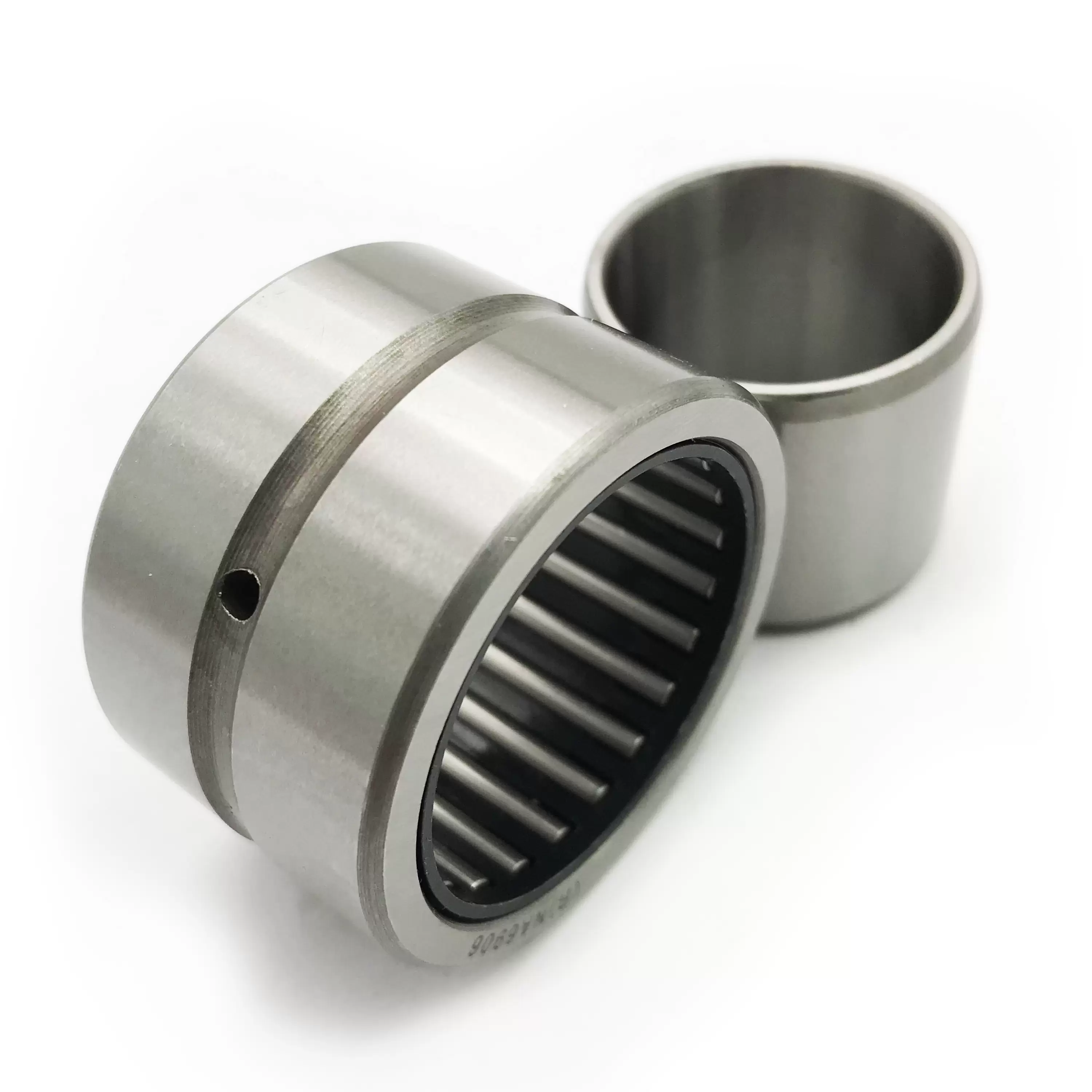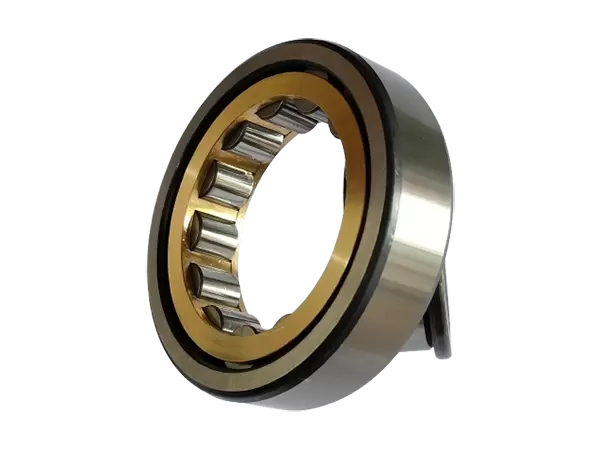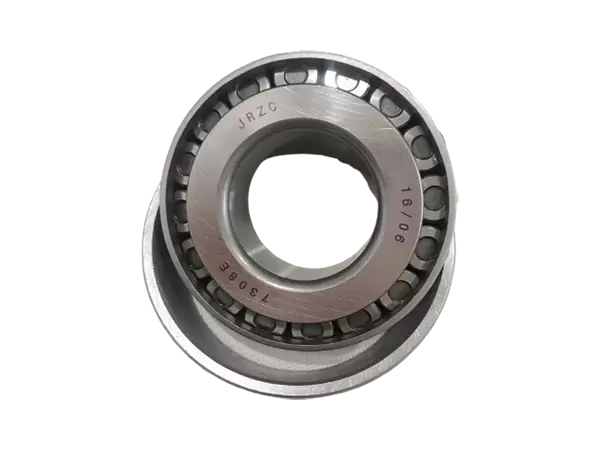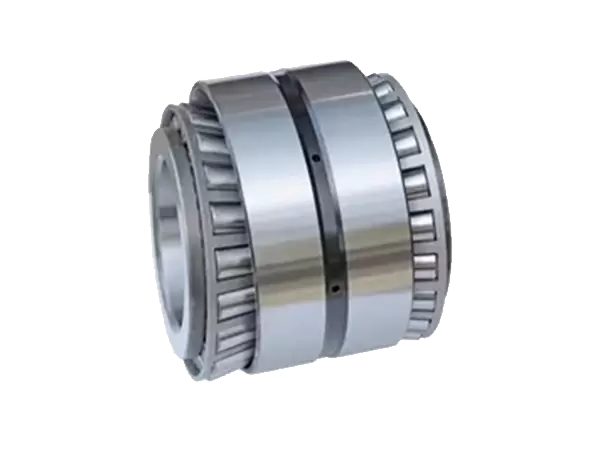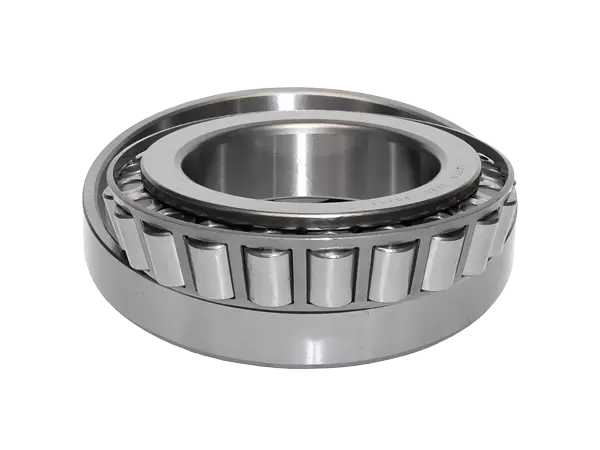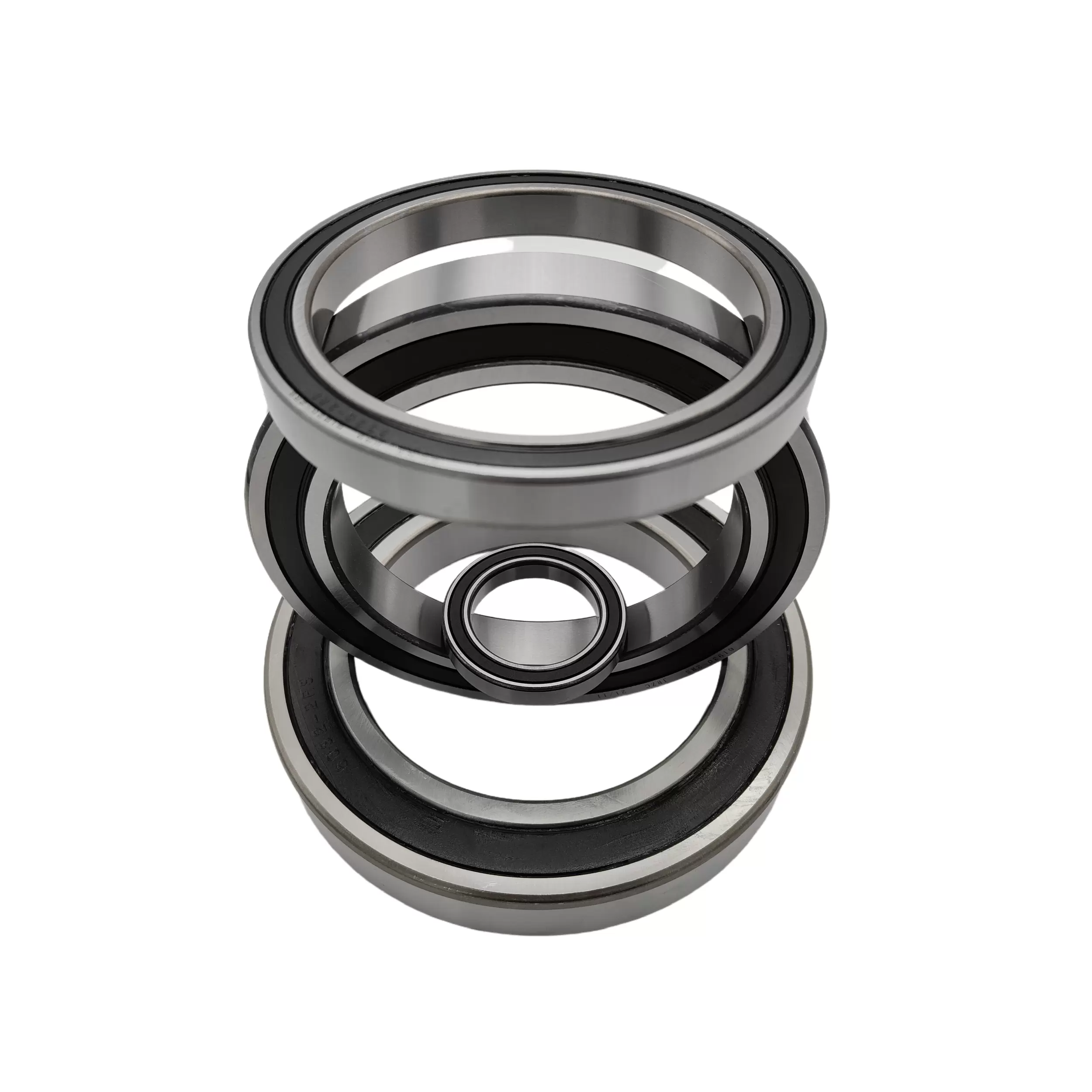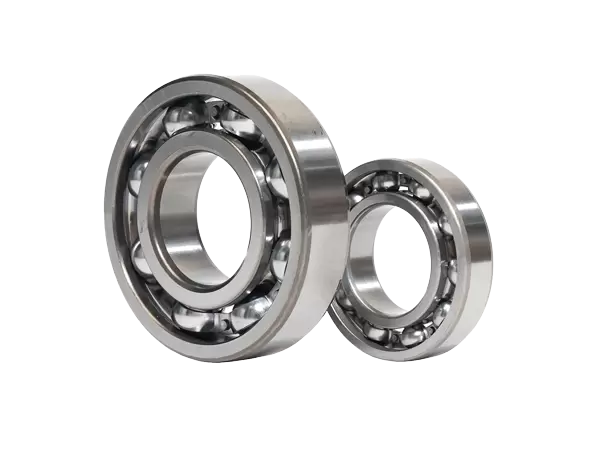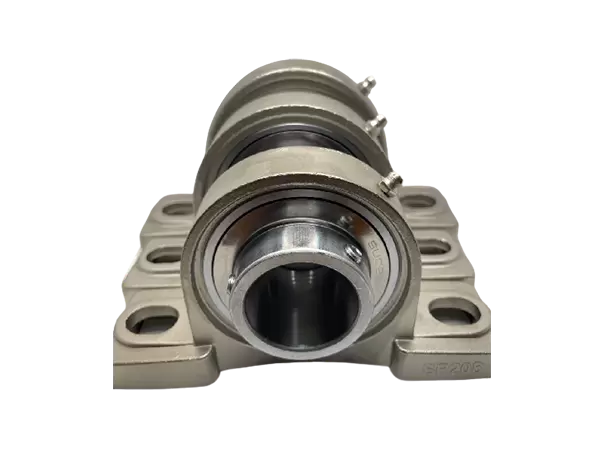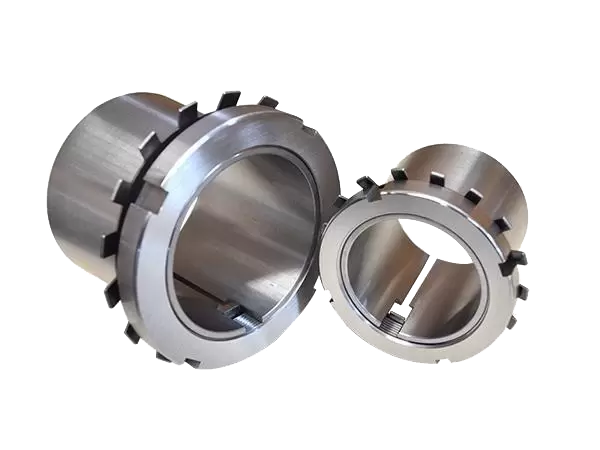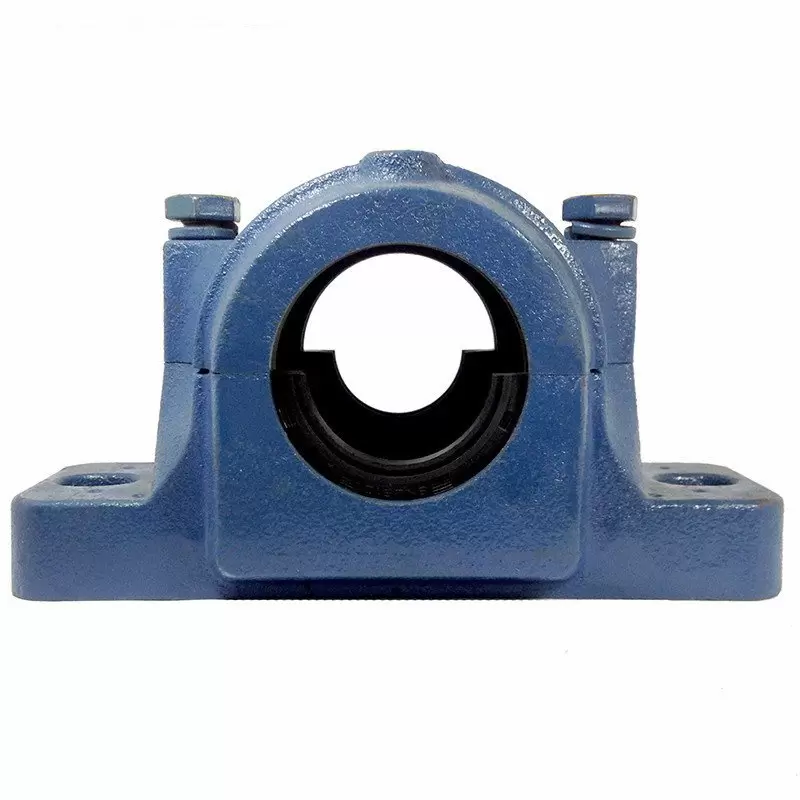

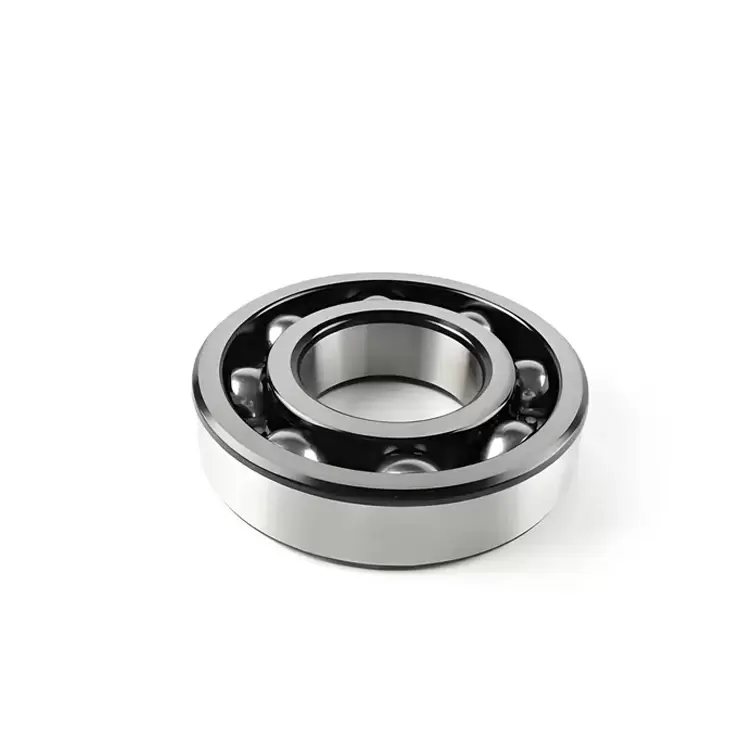
629-2RSH/C3
With outer diameters as small as 9mm (metric) or 9.525mm (inch) and bores down to 0.6mm, these "miniature marvels" deliver high speed, low noise,
and long life in tight spaces. Ideal for micro motors, medical devices, and precision instruments.
Featuring high-grade materials (bearing steel, stainless steel, or ceramic), ultra-low noise operation, and versatile designs
(open, shielded, sealed, or flanged) to suit diverse applications.
—— JRZC, crafted in China's "Bearing Hometown" Wafangdian with 22 years of expertise and ISO9001 certification, ensuring
every micro bearing performs with precision and reliability.
- Dimensions
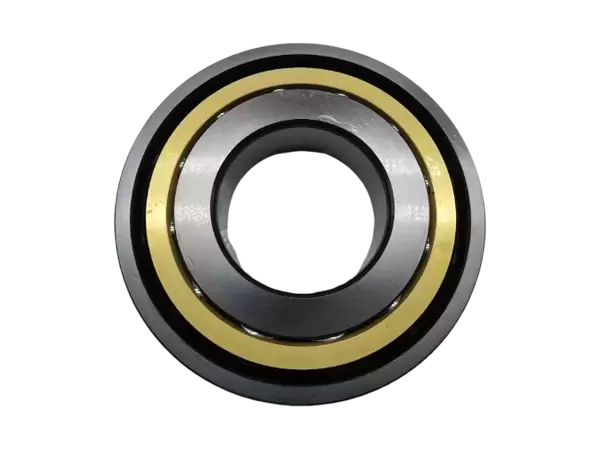
Bore diameter 9 mm Outside diameter 26 mm Width 8 mm PerformanceBasic dynamic load rating 4.75 kN Basic static load rating 1.96 kN Grease Reference speed 6650 r/min Oil Limiting speed 21000 r/min - Properties
Bore type Cylindrical For Load Direction Radial Number of rows Single row Radial internal clearance C3 Material, bearing Bearing steel Tolerance class for dimensions Nomal Tolerance class for run-out P5 Material, bearing Bearing steel Seal type Open Lubricant Grease Relubrication feature Without - Weight and Material
Product net weight 0.0194 kg Roller material Chrome steel Ring Material Chrome steel Cage Sheet metal
FAQ– JRZC Miniature deep groove ball bearings
1. What materials are commonly used for miniature bearings?
Depending on the application, the main materials used are:
Bearing Steel (GCr15): General purpose, high load capacity, cost-effective.
Stainless Steel (440C, etc.): Corrosion-resistant and rustproof, suitable for medical devices and food processing equipment.
Ceramic (Silicon Nitride Si₃N₄, etc.): Hybrid ceramic bearings (ceramic balls + steel rings) offer insulation, high-temperature resistance, and self-lubrication, ideal for high-speed or special environments.
2. How do I choose the precision class for miniature bearings?
Miniature bearings are typically available in precision classes such as ABEC-1, ABEC-3, and ABEC-5. The higher the number, the higher the precision.
ABEC-1: General micro motors, office equipment.
ABEC-3: Precision instruments, medical devices.
ABEC-5 and above: Extreme precision applications like aerospace and high-speed spindles.
JRZC can supply miniature bearings according to different precision class requirements.
3. What are the common failure modes for miniature bearings?
Lubrication Failure: Grease drying out or contamination leading to increased friction.
Wear: Debris ingress causing wear on the raceways or balls.
Corrosion: Rusting occurs in humid environments if non-stainless steel is used.
Seizure: Deformation or jamming due to improper installation or overload.
4. How do I choose the right grease for miniature bearings?
Miniature bearings are usually pre-packed with grease. Considerations for selection include:
Low-Temperature Applications: Choose synthetic grease with low starting torque.
High-Temperature Applications: Choose grease with high thermal stability (e.g., fluorinated grease).
Long-Life Requirements: Choose grease with good oxidation resistance and low volatility.
JRZC supplies bearings with standard lithium-based grease or can customize with special greases based on operating conditions.