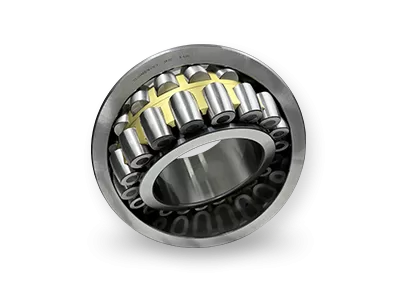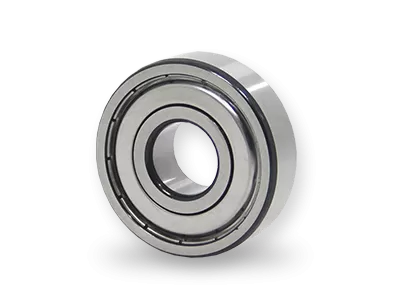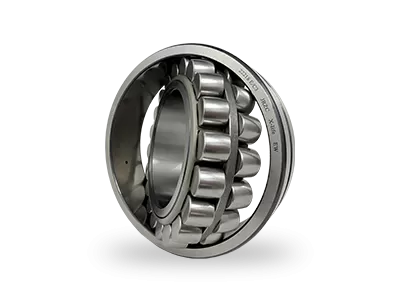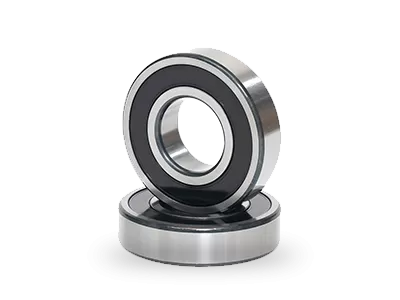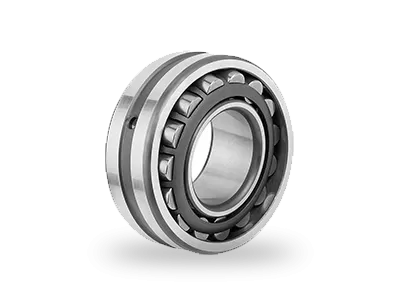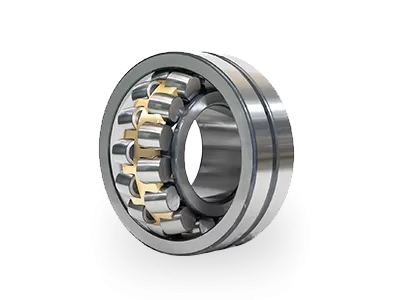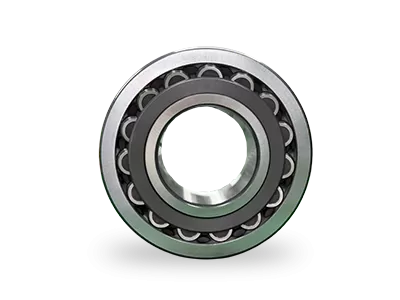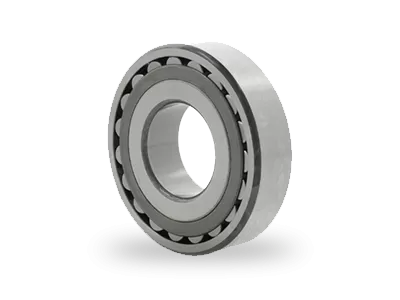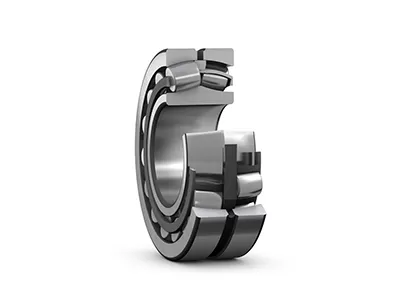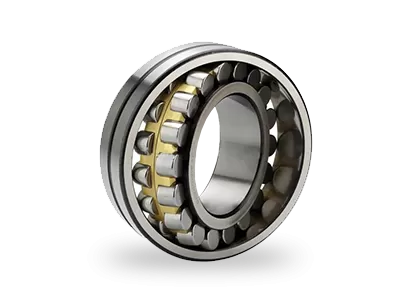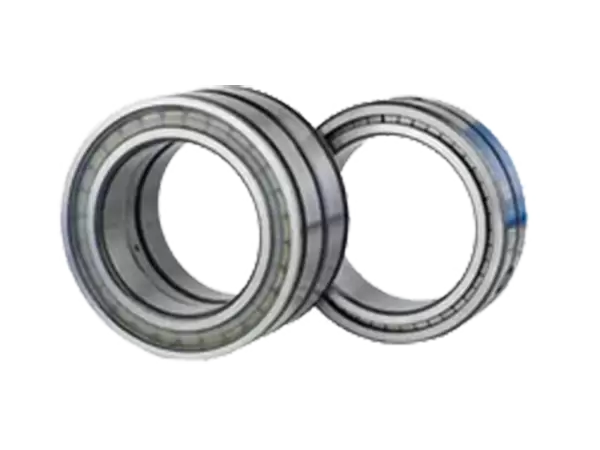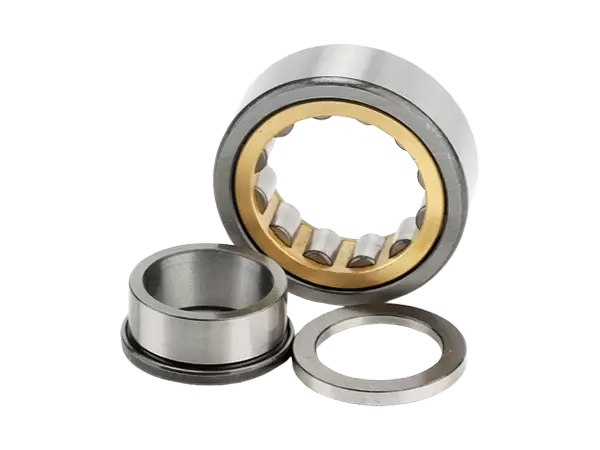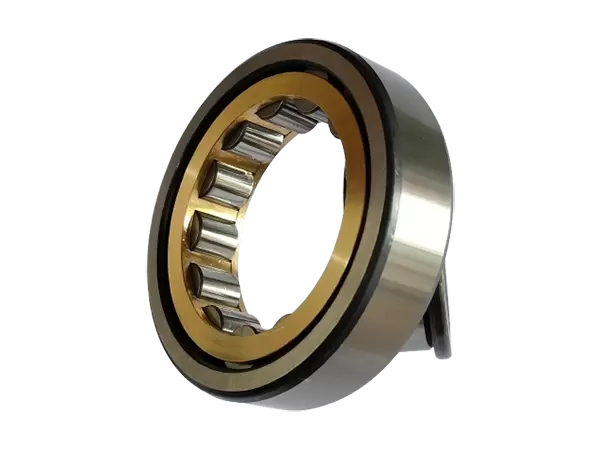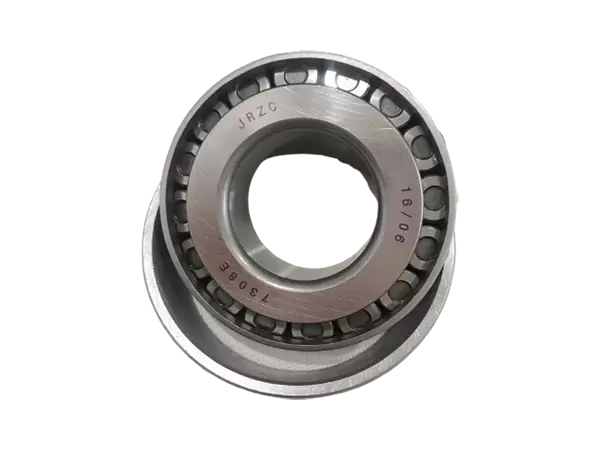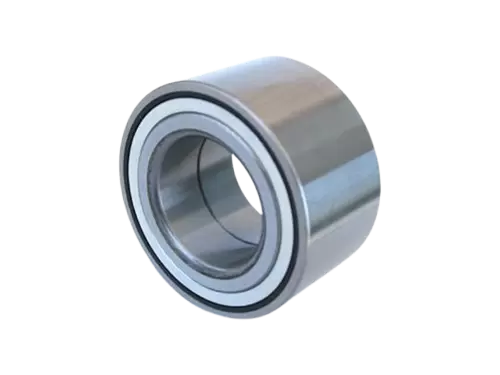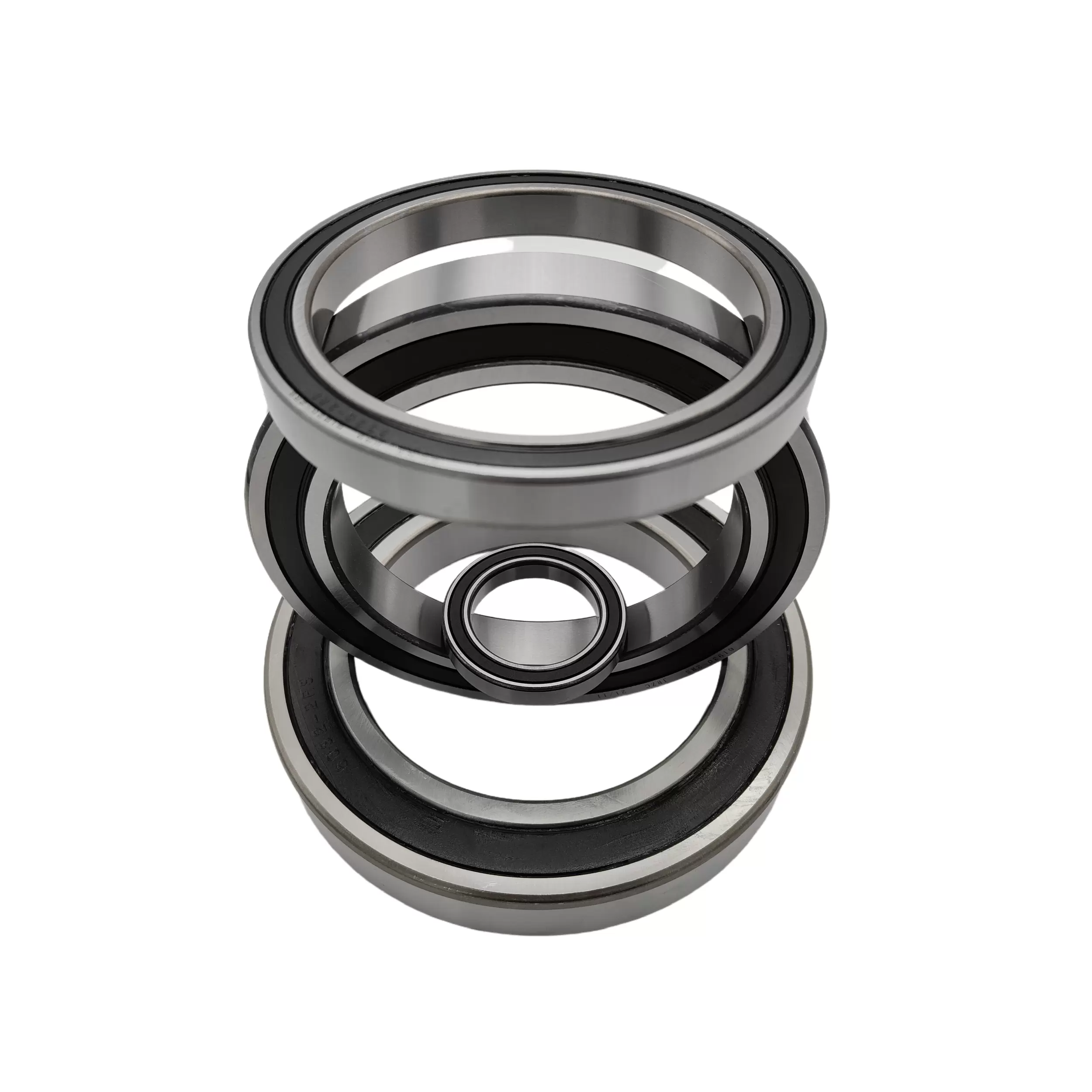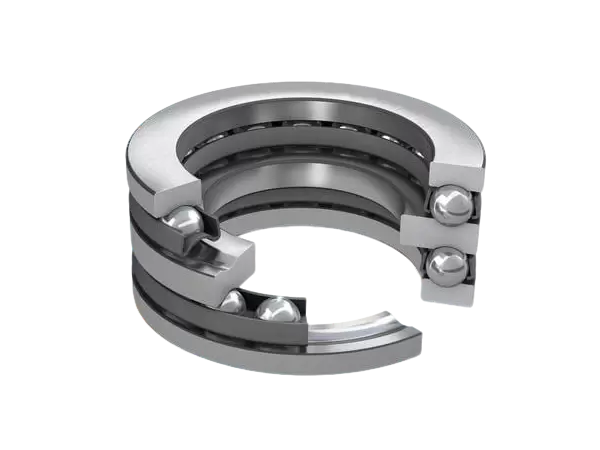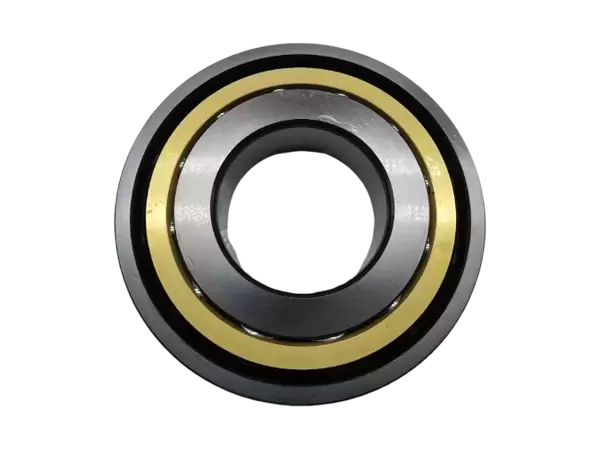

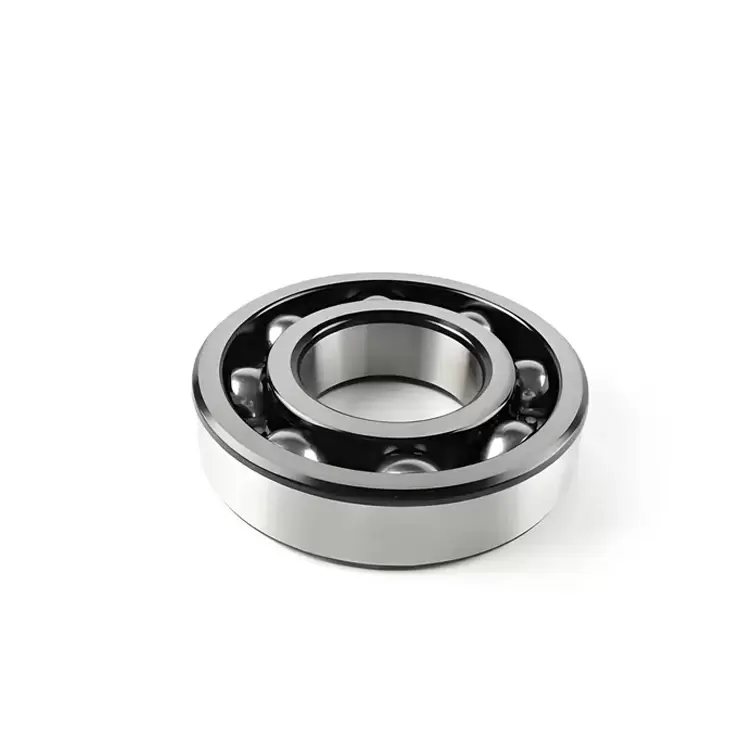
6000-2RSH/C3
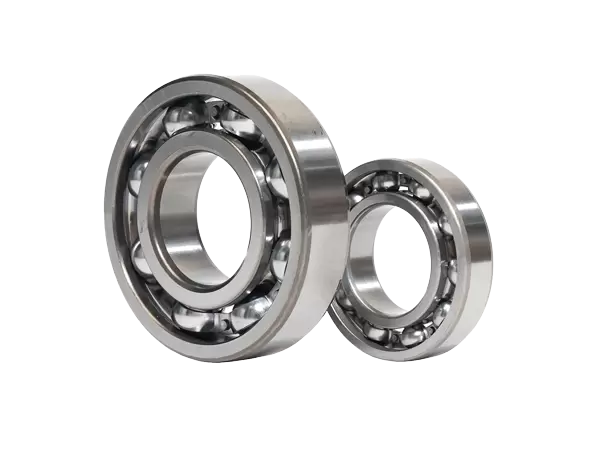
Deep groove ball bearings are the most widely used type of rolling bearing. Simple in structure yet powerful in function, they can accommodate
not only radial loads but also bidirectional axial loads. With low friction and high limiting speeds, they are suitable for various applications
ranging from precision instruments and motors to automotive and mining machinery, earning them the title of "industrial joints."
Their core features include: versatile load capacity (flexible handling of complex loads), diverse structural options
(available in open, shielded, sealed, and snap-ring groove designs), and high precision with low noise
(achieving smooth and quiet operation through optimized raceway design and superfinishing processes).
- Dimensions
Bore diameter 10 mm Outside diameter 26 mm Width 8 mm PerformanceBasic dynamic load rating 4.75 kN Basic static load rating 1.96 kN Grease Reference speed 6650 r/min Oil Limiting speed 23450 r/min - Properties
Bore type Cylindrical For Load Direction Radial Number of rows Single row Radial internal clearance C3 Tolerance class for dimensions Nomal Tolerance class for run-out P5 Seal type Open Lubricant None Relubrication feature Without - Weight and Material
Product net weight 0.019 kg Roller material Chrome steel Ring Material Chrome steel Cage Sheet metal
FAQ– JRZC Deep groove ball bearings
1. What are the primary applications of deep groove ball bearings?
Deep groove ball bearings have extremely broad applications, primarily designed to handle radial loads while also accommodating
limited bidirectional axial loads. They are commonly found in high-speed rotating scenarios such as motors, pumps, compressors,
drive shafts, automotive wheel hubs, home appliances (e.g., washing machines, fans), and industrial machinery.
2. What are the main types of deep groove ball bearings?
Based on sealing methods and structure, they are primarily categorized as:
Open Type (Open): Unsealed, allowing high-speed operation but requiring external lubrication and a clean environment.
Dust Cover Type (ZZ): Features metal dust covers on both sides to prevent dust ingress. Typically pre-filled with grease for maintenance-free operation.
Rubber Sealed Type (2RS): Features contact or non-contact rubber seals on both sides, offering superior dust and water resistance compared to dust shield types.
Outer Ring with Retaining Groove Type: Includes a retaining groove on the outer ring for axial positioning, simplifying installation.
3. How to select appropriate bearing clearance?
Clearance refers to the gap between the rolling elements and the rings inside the bearing.
C0 (Standard Group): Suitable for most normal operating conditions without special requirements.
C3 (Greater than Standard Group): Suitable for applications with significant temperature variations (where the inner ring undergoes substantial thermal expansion)
or tight interference fits to prevent seizure.
C4: Used for more extreme temperature variations or special operating conditions. Recommendation: If operating conditions are unknown, typically select C0; if concerned about shaft thermal expansion, choose C3.
4. What does the bearing's limiting speed mean?
The limiting speed is the maximum rotational speed permitted under specified load and lubrication conditions. In practical applications, the operating speed should
be below the limiting speed. For high-speed requirements, consider the lubrication method (oil lubrication typically allows higher speeds than grease lubrication)
and the bearing's precision grade.
5. How to determine if a bearing needs replacement?
Replacement is recommended when the following conditions occur:
Abnormal noise: Intermittent “clunking” sounds or sharp whining during operation.
Excessive vibration: Noticeable vibration felt by hand at the bearing location during equipment operation.
Excessive temperature rise: Abnormally high temperature at the bearing location, feeling hot to the touch (exceeding normal temperature rise range).
Rotational Sticking: Manual rotation feels stiff or jerky.
6. What precautions should be taken when installing deep groove ball bearings?
Cleanliness: Ensure a clean installation environment to prevent metal shavings or dust from entering the bearing.
Force Application: Apply force evenly during installation. Force should be applied through the ring (interference-fit ring), never through the
rolling elements (e.g., striking the cage).
Lubrication: For open bearings, apply appropriate grease or oil after installation. Sealed bearings are typically pre-lubricated at the factory
and can be installed directly.